

















The Roman Baths in Bath, England, were established around 70 AD when the Romans built a sophisticated spa complex around naturally occurring hot springs that had been revered since the Iron Age; they combined the local Celtic goddess Sulis with their own goddess Minerva to create Sulis Minerva, featuring a grand temple with a gilded bronze statue, lead-lined baths, and an advanced hypocaust underfloor heating system, which remained in use until the 4th century AD when Christianity suppressed pagan practices, though the site continued to be used for bathing and eventually became a fashionable Georgian spa resort.
Uncovering Roman Baths: History, Healing, and Hidden Secrets
Added:The history of Roman Britain (Britannia), including the Roman invasion and the integration of local Celtic cultures.
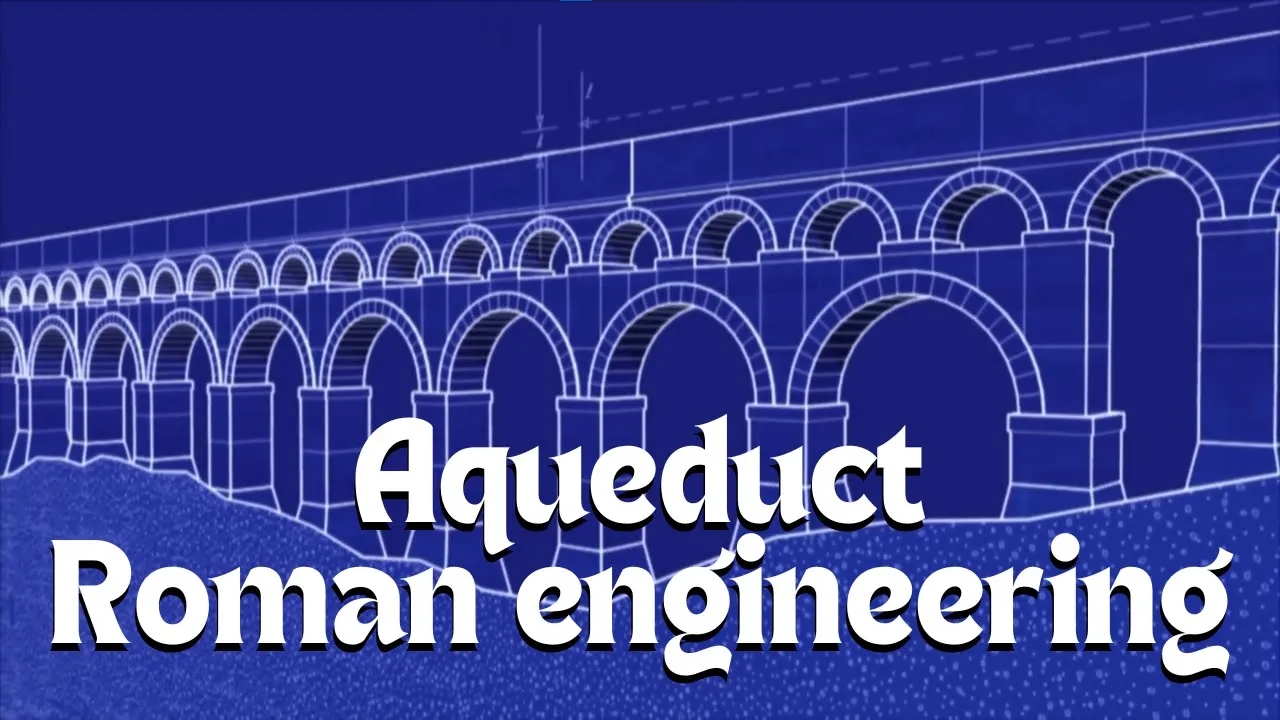
Basic Roman engineering principles, such as aqueducts, hydraulic cement, and gravity-fed water systems.
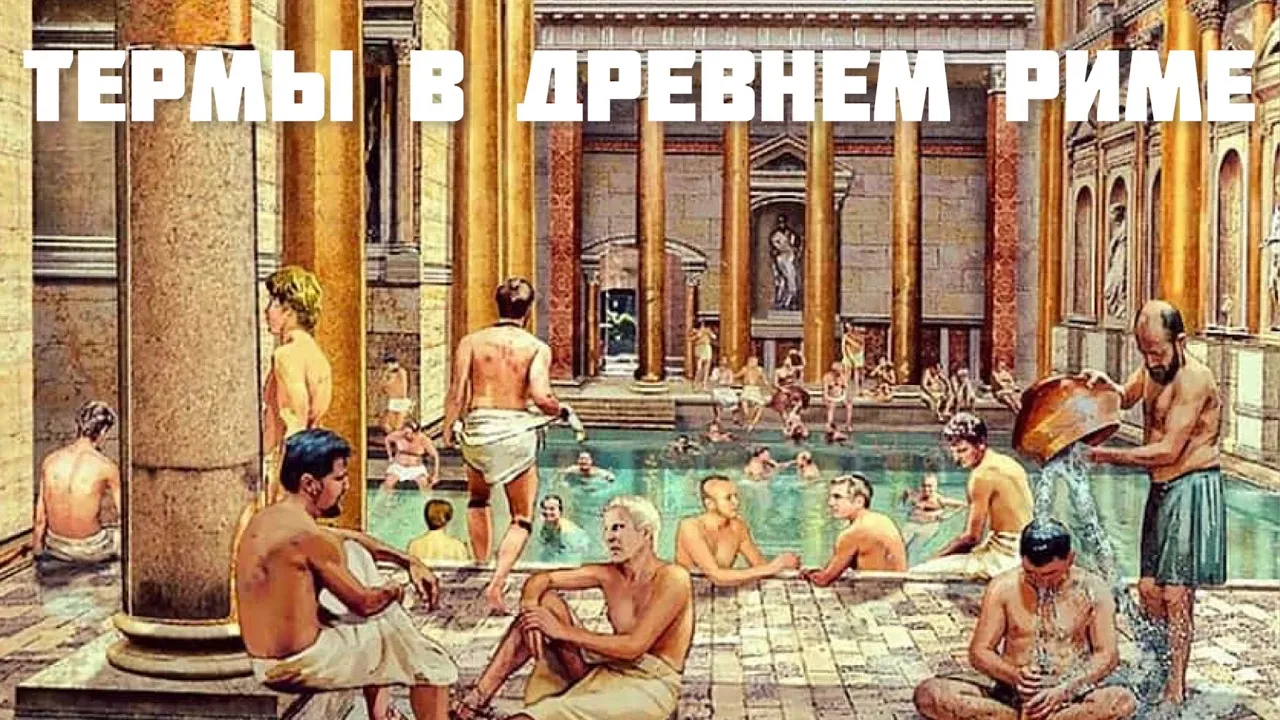
The socio-cultural significance of public bathing (thermae) and communal leisure in daily Roman life.
Roman religious practices and polytheism, specifically syncretism (the blending of Roman and local deities like Sulis Minerva).
The study of Roman epigraphy and 'defixiones' (curse tablets) to analyze the language, social anxieties, and literacy of common citizens.
Advanced Roman thermodynamics, specifically the engineering, fueling, and maintenance of hypocaust underfloor heating systems.
The archaeological preservation and conservation challenges of wet, urban heritage sites with active thermal springs.
The socio-economic impact of the collapse of the Roman Empire on public sanitation, infrastructure, and urban living standards in Britain.
2.3M views41.8Klikes25:11Original Release: 2022-09-07
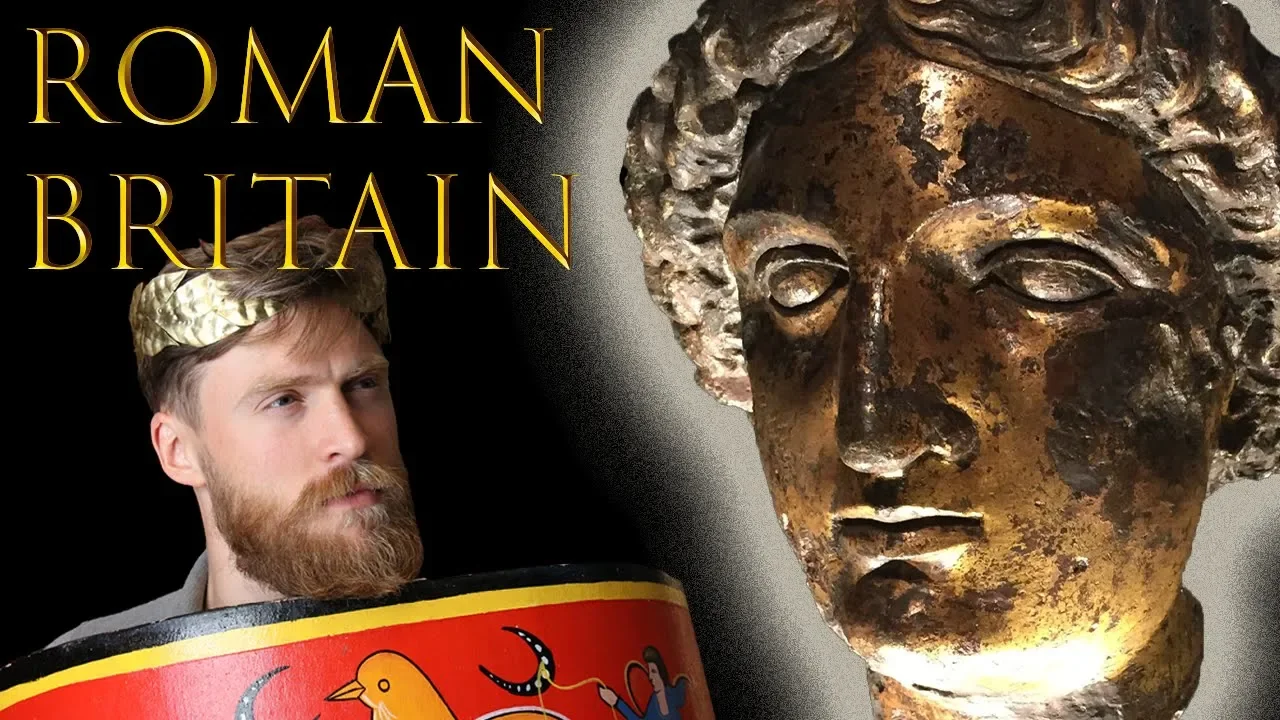
[Music] today i'm at one of the most fascinating roman sites in britain the roman bath in the glorious city of bath but don't worry this is not another dreaded latin lesson i'm here to take you the subscribers of the history hit youtube channel through the best bits of the history the history without the boring biz we'll be looking at everything from trendy hairstyles sacrificial altars we'll get to grips with ancient curses beguiling myths and front-page news discoveries i'll even be showing you where our ancestors got it wrong with typos and botched jobs which landed them in well a lot of hot water so gather your abduction grab a towel it's time to dive head first into the remarkable history of the roman bards [Music] you might know bath as one of the most elegant cities in the world it's home to the best georgian architecture in britain and its history is peppered with parading and politeness but it wasn't always like this in fact the story bar started with some very muddy pigs it all started in 863 bc with a guy called prince bladderd he was a british prince who whilst being educated in athens contracted leprosy on his return to england he was banished from the kingdom due to this incurable disease all bladder had for company was a herd of pigs who also caught his skin condition but one day something remarkable happened the pigs came across a patch of hot muddy water and bladder thought nothing of this until he realized the pigs became cured of their leprosy observing this miracle bladder then bathed in the springs himself and he too was cured by this healing water legend has it that in gratitude he built the city of bath around the springs whether the legend is true or not there are three naturally occurring hot springs in the area and the local population has enjoyed the spring since at least the iron age this is the site of the original sacred spring and it has naturally hot water at pretty toasty temperatures of 46 degrees c 240 000 gallons of water rises here daily as it has done for thousands of years and according to my calculations that's enough water to fill over 14 000 bathtubs or almost four million cups of tea when the romans came to britain they were amazed by this incredible phenomenon the only explanation was that this was a sacred site and the mark of the gods so the romans set to work they built a vast complex here around 70 a.d this was made of two parts firstly the temple around the sacred spring and secondly the bards with their healing waters used for relaxing cleaning and socializing in roman times this settlement was named aqueous souls which meant the waters of sulis sulis was a local celtic deity a goddess of healing and sacred waters but the romans mixed this local deity with one of their own minerva the goddess of wisdom so the temple here with the sacred spring became the temple of sulis minerva the first load reference to the springs and temple at bath is from the roman writer solonus in the third century a.d he wrote in britain are many great rivers and warm springs adorned with such a splendor for their use of mortals minerva is the patron goddess of these and in her temple the eternal flame never whitens the ash but rather when the fire dies away it turns into rocky round masses the temple here which was built in the first century a.d was pretty grand it stood in the center of a courtyard and this walkway is suspended above what was once the temple courtyard and where worshippers could gather to pray to the goddess sulis minerva and it was pretty grisly stuff this is the sacrificial altar where animals perhaps a pig a sheep or an ox were slaughtered the intestines of the animal were then examined by a priest called aharu spex a word which means entrail observer in latin the stone here was dedicated to the haru specs at aqua sulis a chat named lucius marcus memo this inscription was originally carved to be symmetrical with h.a.r in the center to stand for haru specs but because the horospecs was so rare in fact melmo was the only higher respects we know of in britain no one had any idea what these three letters meant and so there's a later edition on the right of sp to clarify the meaning and completely ruin the symmetry the temple's facade was made of four fluted columns and this the temple pediment which would have been brightly painted it has a formidable gorgon's head gazing down from a height of 15 meters to all who approached the temple of course those romans never got to see it up close and personal like we are now but from this vantage point you'll discover it's full of all sorts of quirky characters the central head is held up by female victories on a shield ringed with oak leaves the victories stand on globes and the great head itself has snakes entwined in its beard wings above its ears thorough brow and a heavy mustache down here is a helmet in the form of a dolphin's head and here is a small owl tucked away to the lower right of the large central roundel probably perching at the top for another helmet so what does it all mean well perhaps this is the head of the gorgon the mythical creature killed by the greek hero perseus with the assistance of the goddess athena now this would make sense as the roman goddess minerva was the same deity as the greek goddess athena and with the same powers and attributes but a problem with this interpretation is that the gorgon was female and this trap here with this big moustache is most definitely not so perhaps it was a combination of the local celtic and classical roman imagery another idea is that this is a water god as it's quite similar to the other water gods from britain at the time some interesting theories but all i can think of is that massive stone statue in the chamber of secrets of the second harry potter film i suppose there's only one way to find out parcel tongue let me see if i can remember any hi hi i think he's a gryffindor inside the temple was a gilt bronze statue of the goddess sulis minerva shimmering in a room lit only by flickering flames incredibly the head of the statue still survives the head had six layers of gilding the first two use a technique known as fire gilding whilst the four later layers are applied as gold leaf you can see that there's a bit of corrosion in parts and this comes from lying in the ground for over a thousand years for this was only rediscovered in 1727.
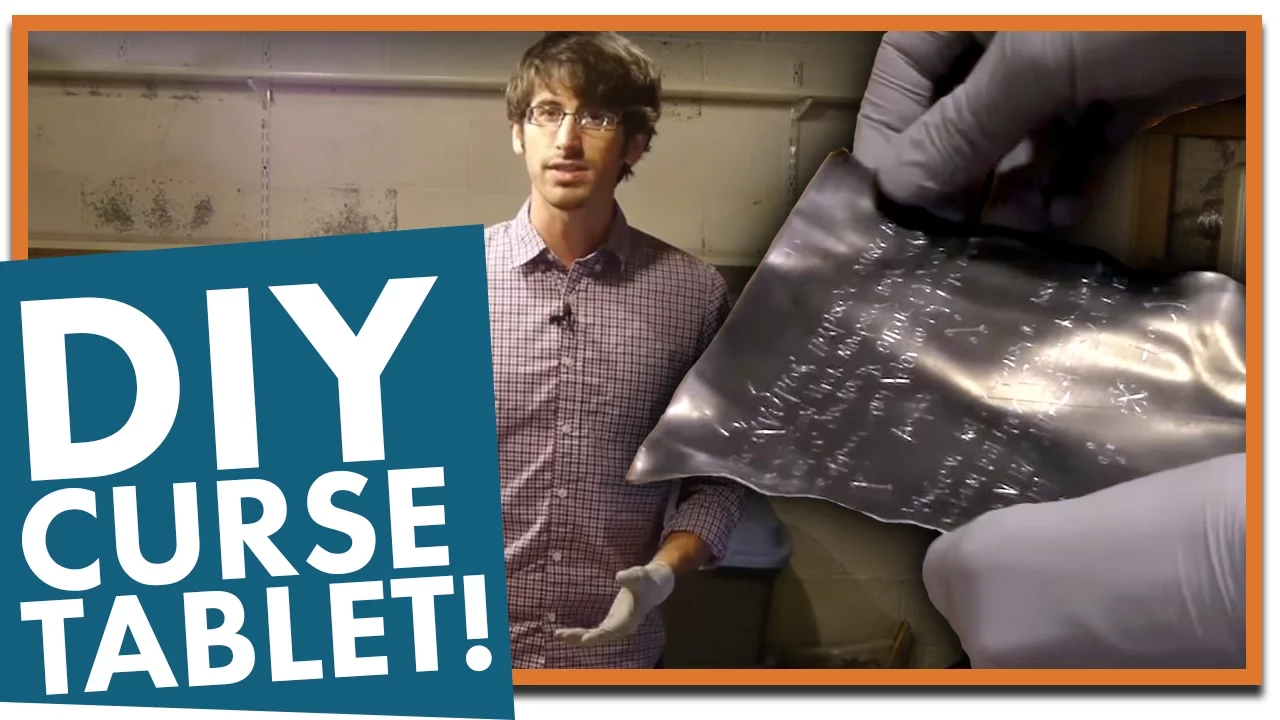
but i love this detail below the chin look at this strange rectangular cut they think this is a mistake in the original casting process when a bubble on the surface may have been cut out and filled with an inserted plate now it's quite a big mistake for that craftsman considering this is the most important statue in one of the most sacred temples in britain anyway he managed to patch it up at the time by gilding over it but of course over time the plate has fallen out meaning that all these centuries later the 1.3 million visitors who pull through these doors each year can have a really good look at his botched handiwork i was lucky enough to meet zocha who works in the museum stores where i got a bit of a closer look at some of these incredible objects so joshua is so exciting to be down here in the stone stores what are we looking at today um so we're gonna have a little look at um some of the objects that are on display but in person okay um to start off with a couple of curse tablets so what is a cursed tablet so curse tablets were thrown into the spring by the romans and it is essentially a piece of lead um that's either rolled out or squished out and you write into it with a metal stylus um your message to the goddess okay and what kind of messages were those mostly angry um so these are quite um personal a lot of the time and they're usually quite petty and they're about things like having your cloak stolen um there's people having money stolen it's little thefts and things like that i just love the idea of someone coming to the baths having their cloak stolen and then immediately going to the temple and writing an angry curse of the goddess and saying so and so storm like like throwing into the water yeah in revenge um that's great and so people would where would they find these little bits of lead are they something that would was that something that would have just been lying around everywhere or no so the lead's actually sourced in the from the mendips which are the hills sort of just beyond bath and um it's the same lead that the romans used for plumbing on site as well and so there's a lot of lead working going on in terms of the building anyway but it's likely they were making these um nearby or or even on the temple precinct okay great well what's this one so then so i've talked about the ones that have stories and there's all sorts of really exciting ones but a lot of the ones that we have that aren't currently on display um are ones like this so this is a small sheet of lead um and you can see scratched into the surface there two names so this is british which is a ladies name and there's another one underneath it that begins with a v yes and the two names are probably because the person didn't necessarily know who had done the bad thing so they haven't written the message out to the goddess they haven't said what it is and they're not really sure who it hedging their is yeah somebody's gonna be one of these guys it'll be fine how amazing yeah but i like the mystery of these ones that are just the names because actually with some of them is it everyone on the list have you just got a hit list you know or is it just minerva's gonna make you know work out what to do with these people and who it is it's really interesting yeah brilliant um i did bring you out because we're on a theme of ledge another option and this is the other aspect of lead on-site which is the fact that they use it for all the plumbing um yeah do you do you know the cool lead plumbing fact which is the tough it comes i know cool fact it comes from um the word plumbing comes from the roman word for lead which is plum bum oh right okay so it's come from them in the first place what is it plum bum plum bomb yeah it's it's the word okay everyone take that home and uh it's still pb in the periodic table of elements oh yeah for that as well yeah and it's great so you get plumber and everything from the romans and kids absolutely love it every time you just say the word plum bomb yeah wow that's incredible and so how come this has come off um so so there are some bits that have come off and some bits are still so this you can see there's a big chop there um it's actually been deliberately cut from the bottom of the bath and we don't really know exactly when or why or by who but major davis who did the most of the excavations of the great bath um was known to have sold some lead so it's entirely possible that this was one of the pieces that was cut out by him i hear there's a stone store to look around i think we should go and have a look no worries wow look at this yeah so we've got um a few shelves of roman objects here and i wanted to show you so we're going to start off with um this piece here so this is this is something called a finial so a finial is like a decorative knobble that sits on top of a roof and we've got a few of these from the from the bath house itself so you had the big vaulted roof and then right at the very top you had three of these kind of decorative ones this is the roof decor yeah so this is the shape that would have fit onto that top of your roof and then um this is the actual top of it so it's lying on its side now you can see it's uh lived a bit of a hard life so it's quite worn and weathered um and this is because it's bath stone which is our local stone almost all of the stone we see from sight is is bath stone um it's limestone and it's quite porous so when you get heavy rain or chemicals um especially sort of acid rain these days it gets really damaged so this has lived a very long and hard life on top of the roof of the great bath probably wow then we've got a couple of other pieces as well so we've got lots of odds and ends of inscriptions from the site um but there's also some nice bits of carving so a lot of the full carved pieces don't survive because when the roman baths are torn down it collapses and we get a lot of things that break and one of the classic objects that you see on roman sites that sort of uh to do with you know working for food and things like that as a coinstone so like a big round grinding stone so these that you've got here there's a hole in the middle you grind one on top of the other and grind your grain to make flowers and things like that and there's lots of broken pieces but my favorite is this one here so if i just give you this piece to hold um so that's the curve going on the outside here you'd have this big circle like that and this is the other broken part of it here and you can see it fits together like this oh yeah and this blob in the middle that's would have been holding it together this is actually a piece of lead and it's a roman bit of lead that has been stuck in because it would have broken in the roman period and someone loved this this corn stone so much that they stuck it back together so that they could still use it a bit of diy repairs diy repairs and i think because it's you can feel it's quite crusty crunchy stone yeah um you get coin stones made out of sort of volcanic material so it's probably imported and it would have been it would have been really special to someone um so they would have wanted to keep using it even when it did break yeah because they presumably they couldn't have used the local bath stone no no you definitely could you'd really you'd have ended up with extremely gritty bread dusty bread yeah yeah this is a sculpture from the tomb of a wealthy roman lady her hairstyle is incredibly elaborate and the height of fashion for hair in the 1st century a.d at the back the hair is divided into thin plaits and then coiled into a heavy bun and at the front she has this diadem of tiny curls framing the face she must have been pretty wealthy is it impossible to do this on your own so she must have had slaves to do it for her this tombstone is really fascinating it translates as julius vitalis armor of the 20th legion valeria victrix a nine years service aged 29 years a belgic tribesman with funeral paid for by the guild of armorers lies here now vitalis came from a tribe called the bell guy who lived in southern britain as well as northern france he died here in akwa sulas in the later first century a.d and so may have been with the troops who built the bards and temple he was one of the many skilled craftsmen with the army who maintained and repaired equipment so that's the temple but what about the baths and how did those romans turn a few muddy springs into this civilized chic spa first of all a reservoir was created around the natural spring then it was surrounded by a lead-lined wall that formed a water-tight tank and after this they built sophisticated drainage systems to stop the silt building up and allowing the water to flow through the baths this is the great bath this massive pool was lined with 45 sheets of lead probably from the mendip hills and filled with hot spa water the bath is 1.6 metres deep which was ideal for bathing and it has steps leading down on all the sides niches around the bards would have held benches for bathers and possibly small tables for drinks and snacks this large flat slab of stone set across the point where hot water flows into the bath is known today as the diving stone now everything above ground level here was actually built much later than the romans so you do have to use your imagination a bit what the romans built was actually much grander for many roman visitors this may have been the largest building they had ever entered in their life it was covered with an enormous barrel vaulted ceiling 20 meters high and here it is the original roof this great mass of tiles and lime water these are the bases of the original columns which once held up the roof this really was a marvel of engineering look at these channels on the ground surface this is where they send hot water to keep the birds warm and hot air to create underfloor heating it looks pretty serene today but we can imagine that these were noisy places the great philosopher and statesman seneca described what it was like living above a bath house in around 50 a.d i live over a public bath house he began just imagine every kind of annoying noise the sturdy gentleman does his exercise with lead weights when he is working hard or pretending to i can hear him grunt when he breathes out i can hear him panting in high pitched tones or i might notice some lazy fellow content with the cheap rub down and hear the blows of the hands slapping his shoulders the sound varies depending on the massager hits with a flat door hollow hand to all of this you can add the arrest of the occasional pickpocket that's also the racket made by the man who loves to hear his own voice in the bath or the chap who dives in with a lot of noise and splashing the rest of the bards contained changing rooms saunas and pools a visitor could use the cold bath the frigidaire a warm bath the tepidarium and a hot bath the caldarium some of the bars also contained an exercise area the palatia and a gymnasium too this is the frigidairium this is a cold circular plunge pool one and a half meters deep and it seems like there are still some romans enjoying it it was too expensive for most romans to have their own spa at home as roman houses had a water supply via lead pipes and these pipes were taxed according to their size petronius who was a roman quarter during the reign of nero described a trip to his local bards we undressed quickly he said and went into the hot bars and after working up a sweat passed on to the cold bar then he came across his friend whose skin was glistening all over with perfumed oil he was rubbed down with not ordinary linen but with cloths of the purest and softest wool he was then wrapped in a blazing scarlet robe hoisted into a litter and trundled off here we can see how the romans managed to do underfloor heating this is an example of the course system the word hyper court comes from the greek words hypo which means under and coarsed which means burnt hot air from a wood burning furnace outside the building would have been drawn under the floor and flowed between these pillars of tiles and concrete known as pili there were also tiled or clay flues under the walls which circulated the hot air to the rooms walls and floors above it was an incredibly efficient system and years before his time after the fall of the western roman empire we didn't have central heating like it until the 20th century and this is the spring overflow this is where all the water leaves the site blowing down a great drain the original roman drain and onto the river avon 400 meters beyond and i have to say it's pretty seamy in here the site here remained a focal point for worship until the 4th century a.d when the romans left and as christianity gathered strength the old pagan religion was marginalized and in 391 a.d the emperor theodosius ordered the closure of pagan temples such as this one throughout the empire so according to the anglo-saxon chronicle within a century after the romans left the baths here were in ruins over the years the roman site fell out of use the ruins were built upon and it seemed that the roman history was lost in the mists of time of course the people here continues to bathe in the waters when the welsh monk nenius visited in the 9th century he recorded what he saw surrounded by a wall and made a brick of stone amen they go there to bathe at any time and every man has the kind of bath he likes if he wants it will be a cold bar if he wants a hot bath it will be hot the 16th century traveler john leyland visited the town and reported the city of bath is set both in a fruitful and pleasant bottom the witch is environed on every side with great hills out of the which come many springs of pure water that be conveyed by diverse ways to serve the city by the georgian period the city became a hub of fashionable society and the creme de la creme absolutely loved the baths here but with all the tourists flocking in there was some concern about the cleanliness of these birds samuel johnson wrote me thinks it cannot be clean to go so many bodies together in the same water in fact the water did actually stain people's clothes the yellowish color and you can see the marks left by the water here in the king's bath to counteract this people began to wear these colours to disguise the stain the great travel writer celia fines explained that ladies go into the bards with garments made of a fine yellow canvas the gentleman have jaws and waistcoats of the same sort and the behavior here was far from civilized according to oliver goldsmith who found the city mean and contemptible and said the amusements of this place were neither elegant nor conducted with delicacy tobias smolit who visited the spa city and published an essay on the external use of water in 1752 reported a national hospital it may be but one would imagine that none but lunatics are admitted it was during the 18th century that people became especially enamored with the idea of drinking the spa water too with its 43 minerals including sodium calcium magnesium silica and iron in 1707 the pump room was built a striking neoclassical salon where the hot spa water was drawn for drinking for the fashionable elite of bath dr william oliver had complete faith in the remedial power of these waters writing in 1707 if patients can't be cured by drinking or bathing here they will never be cured anywhere in 1891 another man warned that bath waters were so powerful in their actions that a cause of treatment by them must be entered upon with caution and not without a certain amount of responsibility in charles dickens's book the pickwick papers the character samweller describes the taste as particularly unpleasant and a very strong flavor of warm flat irons i feel better already but everything was to change in 1878 the city's surveyor and architect major charles davis discovered a leak in the baths whilst investigating the source of the problem he came across something quite extraordinary roman tiles let and pottery it was the start of the excavation of the original roman site and as soon as the city realized these incredible roman treasures had lay beneath their feet for all these years they began purchasing the buildings which stood here and demolishing them so it could be excavated by 1883 the site was ready and the doors were flung open to welcome the eager punters it was incredibly popular visited by a hundred thousand people in 1890 alone they would bathe in the hot water sweat in the steam bars and even have the water pumped or sprayed over their bodies the water was mixed with mud packs and they even practice electro therapy and those victorians made a few tweaks and additions too to really lay into the roman vibe including lining this terrace with statues of roman emperors and governors of britain they were supposed to install a roof here but there wasn't enough money to do so and so it was more of an alfresco experience but perhaps they didn't realize that this would turn the water this vivid green color for it's the exposure to the sunlight which encourages the algae to grow the baths were open to the public and used to provide water cured treatments on prescription through the nhs from 1948 until 1976.
however since 1978 they were closed to the public after a girl who swam in the waters died of a meningitis-related illness after this the water was found to be polluted by a dangerous amoeba linked to meningitis so you definitely wouldn't want to swim in it today but it's still enjoyed by the public as a museum with over 1.3 million visitors each year so there you have it the roman bars in a nutshell thanks so much for watching if you enjoyed this video click subscribe so you don't miss the next one see you next time
Up Next

10:01
The Rise and Fall of Glass Skyscrapers: An Architectural History
@cheddar
509.1K views•2020-07-28

33:02
The Great Schism of 1054: Causes and Consequences
@SacredCathedrals
113.5K views•2026-02-19
48:49
The Headless Man: Forensic Analysis of a Highland Mystery
@HistoryHit
266.4K views•2023-11-27

17:05
Understanding the Cold War: Superpower Conflicts and the Road to Détente
@OverSimplified
46.1M views•2019-01-24
Related Study Plans & Knowledge Roadmaps
Structured learning paths in History
history
Byzantine Iconoclasm: Theology, Art & Politics
01Foundations of Byzantium and Early Christian Images
02The First Iconoclasm: Leo III and the Crisis of Images
03Empress Irene, Nicaea II, and the Second Iconoclasm
+ 2 more learning modules
9h5 modules
Explore Roadmap
history
Iranian Revolution (Causes, Events & Legacy)
01The Pahlavi Dynasty and the Roots of Discontent
02The Spark of Rebellion and the Rise of Khomeini
031979: The Fall of the Shah and the Climax of the Revolution
+ 2 more learning modules
8h5 modules
Explore Roadmap
history
Mali Empire: Mansa Musa, Trade & Timbuktu
01Foundations of the Mali Empire
02The Trans-Saharan Gold and Salt Trade
03The Reign and Pilgrimage of Mansa Musa
+ 1 more learning modules
6h4 modules
Explore Roadmap
history
1947 Partition: Politics, Borders & Legacies
01Foundations of British India and the Divide
02The Political Negotiations and the Mountbatten Plan
03Drawing the Boundary: The Radcliffe Line
+ 2 more learning modules
8h5 modules
Explore Roadmap