


![[주택관리사 무료인강 인강드림] 2022년 조현행 시설개론 기본이론강의 (2강)](https://i.ytimg.com/vi/dMw8Tbvvr88/maxresdefault.jpg)


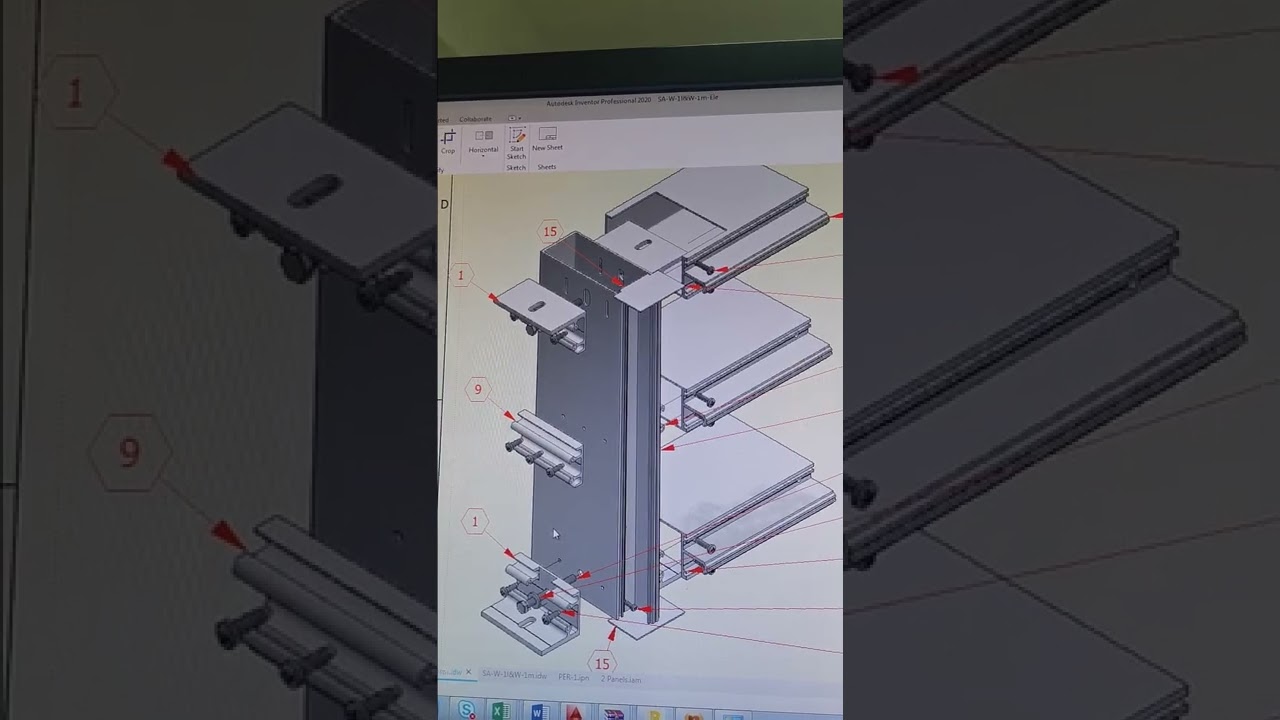


















Glass skyscrapers, which became dominant in cities like New York (with over 6,000 high-rises) starting in 1948 with the UN Headquarters, were enabled by air conditioning technology but have created significant environmental problems including dangerous heat concentration (melting cars, causing fires), doubled cooling energy consumption since 2000, and prompting cities like New York to ban new glass-fronted towers in favor of sustainable materials like wood and copper.
The Rise and Fall of Glass Skyscrapers: An Architectural History
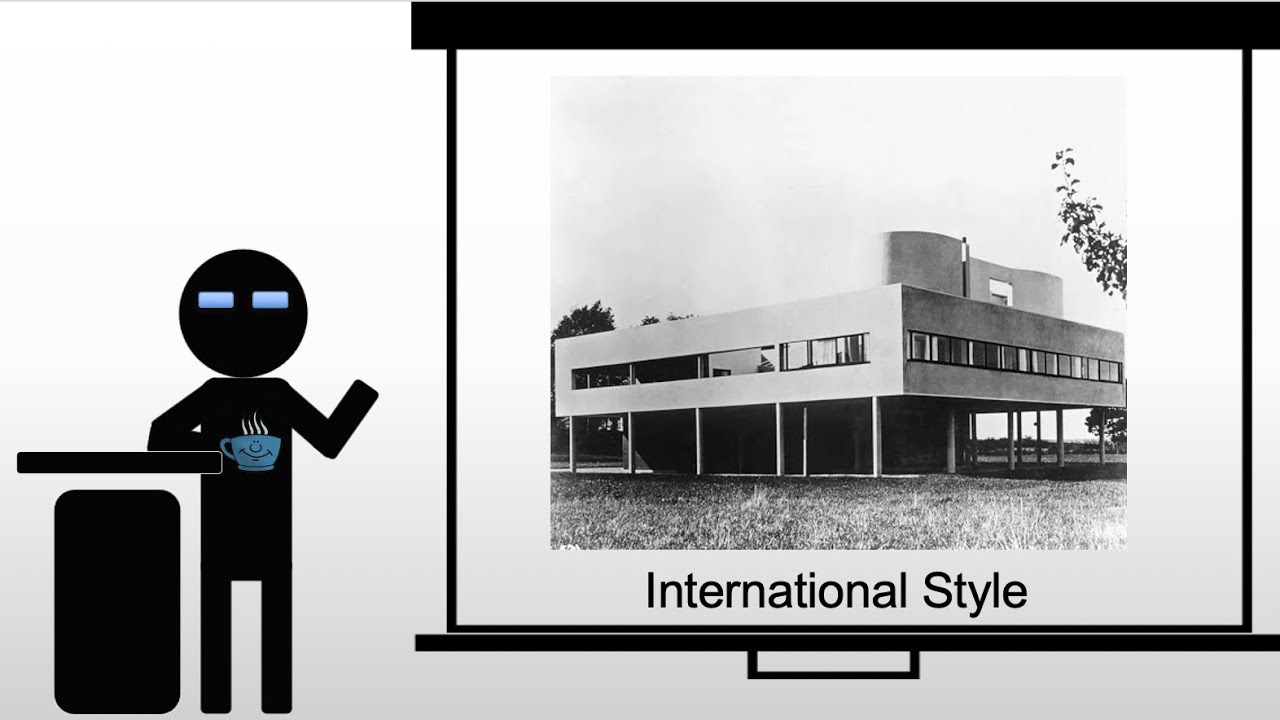
Added:Understanding of the International Style and Modernist architectural movements, which championed the use of industrial materials like steel and glass.
Basic structural engineering concepts, specifically the 'curtain wall' system, which allows non-structural glass outer walls to be hung from a building's framework.
Fundamental principles of thermodynamics, including solar heat gain, thermal transmittance (U-value), and the greenhouse effect in built environments.
An introduction to the Urban Heat Island (UHI) effect and how building facades contribute to microclimate temperatures in metropolitan areas.
Investigation into sustainable building standards and certifications, such as LEED, BREEAM, and Passive House (Passivhaus) design principles.
Advanced materials science in architecture, focusing on innovations like smart glass, electrochromic windows, and building-integrated photovoltaics (BIPVs).
Analysis of urban policy and municipal building codes, specifically studying how cities like New York implement carbon emission limits (e.g., Local Law 97).
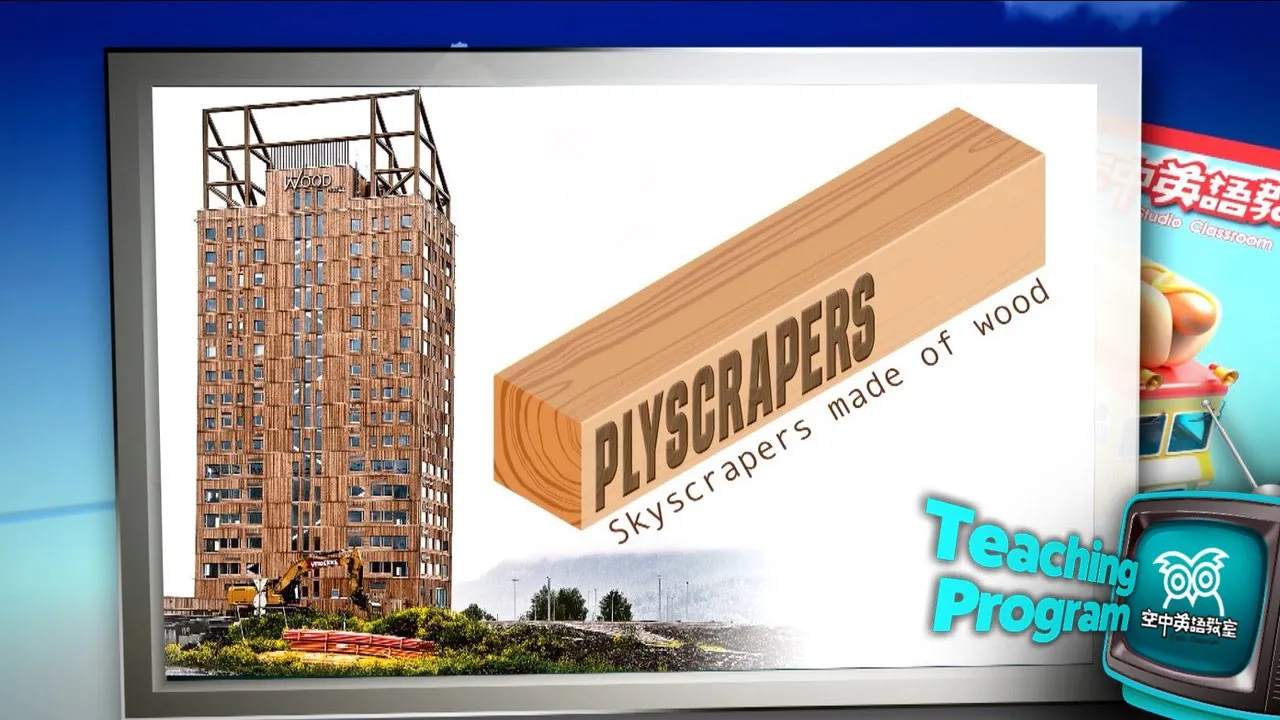
Exploration of alternative high-rise structural materials, such as mass timber (engineered wood) and its potential to replace steel and concrete in 'plyscrapers'.
509.1K views12.7Klikes10:01Original Release: 2020-07-28
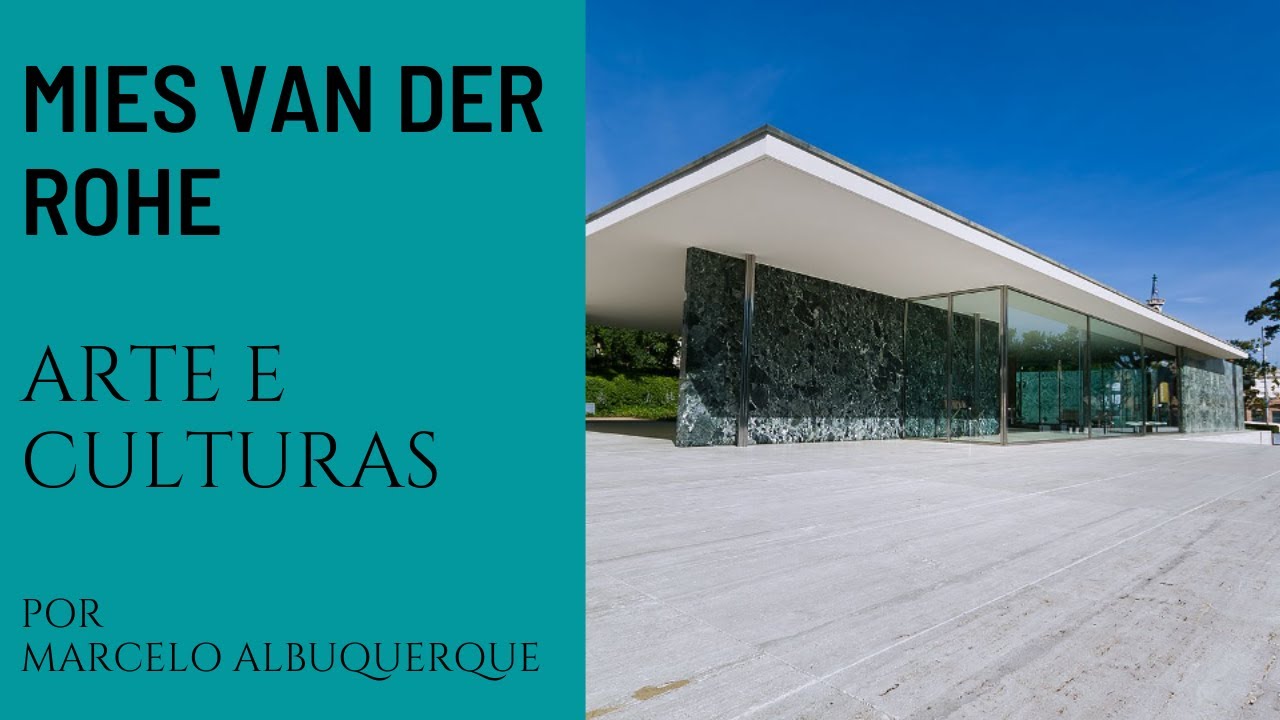
in the city of london in 2013 martin lindsay parked his jaguar in the street about two hours later he found that the side view mirror panels and jaguar badge had melted the culprit a 37-story skyscraper dubbed the walkie-talkie tower and later on nicknamed the wacky scorchie sunlight reflecting off of the tower's reflective glass turned into powerful focused rays strong enough to melt lindsay's car caused fires outside of shops and smolder front doors it also fried an egg on the street this is just one negative consequence of the world city's love affair with the glass skyscraper new york city has over 6 000 high-rise buildings 284 of those are skyscrapers over 492 feet tall to put that in perspective chicago the us city with the second most has just 126 and for the last 75 years most of those new york city skyscrapers were built with glass facades they may look like elegant symbols of modernity but beyond that shimmer is a list of problems that has some leaders proposing bands all that beauty comes at a price it wasn't until the introduction of steel during the industrial revolution that the first modern skyscrapers were born the home insurance building in chicago was the first tall building to be supported by a steel skeleton of vertical columns and horizontal beams dubbed the father of the skyscraper it stood 10 stories high and was covered in light masonry walls and for the next 70 years or so most skyscrapers that followed including the woolworth chrysler and empire state buildings were donned with rock facades but this doesn't mean glass wasn't on the mind of architects throughout the 19th century many were experimenting with foley glass structures designer joseph paxton chief gardner at the duke of devonshire's chatsworth estate was the first to design and build the first large-scale glass structure created specifically for use by people the crystal palace the 990 000 square feet space hosted the great exhibition of the works of industry of all nations in 1851 in london despite the awe-inspiring aesthetic the giant glass house faced many challenges mainly maintaining a cool temperature paxton used some cooling methods such as shading natural ventilation and eventually removing sections of glass altogether but despite his efforts overheating became a major problem over the summer of 1851 with data records showing that the crystal palace's indoor temperature was simply too unstable these incidents forced organizers to temporarily change large sections of glazing several times before it was permanently replaced with canvas curtains that could be opened and closed depending on the sun but these obstacles didn't deter famous architects like mies van der rohe from being inspired by the palace and its use of glass first started of course with large expanse of glass being kind of a post-war era accomplishment and achievement to be able to have these massive panes of glass and i think that moved into a the desire to have this complete connection between interior and exterior environments like just have a fluid uh glazing that allows for people to see everything outside and everything inside and i think that there's an attraction to that but ultimately it became a habit in 1948 construction began on the world's first tower with a glass curtain the 505 foot united nations headquarters in new york city soon more glass towers followed like the 307 foot lever house and 516 foot seagram building so what changed ac air conditioning enabled the glass skyscraper to become a model for high-rise office developments in cities across the world it allowed architects to create alternative layouts without having to worry about seating workers near windows and encouraging collaboration and denser construction as the corporate workforce expanded with the acceleration of computing and office related jobs these employees needed new places to work glistening skyscrapers were the response to this in densely populated cities and as a result glass became a trend not just for aesthetic peel but because it was just easier than building skyscrapers out of other materials the idea that you could essentially assemble a building like an ikea piece of furniture taking prefabricated parts and putting them together without skilled stone workers from sicily cars ornaments but you could just like pieces of it could roll out of a factory and you can assemble it together but that idea was very attractive to builders who wanted to put up buildings quickly and cheaply and that's continues to be true glass buildings are popular not just because of their striking appearance but for the views they boast and the increased light they let in research from cornell university professor alan hedge found that the optimal amount of daylight reduces eye strain and headaches of office workers by 84 but over the years drawbacks have become more and more apparent glass is beneficial environmentally on that front because it helps daylight a building which cuts down on the amount of energy you need to expend on artificial lighting that is probably overwhelmed by the fact that almost everybody in those offices is using computers and so the energy drained from those computers and then the associated servers and everything is a really important aspect of it so light is one thing but heat and cooling is another according to the international energy agency the amount of energy used for cooling has more than doubled since 2000 and it'll double again by 2040 if we don't curb our reliance on air conditioning you want buildings to ultimately perform like you know like the coolers you take to the beach where it's like you know it doesn't take a lot of ice in there to keep things cool that's because the enclosure is really uh performing so well and so we need to be able to think about materials and building assemblies that allow for buildings to stay extremely consistent in their temperature and not require a significant amount of energy to do that glass buildings are not only warming up the world but they also melted an actual car to stop this workers fitted the building with shades to deflect the sun's rays architects are championing alternative building materials that can save energy and help a building rely less on hvac systems these different facade materials are moving more and more into the mainstream i'm an architect i want my work to look good and be photographed and be published um so bricks are like totally out brick so like so yesterday no one dares build a building out of bricks the latest kind of popular answer to this whole thing is to build a wood skyscraper now obviously there's still plenty of glass so this is taking over because it's you can check off all the boxes it's sexy it's new it's sustainable it looks very cool and it's probably going to be a little more efficient than glass because it's a solid material that is inherently insulates just by itself and as new sustainable materials are becoming available some architects are speaking out on glass usage even architects who built them known for his project the gherkin british architect ken shuttleworth spoke against using the material i think glass is a symbol for energy guzzling buildings and we need to move to a much more energy-conscious environment to try and save resources that's in a way a manifesto for us as architects to try and make buildings more energy efficient architects in new york are reportedly returning to stone wood and copper as alternatives to the glass that has been used to cover the city skyline take a look at this pair copper-clad skyscrapers that were recently constructed by the east river on earth day 2019 mayor bill de blasio introduced his green new deal designed to eliminate new glass-fronted towers from the city skyline we're going to introduce legislation to ban the glass and steel skyscrapers that have contributed so much to global warming they have no place in our city or in our earth anymore we basically said look we know that people are going to be using glass in a lot of different ways we want to say here's the minimum performance of glass that you can have in a building you know no matter where you use it in addition to several other energy code improvements to make buildings more efficient we're in the business of saying that we have a high standard that means that buildings need to perform in a way that supports the eight and a half million new yorkers that live here and not in a way that makes it more difficult for us to achieve our climate goals as new initiatives are being introduced to tackle climate change getting rid of glass is just one element of the solution glasses of material can be efficient you just you just need to be able to utilize it in the way in which it performs the way you need i've always thought that the notion that we can you know sculpt and craft the skyline is extremely attractive and why not allow for that to also incorporate a myriad of materials that really do showcase that diversity of the city that they represent architects are arguing that a more restrained approach that sees using glass in conjunction with other materials is the way to go i think yes i think this is the moment to think about how to do things in a better way i wouldn't say we're in love with skyscrapers i would say there's a lot of understanding right now amongst everybody that glass skyscrapers are not doing us any good so it's a it's a moment to say all right what comes next thanks for watching let us know what you think about major cities continuing to build glass skyscrapers if you like this video make sure to check out our channel and subscribe
Up Next

62:19
The Great Society: A New History | Amity Shlaes
@hillsdalecollege
26.8K views•2020-01-09

33:02
The Great Schism of 1054: Causes and Consequences
@SacredCathedrals
113.5K views•2026-02-19

91:57
The Geopolitics of the Ukraine War and the Rise of Global Autocracy
@JordanHarbingerShow
468K views•2025-04-19

17:05
Understanding the Cold War: Superpower Conflicts and the Road to Détente
@OverSimplified
46.1M views•2019-01-24
Related Study Plans & Knowledge Roadmaps
Structured learning paths in History
history
Byzantine Iconoclasm: Theology, Art & Politics
01Foundations of Byzantium and Early Christian Images
02The First Iconoclasm: Leo III and the Crisis of Images
03Empress Irene, Nicaea II, and the Second Iconoclasm
+ 2 more learning modules
9h5 modules
Explore Roadmap
history
Iranian Revolution (Causes, Events & Legacy)
01The Pahlavi Dynasty and the Roots of Discontent
02The Spark of Rebellion and the Rise of Khomeini
031979: The Fall of the Shah and the Climax of the Revolution
+ 2 more learning modules
8h5 modules
Explore Roadmap
history
Mali Empire: Mansa Musa, Trade & Timbuktu
01Foundations of the Mali Empire
02The Trans-Saharan Gold and Salt Trade
03The Reign and Pilgrimage of Mansa Musa
+ 1 more learning modules
6h4 modules
Explore Roadmap
history
1947 Partition: Politics, Borders & Legacies
01Foundations of British India and the Divide
02The Political Negotiations and the Mountbatten Plan
03Drawing the Boundary: The Radcliffe Line
+ 2 more learning modules
8h5 modules
Explore Roadmap