RWA (Real World Asset) tokenization is a financial revolution enabled by blockchain technology that transforms how assets are owned and accessed, making previously inaccessible assets available to a broader audience by converting them into digital tokens that can be traded and managed on decentralized platforms.
RWA Tokenization: Complete Guide to Institutional Asset Management
Added:Deep Dive
Fundamental concepts of blockchain technology and how smart contracts execute on decentralized ledgers.
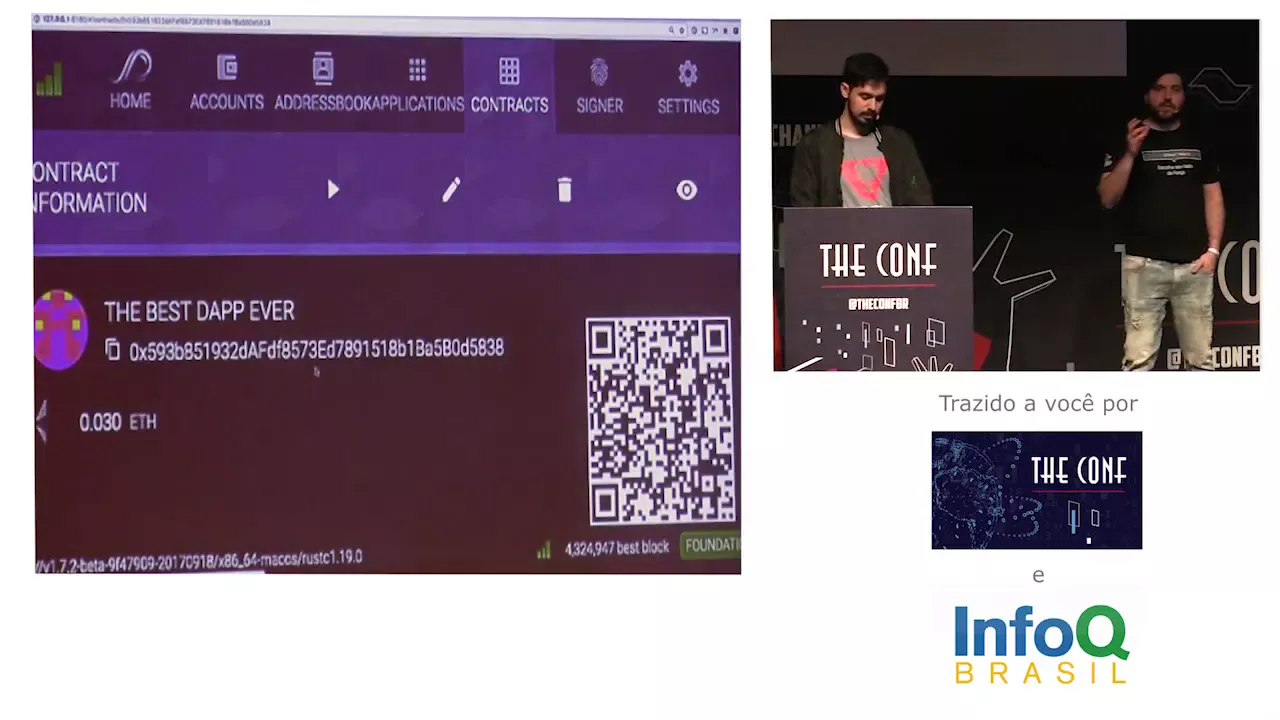
Creating UI for your Smart Contract - Esdras Eduardo & Julien Lucca
771
This comprehensive section covers the core principles of blockchain technology and smart contract execution. A blockchain functions as an immutable database where data can only be written once and cannot be deleted or updated. Data is stored in cryptographically linked blocks, creating an unbreakable chain. Ethereum introduced a revolutionary Turing-complete virtual machine that enables smart contracts—self-executing programs that run autonomously on the network. The DAO hack case study demonstrated both the potential and risks of smart contracts, where a vulnerability led to $60 million theft. To interact with smart contracts, users need three essential components: a blockchain client (like Parity or MetaMask), the contract's address, and the Application Binary Interface (ABI) that defines available functions. The execution process involves selecting functions, providing parameters, specifying payment amounts for gas fees, and confirming transactions with wallet passwords. Transactions are broadcast to the network and processed by miners, typically taking 2+ minutes for confirmation. Once confirmed, the contract state updates permanently and becomes visible on blockchain explorers like Etherscan.
Click to watch →
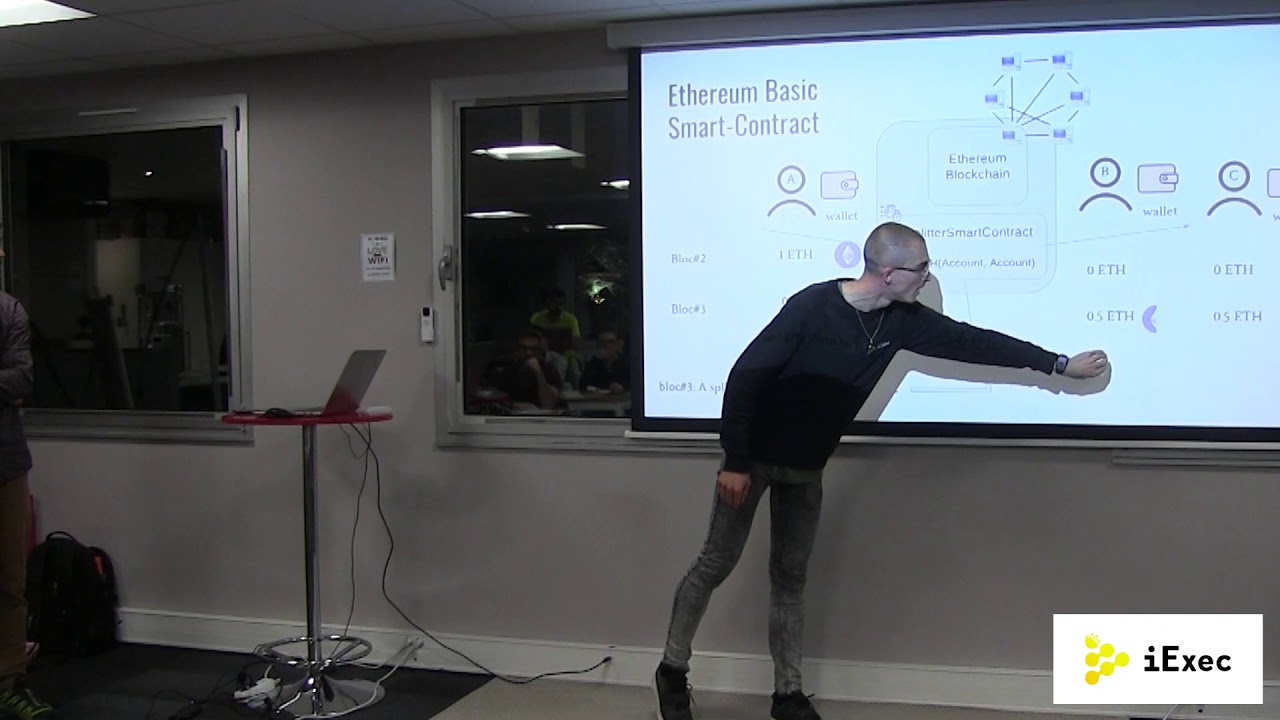
Block3 - Les smart contrats avec Iexec
164
This comprehensive segment covers the foundational concepts of blockchain technology. It explains blockchains as distributed ledgers shared across multiple machines, ensuring network trust and consistency. The peer-to-peer transaction mechanism enables direct value transfer without intermediaries. Mining validates and adds transactions to blocks, creating permanent records. Smart contracts are self-executing programs deployed on blockchains like Ethereum that automatically execute code when conditions are met. The segment covers fund splitting functionality, state management for tracking data beyond financial values, and the economic model where reading data is free but writing state incurs costs through gas.
Click to watch →
Blockchain Tutorial | All About Blockchain | What is Blockchain | Bitcoin | Cryptocurrency | Mining
2.6K
Smart contracts are computer code built into the blockchain to facilitate, verify, or negotiate contract agreements. These are programs stored on a blockchain that run when predetermined conditions are met, following simple if-when-then statements. A network of computers executes actions when conditions are met and verified, which could include releasing funds, registering vehicles, sending notifications, or issuing tickets. The blockchain is updated when the transaction is completed, making it unchangeable, and only parties with permission can see the results. A practical example is an apartment lease where the smart contract automatically exchanges the door code for the security deposit on the lease start date. Decentralization refers to the transfer of control and decision-making from a centralized entity to a distributed network, reducing the level of trust participants must place in one another. A distributed ledger is a database consensually shared, replicated, and synchronized among members of a decentralized network, with all information securely stored using cryptography and accessible using keys and cryptographic signatures. Every record has a timestamp and unique cryptographic signature, making the ledger an auditable and immutable history of all transactions.
Click to watch →

КРИПТA -- это хайп и скам? 😵💫 Как это работает
275
Blockchain is a chain of blocks, also known as distributed ledgers or databases, where interconnected data is stored. The first popular implementation appeared in 2008-2009 with Bitcoin, created by Satoshi Nakamoto. Bitcoin was the first fully decentralized implementation where all information blocks were stored on users' devices with no single entity capable of manipulation. Transactions are information about money transfers between wallets. Smart contracts are programmed contractual relationships that automatically execute when conditions are met, allowing agreements to be concluded directly in the network without human intervention. Each block consists of a header and list of transactions, with hashing used for validation and data signing. Hashing converts data into symbols using algorithms, used for verifying file integrity and storing passwords securely. Each block is signed by the hash of the previous block, creating a chain where changing any block requires enormous effort, especially since data is stored decentralized across devices.
Click to watch →
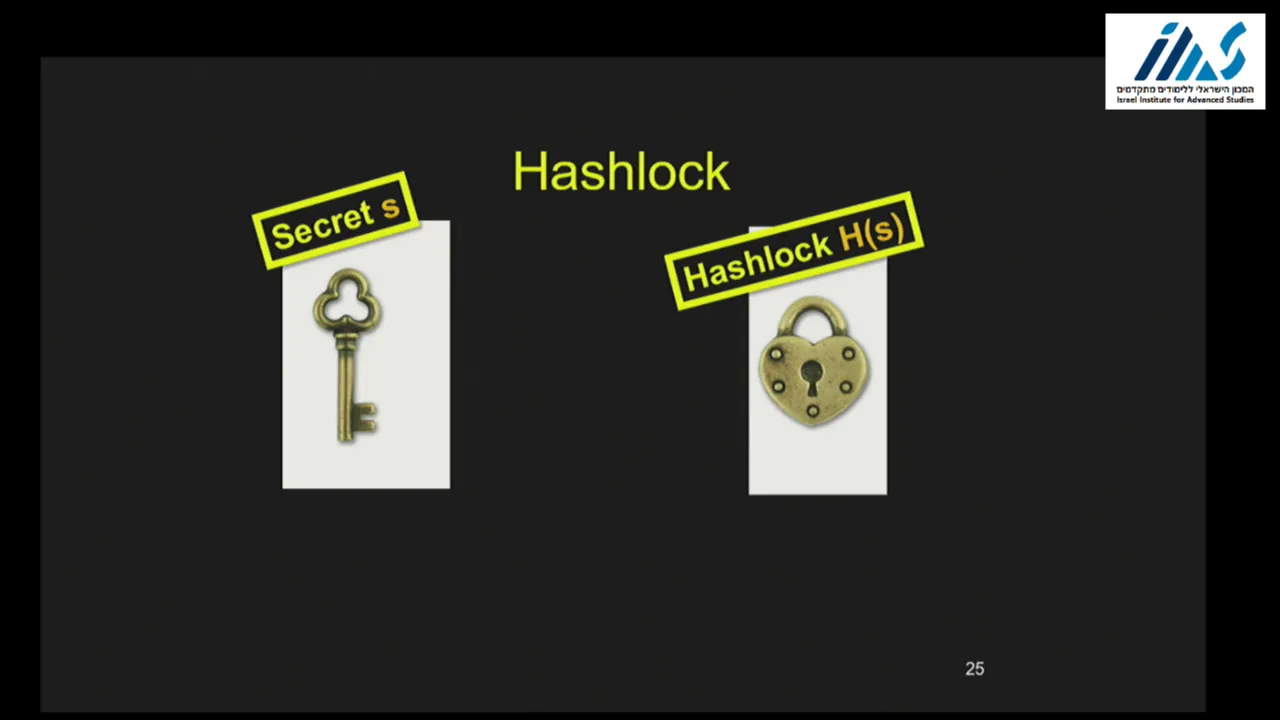
Maurice Herlihy - Atomic Cross chain Swaps and Transactions
517
Blockchain is an append-only distributed ledger where everyone agrees on content and it's tamper-proof. Smart contracts execute policy rules on the blockchain, with miners validating transactions. Hash locks and time locks enable stylized contracts without full Turing completeness. Double-spending is prevented by consensus rules, not the blockchain itself. The system requires careful timing assumptions for security.
Click to watch →
Deep Dive
The basic definition of Real-World Assets (RWAs) and the general concept of representing physical or traditional financial assets digitally.

TRADITIONAL FINANCE KNOWS SOMETHING & IT’S GOOD FOR CRYPTO.
35.2K
Tokenization of real-world assets involves representing physical or financial assets as digital tokens on a distributed ledger. This process enables instantaneous settlement, transparent ownership records, and efficient trading of securities. The speaker references Larry Fink's vision that tokenization will represent the next generation of markets and securities, fundamentally changing how assets are owned, transferred, and settled.
Click to watch →

Introdução ao bitcoin, criptomoedas e blockchain
47.2K
A major application of blockchain technology is 'tokenization' - representing real-world assets digitally on the blockchain. This allows assets like gold, real estate, or securities to be represented as digital tokens that can be traded and transferred easily. For example, the Bank of England has partnered with companies to tokenize one gram of gold, creating a digital representation of physical gold that can be traded globally. This enables fractional ownership, easier transfer, and increased liquidity for traditionally illiquid assets.
Click to watch →

A VERDADE QUE ELES ESTÃO ESCONDENDO DE VOCÊ
199K
Tokenization is the process of converting real-world assets (real estate, stocks, bonds, artwork) into digital tokens on a blockchain. Each token represents a fractional ownership of the underlying asset with immutable and transparent property records. This technology enables instant transactions 24/7, eliminates intermediaries, reduces costs, allows fractional ownership of expensive assets, increases liquidity, and enables automatic execution of rules through smart contracts.
Click to watch →
11. Blockchain Economics
295.4K
Tokenization involves representing real-world assets (like real estate, gold, or equities) as digital tokens on a blockchain. This creates a modern version of warehouse receipts that historically enabled paper money and commodity trading. Benefits include easier transferability, divisibility, and programmability compared to physical assets. However, challenges exist: illiquid assets remain difficult to tokenize effectively, and highly liquid assets may offer little advantage over existing instruments like ETFs. The most promising applications appear to be for digital-native assets where blockchain's inherent advantages (lower friction, automation, global accessibility) provide genuine benefits. Regulatory clarity and infrastructure development will determine which tokenization applications succeed commercially.
Click to watch →

Ethereum: el nuevo sistema financiero global que se abre paso - Si lo hubiera sabido
59.4K
Ethereum's greatest potential lies in tokenizing real-world assets—representing ownership of traditional assets like stocks, bonds, real estate, businesses, artwork, or private credits as tokens on the blockchain. This creates digital representations of physical objects, essentially creating their own digital shares. For example, an office building (an illiquid asset difficult to transfer) could be tokenized and divided into thousands of pieces that can be bought and sold instantly in a borderless global market with significantly reduced costs. This could multiply investment possibilities and democratize access to previously exclusive assets.
Click to watch →
Deep Dive
Core principles of traditional asset management, including custody, settlement, and portfolio diversification.

9. What are the principles of asset management
300
Asset management follows ten core principles: (1) Life cycle approach - managing assets from planning to disposal; (2) Value maximization - maximizing value through service delivery and risk reduction; (3) Strategic alignment - supporting organizational mission and vision; (4) Risk management - identifying and mitigating financial, operational, safety, and environmental risks; (5) Sustainability - promoting energy efficiency and resource conservation; (6) Whole organization integration - collaborating across departments; (7) Informed decision making - using data-driven approaches; (8) Cost optimization - minimizing total cost of ownership; (9) Continuous improvement - regularly reviewing practices through feedback; (10) Compliance and accountability - meeting legal and regulatory requirements; (11) Stakeholder engagement - aligning with interests of customers, employees, and regulators; (12) Maintenance and performance monitoring - preventing failures through regular upkeep. Together, these principles enable organizations to deliver maximum value, reduce risks, and achieve sustainable service delivery.
Click to watch →
Asset Management Awareness training video
175
Asset management is an integrated and holistic approach involving all organizational departments to effectively manage existing and new assets to deliver services to customers. The core principles include maximizing benefits, reducing risk, providing defined levels of service that are sustainable and optimally balanced. From a practical perspective, asset management is based on fundamentals including value (assets exist to provide value), alignment (translating organizational objectives into technical and financial decisions), leadership (workplace culture supports achieving plans and goals), and assurance (assets will fulfill required purpose).
Click to watch →
元銀行員夫の、家計の資産運用ルーティン。わが家のお金の増やし方について
126.7K
The fundamental principles of asset management are long-term accumulation and diversification. Long-term accumulation assumes the global economy will continue growing over 10-50 years, allowing personal assets to grow alongside economic development. Monthly fixed investment (Dollar Cost Averaging) involves transferring predetermined amounts regularly, eliminating the need to time the market. This method creates natural purchasing advantages: when prices are high, you buy fewer units; when prices are low, you buy more. Diversification means spreading investments across different asset classes (stocks, bonds, real estate, cash) and geographic regions to reduce overall portfolio risk. Concentrating all investments in a single asset creates significant vulnerability—if that asset declines, your entire portfolio suffers. Modern investment platforms offer significant convenience advantages including smartphone app accessibility, instant balance viewing, visual portfolio displays, and automatic rebalancing features that maintain target portfolio mixes without manual maintenance.
Click to watch →

Flitsbijeenkomst Assetmanagement van CROW Levende Stad / iAMPro: Plannen en Voorbereiden
161
The five core principles of asset management are: (1) Integral thinking - considering the entire physical environment and cross-organizational roles; (2) Line of sight - ensuring alignment across the organization toward common goals; (3) Balance between performance, risks, and costs; (4) Lifecycle thinking - considering total asset lifespan including maintenance costs and potential functional changes; (5) Evaluate and improve - continuously learning from experiences and implementing improvements.
Click to watch →

universal banking
12.1K
Asset management involves managing and investing large sums of money on behalf of clients, particularly pension funds and insurance companies which are major capital contributors to financial markets. Fund managers help ensure these funds achieve optimal returns. Custody represents the back-office function ensuring all trades are properly matched and settled, resolving disputed trades, and maintaining up-to-date records of shareholders and bondholders, which is critical for dividend and coupon payments.
Click to watch →
Deep Dive
An introductory understanding of Decentralized Finance (DeFi) protocols and liquidity pools.
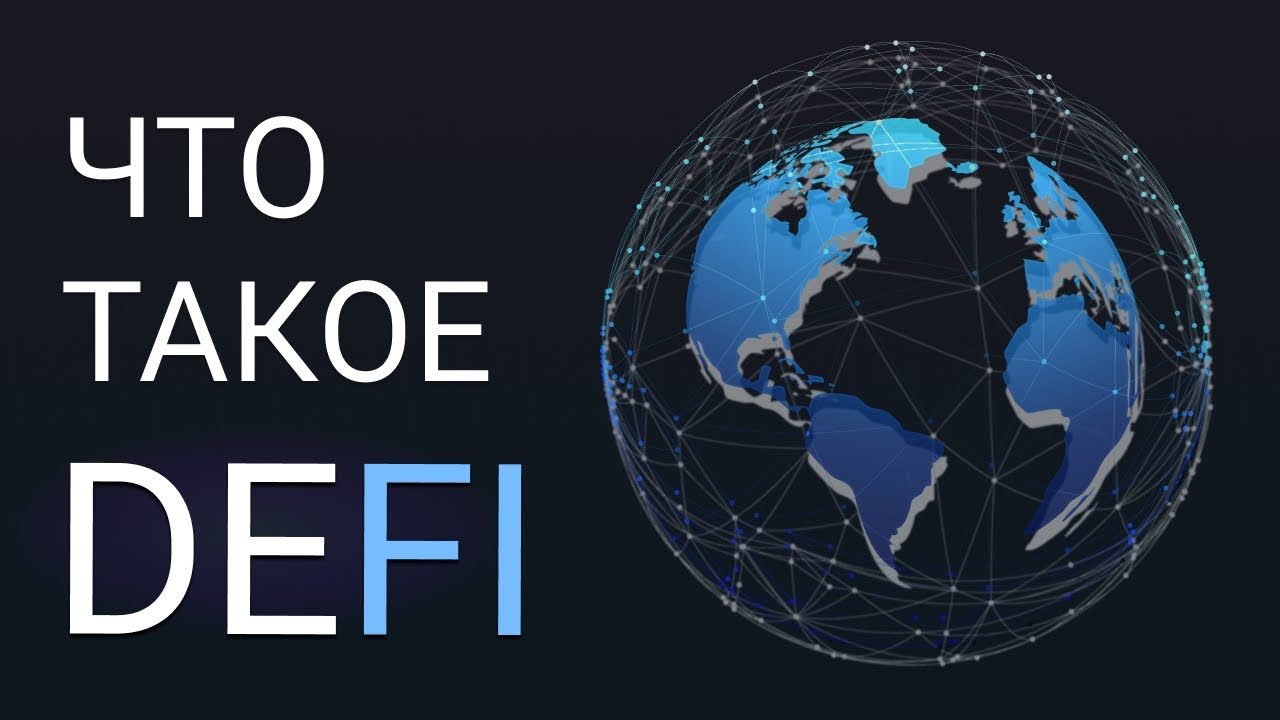
Что такое DeFi | Uniswap, BepSwap | Thorchain 2021
104.6K
DeFi (Decentralized Finance) is a financial system built on smart contracts, cryptography, and blockchain that enables users to exchange assets, borrow or lend funds, and invest without third-party intermediaries. DeFi swap protocols like Uniswap and BepSwap operate through liquidity pools where users provide tokens in 50/50 proportions to enable trading. The constant product formula (x*y=k) automatically determines token prices in these pools. Liquidity providers earn commissions from each transaction but face impermanent loss when asset prices change significantly. The key security feature of DeFi protocols is the absence of admin keys that could compromise user funds, with governance typically managed through token-based voting systems.
Click to watch →
What is a Liquidity Pool in DeFi? Understanding Decentralized Exchange Trading All you need to know
792
A liquidity pool is a smart contract in decentralized finance (DeFi) that contains two or more tokens and facilitates trading on decentralized exchanges by allowing traders to swap tokens instantly; the price of each token is determined by the ratio of tokens in the pool, and when a trader swaps tokens, the Automated Market Maker (AMM) uses the constant product formula (x × y = K) to calculate the new token amounts, causing the price of the token being bought to increase while the price of the token being sold decreases, with trading fees distributed proportionally to liquidity providers who supply the initial token pairs.
Click to watch →
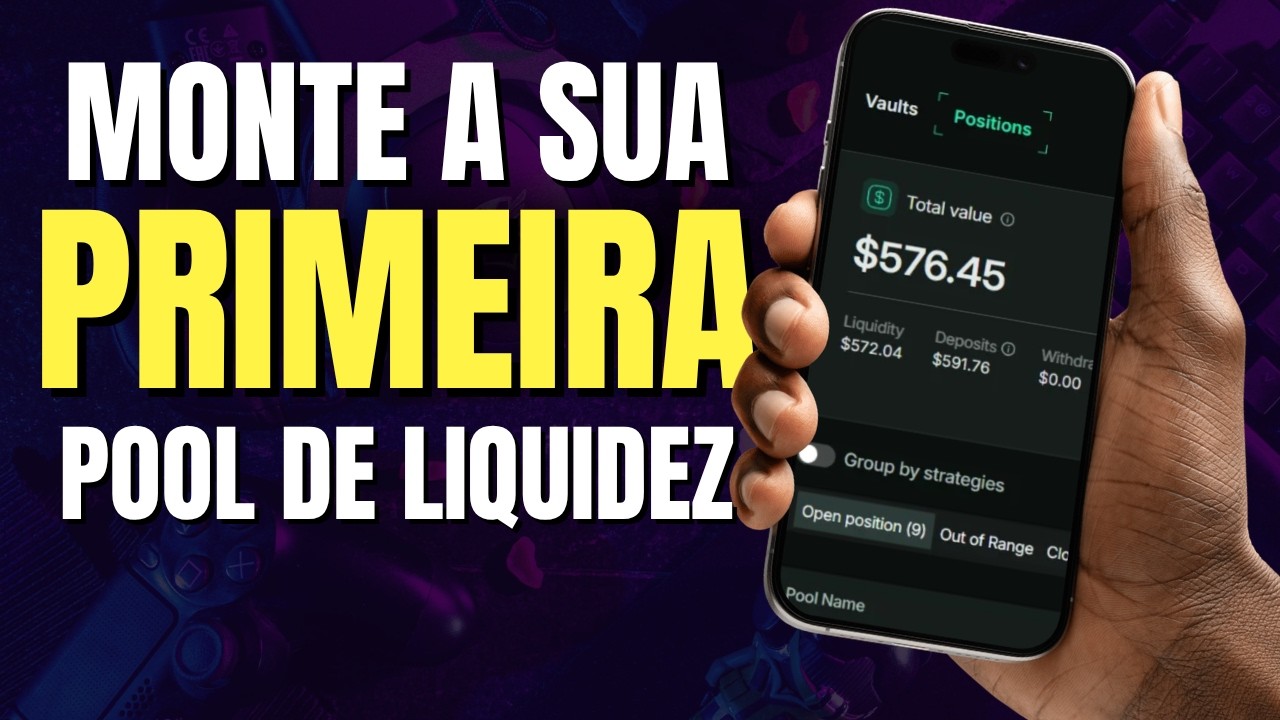
POOL DE LIQUIDEZ: GUIA PASSO A PASSO PARA INICIANTES
136
Liquidity pools perform banking functions in decentralized finance (DeFi). Unlike traditional banks controlled by central authorities, DeFi operates on distributed networks. Centralized exchanges like Binance use central servers and require account creation, while decentralized exchanges like Uniswap allow wallet connections without identity verification. Liquidity pool providers lend capital to DEXs, earning fees from trader transactions. This system eliminates the need for people to wait for buyers or sellers to find each other, providing instant liquidity through automated matching.
Click to watch →

Zoom MTEAM Học Tập Cùng CEO Shavez 10/02/2026
310
Liquidity pools are the core engine and value storage mechanism of DeFi, where liquidity constitutes the entire system rather than just fuel. Liquidity is the ability of an economic system to absorb transactions without breaking. Traditional finance concentrates liquidity in institutions like banks and exchanges, while DeFi removes this control entirely, with liquidity supplied directly by participants. Liquidity pools are software-encoded agreements where capital is locked in shared reserves and pricing emerges mathematically as participants interact. In DeFi, liquidity is not a service but a protocol-level resource that replaces order books, clearing houses, and market makers. Instead of matching buyers and sellers, DeFi matches participants in capital. This represents a complete rearchitecture of traditional finance.
Click to watch →

آموزش رایگان دیفای 0 تأ ۵۰
36.6K
DeFi protocols have been vulnerable to hacking, with significant losses reported including Ronin Network ($624 million), Binance Bridge ($570 million), and Fantom ($450 million). Solidity is the primary programming language for smart contracts on Ethereum, with $183 billion in TVL as of December 2024. Different blockchains require different wallet types. For example, Solana requires Phantom wallet, while Ethereum requires MetaMask. Users should use the appropriate wallet for each chain to ensure compatibility with DeFi protocols. Liquidity providers (LPs) are users who deposit assets into DeFi protocols to enable trading. LPs provide the liquidity that allows other users to buy and sell tokens. In exchange for providing liquidity, LPs earn fees from trades. DeFi protocols charge fees on trades, which are distributed to liquidity providers. For example, a 0.08% fee on a $100 trade would be $0.08, which goes to the LP. DeFi returns should be evaluated against inflation and opportunity costs. A 18% nominal return may be negative in real terms if inflation is 70%. Impermanent loss occurs when the value of assets in a liquidity pool changes relative to holding them directly. For example, if a user provides ETH/USDC liquidity and ETH price increases significantly, the user may end up with less ETH than if they had simply held it. This loss is 'impermanent' because it can be recovered if prices return to the original ratio. When creating a liquidity pool, users must select a price range (e.g., from $26,000 to $62,000 for BTC). The range determines where the pool will provide liquidity. If the price moves outside this range, the pool becomes inactive and the user no longer earns fees. When creating a liquidity pool, users must allocate capital across different price ranges. For example, with $1,000, users might allocate $100 to each of 10 price ranges. The wider the range, the less capital is allocated to each range, resulting in lower potential fees. Users must balance range width against potential fee earnings. When price moves within the liquidity pool range, users earn fees from trades. However, if price moves outside the range, the pool becomes inactive and users no longer earn fees. Impermanent loss represents the opportunity cost of providing liquidity. If a user provides liquidity and the price moves significantly, they may end up with less value than if they had simply held the assets. Total Value Locked (TVL) indicates the amount of capital locked in a protocol, with higher TVL suggesting more liquidity and potentially better opportunities. Users should research protocols before investing, checking their security audits, TVL, and historical performance. Higher yields often come with higher risks, and users should balance potential returns against potential losses.
Click to watch →
Prerequisite Knowledge
- Concept 01Fundamental concepts of blockchain technology and how smart contracts execute on decentralized ledgers.
- Concept 02The basic definition of Real-World Assets (RWAs) and the general concept of representing physical or traditional financial assets digitally.
- Concept 03Core principles of traditional asset management, including custody, settlement, and portfolio diversification.
- Concept 04An introductory understanding of Decentralized Finance (DeFi) protocols and liquidity pools.
Subsequent Learning
- Step 01Regulatory and legal frameworks governing digital securities, tokenized assets, and cross-border compliance (e.g., SEC regulations, MiCA).
- Step 02The architecture and deployment of institutional-grade DeFi toolkits, specifically analyzing SDKs and API integrations for asset tokenization.
- Step 03The role of Decentralized Oracles (e.g., Chainlink) in bringing real-world valuation, pricing feeds, and audit data on-chain.
- Step 04Advanced liquidity risk management and fractional ownership models in high-value, historically illiquid markets like real estate and fine art.
Asset Limits
Crypto Shift
Tokenization
Tech Build
Revolution
Breaking Barriers
New Reality
Ready?
Asset Limits
0:01Playing Section
- 1
Global assets were historically inaccessible to most individuals.
- 2
Ownership was restricted, limiting participation in major investments.
The Practical, Regulatory, and Intermediary Limits of RWA Tokenization
While proponents argue that Real-World Asset (RWA) tokenization democratizes access and streamlines asset management, critics highlight significant systemic barriers that challenge its institutional viability. First, the 'Oracle Problem' persists: blockchain cannot natively verify the physical existence or legal ownership of off-chain assets, requiring heavy reliance on centralized custodians, auditors, and legal intermediaries. This reliance undermines the 'trustless' promise of blockchain. Second, the regulatory landscape is highly fragmented. Institutional RWA platforms must comply with complex, jurisdiction-specific securities laws and KYC/AML mandates, which reintroduces administrative friction and limits cross-border interoperability. Lastly, tokenization does not inherently solve liquidity issues; illiquid assets like real estate or private equity often remain illiquid due to a lack of genuine market demand, proving that digital representation does not automatically create active secondary markets.
Deep Dive
Regulatory and legal frameworks governing digital securities, tokenized assets, and cross-border compliance (e.g., SEC regulations, MiCA).

THIS IS TRULY INSANE (BIGGEST XRP NEWS OF 2026) XRP GreenLight🚦
15.6K
The SEC has approved NASDAQ's rule change to enable trading of tokenized securities, marking a historic regulatory shift that merges blockchain technology with traditional equity markets; simultaneously, the SEC clarified its position on crypto assets by interpreting digital commodities (including XRP), digital tools, digital collectibles, and stable coins as not being securities, thereby distinguishing between investment contracts and the products of those contracts—a framework that positions XRP and the XRP Ledger as core infrastructure for cross-border payments and tokenized assets in the evolving financial system.
Click to watch →
Crypto Crashes After CLARITY Vote Again!🔥
179.7K
The SEC has issued a statement on tokenized securities, establishing two models: custodial tokenized securities (requiring KYC, similar to traditional stocks with voting rights) and synthetic tokenized securities (which also require KYC). The speaker notes this regulation is effectively locking down tokenized securities and putting pressure on the broader market. Robin Hood is launching tokenized securities on Arbitrum, representing the bank side of this regulatory framework.
Click to watch →

Ripple/XRP-Ripple = US Infrastructure(FedNow), Biggest ALT Season In Histroy = $13 XRP-This Time Is?
9.9K
The SEC has approved tokenized assets from major asset managers like Franklin Templeton using blockchain technology. However, the SEC emphasizes that tokenization does not change the underlying economics of an investment. The key requirement is that investors must receive proper disclosures about the investment, regardless of whether assets are stored on a blockchain ledger. SEC Commissioner Hester Peirce criticized SEC Chair Gary Gensler for creating regulatory ambiguity around tokenized assets, arguing that using imprecise language allows regulators to suggest tokens are securities apart from investment contracts. Peirce stated that the SEC should have admitted earlier that the token itself is not a security and should have focused on addressing the difficult questions of leadership and providing clear guidance.
Click to watch →
Bitcoin (BTC) - Análise de hoje, 23/05/2026! #BTC #bitcoin #XRP #ripple #ETH #Ethereum #BNB
5.3K
The SEC is developing a regulatory framework for tokenized assets that distinguishes between authorized tokenized securities and unauthorized synthetic tokens. Authorized tokenized securities, created with company authorization and proper registration, fall under SEC jurisdiction as securities. Unauthorized synthetic tokens, created by third parties without company authorization to chase price movements, are classified as perpetual futures contracts outside SEC jurisdiction, potentially under CFTC oversight. This framework aims to bring Web 3 tokenized assets under existing securities laws while addressing the unique characteristics of digital representations of traditional financial instruments.
Click to watch →
ZONDA: KRAL, WŁASNY TOKEN, SETKI POSZKODOWANYCH
96.5K
The Markets in Crypto-Assets (MiCA) regulation, effective December 30, 2024, requires crypto exchanges to obtain authorization as Crypto Asset Service Providers (CASPs) with capital requirements, governance controls, and mandatory separation of client funds. Zonda operated under the older Estonian AML license, which lacked these requirements. The company was on a transition period to comply with MiCA, which required capital audits and proper fund separation. The question is whether Zonda was aware that it would face compliance challenges under the new regime.
Click to watch →
Deep Dive
The architecture and deployment of institutional-grade DeFi toolkits, specifically analyzing SDKs and API integrations for asset tokenization.
The Next XRP?! This Ripple-Backed Crypto Coin Is Revolutionizing RWA Tokenization | Epic Chain
33.7K
Epic Chain provides institutional-grade access to an RWA stack that unlocks fully stakeable, tradable, and spendable RWAs. The platform offers composable DeFi integration with interoperable features including realtime rewards, regulated modular rails for funds, brokers, and asset managers. A key feature is fractional access to approximately $50 trillion plus in real world value, representing untapped capital that can be brought into web3 as a hybrid between digital and physical assets. This approach democratizes access to traditionally illiquid assets by enabling smaller investors to participate in markets previously reserved for large institutional players.
Click to watch →
99% of HBAR Holders Are Failing!
8.9K
HBAR operates on a different plane of physics than traditional blockchains. While other networks struggle with congestion and gas wars, HBAR's hashgraph consensus mechanism processes transactions in parallel, achieving sub-3-second finality. This speed enables Bonzo's real-time automated yield without delays. The integration between HBAR's smart contract service and token service leverages native tokenization to bypass computational overhead that slows EVM chains. The hashgraph consensus provides the highest theoretical security for distributed systems, achieving asynchronous Byzantine fault tolerance while handling over 10,000 transactions per second with predictable USD-pegged fees.
Click to watch →

Ethereum Will Ignite The BIGGEST Altcoin Season Ever (My TOP Picks)
26.4K
Curve Finance serves as the backbone of stablecoin liquidity with deep pools enabling efficient swaps of hundreds of millions of dollars, earning both trading fees and CRV tokens. Advanced users leverage Convex and Cross-Chain integrations to achieve triple-digit yields. Aave has secured over $25 billion in value, exceeding some regional US banks, offering 3-6% APY on stablecoins with additional 5-10% yields from the safety module. Aerodrome has captured over $1.2 billion in TVL on Coinbase's Base layer-2 using concentrated liquidity pools that maximize efficiency. MakerDAO (now Maker) has rebranded to focus on institutional-grade products, holding $5.27 billion in assets with nearly half in tokenized US treasuries, offering 4.5% blended RWA yield and 25% staking APY. Asymmetry Finance operates as a decentralized yield index with $27.6 million TVL, delivering diversified exposure to Ethereum staking yields. Its USDAF stablecoin adjusts pegs with CPI, functioning as an inflation-protected 'flatcoin' rather than a traditional stablecoin.
Click to watch →
**Ripple CONFIRMS The Day The XRP Case ENDS | Ripple CEO REVEALS How The XRP Army Will Get WEALTHY**
32.1K
Ripple is developing institutional DeFi solutions that allow institutions with regulatory compliance issues to operate on decentralized blockchains. These solutions enable institutions to meet regulatory compliance objectives while still interoperating with decentralized ecosystems. Products include regulated stable coins backed one-to-one with US dollars and real world asset tokenization where securities on blockchains can be used as collateral in DeFi applications. Examples include tokenized US treasuries and stable coins that can be obtained on DEXs and used in censorship-resistant DeFi applications.
Click to watch →
![[Webinar] Building Better On-Chain Infrastructure to Enable Institutional Adoption](https://i.ytimg.com/vi/6YxmsmIQtHk/maxresdefault.jpg)
[Webinar] Building Better On-Chain Infrastructure to Enable Institutional Adoption
20.8K
Real world asset tokenization is expanding, but tokenizing individual assets creates integration challenges. The next evolution involves synthesizing tokenized assets into fewer categories representing different risk profiles, creating 'dollar coins with yield' that can traverse DeFi ecosystems. Validium solutions (storing data on private servers rather than Ethereum) enable fully private layer-two networks where institutions can run multiple chains—one per entity—with trustless interoperability through ZK proofs. Examples include regulated DEXs and fund management platforms already operating on mainnet. Beyond obvious applications, overlooked institutional use cases include internal corporate ledger management systems and compliance-driven workflows across regulated sectors. Privacy-preserving blockchains can enable trades and position representation without unnecessary information disclosure.
Click to watch →
Deep Dive
The role of Decentralized Oracles (e.g., Chainlink) in bringing real-world valuation, pricing feeds, and audit data on-chain.
🚨¡ XRP QUEDA FUERA! Google y EE.UU. lo Ignoran
41.8K
Chainlink plays the most important role in the US Department of Commerce's blockchain data initiative because it is responsible for verifying real-world data. Unlike the nine selected blockchains which only store data, Chainlink performs the critical verification function. Chainlink is not a traditional blockchain and does not support native tokens; its token operates on the Ethereum blockchain.
Click to watch →

Tokens de INTELIGÊNCIA ARTIFICIAL que você pode SE ARREPENDER por ignorar!
71.6K
Chainlink is a decentralized oracle network that brings real-world data into blockchains in a secure, non-centralized manner. AI protocols requiring verified real-time information can use Chainlink. The speaker notes Chainlink already dominates a large market share and is developing new tokenomics to capture more value as demand grows. Major protocols already use Chainlink for real-world price information and other services.
Click to watch →

Chainlink (LINK) Review: Is The Hype Real?
44K
Chainlink is a decentralized oracle network that connects blockchain applications to real-world data and assets by using multiple oracles to verify and aggregate information, ensuring data reliability through cryptographic proofs. The platform has achieved General Availability for its Cross-Chain Interoperability Protocol (CCIP), enabling secure cross-chain token transfers and programmable transactions. Chainlink is widely adopted in DeFi, securing $22 billion across over 350 protocols, and is actively partnering with traditional financial institutions like DTCC and Swift to tokenize real-world assets (RWAs) on blockchains. The LINK token has a maximum supply of 1 billion, with staking rewards that help secure the network and earn fees from data feeds.
Click to watch →

Chainlink: Why I'm BULLISH on LINK!! 💥
81.2K
Chainlink is a decentralized oracle network that provides off-chain data to on-chain resources. It acts as middleware between the blockchain world and the real world, bridging the two environments. Blockchains are decentralized networks that operate on parameters within their environment and are generally secure due to the decentralized database that can be verified on-chain. However, for blockchains to be useful in the real world, they need information about data that is external to them, such as prices, events, payments, weather, and travel data.
Click to watch →
FINALLY! A CRYPTO BANK Built For US By US. Will Traditional Banks Be PUT OUT OF BUSINESS? (Yes.)
20.9K
Chainlink provides decentralized oracle networks that supply accurate price reference data to blockchain applications. Unlike centralized oracles susceptible to manipulation, Chainlink aggregates data from multiple independent sources to ensure transparency and accuracy. This technology enables platforms like crypto.com's D5 wallet to provide users with reliable market prices for all supported assets. The integration demonstrates how oracle networks serve as critical infrastructure for decentralized finance applications requiring real-world data feeds.
Click to watch →
Deep Dive
Advanced liquidity risk management and fractional ownership models in high-value, historically illiquid markets like real estate and fine art.

Ikon Exchange | Dennis Layton | KEANAISSANCE Edition 1 Video
243
Fine art has evolved from status symbol to sophisticated investment class, with Credit Suisse reporting 9% annual appreciation and ultra-high net worth individuals allocating 6% of portfolios to art—twice what they allocate to gold. The fastest-growing segment is lending against art, valued at 400 billion dollars, yet this market fails families and institutions needing liquidity. Fractional ownership emerges as the solution, enabling broad participation through examples like the 170-million-dollar Caravaggio sold from someone's attic. The fractionalization multiplier effect—similar to real estate development—increases value when artworks are divided into shares. Masterworks achieved a 2.6x multiplier above category indices, demonstrating how democratizing access to art ownership creates value for institutions through cash advances, ongoing appreciation, and charitable contributions while establishing provenance systems that make institutions ultimate repositories for art history and cataloging.
Click to watch →

AltDRX Founder Avinash Rao Discusses Fractional Ownership with Random Dimes Founder Rohan
133
Fractional real estate platforms create liquidity through a multi-stage process: (1) Institutional investors or HNIs invest in assets (e.g., 10.5 lakh rupees), (2) The first square foot opportunity is offered to the market at 10,000 rupees per square foot, (3) A trading exchange is created where people can buy and sell one square foot at a time. This creates demand and supply at all stages of the investment process. Assets are held in SPVs and can be liquidated after approximately 10 years when they have appreciated substantially, with benefits distributed to token holders.
Click to watch →

The Logan Paul Situation is Pathetic…
91.8K
Fractional ownership is a business model where multiple investors can collectively own a single high-value physical asset. In the Liquid Marketplace model, investors could purchase small ownership stakes (such as 51% ownership) of rare items like the PSA 10 Pikachu Illustrator card. The platform claimed that co-owners would collectively decide how to use the asset, whether for display, events, or other purposes. This model allowed people to invest in assets they could not afford individually while sharing the potential returns.
Click to watch →

PERDI 250 MIL REAIS EM INVESTIMENTOS - FUI ATRÁS PRA ENTENDER O MOTIVO !!!
262.3K
This segment explains the unique advantages of fractional real estate investment. Unlike traditional real estate, fractional ownership provides liquidity - investors can sell small portions (e.g., 6-7 square meters) through a connected marketplace to access cash without losing entire properties. This is particularly valuable when investors need liquidity but want to maintain their real estate investment. The model enables diversification across multiple properties in different locations, reducing risk while maintaining exposure to property appreciation and rental income. The segment emphasizes that fractional ownership creates a community of investors united by shared ownership of income-generating properties.
Click to watch →

Genera Ingresos pasivos con bienes raíces | Compra tu depa metro x metro | Dimes y Billetes #274
26K
Fractional ownership differs fundamentally from traditional real estate investment: (1) It is not a securities instrument subject to market volatility; (2) Investors literally own physical property (square meters); (3) The price per square meter is transparent and based on actual market prices; (4) Investors can accumulate property over time rather than requiring a large lump-sum investment. The platform uses a fideicomiso (trust) structure where a third-party fiduciary holds legal title, providing legal protection and ensuring proper income distribution.
Click to watch →
Asset Limits
Crypto Shift
Tokenization
Tech Build
Revolution
Breaking Barriers
New Reality
Ready?
Asset Limits
0:01- 1
Global assets were historically inaccessible to most individuals.
- 2
Ownership was restricted, limiting participation in major investments.
The Practical, Regulatory, and Intermediary Limits of RWA Tokenization
While proponents argue that Real-World Asset (RWA) tokenization democratizes access and streamlines asset management, critics highlight significant systemic barriers that challenge its institutional viability. First, the 'Oracle Problem' persists: blockchain cannot natively verify the physical existence or legal ownership of off-chain assets, requiring heavy reliance on centralized custodians, auditors, and legal intermediaries. This reliance undermines the 'trustless' promise of blockchain. Second, the regulatory landscape is highly fragmented. Institutional RWA platforms must comply with complex, jurisdiction-specific securities laws and KYC/AML mandates, which reintroduces administrative friction and limits cross-border interoperability. Lastly, tokenization does not inherently solve liquidity issues; illiquid assets like real estate or private equity often remain illiquid due to a lack of genuine market demand, proving that digital representation does not automatically create active secondary markets.
Fundamental concepts of blockchain technology and how smart contracts execute on decentralized ledgers.
The basic definition of Real-World Assets (RWAs) and the general concept of representing physical or traditional financial assets digitally.
Core principles of traditional asset management, including custody, settlement, and portfolio diversification.
An introductory understanding of Decentralized Finance (DeFi) protocols and liquidity pools.
Regulatory and legal frameworks governing digital securities, tokenized assets, and cross-border compliance (e.g., SEC regulations, MiCA).
The architecture and deployment of institutional-grade DeFi toolkits, specifically analyzing SDKs and API integrations for asset tokenization.
The role of Decentralized Oracles (e.g., Chainlink) in bringing real-world valuation, pricing feeds, and audit data on-chain.
Advanced liquidity risk management and fractional ownership models in high-value, historically illiquid markets like real estate and fine art.
801.3K views44likes1:00@defactor_Original Release: 2025-03-25
Most of the world's greatest assets were too big to reach, too big to own, restricted to the few.
As crypto shapes the financial landscape... Every asset can and will be tokenized.
For years we've been building, perfecting our technology to take every tokenization vision from start to scale.
A financial revolution unfolds.
The barriers are falling.
A new world of opportunity awaits.
Single becomes many. Impossible becomes possible.
Are you ready?
Defactor. From start to scale.
Up Next

13:19
ERC-20 vs ERC-721 Tokens: Key Differences Explained
@GeorgeLevy
7.4K views•2020-06-11
52:00
Hybrid Key Establishment in Production: Post-Quantum Cryptography
@durumcrustulum
14.7K views•2025-08-27
64:25
Operational Security Essentials: A Guide for Hacktivists (OPSEC)
@hitbsecconf
157.4K views•2012-11-26
11:49
Understanding Ethereum: A Comprehensive Beginner's Overview
@99Bitcoins
3.1M views•2018-06-26
Related Study Plans & Knowledge Roadmaps
Structured learning paths in Blockchain & Crypto
blockchain-and-crypto
MPC Wallets: TSS, DKG & Secure Custody
01Foundations of Cryptography & Digital Signatures
02Secret Sharing & Introduction to MPC
03Distributed Key Generation (DKG)
+ 2 more learning modules
24h5 modules
Explore Roadmap
blockchain-and-crypto
ERC-4626: Yield Aggregators & Leverage
01Blockchain, Ethereum, and Solidity Foundations
02DeFi Primitives: Lending, Pools, and Yield Farming
03Mastering the ERC-4626 Tokenized Vault Standard
+ 3 more learning modules
35h6 modules
Explore Roadmap
blockchain-and-crypto
DePIN: IoT Registries, Proofs & Rewards
01Foundations of Blockchain & IoT
02Introduction to DePIN and the Flywheel Effect
03Designing IoT Device Registries & Secure Identity
+ 3 more learning modules
30h6 modules
Explore Roadmap
blockchain-and-crypto
Building EigenLayer AVS: Operators & Contracts
01Blockchain, Ethereum, and Smart Contract Basics
02Proof of Stake and Ethereum Staking
03Introduction to EigenLayer and Restaking
+ 3 more learning modules
24h6 modules
Explore Roadmap