




















Money has evolved from physical commodities like gold and Yap stones to fiat currency backed by government decree, with ledgers serving as fundamental record-keeping systems throughout this evolution; modern digital currencies like Bitcoin represent a new form of money that operates on decentralized ledgers without central authority control, addressing historical limitations of centralized systems and early digital currency attempts.
Blockchain & Money: Money, Ledgers & Bitcoin | MIT Lecture
Added:The fundamental functions of money, including its role as a medium of exchange, store of value, and unit of account.
The basic concept of a financial ledger and how double-entry bookkeeping is used to record transactions and track ownership.
Introductory cryptography concepts, specifically public-key (asymmetric) cryptography and cryptographic hash functions.
The distinction between centralized, decentralized, and peer-to-peer (P2P) network architectures.
Smart contracts and programmable money, with a focus on platforms like Ethereum and decentralized applications (dApps).
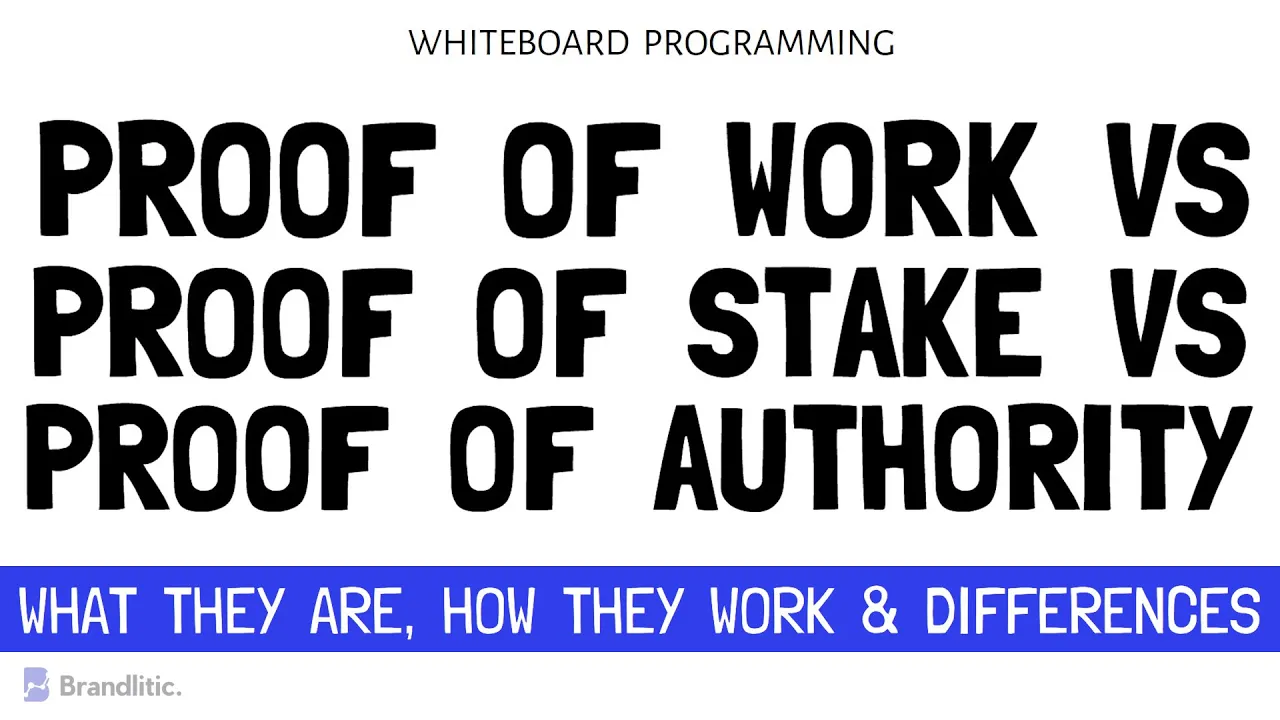
Advanced blockchain consensus mechanisms, comparing Proof of Work (PoW) with Proof of Stake (PoS) and other validation protocols.
Decentralized Finance (DeFi) ecosystems, including decentralized exchanges (DEXs), lending protocols, and automated market makers.
The economic and regulatory implications of Central Bank Digital Currencies (CBDCs) and stablecoins.
Blockchain scalability solutions, including Layer-2 protocols (such as the Lightning Network) and sharding.
1.9M views19.3Klikes1:18:14Original Release: 2020-01-23
the following content is provided under a Creative Commons license your support will help MIT OpenCourseWare continue to offer high quality educational resources for free to make a donation or to view additional materials from hundreds of MIT courses visit MIT opencourseware at ocw.mit.edu so today what we're going to be doing is last week you gave us some feedback what you want it to do in the class we're gonna go through that and talk about the readings I'm going to do a little calling on you and helping you take the class through the readings and then the six or seven things I'm going to do history of money ledgers fiat currency central banks and credit cards the role of money some early digital money you had the clerk reading as to a bunch of failed attempts just all the way through a little bit of mobile money all the way up to Starbucks and and Allie pay and yet the riddle remains we're gonna get really deep into Bitcoin then the next three classes but this is to give some foundational bits of money and Ledger's and central banking and Technology and then of course I always like to finish the class talking a little bit about why we're doing what we're doing between now and then even though the readings are required I know you're all busy I know that you've all got a bunch of classes and like good business students and business people you optimized so I'm trying to give you a sense of why you might read it rather than it's required at the end of each class and how it fits into the the course narrative and then we'll do a little bit of conclusions so the survey results what did you want to learn this is really your class and I'm gonna learn as much from you but hopefully we're gonna cover what you want so here's a list of those things that were at least written by two of you first was technical things eighteen of you said understanding blockchain technology hopefully we get to that but you might find that you'll want to do more after this class the ecosystem and being able to have an educated discussion sort of the dinner party conversation around blockchain I I think will be successful but at the end of the semester we're gonna pull these slides up again and we'll see how we did as a group you all talked a lot about applications how can you actually apply it learning it in the venture space and about where it really works in the world and I think we're gonna spend a lot of time on that in the second half but all throughout we're gonna be talking about the economics and what's the reality versus the hype you also wanted to understand its impact on people's lives the regulation about six of you said something about regulation I'm glad because we're only doing one lecture on that but we're gonna spread it out because as we talked about in our first class and I'm honored Larry's here again but you know we're gonna always be thinking about Larry's four ways and I see is it he where Larry Lessig's you shook your head yes does anybody want to say how that relates to blockchain why we're chatting about that oh my god I'm gonna have to cold call fast right oh you're from r3 maybe not Ilan help your your table made out this isn't it I'm having fun you know this is what I'm gonna do I'm just gonna have fun twere e about it all so why to markets code law did I hear did I can't see your name but it's it the doric yeah why why is that relate to all this jihee you're gonna repeat the question because you you went through it wery larry's for horses relate to our commerce our topic of watch for horses again our markets so business law code or architecture call it technology and social norms so what I got from the real you today these Ledger's for me already existed but giving that now we have makes you think for example and more things going on help society good way to say look it's unfair of me it wasn't one of the readings I'm just saying in everything in life I find these things grind up against each other I spent a lot of time in Washington in politics but the markets and how the commercial enterprise and the economy grinds up against technology and sort of grinds up against the law and then of course to social normative behavior these four forces and almost everything one does in life you will find and so I I just ask you to always whether it's one reading or another reading bring that to your thought process of this class I'm not gonna sign Larry's assignment I didn't know he was even gonna be here but I've always thought these is it's a good discipline to think okay what are the commercial realities the markets what's the technology even if it's in an earlier day and it's a technology of the car replacing the horse and carriage had it had US government or the official sector put it into a set of standards that are required and then how do we a society even if it's not required just have our behaviors those are the four forces so that's why and I probably just failed Larry's class but so I've thought of it I did probably right you know he's he's shaking his head but regulation is just one of those four forces and that's why I pause there and so we'll have it in every class but only one lecture money and markets that's a one of the other forces five of you said you want to make money and I applaud those who said that because own it you're in a business school why not but investing in trance now there was a bunch of other miscellaneous topics I'm not going to go through them I kind of thought the last two were interesting anecdotes from my past I'm not sure who said that not sure what you want to know about my three daughter is my running or this you know Wall Street stuff in finance and I'd like to understand hyper bitcoin ization as well but I don't know who asked that question I don't know what it is so I'll try to figure out what hyper does anyone want to own up to that question they were anonymous alright alright so today's study questions what's the role of money historically and in today's digital economy and this is what I'm gonna look for discussions so as anybody want to tell me what the role of money what would be your answer to this three three classic roles of money that people talk about Kelly you want to repeat what he just said you know in conquering various lands awards and also funding and what we'll discuss today and what it is is that money is a social construct it's something that societies came together whether it's hard to tell whether it was five thousand years ago or eight or ten thousand years ago that it's really it's a social consensus mechanism but we're gonna chat about the readings in a minute and come back to that question what is fiat currency is anybody want to Tom you want to tell us what fiat currency is right so you said it's a central currency and it's by government anybody else want to add some things as a Kyle not backed by any physical commodity do you want to add anything was it always that way the currency might be backed by something physical was there other remind me your name I'm sorry for taxes and remind me your name cuz I can't see a card so here's a question for the class is there inherent value to non fiat currencies because Shawn sang there may be a distinguishing characteristic of fiat is it has no inherent value well actually the same applies to any commodity that's used as purity you know because it's just this car to be of some specific resource and social common agreement that that's going to be the how many people are more in line with Eric or there's not one right answer to this this is this is a question that's been debated for decades or centuries but how many are more in Shawn's camp today for example gold is definitely like a social concept we decide that as a human society that gold is going to be something valuable but like if it's like you know grain that humans can't it it and you know that I've been quietly here in college so I think there are non camp currencies dad go ahead inherent values and does not have it embodies all right anybody which are cheeky yeah Tom Thomas it is a legal thing how does foster society to use the food which makes more people to use it is saying that fiat currency is legal tender so first we have to discuss what is legal tenders anybody want to knock that one out of the ballpark who hasn't raised their hand yet so you can use the money it can be a store value it can be a means you can't pay your taxes right is that correct so 19th century could you pay your taxes in gold in the US and in Britain in other countries that had gold currency is it just a yes or no but James yes but seventies that don't be the currency of paper currencies attach the gold standard so inherently there is in the exchange of value that is pegged by the government or bank or the central bank so it's almost one of the same thing at that time until more recent years James is saying you could use gold as legal tender legal tender again is something that a society comes together and creates a law you know back to the lesyk for that's a you know society together it says it's not just a social normative behavior it's it's a law one must accept this in the US and the UK in many countries it says for for all debts public and private so a debt to the government or a debt in a store we're going to get to later as to when is it true that somebody has to take your cash but I'm gonna hold off on that in a minute and and talk about it but I think also gee he said it was somewhere between Sean and Eric both physically in the class and in terms of her articulation that fiat currency might not have anything inherently behind it and but gold mostly doesn't have anything inherently behind it and then some forms of currency like grain had more so it may be it's a it's a continuum maybe it's not you know black and white a hundred percent or zero percent and then we're gonna talk a little bit about how Bitcoin fits into it and and our next three classes are gonna be really into the technology of Bitcoin but just just a little bit of teasing out before I go through some lecture slides who wants to talk about how Bitcoin might fit into this history of money and then I'm gonna return to that question in in about 45 minutes and ask you again but does anybody want to say from the readings and you remind me your name is about twins have the same where the value is given by society except with Bitcoin it's not that I think a central bank so people don't think that there is an inherent value but it like that the readings pointed out that there's sort of that same history Isabel was saying that Bitcoin fits into the history of money because like fiat currencies and like G he said about gold it doesn't necessarily have any inherent money monetary value but it's a societal set of norms the people are accepting it as having value but the key distinction that Isabel said was that it's no central it's not backed by central bank or a central authority so my pin is unique because I think the value of Bitcoin changes over time not the fluctuation that we see like 6,000 or $90,000 but in terms of the power utility off the point itself and so today for example we might be able to buy pizza or popular whatever would be point so there is an ignorant value in terms of many loops of exchange and it will change society adopts it more and more so I think it's hard to define if there is raising that Bitcoin if I can put some words in your mouth and tell me if I'm correct that Bitcoin might have some distinguishing features from even fiat currency that its value is shifting over time with adoption is that I mean you didn't use that word please let me know your name Ian right like British but with an O you told me earlier British the evolution of the lady technologic like accounting and and evolution of money along with how we happened in the great for agent and the advent of the tea ladies and then distributed layer which is kind of the fundamental what are the fundamental blocks of another kind of natural progression of how money so purchase yeah so what bro Tisch is raised is also Bitcoin fits into the history of Ledger's whether it's double entry Ledger's is recognized through T accounts or other forms of Ledger's that it adds to this whole long history of Ledger's I agree with that and it's a new form of keeping Ledger's Elaine it seems like scarcity and Ledger's are important components of Viva in terms of scarcity but the more we adopted the more it becomes divisible in terms of units and so we can increase its use because this ability is another characteristic of money scarcity adoption is Ilan said Ledger's sorry tomas the bitcoin that makes people to implement discussed in the decentralized environment so without any i will take one more and then I'll start to toy with history why don't we go here revive username like money in like other forms of currency even if it's not controlled by like there's a hooker in mint or something like there's no fixed exchange rate which way to extremely quickly currency so I mean it's still very different Alexis if I understand alexis is point is that there's no fixed exchange rate about Bitcoin we're talking about but couldn't we really broaden that to all forms of currency I mean what what really is the exchange rate between an ounce of gold and a bushel of corn yes and no because some governments try to fix now back to markets how well is that worked when governments try to fix an exchange rate I mean just a sense of the class does that work well so it sort of might work well in temporal short periods works less well for you know decades on end I'll take one more and then I'm just I want to go through a couple what is a ledger very good question I'm gonna be chatting about that in a minute but does anybody want to hit that I'm sorry no we over here because the American record of anything recorded in a fashion a numerical record I think that's a good thing a ledger is basically a way to record economic activity or social relationships or financial relationships I would say it's both a way to record economic activity and it's a system of recording financial relationships and while I didn't assign these readings some some very good academic research suggests that the first methods of writing and symbols of writing had to do with numbers and had to do with Ledger's rather than words and communication because it's so fundamental to society to record various economic transactions or to record the financial relationships amongst them between members of a community whether it was a small village or when when society bursts out of villages thousands of years ago so help will be back to it and better that you ask that here than in your accounting fundamentals class so the readings we've we've sort of talked about the readings how many of you actually watch the little three minute video did you what do you think just I mean just as a I'm sorry here we have in chat it was just it was a nice little did Ian Hawaii Matthew I'm sorry you would have given him a dollar great would anybody else have given him a dollar for it no maybe you would have we refer back to each of these readings as we go through the next 45 minutes but yeah he was actually breaking the law by launching his own collar that illegitimate you know obviously didn't compete with the US dollar very cool question I'm not aware of any statute federal or state that says there's an absolute monopoly or in forms of currency as there is and other things like you know that that that that's slot in the door that's called the the where you can put a letter through the door or a mailbox there's actually a law that says that the US Postal Service has a monopoly and that's why UPS is not allowed to put their boxes or anything in there there is a government Fiat monopoly but you raise a very good question what we've found in the last 10 years with Bitcoin without with really oversimplifying is that it is legal to create your own form of money as as Bitcoin is possibly this money but you have to comply with all the other laws and all those other laws that we'll talk about in other lectures in essence fall into buckets of guarding against illicit activity so the Bank Secrecy Act and all the laws related to any money laundering and terrorism finance and so forth that one still has to pay your taxes if you're gaining or losing on this investment that the Federal Reserve and other authorities around the globe still want to insure for financial stability the fellow on the streets of I don't remember what city New York selling his dollars when Mathew bought it for a dollar and I think over here Briona what's that yes Brigade bought it that's probably we're gonna have the society is still gonna be stable it's gonna be alright but if millions of people were buying it then then people might worry and then there's the third big bucket that we look at is investor and consumer protection but I think it's allowed so we'll refer to these and Joe Quinn and then you gotta pay for example salaries you'd be in the US yes and why is it that you can legally pay for four wages in Bitcoin in the US so anybody I know it's outside of the readings but why do you think it is allowed in this society is it Kyle most things you could pay somebody in these placards I doubt really that you're gonna value that much but you could pay somebody in this you could pay somebody in gold euros Bitcoin and there are firms that are paying usually they are developing blockchain applications and interestingly they have to compute the value of the wages to do withholding taxes because the US government will not accept taxes in Bitcoin so they they figure out the fair market value and there are companies in the US that pay people in Bitcoin who are doing development work around blockchain applications but the taxes need to be computed and and analyzed and then paid in US dollars because and there was a legislative initiative in Arizona earlier this year where a state legislature wanted to have Arizona be the first state in the land to accept Bitcoin for taxes but it failed in committee it didn't even get a full vote of I can't remember it was the Arizona Senate or the Arizona House of Delegates but so just a little walk through the history I was going to do a little history of money and have some fun so in Ethiopia people put together sawed bores these this is not that long ago saw it as gee he would have said earlier is really valuable in society and they standardized the shape and size and said here's sawed boars we're gonna get to a little bit later all the characteristics of money but what else do you think a sawed bar in Ethiopia as opposed to maybe some other country what what what did it have as well as to why people might use that crude oil alright I hadn't thought of that I'm gonna I'm gonna keep thinking about that it's not a it's not a common characteristic of money but why sophomores what else might it have in in Ethiopia we preserve food but because it was mined there was some scarcity as well and a lot of currencies a lot of monies over time to have that fundamental issue Cowie shells from West Africa does anyone know the history of when Cowie shells got really debased and and stopped being used from the readings I can't remember if that was in in the readings or not they got to baste when Europeans started to realize that they were accepted as a value and as a very sad and terrible history - because it's related to the whole slave trade but that that the Europeans could figure out that that societies accepted this as something of value but they also debase that currency and they debase the land and capture people as slaves I mean was a quite a collection of not particularly good things going on tally sticks in England so anybody from the readings because there was a little bit of the debate in the first reading about the history of money want a chat and I'll pull up the rice tones from yeah how this fits into that first reading in the debate between has the money come from a history of border or did money come from a history of Ledger's and credit which is kind of a set up of that first I think the first reading any thoughts which ones that is these four bits of money early money or more about maybe border so cool theory right dead which corresponds to these one way to metric that with which one bit sticks six the tally says yes correct which is the second one on here that has to do with debts actually and credits rise dots so it's remarkable the right stones were so heavy that on this island of Yap they couldn't possibly lug it around and use it you know in traditional medium of exchange but it was viewed as well I have one sixth of this rise stone you have one sixteenth and then if I make an exchange we'd remember and a society was small enough to keep a form of Ledger's even to the extent that when a rise stone was lost in a river they said you know the river of rice stone we each have this piece so in the island of Yap okay I can assure you these stones could not be used for anything else does anyone know because it was outside the readings what made these stones so scarce so rye stones were quarried on an island about two hundred kilometers away from Yap so we're the exceedingly hard to get like gold like mining of gold what else has mined these days that might be a money what's that can I hear everybody what's that is gonna be very difficult in the future for electric battery tomorrow what's mine right now that's at the center of this class Bitcoin right the Yap stone was in essence quarried a couple hundred kilometers away and what debase to that currency was when sailors from England came there's a specific sailor I think his name was O'Keefe in the late 19th century and he realized that these stones were valuable and he went to the other Island and he started querying and came back forth and within a few years the whole economic system collapsed we moved to metal money at first it wasn't really stamped it was just heavy it was hard to quarry bronze in Rome there's some chiness in Sweden these were starting to be stamped by the official sector and then we had minted money starting somewhere around 2,500 years ago and there's debates as to whether it started in Greece or in China and but but we're an official emblem was placed upon a scarce resource that was used paper money came along in a sense for what reason why why did why did society first tip into paper money gold it's kind of heavy especially if there wasn't gold and if it was copper bronze it was just heavy or if it was wheat you have to put it in a storage unit so the first paper money's from China were basically warehouse receipts and I spent five years running something called Commodity Futures Trading Commission and so I guess I learned a lot about warehouse receipts commodity receipts where you put a commodity in a warehouse and then you got a piece of paper that said yes you have that commodity the air so the first paper monies were basically warehouse receipts in China because whatever it was grain or gold and then you had a piece of paper backing it these are five-pound notes from England and the Continental notes in the US but between so that that note in China is about 700 years old but before between that first paper money and the 18th century who do you think we're kind of the first bankers in the seven late 17th century early 18th century who were what what Kraft had they been before they were in banking international trade they actually did something more local like the ones that have maids and all the lanes land land no they had something else that they were doing Tom Chris I like that we're not there yet insurance a little bit later outside of the reading there Goldsmith's the sum of the first dominant bankers in London there they were small Goldsmith's and they took the gold they gave you a piece of paper and then they went from there and then all of a sudden they figured out how to do credit later in the semester we're gonna talk about Bitcoin credit it's not there yet by the way I think in the next 18 to 36 months we're gonna start seeing crypto lending and and and crypto finance in the form similar to what the Goldsmith's were doing in the early 1700 sin England a very good question is it scalable to lend against a finite currency I I think so but it's not it's not done yet right this is exactly the central of commercial banking today it's called fractional banking we'll be talking about that in a bit but as to yes you could you could you could lend and then have a multiplier effect you also had then banks come up and started to issue private banknotes private banknotes effectively a liability of that back and saying it would trade and the history of private banknotes is usually what you know good until it's really bad and the history of money a lot of private banks went bust in this country around the Revolutionary period again around the Civil War and in essence that's what we have now with sixteen hundred different crypto currencies we have a sort of a new period of a little bit of private currencies and I only ask you to remember that as we start to look at icos initial coin offerings and so forth so Ledger's the earlier question is what was a ledger you you asked it can you remember what's a ledger principal recordings of accounts and five thousand years ago you've had a little reading on this just a medium post it wasn't meant to be a deep act economic academic paper but it was to try to get get the class thinking about Ledger's this is the personal ledger of George Washington our first president he was 15 years old when he kept this ledger and he apparently kept Ledger's until his his death and let's see 52 years later but so Ledger's can be kept Justin record the transactions of the day he's got one up there mayor Washington it must have been a cousin or I can't remember if it was his mother so if they're the principal recordings of accounts and I've already sort of said this they record economic activity and financial relationships economic activity and in a sense of transactions financial relationships what's a the key financial relationship a ledger might record I'm sorry Kelly said it debt and it goes back to the debate you had in the reading is money history of border did it come out of border did it come out of a sense of debts and credit and store value for this purpose today it doesn't really matter it may have come from both but know that it has both sides and Ledger's have both sides too and when we're talking about Bitcoin Bitcoin you will see is a is a mechanism to store transactions some other block chains like etherium stores balances so even in the blockchain world you will see some that are balance Ledger's and some which are transaction Ledger's not to lose you and confuse you it's an important part of what is blockchain some types of Ledger's I just mentioned one transactions versus balance George Washington's ledger by the way I think was a transaction ledger he was just keeping you know a list of sales and movements but I haven't studied President George Washington's ledger close enough so anybody know enough accounting to tell me the difference between a general ledger and a sub ledger or a general ledger and a supporting ledger I mean I don't want to do the whole lecture myself how many of you have taken accounting I taught undergraduate accounting once sorry so those of you who just put up your hand who took accounting did I see in the back of the room did you take the accounting and that's Aviva alright alright did you pass the CPA oh we have a certified public accountant is gonna tell us the difference between a general ledger you can call them as like a specialization so let's say if there's a salary or to be paid your salary sub ledger but it'll also go in the general ledger and the other part of the transaction some new stuff that you buy so all of that goes specifically in the general agent each of them have their own specific lectures if you want to say how much you spend on salaries for the month then you go to your salary agency but if you want to see overall how much money you spend and how much is moved around then you look at your general ledger Aviva clearly said it better than I could have thank you now we know we have one CPA in the class but the importance it's not just a passing note the importance of a general ledger and sub Ledger's is there's a hierarchy as well sub Ledger's have more detail and maybe the net number is kept on the general ledger that is at the heart of our system of banking and is at the heart of our system of financial markets where the central bank is like a general ledger for money in every commercial bank on 9,000 of them or so in the u.s.
in essence keep a sub ledger for money but they do not have control of what I will call the master ledger or general ledger at the Federal Reserve then a third distinction about ledger is a single entry a little young 15 year old George Washington was keeping a single-entry ledger just a list of things that was going on and I didn't think I was gonna bore the class with readings about double-entry bookkeeping because you've taken accounting but does anybody want to tell me other than Aviva what double-entry bookkeeping and she'll bail you out yeah double-entry bookkeeping basically means that any transaction has two places in the ledger one on the credit side and one on the debit side every transaction was 1% 90 - hundred percent this is getting it works for me anybody else want a different view there's a balancing between assets and liabilities and then the resulting bit of capitalism in it is if assets or more than liabilities the rest is capital so at the heart of capitalism in a sense is double entry bookkeeping and in fact while it probably goes back a little over a thousand years when it was truly written up by the Italians in the 1300s it starts started to help you or come out of the Dark Ages I mean the commercial Renaissance of the Middle Ages some would say was in part not entirely but in part bet on the backs of double entry bookkeeping so Ledger's matter is my point they're not going to be the heart and soul of this class but Bitcoin which is a transaction ledger aetherium which is a balance ledger our financial system which is all set up on Ledger's is a relevant sort of subtext you don't have to be afraid of it just as you don't have to be afraid of hashing power that we'll be talking about on Thursday in cryptography but you'd have to have some you know sort of basic sense of where's where's Bitcoin fit in terms of Ledger's does anybody I I didn't fill this slide in you'll find out it's blank does anybody want to tell me what some characteristics of a good ledger because again as you start to think about your blockchain projects later in the semester it's like what makes a good ledger I don't have any answers here the world immutable want to be immutable maybe talita can you do me a favor and keep these we'll put them on the slides when we put will keep the classes list and we'll put them in the slides immutable I like that anybody else want to grab something which is a good ledger time stand all right so that you know when you made your entry Kelly so there's a transaction the two counterparties to the transaction right and if it's a balance then who owns the balance I was just adding a little bit to let's see if we have a new name or face back here on the back table I haven't chatted with you yet what is it Ross thank you Ross good to meet you Ross says accuracy and can we take one or two more just a description of the transaction and last so all good attributes of characteristics somebody's burning desire that we missed one or two GE all right well I think that's inside of immutability that in essence that it's valid that you can't you can't change it you can't counterfeit it and alike and what you'll find is it's the characteristics of a good ledger is also in some part similar to the characteristics of good money they're not identical but they overlap a lot payment systems I'm just going to say one line about it it's a method basically to amend and record changes in a ledger for money I know it's not what you usually think about a payment system but if you go into Starbucks and buy a cup of coffee and use your cell phone what you're really just amending a set of Ledger's Starbucks's ledger goes up and yep your ledger goes down well your monetary ledger goes up your utility your fulfillment from that lot I might go up I'm talking about the financial ledger so I just wanted to ground when we talk about payment systems to think about it's really just a way to amend usually two parties Ledger's one going up one going down now in an earlier time it was handing somebody a bit of gold there's a bit of silver and it was not recorded on central Ledger's but we already live in a age of electronics so this is really what a payment system largely is it's not entirely there's still some other ways to do for the Nance so what were some early forms of payment systems that did just that that moved and changed Ledger's they're called negotiable orders I would dare say that most of you probably have not used negotiable orders of withdrawal that much in the last week or the last month does anybody here written a personal cheque in the last week right but in an earlier era it would have been the whole class anybody in the class not even have a checkbook three-quarters of the class Larry how's that make you feel but a checkbook is in essence a with a what do you put on a cheque what's it where these are this is all about Bitcoin now I'm not doing this just as a walk down memory lane for Larry and myself what what's that what are the important pieces of a negotiable order withdraw or check so there's a signature what else is there I want to just people I haven't talked to in the back that I can't remember your name yeah all right so there's a bunch so a signature a payee how much and what it was for what else number and rally account numbers and routing numbers so think about count numbers and routing numbers is to say in essence what ledger is this coming from and the payee is the ledger it's to whom it's going and I'm sorry Dan so there's a time stamp a signature a payee the payor in the form of the account number and an amount those five are really critical and you'll find them all gonna be right in the middle of all this Bitcoin and then the reason why you're you know some other information I'm sorry was there something else they may be they may be new forms there's certainly parts of the payment system why they might not be negotiable orders withdraw they might not be a direct authorization for a bank with one ledger to move money to another ledger they might be moving in on their own ledger that's it's but you're you're asking the right question so some early money that we already talked about that was ledger where the tally sticks in England and the Yap stone these were ledger types and forms of money and it was kind of interesting so Ledger's didn't just come with electricity and computers so now let's get back to fiat currency the heart of the earlier question and and we already talked about it so let's see how the professor did cuz you already said some of the things that you said were fiat currency one social and economic consensus I don't I'm in this school that it's just part of the history it's not that different than everything became even though it built on that promissory note from China 700 years ago and the private banknotes it got in the Goldsmith's in the 1700s but ultimately governments took control it represents central bank liabilities and that's important it's a liability of a central bank it's not an asset it's their liability side but it's also guess what there's a second form of money and that's when you make a you have a deposit in a bank that's a liability of a commercial bank central bank is the top gold standard a sense using the word gold but it's the top ledger commercial banks are like sub ledgers in a sense please so before I answer does anybody want to try to answer what it is is a because it's a social consensus it's it's a it's a very good question that only nask is what does it mean to be a liability of a central bank when it's just the currency in our pocket right this Federal Reserve Note this says Federal Reserve Note on it and right we can passed around them I'm not afraid it's only a dollar but you know right join me pass around twenties and then I went them back you know but it's just better Reserve Note right so it's a liability of the commercial bank in a earlier day it was said you could exchange it for gold or silver by the 1930s for retail deposits in the middle of the Depression President Roosevelt said no more you cannot you could not redeem gold and silver and then President Nixon in the 1970s said in the official sector that he was going off of the until that point in time other governments could redeem in gold but when paper money started it was not backed by coal we had a period of the gold-standard we were on and off of it we fell off of it after world war in World War one we went back on it it's it would be a false narrative to say that we were on the gold standard for our first hundred and forty years I just wanted to clear that up I mean we sort of went on the gold standard we went off we went back one and so forth but it is a liability on the books and records so as a matter of accounting and double-entry bookkeeping I will show you in a minute the balance sheet of the Federal Reserve and I'll come back to this question is that all right it is in essence a social it's the first point they I'm a separate the central bank is liable that they will move one it's Ledger's if you want to move that to somewhere else so you could take that physical $1.00 in and say I want to deposit this in a bank and they have to record it on the ledger of that back that is what they're that that is and the US government which is technically separate from the central bank or the or the UK government or the Chinese government they're all technically separate from their banks People's Bank of China or the Bank of England their governments are saying they will accept it for payments against taxes so there's a set of social constructs it relies on us I'm gonna just go through this to answer your question it relies on a system of Ledger's and it's an integration of those Ledger's between the banking system and the commercial banks in the u.s. we have about nine thousand commercial banks and what the Federal Reserve is saying but it's true about the People's Bank of China it's true about the European Central Bank each of these central banks are basically saying if you bring your paper money in will record it on the ledger of a commercial bank and you can pay your taxes to our sis sir over here called the government that's I'm sorry to let you down it's it's not more than that sorry alone I think it's a legal and sustainable way to conduct to conduct a pondus even with a proper policy where where the value will increase by 1 to 3 percent if you get to central bank reaches the goal of inflation all right any other points of view and that I saw I saw I'm not sure your name oh no you don't you don't want to say anything no all right it's a construct that someone would give you something so your dollar the central bank central bank owes you that dollars worth of whatever you desire and some were happy to take that Donna from the central bank and give you the good say you want so it's it's a roundabout way of it's a way of transacting something knows it's so that's what's a liability because you can only issue notes against a certain amount of reserves at you so that's why that's why you refer to it as a liability because you can't just issue new notes whenever you need them you can just make new money out of thin air I'm gonna take one more comment on this and then give a couple more things there I think maybe the bank reserves I'm very pleased with this discussion even even Alliance contribution had the scheme's this is the this is the debate if j-pal were here how many of you know who J Pao is who's J pal a lot J how you know who's j-pal head of the Federal Reserve thank you sorry but if J Pat were here he'd have a laugh along with what Alon just said but he would say also the liability is a social liability as well that a central banker to their core believes that what they are trying to do is ensure for the stability of this social thing we call money and to make sure that it doesn't get to based and it has some value and so it's accepted for taxes we talked about notes and coins or legal tender for all debts public and private I walk into a Starbucks and I say I'd like a cup of coffee here's my five dollars or whatever it costs these days does the person behind the counter have to brew the coffee he says just a yes or no can I say who wants to go for it there's a now from Christopher what Chris all right there's an O from Chris who agrees with Chris okay they brew the cup of coffee I go to the other side of the counter the coffee sitting there now do they have to accept my five dollars at that point yes before they brew the coffee nobody has to take dollars but once a debt is established they've produced the good they provided the service they have to take it just a small little thing that's what legal tender is and so there's many establishments around the globe that are basically now putting little signs out we don't take Swedish Krona we don't take this we don't take that in paper form they'll still take it electronically and there's sort of there's a new a little bit of definitional thing going on about legal tender there's also some unique tax treatments but I'm not going to go through the currency central banking and money we talked about a little bit this is a kind of short that I borrowed from from somebody else's paper but the central banks at the top is at the center and if Alice and Bob and we'll be talking about Alice and Bob and Bitcoin time so you can pull this chart down later want to transact and they're at the same commercial bank bank number one then commercial bank number one has to change their Ledger's moving money from Alice to Bob in essence if you're both two people at Bank of America you can move the your balance at Bank of America but if you're a Bank of America going over to Citicorp then something has to go between two Ledger's Bank of America's ledger and City corpse ledger and the only way to transact between two banks Ledger's is some balancing act has to happen at the top ledger called the central bank and later when we talk about payment systems and running I'm gonna use this slide again later in the semester that's why I'm not going to spend as much time now on it we're gonna talk about Ledger's and when you move money between two banks it's all within one closed system that countries are that societies central banking system but then it gets really a little bit more iffy and wooly when you're moving from one currency to another currency because how do you make two closed ledger systems operable not for today but we'll go through that later when we do payment systems and they'll and the like the Central Bank the US central bank this was the only good slide I could find which was about a year old its liabilities and assets are about four and a quarter trillion dollars four point three trillion one point seven trillion of that is in currency do I get my $1 back by the way I mean my life L is a yeah yeah so one point seven trillion dollars of those greenbacks are in circulation and remarkably even though half of you probably don't use cash that much you don't even have checking accounts the amount of cash and circulation is growing faster than the economy and most developed nations why do you think that is what one probably one word that's more than one word drugs Oh trust I thought you said drugs trust well it does have to do with trust but it also has to do with drugs paper currency is a wonderful method of money-laundering drug-running and a store of value so there's certain segments of our economy and segments of the worldwide economy that does not want to be in the electronic banking system I'm gonna slip through these quickly but there's another piece that we need for this whole class and for the semester is credit and credit intermediating but just a little thing credit cards started only 60 or 70 years ago but they go back to a book a little over a hundred years ago the word credit cards used eighteen times in this book where a science fiction writer in 1887 said what would the world be like in the year 2000 and it was the first we used the word credit card and he said they would society would have a form of money and you would have credit against it and it's a fascinating thing that somebody could be that visionary but there were merchants cards starting so maybe he wasn't so visionary oil companies in the 1920s Georg cords were starting but they were single merchant cords you could have credit from that merchants in 1946 in a bank in Brooklyn a guy named big uns started with that that was the first real charge it you could charge things in a few dozen places in Brooklyn literally and then all of a sudden it took diners club started in the early 1950s they found that they could get a bunch of restaurants to say wouldn't you want to extend credit and we'll back it American Express in the mid 1950s and then finally in the mid 1960s Bank America which is that time was a California bank figured out they would create a cooperative with a bunch of other US banks to extend credit and and and the credit boom took off and what was interesting the laws to regulate all this didn't come until the 1970s at least in the u.s. the Fair Credit Reporting Act in all all the other laws there's three big ones in the 1970s so those who I go to conferences sometime to talk about Bitcoin regulation and they say well why can't the government solve this now I sort of remind them that it took fifteen to twenty years from the introduction of credit cards kind of in the early to mid 1950s and the real take off in the 1960s it was 1974 1977 t7 the three big credit laws so if you're going to be an entrepreneur in Bitcoin know that it could be 15 years until there's some crypto laws in the future that was the processing machine from the 1950s I know I made it too small sorry visa made it better and then of course that's what we all see today how your cords get processed so the role of money we've talked about so I'm gonna skip over that but now the characteristics of money what makes a good money we talked about some of this earlier it's durable meaning that you that that saut cube wasn't the greatest because of a lot of rain came that would kind of wash away gold and silver metals are durable they're portable the heavier it is the less portable it is and that's why gold was a better money than silver you could move it or and better than copper or bronze it was divisible easily you could slice things up uniform and fungible and anyone who's down the rabbit hole on this stuff if you really want to learn about money read about Crawford versus royal back in 1749 there was a gentleman at the early part of paper money that mailed 220 pound notes and he wrote his name on them they got lost in the mail and he took the banks to court to say those were mine when they were found and there was no law in Scotland or in England at the time as to what to do about it but if you lose or somebody stole a piece of art you get it back and the law was settled in 1749 that you actually don't get your money back does anybody want to guess as to why the courts it was a matter of first interpretation the court said no look they had no jurisprudence on this before 1749 why did the courts decide that a piece of art was different than currency and it goes to the fundamental of what money is fiat money yes anybody want to take a guess as to why the courts they could have gone the other way it was it was actually the facts were clear it was the currency he signed I'm just helping ya out so that that's a good point but he signed it if I'm you know the medium of this game since if you would go back and read there's some history on this and read the court cases this was the point the court basically said we have to make this a medium of exchange this is the greater social good it has to be fungible and the Royal Bank of Scotland was of course kind of you know closer to the courts than this gentleman Crawford but the banks were also saying that we can't keep track of this so it was a mixture of the two but it made it fungible err yeah and in 1749 they all had serial numbers and they were signed in a way that not today of course they're acceptable and they're stable and we're going to talk a lot about the last point they're stable because they're hard to mine and Bitcoin has that embedded in it as well the design of money is really important as well you can make it a token a token is like something physical or a count based where of course now live in a world of account based money and it's digital not physical it can be issued by the private sector just like banknotes in the 18th century or a private sector like Bitcoin or it can be central it can be widely acceptable or just ho sale there are forms of wholesale money one of the biggest forms that Oso money is the central bank's reserves are only available to the commercial banking system we're gonna study this money flower later but I put it in the slides because this I didn't create this flower you have a reading later in the semester from the Bank of International Settlement it has this money flower in it but it's basically across these four things as a token or account based physical and digital private or central or widely accessible and then all monies fall into one piece of this money flower there's a professor garret that came up with this flower and and there's an optional reading later in the semester from him you had a reading from Clark there's not enough time but all this stuff failed does anybody want to give me a flavor for one or two reasons why a bunch of digital cache failed did anybody read the Clark reading the history of some digit cache no alignment anybody else read it over here I can't Don so what did you do what Zhan Zhan what did you take from the reading why did these all fail what's like the one or two biggest reasons they failed most of them still relied on kind of some form of a central authority any other big reason the lien did you have not adoption by merchants very good third reason why they failed one that's at the core of what Bitcoin solved couldn't spend a double spent problem could a currency be spent not just once but twice so there's four things that were raised four things there's about centralization the double spend they couldn't get merchants to adopt it and there was couldn't some form of consensus as to what the ledger was I'm gonna flip through these quickly but digital and mobile money did happen we were asked about PayPal earlier it was 1998 in in Norway Eriksson and Telenor had the first mobile app and it was to get movies on your mobile phone $19.99 a leap a comes along that we'll talk a lot about when we do payments later and of course em pay so that we talked about a little last week in Kenya where it was Safaricom notice that a bunch of money near money it was mobile minutes that was being used as money in Kenya and now there's 20 million users of that and of course there's a bunch of regulations now and so forth Starbucks started in 2011 and then of course it's now off to the races in mobile money one of the key things about mobile money we will discuss and learn together is the question each one of these is where is the stored value and I have to tell you sometimes I get quite confused when I research a new app are they storing the value or are they just a processing provider to move as we said earlier payment systems move and change and amend other Ledger's in a number of these like m-pesa initially they were storing the value and mobile app store blocks stores the value but many of them are just applications computer code to move the ledger somewhere else but the riddle remained you remember that riddle how to move money peer-to-peer with that essential Authority and that's what I'm asking for next class Thursday to actually read I wouldn't wing it and I wouldn't be afraid of it Satoshi Nakamoto wrote a paper that everybody in this class if you're at MIT and a few of you are at Harvard I'm telling you you can read it you'll understand maybe 1/2 to 2/3 of it it's not deeply technical it's it's it's it's and it's only 8 or 9 pages I've also assigned National Institute of Science Technology about 20 pages of reading from NIST the question is whether that's Bitcoin I'm gonna skip through the study questions but the study questions are really about cryptography and hal append-only timestamping we are gonna get into the nitty-gritty over three lectures I couldn't commit the whole clip the course the whole semester but I think three lectures Thursday and the two next week any time you want to come to see me Sabrina somewhere here or who's one of our TAS is a computer science master student and knows more about all of this medoras who was here last week I don't know if medoras is here he was part of the digital currency initiative over three lectures we're gonna try to work through what's the cryptography and why is that matter how does the time-stamping happen how's this look like money and how do the transactions kept yes you get to close it out almost I can answer that but the assignment was to answer it by Thursday right so by Thursday what's your first name Caroline did I say we I was going to answer it today oh did I say today no is there a mutable record of what I said I'll answer it now if you want but does anyone have the answer in the whole class [Music] it's good to raise the question I thought it was for Thursday but thank you Stuart Haber a cryptographer and a colleague at Bell Labs in the early 90s said how do we notarize information digitally notarized and we're gonna be talking about this Thursday a lot they used a cryptographic method called hash functions and they were just trying to notarize information and by 1995 they took the they were entrepreneurs they created a company called surety and once a week they published in the New York Times and they still do it you can get in New York Times I believe it's on Saturday or Sunday and they take it's in the classified section and they have the hash function which you'll read about between now and Thursday they have the hash of all the pre-existing information and so they timestamp it by using the New York Times and they use cryptography and it's currently 23 years in running correct because block bitcoin is about 550,000 blocks and this would be whatever 23 years times 52 is longest in time thank you I look forward to seeing you you
Up Next

39:24
Bitcoin as a Technological Revolution: The Future of Money
@Swan_Bitcoin
2.9K views•2023-04-11

53:55
Lens Protocol 101: Building Fullstack Social Apps with Digital Identity
@encodeclub
1.4K views•2023-09-14
64:25
Operational Security Essentials: A Guide for Hacktivists (OPSEC)
@hitbsecconf
157.4K views•2012-11-26
11:49
Understanding Ethereum: A Comprehensive Beginner's Overview
@99Bitcoins
3.1M views•2018-06-26
Related Study Plans & Knowledge Roadmaps
Structured learning paths in Blockchain & Crypto
blockchain-and-crypto
MPC Wallets: TSS, DKG & Secure Custody
01Foundations of Cryptography & Digital Signatures
02Secret Sharing & Introduction to MPC
03Distributed Key Generation (DKG)
+ 2 more learning modules
24h5 modules
Explore Roadmap
blockchain-and-crypto
ERC-4626: Yield Aggregators & Leverage
01Blockchain, Ethereum, and Solidity Foundations
02DeFi Primitives: Lending, Pools, and Yield Farming
03Mastering the ERC-4626 Tokenized Vault Standard
+ 3 more learning modules
35h6 modules
Explore Roadmap
blockchain-and-crypto
DePIN: IoT Registries, Proofs & Rewards
01Foundations of Blockchain & IoT
02Introduction to DePIN and the Flywheel Effect
03Designing IoT Device Registries & Secure Identity
+ 3 more learning modules
30h6 modules
Explore Roadmap
blockchain-and-crypto
Building EigenLayer AVS: Operators & Contracts
01Blockchain, Ethereum, and Smart Contract Basics
02Proof of Stake and Ethereum Staking
03Introduction to EigenLayer and Restaking
+ 3 more learning modules
24h6 modules
Explore Roadmap