






















![BYBIT TUTORIAL: How To Trade Crypto In 2024 [Step-By-Step]](https://i.ytimg.com/vi_webp/_1M5gag_Zm0/maxresdefault.webp)
This lecture traces the evolution of decentralized digital systems, beginning with the invention of the first computer at the University of Pennsylvania in the 1940s, through the development of Moore's Law and semiconductor technology, to the emergence of Bitcoin in 2008 as a response to the financial crisis. Bitcoin introduced three key innovations: pseudonymous privacy through asymmetric cryptography, consensus through proof-of-work solving the Byzantine Generals Problem, and double-spend prevention through digital signature chains with a capped supply of 21 million coins. Ethereum extended this foundation in 2016 by introducing smart contracts and a virtual machine for automated business logic. Filecoin then addressed decentralized storage challenges by implementing a proof-of-replication and proof-of-spacetime system, creating a market-based incentive structure for data preservation across a distributed network.
Blockchain: From Bitcoin to Filecoin | University Lecture
Added:and now our special guest that will tell us a little bit or maybe something more we will see about filecoin so our main subject today main subject of this meeting so let's welcome Robert he's here with us as you see Falcon Foundation is today our main partner they help us organize all these things today so we need now to know what it's all about this H thank you so much thank you um do we have a clicker amazing hello everyone thanks for coming beautiful perfect lift good thank you thank you all right I think uh we're good to go to get started thank you so much uh just a quick question uh raise your hand if you're studying the law okay most us raise your hand if you're studying uh engineering or computer science okay one okay good uh all right don't worry this will be relevant to all the lawyers I promise um I'm going to give a little bit of a history lesson and then I'll talk a little bit about file coin so if that works for all of you I think uh we're we could get started is that okay with all of you okay great this is the Moore school of electrical engineering at the University of Pennsylvania and it was here in the 19 1940s that the first computer was developed by researchers from Harvard upen the Navy and the Army this computer was called uh the electrical numerical integrator and computer it's a first turning complete machine and it was made up of these things called vacuum tubes which are effectively light bulbs and when you have electricity flowing through the light bulb it represents a one when you have no electricity it represents a zero that's your binary mathematics and that's how you can do all of the types of calculations they were looking to do such as again this is World War II they were looking to calculate the trajectories of missiles it wasn't until the late 1950s that Caltech Professor Richard fan said hey wait a minute we're currently in the Space Race we're building everything big we're trying to go to the moon what if we built really really small things and he put out a proposal or a few proposals with a bunch of challenges to challenge Engineers to make things at a very small scale we're talking robots the size of that dot on that piece of paper we're talking writing the entire encyclopedia britanica on the tip of a pin and in fact this challenge has led to some amazing Innovation thanks to a specific material called silicon for those of you uh who you know you probably all are aware silicon is a special material it's a semiconductor so you can manipulate it to both conduct or insulate from electricity and of course it is on this type of material that we could build devices that either allow the flow of electricity or don't allow the flow of electricity these devices are called transistors and they're effectively a voltage gate and you could control whether or not electricity is Flowing across the gate at any given time and as you can imagine just like our vacuum tubes if there's electricity flowing across the gate you have a one if there's no electricity you have a zero and that gives you again your binary mathematics these things are built incredibly small we're down to the 3 to 5 nanometer range we're pushing down to the 3 to one atom uh size range for that voltage gate which is really really incredible this chart is something called Mo's law so this is a proposal by an IBM engineer last day Moore different more than the M School of electrical engineering uh but basically showing that every some number of years the amount of transistors you could fit on a 2 in by 2 in chip uh will double until we reach some uh extreme limit uh which at this point is looking like it'll be one atom or one electron in which case we're getting to uh comp uh Quantum Computing this is a 4 in diameter silicon wafer on which there's about a hundred uh uh chips that would operate your computer or or your phone and on each chip you have about two billion transistors so uh just just for uh an impression of scale if you were to build a computer out of vacuum tubes with the same computer power as the computing power you have in your pocket on your phone with one chip right now you would need the entire Pentagon building in Washington DC to take up the space with those vacuum tubes and in fact the aniac uh which you know was as fundamental as you get uh took up a huge room and was made up of 180,000 vacuum tubes so it's really really amazing how much progress has been made um yeah cool thank you in the back okay so finally we reach the 80s and 90s and we want all of our devices to start talking to each other so we introduce the internet I'm going to come back to commenting on the internet um but for now I just want to tell you a little bit about a specific group called the cipher punks so the cipher punks were uh the first case of Internet activism they were a list serve in the 1990s of Engineers and privacy enthusiast and academics who basically said hey if we're going to have this internet thing uh where all these devices are going to talk to each other then it's incredibly important that we have privacy technology that will allow people to communicate the information only that they want to communicate uh especially when it's sensitive such as your banking information your health information your education information and so they advocated for a lot of the uh cryptographic research that was done by the US government and other uh institutions to be released to the public in an open source format the reason I mentioned them is because uh many of them were involved in the first uh conversations with Satoshi Nakamoto the creator of Bitcoin on the Bitcoin talk forums and even influen the design of Bitcoin through those discussions one of the cipher punks how finny who uh unfortunately passed away from ALS actually received the first Bitcoin transaction ever from sat Satoshi Nakamoto themselves so okay yep so then we fast forward did I skip the slide oh no I didn't okay sweet so then we fast forward uh another 10 years or so and we're in 2008 and 2009 and we have the financial collapse So This Kind of Perfect Storm of uh grievances with the banks that have destroyed the economy and all this very interesting uh cryptography and uh really internet money research that had been going on for uh a couple of decades kind of came together to create the perfect circumstance for something like Bitcoin to be introduced and in fact this article from the times which is a British paper referencing the bailout of the banks uh is actually uh referenced in the Genesis block of Bitcoin which I will show you how that looks uh later on but this might show you some of the philosoph iCal motivations behind having something like Bitcoin okay so then 2008 2009 enter Bitcoin and Bitcoin introduces a number of innovations that I want to tell you about the first let's see if we have uh uh okay I'm not going to try to see if there's a laser on here but uh the first is with respect to privacy and how your accounts deal with a privacy model so in banking which is the Privacy model at the top when you have a digital bank account what's happening is your account is your identity and your transactions are done by a trusted third party and the trusted third party is interacting with the counterparty the person who let's say you want to send money to another person the counterparty is their bank and their account and all of this happens behind a wall where the public cannot see what's going on with these transactions what Bitcoin introduces is a new privacy model where we don't know your identity on your Bitcoin account because it's represented by a random string of letters and numbers it's just 25 or 30 letters and numbers random but all of the transactions associated with that account that is your pseudonymous account um is available to the public and you can see the full transaction history this is enabled by something called asymmetric cryptography where your public address which is that random uh string of letters and numbers is kind of like your house address where you could receive mail or you could receive Bitcoin and then if you want to send mail or send Bitcoin or you want to access your house you need the key uh in aetric cryptography there is a second Associated random string of letters and numbers uh that is called your private key and your private key is associated with your public key and when you want to send Bitcoin you sign for the Bitcoin you want to send by basically giving your your your private key this is relevant for later don't don't forget that information um this also leads to some very interesting forensic uh possibilities that we'll talk about in just a minute so that's the first Innovation thanks to bitcoin the second Innovation is a very very challenging problem in Computing it is called the Byzantine generals problem the Byzantine generals problem is this if you have multiple devices in different parts of the world how do they agree on what a specific version of a files should be how can we get multiple computers to agree as to uh the same version of a file at any given time and Bitcoin answers this question uh with something called um more or less proof of work and we're going to talk about how the thousands of miners all over the world do proof of work uh to come to consensus as to what the Bitcoin transaction history or the Bitcoin files should be at any given time and they all agree or a majority will agree as to what it looks like so we start with a block you might have heard of a block from the phrase blockchain but a block is just a bit of memory that the minor someone who is uh doing this proof of work and adding transactions to the uh Bitcoin blockchain uh just creates on their computer so again this is a block it's just some memory on your computer and uh the Bitcoin miner is going to more or less collect a bunch of transactions that are proposed by Bitcoin users from Bitcoin uh transaction Purgatory that we call the mempool the men pool is where all the transaction data kind of Waits until a minor uh picks it up it's just this uh space uh in you know random uh space on the network and then the miner will actually look at the uh block Heights which is the highest number of blocks they have uh recognized so to say and they will add a plus one to the highest number of block that they can find what does that mean well effectively they're saying hey we think the Bitcoin blockchain has this many blocks that have been added to it and we're going to add the next one in uh the Block Chain and they reference the previous block uh making it properly a chain so to say and then they do something that is a little bit interesting they do this uh non which is a cryptographic puzzle and there's nothing really interesting thing mathematically about it there there's nothing smart about it this Nots is effectively a random cryptographic puzzle and it's a random guess as to what this nons actually is so the computer is going to Generate random numbers until it gets the correct number and has the right solution to this cryptographic puzzle that requires the Minor by the way to actually spend electricity so that's where you get your proof of work the non uh requires the spending of electricity the spending of electricity is that work now you'll notice spending electricity actually costs money don't forget that so more or less this is how uh Bitcoin has solved the problem of multiple computers needing to agree as to the current uh file uh the current version of the file a minor add the transactions to the block they will uh label it as the next block in the blockchain they will then solve the nons to do a proof of work and then they propose this block to the thousands of other miners on the blockchain and if the other thousands of miners say hey this looks good they will start building the next block in the blockchain now what does it take for the next block in the blockchain for the miners to go for the next one well they need to check two things the first is uh that the is correct that the proof of work actually happened and the second is that the transaction history shows that no one has double spent any Bitcoin and this is a very very important uh last and Third Kind of innovation that Bitcoin introduces is this idea that there's no double spend what is double spend well in banking uh before we had Bitcoin technically Ally speaking you could send the same hundred let's say us do to two different people and it would take days for the banks to realize that hey you only had $100 in your account but you sent $200 $100 to each two different people uh and this is effectively a form of inflation it requires a trusted third party to correct it um and more or less it is a problem for uh a financial system that we don't have trusted third party in Bitcoin we have competing miners competing to add your transactions to the blockchain so the way this is solved is that transactions on bitcoin are app pendon you could only add transactions uh you can never take them off they can never be reversed and the way they are checked to make sure they're not double spent is that it turns out when you receive Bitcoin you're actually getting something of substance and Satoshi Nakamoto references this or actually specifically defines what Bitcoin is in the Bitcoin white paper uh does anyone want to take a guess as to what um how Satoshi Nakamoto defines what Bitcoin actually is no yes maybe anyone Brave yeah in the back uh no that's not the definition but uh anyone else want to take a guess um do want me to just tell you okay satos nakoda defines Bitcoin properly this is a quote from the white paper as a chain of digital signatures so what does that mean when you receive Bitcoin you're getting the entire history of all of the private keys that have signed for that Bitcoin and have owned that Bitcoin in the past so the miners are actually checking those private keys to make sure they haven't been double spend so that is the third Innovation that Bitcoin introduces and then finally this is probably the most interesting chart in all of uh Finance in the past uh let's say three decades um this is the Bitcoin money supply now you'll notice I told you Bitcoin miners are spending electricity in order to add the block to the blockchain that's not free that costs money but when a block gets added to the blockchain they actually get paid with newly minted Bitcoin that's never been in circulation before we call that newly minted Bitcoin the minor reward and every 210,000 blocks that are added to the blockchain or every four years that minor reward Cuts in half okay I'm going to let's see if we have a laser um okay uh I'm gonna say we don't have a laser no we don't okay no problem except there's a laser right here so there should be a laser ah brilliant okay good I can't reach that high so this is uh okay so you'll see these blue marks here are the Bitcoin miners reward and you'll notice every 210,000 blocks they cut in half so we start at 50 Bitcoin this is a minor reward on this side we start at 50 Bitcoin and then uh after 4 years it's it's 25 then 12 12 then six and a then sorry 50 then 25 then 12 and a half then 6 and a quarter and as of last week we are currently at a Bitcoin minor reward of three and an eth Bitcoin per block that's added to the blockchain now you'll notice two very interesting things the block speed or the time at which it takes a block to be added to the blockchain has not changed so the miners are spending the same amount of electricity to add or to earn half as much Bitcoin as they did before I'll let you draw your own conclusions as to what that means in terms of how the Bitcoin miner operates their business and what it would mean for them in terms of the price they need to sell the Bitcoin at to stay in business but the other interesting thing is this red line which is the Bitcoin circulating Supply so this is all the Bitcoin in circulation and you'll notice because this miners reward which is the newly Bitcoin put in circulation that's never been in circulation before because the minor reward has a halflife the uh the the supply of Bitcoin actually has this kind of inverse log scarcity so there will only ever be 21 million Bitcoin in circulation uh maximum over the lifetime of Bitcoin um so that leads to some very uh it's kind of a deflationary uh asset and this chart you would have seen in your Eco 101 CL class um this is the average inflation rate as a function of Central Bank Independence so the more independent your central bank they lower the inflation but naturally uh you will always have a positive inflation um the reason for that is governments the there's a number of reasons why they uh have inflationary money uh other than keeping Assets in an upward trajectory um the other reason is that in the most extreme cases governments like to spend on debt and then inflate their money so that when they pay it back it's actually worth a lot less and the extreme cases where you have that is Venezuela and Zimbabwe so I'll let you uh look into that yourself and by the way mining has become so competitive that you now need specialized uh equipment to do it you cannot do it on your computer unfortunately anymore okay so that's Bitcoin then in 2016 vitalic butterin came along and said hey this is really great that we're doing transactions on bitcoin why don't we extend this uh transaction system to all types of Commerce that we might do any Commerce that we might sign a contract for and so he introduces ethereum which is a blockchain that also has a more or less a virtual machine built on top of it where you can write smart contracts any contract that you could write as lawyer to enforce a business transaction you can now write into code and the code will execute that business logic automatically and I like to show this comparison because you could kind of see with this comparison uh the difference in the philosophy behind Bitcoin and ethereum Bitcoin uh is designed maybe for transactions and savings you have a half lifee on the minor reward so you have a scarce asset uh you have a new block every 10 minutes on ethereum you don't have that scarcity uh there is a deflationary pressure uh but that's only with uh gas fees and ethereum that gets burned it's not uh written into the design of the money supply every block that's added gets uh to eth as a minus reward and that extends infinitely and you add a new block every 10 seconds or so uh which kind of suggests that you know we're going to need transactions to settle much quicker than they would on bitcoin because people are going to be building apps and doing all sorts of Commerce on ethereum and I think the best uh kind of analog assets Bitcoin is kind of like gold and that it has scarcity uh and ethereum is kind of like oil where the ether cryptocurrency is more or less fueling all of the Commerce that's being done on the ethereum blockchain there's one more point of comparison I like to go through and that's that account types are actually different on both Bitcoin and E so who here has heard of an unspent transaction output okay a few of us in the back so Bitcoin and ethereum work very different when it comes to settling transactions and actually sending money Bitcoin uses a system called an unspent transaction output how does this work let's say as an example you want to go buy a sandwich and the vendor is selling a sandwich for $14 but you only have a $20 bill what is practically happening when you go to buy that sandwich is you are giving over an account worth $20 to the vendor the vendor is then breaking that into two accounts one worth $14 which they'll keep the other wor worth $6 us which is the change account which they'll return to you and then they're giving you the sandwich that's exactly how Bitcoin works when you send Bitcoin under the hood you're actually probably sending more Bitcoin than you intend to but you will get back a change account uh and you could actually see this on the blockchain and this actually helps people uh and at leads to an interesting forensic situation where you can determine which transactions are the amount that's actually meant to be sent and which transactions are the change account uh and how could you determine this well you might assume that uh people send kind of clean values let's say if you have an eight decimal number uh and someone sends a transaction that's like 0.
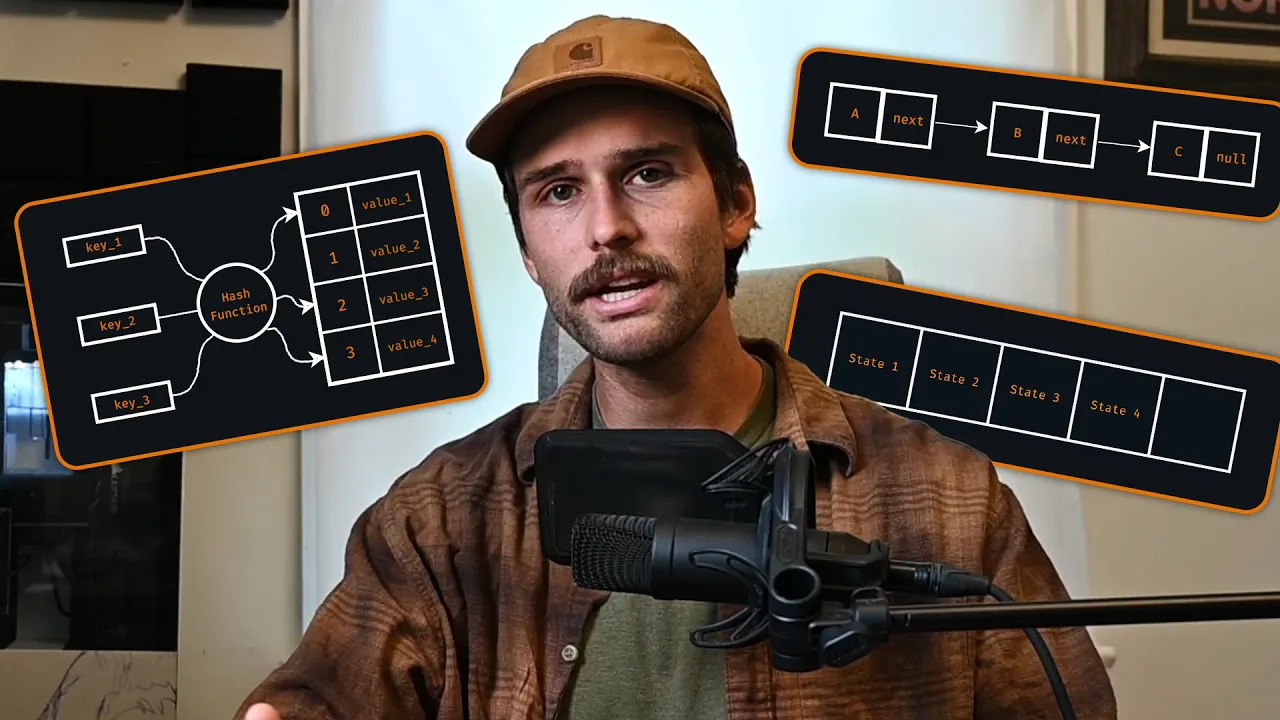
525 and then five trailing zeros and then the other eight decimal transaction is just a random number uh well the clean number the one with the trailing zeros is probably the actual Bitcoin being sent and uh the random number is probably the change account because you don't know how much Bitcoin you're actually sending it's whatever the largest utxo is you have in your account ethereum Works differently uh ethereum is a simple uh account model so you send a transaction just like you would on a venmo or a cash app uh or any other type of payments app and the State of the ethereum State machine actually updates with that uh transaction information and you're effectively updating uh the state of ethereum when you send a transaction um so every time a transaction happens the state of ethereum updates okay and then finally I'm not going to get into this because at this point people kind of were aware the difference between proof of work and proof of stake ethereum has switched to proof of stake and that's all I'll say for now okay sorry uh yeah okay amazing what do smart contracts on ethereum enable well a whole bunch of interesting use cases you might be very familiar with nfts this is crypto kitties the first nft what is an nft well uh the smart contract code is erc721 and it's a smart contract standard where you can print a bunch of Assets in the same family but each one of those assets is non-fungible so they represent something unique and they can't be broken down um this is as opposed to your erc20 uh Ico which by the way can play a video here is that possible can I just try myself let's see all right uh let's see no okay can we play this video is that Poss um see oh no yeah just a red uh thing in the middle yeah oh great brilliant okay so that's as compared to uh your erc20 uh smart contract which represents initial coin offering so uh really between 2016 and 2018 this very interesting smart contract called an initial coin offering was very very popular and what happens on a on an Ico is you have a smart contract that has an address if you have ethereum you send your ether to that smart contract address and then the smart contract sends back to your account a newly minted cryptocurrency that we call a token also available for uh trans actions on ethereum but it sends that newly minted token that's just been printed by the smart contract to your ethereum address and in fact you'll remember I told you on bitcoin because your address is public and we could see your full transaction history we could actually Trace that well you could do the same thing on ethereum and you could do the same thing with ethereum public addresses and also smart contract addresses so this visualization is actually the fundraising done on all of the initial coin offering smart contracts from 2015 through 2018 um and we know this because you could parse through the data and actually see the amount of ether that's been sent by Third parties to the smart contract address so this really cool piece of forensics and data science is something that's new to the world of Finance um thanks to the open and Anonymous nature of uh the cryptocurrency counts oh I have clicked the wrong thing okay okay all right great figuring this out on the Fly other really interesting forensics you could do is you could actually Trace transaction patterns to determine if some transaction pattern will uh let you know something about the type of let's say fraud that's going on so this is an interesting case of an initial coin offering called car taxi it's totally ridiculous this is a company that goes uh in Russia on the Trans Siberian uh Highway and picks up cars that have broken down and Toes them off to a gas station they claim that they have 4 40,000 customers and that they raised $7 million in an initial coin offering what first of all why they would need $7 million let alone do an Ico no no one knows but this is what they claim luckily we know the smart contract why do we know the smart contract address because they tweeted it and we could actually see the money that has flowed in and out of the smart contract address because we could see uh this information on the blockchain so let's hope this is the laser okay great uh this red dot here is the address for the I see a smart contract for car taxi why do we know it it's because the car taxi company tweeted hey send money to this smart contract address and these blue dots are all of the third party um all of the third party addresses that have sent ether to the car taxi smart contract in return for the car taxi token you'll see that this smart contract forwards that ethereum to this red this is a wallet address an ethereum wallet address now you'll remember I told you that crypto addresses are uh public but Anonymous so they're a random string of letters and numbers how do we know that this is a car taxi address well a little bit of a forensic assumption is that if they're tweeting if car taxi is tweeting that this is their smart contract where else would the smart contract forward The Ether that's raised only to their own wallet address so we know they control this wallet address and then we have a second round of the smart contract uh which is represented by this Red Dot and all these blue dots are the third party uh sending ethereum to the smart contract and then you'll notice something interesting happening with the transactions in and out of the car taxi wallet and that's that car taxi is not only receiving ether from that smart contract they're also sending ether so when you parse through the the uh transactions maybe I got ahead of the punchline here but turns out from the blue the little blue dots all of those third party investors they only sent a total of 2 million ether $2 million US dollar worth of ether to that smart contract the other $5 million was sent by car taxi to their own Ico why would you do that well it might uh suggest that this Ico is more popular than it really is encouraging investors who are uh maybe convinced by fear missing out to invest in a Ico smart contract like this and this uh by the way this type of data science is done by a great startup out of New York called elementus uh they really do some amazing forensic work not only on cases like this but also on things like uh ransomware attacks and uh finding uh Bitcoin that's paid by hospitals that have been taken hostage and uh by the ransomware hackers okay great and then finally I told you I would show you how Bitcoin actually has that article reference in the Genesis block well it turns out this is a raw hex uh print of the Bitcoin Genesis block raw hex is uh you uh maybe for the one computer scientist in the room uh raw hex you can convert your binary digits into raw hex so let's say your binary digits are uh 256 uh how do I how do I how do I translate this let's say your uh binary digits are eight decimals long or eight eight uh eight numbers long your raw hex can be two or four numbers long so you could compress that information and print it out but basically you are converting these letters and numbers uh into other numbers anyway it's beyond the point you can actually write into uh Bitcoin transactions some information and on the Genesis block you could see this Times article is referenced here and writing data into transactions is actually really really useful for labeling purposes and people have started labeling the Bitcoin that they are sending to each other why would you want to label Bitcoin well maybe you're a coin collector and uh maybe you are a Bitcoin collector and maybe you want to own some Bitcoin that maybe Satoshi Nakamoto had had once owned or you want to own some Bitcoin that was used in the 10,000 Bitcoin for two pizzas transaction that happened in 2010 um there's all sorts of reasons to label these are called ordinals and inscriptions and it's a new phenomena on bitcoin it's a very very interesting data science uh thing okay I'm skipping this great all right finally there's only 10 minutes left I promise you don't have to uh continue to listen to be drone on but I told you I'd come back to the internet and this is where we start talking about filecoin so who here's familiar with your IP address okay lawyers I know for a fact that you use a computer and you know what your IP address is so uh who has ever heard of an IP address okay great all right perfect uh yeah so what is your IP address it turns out when you're sending information over the internet you are sending data packets between IP addresses and your IP address is actually a geographic location this is uh not the most useful way to organize information on the internet luckily we have an example of another alternative that seems to work at by the way I've been corrected but uh we're going to say this anyway even though it's kind of wrong and not the right uh analogy but anyway if you go to your library you have the Dewey Decimal System and the Dewey Decimal System tells you something about the book you want to check out the number represents the genre and a whole bunch of information about the book you're looking to check out so effectively your books in the library every book has a unique dwey decimal number and if you want to go find that book in a library all you need is a Dey decimal number look it up in the card stacks and then go find it in the library turns out not only interplanetary file system which uh many of you are maybe students of Martina um but also filecoin use a system of organizing data very similar to the library's Dey Decimal System we call it content addressing or Cs and effectively every time a file is uploaded to either ipfs or filecoin it goes through a hashing algorithm that will produce a unique random number that represents that file and that random number is the content address now if you have the content address for a file you only need to come to the network and say Hey I want this file can I retrieve it from whoever on ipf F or filecoin currently stores at and if you upload a second copy of the same file you're going to get the algorithm will produce the same exact uh the same exact uh content address for that file but if you make any change to that file you're going to get a different content address turns out this actually leads to a lot of very very interesting uh again forensic uh features and this group out of Stanford University called Starling lab actually uses this feature in their work so what does Starling lab do turns out they go to war zones uh like in Bosnia or Ukraine they take photographic evidence of war crimes and then they upload that photographic evidence to filecoin because once it's uploaded to filecoin those photos have a unique content identifier and if anyone wants to tamper with that evidence the content identifier will change so when they create a dossier and they submit that dossier to the international criminal court as they have actually last year they can give the international criminal court not only all the evidence but a guarantee that no one has tampered with that evidence so this is a very interesting um helpful feature of this content addressing and uh by the way their um their cameras also have cryptographic another cryptographic graic tool that is evidence that they did take the photos the photographic evidence in the time they said they did at the location they said they did so you might say okay Robert that's great you've told me that on both ipfs and filecoin uh all of the files are uniquely labeled and uh that's great but how are they organized well the files are organized in the same way you would organize your files on a computer uh basically down into folders but because we're doing Computing and I know this is maybe not relevant uh totally to this audience but we have in computer science uh if you do a computer science class you will spend uh a lot of time let's say you take your software year mathematics or computer science it's a very miserable course don't recommend it if you don't have to uh but you will spend a lot of time working on graphs and in graphs we have two elements the first is a node which is just a thing on the graph so in this case it's a folder or a file and the second element is an edge so the edge describes a relationship between two things in the graph and you'll notice this has an arrow which basically says hey well I'll do this one as an example this has an arrow which describes at least in this case that this file is in this folder so the folder points the things that are in it and that makes uh the graph directed so that is the first uh kind of description of this graph is directed the other description of this graph is that it's acyclic what do I mean by acyclic well you'll notice if I Traverse from pick to fish to fresh water I can't go from fresh water to Pi there's no cycle if I could do that there would be a cycle and I could go around in a circle why would you want no Cycles in a graph that represents files uh and folders well here's a counter example for you let's say you have a cyclic graph and you have folder a pointing to folder B and folder B pointing to folder A what that's telling you is that folder a is in folder B and folder B is in folder a and that makes absolutely no sense so that's why it needs to be a cyclic and this is the graph the data structure that actually all files on both ipfs and file coin are represented like this uh so every folder and every file and every Edge describing the relationship between the folders and files are actually represented by unique content addresses and they're organized in this uh directed acyclic graph now why would you want a directed acyclic graph it leads to a lot of very interesting features first of all It's distribut ability not okay I've lost oh there it is okay distribut ability so anyone who has a directed a cyclic graph can serve as the provider for it it's recursive meaning you could put smaller folders or smaller graphs into larger ones it's verifiable so if you retrieve data uh from uh this graph and you have the content address for that data it probably means that you came to the network and said hey I have this content address I want the file associated with it can someone give me that file once you have the file you can actually rerun the algorithm to make sure you rerun the algorithm on that file to make sure it produces the same content address and this actually guarantees or it gives you verifiability that you are receiving the right files you're receiving the correct file that you asked for when you gave the content address CU you can reproduce the content add for the file once you have it and finally D duplication uh this is maybe mostly vanity but because we're in a graph data structure and it's directed in a cyclic whoa yeah uh let's say you have a file that's in two folders well the two folders can just point to the file one time instead of having it represented twice on the data structure which makes it much uh more efficient to retrieve that information you don't have to Traverse mobile multiple times and also this is a really nice visualization now you'll notice throughout this whole time by the way we call this the uh interplanetary linked data so all files on ipfs and filecoin are content addressed and this data structure that organizes the content address is called interplanetary linked data and you'll notice I told you that files on both ipfs and file coin are represented this way or they uh adhere to the interplanetary linked data standard why would I tell you both ipfs and filecoin well it turns out ipfs and filecoin are two totally different networks with two totally different sets of participants so you know I judge a lot of hackathons and we have a lot of submissions that uh you know in their pitch they say yeah we use filecoin to store information and then we look at their code and it turns out they're actually storing on interplanetary file system these are two different networks and I'm going to explain to you the difference and why we have both interplanetary file system is a group of community nodes that are offering storage as a service for free so if you store files there there's no guarantee that those files will exist a long time into the future because those Community notes can go offline at any time filecoin was the answer to that problem and filecoin creates a renters market around this decentralized storage um so that you pay to have your data stored on one of these storage providers and that guarantees that that data exists long into the future or it gives more of an assurance I shouldn't say guarantee it gives more of an assurance that your data will exist long into the future so how does filecoin work well let's say you're someone who wants to store data on filecoin you're we would call you a client and a client would come to the network and say hey I have this much data I want to store it for this length of time this is how much filecoin I'm willing to pay and they will propose this information which together we call a deal they will propose this deal to filecoin uh the filecoin uh mempool or transaction purgatory and more or less a a storage provider which is kind of like a Bitcoin miner but they have a data center so there's thousands of these data centers all over the world again competing with each other to take storage deals from clients a storage provider will see this deal and say hey I like that price I have room in my data center I can accept this deal and they signal that they will accept the deal by providing the first proof of State AK that we call proof of replication and this is a cryptographic evidence that they've made a copy of this data onto their um onto their Data Center and then every day after that for 540 days which is the length of a file coin deal they provide a second Pro proof of stake which we call proof of space time and proof of SpaceTime is more or less a cryptographic evidence that the data is still in the data center at the time and location or space memory space that the storage provider says it's in every day that the storage provider provides this proof of space time the client pays a little more file coin and rent to keep their data there so the client doesn't pay all the file coin up front they pay over time if the storage provider fails to provide the proof of SpaceTime filecoin will get slashed from their wallet and they will lose money so this is designed to ensure that people have uh their data uh appropriately stored and guaranteed to be there over time since the storage providers have very strong incentive to make sure that they are good stewards of that data there's currently uh 6.7 exabytes of data capacity on filecoin across all the miners which is equivalent to 7.7 million gabyt uh turns out this is equivalent to to 1% of all Global cloud storage capacity and of this capacity uh it turns out 1.7 exabytes of that room or 1.9 gigabytes of that room um are actually being used by clients to store data uh why might we have a lower usage rate than what's available Well turns out you could also do transactions on filecoin in the same way you would do them on ethereum or Bitcoin and filecoin miners or filecoin storage providers they're one and the same uh they actually get filecoin uh minor rewards so uh turns out people will set up data centers just to go after the filecoin miners rewards and not necessarily to use the data centers uh finally we have this uh chart of costs and you'll see thanks to low retrieval fees uh filecoin tends to be cheaper for storage uh than some of your centralized Cloud options okay finally what else is going on in the world of filecoin well there is a service called filecoin plus and uh filecoin plus is a system of volunteer notaries that will check the data being added to filecoin to make sure it's actually useful data and uh it turns out if a storage provider accepts a file coin plus deal or a deal that's been checked by a notary you actually get a 10x on the minor reward you would get for taking that storage deal so uh as you can imagine 99% of All Storage deals on filecoin are now verified by filecoin plus uh because why wouldn't you for the same cost uh 10x your minor reward uh we also have the filecoin virtual machine so just like the ethereum virtual machine you could do smart contracts on top of filecoin now why might you want that if there's other options like ethereum well it's because you'll have access to the data storage Primitives available on filecoin this is one of my favorite examples um of a use case that is unique to filecoin using smart contracts so you remember I told you storage deals are Tim limited every 540 days the storage deal expires and a client needs to decide whether or not they want to renew a storage deal or go to a different storage provider you could write a smart contract that handles this for you what might the business logic look like well step one you would endow a smart contract with a whole bunch of filecoin so you send file coin to a Smart contract address that you're writing step two is you have the smart contract invest that file coin someplace uh let's just say for this hypothetical in a conservative investment that returns uh reasonable 8% per year as an example step three is you would track the storage to that you might be interested in that you might want to consider renewing and then step four is and this is what the business logic looks like if you made more money last year on the investment than it costs to renew the deal next year automatically renew the deal if not find a new storage provider and that's what the smart contract logic could look like you could also use Smart contracts to uh gatekeep who could access certain files so you can guarantee that only certain file coin addresses have access to files and you could imagine you can actually set up uh pay to access uh from certain uh filecoin addresses using file access control on filecoin Smart contracts and there's all sorts of other use cases some of which are censored uh I I won't get into that now but you could do all sorts of things with file coin smart contracts now if you are a builder at a hackathon I understand we're in the middle of the hackathon you might be using a a file coin uh for storage and you might want to consider whether or not you need to add smart contracts on top of that uh storage you want to do why is that and what are the considerations you might want to make well first of all you should ask yourself whether you need business Logic on top of the storage you're doing in which case yes you would use Smart contracts if not you could just directly store your data now if you do need smart contracts you also need to decide whether or not you need something called an aggregation service and this will depend on how big the amount of data you want to store in filecoin actually is why is that Well turns out filecoin data storage the fundamental unit is called a sector and this is 32 gigabytes so if you're storing less than 32 gab you need to aggregate it with other people's small data uh into a 32 GB sector so that the storage provider is interested in taking your storage deal and the reason for that is that the uh file coin storage providers want to make sure they're using all of their memory space okay we're at the end here uh what I just described to you is computation over the state of file coin this is all dealing with uh the metadata of the file coin uh uh data storage eventually we'll have compute over data so that means actually doing compute jobs with the data that's stored on filecoin what does that mean well this is your AI training or your machine learning training and we have a team working on that called back allow they just raised around and they have really cool uh apps that they've built like water lily which lets you uh do AI generated images based on images stored on filecoin as an example we also have a platform called Saturn which makes retrieval of data from filecoin very easy this is a Content delivery Network and it will enable video uh streaming over a decentralized network for the first time which is really cool and finally our last uh interesting Innovation to come out of protocol Labs it's called interplanetary consensus this is a blockchain scaling solution so you can imagine I told you earlier about how on bitcoin every 10 minutes a block is added that block has a specific size so you're limited as to how much transaction data you could write onto that block same with a theorem except the blocks are smaller although they're more frequent every 10 seconds one such scaling solution to solve this issue is called interplanetary consensus so imagine you have your main we'll call it the parent blockchain in this case this purple blockchain is file coin excuse me your um sorry excuse me uh Within inter planetary consensus you could deploy something called the subnet which is simply a second blockchain and what you're doing is you will lock the file coin on this uh block for use on the second blockchain and this second blockchain exists in its own world its own time scale all the transactions happen there with that locked file coin on accounts here and you might be runting an app that you need uh a higher transaction through put for or you might want some specific specific uh unique consensus uh rules that you might want to deploy on this second blockchain periodically the data from the second blockchain will save to the parent blockchain in case you need to uh you know revert back uh in the event there's a catastrophic issue then finally when you are done running this blockchain and all of the uh apps have finished running you will uh close the accounts here and the accounts will settle back to the same accounts on the parent blockchain um and of course uh subnets can have subnets themselves you can have multiple subnets from the same parent blockchain um but this is just as many Google slide uh shapes I was willing to create okay uh thank you so much for having me uh I could talk a lot about uh blockchain and the law but maybe we'll do that over a drink outside uh if you want to come to a hackathon I'd encourage you to uh reach out to me on telegram this is my QR code you can reach shats me there um but other than that uh thank you first of all Martina for organizing this and the eth Warsaw team and thank you everyone for coming out this is a unbelievable uh showing on a holiday there's 150 people in this room I'm pretty sure there's another 200 people outside so I hope we have enough uh uh you know Beverages and uh food for everyone but uh time will tell uh okay thank you so much I'll see you outside
Up Next

Arloader CLI for NFT Uploads: A Practical Guide
@proceduralnodes7695
118 views•2021-12-16
Hybrid Key Establishment in Production: Post-Quantum Cryptography
@durumcrustulum
14.7K views•2025-08-27
Operational Security Essentials: A Guide for Hacktivists (OPSEC)
@hitbsecconf
157.4K views•2012-11-26
Understanding Ethereum: A Comprehensive Beginner's Overview
@99Bitcoins
3.1M views•2018-06-26
Related Study Plans & Knowledge Roadmaps
Structured learning paths in Blockchain & Crypto