





























![TOP 4 ALTCOINS TO BUY IN MARCH!!! Best Cryptocurrencies to Invest in Q2 2019! [Bitcoin News]](https://i.ytimg.com/vi_webp/3vIof_ItqUk/maxresdefault.webp)



Blockchain is a decentralized, distributed ledger technology that stores transactional records in blocks connected by cryptographic hashes, ensuring security, transparency, and immutability without requiring a central authority; it enables peer-to-peer transactions without third-party intermediaries and is categorized into public blockchains (accessible to anyone, like Bitcoin) and private blockchains (restricted to trusted participants).
Blockchain Technology Explained: How It Works and Its Features
Added:Basic Cryptography Concepts: Understanding hashing functions (e.g., SHA-256) and the difference between public and private keys.
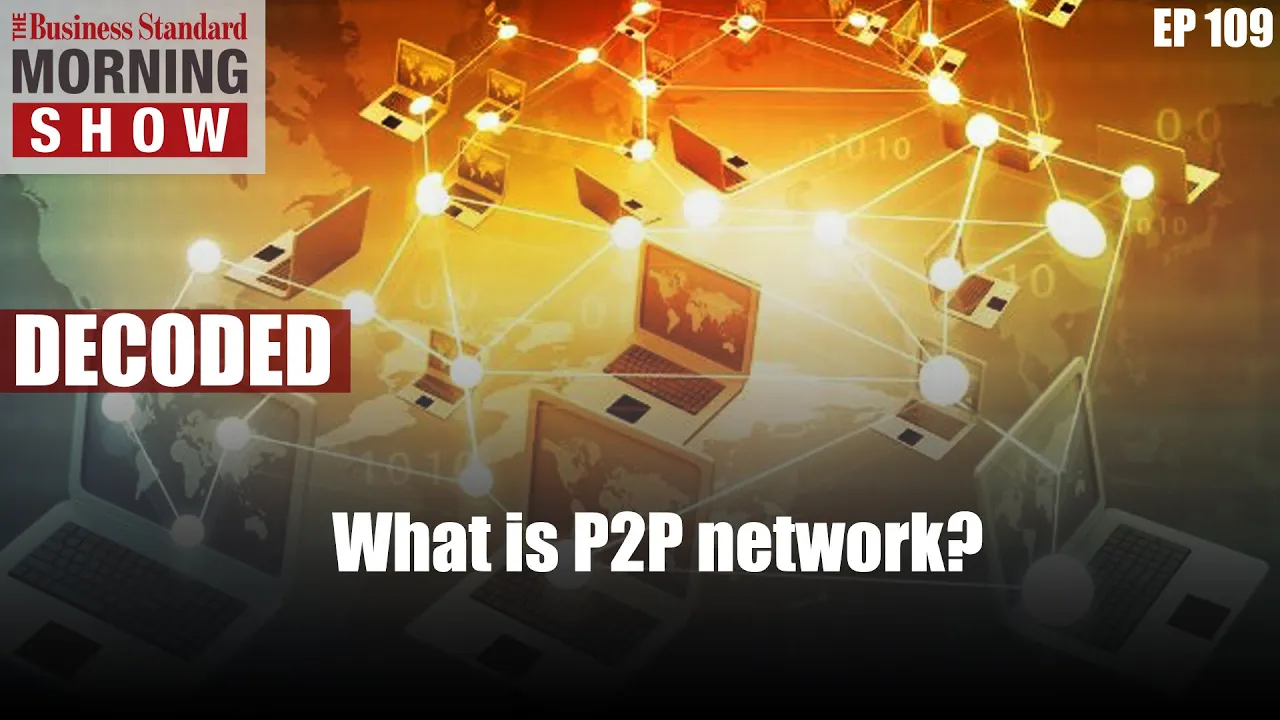
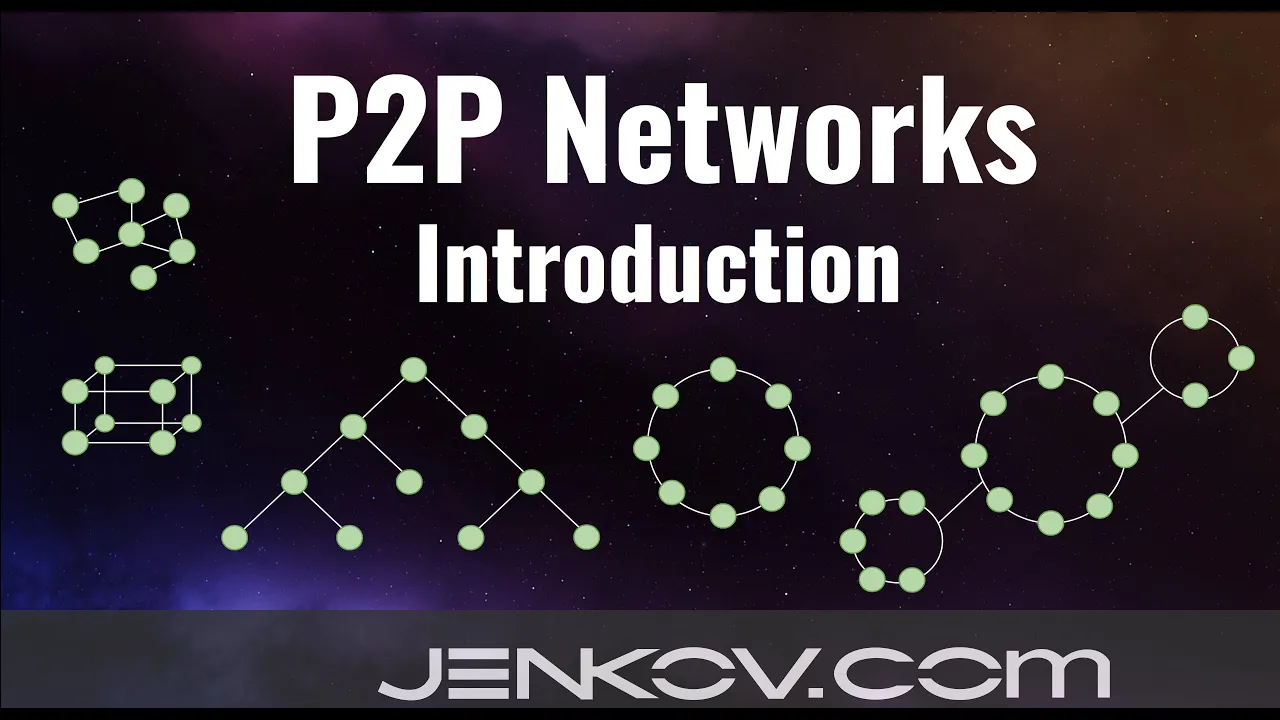
Peer-to-Peer (P2P) Networks: How computer networks function without a central coordinating server.
Traditional Ledger Systems: How databases and financial ledgers traditionally record, verify, and store transactions.
The Double-Spending Problem: The digital trust challenge of preventing a digital asset from being spent more than once.
Consensus Mechanisms: Detailed study of Proof of Work (PoW), Proof of Stake (PoS), and other network agreement protocols.
Smart Contracts: How programmable self-executing agreements function on platforms like Ethereum.
The Blockchain Trilemma: The trade-offs between decentralization, security, and scalability in blockchain architecture.
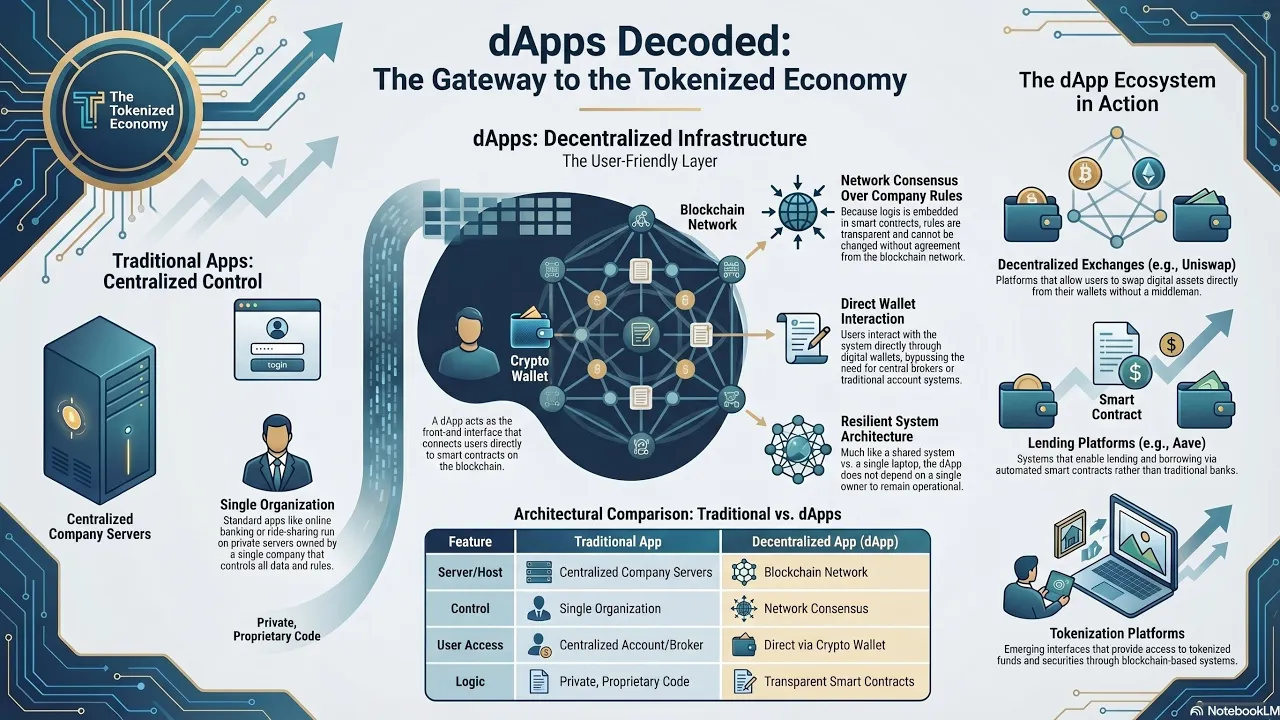
Decentralized Applications (DApps) and DeFi: Exploring decentralized financial services, protocols, and application ecosystems.
Enterprise Blockchain Solutions: Real-world business applications of permissioned blockchains in supply chain, healthcare, and identity management.
6.6K views62likes4:46Original Release: 2020-07-08
blockchain technology explained blockchain the revolutionary technology impacting different industries miraculously was introduced in the markets with its very first modern application bitcoin bitcoin is nothing but a form of digital currency cryptocurrency which can be used in the place of fiat money for trading and the underlying technology behind the success of cryptocurrencies is termed as blockchain in the simplest terms blockchain can be described as a data structure that holds transactional records and while ensuring security transparency and decentralization you can also think of it as a chain or record stored in the forms of blocks which are controlled by no single authority a blockchain is a distributed ledger that is completely open to any and everyone on the network once an information is stored on a blockchain it is extremely difficult to change or alter it each transaction on a blockchain is secured with a digital signature that proves its authenticity due to the use of encryption and digital signatures the data stored on the blockchain is tamper-proof and cannot be changed consider an example where you are looking for an option to send some money to your friend who lives in a different location a general option that you can normally use can be a bank or via payment transfer application like paypal or payton this option involves third parties in order to process the transaction due to which an extra amount of your money is deducted as transferring fee moreover in cases like these you cannot ensure the security of your money as it is highly possible that a hacker might disrupt the network and steal your money in both the cases it is the customer who suffers this is where blockchain comes in instead of using a bank for transferring money if we use a blockchain in such cases the process becomes much easier and secure there is no extra fee involved as the funds are directly processed by you thus eliminating the need for a third party moreover the blockchain database is decentralized and is not limited to any single location meaning that all the information and records kept on the blockchain are public and decentralized since the information is not stored in a single place there's no chance of corruption of the information by any hacker how does a blockchain works each block in a blockchain network stores some information along with the hash of its previous block a hash is a unique mathematical code which belongs to a specific block if the information inside the block is modified the hash of the block will be subject to modification too the connection of blocks through unique hash keys is what makes blockchain secure blockchain features decentralized blockchains are decentralized in nature meaning that no single person or group holds the authority of the overall network no one can modify it on his or her own peer-to-peer network with the use of blockchain the interaction between two parties through a peer-to-peer model is easily accomplished without the requirement of any third party for example if you wish to make any transaction from one part of the world to another you can do that with blockchain all by yourself within a few seconds moreover any interruptions or extra charges will not be deducted in the transfer immutable the immutability property of a blockchain refers to the fact that any data once written on the blockchain cannot be changed to understand immutability consider sending email as an example once you send an email to a bunch of people you cannot take it back in order to find a way around you'll have to ask all the recipients to delete your email which is pretty tedious this is how immutability works tamper proof with the property of immutability embedded in blockchains it becomes easier to detect tampering of any data blockchains are considered damper proof as any change in even one single block can be detected and addressed smoothly there are two key ways of detecting tampering namely hashes and blocks types of blockchains there are two broad categories in which blockchains can be classified majorly i.e public and private blockchains public blockchain as the name suggests a public blockchain is a permissionless ledger and can be accessed by any and everyone anyone with the access to the internet is eligible to download and access it moreover one can also check the overall history of the blockchain along with making any transactions through it an example of the public blockchain is the bitcoin blockchain private blockchain contrary to the public blockchain private blockchains are the ones which are shared only among the trusted participants the overall control of the network is in the hands of the owners moreover the rules of a private blockchain can be changed according to different levels of permissions exposure number of members authorization etc these are usually used by enterprises and organizations
Up Next

18:20
Building Decentralized IoT Systems on Solana with DePIN
@SolanaFndn
4.3K views•2023-10-27

52:00
Hybrid Key Establishment in Production: Post-Quantum Cryptography
@durumcrustulum
14.7K views•2025-08-27

64:25
Operational Security Essentials: A Guide for Hacktivists (OPSEC)
@hitbsecconf
157.4K views•2012-11-26

11:49
Understanding Ethereum: A Comprehensive Beginner's Overview
@99Bitcoins
3.1M views•2018-06-26
Related Study Plans & Knowledge Roadmaps
Structured learning paths in Blockchain & Crypto
blockchain-and-crypto
MPC Wallets: TSS, DKG & Secure Custody
01Foundations of Cryptography & Digital Signatures
02Secret Sharing & Introduction to MPC
03Distributed Key Generation (DKG)
+ 2 more learning modules
24h5 modules
Explore Roadmap
blockchain-and-crypto
ERC-4626: Yield Aggregators & Leverage
01Blockchain, Ethereum, and Solidity Foundations
02DeFi Primitives: Lending, Pools, and Yield Farming
03Mastering the ERC-4626 Tokenized Vault Standard
+ 3 more learning modules
35h6 modules
Explore Roadmap
blockchain-and-crypto
DePIN: IoT Registries, Proofs & Rewards
01Foundations of Blockchain & IoT
02Introduction to DePIN and the Flywheel Effect
03Designing IoT Device Registries & Secure Identity
+ 3 more learning modules
30h6 modules
Explore Roadmap
blockchain-and-crypto
Building EigenLayer AVS: Operators & Contracts
01Blockchain, Ethereum, and Smart Contract Basics
02Proof of Stake and Ethereum Staking
03Introduction to EigenLayer and Restaking
+ 3 more learning modules
24h6 modules
Explore Roadmap