














![[파일코인 보유자 필독] 파일코인, 존버해도 될까요?](https://i.ytimg.com/vi/P_iiHAsoblU/maxresdefault.jpg)













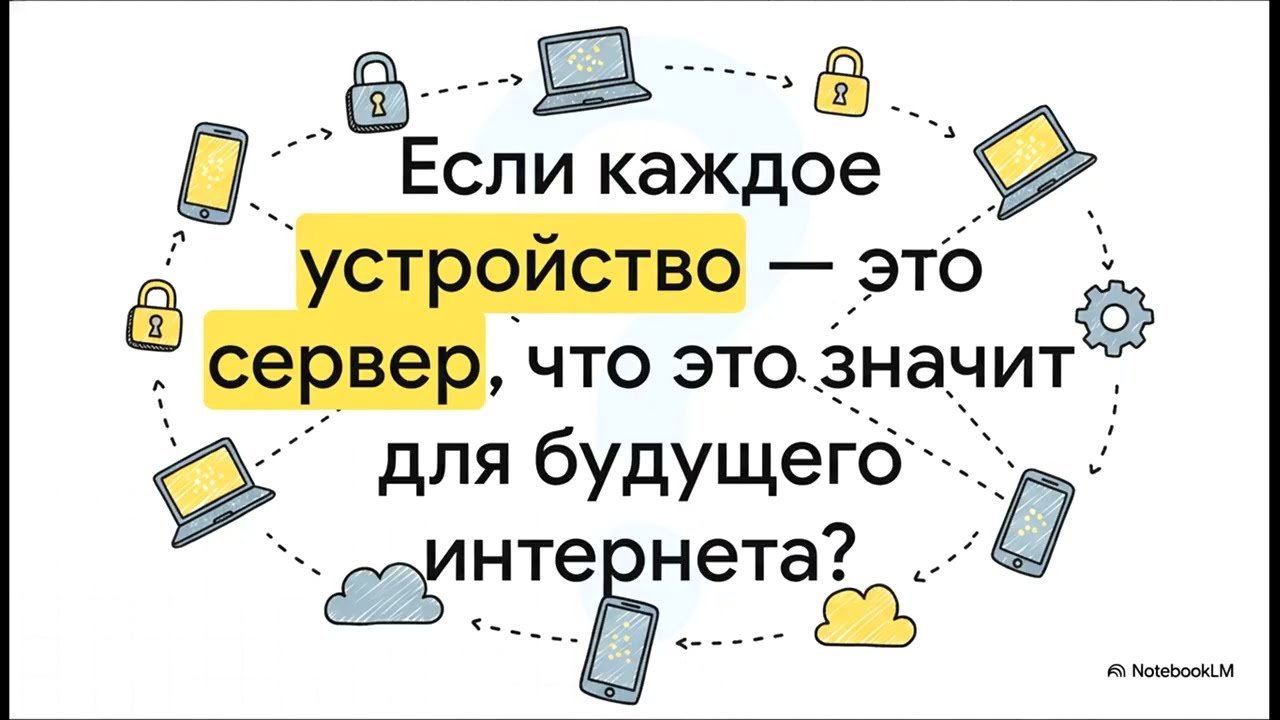
Decentralized storage is a distributed data storage approach that eliminates single points of failure by distributing data across multiple computers in different locations, using open-source software and economic incentives to ensure data integrity and availability, unlike centralized cloud storage which relies on single servers controlled by corporations that can monitor, censor, or lose user data.
Understanding Decentralized Storage: A Technical Overview of Blockchain-based Data Systems
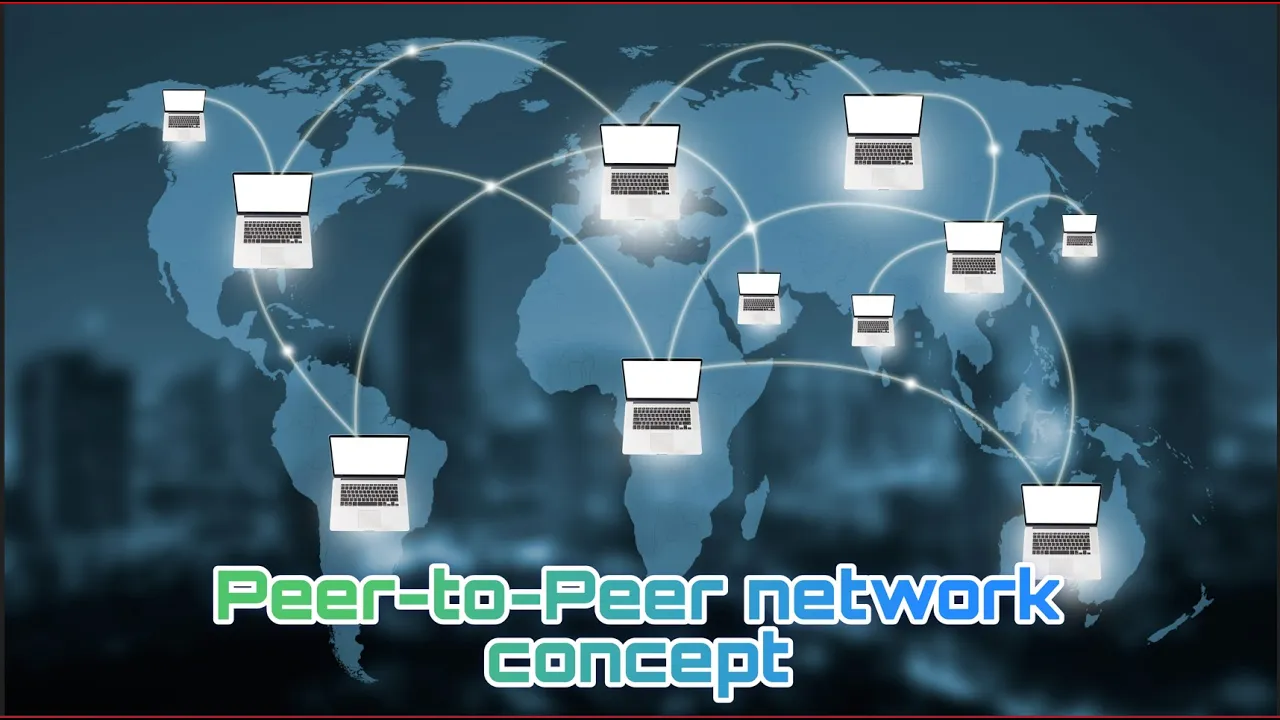
Added:Fundamental understanding of Peer-to-Peer (P2P) networking architecture and how distributed nodes interact without a central authority.
Basic cryptographic concepts, particularly cryptographic hash functions (such as SHA-256) and their role in ensuring data integrity.
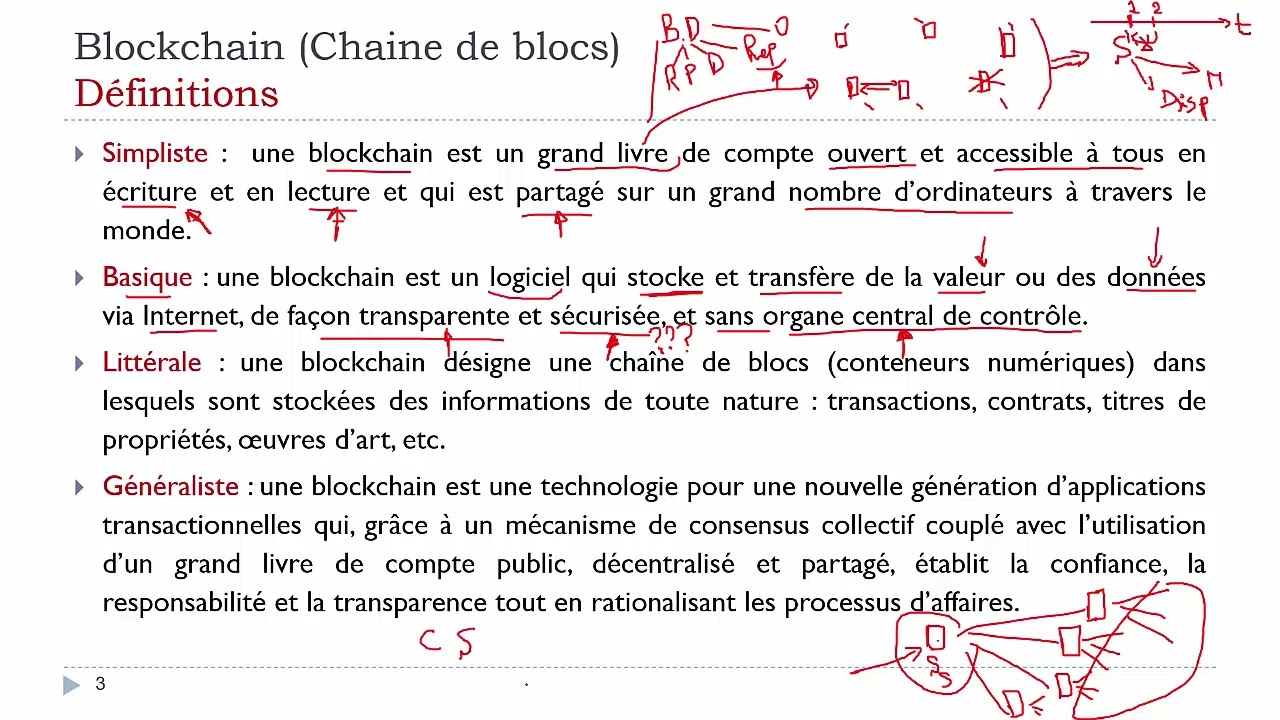
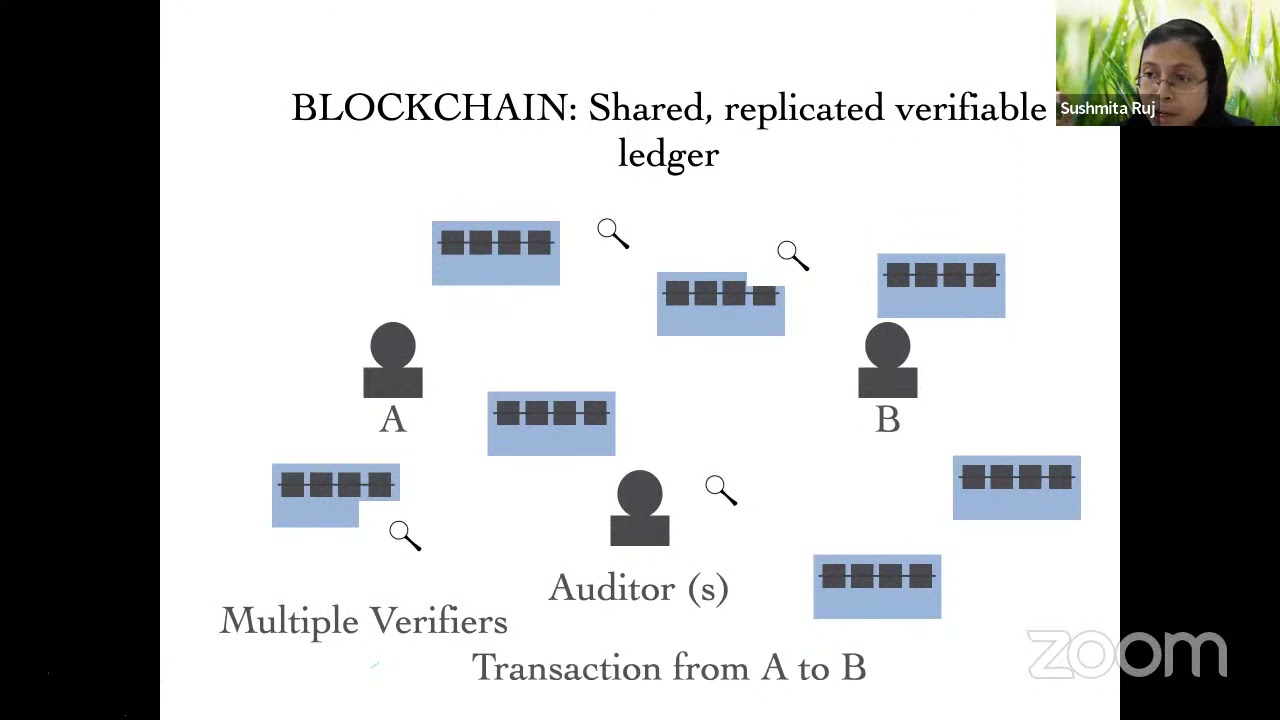
Core blockchain principles, including distributed ledger technology, consensus mechanisms, and the basic operation of smart contracts.
Familiarity with traditional centralized cloud storage models (e.g., AWS S3, Google Cloud) and their inherent single-point-of-failure vulnerabilities.
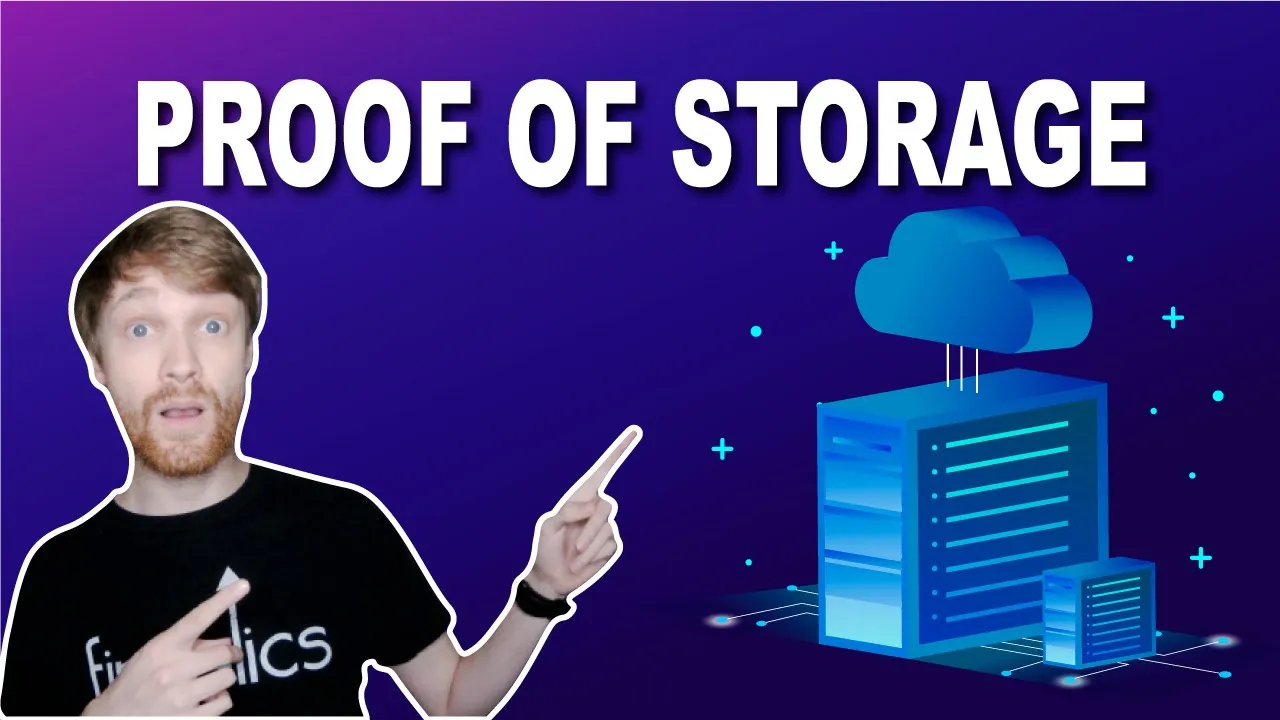
In-depth analysis of storage-specific consensus algorithms, such as Proof of Replication (PoRep) and Proof of Spacetime (PoSt) utilized by networks like Filecoin.
Practical integration of decentralized storage solutions (like IPFS) into Web3 decentralized applications (dApps) for hosting frontends, metadata, and media assets.
Exploration of decentralized database systems and dynamic data storage frameworks (e.g., OrbitDB, Ceramic Network) as opposed to static file storage.
Study of the economic incentives and tokenomics governing decentralized storage networks, including staking, slashing, and decentralized data marketplace dynamics.
8.1K views192likes6:50Original Release: 2019-02-19
hi this is melissa with blockchain WTF and today we are going to talk about decentralized storage in order to have a fully decentralized blockchain ecosystem we need to have decentralized storage otherwise we're still relying on a centralized server with one single point of failure with the Equifax data breach and numerous other data breaches they all could have had different outcomes even if using a centralized server the individual users had control over their data the current way to use cloud storage allows you to store and instantly access your data on remote servers but these servers are just hard we're sitting in a server warehouse this differs from decentralized storage that has nodes running on multiple computers in multiple locations the cloud storage market is estimated to reach 89 billion by 2022 quite a jump from the 31 billion in 2017 Microsoft Amazon IBM salesforce.com and s ap are all the top five cloud storage vendors with Google and Oracle right behind so even though using Google Drive is super convenient centralized storage the host can monitor sensor disclose data to third parties or your data could even be lost altered or scrambled decentralized storage networks run open source software so anyone can look into how they operate these options can potentially employ millions of server devices instead of a few hundred or thousand by increasing the amount of competition this decreases the price federated storage is the collection of autonomous storage resources governed by a common management system that provides rules about how data is stored managed and migrated throughout the storage network the benefit of federated storage is that you can diversify on centralized servers as a placeholder for decentralization most people upload their files on Google Drive but what if something happens to that file if you had uploaded on five different versions of Google Drive five different platforms you would be able to prove the information was tampered with on one of them by it not being tampered with on the other for this is just a short-term strategy as these companies can all get absorbed into larger companies and then you no longer have a decentralized strategy so what are some of the projects that are working in the crypto space well there's medinet vs V men ona is a unique project that is trying to power the internet on Bitcoin SVS blockchain it's a little different than the other decentralized storage projects in the space because it aims to have the internet become a side chain to the Bitcoin SV blockchain Craig Wright has a medium post elaborating the details in the system they proposed but essentially a separate key is calculated for each file when the key and associated Bitcoin address are used to calculate a file address in the Bitcoin blockchain the file ownership remains pseudo anonymous users can also create firewalls and partitions using the method 40 to process they can encrypt each file separately and share each file in whole or in parts and they can even sell access to the files made safe made safe stands for massive array of internet disks secure access for everyone quite the acronym right but these guys are the OGS in the data storage space this project has been under development for more than a decade now and is the world's first autonomous data network the safe Network has clients and farmers farmers take care of the data on the network by providing disk space computing power and uptime and clients can use the network uploading data using gaps or browsing the safe network aims to create the world's first fully autonomous decentralized data network preventing the network from being blocked controlled or turned off many are excited about made safe but as they haven't launched yet they're also forced to look at alternative solutions short term file quayne has their own blockchain and they utilize mining they are working on creating a free marketplace for storage of data and rent of extra disk space ipfs is the backbone of the file coin system currently the internet works off a location-based addressing and these URLs are pointed to certain servers around the world ipfs serves information based on what the information is as opposed to where it is located their routing algorithm allows you to choose where you get your content from and you set your privacy of the peers or nodes that you trust swarm runs on top of aetherium existing smart contract infrastructure but uses an additional proof of custody operation to scan and repair data over time when needed rather than use new protocols such as IP FS swarm offers federated HTTP endpoints to allow users to make calls to a familiar API interface and then upload and download files swarm is still in the proof-of-concept stage and is not fully operational but you can try out their command-line utilities in a simulated environment see yeah actually predates much of the buzz in this market it was launched in early 2013 out of an MIT hack event and uses proof of storage algorithm and smart contracts for the storage rental and proof of work for validating transactions and produce mining hardware for mining Co coins in the SIA ecosystem storage contracts are used which require the provider to stake a fixed amount of tokens in exchange for the privilege of storing files while they store the file the provider must consistently upload proof of storage to the blockchain to verify their participation basically you have to prove that on your 250 gigabyte computer you kept let's say 30 gigabytes available for storage that you said you would you're basically being a landlord with your storage and if you fulfil your data lease you are rewarded and receive fees from the end-user if the host loses the fees they won't get paid plus their collateral has gone to the storage cloud platform with a J lets users rent storage from their peers on this network all network transactions are conducted in storage as crypto asset storage which is a token launched on the ethereum blockchain in 2014 storage technology is different it revolves around file sharing similar to torrents it separates parts of the file to users in the network and then when a user wants the file they request it and storage uses a distributed hash table to locate all the shards and piece them together so the files are encrypted before sharing and then the user uploading it has their own private key to confirm the ownership Wow right decentralized storage still has a long way to go before it is sustainable and easy enough remains users to participate but we're working on it know of any other cool platforms in the space throw down below don't forget to leave us a comment hit the like button and subscribe and the bell for notifications thanks for watching
Up Next

15:12
Publishing a Website on IPFS: A Technical Tutorial
@JustinPoli
67.6K views•2020-03-27

52:00
Hybrid Key Establishment in Production: Post-Quantum Cryptography
@durumcrustulum
14.7K views•2025-08-27

64:25
Operational Security Essentials: A Guide for Hacktivists (OPSEC)
@hitbsecconf
157.4K views•2012-11-26
11:49
Understanding Ethereum: A Comprehensive Beginner's Overview
@99Bitcoins
3.1M views•2018-06-26
Related Study Plans & Knowledge Roadmaps
Structured learning paths in Blockchain & Crypto
blockchain-and-crypto
MPC Wallets: TSS, DKG & Secure Custody
01Foundations of Cryptography & Digital Signatures
02Secret Sharing & Introduction to MPC
03Distributed Key Generation (DKG)
+ 2 more learning modules
24h5 modules
Explore Roadmap
blockchain-and-crypto
ERC-4626: Yield Aggregators & Leverage
01Blockchain, Ethereum, and Solidity Foundations
02DeFi Primitives: Lending, Pools, and Yield Farming
03Mastering the ERC-4626 Tokenized Vault Standard
+ 3 more learning modules
35h6 modules
Explore Roadmap
blockchain-and-crypto
DePIN: IoT Registries, Proofs & Rewards
01Foundations of Blockchain & IoT
02Introduction to DePIN and the Flywheel Effect
03Designing IoT Device Registries & Secure Identity
+ 3 more learning modules
30h6 modules
Explore Roadmap
blockchain-and-crypto
Building EigenLayer AVS: Operators & Contracts
01Blockchain, Ethereum, and Smart Contract Basics
02Proof of Stake and Ethereum Staking
03Introduction to EigenLayer and Restaking
+ 3 more learning modules
24h6 modules
Explore Roadmap