



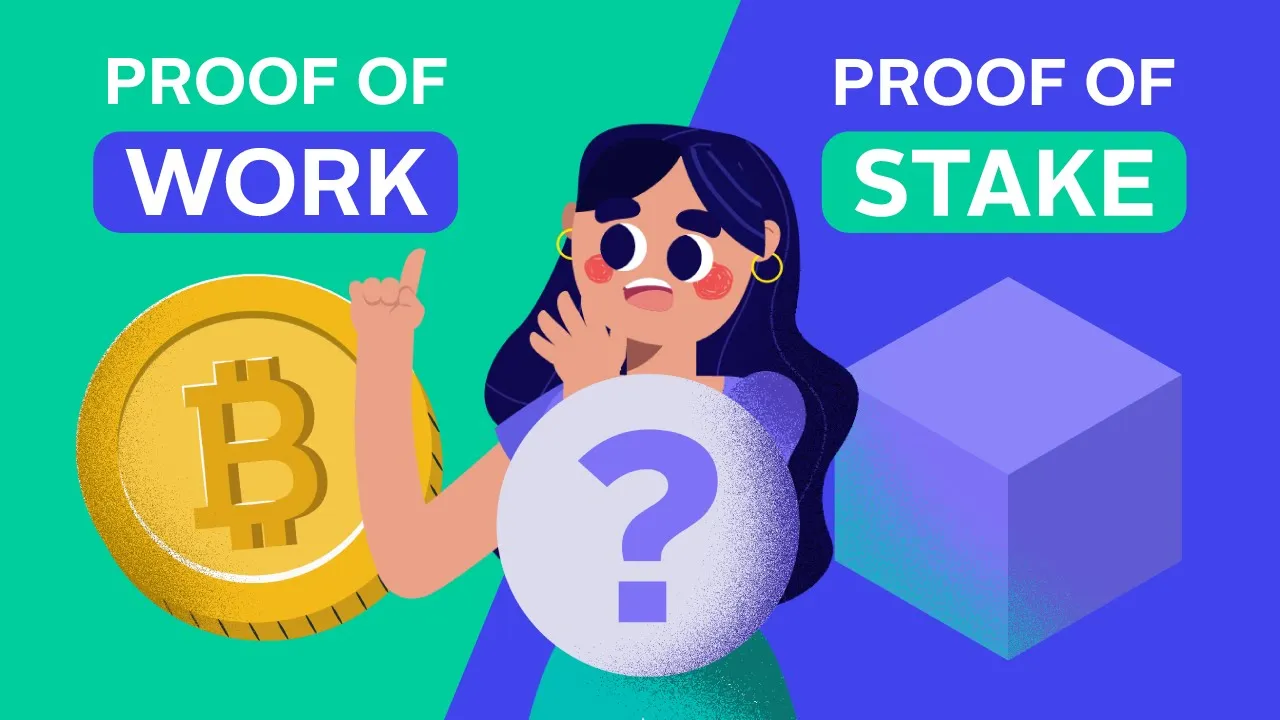






















The blockchain trilemma describes the fundamental challenge where blockchains must balance three competing properties: scalability (speed and transaction throughput), security (resistance to attacks and fraud), and decentralization (distributed network with many independent nodes). Solana prioritizes maximum speed (targeting 1 million transactions per second) but sacrifices decentralization (only 1,000 nodes) and has experienced network outages, while Ethereum 2.0 aims for a balanced approach with 8,000 nodes and proof-of-stake consensus, though it may not achieve the same raw speed. This trade-off means no single blockchain can excel at all three properties simultaneously, and the optimal choice depends on the specific use case requirements.
Ethereum vs Solana: Technical Comparison for Smart Contract Platforms
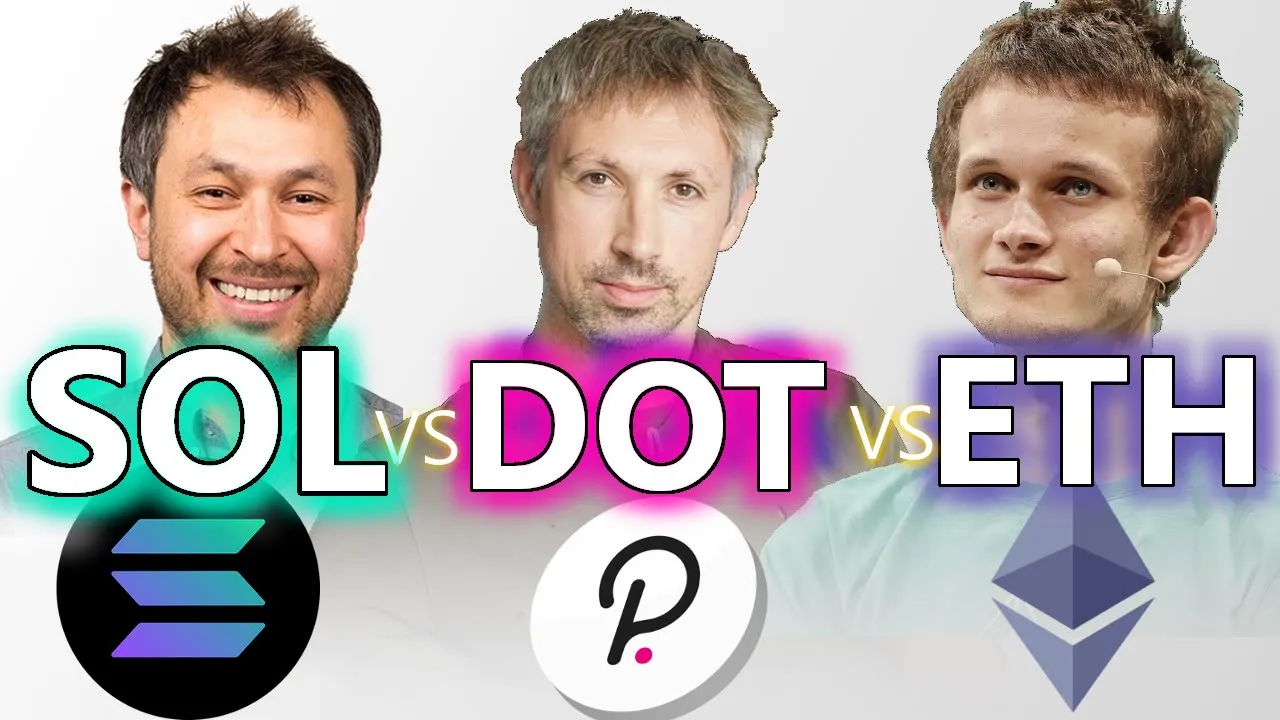
Added:over the last 12 months solana has blasted up the crypto charts growing over 7 000 in 2021 alone the question now is can solana become the number one smart contract platform and dethrone ethereum now i think we can all agree that the current version of solana is much faster and much cheaper than the current version of ethereum but the real test is how it compares to ethereum 2.0 and so in this video we'll be doing a side-by-side comparison comparing solana with ethereum 2.0 to see if there's a clear winner starting with the blockchain trilemma as there's three parts to a killer blockchain a quick side-by-side comparison of the core stats we'll take a look at the company's court objective as this is where the two companies really differ the biggest use case right now and how they both stack up and then we have to talk about the solana crash as the blockchain recently did go down as always if you do enjoy anything in the video then drop a like always appreciated okay so when blockchains first launched they needed to be able to meet three criteria scale decentralized and secure and this leads us on to the blockchain trilemma ready let's do this so there are three main parts that make up a good blockchain we have scalability decentralization and security and the trilemma was all about the problem of being able to hit all three as developers found you could get really strong in two but you'd always have trade-offs in the third point you could be very secure very decentralized but have problem scaling you could be really secure scale really fast but then it wouldn't be that decentralized and it all started with bitcoin and proof of work bitcoin is very decentralized it's ultra secure but as we all know it isn't that fast ethereum came next again with proof of work very decentralized very secure but has problem scaling now this is where solana would fit as it's done everything it can to be the fastest blockchain but then this does come with trade-offs in other parts and with ethereum 2.0 it's aiming to be a perfect blend of all three a quick side-by-side comparison these are the guys heading it up so we have vitalik baterin and anatoly akavenko they both utilize a proof of stake consensus mechanism ethereum 2.0 is aiming to go live at the end of this year beginning of next and solana's main net went live february 2020 and they do class themselves still in beta headline transactions per second we have a hundred thousand for ethereum two and sixty five thousand for solana but these headline stats are a bit misleading so ethereum 2.0 probably won't have a hundred thousand at launch but this is what the network is going to be capable of but it still will need to implement further improvements like sharding and with solana it only says 65 000 but this is due to current hardware constraints but it's really relying on moore's law and rights law and that technology output is going to be doubling and costs is going to be halving and they're aiming to get up to a million transactions per second so think of solana as the usain bolt of blockchains they're doing everything they can to maximize speed when it comes to the tokens ethereum has an unlimited supply and solana has a 500 million fixed supply but again on paper these can be misleading you see ethereum's inflation rate is only about 1.5 percent where solana is around 7 to 8 percent and when 2.0 goes live ethereum's inflation is going to be relatively flat if not slightly negative and solana over the years are trying to get down to an inflation rate of about 1.5 percent and there are currently about 8 000 nodes that power the ethereum network versus 1 000 nodes for solana so you can see ethereum is more decentralized and this is why it's slower than solana because there are a lot more computers that have to agree on the next block this is why less computers is more centralized but it's also a lot faster when it comes to the core objective of the founders this is where we can see a distinct difference solana's goal was to maximize throughput its target was to be as fast as the nasdaq stock exchange which can do over a million transactions per second think of solana as the usain bolt of blockchains but remember the trilemma it means it does have to sacrifice in other areas which is why solana recently went down and ethereum so far has never crashed now when possible i always think it's best to go directly to source so here is anatoliyakovenko explaining solana's core objective but again our who we set our sights on was nasdaq yeah which um i believe their message rates are like 0.15 something like that the use case that they picked is store value money that's the primary thing they will not compromise on that right solana picked information flow as the primary use case and we are not going to compromise on that and reality is might meet somewhere in the middle right but maybe like maybe it's possible that you know a billion people coordinating on solana will capture the exact same properties of store value as um done with you know mining and proof of work or this like you know a hundred thousand chicken approach now with aetherium the core objective is not so straightforward there's a big difference between what people say ethereum is and what ethereum actually is let me explain humans being humans we like to force narratives onto things there's a group of ethereum fans that say ethereum is ultrasound money kathy wood recently said ethereum could be a currency and even anatoly just said that ethereum's going for store of value money but let me show you why i think this is not what aetherium is about ethereum is just a platform think of it like lego blocks that you can build many different things on can you build ultrasound money yes can it be a currency yes could it be a store of value yes but it can also be lots of other things and as vitalik said probably some of the best use cases for ethereum have not yet been invented okay let's now take a look at one of the biggest use cases for both platforms right now and how they stack up so let's take a look at one of the big use cases right now which is decentralized finance and we can see the total value locked right now ethereum has 124 billion solana's sitting just under 10 billion solana has recently dropped about 10 and this is probably due to the downtime that it's recently suffered and you can see ethereum has over 10 times more locked away than solana and this is a visual representation purple being ethereum green being binance and solana's probably this red one here and we also have to add on the layer twos so polygon obviously is running on ethereum as well so add another five billion onto this so just for context this is one of the biggest use cases for both protocols right now so this week and very timely for this video the solana blockchain did in fact go offline there was also an attack on the ethereum network which was unsuccessful obviously this is not good pr for solana and it does highlight that when you optimize solely for speed then you do have trade-offs in security and decentralization so here is what happened solana has been down for more than 12 hours so the solana mainnet encountered a large increase in transaction load which peaked at 000 transactions per second these transactions flooded the transaction processing queue and a lack of prioritization of network critical messaging caused the network to start forking so one hidden bonus here is the fact that solana managed to do up to 400 000 transactions per second but obviously going down for 12 hours is not good this is gavin wood who is the founder of polkadot and he hopped onto twitter to say events of today in crypto just go to show that genuine decentralization and well-designed security make far more of a valuable proposition than some big tps numbers coming from an exclusive and closed set of servers if you can't run a full node yourself then it's just another bank when it comes to blockchains there are three parts to the equation speed security and decentralization solana's focus above all else has been speed and it targets speed comparable to the nasdaq stock exchange of a million transactions per second but this does come with trade-offs in other areas ethereum 2.0 aims to be a powerful blend of all three speed security and decentralized i can't talk about average transaction cost as we don't yet have that data but i can assume for ethereum it's going to drop significantly probably not as low as solana right now but to a point where it probably isn't a big issue so my conclusions well i don't think there's going to be one chain to rule them all think about it is there just one computer operating system is there just one place to buy a mobile phone is there just one well of anything customers always have multiple choices with different offerings and trade-offs ultimately no one knows which chain is going to be the biggest five years from now it could be either none both i don't think we need to get all tribal and just pick one i will be investing in both i hope both succeed however most of my money is in ethereum and i think with the build up now to ethereum 2.0 and the fact that solana just went down i am more bullish on ethereum so there you are guys hope you found this useful tell me what you guys think below as this is a hot debate right now for now just to say if you did enjoy anything in the video then drop a like and a big thank you to everyone who does if you haven't yet subscribed to the channel then click below and join us got some great videos coming up that you don't want to miss okay cheers guys thanks for watching and i'll see you in the next video bye for now [Music] you
Up Next

Solana Architecture: An In-Depth Explanation of Proof of History
@JoshsDevBox
18.8K views•2022-11-09

Hybrid Key Establishment in Production: Post-Quantum Cryptography
@durumcrustulum
14.7K views•2025-08-27
Operational Security Essentials: A Guide for Hacktivists (OPSEC)
@hitbsecconf
157.4K views•2012-11-26
Understanding Ethereum: A Comprehensive Beginner's Overview
@99Bitcoins
3.1M views•2018-06-26
Related Study Plans & Knowledge Roadmaps
Structured learning paths in Blockchain & Crypto