
















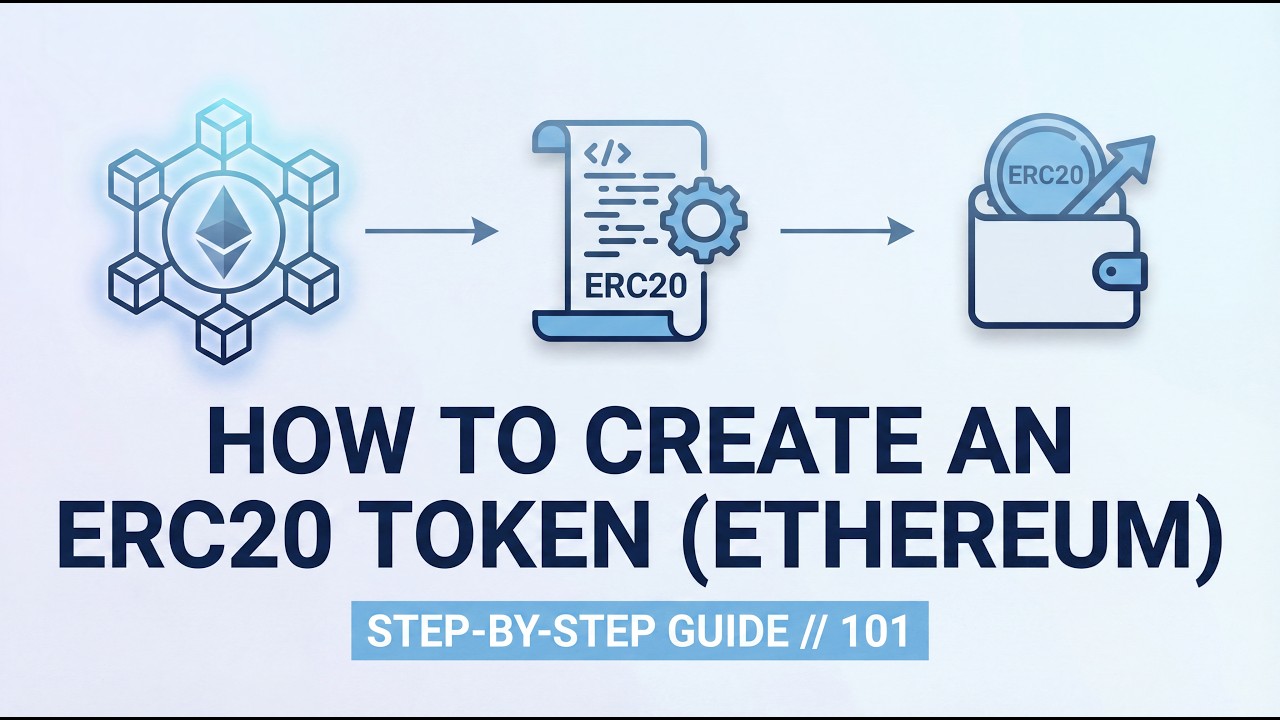











ERC20 is a standardized interface for creating fungible tokens on the Ethereum blockchain, established as the 20th Ethereum Improvement Proposal (EIP) in November 2015. This standard defines essential functions like balanceOf, totalSupply, transfer, transferFrom, and approve, enabling seamless integration across wallets, exchanges, and decentralized applications. The standardization ensures all ERC20 tokens share a common interface, allowing developers to build applications that support any ERC20 token without custom integration for each one. While the standard itself does not determine token value, it provides the technical foundation for token interoperability in the Ethereum ecosystem.
What Is an ERC20 Token? Definition and Technical Standard Explained
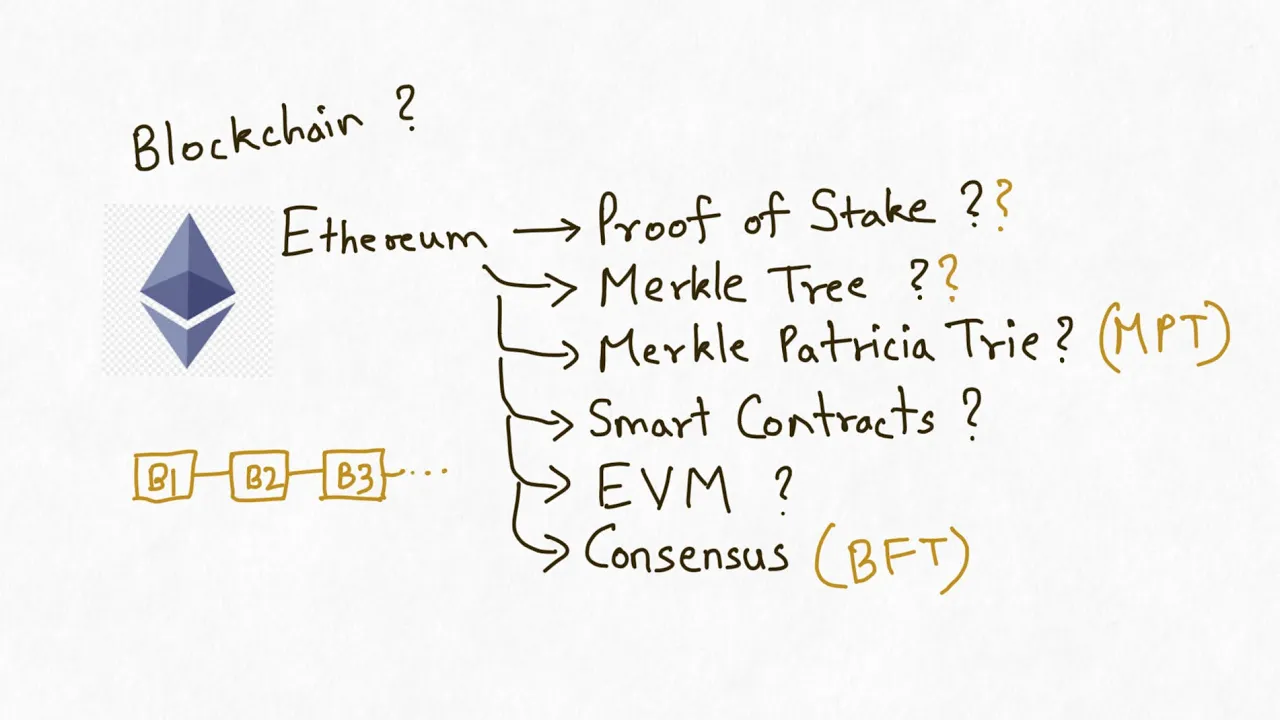
Added:Basic understanding of blockchain technology and the core architecture of the Ethereum network.
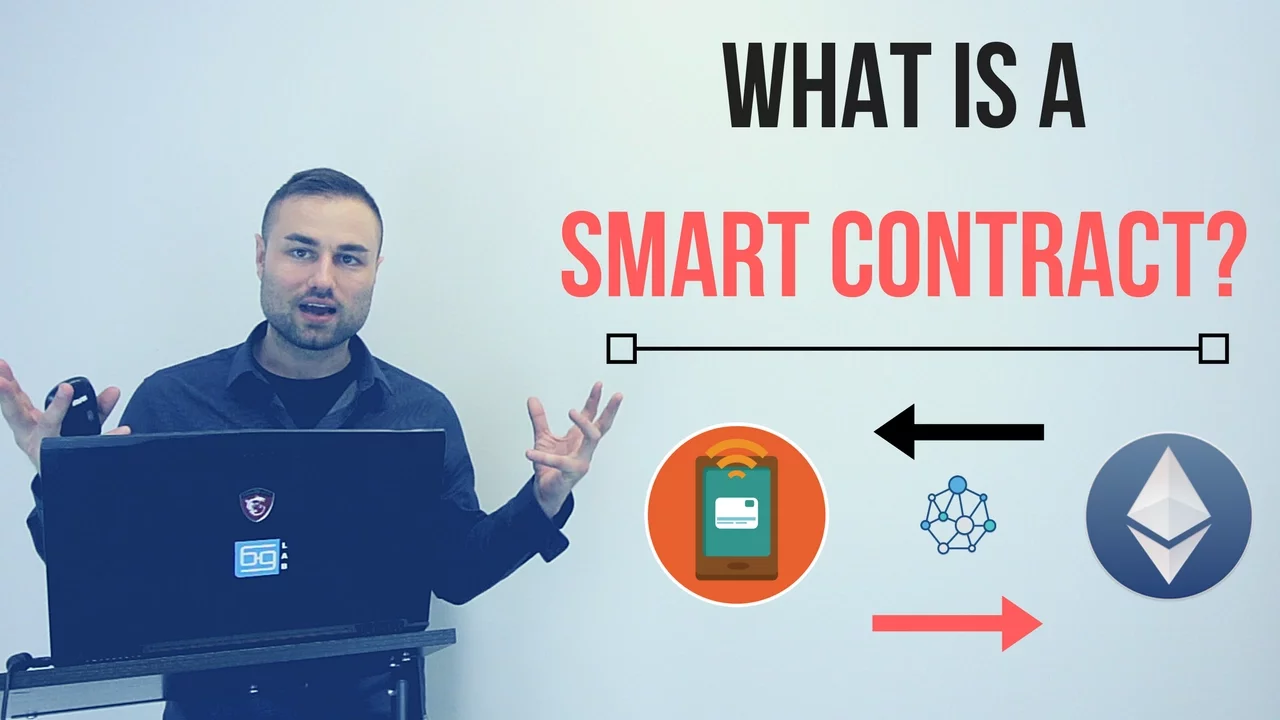
The concept of smart contracts: self-executing code deployed on a decentralized virtual machine (EVM).
The fundamental difference between a native blockchain cryptocurrency (like Ether) and application-level digital assets.
How Ethereum transactions work, including public/private key cryptography, wallet addresses, and gas fees.
Analyzing other prominent Ethereum token standards, such as ERC-721 (Non-Fungible Tokens) and ERC-1155 (Multi-Token Standard).
Hands-on development of a custom ERC-20 token using Solidity, hardhat/foundry, and security-audited libraries like OpenZeppelin.
Exploring the role of ERC-20 tokens in Decentralized Finance (DeFi) mechanisms, such as liquidity pools, automated market makers (AMMs), and yield farming.
Investigating smart contract security, including common vulnerabilities in token implementations (e.g., reentrancy, overflow errors) and auditing best practices.
Understanding governance tokens and Decentralized Autonomous Organizations (DAOs) that utilize ERC-20 standards for voting and consensus.
19.8K views860likes13:26Original Release: 2021-05-26
welcome back to the morales channel everyone my name is philip and in this video we're going to talk about what an erc20 token is and we're going to focus on this from a few different angles we're going to talk about generally what what erc comes from what it means and and then what an erc20 token can be used for and then we'll go into the technicals of what it actually is under the hood because there are a fixed specification exactly what an erc20 token must contain and we'll get into this later but first of all many of you have probably heard it for the first time when investing or when looking at tokens on coin market cap or coin gecko and you you've heard this term in social media in videos eoc 20 tokens and i'm sure you've wondered what is this token standard why do we have a token standard at all so after this video you're gonna know all about it so first of all if you haven't subscribed to the channel subscribe to the chat channel and hit the like button if you enjoy this type of content so let's begin by talking about what an erc20 token can be used for and the answer to that is almost anything an erc20 token is a representation of some sort of asset on the ethereum blockchain and a token in an erc20 token can represent a lot it could represent a currency like you know yeah a cryptocurrency or a currency like the us dollar or the euro or maybe it can represent an ounce of gold it could represent shares in a company it could represent points in some sort of reward system or in a game it could it could be some sort of casino token maybe a poker chip it can represent any kind of asset um that you want it could represent some square meters in the house real estate whatever it might be and that is really what has made ethereum popular the fact that you can tokenize assets on the blockchain in that way what is the point of having a token standard because erc20 is a token standard right why do we need that instead of just everyone that wants to create a token why can't they just program the token the way they want and don't worry about this e or c 20 standard because it is a technical standard as we'll get into later on in this video and the reason why you wanted a technical standard the token standard is when you want to build out a network where you have many different you know companies or institutions websites and users that are going to utilize the same token and integrate it with that token you want an ecosystem where this integration is standardized so let's take an example right all the plugs in your house for electricity that you plug into the wall in your country at least look the same and why is that why don't just every manufacturer have a different plug well because it would be too much work to integrate a specific plug into your house you don't want to spend time integrating every sort of piece of machinery that you buy in your house you want a standard so that when you build your house you have the right outlets and that is standardized by some authority and then every manufacturer they also build plugs of the same standard so you can plug them in no matter what manufacturer no matter who creates it that's the value of having a standard and that benefits everyone and even though making a place and hard it's just two pieces of metal everyone could make their own it's not difficult so they don't need the standard because it's difficult to create the plug they need it to build out an ecosystem that is powerful and that's the same thing in the ethereum world so if you want an ecosystem of wallets of exchanges of services of d5 you want a common plug you want a token standard that can be plugged into this ecosystem where the companies the exchanges and so on don't have to spend time integrating every new token that comes out because the integration looks the same because the tokens have the same interface they all share the same interface and that means that all tokens of the erc20 standard they have the same functions for example if you want to transfer an eoc20 token that function call to make a transfer looks exactly the same on the programming level you specify who you want to send it to and the amount and you have you know the same function name the same function parameters the same order and you expect the same result so that's why an exchange if you're building a new exchange or a wallet you can just integrate into your wallet the erc20 token and then you now support all of the erc20 tokens anyone can now use your exchange to deposit any erc20 token because of this shared interface and that's why we have the token standard but just because it's an erc20 token doesn't mean that it gives the token value because this is confusing for some beginners out there you know what makes a token valuable and it's nothing to do with the standard of the token the value of the token comes solely from the valuation of the buyers right if you find it valuable then it has a price and that depends on what the token represents if the token represents nothing then maybe it's valuable if you have enough buyers but most erc20 tokens that represent nothing just the token is not very valuable but if they represent an ounce of gold for example then the price of the token would probably be similar to what an ounce of gold costs so the value of the token is completely separate from this standard it has all to do with the use case and any sort of backing or use case or just in in case of normal cryptocurrencies like bitcoin or ethereum they have this their investment in and of themselves cryptocurrencies have become but that's uh more rare when it comes to tokens built on top of ethereum now let's look at this standard and also talk a bit about where the name comes from because you probably know there are multiple token standards like you have the erc 1155 it's another token standard for nfts so where does all these numbers come from and what does erc stand for so let's have a look at this here so here you can see the ethereum github account and their eip repository and eip stands for ethereum improvement proposal so here you can submit requests or ideas to improve ethereum and then there's this open discussion people can submit their feedback you can talk about it and maybe maybe maybe your change your proposal will be incorporated into ethereum and here someone submitted this eip back in november of 2015 and they named it erc token standard and the reason that this is number 20 is because this was the 20th ethereum improvement proposal so you can see here that issues is 476 there are currently 476 well that's just open issues you can see here is actually the number so 3585 is the current the latest ethereum improvement proposal id and they increase you know one at a time so there has been 3585 in total and this one number 20 was the 20th ethereum improvement proposal and that's where the name comes from later on because this later on became the erc 20 token standard and here they started this discussion this guy here froze man wrote this abstract because they have to follow this sort of template so the abstract is the following describes standard functions a token contract can implement those will allow dapps and wallets to handle tokens across multiple interfaces slash dabs the most important here are transfer balance off and the transfer event so these are two functions and this is a an event so then they come into the actual specification and now here's some programming so they specify exactly how should the different functions what should it look like and with which functions need to be implemented in order for a token to be compliant with the erc20 standard um so you have a balance on function total supply transfer transfer from approve allowance i'm not going to go through um what all of these functions does but some of them are pretty straightforward and then you have a few events or one event no two events and after this you can see that there now is a lively discussion of people for example here one guy commented that decimals doesn't seem to be needed so they're expressing their comments their concerns about this and they try to come to an agreement so they argue here back and forth and there are hundreds and hundreds of comments here what they should include what they shouldn't include what they can add or what they can change here you can see 394 more comments and then finally they close this out after discussion they come to some sort of agreement and then you can see here someone asked is this closed yes the final standard can be found here and they moved it let's see here it is so then they finalized this proposal the discussion is over and this now became erc20 an erc stands for ethereum request for comment and this is another category of ethereum improvement proposals basically it's not a direct improvement of the ethereum code but it is something that improves the ethereum ecosystem so that becomes an ethereum request for comment but here is just the same thing they outlined more detail what all of this is about what the functions should include so that's the specification they must include things like the transfer function the balance of function and then there are some functions that are optional so here for example the symbol is optional um the decimals that this guy pointed out is unnecessary in his mind is optional so you don't have to include it but most people do and there is no authority to grant your token sort of the stamp of erc20 instead it's up to you to implement the interface and to make it compliant with the token standard because otherwise any exchange will not be able to integrate to any wallet will not be able to integrate it so it's up to you to make sure that you follow the standard because otherwise your token contract will not work as intended and no one will want to integrate you but then it's of course up to you to make sure that your code functions correctly and that in some cases in most cases works but some people of course they code bugs into their contract they're exploited and there are a ton of problems from that but that's just normal programming so i think this covers it pretty well what an erc20 token is and what it means under the hood and this was created in 2015 and has lived on ever since you can see it created 2015 11 19.
this standard is still used and it's used because well the network is and the and the ecosystem is built out now you have all of these plugs and all these outlets um that now are a network and where this ecosystem works very well and they also did a good standard the standard is good enough you have the transfer and you have the balance you have the approval what more do you need in a token so for a simple token the erc20 standard is still very good they have made some additional improvements in new erc standards that you can use if you want but the eoc 20 base standard is still the most common token standard out there and that shows you that if you design things properly they can live on for a very long time i hope this helped you understand what the erc20 token is and if you have any questions feel free to leave them down below and also let me know what other type of videos you want me to do on this channel we could walk through some other tokens maybe look at some nft token standards they came way later but they're also very interesting because they're distinctly different from this so let me know what you want to see and if you enjoyed this video hit the like button of course let me know you enjoyed it and subscribe to the morales channel if you're interested in building smart contracts building the apps you need to check out morales.io we make it easier than ever to build apps we accelerate the process going from idea to market so make sure to check that out also check out our hackathon if you haven't yet and that's it thank you so much for watching i'll see you in the next video
Up Next
8:18
What Is AAVE? Decentralized Crypto Lending and Borrowing Explained
@WhiteboardCrypto
420.6K views•2021-05-25

52:00
Hybrid Key Establishment in Production: Post-Quantum Cryptography
@durumcrustulum
14.7K views•2025-08-27

11:30
ERC-1155 Token Standard: Fungible and Non-Fungible Assets Explained
@MoralisWeb3
44.3K views•2021-06-09
11:49
Understanding Ethereum: A Comprehensive Beginner's Overview
@99Bitcoins
3.1M views•2018-06-26
Related Study Plans & Knowledge Roadmaps
Structured learning paths in Blockchain & Crypto
blockchain-and-crypto
MPC Wallets: TSS, DKG & Secure Custody
01Foundations of Cryptography & Digital Signatures
02Secret Sharing & Introduction to MPC
03Distributed Key Generation (DKG)
+ 2 more learning modules
24h5 modules
Explore Roadmap
blockchain-and-crypto
ERC-4626: Yield Aggregators & Leverage
01Blockchain, Ethereum, and Solidity Foundations
02DeFi Primitives: Lending, Pools, and Yield Farming
03Mastering the ERC-4626 Tokenized Vault Standard
+ 3 more learning modules
35h6 modules
Explore Roadmap
blockchain-and-crypto
DePIN: IoT Registries, Proofs & Rewards
01Foundations of Blockchain & IoT
02Introduction to DePIN and the Flywheel Effect
03Designing IoT Device Registries & Secure Identity
+ 3 more learning modules
30h6 modules
Explore Roadmap
blockchain-and-crypto
Building EigenLayer AVS: Operators & Contracts
01Blockchain, Ethereum, and Smart Contract Basics
02Proof of Stake and Ethereum Staking
03Introduction to EigenLayer and Restaking
+ 3 more learning modules
24h6 modules
Explore Roadmap