














!['로빈후드, 블록체인 만든 이유' 300달러를 2만 달러로 만들어준 밈코인, 조심해야 합니다 | 서동주, 김동환, 박상혁 디지털애셋 편집장 [크립토 PLUS]](https://i.ytimg.com/vi/l3XWULb99tk/maxresdefault.jpg)


A DAO (Decentralized Autonomous Organization) is a community-run organization governed by smart contracts that enables decentralized decision-making without central leadership, where members participate through token ownership, vote on proposals via platforms like Snapshot, and earn rewards for contributing to the community's shared goals.
Understanding Decentralized Autonomous Organizations (DAOs)
Added:Basic concepts of blockchain technology, including distributed ledgers and consensus mechanisms.
The definition and functionality of smart contracts as self-executing code on platforms like Ethereum.
An understanding of tokenomics, specifically the distinction between utility tokens and governance tokens.
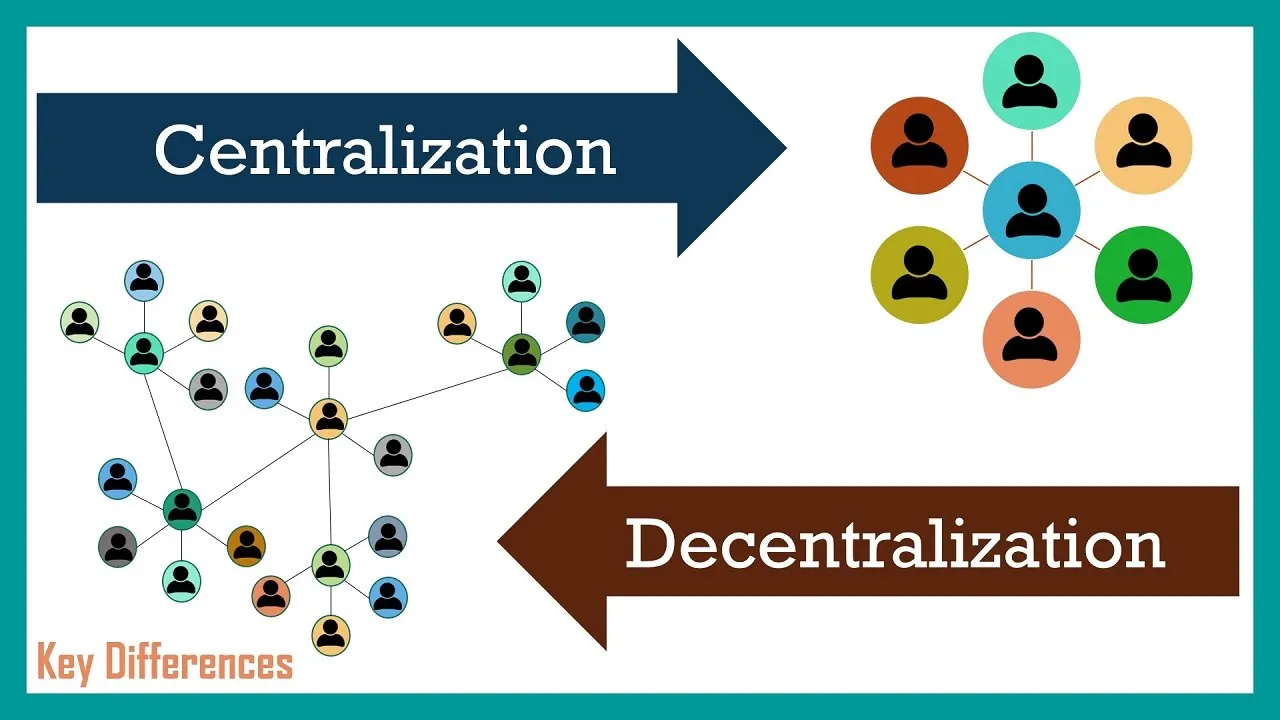
The fundamental differences in structural power and decision-making between centralized corporations and decentralized networks.
Case studies of prominent real-world DAOs, such as MakerDAO or Uniswap, to analyze their actual operational successes and failures.
Advanced decentralized governance models, including quadratic voting, liquid democracy, and conviction voting.
The legal, regulatory, and liability frameworks surrounding DAOs in global jurisdictions.
Security vulnerabilities specific to DAO governance, such as hostile takeovers, flash loan exploits, and voter apathy.
30.1K views1Klikes43:54Original Release: 2021-10-29
[Music] welcome to the define guide to dowse your essential guide to well everything to do with dows if you have questions about what they are what you can do with them how you get paid get that shadow yo then this will be the film for you it's the usual thing me sitting in front of a presentation that i have created for your pleasure to elucidate this most zeisty zesty of spaces alp hit the presentation do something great if that's what you want to do then dowse could be the way to do it we should really have changed it to down something great but we didn't because we're not that cheesy so the world of daos have been in the headlines a lot recently a crypto social club that cost eight thousand dollars to join just got a hundred million dollar evaluation from andreessen horowitz and other top vcs that was friends with benefits a new senate report proposed the government write downs into australian legislation adele paid four million dollars for a wu-tang clan cd what the heck is a dow and what are dows here's what's to know about the next big trending crypto now of course dows are not the next big trend in crypto it has been around for donkey's years back in 2017 the likes of aragon were forming governance procedures to govern daos it's only just recently that people have fully understood that a dow can be a really viable way of running operations and i say operations are not a business because they're not businesses they're a completely other thing but the likes of who else mark cuban says this the future of corporations could be very different as daos take on legacy businesses it's the ultimate combination of capitalism and progressivism entrepreneurs that enable daos can make dolla if the community excels at governance everyone shares in the upside trustless can pay well it can pay indeed and if you're looking at 100 million valuation for friends with benefits for what is essentially a chat room well then yes you can but then excelling at governance that is a key key word there excelling at governance most hours will fail how often have we heard that but some are already proving their worth and we will get into all of that straight out of this message from our sponsors don't let high gas costs keep you out of ethereum a balance of the gas optimized vault architecture makes trading cheaper than anywhere else liquidity providers can optimize their fee earnings using the dynamic fee system that automatically adjusts to market conditions you can also use asset managers to lend out idle assets dramatically increasing your capital efficiency because balancer is an open platform for flexible automated markets you can choose from stable pools or weighty pools and in the future more designs will be created that they don't even know about yet check it out at balancer.5 avalanche is a leading third generation layer one blockchain that has a flourishing ecosystem of more than 200 projects live with over 100 in the pipeline as well the latest launch of the avalanche rush defy incentive program is the largest to date of its kind with flagship d5 protocols like other curve and sushi leading the charges they deploy on avalanche their large platform is fast low cost and super easy to use if you're a defy user on ethereum you can quickly and easily move your assets over using the brand new avalanche bridge and can explore the ecosystem of dabs head to ecosystem.avox.network to get started today so let's just get straight into the meat of it what is a dao every film about dao's will do this they'll break it down it's a decentralized autonomous organization but what on earth does that mean well let's actually do the work and break it down the organization part that's important it is a vehicle for agent coordination and i say agent and not human because daos could control a fleet of driverless cars for instance they could simply turn up drive go home get paid and deliver whoever owns the car a payment all without anybody touching them all done by smart contract and that's the point of a dow it's decentralized there's no central leadership there is no hierarchy it's bottom-up everyone is equal and they're autonomous which means that they're governed by smart contracts there's more to it than that really when we come to the autonomous part and that's always the bit when we're talking about the dows that we have today they're not fully autonomous the way that we might have you know driverless car fleets for instance they are however governed by smart contracts and that's to say that the rules that govern how an organization is set up are hard coded into smart contracts which are very very difficult to change and in order to change them the whole community has to vote on them and normally that would be that would be done with a lot of scrutiny and a lot of thinking about what is the best thing to do because yeah you don't want to mess around with smart contracts and you want to make sure that when you set up a dell the smart contracts that you use are robust uh which you know we had the massive hack of cream yesterday again smart contracts are vulnerable uh from hackers who know exactly what they're doing and if you're talking about a dow that has a you know a massive treasury that could be deeply problematic so they're essentially a way for disparate entities to coordinate their activities in the service of a common goal and that's really kind of the academic version of it but there is course the meme version of this in reality hey cooper [Music] look at him so handsome look at his eyes smizing at you cooper the face of daos a decentralized autonomous organization is basically a chat room with a shared bank account bro uh that is the meme version of it and memes form a big part of the community around daos you know it's informal it's let's get done but big money involved and so big questions involved around how you set them up and how you manage the money and that's kind of where we get to the principal agent dilemma getting deep here into economic theory the principal agent dilemma is a conflict in priorities between a personal group and the representative author authorized to act on their behalf so you are the principal you work in a company you have a ceo the agent is your boss but it could also be you're a shareholder of a company and the ceo is the agent now you are invested in that company and you have a vested interest in seeing that company do well and you vote on things and the ceo is then meant to act on those but it's quite possible that the ceo might act in their own interests and they might act in a way that is contrary to the best interests of you or anybody else same thing could happen if you were looking for legal representation your lawyer might not act in your best interest they should but they might not uh same thing if you're an actor you have an agent and a manager and the manager might decide that there's a really juicy project that they could be the producer of and they'll act in their best interest instead of yours when they're supposed to be representing you and you can kind of see where this goes this is about us delegating authority for certain things that we do to other parties and then being disappointed and exploited in the actions that they take because we foot the bill basically um so you know you can imagine um a trader acting or taking big risks and knowing that the the major company they work for will bail them out if it all goes wrong that's the kind of thing we're talking about here and similarly you put your money in the bank you don't know where the bank invests that money and they may not do things that you want them to do that's the principal agent dilemma daos solve that they completely decentralize everything and they remove that hierarchy and turn it into something completely different so here are some of the characteristics of a doubt on the left here you'll see some well-known dows pleaser maker climber metacartel molok um and these are essentially founded on a shared goal so you will find dao's coalesce around something so for instance pleiser dao it was just a group of nft enthusiasts who saw an opportunity to to really take ownership of the most significant pieces of art that were being produced in the nft crypto community and so they did and actually as it turned out that was a massively successful mission statement and it gave them a chance to create headline grabbing moments in the nft space and good for them it's it's all really sort of built around people pleaser who's an artist female artist brilliant story so they're founded on a shared goal they will have a multi-sig wallet so they have a treasury and that treasury has to be governed and but you can't have all that money in the hands of one person so they have multi-sig wallets normally built on gnosis but there are a few other options as well so they have that built-in treasury they have bottom-up governance they are trustless so the organization of a dow is trustless you can you don't need to trust the other people within it usually have membership via tokens or nfts and you know there are various arguments pro or con this model may need to do with centralization so that the weight of tokens that you have and the disproportionate amount that say a founder might have um in the running and governance of a project it's the same issues that we have throughout crypto you know the rich getting richer the one percent core members having a disproportionate amount of weight that's yeah if you're doing most of the work then you probably should have most of the tokens dow rules are hard-coded into smart contracts as we already know and transparent so because it's smart contracts you can audit the code you can see exactly how the dao is set up and what rules it's built on so you can decide for yourself whether that down suits your sensibilities whether it's something you want to be part of they're highly participatory participatory it's good words no they're designed to allow you to participate and they encourage you to participate but i think a lot of people probably squat endows and wait for them to do something cool that they can benefit from and they're kind of freeloading but that's just half the course really and the more you participate the more you are rewarded and daos can set themselves up to incentivize people who are more involved and we'll look at some of that later if you want to put something forward decisions are made via proposal so propose something to a dow and there'll be a vote on it but any stakeholder can propose an idea that's the whole point so that ideas can come for anywhere there's a great story about great tv show runners with the writer's room they will often invite the coffee boy to come and just pitch an idea in the room and most of the time they're shouted down but they occasionally come up with something cool and that's inclusive and it allows ideas to be heard from anywhere so if you want to submit a proposal you can submit a proposal doesn't mean it will be accepted but then everyone will vote on it and the whole point about dows is that incentives are aligned so you as a member of a dao have kind of gone a certain way already in terms of aligning yourself with the mission of that dao and so it wouldn't be in your own interest to act against it because you're a stakeholder and you might be a minor stakeholder and that might get political and you might want to prove a point but inherently it's designed to align members incentives around a common idea and if you've gone as far as buying the tokens then presumably you jam with that and if you don't well you can leave and finally they can't be shut down so the code is set it's there and once it's up and running well it just does its thing now it can be changed of course but um it can't be shut down not unless you actually want to which which can happen because some dows just die they just run out of juice and that's okay so there are two main types of dao you have ones which are built to create decentralized governance around protocols so megadow paidow and so these are open source blockchain projects that need um to really be decentralized and then you have investments and there are other types but it's not really worth going into them here um so you have investment in people in services assets and protocols so in people it might be an investment in um you know somebody like for instance rafiq and adult that you want to just basically support that artist through their career or please adao you know with people pleaser there might be services that you need like legal services um assets nfts for instance um or you might decide that you as a dow have a particular interest in metaverse protocol so anything that's connected to the metaverse you'll build a metaverse down and that'll be your guiding principle for how you invest and then people join and add their own investment could be eth could be something else that they then plug into the pool and become stakeholders in that investment vehicle important thing to not be tripped up by is the dow which was um back in 2016 it was a project that raised 150 million dollars and if you think that 150 million dollars is quite a lot of money which it is and even for the ico phase that was an enormous amount of money absolutely enormous amount of money i think tezos was one of the biggest icos somewhere around 120 130 something like that but that's not the most staggering number the most staggering number is the east 11 and a half million east just think how how much that would be worth today eleven and a half million each that is a staggering amount of heath in today's money so this is a venture capital fund for decentralized projects token holders could vote on projects to receive capital and they would then be paid out if uh the projects were profitable in rewards who knows what those were going to be but um if you look at it from through today's glasses obviously a security and the sec in fact came out in 2017 and said yes this was a security and even if the hack that we're about to talk about hadn't happened they would have been indeed i am sure but what did happen was um there was a smart contract that wasn't properly audited and some hackers just drained the entire contract um which then ended up with them owning an enormous number of ethereum tokens and that sprung up an ideological debate which was this this is there are so many tokens in the hands of people that shouldn't have those tokens the ethereum community were kind of caught do do they continue with the chain as it is or do they do something unthinkable and it actually turned out they did something unthinkable they actually rolled the chain back to before the hack happened and restored the east to the original owners that is even now thinking about it that is so extraordinary a thing to do and it's still rankles of the ethereum community it's the reason the ethereum classic was born because ethereum classic is the unaltered true history of ethereum but the theorem that we think of as ethereum now is the one where it was rolled back to before the hack and then continued and if you think that the whole point of a blockchain is that it is censorship resistant it cannot be tampered with in any way here is an instance where even if it was for the greater good they actually did do that and set in the process a precedent they set a precedent and who knows when that will come back and bite them in the ass but it is one of those things that it cuts right to the soul of what a blockchain should be and you know when solana was switched off recently during uh the disruption there same idea like if there is a kill switch on a network then it's not decentralized it's just the way it is so anyway that was the dow but that was then this is now so now we're talking about participation how do you participate in a doubt because as we said before it's participatory and you need to be adding juice to the system for it to function that's the point we it is crowdsourcing talent to get something done so there's different ways you do this but as we said before incentives are aligned so a dao should be set up to align incentives um most hours are now it's quite rare to find one that is not set up the right way and then you get into things like the tools so we have verification using collab land nft communities are pretty much oh fae with kalabnen now but before the pfp thing i think most people probably didn't even know what that was um but it's just a system for you to verify your wallet and it allows token gated access to all sorts of different things then you're going to stake in the dow using your token so you have a certain number of tokens and often for instance fwb runs seasons and every season the cost of a membership goes up so anyone who was in early it's a cheap entry point for them and as it progresses it gets more and more difficult to get in um and again with fwb you have to be vetted and allowed in on merit for friends of benefits they're trying to create i guess a curated list of contributors and participants um which yeah it's a form of centralization but i mean it's their community they can do what they want then you get to vote some proposals using snapshot and we will look at snapshot in a second um you'll get rewarded usually in tokens if you participate if you add value if you do a task for the network um sorry network for the dow if you perform a task could be you know creating a piece of content doing a website adding some code and the more value you create the more value you earn i mean it's really is that it's a meritocracy which is one of the kind of core tenets of blockchain is um you know nobody cares who you are they just care what you do so this is friends with benefits uh here's a wild website this one um very kind of chaotic and weird but this will give you an idea of what friends of benefits is all about but it won't you actually have to be in the discord to get a sense of what friends of benefits is all about this will teach you absolutely nothing and it will just look weird where crypto meets culture um so we're looking at snapshot now um this is snapshot and here you will see proposals from lots of different projects there's tons of them on here but you can see kind of get coin sushi unit swap um bankless down let's have a look at bangladesh we can have a look at the proposal so bankers currently have a proposal to create liquidity using olympus pro and here you can see um 76 are in favor and 23 are against we've covered olympus pro previously but this is for them to bootstrap their bank token and remove liquidity from liquidity mining and this is all part of the d5 2.0 movement but it's very nice i hope they get that through uh we could also look at olympus down themselves lots of different [Music] proposals here but as you can see the proposal itself is pretty short and all you have to do to cast your vote is have the appropriate token in your wallet and then you can add your voice to the debate which is great and that is how snapshot works very very simple so let's get back to the presentation so order in chaos the thing to remember about a dao is it's not a company a company will give you a contract and say you're working hours for from 9 30 till 5 30 and you have to work this many hours a week and we will give you this much holiday time dao's aren't like that they are i think what they do well is they recognize the fact that people in crypto are able to give an indeterminate amount of time an indeterminate number of days a week and they will contribute as and when they can however they can and that is very difficult to base kind of project management on you want people to say i'm here i'm do this i do this i do this but that's not how daos were dao's are about creating opportunities for people to give more of themselves if it's right for them and so a good mix of a dao community will have a lot of different people who at a certain point will kind of spin up and get faster and give more of themselves and they might recede into the background it's a lot like i mean from my world making a film you know you have this massive surge of energy where you get all these different talents and people together and you all work really hard and you'll become best mates and then the film finishes and then everyone disperses and then it's done it's that similar kind of energy it's just gathering talent bringing it together for a specific task and then allowing it to disperse now during you know in a complex multi-layered dial there will be all sorts of different things from running events to writing a piece of software but fundamentally for the dao respecting and facilitating this is key i've linked here to an article um that was on forefront from jack fancy at protein wrote a really nice piece on about how to down and it gives you some really good ideas about um just how to step into a dao and and start understanding how the dao is and then start having you know conversations and and create value for yourself definitely worth having a look at that i've linked it down here below we'll put the presentation in the description and allow you to view that at your own leisure so now we go to the important bit earning from dows because in many ways this is kind of a reflection of the gig economy or the task based economy that has sprung up over the last kind of decade or so and has been exacerbated by covid people need to find work need to find ways of subsisting and in daos there's always a work to be done and not enough people to do it that's really the truth of it and i i like to think of dowers as talent nexus points we used to see this in telegram communities you would see people spring up who had talents in you know meme creation and other things it was very difficult for them to get heard or to realize any of that talent in any meaningful way dowse supercharge all of that and allow that energy and that willingness to participate and get involved a path to earning and so there is lots of different ways that you could earn within a dow you could be a developer and create code community moderation is a massive one just dealing with communities um making sure that information is announced properly and also the spammers and you know um hackers and people are trying to disrupt things that are dealt with properly you can create content this is probably where i would fit in you know writing medium articles graphics videos all this kind of thing creating content is actually extremely difficult and it's incredibly necessary and i tell you why it's so difficult because i think a lot of people can create one good piece of content but most people can't create another one and then another one and then another one and another one every day every week every month that's hard um because keeping the energy to keep telling the message very very difficult uh graphics we all need graphics you've noticed that with desktop publishing and with medium articles and with youtube everything just looks good so there's a heavy weight on graphics particularly in this space where there's nothing physical to touch everything has to be explained everything has to be clear graphics are incredibly important websites obviously um you tend to see it with prp projects they have very minimal websites it's not as important as it used to be but still definitely a place where you can pitch in administration just managing documents managing keys managing the flow of information from one place to another that's a huge piece of this puzzle treasury manager well that speaks for itself and then there's specialized dial roles that specific to the dow that you're in so for instance um with pleasidao somebody will be responsible for taking submissions for you know something that the dow might be interested in picking up so when they bought the wu tang album um and i won't go into the story of that because it's a really nice video about how they did it someone had to broker that deal and there has to be someone who receives that deal and deals with it but then you know if you're a legal dow and you're specifically dealing in legal questions then you need legal counsel and you know people who know what they're doing uh and it could be technical you know having someone that really understands how to architect a specific piece of the code so how do you get paid well a reward can mean a variety of different things a cabin they say we pay for eligible work and when we mention pay we mean rewards in the form of liquid ownership liquid ownership that's a really kind of interesting term here so liquid they mean be useful for rent and food it's a recognition that nobody works for free we actually have external costs and overheads that we need to deal with and actually you know if you want people to work hard great but they also need to feed themselves and we can't all just be expected to just work work work in what is effectively a 24 7 economy i saw cooper lamenting the fact that his work life seems to completely destroy his social life um you gotta achieve some kind of balance and then there's the ownership part distribute governance power of the community the in the article cabin say that they they're very concerned about the gig economy which allowed people to be entrepreneurs and to to earn you know doing something like you know driving an uber but they had no exactly zero ownership of the community that they were in they were generating they were the actual the most important part of the puzzle but they they got nothing back from that they just got paid the fee and so that's what this is attempting to address there's you get paid but there's also ownership so you normally get paid in a down native token like fwb um but there's also ustc and there's more and more traditional looking salary type arrangements coming on uh it's particularly when it comes to software developers because you want the best coders in this space and they're not cheap so kind of more traditional benefits packages and this kind of thing are being set up it's rare at the moment but i suspect it will become less rare the more mature this space becomes and so you could be a full-time hire in that respect and have i guess whatever contract you decide you want to put together and i believe aragon has contracts or sample contracts that you can take but i don't quote me on that um there are grants so you could apply for a grant to do a specific um task that's that's on a list of things that a protocol might or dow might need there are bounties so you know go and find bugs in the code and then there are gigs so there's particular task based things like we need a website we need a video um then the source cred which will reward you based on your participation so it'll track how many messages uh how much you participate within you know the day-to-day dialogue within a dow and it will track that and then give you cred which will then be rewarded however the dow itself sees fit and there's this incredible thing called coordinate which was set up by the team at yearn because they realized that they needed a way to pay people properly it's wild um i'm going to allow my co-host here alp to speak at this point because alp has been contributing to a dao called created dao and making videos for them and i'm just curious kind of what that experience was like for you al because you were working in that in that space yeah so i work at a dao called creator dao and um this tao is a group of content creators that came together and created this style earlier this year in summer of 2021 and um so basically if you do any sort of content creation that could be graphic design video editing memes translations anything that uh any anything that relates to content basically you can join and as any other journey begins this begins with a discord server as well so uh i joined over just about a month ago and i hopped in the server and joined the welcome channel introduced myself the onboarding experience has been uh very smooth so what what kind of how does it work exactly do you get a there's a is there a brief put out that says this project needs a piece of content made and then do you pitch for it how does it work exactly so it works like this way um you join the discord server you introduce yourself as i said and then once they see that you're a legit content creator they give you a a tag and that opens up the rest of the discord servers to discord channels and every project every client has its own discord channel and basically what you do is you get in touch with the project manager for each client and you basically jam about what sort of content you can create for that particular um project for that client and so far i've participated in like three to four projects i've created videos some graphic design and um as a result of that at the end of every month you uh there there's this thing called the epoch so and it's done through the coordinate application actually and what happens is there is you get invited to a coordinate session through your ethereum address and you get rewarded a number of gifs as they call it and based on how much content how much effort they put into the into the in into creating content you give gifts to each member of that project and through that they distribute the the rewards and and what are and what other rewards are the rewards that create created our zone token presumably um well it depends on it depends on the project so some projects give their own tokens or sometimes they give stable coins i participated in one epoch i got usdc in return of my the content i created but um creator dial is also creating a native token the creator token they're not sure what that's going to be like what the utility is going to be for that at the moment but um so it really depends well that sounds pretty positive well let's let's actually take a look at coordinate because that is um one of these mechanisms for allowing people to do this this is actually built by the yearn team so they they they needed a way to do decentralized payroll management and um so they said on this new frontier we face new kinds of coordination problems we need to compensate and recognize each other for the effort and passion we pour into daz coordinators are tools to do just that we go beyond just paying people we made the experience of working with as more rewarding human and fair so there's a set of tools for dows good coordinate built for yen and this is kind of how it works you have a dashboard where you you basically reward your young contributors and you say who you worked with and what happened and it creates this map that allows you to visualize those interactions and the further the closer you are into the center of that map obviously the more busy you were and you can imagine the likes of banteg being quite heavily rewarded for that the epoch is a month i believe at yearn so every month this is uh reviews and then everyone can kind of just say well i did this i did this i did this i did this like this and then they get paid for it and the wife they get paid in wi-fi tokens and um and something else as well but uh this is the bankless dow version of that so you can see from season one of them using coordinated season two just how how centralized season one was and how quite just a few people were doing most of the work and then season two everything's just spread out and there's just so many more connections between so many more people it gives you a real sense of how a dow can scale and how it can grow but also how this simple tool can allow you to um reward people properly just based on the connections that they assess between themselves so coordinators are really interesting it's a really interesting tool for everyone and this is the website i've stuck it in the uh the links in the description below in the presentation so you can have a look at that let's get back to this so how do you find your feet in a dao well the first thing to do is say gm and vibe with that discord channel because every disco channel has its own sort of weird personality and uh its own vibe to it and it takes a bit of time to orientate yourself there so best thing to do is just listen and listen to how people speak listen to the tone of the conversations that they have in a software down they might be more serious and more tech focused and in a pfp dao they might be more meany and culture based but you know that's that's about you listening and then conversing with people and you also have to respect the culture you know don't just go in and start you know talking about how this token's going to go to the moon because you'll get shouted down very quickly because there'll be a lot of people who've been there a very long time and feel that they are they should be respected for that and that culture grows up organically next thing you should do is suggest suggest ideas suggest things and see how they land in a dow because if you don't speak up how can you possibly know don't overcommit so don't give too much of yourself too soon because you might end up being disappointed it's better to ease yourself in and don't be discouraged if your first proposal is rejected you can't win every time and then the other thing is be prepared to walk away if it's not for you there is no hard feelings here sometimes it's actually you know we want to put a bunch of energy into something and then our circumstances change and you can walk away if it's just not working for you um or you just might not get on with the people that are in the down it's also totally fine there are tons of dows out there and there probably is one for you so you know don't feel like the tokens you've bought or the time you've invested is is wasted because it's absolutely not so how do you create a dow because maybe you don't find a doubt that you want or maybe you just feel that this particular brand of toothpaste is one that you want to arrange a dou around just to you know make sure it's governed properly so how would you do it well you create a token using a mirror crowdfund says cooper you store funds in a gnosis safe multi-sig says cooper then he set up a snapshot space for governance says cooper and then you make a discord with tokengate and access says cooper all of which is free to use minus gas says cooper we should listen to cooper cooper is wise cooper's face is everywhere around ours it's almost impossible to get away from him we actually had him lined up and then we couldn't make it happen but we will soon because he has a lot of good things to say and if you want to hear some of those things you can check out his podcast with jason choi on block crunch so much good stuff there and cooper has done more than anybody else to participate in dallas and figure this stuff out another shout out i want to give is to aragon they have a huge amount of interesting information tools resources for you to understand how to put it down together it is so much easier now to do this than it was even just a year ago so people can get on with the process of clustering ideas and energy and talent and money around the idea rather than figuring out the infrastructure to make stuff happen we can have a quick look at aragon now this is their manifesto they say we're committed to building organizational forms that defend self-sovereignty we want to create collaborative mechanisms in which violence is not only disincentivized but impossible and we want to create long-term value versus short-term profit so all of this stuff is really really really kind of top-level visionary stuff but at the end of the day as cooper said it's a chat room with a wallet and really it's about ownership you know it's having ownership in something having a stake in something in ways that weren't possible before and i don't think anyone's really quite understand or know how big dows could be or will be cooper seems to think that llc's limited liability companies will all be dows in the next three years i think that's ambitious and that's optimistic but certainly from an organizational perspective it makes a lot more sense to do a dow than other things but it's still there's a little bit of friction but this is the dow landscape at the moment you can see oh look it's curated by koopa troopa who's that i told you he's everywhere so you have dao operating systems you have protocols services social downs media downs collector dolls grant dollars investment does uh there are going to be lobbying dows to lobbying governments about crypto regulations that's for certain and there'll be legal downs as well because you know when you're thinking about challenges to protocols what's been interesting is that governments you would have thought had all the power but as we're starting to see um crypto protocols and the crypto community pretty switched on when it comes to this stuff and have very loud voices and they will lawyer up and fight back because they will and it's going to get very very interesting because not only will they do that but they also they got a lot of money so we will see a lot of legal dows i'm sure very specific blockchain focused legal information so talking about legals uh what is the legal status of a dow well i can't give you the exact um status of that because i don't know and it's not really my expertise but i do know there have been some interesting developments on that front wyoming who else um passed a law uh that allows um dow llc's to register in the state of wyoming it's a you actually have to be in the state of wyoming and there are other things like the legal name for the dow must include the word dao or lao um it also has to be um the dao smart contracts also prevail in any conflict with the dao's articles of organization and yeah there's a few different things here but essentially wyoming which is um sort of one of those um states that's taken on the mantle of being crypto friendly kind of like delaware for um other trad finance it's trying to be a place where crypto can be have a friendly home but i mean it's fairly restrictive and then a16z also published a paper called a legal framework for decentralized autonomous organizations specifically trying to look at how you would tax dows because if you get paid by a down then that should really be income and should be taxed and dows themselves can earn income and they could be securities there's so many grey areas here that will need to be ironed out and as fun as it is to kind of spin up a dao and have a bunch of people kind of aping into stuff or you know changing the world together there are concerns around the legalities of it so this time two things are certain direct payments from dows for goods or services are taxable as are capital gains and losses from the sale of governance tokens um so we shall see what happens with that one but that is definitely on the horizon and [Music] this is miles jennings this is the tweet thread that kind of posted this this is very recent actually um so this is something else that i've linked in the presentation you can have a look through miles who authored that that piece um just to see what they were thinking and here's caitlin long from wyoming talking about this um official announcement of a new type of llc which involves dao's in wyoming will other states follow we shall have to see whether they actually do now i haven't really gone into dao's the famous daos like please or fwb in too much detail because i think you should find that out for yourself there are so many of them out there like pie dao like molok dao that it's it's really the work you have to do for yourself and it's you know it's pretty easy to get into a discord channel and just find out well you can ask people uh the thing i know about dao's is that they they really really really do need talent more than anything else they need the juice to make the engine run and that juice does run out and a lot of them will die and it'll be a slow death gradually people will just lose interest and lose enthusiasm and that's going to be horrible but it will happen and talent will move on but if you are looking to incentivize people to come and work with you then um really look for the best talent you can find and then make it really easy for them to onboard like alp was saying and and create a down so that's it for this long-winded and strange guy to dowse i hope it was useful for you if you have a question me on twitter i'm always happy to talk about this stuff and we're also looking you know of course at the define about whether we should follow in bankruptcy's footsteps and set up a dow not sure about that yeah not sure about whether we actually need a token that's up for debate but it's really amazing to see just that coordinate map of participation in the dao so if there's a model for us to follow maybe it's there maybe it's not we should have to see but definitely on the radar and i think in terms of creativity in building new models for creating content now there is something i think we can really put together a really fascinating dow and maybe we will stay tuned thanks to alp as always i will see you after the weekend have a great one peace [Music] you
Up Next
17:48
Solidity Programming Tutorial: Smart Contract Basics in 20 Minutes
@DappUniversity
242.2K views•2022-09-02
52:00
Hybrid Key Establishment in Production: Post-Quantum Cryptography
@durumcrustulum
14.7K views•2025-08-27

25:05
Understanding MEV and Flashbots: Ethereum's Dark Forest
@TheDefiant
31.5K views•2021-04-09
11:49
Understanding Ethereum: A Comprehensive Beginner's Overview
@99Bitcoins
3.1M views•2018-06-26
Related Study Plans & Knowledge Roadmaps
Structured learning paths in Blockchain & Crypto
blockchain-and-crypto
MPC Wallets: TSS, DKG & Secure Custody
01Foundations of Cryptography & Digital Signatures
02Secret Sharing & Introduction to MPC
03Distributed Key Generation (DKG)
+ 2 more learning modules
24h5 modules
Explore Roadmap
blockchain-and-crypto
ERC-4626: Yield Aggregators & Leverage
01Blockchain, Ethereum, and Solidity Foundations
02DeFi Primitives: Lending, Pools, and Yield Farming
03Mastering the ERC-4626 Tokenized Vault Standard
+ 3 more learning modules
35h6 modules
Explore Roadmap
blockchain-and-crypto
DePIN: IoT Registries, Proofs & Rewards
01Foundations of Blockchain & IoT
02Introduction to DePIN and the Flywheel Effect
03Designing IoT Device Registries & Secure Identity
+ 3 more learning modules
30h6 modules
Explore Roadmap
blockchain-and-crypto
Building EigenLayer AVS: Operators & Contracts
01Blockchain, Ethereum, and Smart Contract Basics
02Proof of Stake and Ethereum Staking
03Introduction to EigenLayer and Restaking
+ 3 more learning modules
24h6 modules
Explore Roadmap