



![What is Blockchain? | Blockchain Explained | [M2:Ep1]](https://i.ytimg.com/vi_webp/EZsGtlElSjU/maxresdefault.webp)






![[Dia da Internet Segura 2026] 11 de fevereiro (Parte 2) - Áudio em Português](https://i.ytimg.com/vi/HDVbDb-4vPY/maxresdefault.jpg)
![Developer and inventor with 27 software patents [Angie Jones Interview #136]](https://i.ytimg.com/vi_webp/rAbnVhhyIjE/maxresdefault.webp)



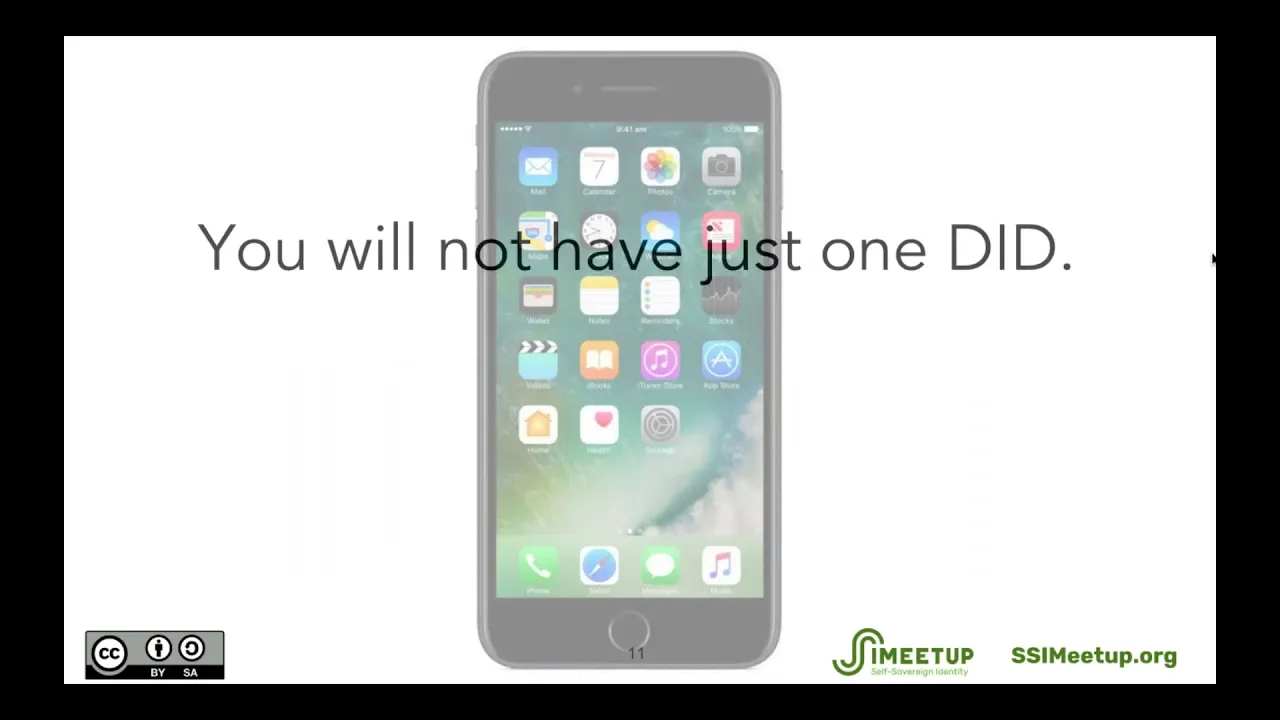
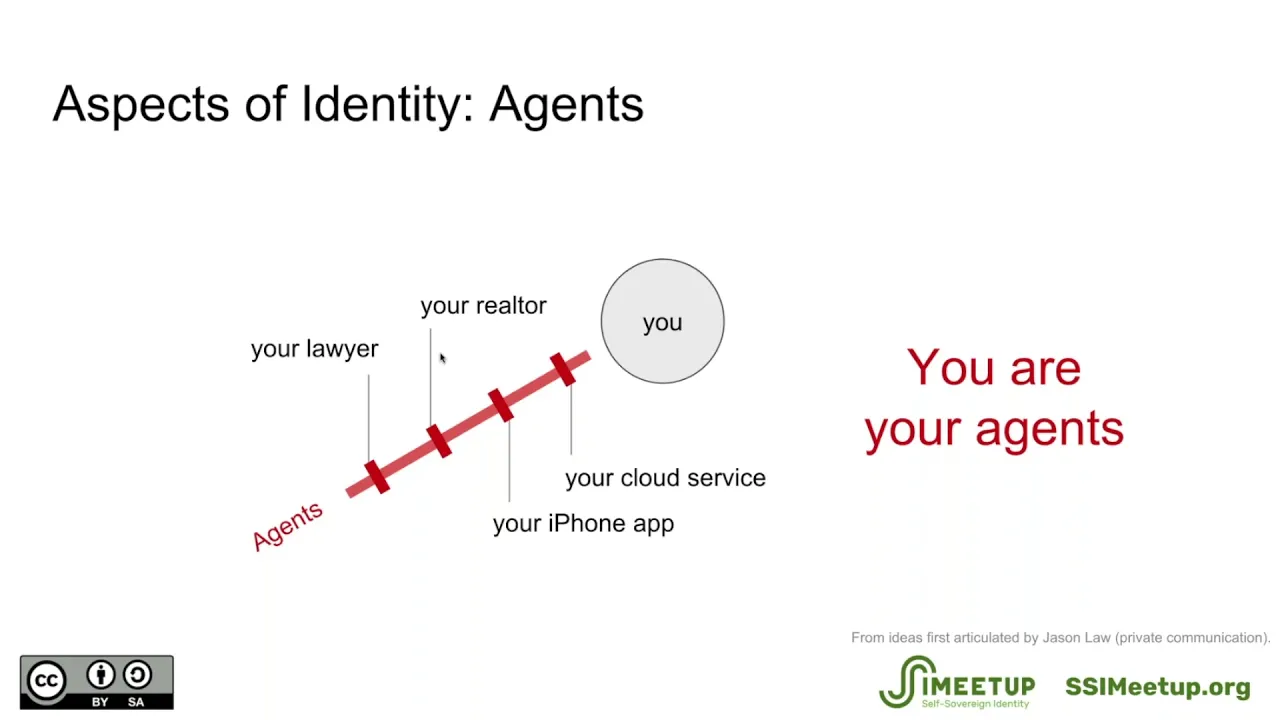
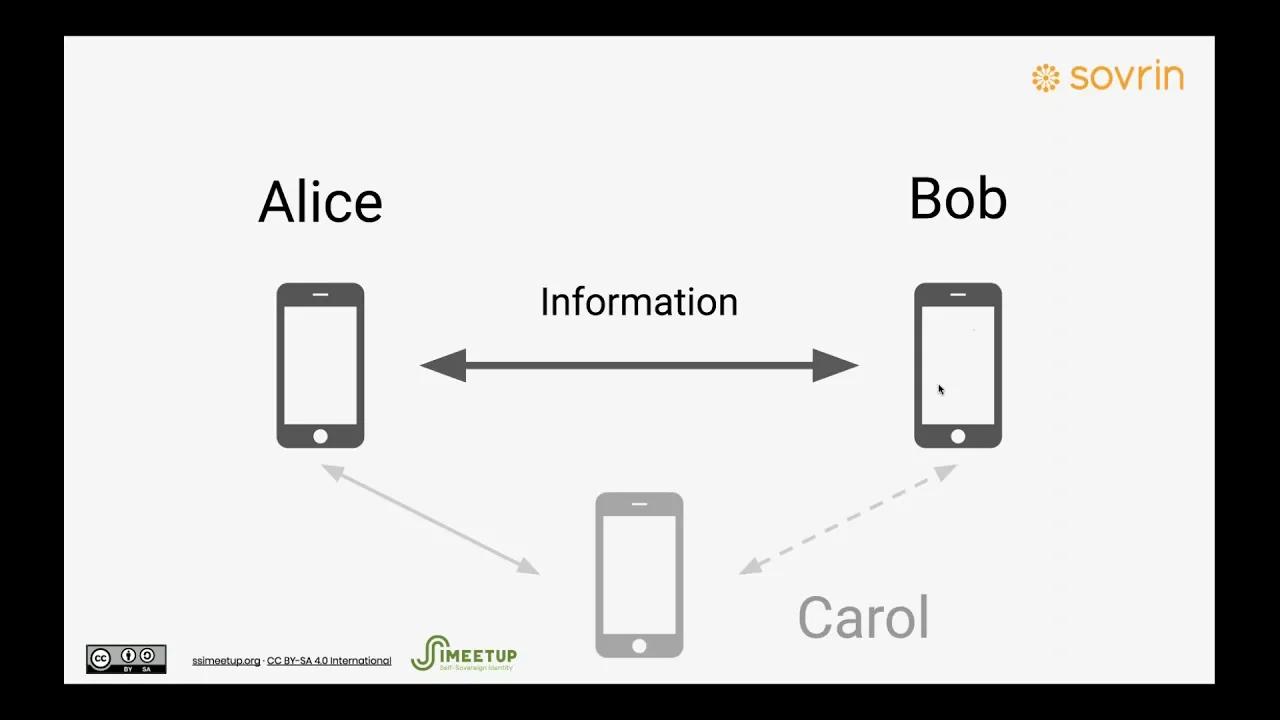




Decentralized Identifiers (DIDs) are globally unique, machine-readable identifiers that enable entities to transact securely within decentralized ecosystems by serving as traceable, tamper-evident sources of verifiable data; unlike traditional identification systems, DIDs allow individuals and organizations to own and control their digital identities without relying on third-party authenticators or centralized authorities, working in conjunction with Verifiable Credentials (VCs) that function like digital passports to attest to specific attributes about an entity, enabling selective disclosure of information during transactions while maintaining data privacy and trust through cryptographic verification on a blockchain-based trust anchor.
DIDs Explained: Self-Sovereign Identity & Blockchain Trust
Added:Asymmetric Cryptography: Understanding public/private key pairs, digital signatures, and cryptographic hashing.
Blockchain and Distributed Ledger Technology (DLT): Core concepts of decentralized networks, consensus mechanisms, and data immutability.
Traditional Identity Frameworks: Familiarity with centralized databases and federated identity models like OAuth 2.0 and SAML.
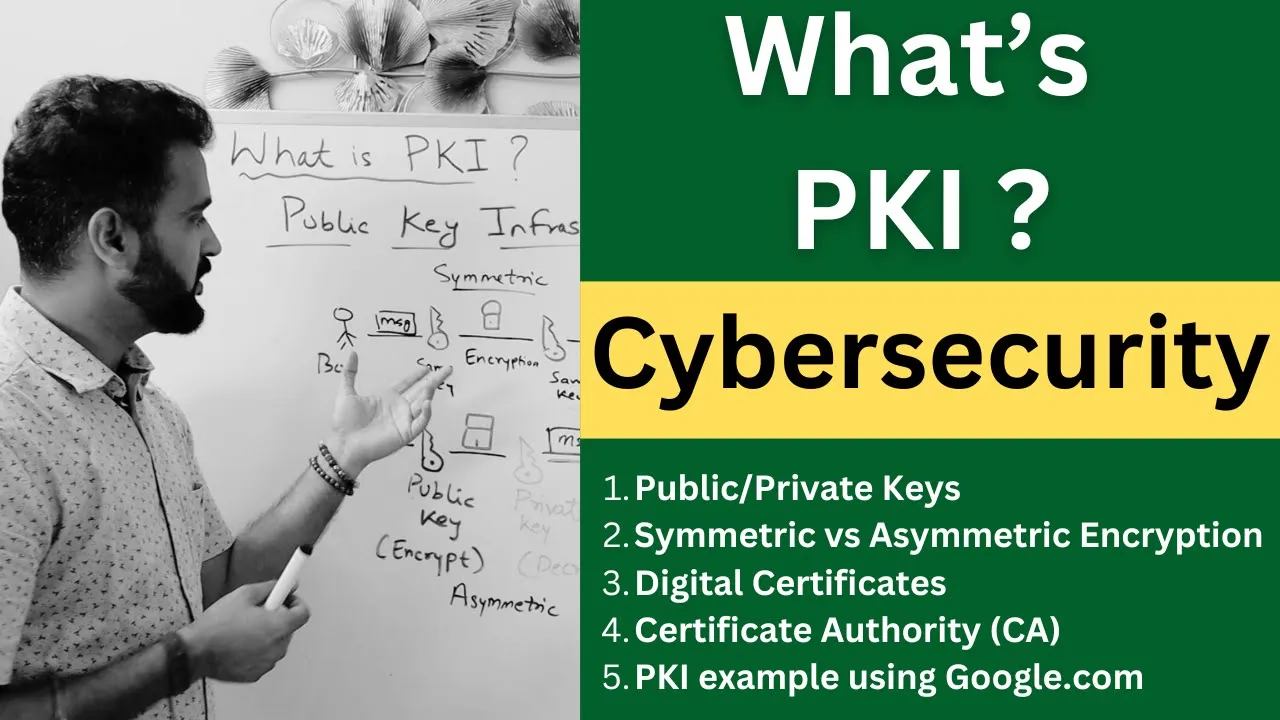
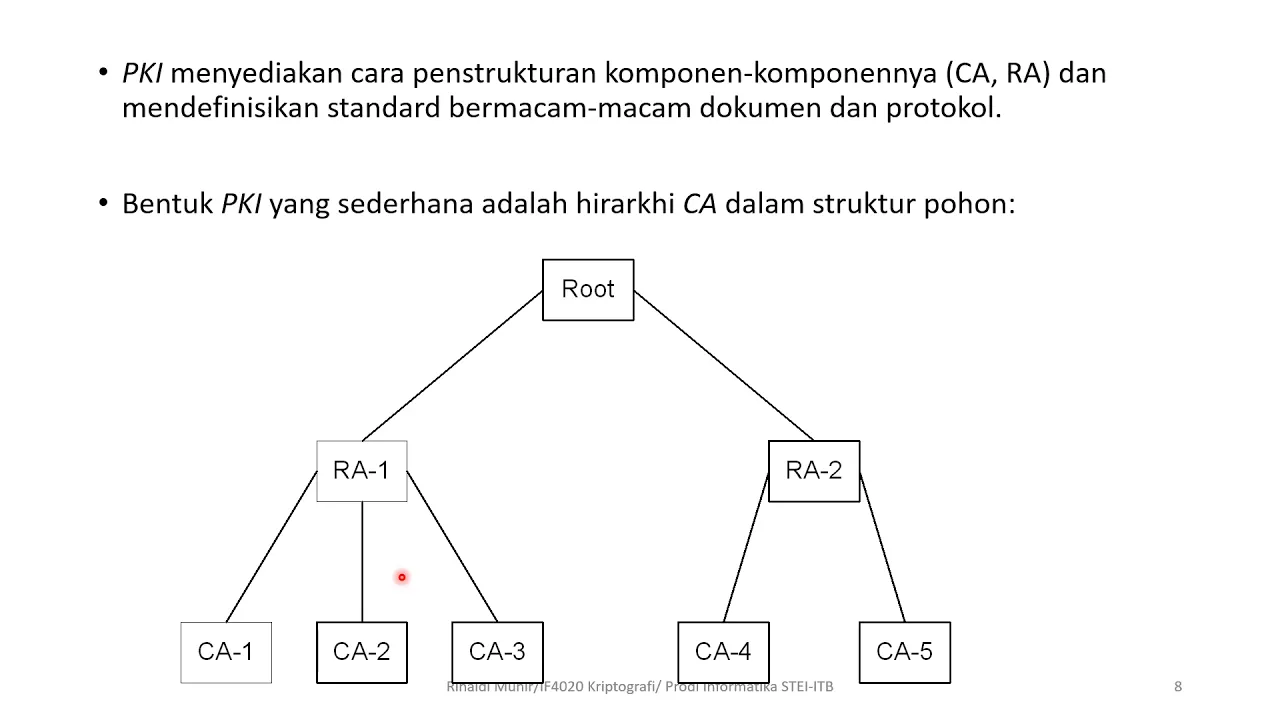
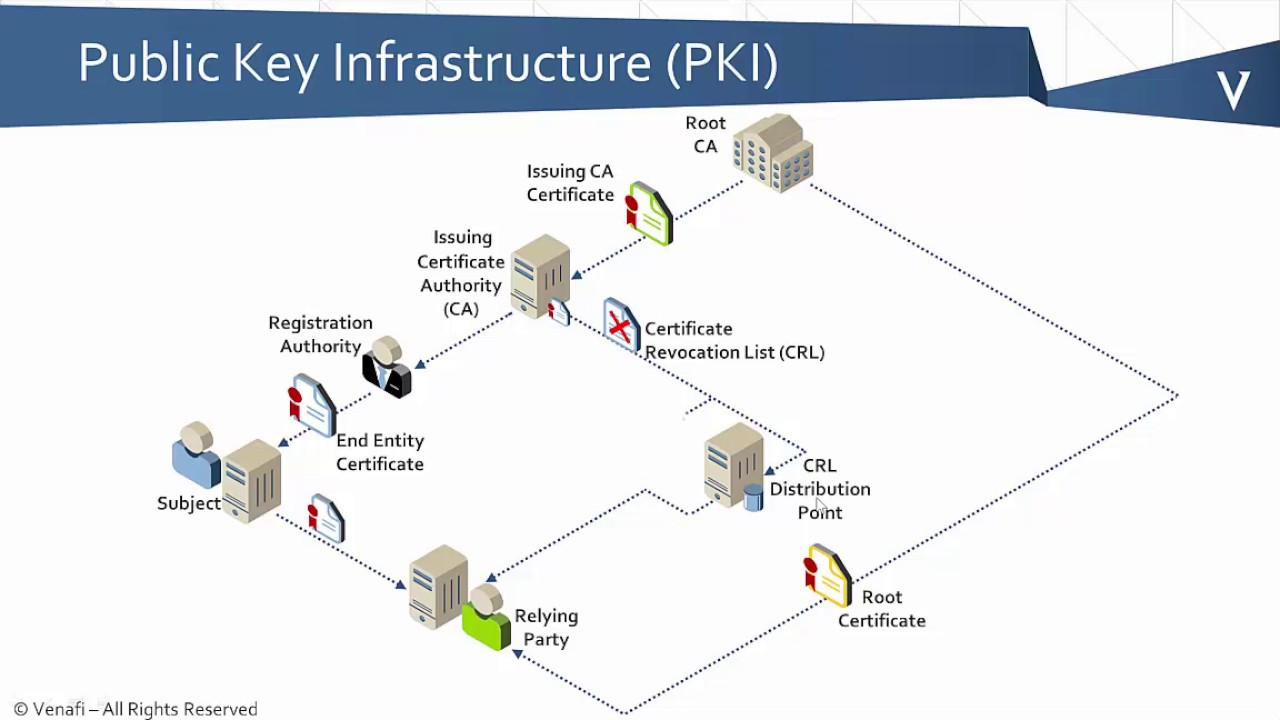
Public Key Infrastructure (PKI): How trust is traditionally managed and distributed using digital certificates and Certificate Authorities (CAs).
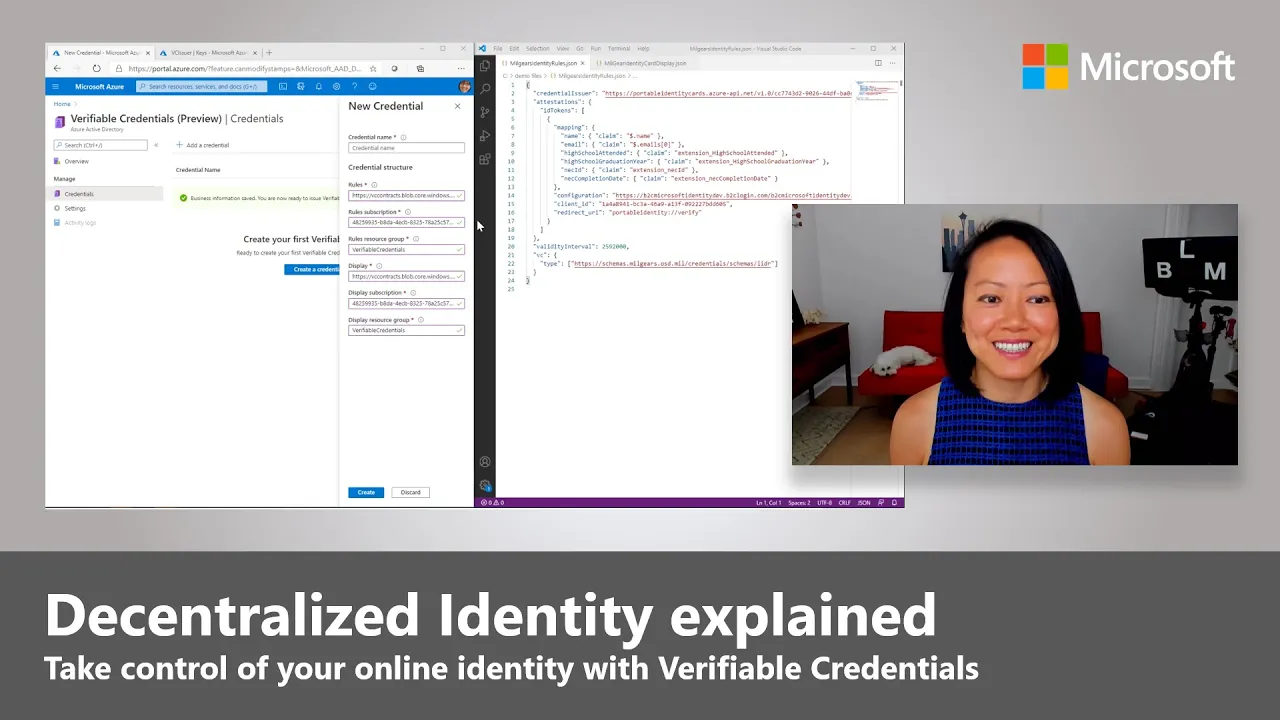
Verifiable Credentials (VCs): The W3C standard for issuing, holding, and verifying digital claims using decentralized identity.
Zero-Knowledge Proofs (ZKPs) in Identity: Techniques to prove specific attributes (e.g., being over 18) without revealing the underlying private data.
Decentralized Key Management Systems (DKMS): Mechanisms and protocols for secure key recovery and management without a central party.
DID Resolution and Methods: Deep dive into specific DID methods (like did:ion, did:key, or did:indy) and how DID documents are resolved.
14.8K views150likes4:58Original Release: 2022-04-15
emerging technologies enable any connected entity such as a person device organization or data set to communicate and autonomously participate as an independent economic agent in transactions these transactions must be supported by a new type of digital identifier one which is machine readable self-sovereign and uses blockchain as a trust anchor to link such entities to relevant attributes characteristics and capabilities these new digital identifiers are known as decentralized identifiers or dids they allow entities to transact seamlessly within decentralized ecosystems by serving as traceable tamper-evident and unique sources of verifiable data about the entities think of a did as a globally unique identifier rather than having to manage several distinct forms of identification entities can enjoy secure hassle-free transactions with any number of ecosystem participants while having control over their own data dids give individuals and organizations the power to own and control their digital identities breaking the reliance on third-party authenticators and centralized authorities in a decentralized system dids are embedded in verifiable credentials or vcs vcs may be created by any entity in the decentralized ecosystem and issued to a holder of the vc if we think of the did as a global id then vcs are like digital passports or unique stamps which serve to attest to specific information about an entity associated with a specific did during decentralized transactions a vc holder presents their vc to another entity the verifier within the ecosystem the verifier can independently without a centralized authority verify the data in the vc as presented by the holder in addition the verifier can also cryptographically check if the vc is connected with the issuer and the holder so how do dids work in the real world say for example that you want to rent a car from a rental company rental co first you must present your did to the government registration authority or gra to obtain a vc which attests to the fact that you are the owner of a valid driver's license the vc includes your did along with a cryptographic signature of the gra you present the vc to rental co and disclose only the information it needs to check the vc against a trust anchor ledger to verify that the gra in fact issued the vc and that it has not been modified or revoked once rental co verifies the vc then you can move forward with the rental process dids and vcs provide a shared foundation of trust between you as the holder the gra as the issuer and rental co as the verifier with blockchain as the necessary decentralized trust anchor to maintain the relationships between cryptographic keys dids and the status of vcs since the entire exchange is recorded all three parties enter into a tamper-evident timestamp transaction in which they mutually establish and verify shared set of truths this is just one example the same principle can be applied to just about any kind of decentralized transaction which requires selective disclosure of information about and between the entities without needing third-party authenticators other examples include tracking and tracing assets royalty payments loan applications and many more a standards-based decentralized identity system will enhance data privacy by giving people and organizations greater control over their data and promote a higher degree of trust between decentralized ecosystem participants along with building cytopia a decentralized platform to onboard users dids and enable vc issuance for business automation mobi has created its own federated network called mobi net to provide trusted identity services together with other consortia mobinet will evolve into the integrated trust network or itn combining dids with vcs in a federated ecosystem will allow participants to perform an endless array of automated trusted transactions enable the development of more interoperable applications and unlock efficient and sustainable business processes across every industry imaginable
Up Next

91:06
Learn to Create Fully On-Chain NFTs With SVG Smart Contracts
@HashLipsAcademy
39.6K views•2021-10-06
52:00
Hybrid Key Establishment in Production: Post-Quantum Cryptography
@durumcrustulum
14.7K views•2025-08-27
64:25
Operational Security Essentials: A Guide for Hacktivists (OPSEC)
@hitbsecconf
157.4K views•2012-11-26
11:49
Understanding Ethereum: A Comprehensive Beginner's Overview
@99Bitcoins
3.1M views•2018-06-26
Related Study Plans & Knowledge Roadmaps
Structured learning paths in Blockchain & Crypto
blockchain-and-crypto
MPC Wallets: TSS, DKG & Secure Custody
01Foundations of Cryptography & Digital Signatures
02Secret Sharing & Introduction to MPC
03Distributed Key Generation (DKG)
+ 2 more learning modules
24h5 modules
Explore Roadmap
blockchain-and-crypto
ERC-4626: Yield Aggregators & Leverage
01Blockchain, Ethereum, and Solidity Foundations
02DeFi Primitives: Lending, Pools, and Yield Farming
03Mastering the ERC-4626 Tokenized Vault Standard
+ 3 more learning modules
35h6 modules
Explore Roadmap
blockchain-and-crypto
DePIN: IoT Registries, Proofs & Rewards
01Foundations of Blockchain & IoT
02Introduction to DePIN and the Flywheel Effect
03Designing IoT Device Registries & Secure Identity
+ 3 more learning modules
30h6 modules
Explore Roadmap
blockchain-and-crypto
Building EigenLayer AVS: Operators & Contracts
01Blockchain, Ethereum, and Smart Contract Basics
02Proof of Stake and Ethereum Staking
03Introduction to EigenLayer and Restaking
+ 3 more learning modules
24h6 modules
Explore Roadmap