












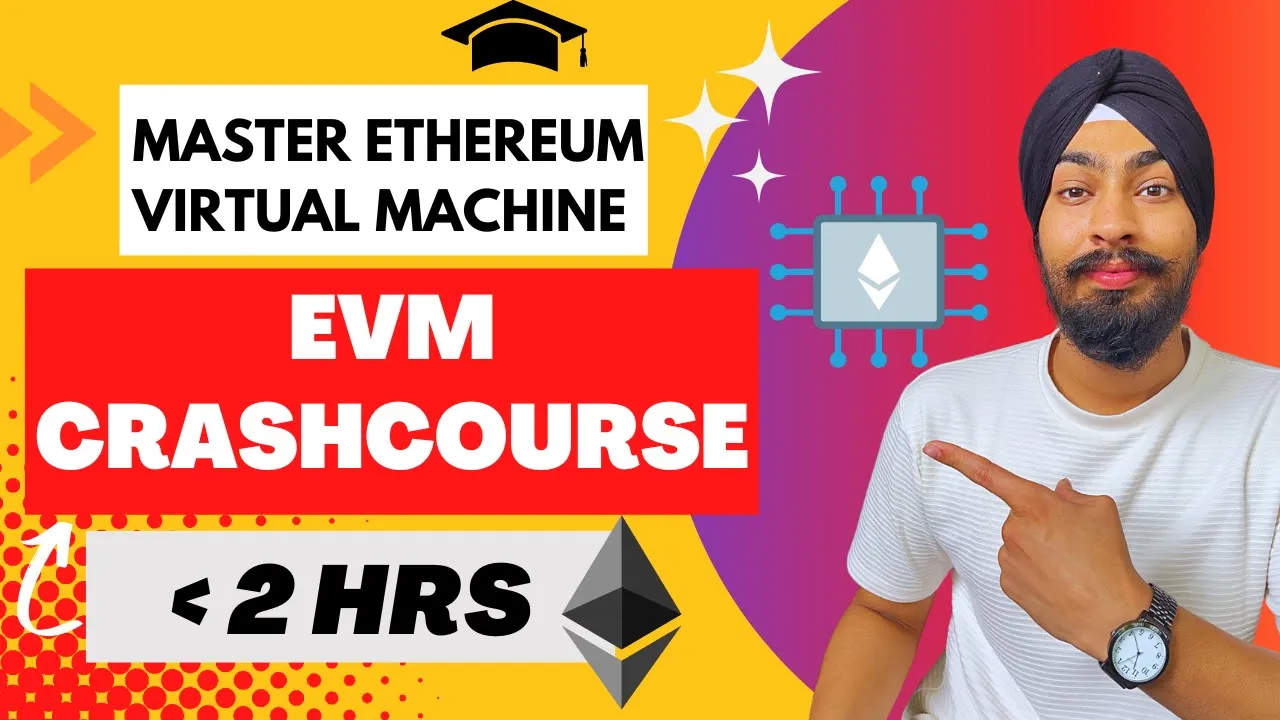






The Ethereum Virtual Machine (EVM) is a globally distributed, Turing-complete virtual machine maintained by all node runners in the Ethereum blockchain network, which executes smart contracts written in Solidity by converting them into bytecode with opcodes, where each operation consumes gas (a fee-based resource) and maintains the blockchain's state using a Merkle Patricia Trie structure.
EVM (Ethereum Virtual Machine) Explained: A Comprehensive Guide for Blockchain Developers
Added:Fundamental blockchain architecture, including peer-to-peer networks, cryptography, and consensus mechanisms.
The concept of smart contracts and how they execute on a decentralized ledger.
Basic computer science concepts regarding virtual machines, CPU execution, and stack-based architectures.
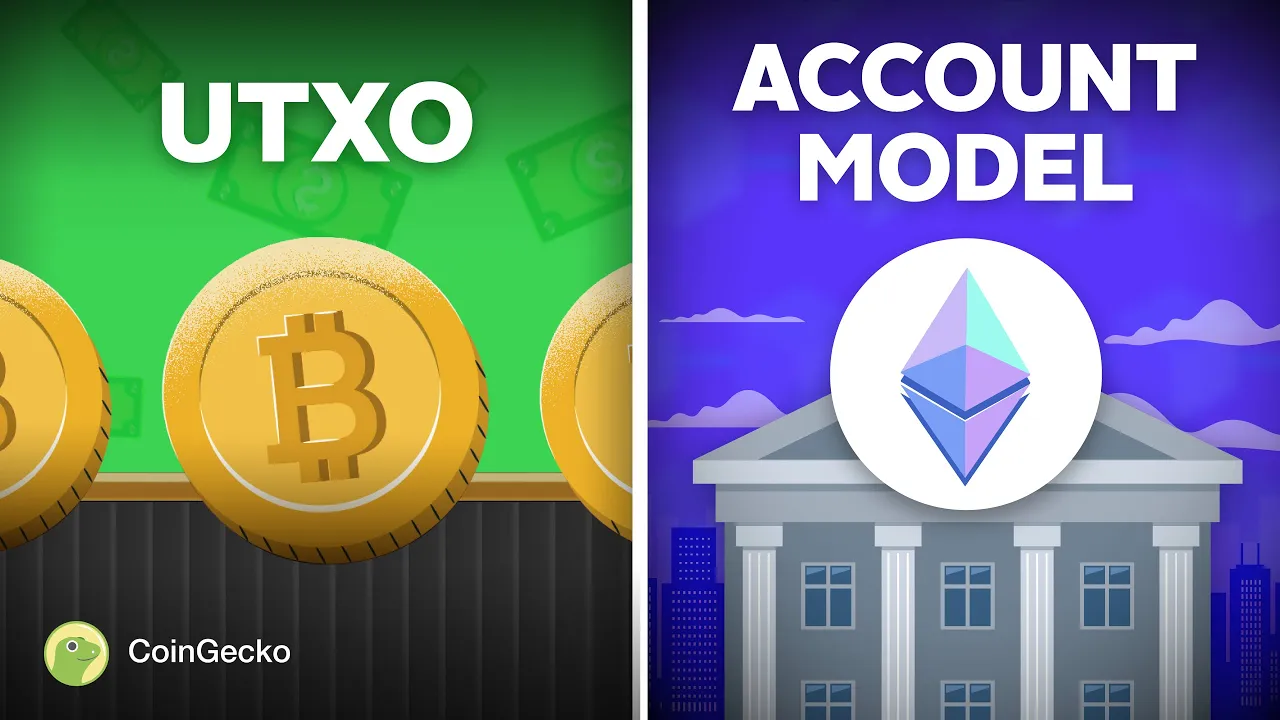
The difference between the UTXO model (used in Bitcoin) and Ethereum's Account-Based model.
Writing and optimizing smart contracts using Solidity and low-level intermediate languages like Yul.
Advanced EVM gas optimization techniques, such as understanding storage slots, memory allocation, and transient storage.
Smart contract security, vulnerability analysis, and auditing bytecode/opcodes for exploits.
Alternative execution environments and scaling solutions, such as Layer 2 Rollups, eWASM, and Zero-Knowledge VMs (zkEVMs).
16.6K views118likes5:32Original Release: 2023-06-02
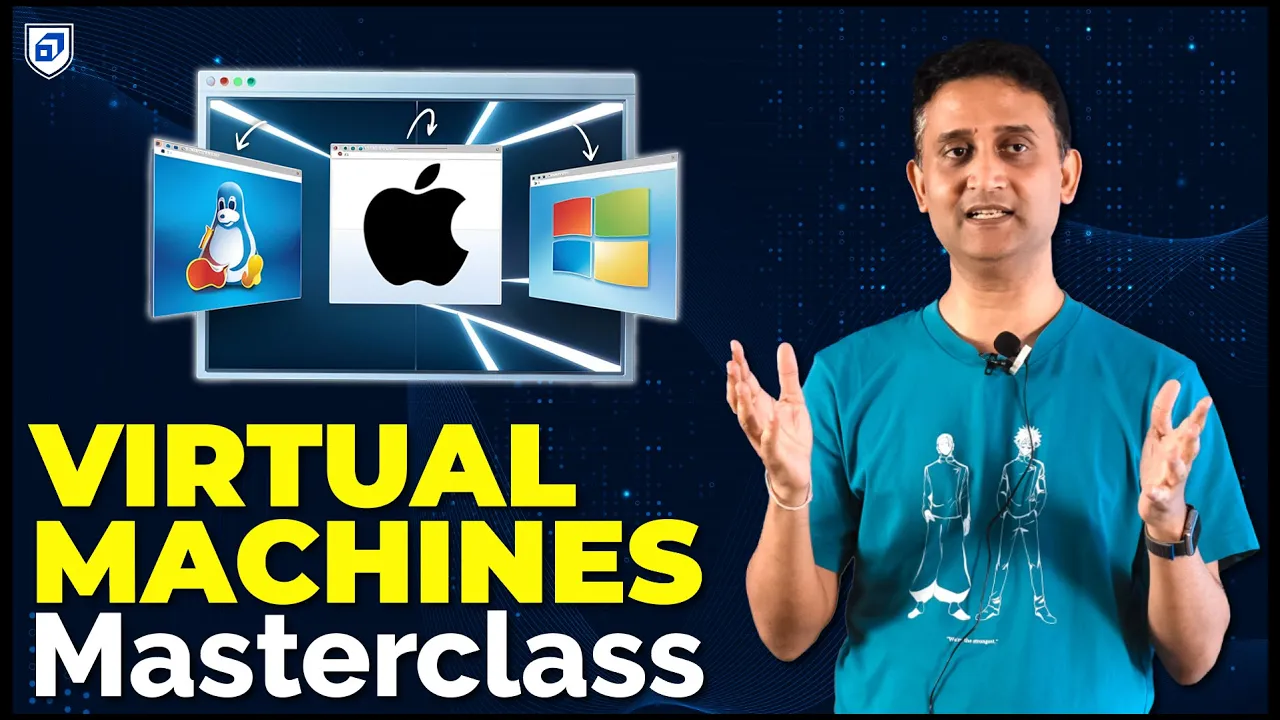
hi everyone sahil from quicknote here in this video we will talk about evm which is an acronym for ethereum virtual machine [Music] before understanding evm or ethereum virtual machine Let's understand what virtual machines are a virtual machine is a simulation of a computer usually running on remote servers a virtual machine is a CPU which can be used to run various operating systems and applications the applications of softwares which run or execute on these computers are usually written in programming languages like python JavaScript go Etc so these programming languages cannot be understood by computers directly it has to be converted in a machine understandable language of zeros and one so another piece of software called compiler is required to convert these high-level languages into low level languages with computers or in this case virtual machines can understand evm on a very high level is a virtual machine but it's not just limited to one computer but is maintained by all the node Runners of the blockchain network unlike Bitcoin which is a distributed Ledger ethereum is much more complex it is a distributed State machine since it not only processes Financial transactions but also has smart contracts and EPM is responsible for executing these smart contract transactions smart contracts are written in solidity for an evm based environment or ecosystem but evm being a virtual machine cannot understand this solidity code out of the box so it has to be compiled and converted into byte code each function of the smart contract in the byte code has of course opcodes are machine instructions that tell the evm which operation is to be performed for example in a byte code like this 60 refers to push one op code and 0 0 refers to start and so on and so forth each op code processing requires a fee to be paid since evm is a globally distributed computer and the resources of this computer is provided by the node Runners so whenever a opcode is executed a fee is to be paid because we are using the resources of This Global distributed computer called evm the unit of measurement of how much processing the ABM is doing is measured in a unit called gas up codes depending on their complexity consumes different amount of cash thus more complex the smart contract function is more gas it will require to execute the evm is a huge Merkel Patricia tree where each account is linked with hashes and is reducible to a root hash stored on the blockchain once the transaction is confirmed the tree is updated and thus the state of the chain is updated this is how evm updates the state of a chain or blockchain to conclude we can say that evm is a machine that executes operation and validates transactions for transaction rules on the Chain thus updating the state of the Chain by approving and adding those transactions evm is also a turing complete machine which means that given the input enough memory and enough gas fee it will produce an output it also means that a code written in python or JavaScript can easily be converted to solidity because the logic Remains the Same only the programming languages changes and evm will be able to execute that code because of such capabilities of evm its usage is not just limited to the ethereum chain for which it was created but other chain ecosystems like polygon Avalanche binance smart chain which is now called pnb chain or pnb smart chain also uses it as their state machines so this is all about evm if you want to read more on evm or if you want to read all the information which we covered in this video check out the linked guide in the description and if you found the information in this video helpful give it a thumbs up comment down in the comment section about what more topics you would like us to cover And subscribe to the quick note YouTube channel for more such videos on blockchain based topics and tutorials thank you everyone
Up Next

14:31
Solidity Smart Contract Functions: Visibility, Modifiers, and Time
@DappUniversity
21.9K views•2018-12-28

52:00
Hybrid Key Establishment in Production: Post-Quantum Cryptography
@durumcrustulum
14.7K views•2025-08-27

14:57
Deploy Your Own ERC20 Token: A Step-by-Step Guide
@Quicknode
67K views•2022-12-15
11:49
Understanding Ethereum: A Comprehensive Beginner's Overview
@99Bitcoins
3.1M views•2018-06-26
Related Study Plans & Knowledge Roadmaps
Structured learning paths in Blockchain & Crypto
blockchain-and-crypto
MPC Wallets: TSS, DKG & Secure Custody
01Foundations of Cryptography & Digital Signatures
02Secret Sharing & Introduction to MPC
03Distributed Key Generation (DKG)
+ 2 more learning modules
24h5 modules
Explore Roadmap
blockchain-and-crypto
ERC-4626: Yield Aggregators & Leverage
01Blockchain, Ethereum, and Solidity Foundations
02DeFi Primitives: Lending, Pools, and Yield Farming
03Mastering the ERC-4626 Tokenized Vault Standard
+ 3 more learning modules
35h6 modules
Explore Roadmap
blockchain-and-crypto
DePIN: IoT Registries, Proofs & Rewards
01Foundations of Blockchain & IoT
02Introduction to DePIN and the Flywheel Effect
03Designing IoT Device Registries & Secure Identity
+ 3 more learning modules
30h6 modules
Explore Roadmap
blockchain-and-crypto
Building EigenLayer AVS: Operators & Contracts
01Blockchain, Ethereum, and Smart Contract Basics
02Proof of Stake and Ethereum Staking
03Introduction to EigenLayer and Restaking
+ 3 more learning modules
24h6 modules
Explore Roadmap