

















Front running on Ethereum occurs when bots scan the mempool (unconfirmed transaction pool) to detect profitable trades, then submit competing transactions with higher gas fees to execute first and profit from price changes; this exploits the transparent nature of blockchain where all participants have equal visibility to pending transactions, allowing front runners to sandwich legitimate trades by buying before and selling after at inflated prices, which is why low slippage settings and high gas fees are essential for protecting against such attacks.
Understanding Ethereum Front Running: Sandwiches & Mempool
Added:Understanding the Ethereum transaction lifecycle, including how transactions are signed, broadcast, and validated by nodes.
The fundamentals of Ethereum gas fees (EIP-1559) and how fee-prioritization influences transaction inclusion order.
The mechanics of Decentralized Exchanges (DEXs) and Automated Market Makers (AMMs), specifically how token prices shift and what slippage means.
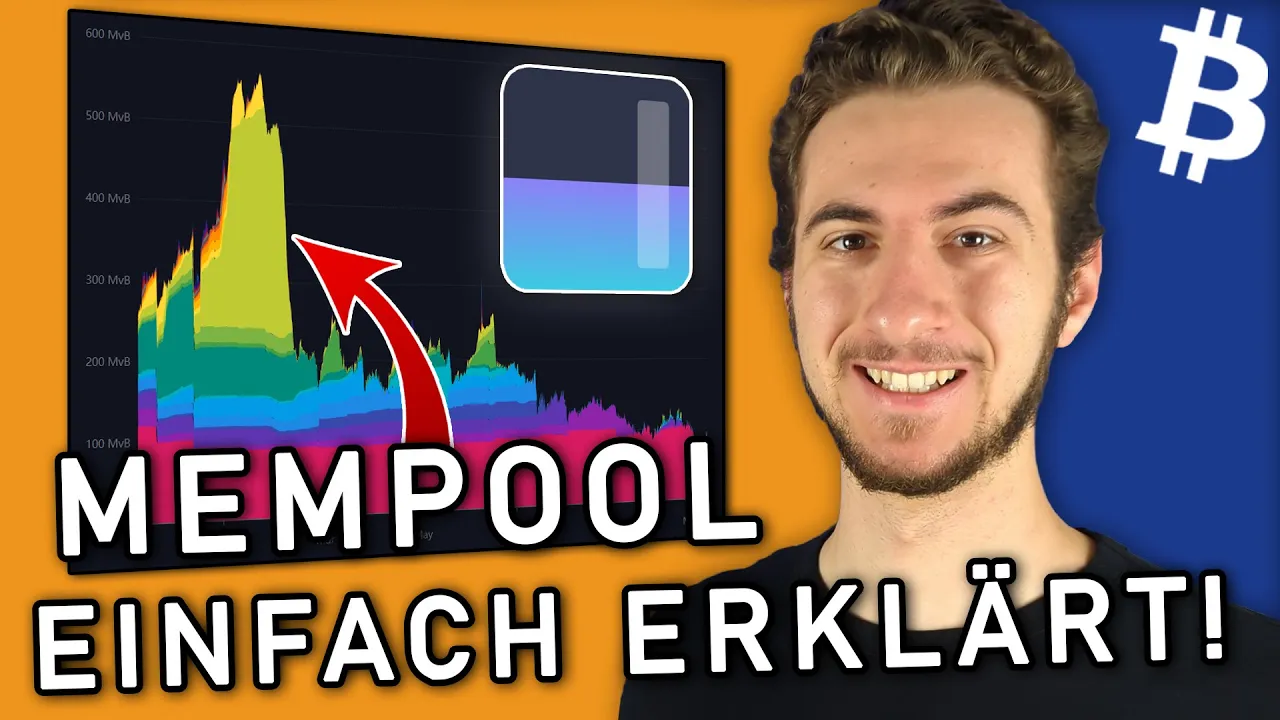
A basic concept of the Mempool as a public waiting room for pending, unconfirmed blockchain transactions.
The concept of Maximal Extractable Value (MEV) and the roles of searchers, builders, and relayers in the block-building ecosystem.
MEV mitigation techniques and privacy tools, such as Flashbots, private RPC endpoints, and MEV-Share.
Secure smart contract design patterns (such as Commit-Reveal schemes) to protect decentralized applications from front-running vulnerabilities.
Advanced blockchain analytics and mempool monitoring using web3 libraries (e.g., Ethers.js, Viem) to programmatically detect arbitrage opportunities.
26.4K views811likes17:01Original Release: 2023-01-20
wizard front running let's talk about it hey wizard in this video we're going to talk about front running not only am I going to show you myself running an actual ethereum full node and listening to the transactions on it but I'm going to take you through the theory in a very basic animated way to begin with so this is really front running as I know it the very Basics right from the start now there are different types of front running strategies you can run many in fact some of which could be the sandwich strategy or the batch overflow strategy gas price pumping prioritized Mining and so on but we are going to talk about sandwich trading now I as well as many others probably including you have been a victim of front running and it starts something like this now once upon a time there was me and I was browsing social media and I became very excited by this token known as option room I thought this was a fantastic idea I was really into interested in options trading Etc and I thought brilliant I want to buy some of this token so I went over to UNI Swap and offered uni swap some money no actually more money than that in return for some option room and I thought no this is a great idea but because I knew there would be so much competition I said uni swap I don't mind a bit of slippage in fact I'm so desperate to get into this token because my order won't go through here is an additional 20 slippage that I'm willing to accept unknown to me what would happen to me by doing that in comes Fred and we'll call him bot Fred because Fred runs a bot who scans the blockchain and was watching for my transaction now the way that Fred actually could see my transaction was in something called the transaction pool where there was a whole list of people that were willing to give up their ethereum for something like option room or any token for that matter and this is is what the transaction pool actually looks like you can go to etherscan and you can see pending transactions so these are transactions that have not yet been stamped into the blockchain they sit in What's called the mempool or the memory pool and they then get ranked in order of how much gas that they're willing to pay etc etc and we'll talk a bit more about that now whether a minor or a validator is running a full ethereum node they will likely by default order transactions based on the amount of gas that folk who send the transaction requests are willing to pay so that would look something like this let's take everyone out of the equation just to simplify things and leave it with just me and do you remember our friend Fred bot well fredbot decides to go and pay a whole ton of extra gas so that his transaction in this pending pool of memory would get sent before minewood and he did so because there's this thing called an automated Market maker which is is uni swap V3 and the way pricing works on something like uni swap V3 is it works based on how much liquidity of each token is in a certain pool so if we have ethereum with optionram or ethereum with pink elephants and orange monkey token it doesn't really matter you will have a pool and based on the supply and demand that will push the price so the more of X token I buy the more expensive X token becomes and the reason for that is because I'm removing the supply of X token from the pool now conversely if I go and dump a whole bunch of X token into the pool the supply of that increases and it increases relative to whatever other token is in that pool in this case ethereum in other words when you buy something the price goes up you eat into the price it's similar to working with an order book if you sell to an order book or you sell with a market order into an order book you're literally selling into all the bids so you're pushing the price of that down now fretboard could see based on the transaction I sent that there was a slippage tolerance so he could see that he was able to push an order in order to pump up the price and sell it back to me at a higher price now he could do that simply by looking at my order and saying right I will give you one ethereum for a thousand of X tokens so he'll go and push that transaction through and there's many ways that Miners And validators as well can push transactions through or prioritize them or prioritize their own transactions by the way so just bear that in mind unless you're a minor or validator it's not a fair playing field but in this case fredbot simply just increased the gas price any one of us can go and push a transaction through faster than another transaction simply by increasing the gas price now because the price has changed but I allowed the price to change I allowed it to move by 20 before my order would go through and thus my order was still except in fact it was accepted for 1.2 ethereum for a thousand X tokens so I literally just paid 20 more for the same trade just for the sake of saving on some gas now for the back order what Fred's done is gone and placed another order to close out his position here at that tolerance level you have Fred over here who bought a thousand of token X for one eth well that could have been a thousand option room Etc then you have myself who came in and bought a thousand of that token at 1.2 eth and by the way these prices are made up these were not the option room prices from the actual trade but here is the final bit fredbot then came along and said yup I'm going to sell my 1000 token X at 1.2 ethereum so he basically sandwiched my order making a net gain of 20 and this was all because he could see this transaction action pull now let's talk a bit more about the transaction pool so let's have a look here at these open transactions not yet processed by the blockchain the first thing I want you to pay attention to is this nonce because what ethereum for example allows you to do is to submit multiple of the same transaction so let's say you send a transaction that hasn't gone through yet and you change your mind maybe you want to bid for a higher amount or you want to change something in the transaction well you can submit it with the same nonce and higher gas and likely what will happen because you're submitting it with higher gas the likelihood is that transaction with the higher gas will then get put through now this is important to know about the nonce because not only can you change your mind on transactions that you submit before they get stamped into the blockchain but if you are a minor or a validator and you're trying to get your transactions to go through before someone else's you can just keep up bidding against other miners in the pool and this is literally what happens you have tens of thousands of transactions every day going through where Miners and validators are trying to outbid each other for the same transaction in fact sometimes they'll even nuke the entire transaction by making it unprofitable to discourage competition gas limit is an estimate of how much work is going to have to be done in order to execute that smart contract or how many bytes are going to have to be read through Etc by the ethereum blockchain so it's how much work are computers going to have to do and the gas price is how much you're willing to pay for that work if you don't put a high enough gas price then there's no real incentive for Miners and validators to actually go and prioritize your transaction because in reality if you're trying to beat the Front Runners what you really need to do is actually increase your gas price and yeah that'll cost you more money but that's how you deter Front Runners and you want to lower your slippage to like zero point 0.2 percent you do not want a high slippage so this is the opposite of what most people do when there's a new token being launched most people will fomo in they just want to buy it they want to own it and so what they'll do is ramp their slippage right up and these butts are literally looking for that but now I know what you're thinking you're probably thinking ah the spot idea this is a great idea and this is really where we need to talk about ethics you see my philosophy is that front running should be and is illegal in the traditional markets because front running is usually done by an institution who has visibility to transactions that they shouldn't be allowed to act on that should be classified as Market abuse or something it should be illegal and is illegal but in blockchain we all have the same visibility we all have access to go and see the mempool but is it rarely a fair playing field well my mission here is to talk about not only how to front run but also to show you some behind the scenes and help you on your way to figuring it out because my view on this is if everyone has the same access and knowledge then we have a Level Playing Field but before I get into this bit I must urge and warn you that for whatever your reason is for watching this video Front Runners are preying on Front Runners this Forest is indeed dark so if you've been trying to place your Arbitrage trade and it's not been going through for whatever reason or someone else got there first that's because Bots are watching everything all the time working out the profitability and replacing your address in the transaction with their own front running You by putting in more gas and getting there before you whilst you've done all the hard work to find the opportunity with that said let's talk about some code because you're going to need some search code to go ahead and find these transactions here's the code and so the first thing I want to do is go and connect to ethereum and connect to a provider in this case I've used localhost because I'm running my own full ethereum node which is what I'm going to show you how to do shortly but if you're not doing that then you can connect to infuro or Alchemy or whatever just bear in mind that if you go ahead and do that you are already at a disadvantage you have a much bigger advantage in running your own full node and you don't have to be a miner and a validator to do that the next step is to connect to a websocket so I've done the same thing here but on a slightly different port again if you're connected to inferior or Alchemy or whatever you will get a web socket URL you can enter into here and then finally I want to choose uni swap V3 as the contract address that I want to scan the market for and look out for transactions on and I also want to go and deconstruct some of the information I find in those transactions so I need an ERC 20 ABI so here's that code for that next I want to start my main function and scan using the websocket any pending transactions for each transaction I want to check that the two of that transaction matches the contract address for uni swap V3 and I want to get a slice of the data so I can deconstruct it over here and figure out what on Earth that user was trying to do now if you're wondering how I knew how to do this and what string to put in here for address address uint address etc etc all I did was look at the actual contracts on etherscan on uni Swap and match all of these different data types into this function that I just showed you now that's about all the code that I'm going to run through in this video because this channel is not there to go through each item of code again feel free to go and download it but I'm going to run it for you live and show it to you actually working shortly but the first thing that you you're probably also going to want is to run your own full node now you can do this on your own Hardware at home depending if you have something with a decent CPU and something with decent memory and storage Etc or you can just go and run it on AWS like I did in the cloud so that it can run and download while you're sleeping just for playing around and testing and that's exactly how I did it this chap over here wrote an excellent blog on how to get started with that the only difference I made to what they had done is I took this little snippet of code and I replaced it with this snippet of code that allows me to connect to my own HTTP and websocket here I am on my ethereum machine and what I'm going to do is actually just punch in this command and show you the blockchain running so here is the blockchain running right now on my screen now a quick search on etherscan you can see that the block is 16441984 and over here we can see one six four four one 984 and Counting so we know that that is working another thing you can do here is just go get attach and when I go and do that I can type in command so I can put in something like if dot block number and see the block number perfect I can also put something like TX pool dot status and I can see how many pending transactions there are in my transaction pool and how many are queued it's the pending ones that we're going to care about now just take the getup code that I've provided for the Wizards over at the Discord and you can copy and paste that into your own terminal wherever you're running your node or just download it like I did I put mine in a folder here called mem listen so if I CD into mem listen then if I say sudo Nano main.js you'll see here is that script it's downloaded here onto a virtual machine so this is just like running it on my own local computer except I'm running it on this same Cloud where the blockchain is hosted bear in mind it's connecting to localhost so now all I need to do is go node main.js and that's going to run the script and already it's found a transaction in the ethereum blockchain over here here is what that transaction looks like decoded we can see somebody is exchanging sand for wrapped ethereum now if I was to cancel out of this and go sudo Nano main.js to go back into that script what I can do for you over here is actually just print out the transaction as well so that you can see what that transaction looks like so let's just go over here and do a quick console.log and here we're going to console.log the transaction itself and exit out of this now let's go and run main.js again and here we go here's a transaction this is how it actually comes through this is the transaction hash there's the from there's the two and here's the data and so what that code is do doing is it's taking that data and putting it into a human readable format like such something like this where I can actually see the breakdown of that transaction over here so just to make that very clear here where we're decoding the transaction that is taking that data and making it so that I can actually read what on Earth is actually going on over here so very interesting now this is just for the occasional transaction that's calling that exact function on uni swap what would happen if I actually wanted to have a look at all transactions so here I'm going to go sudo nanomain.js now just to show you if I go and actually console.log every single transaction hash that comes through without the whole object just the transaction hash I could say console.log and this would be TX hash as follows and let's go back out of here and go and run main.js and here we are here's all the transactions literally just getting printed out this is every transaction it's finding in the mempool right now and here you can see them speeding up they're just flooding through there's a whole flurry of transactions getting pushed there and so what these Bots are doing is they're literally watching these transactions doing exactly what I showed you right so they're looking at the transaction then they're drilling into the transaction then they're getting the data Etc but they're starting at this level and peering inside every single one of those just like our friend from earlier fredbot was peering at the transaction pool from before in terms of the theory side I'll put some links in the description of this video and just to again say thanks to all the members who support crypto Wizards anytime I find something about front running that I think is useful or anytime I develop code that is useful etc for Traders and for people who know it's difficult in the space I will go and put it in the GitHub and the Discord so that you can get to that and see that as and when it happens until the next one take care talk soon
Up Next

24:15
Flashbots: Finding & Capturing MEV 101 | HackMoney 2021 Workshop
@ETHGlobal
40.3K views•2021-06-17
52:00
Hybrid Key Establishment in Production: Post-Quantum Cryptography
@durumcrustulum
14.7K views•2025-08-27
64:25
Operational Security Essentials: A Guide for Hacktivists (OPSEC)
@hitbsecconf
157.4K views•2012-11-26
11:49
Understanding Ethereum: A Comprehensive Beginner's Overview
@99Bitcoins
3.1M views•2018-06-26
Related Study Plans & Knowledge Roadmaps
Structured learning paths in Blockchain & Crypto
blockchain-and-crypto
MPC Wallets: TSS, DKG & Secure Custody
01Foundations of Cryptography & Digital Signatures
02Secret Sharing & Introduction to MPC
03Distributed Key Generation (DKG)
+ 2 more learning modules
24h5 modules
Explore Roadmap
blockchain-and-crypto
ERC-4626: Yield Aggregators & Leverage
01Blockchain, Ethereum, and Solidity Foundations
02DeFi Primitives: Lending, Pools, and Yield Farming
03Mastering the ERC-4626 Tokenized Vault Standard
+ 3 more learning modules
35h6 modules
Explore Roadmap
blockchain-and-crypto
DePIN: IoT Registries, Proofs & Rewards
01Foundations of Blockchain & IoT
02Introduction to DePIN and the Flywheel Effect
03Designing IoT Device Registries & Secure Identity
+ 3 more learning modules
30h6 modules
Explore Roadmap
blockchain-and-crypto
Building EigenLayer AVS: Operators & Contracts
01Blockchain, Ethereum, and Smart Contract Basics
02Proof of Stake and Ethereum Staking
03Introduction to EigenLayer and Restaking
+ 3 more learning modules
24h6 modules
Explore Roadmap