


















![바이낸스 BNB코인 무한 확장 나도 한다 / 셀레스티아, 니어프로토콜, 아비트럼, 옵티미즘 / BNB NEAR TIA ARB OP 코인 [개발자 인사이트] 알트코인 추천](https://i.ytimg.com/vi/Kd4OCq_DVDM/maxresdefault.jpg)







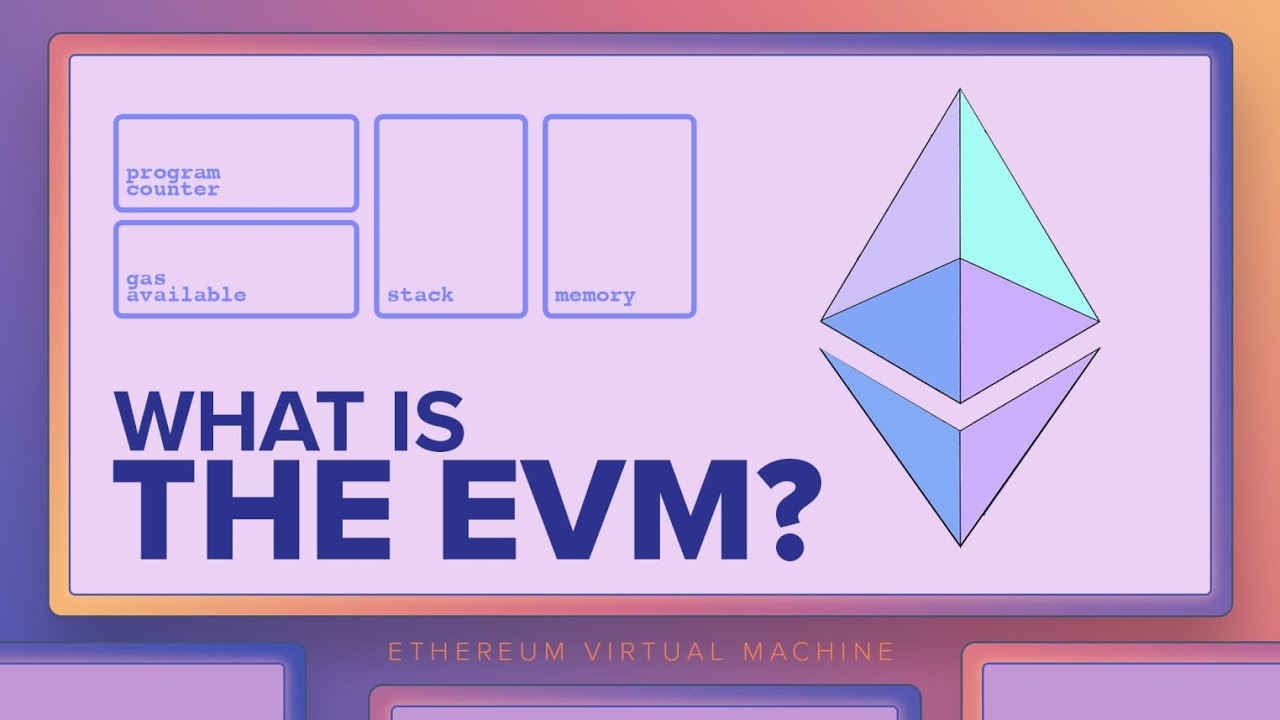
The Ethereum Virtual Machine (EVM) is a decentralized, Turing-complete computer that runs on every Ethereum node, enabling developers to create secure decentralized applications (dApps) and execute smart contracts; it operates as a stateless machine (no memory of past states for security), deterministic machine (same inputs produce same outputs), and gas-based machine (each instruction costs gas paid by the sender), with EVM 2.0 planned to address scalability and efficiency limitations, and several EVM-compatible blockchains like Binance Smart Chain, Polygon, Arbitrum, and Avalanche offering alternative platforms for developers.
What Is the Ethereum Virtual Machine (EVM)? A Beginner's Guide
Added:Fundamental blockchain concepts, including decentralized ledgers, consensus mechanisms, and cryptography.
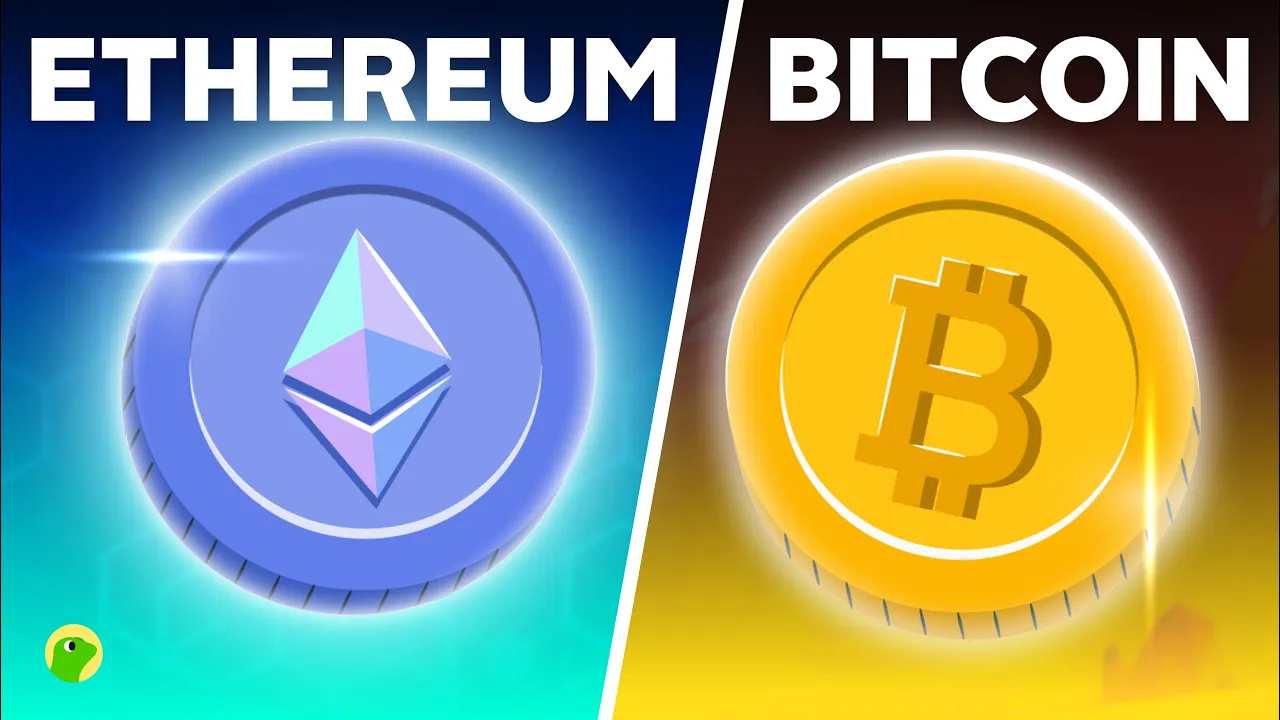
The distinction between Bitcoin (a transactional ledger) and Ethereum (a programmable blockchain platform).
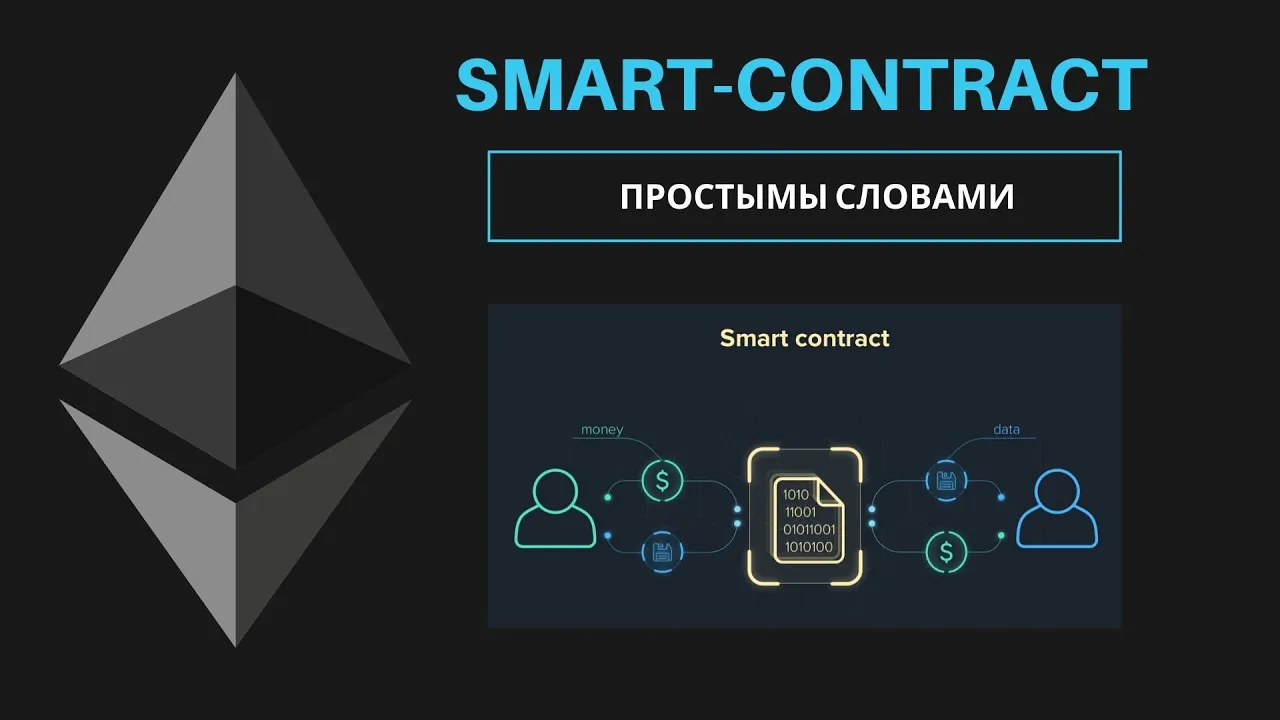
The basic definition and purpose of smart contracts as self-executing digital agreements.
General computing concepts of a Virtual Machine (VM), such as software-based environments that emulate physical computers.
Programming in Solidity, the primary high-level language used to write smart contracts that run on the EVM.
Understanding EVM execution mechanics, including gas optimization, opcodes, and the state transition model.
Exploring EVM-compatible Layer 1 blockchains (e.g., Avalanche, BNB Chain) and Layer 2 scaling solutions (e.g., Arbitrum, Optimism).
EVM security principles, auditing practices, and analyzing historical smart contract vulnerabilities like reentrancy.
Decentralized Application (dApp) development utilizing developer frameworks like Hardhat, Foundry, and Truffle.
2.3K views317likes9:22Original Release: 2023-04-09
what the heck is evm what does it do why should you care I guess these are some of the questions that go through your mind when you click on this video so let me explain in simple language but first thank you for landing on crypto Corner the video podcast that brings you all the latest news reviews and market analysis that aims to expand your knowledge about the cryptographers my name is OJ crypto analyst and investor since 2016 and this is how long this channel has been around so if this is your first time here you're most welcome so in today's episode I will address the key aspects and things that you need to know about evm ethereum virtual machine so without further Ado let's begin foreign ago in a galaxy far far away there was a group of developers who wanted to create a new kind of Internet an Internet that was decentralized and secure an internet owned by the people for the people these developers created a new blockchain called ethereum and the Heart of the ethereum is the ethereum virtual machine or evm okay Fantastical as it may sound the evm is a powerful tool that allows developers to create decentralized applications or daps these daps can do anything that a traditional app can do but they are much more secure because they are not controlled by any one entity the evm is also Turing completes which means that it can run any program that can be run on a traditional computer this makes it possible to create complex applications on the ethereum blockchain in fact you can think of the evm as a decentralized computer that runs on every ethereum node it is what allows developers to create decentralized applications or dubs and also how smart contracts get to be executed on the ethereum blockchain and of course it allows users to interact with these dabs this makes it the heart of the ethereum ecosystem the evm is a really powerful tool and as such it is also quite complex there are a number of things that people need to know about the evm in order to use it effectively one of the most important things to know about the ethereum virtual machine is that it is a stateless machine this means that the AVM does not have any memory of its past state every time a new transaction is executed the evm starts from a clean State the opposite to that is a stateful machine which does have memory of its past State the evm is stateless because it is designed to be secure if the evm had memory of its past State then it would be possible for attackers to exploit that memory to gain an advantage for example an attacker could try to find a way to reuse the same input data to generate different outputs this would allow the attacker to create counterfeit tokens or to steal funds to prevent this the UVM is designed to start from a clean state every time a new transaction is executed this means that the AVM cannot remember any data from previous transactions this makes it more difficult for attackers to exploit it however there are some drawbacks to being a stateless machine one drawback is that it can make it more difficult to implement certain types of applications for example it can be difficult to implement applications that needs to keep track on States obviously such as databases another drawback is that it can make it more difficult to debug applications if an application is not working as expected it can be difficult to figure out why because the AVM does not have any memory of its past state I'm mentioned that it is a decentralized machine this means that it's not controlled by any one entity and this makes it a more secure option than traditional centralized servers as there is no single point of failure another important thing to know about the evm is that it is deterministic machine this means that given the same inputs the evm will always produce the same output this is important for security as it means that it's impossible to tamper with the evm's results the evm is also a gas based machine this means that each instruction that is executed by the evm costs a certain amount of gas the gas that is used to execute the transaction is paid by the sender of the transaction the amount of gas that is used by a transaction depends on the complexity of this transaction simple transactions such as transferring together use very little gas more complex transactions such as those that involve interacting with smart contracts use more gas this is one of the reasons is why D5 transactions usually cost so much gusts and are very expensive and this is in fact one of the main limitations of the evm if a transaction runs out of gas it will fail and the center of the transaction will not receive their header back this is why it's important to be careful when writing smart contracts as a poorly written contract could end up costing the user a lot of money the evm is still under development but it has already been used to create a number of successful applications such as decentralized exchanges and crowdfunding platforms and there are a number of improvements that are being planned one of the most important ones is the introduction of evm 2.0 a major upgrade to the evm that will address the number of limitations of the current evm it will be a more scalable and more secure evm it will also be more efficient which will reduce the cost of running smart contracts in addition to that there are other blockchains that also develop solutions for the M for example binance smart chain this is a blockchain that was created by binance one of the largest cryptocurrency exchanges in the world it is compatible with the evm which means that developers can easily Port their ethereum dabs to the finance smart chain it's also cheaper and faster than ethereum it's a popular choice for dab developers polygon is another one it's a layer 2 solution for ethereum it allows dabs to run on its own side chain which is connected to the ethereum mainnet this makes depths also faster and cheaper to use polygon is also compatible with the evm which again makes it easy for developers to Port their dabs on polygon Arbitron 1 is another layer to scaling solution for ethereum this is a trustless roll-up which means that it does not require any third-party validators this makes average from one more secure than other layer 2 Solutions and then we have Phantom another high performance scalable blockchain that is compatible with the evm it uses directed acylic graph consensus mechanism which makes it more efficient than ethereum Phantom is also faster and cheaper to use than ethereum Solana another high performance scalable blockchain that is compatible with the evm it uses a proof of History consensus mechanism which makes it more efficient than ethereum but it's got other problems it still has a lot of bugs and problems with security polka dot is a multi-chain blockchain that is compatible also with the evm it allows different blockchains to communicate with each other which makes it possible to build decentralized applications that are more complex than what is possible on ethereum kusama is a canary Network for polka dot this means that new features are first deployed on kusama before they are deployed on polka dots kusama is also compatible with the evm which makes it a good option for developers who want to experiment and Test new features Avalanche is also scalable secure and easy to use blockchain that is compatible with the evm it uses a unique consensus mechanism called Avalanche consensus which makes it more efficient than ethereum it's also faster and cheaper to use than ethereum well these are just a few examples of other blockchains that develop Solutions and interoperability for the evm there are many other projects out there and the space is constantly evolving if you are interested in learning more about the the vast landscape of cryptocurrencies consider subscribing to this channel I provide valuable insight about the cryptographers including news market analysis updates and deep dives into new and established crypto-centric projects this information can help you make Sound Investment decisions I also share my own personal insights and perspective on the crypto market so you can get a better understanding of the industry I want to help you navigate safely in the crypto world and with confidence and I believe that my content is perfectly fitting for that so what are you waiting for subscribe to my Channel today and start learning about all things crypto oh and one more thing before I leave you make sure that you check out the links in the description below where I drop the links to all of the crypto services that I'm personally using and that I recommend to you and while you're here just pick another one of my videos and I'm gonna see you there thank you
Up Next

9:22
Creating an ERC20 Token with OpenZeppelin: A Step-by-Step Guide
@EatTheBlocks
28.3K views•2020-01-08

52:00
Hybrid Key Establishment in Production: Post-Quantum Cryptography
@durumcrustulum
14.7K views•2025-08-27

64:25
Operational Security Essentials: A Guide for Hacktivists (OPSEC)
@hitbsecconf
157.4K views•2012-11-26
11:49
Understanding Ethereum: A Comprehensive Beginner's Overview
@99Bitcoins
3.1M views•2018-06-26
Related Study Plans & Knowledge Roadmaps
Structured learning paths in Blockchain & Crypto
blockchain-and-crypto
MPC Wallets: TSS, DKG & Secure Custody
01Foundations of Cryptography & Digital Signatures
02Secret Sharing & Introduction to MPC
03Distributed Key Generation (DKG)
+ 2 more learning modules
24h5 modules
Explore Roadmap
blockchain-and-crypto
ERC-4626: Yield Aggregators & Leverage
01Blockchain, Ethereum, and Solidity Foundations
02DeFi Primitives: Lending, Pools, and Yield Farming
03Mastering the ERC-4626 Tokenized Vault Standard
+ 3 more learning modules
35h6 modules
Explore Roadmap
blockchain-and-crypto
DePIN: IoT Registries, Proofs & Rewards
01Foundations of Blockchain & IoT
02Introduction to DePIN and the Flywheel Effect
03Designing IoT Device Registries & Secure Identity
+ 3 more learning modules
30h6 modules
Explore Roadmap
blockchain-and-crypto
Building EigenLayer AVS: Operators & Contracts
01Blockchain, Ethereum, and Smart Contract Basics
02Proof of Stake and Ethereum Staking
03Introduction to EigenLayer and Restaking
+ 3 more learning modules
24h6 modules
Explore Roadmap