



![สร้าง Smart Contract ด้วย Solidity | สำหรับผู้เริ่มต้น [จบในคลิปเดียว]](https://i.ytimg.com/vi/WoGIjHPIc8A/hqdefault.jpg)













![[Sunny Aggarwal, Osmosis] Why Bitcoin Wins Everything](https://i.ytimg.com/vi_webp/LFK0Z7z0cO8/maxresdefault.webp)

Tendermint's TMSP (Tendermint Socket Protocol) enables developers to write blockchain smart contracts in any programming language by separating the consensus layer from the application layer, allowing applications to be written in languages like Go, JavaScript, Python, or Haskell while maintaining compatibility with the underlying Byzantine fault-tolerant consensus mechanism.
How to Build Blockchain Smart Contracts in Any Language - Tendermint TMSP Tutorial
Added:Basic understanding of blockchain architectures, including consensus mechanisms, state machines, and peer-to-peer networking.
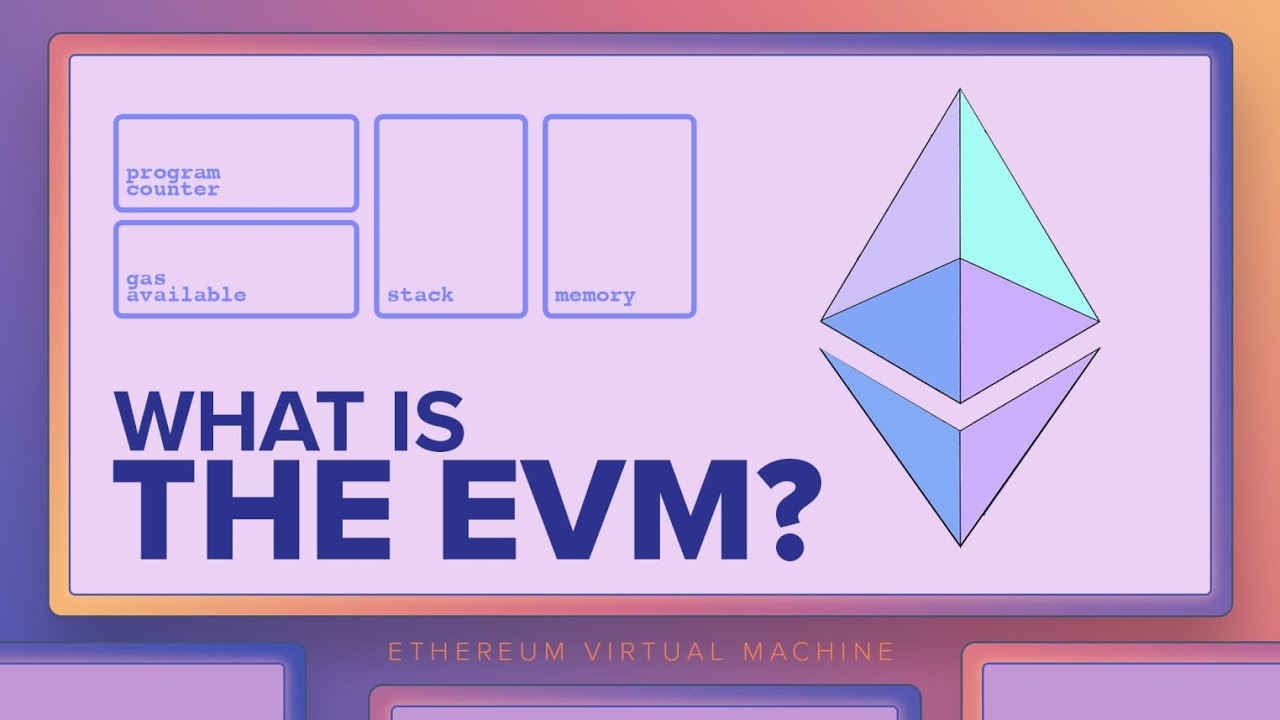
Familiarity with the concept of smart contracts and how virtual machines, such as the Ethereum Virtual Machine (EVM), execute them.
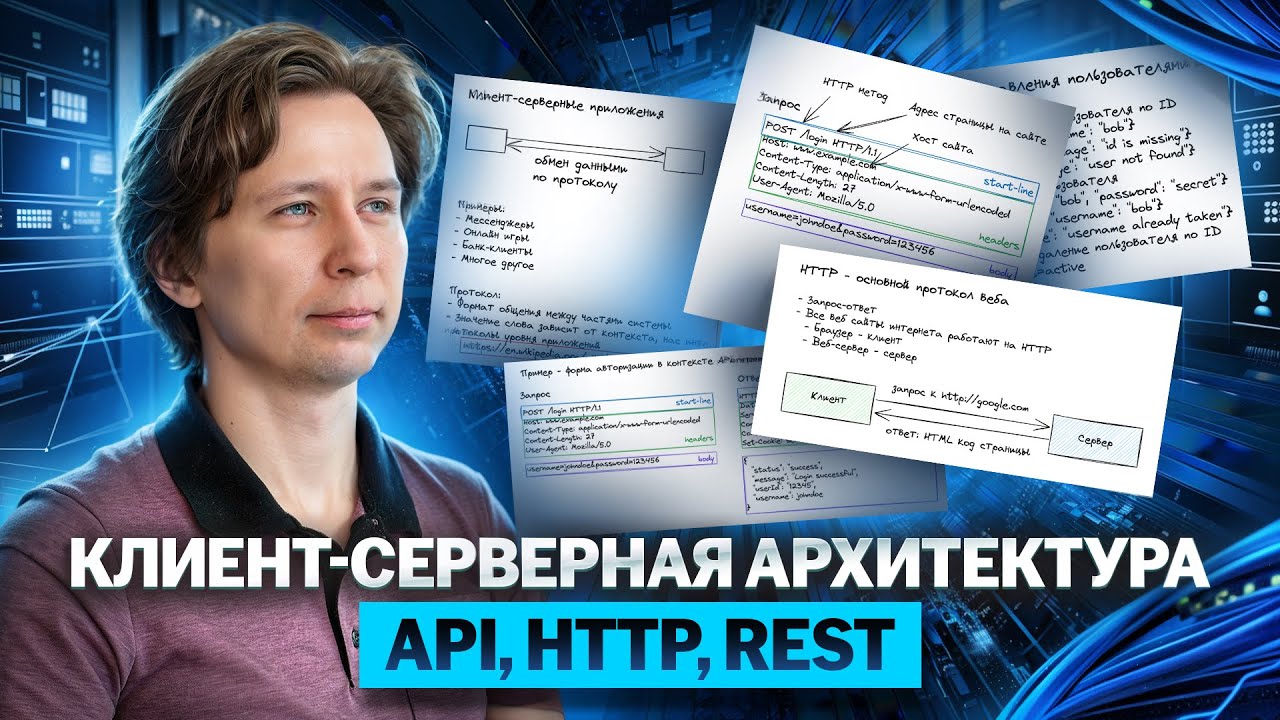
Fundamental knowledge of client-server communication models, network sockets, and API-driven architectures.
Proficiency in at least one general-purpose programming language (such as Go, Python, or Rust) to implement the application logic.
Deep dive into the modern evolution of TMSP, known as ABCI (Application Blockchain Interface), and the Cosmos SDK ecosystem.
Exploring the theory of deterministic state machine replication to prevent consensus failures in custom blockchain networks.
Studying the Inter-Blockchain Communication (IBC) protocol to enable interoperability between Tendermint-based chains.
Designing and benchmarking high-performance, application-specific blockchains (AppChains) tailored to custom business logic.
9.4K views109likes1:20:46Original Release: 2016-02-11
yeah so what's up guys so yeah so I'm Ethan with tenorman and you know we were thinking like since tenorman's kind of marketing this whole private blockchains thing selling out to banks yada yada and this is like a Bitcoin meetup and you guys don't take very kindly to that we thought we'd show you that we're actually still cool by performing a rap song about how great Bitcoin is so unless there are any serious objections to this I am proceed with my cover of Piggy's juicy all right so I'll throw the lyrics up yeah the songs that case although economist opposes we never amount to not meet all the people that lived in the building doing hustle in front up all the SEC on us we was just trying to free money to lose crypto beholders corporate beholders and all the devil used rebels know what I'm saying the dream I used to read use Nixon crypto beans so monsters math like you've never seen right now goes on the wall every Saturday hack attacked is it magic girl or I let my traceroute till I got no doubt 41g Wi-Fi listening on private right way back when I had to play the key in my lap in the hash to match huh remember Merkel goofs so hard you never thought that grip sir but now we in the limelight cuz the price is right time to get heavy blow up what savings on prey on sinner the opposite other winner remember when they talk and thousands of pieces dinner he's the winner see money did the Trump Vinny and Mulligan Satoshi's never gone huh blowing laughs like you thought we would have some blocks in innovation because we could it's all good and if you don't know you know very well I'm ready to change from a common a darkest top close and personal with the banking rich and they did your Lin's I'm checking through GPG all day sign my keys to the way no way the crypto life keeps you busy Baker's you kissed me now the quite a show stick like they missed me I've never thought it could happen this crypto stuff I was to you for weapons exports now the bank is playing trunks like parasite play host from the Bay Area straight through the East Coast companies on the mission high 20 weeks and sold out seats to give Peter Todd speak Bob Bitcoin in my baby girl's ear lunches run interviews with - rules you set it up fuses I renounce the kids in school stereotype of the Triple DES misunderstood and it's still all good oh and if you don't know no trick though cryptocurrency no counterparty risk when he goes one down man I couldn't picture this 50 petty hashes money orange okey so you have no and a big fat I told you make you feel about two g's flat no need to worry now that bitcoins got your back and open sources lounges celebrating every day not every one of thousands thinking back you let spaghetti code half now we screwed capital controls leaving fiat in the tracks and we love to show it off of course reddit Circle Jerks every time we help inform the bus when the block size this does some feet can't wait to lightning picks up and Segway is the best [ __ ] cuz you can solve for anything you want to yeah yeah damn right I like the life I live cuz we went from pennies to hundreds and it's all good oh yeah and if you don't know I'm not kidding I don't think any are good as good as that one though all right here so we're cool right even though this is about private blockchains we're still cool for mistake all that crap I that's why I did this all right all right I guess I'll go fullscreen here cool what's up f eleven nice try oh the real F 11 function okay anyways tenorman so we're tenorman we're cool we write sweet rap songs we also do this thing with blockchains you know we let you build deploy manage them and we've been we bring simplicity security and speed to the world blockchains i don't know if you've noticed but no one seems to understand blockchains they're kind of super complicated there's all kinds of issues related to security and and they're slow as [ __ ] I mean to be frank like you know who wants to wait an hour to know that that they moved money I mean it's better than banks I'll give you that much but we can go faster and as much as I love Bitcoin as you just saw I think we can do better and we'll talk about that okay great so just to put things in a little bit of context so that this isn't really coming out of nowhere I mean people see block chains and they think like oh this is like totally out of nowhere dropped out of the sky like was I this have to do with anything how do we understand it in the context of the history of computer science so if we go back to the beginning I mean it all started with like siloed computers and single mainframes and people had to like go across the street with their punch cards and put the thing in and get the result back the next day or it-it's horrible but the point was everything was running on one machine but over time we got to this point where you know we needed needed things to be able to run on multiple machines so that we could have some fault tolerance because computers suck they crash they die all the time so if everything's on one machine you could lose it all right so very naturally we spread out into these distributed networks where where we have certain replication algorithms that allow to allow us to replicate data across many machines without losing it and to do it in a way such that all the machines stay in sync right so that no matter which machine you're talking to you get the same view of the data right and these are called consensus algorithms and they've been around since the late 70s basically in many iterations and it's a very well developed clients this the study of fault tolerant distributed machines right and of course it is pretty much culminated in something like Amazon right which offers this hugely highly available web service that anyone can use and at the very bottom of Amazon stack is is a consensus algorithm that holds the pieces together right and no one no user sees that content this algorithm right it's not like when you go to add something to your shopping cart you have to wait for it to be for that item to get seen by Amazon's consensus no that would take forever right so they only use their consensus algorithm for the more important things right for like you know putting up new machines or for coordinating machines taking over some resources and things like this and and so they're the most common algorithm is something called Paxos which was developed in the 90s in the early 90s actually but it wasn't published until much later because no one seemed to be able to understand it and still today you know basically no one understands it which motivated another algorithm called raft that came out a couple years ago where the you know before raft the primary purpose of fault tolerant algorithms was to be fault tolerant right Raph decided no that screw that our primary purpose is to be understandable because if no one can understand it they're not gonna get it right and they ended up coming up with a very beautiful algorithm it's quite easy to understand that works very well and is seeing tremendous adoption and every starting to build stuff on top of raft and it's really great right but going back to the story the natural evolution of things you know the problem with Amazon's with Amazon's big distributed services that its centralized and it's basically controlled by that guy right and no one really likes that guy I mean he's all right but he's basically in charge of the whole thing and so all the pieces are basically pawns of Jeff Bezos right and he can ultimately do whatever he wants with it and so we don't like that so there's this er this natural next next evolutionary step we just say okay we have these decentralized networks or distributed networks but we need to we need to create a political decentralization right so that no single and no single bald-headed or otherwise individual owns the whole thing right and of course the first instance of this was was Bitcoin and there have been further instances tenorman etherium and now we have tenorman and the idea here is that you don't just want to be tolerant to computers crashing you want to be tolerant to computers exhibiting arbitrary behavior which could include malicious behavior right and so such behavior we call Byzantine you know in in tribute to the Byzantine generals trying to attack Rome and sort of not knowing you know is one of the generals a traitor is he actually working for the Rome or not and you can't you can't really know just with you know if there's only three generals and one of them is betraying the others the others can't figure that out because they you could tell one one thing and one another thing and none of them can really figure out who who's the liar right so you can sort of split the network and so there it turns out there's this fundamental result in in this sort of Byzantine fault tolerant theory that you need at least for machines to tolerate one down right and that and you know Bitcoin all these years has been like oh you know well we can tolerate up to 50 percent malicious but certain analyses actually show that even Bitcoin is susceptible to this you know one-third fault tolerance model right but but the point I'm trying to make is that this move towards Byzantine fault-tolerant systems is really a natural progression in the evolution of consensus science where we go from single machines to many machines owned by one person to many machines owned by many people and that especially in sort of a post Snowden era where where no one really trusts anyone else and and things are you know constantly subject to attack some hacks this kind of architecture makes a lot of sense and we will see adoption of Byzantine fault tolerant consensus on a wider scale with or without you know any talk about block chains but block chains have dramatically hastened that because they add additional properties and so you know I like to say that when Satoshi introduced Bitcoin he really did two things right - there's two key innovations and and they often get confounded with with each other on the one hand it was augmenting the idea of Byzantine fault tolerance with economic incentives and and in bitcoins case it actually used only the economic incentives to to motivate the consensus right so it was really an economic solution to the Byzantine fault tolerant consensus problem but over and above that to complement that compliment that make it actually possible he he introduced a data structure that used Byzantine fault tolerance with Merkel trees public key cryptography and p2p networking and that combination allowed him a very robust system where anyone could very easily verify any piece of the system right so so using this combination things you have very lightweight low-cost trust without having to trust anyone right and and this is what everyone got so excited about but what's happening now now that we've sort of seen Bitcoin and are trying to sort of disentangle it and place it in the context of the history of computer science we see that really there are these two pieces here and that the economic component is absolutely critical for a public act for public systems right you need some kind of economics to motivate the system but the the other component what I like to call the blockchain right the piece that is the Merkel tree is public key p2p and VFT with or without the economic component is going to be very useful to a lot of people strictly from the perspective of this evolution of computer science where you know untrusted or semi trusted parties want to work together with a common platform without having an having to trust each other too much right and so what tenorman is doing in a number of other people arias and lots of other companies they're starting up now is trying to take this underlying data structure with or without the economics and use it for for businesses and banks and governments and so on to build on top of and without I'm going to turn it over to Jay to talk about some of the components of tenorman ok thanks for that so want to talk about why what our mission is excuse me Mike I want to talk about why we're here and why we wake up in the morning and what we want to bring to the blockchain world and it's really about it's going back to like what Rath wanted to do to start with we want to bring simplicity to the space everything's so complex a lot of people are reinventing the wheel you know everybody has their own stack and you know it's still going on everybody's building their own little silo ecosystems and there's just not enough coordination going on when we could be sharing a lot of the foundational pieces so that we can move ahead and so what we're doing and I'll show you this is what we're gonna show you tonight it's a new architecture law change that we've been working on and the reason why we created that architecture is to open up the tools the engine you know the pieces that we've created so that anybody can use them to create new systems new blockchain applications so for example you know if you want to if you have a great idea for a new virtual machine I don't like it an alternative area or if you have a better system than you take so don't just fork some some blockchain stack use our architecture and you'll see why don't see why that's a good idea so we're creating a platform and it's all about empowering application you know UT Excel systems the etherion virtual machine those are all applications of blockchain technology that's how we think of it and so our platform is about empowering application development okay so that's great but it's you know it can't just be about simplicity it has to be backed by something so what is that thing that we're offering well we're offering real security we're offering security for 95 99 percent of the use cases of blockchains so you know there's all kinds of there's proof of work which is dominated by Bitcoin it's difficult to start another proof of work chain that's so if you don't like how Bitcoin works then you're kind of out of luck are there alternatives you know that's a rhetorical question the answer is yes we created that alternative and we want to share with you so that everybody uses it and the reason why it's because you know people need different blockchain applications and the coin that's just central isn't good enough and everybody wants we want to scale we want to scale out horizontally we want to want to run multiple applications so how do we do that we use we use isn't een fault tolerant algorithm that we've developed for blog chains and the reason why it gives you security the first thing is the actors who are committing blocks in the system is there identified there's pseudonymous or they are publicly identified either way they're not anonymous like Bitcoin miners that's why we have this algorithm that guarantees that if the block gets committed and there's a there's an attack of the system so that there's a fork say the for there to be an attack you require at least one third significant portion of the validators to cause the attack if everybody is working just running the program the protocol as they should we'll never happen but for there to be a disruption of the service a significant portion of the nodes the minors of the violators need to attack it they need to be hacked or they need to try to subvert the system once there is such an attack we can find out who had done it so it's an accountable system these three properties are not the same properties of Bitcoin Bitcoin does provide VFD like security of a blockchain but this is another system it's an alternative system for block chains and it works for cryptocurrencies it certainly works for private blockchains it's in fact probably optimized I'd say it's optimized for permission watching deployment so when I was working on this in like 2014 one of the things that we realize faster so for most purposes you're gonna have like a hundred to a thousand validators if you have any more than that it's kind of redundant to that block may or may not get you know rolled back because it's a forkful system and if you want to validate a larger transaction for it you know you're moving millions of dollars to say then you're gonna have to wait for additional confirmations it's just a single block you could get it confirmed and it's over we have we use a key based system the second blog times which is great for applications but you still need to wait for additional confirmations to from having such a short commit time under the desire to have long times so it's not about the long time so I said it's about transaction committing it's very fast the throughput in transactions of the system is amazing it's a network based protocol and we'll get into it later and it really depends on the application but everything else that we provide for you is very fast so if you design your application to be able to handle 10,000 transactions per second say the court will accommodate put the EPM on it probably can't handle 10,000 transactions per second on the blockchain with the VM but that's why we're developing this alternative system so that you don't have to use the EPM you can develop your smart contracts in any language that you want that runs in bare metal that uses a saga protocol and it can run much faster so we'll get into the architecture yeah we figured we just keep switching up keep you guys on your toes so a question that comes up a lot was the relationship between tender and Daenerys and it's a useful it's a useful question to explore because it illustrates how our architecture works and puts it in context right so so the classic example is really WordPress and Apache right WordPress on Apache are two independent components that can work you know either on their own or with with other partners but but they're really great together right you know WordPress is this like application level platform she is this server level platform you can build arbitrary applications on top of right and and they communicate using a socket protocol and you can you can swap things up you know you could swap out WordPress for like a Ruby on Rails framework or for Django or whatever you want you can swap out Apache for you know nginx or for something something like some other server back-end whatever you want right in fact I prefer to make a comparison that that were more like nginx than Apache because no one really likes apology IBM can be a posse so so they only guys supposed to say that so the analogy in this example basically that you know Eris is like an application-level platform where you know they're agnostic to the underlying consensus but they have opinions about what the application should look like right which is very much like WordPress WordPress is agnostic to the underlying server but have opinions about what you know what your blog should look like right and on the other hand 10 images is this lower level you know server side or more server oriented platform that is agnostic about the applications you run on top right but is opinionated about the fact that you use tenorman did not something silly like proof of work just like the same way Apache is you know a server that says you you're using the Apache server model and not something intelligent like nginx right so hopefully that makes sense and that sort of puts things in contacts and basically the way this works is that when you you know when you want to actually go and run a tenorman blockchain with some application on top tender mint itself doesn't come with an application right if you just try and start at Enderman node you know it'll crash and say hey I don't have an application to talk to right so you have to start an application that tenant can talk to and it should be the only thing the only thing talking to that application should be the tenorman node so that it can drive the state changes when there's consensus on new transactions and if there's questions we can we can talk about them right so so here's a maybe a little bit more of a a clearer picture so if this is like our network you know each of these each of these is a node and the core is one process running on the node and the app is another process running on the node and they talk over a akut and the they use a very simple protocol to communicate we call the T MSP the tenorman socket protocol is very simple it just it just defines a few messages basically the the basic messages we need to have a blockchain application so essentially they are append append T acts so that we can take transactions from the consensus and apply them to the application state and get half so that the consensus can say hey application what's the current hash I need to put it in the block right and you know that's basically it there's a little more subtlety but at the end of the day you know users submit transactions they get put into blocks they get sent to the application the application runs them against the state and then the core asks for a hash the application returns it and we move on right so in the core we have things like the agile consensus algorithm the mempool that's where we store the block so it handles all the p2p and then in the in the application you have the actual state storage right which could be something like the UT Exocet and Bitcoin with all the the scripting language or it could be a theory of virtual machine with its account system or whatever blockchain application state you want well we're trying to make a very clear distinction between the underlying consensus algorithm and the applications that run on top right cool so here here's sort of a step-by-step but sort of what I just said you know user sends a transaction to tender mcore using HTTP there's another message I didn't mention called check TX so that the core and it's a application is this a legit transaction yeah people say yes and it'll say no this is this is crap and then you know check about your transactions then it will make a block with those transactions like usual you know it'll pass the block around the consensus everyone said yeah there's a legit block let's commit this thing and once it's committed then we'll go and actually run the run the transactions against the application to get the new state and you'd say hey what's the hash right it's very very simple system but incredibly powerful because now it allows us to write applications in arbitrary programming languages so we can write them and go we can write them in JavaScript we can write them in Python we can write them in Haskell you know we can write them in whatever you want and we have examples of the same application written in multiple languages and we can show you that J keeping you on your toes so before we get into demos I just want to talk a little bit about what are we going as a company and what you guys have to look forward to that we're building out now and this will be available later this year and we're pretty we're very excited about it the whole thing about our company and we're making is making it simple for you the application developer to build deploy and manage your blockchain so with that we are developing well the first thing is MSP which is the architecture it makes it easy for you to build your application we have a tool called mid net if you go to our github account github slash tournament slash mid net it's a tool to that uses doctrine machine to launch a blockchain onto any cloud provider so doctor machine supports ec2 digitalocean and even your own cloud machines and you can use mid net which is just a wrapper around doctor machine calls to set up a whole block chain and all the genesis files and all the private keys about later keys and it will deploy it onto the cloud and you can manage it it's it's best used for we use it for development we use it to launch a blog channel to the cloud and make sure that everything's working assuming it would be fleshed out to be full tool for managing a live blockchain but for now as a development tool so please use that but the end goal here with what we're building is as a UI for managing all these applications now so tender mint has this concept of elevators as you know and there's a set of validators that are designated to commit blocks on a blockchain that validator set is it comes about through you know you can create a baggage that how do you want it maybe it can source from a banks it may be that they posted collateral in chain to become a validator you can you can have a value set however you want once you have a valid data set it makes sense to consider letting that validator set run multiple block chains and so this is how we might do scaling if you have say a theorem block chain and can only handle ten transactions per second that's a problem so what do you do you just have each validator have enough compute capacity so that they can run parallel chain so you can run you know as many in theory and block chains as you want and to manage that and to manage the consortium and to manage the proposals the whole governance system of proposing a new block chain or the launching of it or the destruction of it or the configuration of it even to manage the change of validator sets we're gonna need a intuitive UI for people to use and that's what we're building we're building the whole platform and the UI so that anyone can be part of the consortium and with it let's get into demos how are we on time yes that's how we are good yeah yes there's a time now it's great times 8 yes o'clock cool any questions before we dive in yeah what we could there's nothing stopping us are you gonna get in the way you can try to stop me from any public watching yeah let's take this that's a good question I'm not sure what you mean in this private space I mean if we you know say say we started a chain and we want to have a bunch of validators out we could we could take everyone here we could start a chain with all you like we could we could actually do this if you guys want to do this that would be awesome and you know we could give everyone here some voting power and then we could all run tender mint on our computers and then we would have a live blockchain and you know we could bring other people in and so on whether or not it's public is a you know debatable question yeah so so there's this check T X message right so when you submit a transaction the core will send it to the app and say hey is this legit so you know send it to the app it does have installed if it doesn't have any app installed then it's not running tender right I mean had there has to be at least one app for it to be doing it okay okay cool demo so right I'm gonna put this down I talk loud enough right what you want me to do this again I would but I recently wiped my drive and they're all in Guelph Guelph this awesome town and Ontario you should all check it out and move there it's awesome what am i doing demo so okay great so I have this I set up a little folder here let's clear everything right so there's gonna be very a simple demo but it'll show the pieces of it oh we were gonna do tea must be first right you should do that first okay cool so I'll do that first so we have a couple demos one is just like something simple to get your feet wet and then one is something awesome to get you really wet okay so you know we use go because we love go it's a beautiful language installing stuff is super simple you just go go get github.com andermant /tm SP is the repo and then dot dot dot we'll go and install everything I already have it so they don't actually actually have to walk through with it but that will install a couple of a couple default applications for you one of which is the dummy the dummy is quite dumb it doesn't really do anything it accepts transaction stuffs the minim oracle tree and that's about it right and so we have a simple tool for working with your application to make sure it works within tender mint and TM SP and that is the the TMS PE plea so if we type TMS B plea that would also have been installed with that last command I run it shows you the options so these are really these are really all the messages that TM SP supports right so the main ones for the blockchain are really these three right so these are the ones that are always being used live and then the other ones are a little more administrative you know echo is just to make sure things are working info dump some info set option is for setting like configuration options or different parameters and then query is just so that we can see that that things are working right and so we have this console that you can drop into so you can do sort of interactive commands it's very simple if you just hit enter it'll show you that list again right so we can say you know echo hi we should see that it says below we can see some info you know our Merkel tree is currently empty if we get a hash it's also currently empty because there's nothing in there so now we can go append a transaction let's make a very simple transaction ABCD right it's happy didn't return any error now if we hit get hash we should see oh now there's a real hash because we just stuck something in a Merkel tree so now it has some route hash and if we go and query we can go ask it hey what's the value stored at ABCD and it just it's just storing the same value we gave it for this app we cannot we also can do something simple like you know EF G equals I'm awesome and then if we go query FG it will tell you what you already know namely that I'm awesome so you know very simple but you can use this to help sort of debug your application without having to worry about the underlying consensus right and so we have a tutorial if you go to tenorman comm and click on tutorials it'll walk you through doing this and we have a few different apps and we have another app besides the dummy is called the counter app where basically every transaction has to be an integer that's one more than the last one and we've implemented that in go lang in javascript in python and i'm working on a version in Haskell because I wanted to learn Haskell and so you can use all of them you know interchangeably basically you should be able to use them on the same network but it just goes to show the power of this new architecture where you can really write your your smart contracts your applications in arbitrary programming languages ok so that's that's the application on its own that's not that interesting we want to see it actually run on a blockchain right so I'm going to kill it I'll start it again it doesn't save it state because it's just a dummy and now we'll run a tenorman node there's nothing here just go tender Minturn it I'll just lay some basic stuff for me and then I can run a tenement code and oh yeah sorry we will change this you just have to set fasting to false for now we'll fix that basically there are two methods of syncing up with a tenorman blockchain there's using the normal consensus and then there's the so-called fast sink where you just quickly check the headers instead of going through the whole consensus process and so you know this this is very lightweight all we're seeing is that we're just we're just committing new blocks committing new blocks committing new blocks and so now if we want to send a transaction we have a very simple API we can just curl it we can go local post four six six five seven I'll show you how to show you in here because it's a self describing thing you know so these are the endpoints available right off the bag and you can use them for debugging or for actually sending stuff these ones don't take any arguments these ones do take arguments right so I can just copy this say paste it here and then fill in a transaction let's say ABCD right okay so you know return to toppy there's no error and now I can use the T MSB plea to make sure it worked and I can just go query for ABCD it didn't work oh it's capital no anyone it slashes in the right place yeah that's just the return it doesn't return anything oh it's oh it's the hex as you're saying right yeah okay so we have to work on some formatting things but basically if I do this it should work and say to hex my mom now if I'd TM SPE I mom this isn't promising I swear all this was working earlier okay what do we do click oh there it is okay so just take a second but input a manner to show up eventually and so if we look back here you know we'll see someone up here they've got committed with the transaction there it is so we just had to wait for it to commit and they chose that right yeah so it worked query ensure that I'm all right okay so that's you know that's very simple this is just one node running on one computer we can send transactions the transactions are trivial because our application is trivial so there's no signatures or anything like this all we're doing is passing data and stuffing it into Merkle tree but you know again just for for getting your feet wet it's it's a nice application okay so that's that's clear let's do something more interesting now where I will actually go and deploy this thing in the cloud and so what we'll do is we'll go set up we'll go set up a network with four validators will start the dummy on all of them and then we'll start sending you know thousands of transactions at them we'll see the blocks fill up with transactions and then we'll start taking down nodes and showing that you know if we take down one node it'll still work if we take down two nodes the network should now halt because it always needs at least two-thirds online the the transactions will build up in the mempool and then once a node comes back online it'll start committing and clear out the mempool right just just like what happens with Bitcoin so wish me luck I don't know okay so I have a couple scripts here to make my life easier I will show you what they look like so here's our launch script quite simple basically we we initialize a few directories so this midnight and it will just initialize some directories for us with the information we need I have some machine so we use docker machine doctor machine is great it allows you to just easily deploy nodes in the cloud right so you can go docker machine create and it'll set up a bunch of nodes for you and then you know display them so we're gonna work on these guys test one two four so that they've already been created because creating live is probably not a bad idea because it's like always fails and you have to redo it but don't worry doctor is working on it so you know and then we have we have a very simple DSL so that this you know mint net will understand that this means ok test 1 test 2 test 3 test 4 we're gonna deploy a blockchain on all of them we're gonna use the dummy and knit script which is right here that basically just says you know go get the dummy app check out the right branch install it and run the dummy ok so that'll initialize some directories and then when we run start that'll actually go and start all the all the processes on every machine right and that'll take a couple minutes and we'll see it scroll by and then we go and start our net monitor so that we can monitor all the all the nodes at once right so I'm gonna go launch this this will take a couple minutes to complete we can watch it scroll by it's very pretty if anyone wants to ask a question while this is happening floor is yours yes sure right okay so you know disclosure I still work at eros I'm a lead developer there I'm transitioning to tender mint basically for the sake of you know I was looking at these businesses as if they were code and seemed like some refactoring needed to happen and I needed to move this human over here for a little bit so that's what's happening so initially you're right eros forked aetherium and and did this crazy thing where we pushed the consensus rules into the etherium virtual machine but the etherion virtual machine is so bloated and slow that that was not about not a good idea right so what ended up happening is last year in January I came to San Francisco and I met Jay and we talked about Penn rent and I was like this is what we need to use this was before we had done this architectural separation so air is basically retooled on top of 10 Derman and that's where air is deep that's air SDB the Aris blockchain is basically a tenorman blockchain with additional application State including the etherium virtual machine no tenorman is an independent engine right so it's it's own consensus protocol its own peer to peer layer and then you can take arbitrary application states and put them on top so recently I forked go aetherium and put it on top of tenorman so you can use all of the theorems tools in the the etherium development ecosystem on top of a tenorman back end tender mint is the blockchain provider right yeah so tenorman actually provides the thing that makes gets consensus on blocks and commits them into a blockchain sure go I'll continue and then well well it'll be more time okay so everything has started up we see you know done launching ten Dermot Network now we've started our network monitor you know we do everything with simple HTTP requests so I'm just gonna show you what yep okay so you know this the net monitor knows about one blockchain is called my new app we can go look at it now get J and chain ID my new app beautiful so you know this is just some summary information at the bottom here basically keeps up with the height you know the height is changing and tells us some basic information we have all four validators online so we're at full health and basically what we're gonna do is we're gonna start bombing this thing with transactions and then we'll start killing nodes show you how this changes how the blocks stopped being made and then bring it back online right so to do that I'm gonna start a local pin Dermott node and that's gonna be the thing I sent all my transactions to so basically you know I'm just gonna copy in the Genesis Genesis file we just made and then I'm gonna start a local tender mint node and connect to all the the docker machine IP addresses we were looking at before right so if I start that that's fine there's the dummy you can see now it's it's catching up right so it should be all caught up and and now it's synced so this node that I'm running on my laptop is not a validator node he's just synced up with the blockchain right and there's four validators and they're in the cloud and they're actually the ones committing blocks and this guy is just keeping up with them he's just he's just listening in right but we're gonna use him to broadcast our transactions to okay so we've got another script here for sending transactions it looks like this just grab some random data and value and then it goes and broadcasts that key value pair sleeps for 100 milliseconds and does it again and we'll do that 10,000 times so we run this thing it's just bombing it with transactions if we go here you know we'll start to see that the transaction throughput is starting to tick upwards any time we can look at the unconfirmed transactions so we can look at our local guy 6 5 7 confirmed you know so currently we have 13 and then they clear out and they get put in blocks and we're constantly generating more the mempool fills up and then it gets cleared when a block comes those off it gets cleared when a block comes and so on right everyone with me yeah anyone confused about what's going on tell me and I'll happily clarify okay great you guys are great okay what okay now let's kill nodes and prove that you know tenorman it's actually worth something that we can kill know them and the whole thing won't just crash right yes folks you do it wait biggie smalls okay so I've got this command here for killing the guy okay so so all this is gonna say we're just we're just gonna blow the whole thing away on on machine test one it's just gonna take about a minute his daugher is like really slow sometimes but you know playing doctor for that not me so this thing will go down and once it goes down we will see that we're only gonna have three active validators right but three or four is more than two-thirds so our blockchain is gonna be fine it'll keep going it's gonna take a second where are we this guy taking it speed last time that's fakie on do do I know it's done yeah that's right look so now it knows Oh one of our ears is gone so we're no longer in full health because we lost the validator but we're still healthy because we're still committing blocks right so the block height is still going on you know and we're still crunching transactions right yeah so I just took him down he's gone oh you mean how do you reduce the this number great question we currently don't support that but we're working on it so we used to support it and then we got rid of it when we did this riri engineering of the architecture and now we're gonna bring it back because it's obviously important that you can change your validators that same thing applies for adding nodes and of course you know being bitcoiners someone will say oh but censorship resistance and you're right and you know we have like real world means for dealing with that great so so this is pretty clear you know not that exciting or we lost a node it still works that's great you know Bitcoin leases knows all the time and it still works okay let's kill another node right so now half of our network is gonna be down right half of the network is not enough to commit blocks in a Byzantine fault tolerant algorithm so when this guy goes down we're gonna stop increasing in height and that's gonna be it the the mempool is just gonna start filling up right so if we go look right so he's down now and the mempool is just is just crunching so if I go here get rid of all that junk great so you know I'm cool filling up getting bigger and bigger we're not making blocks I can prove that all right we're stuck at 2:53 we'll be there for a long time because of our there's down right we only have two or four or no longer healthy as you can see right and yet that's kind of unfortunate full health needs everyone's on line healthy means you're making blocks right healthy means at least two-thirds are on line right so you know I remember was getting pretty big we could wait until it gets so big that all the nodes crashed but then that'll ruin my demo so I won't do that okay so what I will do is now restart one of the nodes let's say test one one thing I have to do though is tell it who to connect to so I go seed machines and again we can use this fancy DSL right and so this will take a couple minutes so let's take a question sure it works here if they're part of the they're part of the validator set so that so the difference here is that the validator set has to be registered so if you have a validator set of you know a thousand notes then any 300 of them or so can go up or down as they please all right you want to join it as a validator yeah right so you can start a full node and just sync up no problem just like the one on my computer right so the note on my computer is not a validator but it is synced up with the network right so there's four validators plus one node which is my computer right so doing that is trivial it's very easy you just start it and say who you want to connect to like it was saying before though if you want to actually become a validator we haven't implemented that yet within the new architecture we used to have it we got rid of it so that we could retool simply and now we're gonna bring it back you can broadcast transactions you just can't validate them yeah so yeah so so it used to be the case so it used tender mint the way it used to be structured everything was was in one app or everything was one process right so the consensus the application was all together and there was you know transactions let you move tokens around whatever and there was a special transaction type called the bounty acts and so if you have some tokens you could send a bond to X and that would bond your tokens and then you would become a validator and then if you [ __ ] around you would lose those tokens they'd get slashed right so we will bring back that mechanism but we're gonna do it in a more flexible way that works within sort of alternative governance structures that's really the goal if you want to become one beyond the network that already exists right so you would sync up with them you'd have to know some IP addresses right of nodes that exist you'd sync up with them and then you would send for example a bond TX and you'd say hey hey guys I want to be a validator they'd accept that transaction and now you'd be a validator and if you don't validate it you'd get in trouble no just one just the one you want to do for okay so finish launching that's good news our dudes back online or healthy we're making blocks so everything's legit let's check the mempool it's been cleared out it worked this demo went amazingly smoothly round of applause dependable yeah all right so you know that's that you can mess around more we can bring up the other guy and get back up to full house if we want yeah within a second yeah so I mean if you look here the blocks are pouring in basically every second we're getting another block and you see it tells you how many transactions they have you know 35 transactions 10 and 11 and etc so yeah the block size is arbitrary it's currently not capped so you know you could dose us we're aware of these things but you know we're in development what's up okay it's a great question because it betrays a misunderstanding and so the question was can we increase the block time because if it's too fast we'll have orphans right now there's no concept of an orphan and tender mint it's very important thing to understand because the way tenorman works you know the validator set you know that there's four validators right and they take turns proposing blocks so at any given time there's only one person who's supposed to be able to propose the block right and if if he's not online everyone has to everyone has to who is online has to sign off on the fact that they thought they were gonna receive a block they haven't let's move on and then they'll go to the next proposer right so we have this round basic mechanism for the consensus where you know one guy is supposed to propose he is the only guy that's allowed to propose and then everyone comes to consensus on that block before the next block can happen and if that guy's not online they can skip him but they have to have consensus on the fact that they're skipping him right oh you are so Blackstar yeah cool okay great so I will can all this j-just needs a browser great this is a sample application at written on team ESP written and golang which is a simple cryptocurrency so it's 300 lines for the main application it's this file you can see it here and it's a full cup the currency very simple one and yes yes does that can you see that okay so I'll show you what's going on here the it's just a crypto currency so it just has a single token and there's multiple inputs multiple outputs it's not quite you txl it's because if you can use the same account multiple times there's an increment in sequence and nonce and you know we'll be building this out that it's more usable but here we're showing it for the sake of demonstration yeah so we have libraries set up so that all you need to do is basically implement an interface and fill out the methods and the wrapper that we've created in golang we've also created one in JavaScript and we'll be building out and in other languages too it takes this class basically it's a class like an Opie class and creates a whole G MSP application so here's info you know you can go to if you go to teamspeak lie and ask for info that's what a return set option you know that's administrative let's ignore that for now so there's two main functions or three main messages that need to be implemented one is a pen TX you can see here the others check TX and the others it's get hash and I'll just go through these so you see that it's the logic is pretty simple when you Pentheus bytes so you can use any you know encoding scheme it could be protobuf it could be anything at all and public private key encryption system leave it up to you in this case we're using a encryption scheme called wire which we created but I'm just using it because you validate the transactions and if the transaction is not valid and you're returning a code a special code by this function stores it so it okay so where is the storing it to you know so when we first created this architecture it was missing a storage component a datastore and we've created that now yeah we call it Merkel eyes Merkel eyes I can show it to you but it's basically it's like level DB or Redis it's a key value store except it also handles mobilisation so when you say get me the hash after a bunch of updates that will compute the hash for you and you can return the hash from your application so here when you merkel eyes client i'll show you the implementation of that yes Merkle trees are hierarchical so we do provide we we do handle the tree and all the crazy hire people know stuff but the interface to users is just a key value store so we hide away all the complexity it looks like a basic device or to you but we do the memorization let's store accounts so here is you know just call me stuff another thing to note here is that when when the core Penniman core asks this application for the merkel hash which it'll include into the blog cache so that's how you build an application and you can build one in two days apparently and and it's 300 lines for a basic cryptocurrency application so check that check out our examples this one's called black star 10 minutes slash black star there's another one in JavaScript called nom nom coin and we'll be building out more examples for you to follow this guy your bad we're censoring you that's right yeah we get this all the time I don't know if you've noticed but bitcoins pretty centralized so you know at the end of the day it's like there's something called reality and you know Cubans and like human human relationships and I know like people in the crypto world don't like to be able to have to think about those because they don't fit in the models but that's like who actually uses the stuff yeah sure yeah I mean we can adjust the block type no problem yeah so like right now that one second is actually hi there's a period in there where the nodes are just waiting for other nodes to catch up right so really we can commit blocks in like like a few hundred milliseconds problem right great question though we'll get to you hey yeah there's there are sure there are several bottlenecks and I'll go through them and I'll try to describe the characteristic what is yes one is the network latency and the number of validators so in order to commit a block you need basically if the number of validators is n 2 n squared numbers of signature shares before you can commit a blog so if you have a thousand validators and you use ed to 55.9 that's fine but if you have a hundred thousand validators it becomes a problem because if n squared that's 1 of course if the validator at the network is bad and you have a global blockchain then like we mention to you that's another problem but if we don't if we discount those and just say you have like 100 validators and the network it's fine then we're talking about the other bottleneck is like how many transactions per second the application can handle and if you use intermittent MSP and plug in etherium on it then it's you'll probably get a little more performance out of it because you don't have to undo blocks and it's just a straight line of commits so that's that benefit but it's what the EVM depending on the application if it's slow that's your limitation sorry what was the last few things yeah uh-huh yes so we think that you know the thing about blockchains and what makes it really secure you know and safe is that it's auditable by like anyone anyone can sync up to a blockchain and verify his history and so we took that concept and we said okay blockchain is just whatever a computer can do a blockchain you know single computer on a typical application can handle like a thousand transactions per second if it's like a crypto currency you know thing but that doesn't scale if you need a hundred thousand transactions per second so we'll scale it out by running multiple parallel applications under the same validator set and if you do that if you say you know these block chains are running on the same validator set they shared the same validator set but it's the same application then you can think about ways to have these block chains inter operate and you can use like the inter Ledger's no intellectual protocol or hyper ledger IBM thing you can use all kinds of protocols to transact between block chains I know that you're working on such a thing yourself but if you but there's other ways to do it too if you have a closed system like like a single platform with a single violator say so we'll explore all goes yeah yeah I mean man up and get a better machine okay so you only need two-thirds of the valve layers to commit a block so if you have say ten validators and you have to slow nodes it's fine the to slow notes don't do anything says if they're down so but over time if you have a proper governing system and encrypt appearance you say and you have to say a hundred validators and you find that one of these validators is very slow the governing systems to say it's found that there's no good let's take them out and replace them that's one example of changing divide later set but to answer your question it's not it's not the slowest validator that's the bottleneck it's the it's the bottom one third tier so at the beginning so I can okay so there's there's all kinds of things that can do even for a basic of the currency on Penniman for validator there's all kinds of things you can do that are bad marginal things that are maybe considered bad twos which is like sensory transactions but let's not talk about those let's just talk about what pertains to the Consensus operator so some of the things you can do that are bad art and withhold transactions you can try to delay the process you can double sign so what that means is every vow that are signing something for a given for a given Heights which is a block number and the round usually around a zero but sometimes it's around water too if you signed two different block hashes from the same height and round that's double signing and that's trivially discoverable because you can compare these two signatures and say you sign two different blog Heights block hashes for the same height and round okay that's one thing you can do another thing you can do is you can unlock when you shouldn't touch drink the consensus process this is a bit trickier and there's a process for discovering that currently the best way to do this is to say if once there is a fourth you ask the whole system show us all your votes and justify them make show us all the things that you've seen that caused you to vote to lock or unlock in the way that you did and if you're an honest auditor who according to the protocol then you should be able to justify yourself if you can't then there you found the the culprit if there is say a fork in the system you will always find at least one third of validators who had either double sign or cannot justify their votes so that's the current iteration of the consensus algorithm in the next version we're going to make it so that every committee implies that finding double signers is immediate and that's just the next yeah so that's a fantastic question the question is we don't allow for there's only append there's no revert right and so how do you handle the situation where like a memory a transaction that's getting committed and it was checked and was found to be valid through the mempool gets committed but it's wrong so we used to the first time we created the the architecture team SP system we did have a rollback message and we've you know but we found out that it's much easier for the application developer if they don't have to worry about rollback so we've done is we said okay the transactions that are committed through a pen TX and T MSP are the transactions that have already been committed but being committed doesn't mean that the transaction is valid it's entirely possible for a block that was committed with the transactions to once they pushed the transaction to the application for Team SP and that the response back is the notes saying that the transaction is invalid in that case the the response codes will get included into the blockchain so you can tell which transactions were actually valid if the application is deterministic and everybody's wearing the same code then everybody should come up with the same result so so the idea is first you decide on the order transactions and then you figure out what transactions are invalid later that's right the state hash goes in the next block sure so bummer glass it's uh it's too it's just the API that appears to be flat key value store but when you append a when you set a value to a key and there's already an existing data in Merkle life what's happening when you set a value to key is it's using the AVL tree algorithm it's a self balancing algorithm to to rebalance it and when you and you can do that multiple times and you know every time it's log of N and compute complexity and then when you ask for the hash after multiple of those modifications it'll efficiently compute the hash just for the inner nodes that are new that have been modified but the inner nodes are not accessible to the end-user so we'll have a will have a name class so you can even get the proves the merkel proofs from this data store but there's it's not about the inner leaves the end user doesn't see that we don't save the history garbage clip yeah so right so actually right now we don't garbage collector Merkel eyes so all the history is there all the it's immutable rights doing everything there cysts yeah yeah so you're right but once we do the garbage collection then even once you set a new value on top old value and about performance if you keep everything in memory for example you have like a million key value objects then this can handle like ten thousand or five thousand or something like that sure that's four seconds it's it's pretty fast yeah as for your other question what's our analog to like compiling to the what's uh oh sorry your other question was about what's our analog to compiling like down to EVM bytecode right so using this new architecture and talking over a socket you can write your application in any programming language you want so you can you can you can write your own EVM or your own virtual machine and compiled down to that or you can just use a normal programming language like a normal human being you know Python JavaScript whatever you want so there doesn't have to be a compilation process if you don't want if you just want to write the app and have it be a fixed app you know like a simple cryptocurrency or you could take Bitcoin as it stands any of the implementations take the application state and put it on top of tenorman that's fine right if you want something where you can deploy new functionality live like a theory allows you to do then you need some kind of virtual machine and some kind of byte code that will run in it right one of the things we're looking at is having a model where you can actually like put up new docker containers right so the application is really something that just manages many docker containers and then if you want to deploy a new functionality onto the chain really all you have to do is deploy a new docker container that could have you know the application again written in Oh cherry language there are you know subtleties about that related to non determinism and the halting problem and so on but what we're working toward sort of practical solutions to those two more questions and then another song this one yeah yeah so I mean it's up to the validators not to accept a million new validators so it depends on the system right we built the platform for deploying blockchains the actual configurational and governance state of the blockchain you deploy is up to you and it's up to your governance mechanisms to prevent that if you want to use proof-of-work to do that all the power to you right well you can but another way to do it which is the old tenement with a bond transaction so in that case in order to become about better you have to have points you might specify the minimum number of coins that you have to bond which already limits it from there's all kinds of ways yes yes we we have we get requests for projects to be built on top of tenorman's and TM SP and we're hiring we're hiring for awesome blotching developers and developers to help out build out all these applications and also you know if you have your own software company and you want to work on watching applications and you don't want to get hired by us that's fine too I just talked to us and we'll give you work to do oh just email us to say hello at Enderman calm
Up Next
42:31
Build a Blockchain App with Cosmos SDK: A Developer's Guide
@CosmosProject
38K views•2019-04-06
52:00
Hybrid Key Establishment in Production: Post-Quantum Cryptography
@durumcrustulum
14.7K views•2025-08-27
64:25
Operational Security Essentials: A Guide for Hacktivists (OPSEC)
@hitbsecconf
157.4K views•2012-11-26
11:49
Understanding Ethereum: A Comprehensive Beginner's Overview
@99Bitcoins
3.1M views•2018-06-26
Related Study Plans & Knowledge Roadmaps
Structured learning paths in Blockchain & Crypto
blockchain-and-crypto
MPC Wallets: TSS, DKG & Secure Custody
01Foundations of Cryptography & Digital Signatures
02Secret Sharing & Introduction to MPC
03Distributed Key Generation (DKG)
+ 2 more learning modules
24h5 modules
Explore Roadmap
blockchain-and-crypto
ERC-4626: Yield Aggregators & Leverage
01Blockchain, Ethereum, and Solidity Foundations
02DeFi Primitives: Lending, Pools, and Yield Farming
03Mastering the ERC-4626 Tokenized Vault Standard
+ 3 more learning modules
35h6 modules
Explore Roadmap
blockchain-and-crypto
DePIN: IoT Registries, Proofs & Rewards
01Foundations of Blockchain & IoT
02Introduction to DePIN and the Flywheel Effect
03Designing IoT Device Registries & Secure Identity
+ 3 more learning modules
30h6 modules
Explore Roadmap
blockchain-and-crypto
Building EigenLayer AVS: Operators & Contracts
01Blockchain, Ethereum, and Smart Contract Basics
02Proof of Stake and Ethereum Staking
03Introduction to EigenLayer and Restaking
+ 3 more learning modules
24h6 modules
Explore Roadmap