

![비트코인 값 '폭등' 그 원리는 무엇일까 [기러기쇼]](https://i.ytimg.com/vi/Od7mkTJJSEU/maxresdefault.jpg)








![Introduction To Multi Chain Network [Octopus Network]](https://i.ytimg.com/vi/-ujYpDiBw9I/maxresdefault.jpg)









Cosmos is an open, distributed network of interoperable blockchains that enables economic integration without political integration, combining the sovereignty benefits of application-specific blockchains (Generation 1) with the interoperability of a unified ecosystem (Generation 3), using Tendermint BFT consensus for scalability and fault tolerance, and IBC for cross-chain communication.
Cosmos Network Explained: The Internet of Blockchains
Added:Fundamental blockchain concepts, including decentralized ledgers, smart contracts, and how transactions are validated.
The distinction between different consensus mechanisms, specifically Proof of Work (PoW) versus Proof of Stake (PoS).
The 'blockchain trilemma' and the inherent communication limitations of isolated, single-chain architectures like early Ethereum or Bitcoin.
Basic knowledge of cross-chain bridging and the general security challenges associated with moving assets between different networks.
The technical architecture of the Cosmos SDK and how developers build custom, application-specific blockchains (AppChains).
The deep mechanics of the Inter-Blockchain Communication (IBC) protocol, focusing on how packets, light clients, and relayers enable trustless data transfer.
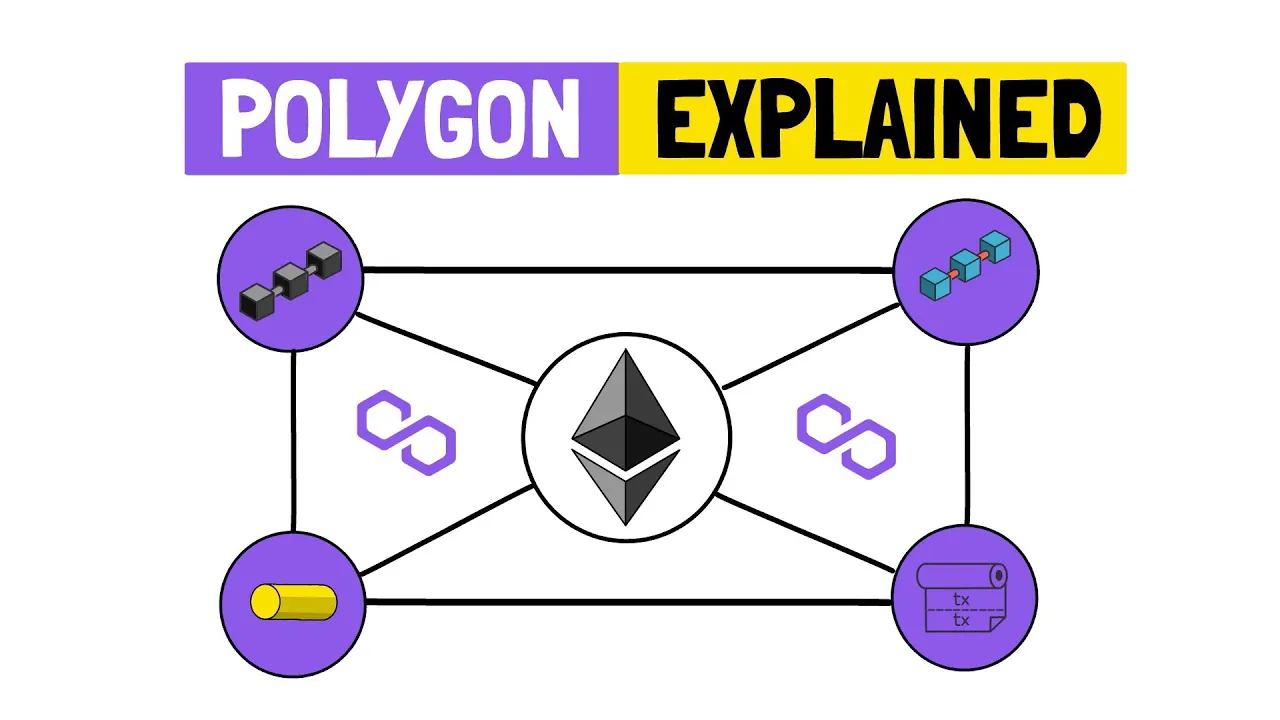
A comparative analysis of Cosmos with alternative interoperability and multi-chain frameworks, such as Polkadot's Relay/Parachain model and Avalanche's Subnets.
The concept of shared security models in Cosmos, including Interchain Security (replicated security) and how the Cosmos Hub secures consumer chains.
15K views289likes2:12:58Original Release: 2019-03-26
hey guys my name is Sonny for those who don't know me I'm a researcher at cosmos tender mint I was also one of the cofounders of blocks and at Berkeley about two three three or four years ago now go ahead and you know get started and talk a little bit about what is cosmos so you know the tagline I gave this talk was many chains many tokens one ecosystem and hopefully I'll explain what that means so before we start talking about block chains let's just talk a little bit about like the evolution of like human coordination so I would I assert that you know the first stage was we have these like ideas of villages and kingdoms where you know they were relatively isolated you don't have much like economic court like integration you know you've Mesa Kaleo knee really trade with you're like neighbors and that's about it and you know because of that like they just weren't able to scale very high and so you know I assert that like you know historically what we see is that economic growth comes from increased economic connectivity so as you're able to trade with more people you get you know you get more and more growth and so I think the second stage of civilization was this was empires where basically we realized that okay how do we get people in Greece to trade with people in Persia right it's like how we do it is by having like you know everything under a common set of laws and rules where every you know common ruler so you know you have standards you have you know if they don't want to trade well you know you put a gun you march your army on them and force them to trade with you and so this is kind of like what we did and you know I sure I don't have explained to you guys like you know what the downfalls of empires are like the moral hazards and whatnot so the third step was what we have today which is nation-states and city-states we kind of have a combination of them in the world like nation-states countries like you know Germany France we have city stage you know countries like Singapore Monaco its cetera and we I actually we're seeing a shift towards more and more City stage we see this and like you know for example Catalonia trying to secede away from Spain which I consider that sort of a city-state and so essentially I see I think what the greatest innovation of humanity in the last hundred years was we realized how we can do economic integration without political integration and so you know we did this through a couple of a multitude of technologies including like you know free trade zones where you know we we country came to coordination saying like okay and these areas free trade is like you know the norm we had containerization you know we came to standards upon how to like you know packaged goods and shipped them so you know everyone's following these same standards we didn't need like you know a government telling us to do it rather what we did it through like you know so sort of like voluntary organisations and so institutions helped as well things like the UN it's not quite a government but it's like you know a common forum where people can come to end us and like discuss like problems and whatnot and like you know hopefully hopefully try to resolve them as well as you know the Internet I think you know Internet has helped obviously a lot now it's very eat it reduced transaction cost for doing business with anyone from anywhere over the globe and you know I think hopefully blockchain will help push this as well economic integration without political but so yeah these are sort of those technologies that helped create this like you know more decentralized political environment that we see today with high amounts of economic integration but low amounts of political integration which is I know in my opinion oh this is political obviously it's gonna be a political statement but I I'm I'm somewhat of a localist and I believe that like you know coordination works at smaller numbers when people have more similarities and like you know the whole Dunbar's number and all that so you know look I think you can get better coordination through smaller political entities at while still having the larger economic systems so let's compare this to the evolution of blockchain development step one generation one came a bunch of independent block chains you know you had the Bitcoin Bitcoin was the first chain and then after that you had many other blockages that started coming along each trying to do like slightly different applications some of them were not doing different applications at all right look like coin and stuff they were just trying to like you know play with the monetary policy a little bit but then you also had some things like you know named coin trying to create like a decentralized DNS system you had saya who was trying to create like a like store decentralized storage marketplace and so you had all of these different block chains but like you know they weren't really able to communicate with each other or anything there are kind of all in their own isolated environments there are also other issues with it back then like you know Bitcoin was the own the Bitcoin code base was the only blockchain code base that existed and so if you wanted to make your own application really what people used to do was like fork the Bitcoin code base and try to modify it but like you know namecoin did this for example and it's just clearly a suboptimal solution it's very poorly designed because it's a fork of the Bitcoin code base and the Bitcoin code base is like you know wasn't designed for that it is designed to do payments and nothing else so so we'll get into that a bit but then along came generation to the empire's these aetherium basically created what I consider the first Empire which basically said okay here is like one monolithic stack and you know build your applications on top of me and you know I will provide you great amounts of economic connectivity and you know you can have like the 0x project you I can use my make or die to trade to get gain leverage on like and then I can like you know use that in a 0x or something so you get high amounts of economic integration this whole like defy movement that's been going on in aetherium but you also get a lot of cons you know you have like very little any individual application has very little control over governance you kind of like you know if you let's say your system has some issue with it and you need governance to solve it you somehow need to convince the entire theorem community to bail you out rather than just like your own personal community so you lose out on some your your community loses out on some level of sovereignty you also have to you know you use a theorem you have to pay your fees in ether this is essentially a tax it's like no different than the tax empires charge on like you know their constituents right and so essentially the more people they have using aetherium it boosts the price of the ether token well you know maybe if you have your own box and you don't want to do that you can use your own feet your own token to pay fees so I propose that the solution is this generation 3 where we have you know many application specific block chains that are all interoperating with each other so you know this is a cosmos check hub chain this is named coin sia auger bitcoin if you're my something smart contracting systems will stick around and i think they're useful but um I'll get into later a bit later why where they're useful but you know each we're not gonna have turing-complete VMs here we're not like you know the auger contract is not is not going to be a smart contract written on the EVM it's gonna be like something that's written into the core code base of that blockchain so kind of like how Bitcoin its code base isn't written on the EVM or some VM it's just in the client code base and you know this has a lot of efficiencies and whatnot which we'll get into and so that's what I imagine that most of these block chains will end up looking like you'll still have some of those turing-complete VMs and we need a way for them to interact with each other we need these links between them where they can you know send data between each other's and tokens and assets like build a common economic connection and so that's nice you know that sounds good from like you know I I don't but I don't want to make just an appeal to it analogy here right like you know I I think that this like generation 1 2 3 of the blockchain ecosystem clearly you know Maps very well to the of human coordination but that's like not a strong argument so let's talk about why so what I'll do for this presentation is explain why we want this kind of design what tools are my company tender mint is creating - to build this and what are so and so we'll start by talking a little bit but you know like why do we want a generation 3 what was wrong with generation 1 and what was wrong with generation 2 so generation 1 you know the benefits here are the sovereignty aspect like you know this seiyya community has control over the sia of la chaîne when they realized that people were like you know those there are a sick manufacturers who are about to like you know gain a controlling share of the sia blocks and network they hard fork their their hashing algorithm right this is something that they could only do because it was a small close-knit community you have way more efficient state which state machines i mean i claim that the bitcoin state machine is way more efficient than the etherium the evm because it's you know just simpler it's Rick you know adapts you're running compiled code not interpreted and you get a high amount of customizability right like the other thing with etherium is like you know in this in the empire model is like they they force things upon you so for example like you know you can't choose what cryptography you want to use because a theorem only has certain pre compiles that on that they you know they chose what precompiled to use and you can't say oh I don't want to use sha-3 I would rather use like you know a different hashing algorithm you can't do that and so you you lose out on a lot of customizability when you're living in someone else's Empire and so that's what you know those these are the benefits that generation one gave us generation two on the other hand gave us you know all that interoperability I've been talking about it made it easier to develop so like I said you know if anyone's tried playing with the Bitcoin like it's like this spaghetti code C++ monolithic very messy it's very hard to understand and it's because of that it was very hard for people to fork it and make complex applications with it so aetherium you know made it way simpler like solidity is not fun to write but it's way better than trying to modify the Bitcoin code base and it you know it actually so that he's not it's getting better and better over time so generation 2 it made it way easier to develop and there's this whole one-click deploys thing we're like you know I write my code as a developer but you know I just press a button and it deploys it and it's live like I don't have to like go out and find you know miners to mine my chain and whatnot so yeah these are so the goal here would be we want this generation 3 to somehow combine the attributes of both generation one and two can we get the price the best of both worlds here and you know that's cool let's go even further like how much can we do even bet than just that what are some if we were going ahead and building another generation that's what else can we add to this system so you know when looking at like designing distributed systems you know one of the best places to always look for inspiration is the largest distributed system in the world which is the Internet and you know the Internet its goal was to connect multiple separate networks of servers into a single network of networks you know that's kind of what I'm proposing our solution is cosmos the Internet of blockchains you know the ability to scale in terms of throughput in geography and the ability to tolerate and recover from failures well if we look at our goals for the Internet of blockchains it's actually pretty similar right we we wanted to be able to scale a number of users and throughput and geography we wanted to tolerate and recover from failures and so you know let's go ahead and add those two to our list of desires that we want scalability and fault-tolerance and then I'm gonna add a third one that I personally you know care a lot about which is you know this is the energy consumption of proof-of-work over the last year luckily it's gone down a little bit because the price of Bitcoin has gone down but like you know at its peak it was doing 75 care what hours per year I you know everyone always gives the analogy of oh that's as much as this country I don't know what it's actually similar true but I heard something like Denmark or something was at the peak was what it was using as much electricity as so yeah this isn't this isn't cool this is I don't want you know let's I want to care I want like how do you also worry about making this sustainable so these are the nine goals that we have in the generation three of blockchains so and this a tenth goal that like we kind of cosmos we kind of like don't our focus which is privacy and so the whole like generation one two three is always a little bit misleading because you know where does like Z cache fall on that like it's not a linear time line it's really like a tree of development or even like a dag like things are boring stuff from each other but you know privacy is like a very important tenth like things that we need to work on but quite honestly the cosmos team that's not our specialty and so we don't really focus on that ourselves instead we just give a lot of money two people who do you know who do do that so you know we fund dan Bernays lab at Stanford as well as all Sandow chess is your knowledge proof research here at Berkeley so that's not our focus but you know that's definitely something well so Dan Pinay so chesa he's basically focused completely on sure knowledge proofs that's just like focus he was one of the co-authors of the ZK snarks paper he is he's one of the cofounders of stark ware and he's currently working on a new construction of journals proofs called Aurora so Dan on the other hand he's more like he I don't think he actually does much in xur knowledge field at all he's just focused more on like you know BLS signatures he's been doing a lot of work on aggregators lately so he's more like I'd consider traditional cryptography and making things like more efficient while Dan is I'm sorry well chesa is more on the you know zero knowledge proof side of things and so looking on the privacy side so Dan one of dan Bernays student grad students Benedict he helped like create bullet proofs which is also like Azure knowledge construction so you know they do dabble in it a little bit as well yeah also like sorry I should've mentioned this earlier feel free to butt in with any questions at any point like yeah thank you for that yeah so yeah back to there's uh nine goals all right so here's what what we want to create how are we going to do this these are the tools that Pender meant by the way it's gonna be a bit confusing because Enderman is the name of our company but it's also the name of a bunch of our tools and so it will be a little bit confusing but gotta bear with it so you know these are the one two three four eleven eleven tools that we're building and that we're gonna that are going to achieve the goals that we want for the for this you know generation three blockchain ecosystem from here on out I'm just gonna call this generation three thing cosmos so cosmos is not the name of a single block train it's not the name of you know cosmos is just the name of this vision of how do we create a generation 3 ecosystem of application-specific chains that are all talking to each other somehow so and so the so these are the tools that we're going to use 10 Derman cosmos SDK and IBC are kind of like what we call our three flagships and then you know some of the you know peripheral stuff that go along with you know helping us achieve those nine goals that we want [Music] yes the one that's the most production-ready is 10 Durman core which is the next thing I'll be going into but it's you know it's been around oh I'll just actually go into it I'll jump into it so tender so we'll start off with tender meat because that's the first thing that we created tournament was created by j-kwon back in 2014 he was just really he got into he wanted to make in exchange and he was worried about the finality properties of proof-of-work so he started like reading it to BFD research and you know he came up he's like you read pbft and he was like oh i think i can make this better so he created a consensus protocol called tender mint and so tournament was that's also why it's the name of the company so we we they spent J and Ethan Buckman who's the CTO he spent they spent about like two or three years developing ten Derman alone and then we started working on this cosmos vision in about two years ago when we're like all right we have a BFD consensus engine what can we do with this now and then we that's kind of what we started thinking about okay this is the whole cosmos vision that we're building so tender mint 10 it'll be a little so tenement is like I said it's an overloaded term it's the company but it's also refers to the consensus protocol like this abstract notion of the protocol and that which I'll call tournament BFT and then this tender mint core which is our actual implementation in like you know it's a software implementation so with tenorman BFT it's basically this like you know three round two round commit system I don't want to go too much into the technicals of tender man in each of these sections I'll have like a list of further reading you can do if you want to learn more about any of these topics so essentially you know this is a great like you know obviously you can't read it right now but uh this is a great like one poster we need to print it out and have it in our office I don't know why we don't yet but this says this is like probably the best like quick explanation of tenorman PFT it I've seen I'll have a link to it so yeah what is tenorman PFT it's a simplified and improved bf key so what this means is I can give a brief summary what what happens in pbft is you have a a BF d consensus protocol that's like going and you have one leader who is proposing values and everyone else is committing and it works very well in this situation and but the leader stays the same if the leader goes down pbft switches to a different mechanism for leader reelection and this leader reelection mechanism is you know very complex and whatnot and so you know a lot of thought has gone into like solve it like improving the leader of reelection so if you guys know thunder there they have like a mechanism where they like fall back to a proof-of-work blockchain to redo to like do the leader of reelection I think that's actually very silly what tenorman does instead is basically what J's you know innovation here was was he figured out how to do it all in one round or in one mechanism so you can do the leader reelection at the same time as you're doing consensus on values and so what this does is you know it allows you to not have this it simplifies the protocol significantly and it also allows you to change the leader every single block so you know you can imagine that pbft is not good for public blocking because that you're you're designating one person as the proposer every single time and that's a huge censorship concern right but with tender mint it's you can change the proposer every single block and this you know allows it's a censorship resistance mechanism because now you don't have one proposer who can choose to choose what transactions go in or not if one proposes censoring you it's fine hopefully the next proposer will not be and it also was very well designed for you know working over a gossip network where the problem in pbft is the when there's Byzantine faults like malicious faults to show evidence of it there's a lot of like back and forth required so like you know if we you know you faulted and I wanted like share information from you we're gonna there's a lot of back and forth communication and it kind of assumed that the two people have like a direct connection to each other tender mint the evidence is very compact and that makes it very efficient for propagating over a gossip network which is what blockchain networks usually are and so that it's also very well designed for use in public gossip networks over the public internet while pbft was only really ever tested in like private permission settings so you know tenorman we are heavily consistency prioritizing or safety favoring so tenement what it will do is if there is a it is safe in a synchrony so what that means is let's say half the nodes cannot talk to the other the transatlantic cable was cut or something right this entire botching will halt no more blocks will come until we figure out how to resolve the situation aliveness favoring blocks and on the other hand such as any proof of work chain it will instead go split blame split brain and start like you know creating two fours I will not be able to resolve and so you know I think the safety favoring it's very important from you know I to me block chains and consensus protocol we're about coming to consensus why would you want something that is like inferior to come in consensus I think safety favoring systems are superior to liveness but and so you know we have provable liveness and partial synchrony so unlike Bitcoin where if the synchrony time accidentally go so let's take a theory I'm right it has block x of 15 seconds if the network delay like exceeds 15 seconds the the bottom will never be able to resolve it'll just remain in a perpetual fork where it will never like you know come to consensus in tender mint as it doesn't matter how long the delay is as long as it resolves at some point it will continue to make progress so you know if let's say you know the the block time son the property network propagation time suddenly jumps to like 30 seconds it's fine we the system still works it'll just be making blocks every 30 seconds instead of one second yeah I talked about the rotating proposer it has a safety threshold of one third of the validator power so you know as long as less than a third of the validators are not malicious it will never fork and as long as less than 2/3 of the validators are not malicious we will always be able to attribute who was malicious and be able to punish them somehow and then finally you know we have like tenorman 2.0 in progress that's how we can make it even more scalable things like BLS aggregation for signatures you know pipelining so these are all like if you're interested in that kind of stuff you can come talk to me afterwards and so why does 10 Derman BFT help from a scalability perspective it comes down to that idea of safety and asynchrony or by the liveness and partial synchrony the problem with Nakamoto consensus is if your propagation and mining time exceeds your block time the system will go split brain like I talked about like it you'll have to Forks I will never be able to resolve on tender min however if the so that's what happened here let's like what happened here is the block this is like step 1 the time increase now the system when split brain in tenement on the other hand let's say the propagation time went like you know increased suddenly it's okay the parse this the liveness and partial synchrony aspect of tender min will just increase the block time to a lot and make it safe and so what this allows is it allows you to push the block time as low as possible so improve in Bitcoin the reason the block time is so high is in ten minutes is because they're very paranoid that they they don't want to get ever get into this situation so they think 10 minutes just a long enough time same thing with a theorem you can't really push it lower than 15 seconds and already that 15 seconds I think is a little bit too low we're having too many orphan blocks right now that's why in tender mint you can push the block time you know have the default be one second and it's fun like if it's not what if it doesn't work in one second it'll just happen whenever it needs to and so you know you can have way more blocks happening way more transactions happening you can the this the safety property of tenorman allows you to push the system to its limits which you cannot do in nakamoto consensus it's not a Bitcoin because ten minutes is insanely high but in theory I could totally see it happen 15 seconds and you know sudden internet network delay is like pushing it beyond 15 seconds I think is a very reasonable system especially when you're starting to like run you know run over let's say you're trying to run your blockchain over tor or something right where the network delays are very high and unpredictable yeah so you know tender mint all right it helps us with two of these concerns we were carrying about which is the scalability like I talked about and the fault tolerance and if you want to learn more about tender mint we have a formal specification written by Zarko J and Ethan a lot of people like didn't liked Enderman for a while like a lot of academics because you know tenorman has a very like you know engineering focus rather than academia and so we just like you know we wrote like a spec a small speck and just like started implementing it without like doing like the form we have like heuristic old proofs and so that's why I like a lot of people I could academics were like oh like it's not real until you have a proper paper so finally this year like last year October or so we finally put out a proper paper with like formal proofs of safety and liveness and so you can go ahead and read that that link that that cool like poster thing that's at that link and christine wrote a blog post a few months ago comparing casper to tender mint and so you know one of the main things is casper still seems to be liveness folk favoring for what reason I cannot imagine so tender min core this is our actual implementation of tenorman so we it's we're it's written and go there is some very early progress in rewriting it and rust right now but it is the first option grade BFD consensus engine a lot of people thought that BFT doesn't scale because almost all the implementations were written by like grad students for their thesis or something and so you know they wrote it in Python single-threaded like it just that's not how you build a production system if you wanted to build a production system you know you need to have a concurrency you know multi-threaded systems and you all suck like you know writing a tournament looks so simple in this like nice little diagram but when you actually start getting to like writing an implementation it's like you know you have to start worrying about like you know you think you're on round three but you're suddenly getting blocks from round five and you're like what's going on are these malicious blocks or are these like you know am I just delayed from the rest of the network and everyone else is on round five on round three you're a lot of caching and like you know building the production implementation is much more complicated than just like a small prototype yeah just slightly better performance I honestly I'm not a rush developer so everyone else seems to be going crazy over it so Ethan Buckman who's the CTO he's the one who's really been pushing the rewrite and rust so I think he's just working on it on its own in his own right now as a little side project but I think it's just a performance benefits yeah and so yeah Enderman core first production grade BFD consensus engine I think the second production grade vfe consensus engine we're starting to see is the honey badger implementation by the POA Network team so you know I have an eye on their implementation it's pretty cool and so what tournament does is it handles all the p2p and consensus logic for you which all get into in a second and you know there's another view of like how tournament works yeah so you know scalability this is this benchmark husband was from like three or four years ago so this is very clearly out date outdated and this 14,000 number sounds high but it's very misleading because this is tender mint running without a state machine we're just coming to on bites but not actually processing those bites anyway so in a blockchain really you're like what limit is actually in the state machine not in the consensus protocol so as soon as you slap an EVM on top of tender man it's quickly jump from fourteen thousand to two hundred transactions per second that's still way better than you know aetherium proof of works fifteen transactions per second so you know there is you do get a some scalability benefit it's not as you know it's not the magic bullet because you know really what we what you have in scalability is there's two types of scalability there's what's called vertical scalability and horizontal scalability vertical scalability is how much you can scale a singular blockchain so you know like scaling it kind of like scaling getting a beefier and beefier sir server well horizontal scalability is you know you have you know you scale out like you know you have you buy more servers at or you you use some sort of parallelism that's what like horizontal scalability is and so tender man core gives you a decent amount of vertical scalability but it's not the Magic Bullet which is why we need the rest of cosmos for the horizontal scalability so the other thing what tournament does is a blockchain essentially has three layers to it there's a networking layer which handles peer to peer gossip etc transaction propagation there's a consensus layer which does like you know the actual BFP consensus in june and then there's an application layer or or consensus layer it could be like into the proof of work and then there's the application layer which is the state machine of a blockchain so in Bitcoin it's there you know you TXO processing system in aetherium it's the EVM is the application layer what tenorman does is it creates a standard software stack the handles these bottom two layers for you and then you can write your application layer in any language you want and it talks over a socket protocol called a BCI and so you know it's similar to like you know you would have like different server services running like talk to like an Apache web server same thing goes here you have your state machine written any language you want talking to tender or and you know so you can take the evm running on this called ether Minh someone took the chain calm VM and ran it on tender mint they call it a chain mint and we have you know implementations of you know we have example applications for running on 10 min core in like every language from like practical to oh camel and another cool thing what tournament does is it allows you to define your own validator set however you want so you can use tender mint in a proof of authority setting and a permission setting or you could use it in a public proof of stake setting you can even use it in a proof-of-work setting if you wanted to not in Nakamoto consensus proof of work but rather people are doing hashing submitting hashes to the chain getting voting power and then are able to use that voting power to become validators in the system I haven't seen anyone implement this yet but I I'll probably go ahead and do it at some point I don't see anyone else doing it for a little while I want to show a proof-of-work BFT system so that'd be really cool and you know one of the benefits of this like being able to define your own validator set which is what tournament core allows you to do is it enables what like a level of sovereignty and so if anyone knows what this flag is it's the flag of a country called LIBOR land it's like this little made up country in between Serbia and Croatia caused by interesting weird your graphic quirk and so you know I've been helping their team out just for me it's just a little sandbox for a different blockchain like proof of concepts or like you know if I want to create like a voting system or something before I'd go test it in library land and then like go to a real country and be like hey look at my little sandbox at work there you want to like try it in like zhuge or something so that's where I've been helping them out with their project a little bit and so one of the cool things is that like you know by hat I believe that you can have higher security than pure economic incentives alone this kind of goes back to my whole belief in like localism where if you have like some level of community incentives beyond just pure economic you can haier like coordination and security so if like all the valid ease of libel and were library land citizens right like and that was part of the mechanism of coming of validator you know that could you you can they have social and political incentives beyond just pure economic and they're less likely to try to attack the system then if they were just doing it out of a pure profit profit motive and so there is just like but you know it could still be proof of stake but with other requirements right so having to have like that the librarian asset citizenship it's like an asset and so you it's like marked on your you port ID so you know that could be a requirement so there's I think this is like interesting continuum between private and public block chains and it's not this is like binary thing and so there's a lot of room to explore there and I do think you can sovereignty can help you with security so right tenement core these are some of the benefits of gave we got that sovereignty I just talked about yeah the customizability you can write your state machine any language you want you can write any state machine you want you can take an existing state machine and run it on top of tenorman like we saw with like the EVM or the chain comm VM it helps with the scalability like the vertical scalability we talked about and it hopes with that one click deploy system we're like you know you no longer have to go up well you still have to go out and find your validator but it helps in the situation where like you don't have to write a consensus protocol or peer-to-peer logics like most developers they want to write their application logic and not go and write a consensus and peer to peer by themselves and so it's not the tenement just wraps us up and handles it for you and so if you want to learn more about Enderman core there's the documentation there's some performance testing results that are way more recent so the that graph I did was some like three or four years ago the these results big chain DB just did some performance testing about three or four months ago and so they have way more up to date performance numbers and then Ethan Buckman's master's thesis which kind of it has a it's also a good resource for just 10 min be of T as well as some of the design of tenorman all right so I'm not sure what the status of the chain DB is as a project from what I on this last rumor I not rumor but like last thing I heard was like you know they gave the that team gave the created a big chain DB foundation gave that project opportunity B and now they're focusing full-time on Ocean protocol and I'm not sure who's actually developing a chain DB right now I'm not actually I'm not too up today with the actual internals of their project right now sorry and by the way a number of people are using tenorman core already who aren't who maybe aren't using any of the rest of our staff not using our cosmos SDK or anything so like you know we have like a FX exchange that's that you know does over a billion dollars per day you know they're using tenorman core internally the National Thailand is China is using tournament right now for their national ID program I heard rumors at PBOC that People's Bank of China using tenorman core right now yeah there's a number of people who are using tender mint already and in like lot and like production systems yeah and so any other questions about can any other questions about Enderman be FTE or tenement core Yeah right now like basically right now even tender mint is going under a rapid iteration largely not on the BFD consensus side like the consensus logic is pretty standard like that that is done and like we're not playing too much with that what we're playing with more is like you know a lot of the a lot of the stuff around like a BCI and stuff like some of this you know adding fields to that protocol that sockets back and whatnot so yes right now tenement core is pretty solid from a B of T standpoint but just from the like tooling around it it's still going drop under rapid iteration and so if you are using tenorman core we do high lease right now until it reaches some level of stability we do recommend like having some sort of direct lines of communication with us like we'd love to add you to our partner slack or whatnot to coordinate there yeah yeah but this version in the next version is gonna require you to change you're right right we're going to like start shifting into more like you know versioning better versioning we're like you know we'll continue to support older versions and you know obviously update them with bug fixes and stuff right now we've kind of been only having one development pipeline where a bug fixes are going in the same spot as features and whatnot and so we do definitely have to improve on that process and make it easier for our end users does you guys yeah right okay so like I said you can use tenorman core with any mechanism of design using your validator set and that's decided by your state machine your state machine basically tells tenorman core here is the validator set and you can use with a permission system but we personally propose is using it with what we call proof bonded proof of snake and you know why proof of stake you know this is like a tweet thing I did from like two years ago now 2017 but like you know there's a lot of benefits which is like you know the environmental the scalability which is actually not correct but you know proof of stake itself isn't what's giving you scalability it's the BFT tenorman bf key that's given and it's giving you scalability but people often like you know same thing with proof of war people often mix up Nakamoto consensus the consensus protocol with the civil resistance mechanism and they're really pretty distinct same thing with here so scalability not really but you know it could possibly help with decentralization where like you know Asics continuously just keep getting more and more centralized helps you with like dishonest resistance and so you know some basics like you know you use bonded tokens as the resource limiter for determining voting power so you know you take some of your tokens and one of the change that we're building called the Kosmos hub the token is called an atom so you go ahead and take your atoms and you like put it in a bond and whatever percentage of the bonds you have were yours that's how much voting power you get and you know it eliminates the wasteful energy consumption of proof-of-work instead of using energy as the resource limiter you used locked capital you built and you know in my opinion Dan Robinson made this clip for me where like you know and proof-of-work you are when you burn electricity you are burning society's resources when in proof of stake when you lock up capital you're actually just redistributing society's resources because everyone else becomes slightly richer and so you know it's not a waste of society's resources which really bugs me it's a public permissionless system you know I and I maintain that it is just you know a lot of people will say oh there's more censorship concerns and proof of stake that improve work you know we can have this discussion afterwards but I've maintained it is just as censorship resistant as proof of work for any practical scenario and so we can have that discussion later yeah so two questions the first is around distribution it seems is so who board even though you may dislike the burning of resources it is a very effective and fair distribution method to get coins out into the market and the second question is around is around how like what is the incentive for people to actually stake outside of you know like why don't people walk up their capital how this cosmos can compete with you know other reasons to allocate capital elsewhere because you're gonna have returned all those things I will answer that question in two slides so and then we stalled this nothing at stake problem with slashing a none bonding period so you know tenorman core it tells the state machine oh I found these malicious validators do what you want with them and so our bonded proof of state mechanism it burns their coins and like you know there's other things you can do with them you could like you know put them on a bulletin board and like everyone can publicly shame them but we focus on like economic incentives of like burning their coins and we have a mechanism for delegation where like you know the process of running a competent invalid or is not easy as despite what a lot of aetherium community would like to think like running a I've run a validator called cyka and it requires running a hyper secure always online hotkey and if anyone can hack that validator they can burn your money and so that's not okay and that's not like accessible for your grandma is not gonna be running you're a validator right and so but it's this delegation mechanism allows anyone who has coins to still you know delegate it to another validator and still participate in the staking process choose which validators to go to they have skin in the game so if they if their validator misbehaves they get slashed as well so you know they really have to like be very careful with who they delegate their coins to we have automatic reward distribution so you know unlike you know for example tezo's a lot of a lot of their bakers have just been running away with the delegator x' funds instead we have like an efficient mechanism for like you know making sure the rewards that distributed properly to the delegator x' and so you know there's no risk of the father's becoming malicious the value just can't screw over the delegator x' without also screwing over themselves that's kind of one of the goals there and we also solve a lot of the stickiness issues with proof with like proof of steak with like features such as instant-read allegation and something called validator commitments i gave up i gave a talk at CSC i'll have a link to that talk you can go watch that if you want to learn more about purpose stick about all these like cool features that we've created and so to answer that question the multi token model our claim is that we are not trying to make money here thus taking tokens should actually be only a staking token and nothing else in fact we make it very inflationary in order to punish someone who is not staking our goal is to have the majority of atoms be stake like we're talking about like over eighty percent probably we money in our system is going to be other stuff maybe Bitcoin or stable coins whatever and the incentive to stake is you earn the fees that other people are using that and so we our system allows you to pay fees in any token so you don't have to like I said we don't like these empires who are charging ether for fees right we want a system where if you have Bitcoin and you want to pay your fees in Bitcoin you can do that if you have Ethan you want to pay your fees and eath you can do that if you have died and you wanna pay your fees and die you can do that so we have an entire mechanism designed to allow this and so as a validator your benefit of staking is that you earn the fees that people are paying in monetary assets like BTC and eath and die and dogecoin and so it's very similar and it's like staking token model is very similar to the ASIC security model where like you know it's why Asics are more secure than GPU system because if you have the majority of staking tokens already staked it's very hard for an attacker to suddenly buy up a large amount of staking tokens on the public on the open market and yeah like I said it massively improves the user experience I mean get away from this like Empire like mindset where we have single fee tokens yeah because if the staking token has too much utility outside of staking this it shouldn't be too liquid on the open market making it very easy for an attacker to suddenly buy up a large amount of the staking tokens it's it's it's arguing with a six as well right like you can imagine that almost every ASIC in production every sha-256 ASIC in existence right now it's actively mining Bitcoin right or Bitcoin cash I guess but it makes and that's why I like you know minority hash power chains are not secure because it's very easy to suddenly bring in a whole bunch of new hash power into a chain that like doesn't have it but if you in in Bitcoin the shock the Asics are helping secure it because it's almost impossible for any individual to go by like 51% of the Asics in existence right and the only way for them to do it is to manufacture those a six which isn't really feasible in like in a non detectable way you know you also mentioned like 80% is coolest I that was a number I made up but I'm talking about something like high number no no sorry no no what I meant was 80% of the staking token so let's say there's a billion atoms in existence we want 800 million of them to be stayed that's what I meant by 80 percent maybe there's 200 million that's open because people are actively using them for trading or whatever they're doing with it right I don't know yeah but the idea is it's gonna be hyper inflationary so if you don't the longer you have your token not being actively staked you're gonna be getting like inflated away very quickly in fact we didn't want to do inflation if we could have we would rather implement it as a demurrage we're like if you're at stake token is not kind of like an ASIC right if you're if you're not using your ASIC it just like degrading in value because it's not only proof of stake there's no mind there's no proof of work at all in our in our one of the two in this branded proof of stake mechanism we're building there's no proof of work now like I said that's not to say you can't use proof of work in your own chain and connect it to cosmos right you can completely do that we're just this is just one this just has to do with that like one of the goals that I really cared about sustainability and we wanted to build a tool that if you if your chain what cares about this I'd use proof of stake if you want to go use proof of work you can do that and it's completely permissionless the point of Cosmos is to be an open system where it doesn't discriminate on this basis on the basis of yeah yeah and so basically what we've been spending a lot of time on is making sure that like trying our best to mimic the security properties of proof of work in proof of stake and like especially like the centralization concerns I think every proof of state mechanism that's been proposed so far is gonna be way too centralized until we've added these things like instant read allegation and whatnot to inflation yes it's going to the state yeah so if you're staked it's going towards this you get a cut of those new tokens what I would have liked to do is do demurrage where it's not there's no inflation but rather tokens that are not stake are just deep decaying and value this would have been really nice from I think it's simplistically like it's less met it mentally simpler to think about and it would have also been nice from a tax perspective because then it's not income but Roth if your stake to trial their capital gains I would have a nice but it's just very hard to do that implement this from a technical standpoint and from a UX standpoint yeah but really the goal yes that's the goal here and the goal is to like allow yeah yeah the idea is that people who aren't stake are having us low smaller and smaller percentage of the total supply of atoms and the total supply of atoms the valuation can be like thought of as like a discounted cash flow unlike you know future fees coming in to the chain yeah seems like if I had 30 percent stake and it's hyper inflating if it's a state because I'm getting all the new tokens then you know the rich get richer kind of scenario yes but like you know like I said it's not gonna be that there's no one no liquid atoms right like it's not it's not possible to imagine that like a hundred percent of atoms are state and we actually have not designed our inflationary mechanism so that the less atoms that are staked the more hyperinflationary it becomes to encourage more to stake and then as it reaches higher numbers like 80 percent the inflation amount like decreases so that way we still have some amount of liquidity in the open market yeah so the inflation come in the form of the transaction values changing over time or are you because we can't really but in the market and an open market scenario right you could have any course you wanted but that's something that the market doesn't follow that oh sorry I'm saying this equation come forth change the price we just inject more Yuans right but the value of the transactions mistake read into something remains the same yeah just added more currency to the writing right yeah we can't force rationality upon our users but like the idea is that like in theory as we inflate the system each individual token should become less valuable but the overall market cap of the entire atoms should remain shouldn't be changing just because we're inflating it yeah so no so I'll say this I and I mentioned this in my actual proof of stake talk which is you know this link right here but like all of these constants that we're using are just made up right now like in my proof of stake talk one of my constants I used like Yi over PI for one of my constants just to show the absurdity of these car of some of these constants where these are and they're just as absurd as like any of the constants that like even Bitcoin traders write like Oh 21 million where did that number come from having every two years where that number come from right and so you know just proof of stake I don't I don't think we've seen any production implementations yet that are actually like solid and valid and so hopefully as we deploy proof of State block chains will slowly start to learn like what where these constants should lie and so for the cosmos hub which is one of the change we're building we're setting the limit at minute the minimum inflation is 7% annual and the maximum is 20 percent annually yeah so if it's zero percent of stake is staked then the inflation percent is at 20 percent and as 60 cents to get to 67 percent it drop to 7% and then it just remains constant for the rest at seven um if the currency doesn't get super to values in the future does that mean that there is less at stake you know I mean just like prevalent for my kids not to like nothing a state problem perspective like what if the curse gets too depleted what people care if they're like this yeah did they have more cocaine state right does the same like it's the same thing economic value of state yeah each individual token is less valuable but the amount of tokens are a state they're increasing right yeah um so you know if you want to learn more about this so if you want to learn about all of these like features like instant relegation whatnot watch this talk if you want to read about the multi token model thing like I I have like a you know a much longer form explanation justifying all of these things this is a paper I just made it for a conference so don't like tweet about it yet because I don't want the contras people who get mad but if you want to read it yourself you can read it there and then this is another paper that was talking about the efficient token distribution reward distribution not so that's a typo it should be reward distribution how do we make sure that validus don't run away with delegate as funds but how do we do this in a computationally efficient manner without like eater radio you know because there might be millions of delegate errs we can't iterate over every delegate or every block in order to give them their rewards right so we need to it this is this interesting from like a computer science perspective how we implemented this all right yeah I need more question final questions on this uh proof of State yeah whatever yeah what is that everybody's learning yeah so gay mistakes what we were doing was it was a test net for our cosmos hub blockchain and the idea there was we just I don't know it was a weird idea the idea was let's simulate a long period of time in a short period of time so let's like make the inflation percentage instead of like seven to twenty percent we made it like ten thousand percent annually or something in order to like mimic like Lightspeed like over like over long periods of time and we just wanted to see what kind of attacks happen in practice and we we were actually pretty happy because a lot of the cartel attacks and stuff just weren't able to happen because you know validators are actually competitive enough that they don't cartelize and so that was very interesting that we just thought it was just a mechanism of it did two things game mistakes that helped I guess some of these proof of stake mechanisms and two it just helped test our software so Gaia is the name of the software that the hub uses and so yes the game mistakes was a test net running gaia cosmos hub is another chain that's running the Gaia codebase does that make sense yeah I'll get into a bit of game mistakes later yeah okay cool all right next one next up cosmos SDK so let's go back to our generations system generation one if you want to develop your own blockchain got a fork the Bitcoin codebase that's you know just a recap of what we're saying ugly spaghetti code C++ very monolithic stack so everything's in this like one code base and there's like consensus logic mixed up with state machine logic and stuff it's like nurse especially things like seg wit makes it even more like so and because of that it's like you know even if you fork your codebase you have full control over it sovereignty aspect but you know you just don't have it's very difficult to work with it's hard to make anything very advanced which is why basically every early Krypton project was just a slight for con Bitcoin you know changing the monetary mechanism or changing the hash algorithm not nothing very fancy theory um you know like I said easy solidity makes it super easy or super easy but you know easier and you know yeah we already been went over all this it just makes it a lot easier but you lose out on the sovereignty and all the stuff we talked about so cosmos SDK here the premises let's build a framework for making it easy for people to write your own block chains and the idea is you're writing it in native code it's in go you're compiling your blockchain codebase and then running it as part of the client code it's not running on this turn complete VM it's you know these application specific block chains like you know smartly what I was saying smart contracting is useful and I'm a big fan of smart contracts as long as that they're used as they sound as contracts if you need to make a one-time contract if you need to make a short-lived thing like smart contracts are great for that but they're not great for adapts you don't want to deploy Dex's right Dex's and smart contracts you don't want to write prediction markets and smart cons you don't want to write these complex systems icos with a perfect use case for smart contracts they're a short one time like use thing that's very shortly that was a perfect use case for smart contracts but now we start people seeing like deploying like a gharana theorem and it's just like it's it's not it's not working it's so most production apps don't actually need a turing-complete VN you know the application logic you're writing in core code and then you deploy it having these application specific block chains that reduces the attack surface like you know you don't have to worry about the complexities of the VM which are essentially caused like you know the DAO attack both the parity bugs etc you get the efficiency gains you to lower computational overhead you know iBM has know about 100 op codes let's say you just wanted to make a simple storage system right nothing else you don't need that many opcodes you can you know you reduce the complexity it's all compiled about that are interpreted and you can fine-tune to optimize for your application so you know Bitcoin uses UT exo's because UT exo's are better for payment systems they can be parallelized much more easily than the account model but if you use the VM you have to use what they tell you to use which is like the account model you don't you don't you lose out on that ability to fine tune to optimize and that customizability we were talking about so the cosmos SDK it's a framework for building blotching applications you can think of it almost like the Ruby on Rails like the goal with the constants decay is to do what Ruby on Rails did for web development it made it provided this very easy to use web framework that allowed had a lot of packages and or gems and you know you can combine into like you know making more complex web apps and so it's completely open source and available on github and it has this concept of like it's a very modular architecture so you know you can pick and plant choose pieces from like these modules and fit them together to create your own block train these modules are secured by you know this thing called principle it uses principle of least Authority using this thing called object capabilities if anyone's familiar with those but no fun security stuff you can look into that but yeah and so the idea is you know you can use modules that other people have already built or you can build your own modules and hopefully they open-source them well you have to open source them if you want to deploy your train but like you know and downstream them to enrich and contribute to the cosmos ecosystem so like you know we can see what what I mean by this you know so we so we have these like core modules which are you know we have accounts with coins and everything we have that whole automatic reward distribution or our entire bonded proof of stake mechanism that we propose we have it implemented and our staking module sloshing ibc I'll get into governance we have like you know on chain voting and every and like I said you know I'm pretty conflicted myself on Unchained governance but in certain if you were saying you don't want to use it you just pop it out you don't have to use it and so you know one of the change that we're building is you know called the cosmos hub it's really just a mechanism of dogfooding our own software and so now it uses the core modules also tenement is like I'm you can think of it as a module in the SDK 10 minutes cool because you can use it as both a because it didn't go you can use it as a socket protocol or with anything but if you have your state machine go you can actually import it as a library so that's kind of cool so Peggy so you know we our core modules plus another an extra module called Peggy ether mint is like you know the core modules plus this EVM module that we're writing and this like shared security module there's a project called iris Network they're doing something like micro-services stuff that they're writing modules for there's a project called lino where they're like adding some like you know auction and auctioning module a bandwidth fees module they have like a reputation module that they're building Kaba they're a team that's like you know writing a lot of payment channels modules and like some modules to interact with the inter ledger protocol fourth state as a team they start of bluffington berkeley they're there so for example they're using our peggy module that we originally created for the cosmos hub but they're like you know because it's it's open source ecosystem you they are using that module along with their own plasma module that they're developing and so the idea is like you know there's so many more modules that are yet to be built you know this flag is actually little bit all we have some people already building like Dex modules and stable core modules and Oracle's and stuff so there's a lot of cool stuff to be built and enriched this module ecosystem and so the idea here is you know the efficient state machine all those benefits of application-specific boxing's instead of churn clemmy's vm you get a lot of the customizability so you know the accounts module that we use actually does use account numbers but you can also use the SDK to build a system that uses uth so you have that full customizability there you have you have it's easier to develop you go it's just way better than solidity it has like you know so much documentation around it - laying winters I des and a ten Billy I don't how much Google is worth the multi multi multi-billion dollar company pouring billions of dollars of resources into developing this toolkit instead of having like five people at this year and foundation developing solidity and then it helps with the scalability aspect from the application specific side that we talked about and you know some more resources so this sdk territorial is what so you know this talk is part of a series the third section we're gonna have to be doing the going through this tutorial and building a sample module a sample application on the sdk so that's the link if you want to get a head start or something here's the repo of the cosmos sdk and this is a blog post bike out here one of our co-workers this a longer form exposition on the case for why application specific block chains make sense cool any more questions on any questions on the sdk cool oh yeah I mean I'll get to that when I get to the cosmos top section yeah yeah the and so the next to section seven sessions of this series are going to be focusing a lot on the SDK so the next one Aditya from fourth stages are we coming and showing how he built a platform module on the SDK and then the next one will be the tutorial no then this is a sort of some of the other stuff that we work on like you know more of the lower levels Lib stuff we have like a protocol we have a encoding standard called amino it's basically like what we claim is an improvement on protobuf it makes it easier like it's deterministic which is nice like so and then you know it naturally supports interfaces instead of using one of like protobuf and the cool thing with this is you can actually generate your proto files your amino spec files from go code so instead of having to write like protobuf files and then like having like the translator struct and go and then like your actual operational structure and go you can just write your code and then um you know handles the creation of the tooling for just a nice developer tool we do a lot of like just like hacking on side developer tools and this is sort of like one of them another one is the AIA BL plus tree it's a self balancing AVL tree where all the values are stored at the leaves and it's immutable width and so it updates using snapshots and caching that's where the eye comes from and the plus is from the values when you sort of the leaves all operations are login and no hashing keys is required and so this is actually super important which I don't think a lot of people realize and I did not realize for years I have wondered why bitcoin does not have a state tree why does it not make a Merkel tree of all the current sort the current UT Exocet and make a Merkel tree out of it this would help a lot with like proofs of non-inclusion you can prove that aut EXO has been spent or has not been spent yet to a light client this is so useful and it makes payment channels much simpler and whatnot and so I was always a so confused and I've never seen a good explanation for why they don't do this and one of the Bitcoin cash devs Amaury such a well be doing an epicenter episode with this week so he's the first person who finally gave me a plausible explanation here's the reason this is sort of a good tangent but I don't I like I just honey so cool so I'm gonna go on and discount it what happens is is if you want to sort the Merkle if you have if you have a sorted tree Bitcoin you TXO IDs are hashes as well right and so they're being inserted randomly into this tree and because of this every time you insert something into the key you have to re merkel eyes it and you have to get all the inner nodes and like to like do all this remarkable is a ssin if you as your state becomes bigger you're gonna stop being able to fit this in memory and you're gonna have to start be writing this to disk some of your Internode's to disk and now because it's random there's no caching strategy that you can use in order to like kind of cache things in some inter nodes and have some sort of predictable system if there's no caching strategy and you're just constantly reading from disk the system is just gonna become so slow even the etherium has this same problem with their patricia tree they hash the keys and they ready to disk and I could you know the I claim that like you know this is one of the biggest problems of the theorem state model and like it doesn't allow it to scale the turbo guest team has been doing a lot of work to improve this but you know I just think that some when you explained this to me that like oh that's so cool I've never thought of this before and so cool thing is we don't have shower keys so we don't have this problem you can have an efficient caching strategy and you don't have this like state bloat causing an issue with like disk reads and writes cool you know and then we do a couple of other cryptography stuff like you know we have our own library with Amino support built in some cool multi signature methods some of our interns have been working on light from last summer we're working on some BLS they can aggregate and multi I could get signature work and some implementations and a verifier in the EBM so this is a sort of like you know other cool stuff that we just create or work for and we also have a connection in my mind like that oh yeah so you know some of the you know the low-level lives it just you know helps build stuff a lot easier especially that cryptography library that has a me know support it makes it just the development process makes it a much easier much easier and the whole IAB elf tree with the know hashing I think adds to the scalability benefits as well yeah and you can read more go Amino repo ivl repo and they'd be less weibo the sdk was a framework for building your state machine right like you could write your state machine from scratch if you wanted to and a lot of people do like I showed you let you know all the languages we have like people have already built stuff in most of them were just built using like bare metal state machine code bases but the SDK was meant to like it provided you a nice framework this modular system to make it easy to write a state machine and go but it's not gonna be the only framework and so we already have a internally developed secondary framework called lotion Jas and so and it's kind of probably hard to read from where you guys are but it's like super simple it's just a nice framework that allows you to write your state machine in JavaScript and it you know they're building their own little module ecosystem it is created by two of our engineers John and Matt who recently just like spun out and created a company called anomic still being funded by the ICF by the cosmos foundation and whatnot so you know this is really cool and I think like you know the use cases are different if I'm gonna be building a high security system I'm so probably gonna use go not javascript but I think there are people out there who maybe will prefer the lotion j/s framework rather than the sdk there's also one called io e i o b weave weave is a fork of the cosmos sdk so one of our lead engineers Ethan Frye he used to work for tenorman and then he left about a year ago now and so when he left he actually took the version of the SDK he was working on and kind of forked it and kind of had his own little vision for it he really wanted to make it much more simpler you know the our our SDK is very feature packed and like you know has all these cool things he wanted to he wanted to do it as simple as possible with like limiting a lot of the features so you know I think it's a really cool framework if you as well so you know there's does that framework and they over time the idea is we can add more and more frameworks so one of the things I really want to do is take parody's building a framework called substrate in rust and I think that would be really cool too we can just take any framework put an a BCI wrapper on it and have it run on tenement core and that's really cool so that's something that you know I'm gonna be looking into in the next few months of how to run you substrate to also create cosmos chains and yeah so you know benefits here you know you get the whole efficient state machine customizability easier to develop here's the link to the lotion Jas repo and here's the link to the iov weave repo cool and ether min this is a you know this is kind of a framework as well as it's a chain that we're building ether it's kind of complex so Ethernet what we did was if you remember from previous slide what I had what I showed was we just took the EVM and ran it on tenorman core we like literally took go aetherium guest stripped out their mining logic and just ran it directly on Cameron core this is cool we have ether mint working and everything but the problem is all of these staking modules and stuff that we've built send a lot of time implementing in the cosmos SDK we couldn't really use that in our ether min we would have to like rewrite our staking logic and figure out how where to fit it into get so instead a thurman 2.0 is we just created an EVM module inside the SDK and so you know it handles all the account databases state trees uses the same RLP encoding that if the EVM uses the cool thing you call it into you can make calls from the EVF module into other sdk modules and to the to the EVM it just looks like a pre-compile call so you know you can have a pre-compile that's like make a vote and you can just call like you know go and it'll call the governance module in the SDK so this is really cool and so you know you get the best of both worlds here if you are still using like let's say you already have a project that you spent a lot of time developing and like you know you already built spent a lot of resources investing into like city code development so you already have something you get like the scalability of 10 demand you get all this modularity of SDK you get to use the existing ecosystem or theorem contract and dev tool Lang and you get the EVM module from turbo guy so we've been working with alexey from turbo gas to take a lot of his like you know massive improvements he's done to like you know the underlying state stuff and like database performance improvements and whatnot and so we're adding that and the important thing is it is web 3 compatible so there have been other previous implementations of IBM on tender mint the most famous one is by a company called moan axe it's a practical hyper ledger barroso that is an implementation of the EVM on tenorman core problem is it never meant a never did web 3 compatibility and because of that and just never really took off but once now that we have web 3 compatibility in this we know it works with like meta masks and truffle and like all the tooling that exists right now and so if you want to build use Ethernet you really need that web 3 compatibility yeah you know these are some of the improvements that Alexi has been working on turbo gas you know mmm not gonna go into it there's two ways to use the EVM module you can use it as a blockchain on its own so you know you can just run a blockchain that has just a VM module and some other core modules and to say and you can just use it like you use a theorem today or you can use it as a library where you can deploy your own cosmos chain with EBM support and so then you can like you know this is useful because maybe you need some level of contracting capabilities for your users right but you want your core logic of your application to be and go but like you want your users to be able to deploy some logic in solidity or you also get you also get like you know you can you can use it as a modular upgrade path so let's say you're a project like augur you've already spent a lot of time to plan your entire thing in solidity what you can do is you can launch it as a chain currently all of your logic is in the EVM but then over time you can like start moving certain pieces out of the EVM into core SDK module and have it be this like slower process of shifting over so like you know an augur you can start moving you're like you know betting system out then you can move your Oracle system out and then you can move your like you know marketplace for the rep tokens out or whatever so that it also provides like an interesting upgrade pathway for existing etherium based projects yeah it's kind of repeat of what I've said and so you know this really helps especially on the you know helps the turbo graphx improvements help make the state machine way more efficient than aetherium main NetID theory um you get that customized ability but because of the library and stuff you can like now you can add your own pre compiles and it's very easy to write pre compiled by writing them as modules and you get that whole like one click deploy that you already are familiar with with aetherium so this is a presentation of one of my co-workers Chris gave it here iam taps to basically tell them about that yeah yeah definitely we've been you know in touch with a lot of these projects augur of Knossos maker like uh most of them are especially are definitely interested and like especially when pitching this like slow upgrade pathway I think that's what got people very interested where you know what I think for a lot of these major the that's kind of why we like originally we were all originally we were only thinking of ether mint as like a chain that we're deploying right like either mate where you could play stuff and then we thought ether mint and then cosmesis decay are separated and like but then and you know we won't really wanted to help people push towards the SDK but that really like freaked people out like we're not gonna go rewrite our entire stuff in that and so now that we pitched this like slower upgrade process people seem to be pretty open to it and like you know a number of projects you know I think shape shift is definitely want to let the the shape ships they have that though hole I forgot what it's called that product of theirs but like that some ether ether their plumbing on ether man or like using the VM but slowly starting to write stuff in the SDK modules and stuff yeah and then so you know a couple of people who are using oh by the way some people who are using the SDK like recently by Nance announced that they're building their decks using the cosmos SDK which is pretty cool yeah so like I said presentation from Chris at DEFCON kind of going through ether mint and explain that and then here's the repo that you can take a look at and now finally probably the thing that people most people yeah so we've been following it closely you know should work pretty well for us but I solve it there hasn't been any development now for like two months or so I was curious if is this still part of the old plan yes probably yeah so what's going on there is the cosmos hub was supposed to launch in December of 2017 we are now 14 months delayed and so we've kind of done in the past couple of months especially is like all engineering resources are shifted towards like focusing on the launch of the cosmos hub but now that that's going to happen within like next two or three weeks we're gonna shift resources back into ether mint and other stuff am supposed to be a module in the SDK that you can use to be frozen so by your c20 functionality depends what you mean by that if you're talking me you literally want a RC 20s then yes like you need a toy in the VM module if you want to custom token the SDK provides a mechanism for you to have tokens and like you can have as many tokens as you want in the chain and each token is native like the ERC standard of doing tokens is very bad like as a contract it's not like it doesn't what in our system in the SDK it allows you to have unlimited native tokens and so that allows all these tokens like I said to be used to pay for fees and whatnot flatten it out compile it my food is wooden and you're done right do that keep in mind here we're talking with application-specific boxing so the idea is you should whatever token you need you should have deployed it when you deployed your block chain right you're you but you're not gonna add a new token on later does that make sense but you can have mechanisms that like you know modules that allow people to mint tokens so I can have a module called Minter and what I can do is any user can descend a transaction saying to it saying like hey make a new native token called Sonny token right and it will do that and you don't create as a native token and everything we're working on that there's a sample inter module in the demo coin applicants ample in the SDK repo but like I said that is definitely needs a lot of work we've kind of built all these sample modules we used to be building kind of all on pause right now waiting like focus on hub launch another cool sample module that's on there is this proof-of-work module where what it does is like you said so I I'm personally of the belief that proof of stake is better for consensus but proof of work is better for a coin distribution like everything that you're saying about like you know I think proof of stake is too centralizing for monetary distribution if you want to try to take your shot like making money you I would say still use proof of work but you can so we have a module that like people can submit these hashes and in mint coins are for those hashes and so you know you can write modules that like omit coins and things like this look at for example if you want a disco your city bullet SPRC 20 years various versions of that deflating and rolls in I'm wondering are parallel yeah exactly that's what the modules are the parallel of although the one thing that's missing I'm sorry the one thing that's missing right now is we don't have the like common repository yet like you know so the nice thing with like open Zeppelin is all in this one github repo it's very nicely organized right right now that the modules are suppose to be exactly that it's the equivalent up but we need some mechanism of like organizing them in like you know maybe some website where developers can like upload their modules and and then there's also this question of auditing like you know we need some mechanism for like people to read these modules and basically like maybe assign some stake to it and basically say like oh I'm staking my reputation that is it so it's two different approaches to deployment basis right so you're not gonna deploy to a public chain know if possible know with yeah upgrade the public chain through governance or some whatever mechanism right you can say that the governance can choose to add modules but that's like heart upgrade hard work upgrades right not not hard for it does not be hard for it but uh you know that those are upgrade processes it's very different than it's not like aetherium where you would upload in code and running it it's like it's application specific block change you know your application and you're writing that code and you're deploying the application applies completely here as well it's like it's it's the same it works the same way here like we think of it similar to like you know some of the like the generation 1 block chains like just because they're application-specific doesn't mean they're not public chains right like for example it's a named coin right named coin was originally developed by like what's now the block stack ingenuity engineering team right but though that team left stopped working on named coin and instead started working on block stack right but named coin ever died cuz it's this public project that like other developers took over and like continued developing it just cuz something is application specific does not mean that it's controlled by one company or it's a not a public system when you have a whole bunch of alligators that have you know their own private keys and your own company controls that it doesn't those values don't have to be run by one company although the your chain can be secured by a proof of stake system right not like you know you have your own token that you use as a staking token for example uh and we also have alternative mechanisms if you don't want to build up your own community which I will get to and I think the next section yeah cool okay um all right this is probably the one thing that let you know most people know cosmos for probably most famous for which is IBC or inter blockchain communication essentially what's going on here is okay we're able to use the we're doing it's just a continuation of the sidechain protocol that was like kind of originally conceived by block stream back for like a couple like three or four years ago back for Bitcoin but a lot of the developments that we've done helped make it a lot easier especially ten durmand so one thing I did not mention in my tender mint section is tender mint is very efficient for light clients like client you can like with the problem with proof of work like clients is you need every single block in order to verify the head of the chain and tenormin that's not true you you can actually do like client security by jumping a number of blocks you don't need every single block that ever came and so the thing is when you have two side chains that are communicating with each other let's say like they don't have there's no packets going between them for like hours right you can actually just like you know send the most recent blog as long as the validator sets that not change by more than one third and even if it did there's a efficient like bisection algorithm that we use to like how you can transmit the fewest number of blocks necessary and in a proof-of-work side chain on the other hand let's say they were like you know thousands of blocks i went by the next time you transfer a packet you have to send every single one of those tiles the blocks and that's just not very scalable for like you know you can imagine why and then you know the like line is also nice like just even - like the for cause for an IBC it's just really nice fun like a user perspective like you know if you long if you know if you turn your phone off for the night and turn on in the morning there's probably about I don't know like 50 or so Bitcoin blocks that went through it in that time I've shut my phone can do about like three or four sha-256 hashes per second so it'll so take me about 10 seconds to like sync up to the chain now that's Bitcoin who has ten minute blocks and shots it's a very easy hashing algorithm like I've never actually tested it with a theorem because there are no etherium like client mobile like clients that as far as I'm aware but you know 15-second blocks very complex hash algorithm it'll probably take me like a few minutes just to sync my like client up to the head of the chain on my phone which is off for one night and you know tender may just you know it makes it way faster you just jump the blocks and then you do a couple of signature checks and these signature checks will get way more efficient once we do the pls aggregation I was talking about earlier so essentially what's happening here is you are basically you know two chains are light clients of each other and you send this packet between them and it proves States so you know you something happens in chain foo and it you kind of like it annex logged in the state somewhere you send a message you you like you know you make this packet format out of it and a message relayer which is some no that will be incentivize some way which is still one of our main focuses of research right now how to do this incentivization but they'll go ahead and transfer it the relay that packet to chain bar and chain bar will have some mechanism of like you know acting upon that and then it will send a like confirms message back to chain foo and then chain foo can act on that return message however it wants maybe like you know delete deleting that log event from its state so it doesn't just fill up at state with like thousands of log events and so you know this is equivalent to like application you and so you know it's the IVC itself is similar to like the tcp/ip stack but on top of this you need just like in the internet model you need the application layer and so just like on in the internet you have like application protocols like HTTP for web or you know SMTP for email FTP you know you have all these have FTP you have all these different like protocols on top and so you're gonna need to do the same thing for tote like for token for it for IBC we're gonna have to design these higher-level protocols so the one that we're starting with now is just simple token transfers because we think that handles the majority of the value and so how that works is you know what you do is you lock up coins here you send up send a packet to chain B and basically say hey look here's proof that these coins are locked up and cannot be moved B gets that packet and you know you unlock the coins and what you can do later if you want to go the other direction which I don't have the animation for unfortunately is you burn these coins and then you send a packet to chain a saying hare some proof that I actually did burn these coins and then chain a will say okay cool I'll remove the lock on these coins for you and you let the coins back and so really what these tokens are here is there a claim to the locked asset on this chain and so that's that's essentially access token transfer No so well if you want to send let's say you want to send it to someone on be right you can just send the asset directly because it the asset it's a bearer asset on the claim to the underlying locked asset so I could set so I lock these coins I got them here I can send them to you and then you can be the one to burn them here and then these will get sent to your account here so when you burn them you tell them you tell this protocol which account to send the lakh coins to so you know you can use that for token transfers which is what we're focusing on now you could use it for non fungible assets or NF TS just like people have to call them you can use for data like Oracle's so like you know you just have like some data proved to me like something happened on this other chain I think like private chains are can't serve as very valuable Oracle's for public chains using this method and then there's this thing called a goreck ERP P centric electronic writes transfers protocol this is something that I realized you know I've been thinking about for a little while what's happening here is an hour's token transfer protocol these are just claims to underlying tokens right they're not the token themselves and this is fine for most assets because really if an asset just has valid doesn't have like if the asset value is just the it being like a bare underlying thing is a bearer asset itself then it's kind of fine if you just have a claim to an underlying bearer asset so you know if you lock Bitcoin and like you know you had this and you know it's always one-to-one redeemable it's essentially as good as Bitcoin but then the question I you know the thought I had about a year ago was like what about a crypto kitty I can lock a crypto I can lock a crypto kitty and have a bearer have a claim to that underlying crypto KD and you know let's say this is a Dex chain I can like you know like you know trade my crypto Kitty and do all sorts of fun stuff with it but here's the thing crypto kidneys has one or two collectible but it's also a game like those this this is game where you're trying to like breed the crypto kitties and like have them have new crypto keys and stuff you can't do that on this though if you want if you have your crypto kitty here found actually the cryptic here's a claim to ecliptic ad and you can't breed the claim to a cryptorchid right if you ever want to play the game you have to move you know burn the claim and unlock it here and all the breeding logic has to be done on the under on the original chain which isn't you know it's honest fun I want to okay especially you know crippled kitties is like a toy example but you know you can think of it as like a maker CDP for example right what if you want to you know exercise that maker CDP on another to execute them make a CVP on another chain or let's say an options contract right an options contract it's a contract but the same time it can be an asset and maybe you want to be able to move that option contract to another asset itself to another chain but and then still be able to exercise that option on another chain without having to go back to the original chain every single time and so you know a goreck is a team that's been like working on this for the last like 25 years essentially how did you like data and logic transfer cross chains and they have this cool option capabilities approach so definitely check them out if you're interested in that kind of stuff and so you know we're helping them like experiment with building this on top of IBC as well it also helps them the scalability perspective this kind of goes back to the application specific chains as well as like the IBC yeah you know if you think about it this is sort of a type of sharding where we're essentially taking instead of saying putting everything on one chain we're kind of spreading across multiple chains but it's a special type of starting I call it application based starting because it minimizes the bottleneck the bottleneck in application specific chains in any charted system is how much interest our communication there is so if let's say the EVM you know aetherium well as I remember from their proposal they were gonna char it by address space so if the first byte of your address is one you go to this side if it's two you go to this renovage three you go to this chart the problem with that is that makes it you know let's say you're just as likely to communicate with anyone else now there's a 15 out of 16 chance that your transaction is going to have to talk to they're shard and now you have so much overhead going over the real a chain or whatever you have here and that's not just very scalable application based charting my theory my claim is that most transactions within an application stay within that application and the vast minority of them go to other application and I think that's just a logical idea where you have a Dex most of the transactions are people trading on that Dex and then the minority are people like withdrawing from the decks and stuff like that so I think the application base charting minimizes the bottleneck which is interchain communication yeah we're now uphill now what opposed is all of these chains are sovereign they have their own validator sets and everything yep the other thing is you know you guys may have heard of like vittala just like scalability trilemma which is like you know you can't you don't splitting stuff across multiple chains as the equivalent of a block size increase it's not actually a scalability solution you can't just say oh I have one chain and as X throughput you know that just make ten ten chain so it has 10x throughput but now you know it's really just the same as increasing the block limit of one chain to 10x one that's not true because of like parallelism where like you know if these chains are relatively isolated because of their application layers aren't distinct no you can run them in parallel at scaling like out is much cheaper than scaling up that's one thing but also the thing is you only have to be a valid a user for the chains that you care about so let's say I'm a user of siah but not of you know 0x right I don't have to run the 0x chain and no one's actually a user of every single DAP that's in existence and so the just cuz so once you split by application you don't you're not actually you're making it easier for people to only validate and run of their services that they actually use rather than forcing everyone to be run a node of everything and validate everything under there under the Sun right and there could be some validators who say oh you know it's their job they have a company around it there they want to validate every chain but as long as the and you know they'll have a server farm or something somewhere that's doing that but as long as the users aren't the ones who are validating every single chain in existence I think that like the trial of the the trilemma is way too abstract and it's thinking and doesn't consider the practical matter of that like users actually have preferences of what chains to use and they they're not trying to validate everything I think it also might help you know tournament we're very much interested in this like idea of like localized chains we think that you know kind of you know in tournament core tournament BFT the limit like I said no we push it as low as possible and so the limit really is you know the speed of life and like how fast you can do BFD consensus over the public Internet and you know it takes time to go from here to here but if you have localized block chains like you know in a certain region the validators are more localized and closer to each other you can do much faster block times and higher scalability you can also do like you know like I said it kind of goes with the whole sovereignty aspect I mentioned with like libel and you know if all the validators are not close to your graphic proximity you can get way more scalability that way we have a project one of our partners is called iris they are building a chain that's focused on just China and when I first heard about this I thought that this is like ah this is kind of scammy like you know it's in like like neo or the Chinese a theory memo is iris with the Chinese cosmos or something but um no but then I actually like thought about it I'm like okay I actually like this idea it's very interesting because I'm worried about the Great Firewall of China and if the firewall suddenly some comes crashing down and says like oh we're like censoring packets coming into and out of our system you know that's not good and you know 10 Derman you know it's fast and it can run over tor but it'll be nice if we didn't have to and so you know it would be nice if we had you know if we find have a chain a hub that's on the outside and we have a chain that inside China and they can communicate over IBC using like and you can send IBC packets over tor but you don't have to do BFD consensus over tor that would be very nice and so I think that there's a lot of advantages to be gained from this sort of like Geographic starting as long as you still have that interoperability there but at the same time you know it comes with like you know other like regulatory concerns as well so now if values are more localized in a area that also might mean they're more in a common jurisdictional area right you don't you know if all if you have a Europe chain that all the valid is are physically located in Europe now like does that mean now they have to start being gdpr compliant I don't know I don't know what that means for a blockchain so and then you know here's a user story I wrote a couple of months ago so kind of a fun example so you know you can imagine you take your BTC from the Bitcoin blockchain that you you have you're holding on to and you can use it to like you know a casino chain with a gambling chain and like you know play some poker or something and great you want some money and you know you don't want like you know your friends know but you're like degenerate gambling habits right so what you can do is you can go ahead and move it to a zero knowledge chain so it what we were one of the project I wanna build is take the Z Cash state machine but remove the Z Cash token but just habit so you can move any token into this and use the zero knowledge properties of their state machine without does he cash token so I can move my Bitcoin into the C cash chain and kind of use it as a mixer or I can just keep it in there and use it there permanently however you want to do it but you know I can move it to the sea cast chain and send you know use it as a mixer and clean and send my Bitcoin back to myself and like no now I have some level of privacy there great now I have some extra money to take up my friend on that bet that he had so you know he had I made a bet with him that no we couldn't have a crypto kitty my crypto could you couldn't give birth to an orange crypto kitty within six months and so you know this is a really long-term bet six months Bitcoin is pretty volatile you know we don't want to nominate our bet and Bitcoin so you know what I'll do is I'll take my BTC move it over to the by Nancy Dex chain and like you know trade it for some die take that die and now I'll take it to send it to the e Thurman chain and so here's an example where like smart contracts are useful it's a bet it's a one-time thing I mean we're not deploying an application here so you know let's go ahead and write a smart contract that you know we'll put it we'll put the die in the smart contract and I you know I can move my career well just settle the bet I can take my crypto kitty asset from the Crypt or KDS chain or not you know I can send it to the ethernet and chain and send it prove it to the smart contract and basically see like no once it resolves I can win the die or I cannot win the die like you know this is obvious like a bit of a toy example but it's kind of like shows the user story of like you know what kind of things you could do when all these chains are actually able to interoperate with each other and have their applications work together cool so I BC helps with that interoperability story that I mentioned and it helped with between these different DAP and it helps with the scalability stuff you know with that did your graphic starting and application-based charting so IBC the cosmos SDK has an IBC module in it that you just use it and your thing is obviously compatible if you want to use a different state machine or a framework we we have to develop IBC modules for those frameworks so you know the Nama Keene John and Matt they they're working on implementing IBC in lotion and if you you know like I said I want to implement it and substrate at some point and if you're writing a bare metal chain you're gonna have to write IBC compatibility into your chain as well yes I BC compatible sure yeah hopefully hopefully it'll go beyond but yes it'll be cosmos but like not just things that we've worked on like hopefully you know we're working with prismatic labs they're they're one of the 2.0 developers and so we're trying to get IVC natively included into aetherium 2.0 so if a theorem B itself becomes IBC compatible that we're really great there'll be an IBC module in the lotion framework yes so Peggy is for how do we deal with chains that don't support IBC natively so Bitcoin a theory on basically everything right now right because nothing supports IBC and so that's just a mechanism of instead of doing two way like clients you instead actually have to have the valve entire validator set up one of the chains run a full node for the other chain and that's kind of annoying which is why Peggy isn't scalable to every chain and the idea is you know they'll probably only be Peggy's for certain chains like probably like aetherium and Bitcoin and I don't know what else is any other only really high value chains are going to be worth it to deploy a Peggy for because that actually requires all these dollars running lots of stuff are there any enterprise or permissions newspapers of the project um yeah there's like so like I said PBOC is using government on for their stuff hyper ledger Mona iPod your burrow is like obviously an enterprise EBM chain the Thai national government is using it for their national ID program that a clear clear train I think it's called it's a it's a like live FX public FX change one of the biggest in the world it uses it in their internal stuff yeah so the number of enterprise projects I honestly I think there's actually currently probably more Enterprise projects using ten durmand than public change because until the cosmos SDK was ready it wasn't very you until the cosmos as 2k was ready there was no good staking modules or any logic right it's the only rate of most people use using tenorman in a permission setting but not that the cosmos SDK is ready and we have a public proof of stake module available now a lot of people are jumping in and like building public blockchain to this and there's a I can shoot you a link somewhere that has like a list of some community one of our community members has been maintaining a giant list of all the projects or that in he knows of that been like are using the SDK for public chains oh no no one's using IBC it's not developed at IBC is still in spec slash prototype phase for puree I was just saying that they they are just like the only other team I've seen that's actually has like something close to a production grade PFT engine and they're using honey badger as their consensus protocol not tender mint we can go into a discussion about why tender mint versus honey badger and like what are the benefits and pros and cons there but you know I think it'll be one of the idea we definitely you know we'll have IBC abstracted so it doesn't care about the consensus protocol per se and so that's how you know that's what we're working with prismatic on making sure I BC is compatible with both tender mint and Casper and so you know we'd love to work with honey badger team on getting incompatible with IBC as well but we haven't really reached out to them on that in that regard yet hmm yeah and so you want to learn more Chris gave a great talk at the zk summit last time the spirit this one's very technical talk this one is a talk I gave it ed Connelly technical kind of so some of this goes into like a lot both of these talks going to a lot more like technical details like kind of explaining our spec for IBC like you know how we do packet real a packet formatting channels and connections and how you how you open a connection how you like you an initial point of like how do you initialize a connect IBC connection between two chains so you know we have that in a lot of these IBC webinar is sake he did a webinar just like two or three days ago kind of talking about like you know where the roadmap of where we are with IBC and like you know what what it status is and stuff so you can check those out oh this one has locked here's the IBC spec and here is the blog post about peg zones and these peppers ein for Peggy a we're talking about okay all right almost on home son last last mile all right the Kosmos hub this is a chain that we are currently every building kind of serves a couple of purposes it serves a purpose within the cosmos ecosystem and at the same time it's also just a mechanism for us to dog food the SDK and like show a live public chain built on the SDK and like you know have something there so what are hubs if we're building an Internet of blockchains and you know every you know you can see we really like this Internet analogy with the IBC and TCP and whatnot hubs can be thought of as the ISPs in this Internet of blockchains where instead of you know the Internet isn't a mesh network it is a federated system right you have ISPs that are peer directly with each other and usually you talk to the Internet through like one or two ISPs that you have some you have service with um this helps because it reduces the number of IBC connections to on the order of n rather than N squared you don't have to have every chain talking to every other chain and that doesn't mean there's only gonna be one hub there will be many hubs we can see here that different hubs are kind of paired with each other but and you know iris is an example of one hub cosmos we have because the cosmos hub is an example of another hub and there'll be more hubs in the ecosystem over time but it helps like decrease the number of connections this is good because you know it makes stuff a lot simpler it makes it simple you know all of these zone chains they don't have to keep doing like client proofs and keeping track of every single one of hundreds of other chains rather these hubs are specialized block chains application-specific specialized block chains whose sole purpose is to just maintain a lot of IBC connections they're not doing any other application logic they're just making IVC connections and relaying packets between these zones and so you can do you can use this multi-hop system to reduce the number of connections and it also acts as a secure medium to run chains from double spending each other it like so what happened here is like you know let's say you've sent a token from Bitcoin to aetherium and then from aetherium to a zone and then you know but the thing is cerium let's say this room is malicious you know cuz those guys they do Dow Forks and stuff like you know they could just like hard for work and say now we're not going to take you from the from the from the we're gonna take it away the co confirm you and like you know give it to ourselves or something the idea is that the hubs are should be like very secure block chains high-value block chains hyper secure that kind of prevent as a double spend protection between other block chains so that's kind of one of the values of the hub as hubs as well instead no this is the cosmos hub you know we sorry lost track of you know and just like ISPs that provide other services hubs you know ice PS do like often provide web hosting they often have their own DNS provider they often do like you know have like some sort of security packages I think I will also provide other services as well you know if they can provide governance services so like you know let's say the your this small chain became unlive and they need a mechanism for coordinating how to fix that you know the idea is like I said the hubs these hubs should be the hyper Secura trains and hopefully they should be live and so the idea is you can use like you know they can use the hub as a coordination mechanism and message board to discuss how to do governance on there on live chain you could use it as a name service so you know you know the central point where like you know you can do like name service kind of stuff so you can or identity stuff so you can have a common identity across many chains peg zones so this is like the cosmos hub validators are essentially gonna sign up to say you know running an etherion peg zone is hard because you have to run full nodes for it it's not as simple as IBC so the Kosmos hub colleges are going to say look okay we'll take on the job of running these pegs Peggy zones and like do that work there and the other thing is least security and this means like so this kind of goes to that thing about there are right now we're focusing on sovereign chains every chain has a separate validator set over time we're going to have a system where you know let's say you have a small chain you don't have a big community yet you don't want to find your own community and validators that yeah you just want you just want that one click deploy feature this is like model of Peggy look at it later so this is solving security but then you know you can have replicated shared security where the entire hub validator set can basically say okay we'll sign up to also validate your chain and you know they kept the same validator set can be validating multiple chains and what will happen is like you know if when the validator set changes on the hub it will also change everywhere else and at the same time if someone does a Byzantine fault on this chain it will also they'll also get slashed everywhere that they were a validator and so you know that's cool but it's also not a scalable you know it's somewhat scalable because of the whole parallelism thing but you know you can't have those same validus that can't run every chain in existence or everyone who wants least security so then you can have a system where like you have a large validator set and there's a method called sortition which means you randomly select subsets of that validator set so you say like you know let's say they're all running these two chains like you know you can say all right half of you are supposed to be doing one half are you supposed to be doing the other and you know if there's any fraud happening here it gets pushed to the entire chain to like decide who was right and what not you know it's faster with like smaller sortition x' the slightly less at stake and this is kind of like what you know a theory this is right now delving kind of pushing into like a theory I'm starting and polkadot style stuff one of the issues I actually have what I don't like about how aetherium and polka dot are doing like this sortition security is they want to randomly select validators to validate change so let's say you know your polka dot there's a let's say 10,000 validators and a new chain comes along it will randomly select 100 validator and say all right you guys are all assigned to validating this shard i would rather have a system in which a chains can come along and say hey who wants to validate me and then the hot validators can say raise their hand be like yeah we're down to validate you or another yeah you know the incentives you're providing here aren't worth it for me to validate you I'm not going to and so you know it seems like a bit more just like free market let the validators decide what's worth validating for them it also allows for like different types of validators because you know there might be some validators who are like running out of their dorm room and they only have the ability to run like you know validate like a couple of chains while there's some validators who are like full fledged companies doing this and they want to validate thousands of change right and so what's why are we stopping them from doing that as long they're still putting their you know that seems completely fine to me and I haven't figured out what's wrong with that mechanism so that's probably the the direction that the cosmos hub is going to start pushing into when it comes to shared security and then also plasma is just another type of shared security in my opinion and so you know the hub will possibly like you know some of the stuff that Fourth Estate is working on I think the hub will start to act as a plasma route chain where people can like you know use that for that purpose yeah the Kosmos hub know it helps the interoperability and like you know makes it makes the interoperability a bit easier and it and when it starts getting to these shared security models it will definitely help with this one click deploy user story and you can learn more about the cosmos hub so you learn about like the inter chain scaling this is Jay did this at CSC this is a great thread from Zaki on Polka Dot versus cosmos and kind of showing the difference of how we approach shared security so that's a really good thread and then just this intro on cosmos a lot of it's on the cosmos hub so I think that's a good resource there too and then these last ones are pretty quick Voyager you know we just needed a wallet and stuff and UI to make it easier for people to do stuff you know it talks to the system through like a standardized rest endpoint that we kind of like whole and then the idea is that most change that support the same core rest point endpoints and so you know using Voyager you could do you know voting on governance you can delegate and everything in stake through Voyager and really the point here is Voyager should just be like this like multi-chain wallet so we're trying to get standards around these rest end points for different chains and so the idea is that you know hopefully it will help a little bit with that interoperability story and then I think boy drill will start to build in additional features around interoperability such as like ILP support and whatnot no no it's gonna be more of a wallet and it's gonna be the own UI and stuff yeah well it's still to be determined right now it is just a wallet that is designed to do like token transfers governance voting and staking for any cosmos SDK chain that has support for these three modules the future of Voyager I'm not on the voyager team so ID not too sure what their roadmap there is like from what i've heard they want to start having a system where like developers can write plug-ins for this voyager system it's kind of almost a continuum when it started it had this project called mists that never really took off we should probably do more research to figure out why it never took off but it's kind of almost a really creative that vision of like a calling portal that you can use and i'm not sure if that's good or not maybe you know maybe the reason Myst failed was users don't want to use a new portal they want everything to come to the web browser which is why we're currently turning voyager into a web app now but and maybe like you know the meta mask plus web browser model works better than a portal module version I'm not sure and so where is this one application that's building wallets and tooling around this like we have a number I receive their own wallets and stuff there's a company called Luna Mint who is building their own wallets and stuff a number of the validators I've actually started building like explorers and governance got the governance like a web apps that are like governance portals and stuff we can do all the voting there [Music] on game of stakes for example there's a test which is a test now it has its own token that we called stake just called plain stake and so now you know I've tested that I can get it to work from my ledger and shop I can do transfers and everything the CLI has native support for a ledger it does all that yep cool you can read the repo you can check out you can use the web app you know you can't initially you can use the electron app version you can use that or if you want to try the web app version you can like try it out here at this link and then you know some sample zones like you know kinderman we're pretty you know a lot of us you know I really like building a lot of it's like low-level protocol and infrastructure for the cosmos ecosystem but at some point we also want to start building some like cool projects and so you know one of the things that a lot of us are interested in is like a Dex like I think there's a lot obviously there's like you know the deck space is way overcrowded already like hundreds of decks is but you know I think we have some I have like a design for decks that I think is kind of cool that's like I haven't seen anyone try to implement yet so you know we'd like to build that and I think it helps the ecosystem just having different types of Dex's on that let me actually like make an interesting claim as well about what why I think cosmos is important there's different types of Dex's and they all have different features and functionalities right so you can have the 0x model of doing Dex's you could have the unis model of doing axes you could have the like you know the gnosis you know their auction model you could have the sexy zero-knowledge model there's so many more you have a banker style model right atomic swap model of Dex there's so many different types of Dex is and I think what you want is actually everything in blockchain is about trade-offs and you know you know there's often a trade-off between central I like decentralization and scalability now how many validators do you have just often a trade-off between user ease-of-use and security right like tezo's it's michaelson the language is not very easy to use but it's very well designed for formal verification and I think most projects are trying to find like alright how do we find the perfect balance of all of these trade-offs to create the one solution cosmos and set allows like how about we just explore the full range of trade-offs allow each chain to like have its own kind of trade-offs that it makes you can have centralized chains working with public chains you can have different types of decks chains and you can allow like you know even let's say even some of them take the majority of usage like you know you still have these smaller Dex's that have their niche uses maybe you have like what do you call it when you have like a dark a dark pool a dark pool decks you can have a dark pool decks that specifically for privacy purposes you could have a Dutch auction decks who's like specifically for like funky ops a police low-latency but it's like you know you get the best possible price using a tox index so you have all these different Dex's that have a different use cases and misha's and all being able to interoperate with each other and so that's one of the reasons I really like cosmos it allows you to explore the trade-off space some other tools we want to build a you know fourth stage we're like you know Aditya he like was an intern with us and he was he's gonna be joining full-time so and still gonna be keep working on fourth stayed data availability you know most journalists arc systems require some sort of bulletin board for data availability so building a chain to do that J he's very much interested in like governance and like he thinks a lot about voting systems and like discourse systems and so you really want to build stuff around that ether man obviously we mentioned and then we're also really interested in just like you know boxing's are all these gaps in cyber cool but really a lot of us got into it for like currencies because like that's kind of cool and so you know we're really interested in monetary experimentation I personally got into when got into cosmos I was like huge Bitcoin maximalist and like I just got into it because my goal was to save Bitcoin we're like I want Bitcoin to be the money and like it just flows out and becomes the money for like all of these different chains so you're you you'll use ether mint but you paying your fees and Bitcoin you'll use everything paying your fees in Bitcoin over time I've become less of a Bitcoin maximalist but not because I don't think Bitcoin like now most people don't like Bitcoin because they think like there's not much you can do with it but cosmos solves that once we pegged a Bitcoin you can use Bitcoin for everything you can use anything else for youth or whatever I just think Bitcoin is gonna fail from a monetary policy standpoint like I think the hyper deflationary aspect of it just I don't know I think it's somewhat perverse actually and so you know we're just very interested in like you know doing some experimentation with monetary policy you know we're launching a change we're launching a token called photons which is you know one of the things that we're doing there is we want to experiment with fixed issuance policy which means like it's still inflationary but it's not you know it's right sorry it's so deflationary but it's not hyper deflationary it's it's you know 500 photons per hour till the end of time and you know just like experiment with this monetary policy turns out grynn actually is doing something similar so you know they already started that so maybe we should try experimenting with something different you know and then with something called hard spoons like you know what if we just like start like kind of like a hard fork but it's really just forking at distribution and just creating new token kind of like air drops you know just needed a clever marketing term for it you know but so photons what we're gonna do is you know I feel bad like doing I SEOs and collecting people's money in order to like do monetary experimentation so instead what we're gonna do is when I take like the ether distribution just copy it and just like start doing like fun monetary experimentation with it because like you know no one's money is at risk like we didn't take anything from you to do this experimentation you know I think stable coins would be really interesting you know I think there's a lot of work already being done there we we had this like design for a stable coin and we jokingly called it a neutron because it's like neutral and stable I think ubi based systems like you know I've recently been reading a lot about a project called circles and I think they have a really cool decentralized ubi model Ethan Buckman he is super into this idea called local currencies which is this idea where like you know like currencies for like specific cities not even like nations and like you know and you can do a lot of cool stuff there that and he like advises uh so he lives in Toronto he advises like this like project in Toronto that does this like local currencies thing there and apparently like it's accepted places i I got a haircut in Toronto and they accepted this local currency which is kind of cool I did not pay with local currency I did I just saw that they accepted if I don't actually have any of it so but yeah but I think it was a crypto happen yeah it's supposed to be for the city it's not accepted in a few it's basically accepted at the few places where that team and Bucky like they wouldn't evangelize it it but I think it's a cool idea I think this all just still boils down to that whole idea of smaller communities and like can you get like interesting integrate like what kind of new systems can you get when you have localized systems also think that you be I would also only like if you want centralized ubi like unlike circles or something I don't think UB Iwerks at like a national scale because I just don't think people have enough empathy for people over large distances but when you have like smaller communities then you have enough like social cohesion to make I think ubi to actually to be sustainable that's just my personal theory so I don't know you can talk to Bucky about this he has like a whole like like you can look at it like Twitter threads about this and like he has a whole bunch of stuff about talking with local currencies and then um I know a lot of people on crypto Fiat but I actually think crypto Fiat is completely okay and still optimal to current Fiat because you know it might be centralized but it still has transparency and then you could have a system where a lie you don't like the government any like the government stops being corrupt you can fork your hard spoon the coin distribution like you know the biggest problem right now is how do we copy like the current distribution of wealth into a cryptocurrency if that's their goal I don't know if it is but you know if if Fiat was already a cryptocurrency it's very simple to just copy it and now turn it into a decentralized distribution that's not controlled by a government so I think crypto Fiats actually pretty interesting and so I'm interested to see what like PBOC is doing with this yeah finally done so here's all our tools kind of walk through all of them and I think I walk through how a combination of all these tools address all of these desires we have four generation three block chains cosmos to launch main net soon so you know now you know that this title is misleading because it's the cosmos hub maintenance maintenance cosmos is not a blockchain what we're launching here essentially is we're launching the cosmos hub which is built with ten Derman and the cosmos SDK and has our bonded proof of stake and Voyager support with yeah what we do not have is IBC right now like I said IBC is just in its spec and prototyping phase right now and we figured you know what we're launching the first tender mint chain with like valid proof of stake let's just make sure that works and then we'll worry about IBC later so back so like if you but the SDK is ready to start developing on and there are a number of teams already developing stuff on them keep in mind it is an alpha if you just have if you're developing on it you have to be ready to like you know you're gonna be constantly pulling upstream code and so that's something you have to worry about keep in mind and hopefully we should be pushing toward a 1.0 stable release of the SDK hopefully within the next six months and so that's what we're launching and so you know you can learn more at all the links I've put throughout the entire but also at tender mint calm and cosmos our network follow us at Twitter at cosmos or follow me at sunny a 97 personal thing is I also run a podcast called epicenter so you can check that out we do a weekly podcast on like all sorts of thing in the crypt of space I think it's the largest podcast in the space so cool stuff cool
Up Next

80:46
How to Build Blockchain Smart Contracts in Any Language - Tendermint TMSP Tutorial
@sfbitcoindevelopers2886
9.4K views•2016-02-11
52:00
Hybrid Key Establishment in Production: Post-Quantum Cryptography
@durumcrustulum
14.7K views•2025-08-27

129:53
How to Set Up a Cosmos Validator Node: Full Guide with Sentry Architecture
@CosmosProject
10.1K views•2020-07-10
11:49
Understanding Ethereum: A Comprehensive Beginner's Overview
@99Bitcoins
3.1M views•2018-06-26
Related Study Plans & Knowledge Roadmaps
Structured learning paths in Blockchain & Crypto
blockchain-and-crypto
MPC Wallets: TSS, DKG & Secure Custody
01Foundations of Cryptography & Digital Signatures
02Secret Sharing & Introduction to MPC
03Distributed Key Generation (DKG)
+ 2 more learning modules
24h5 modules
Explore Roadmap
blockchain-and-crypto
ERC-4626: Yield Aggregators & Leverage
01Blockchain, Ethereum, and Solidity Foundations
02DeFi Primitives: Lending, Pools, and Yield Farming
03Mastering the ERC-4626 Tokenized Vault Standard
+ 3 more learning modules
35h6 modules
Explore Roadmap
blockchain-and-crypto
DePIN: IoT Registries, Proofs & Rewards
01Foundations of Blockchain & IoT
02Introduction to DePIN and the Flywheel Effect
03Designing IoT Device Registries & Secure Identity
+ 3 more learning modules
30h6 modules
Explore Roadmap
blockchain-and-crypto
Building EigenLayer AVS: Operators & Contracts
01Blockchain, Ethereum, and Smart Contract Basics
02Proof of Stake and Ethereum Staking
03Introduction to EigenLayer and Restaking
+ 3 more learning modules
24h6 modules
Explore Roadmap