

![[딥러닝의 기초] 250923 Chapter 3(2): Backpropagation, and Depth vs. Width of DL](https://i.ytimg.com/vi/uLO8K9qLMRU/maxresdefault.jpg)










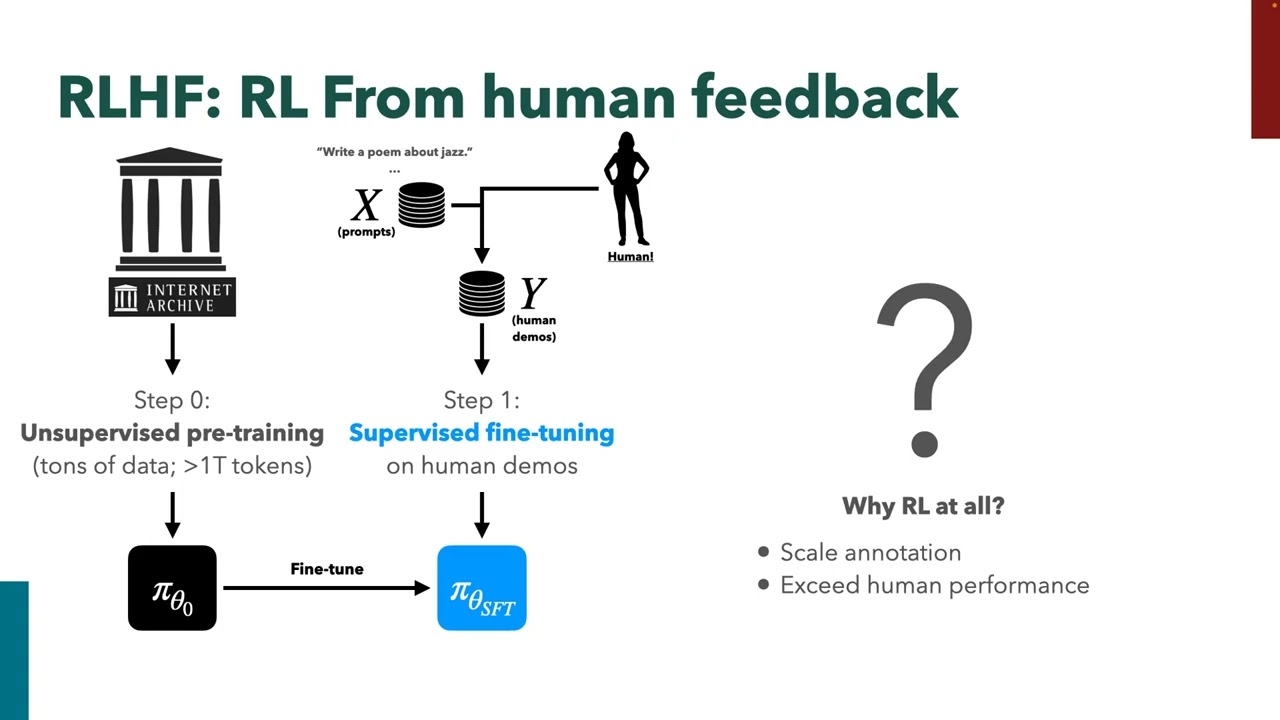
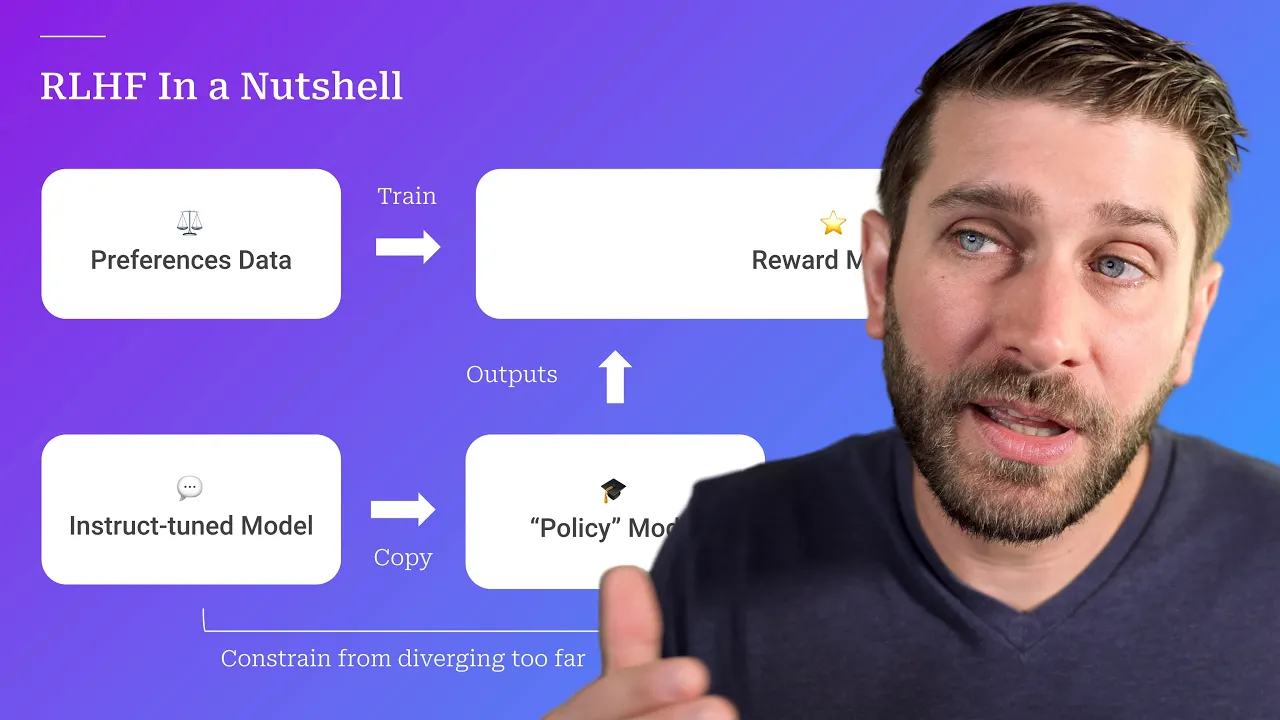




Large Language Models (LLMs) are trained through two main phases: pre-training, where models learn language patterns by predicting the next word in a sequence using autoregressive language modeling with cross-entropy loss, and post-training alignment, where models are fine-tuned using human feedback to become useful AI assistants; the key success factors include using efficient tokenization methods like BPE, leveraging scaling laws to optimize compute/data/parameter ratios, and employing techniques like Direct Preference Optimization (DPO) for alignment rather than traditional reinforcement learning.
Stanford CS229: Building Large Language Models (LLMs) | ML Lecture
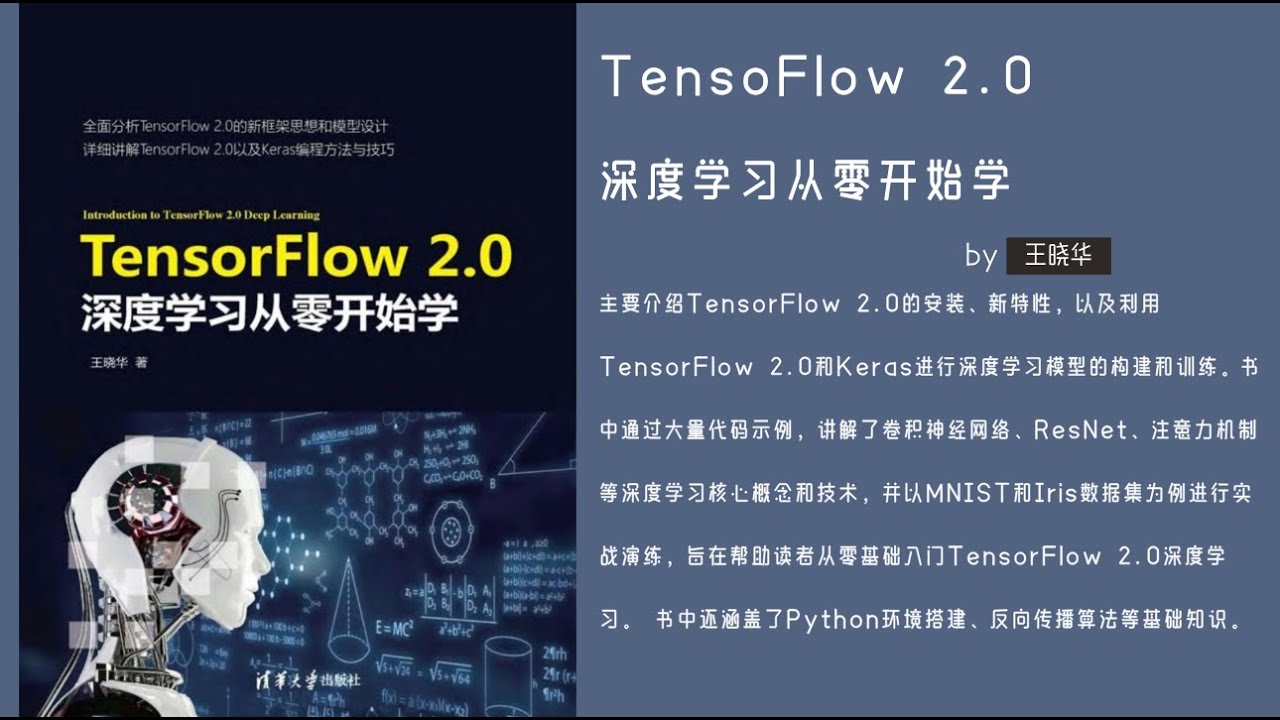
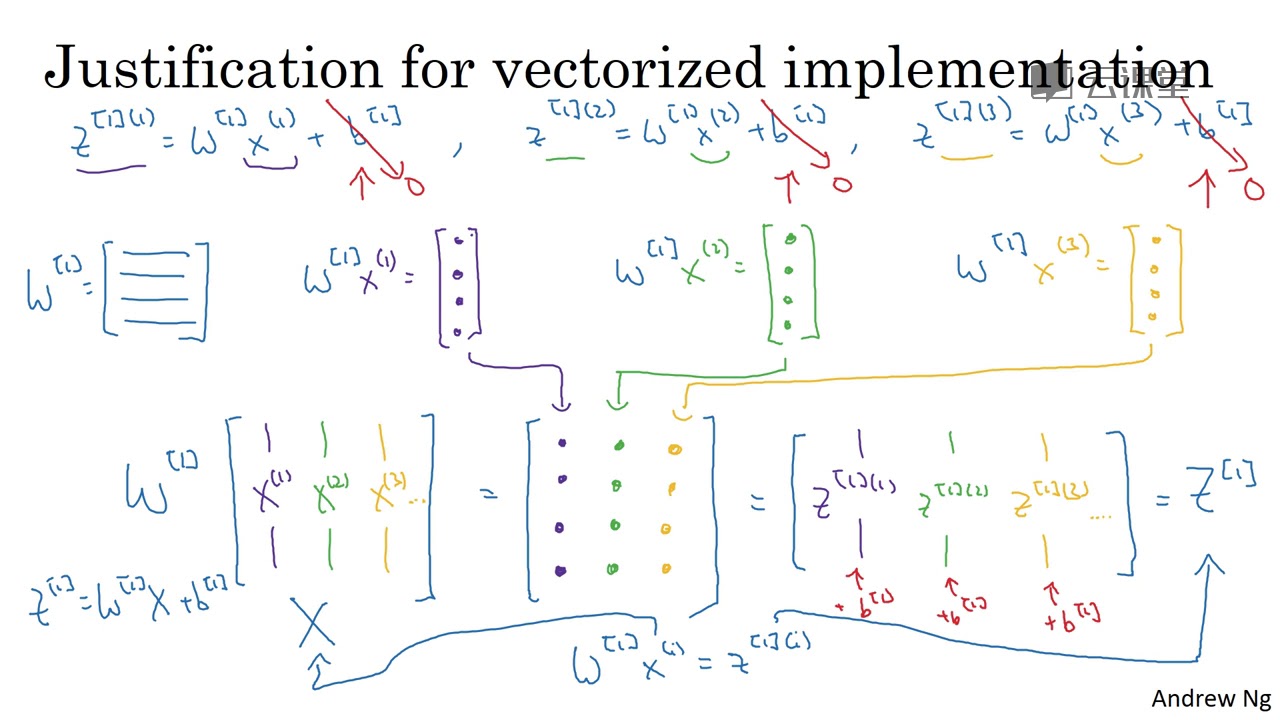
Added:Fundamental Deep Learning concepts, including neural network architectures, backpropagation, and gradient-based optimization.
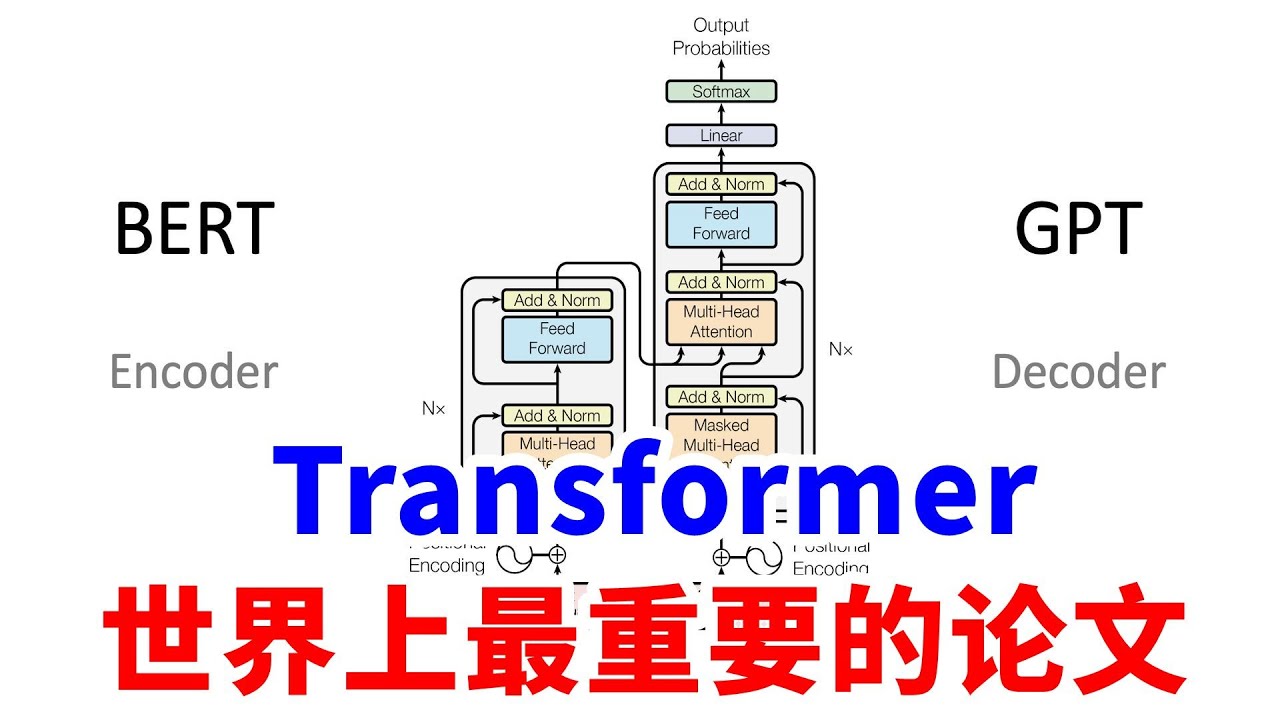
The Transformer architecture, specifically the self-attention mechanism, multi-head attention, and positional encoding.
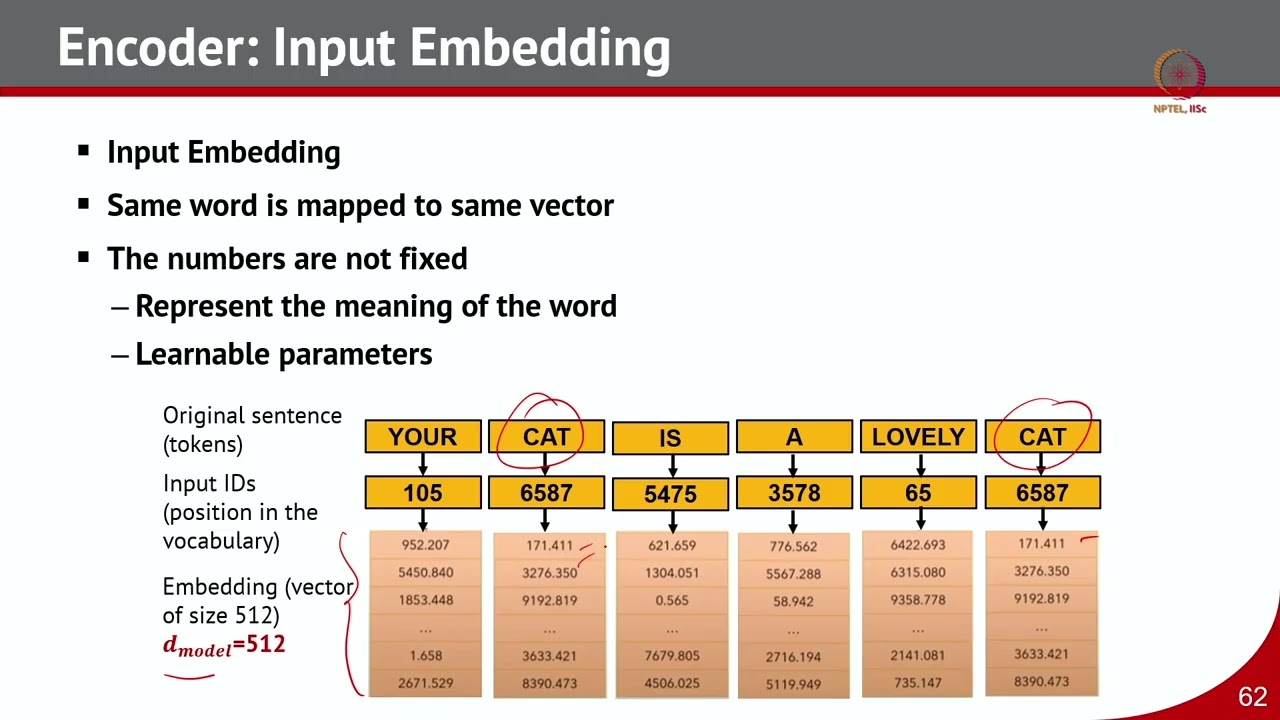
Basic Natural Language Processing (NLP) concepts such as tokenization, language modeling objectives (predicting the next token), and vector embeddings.
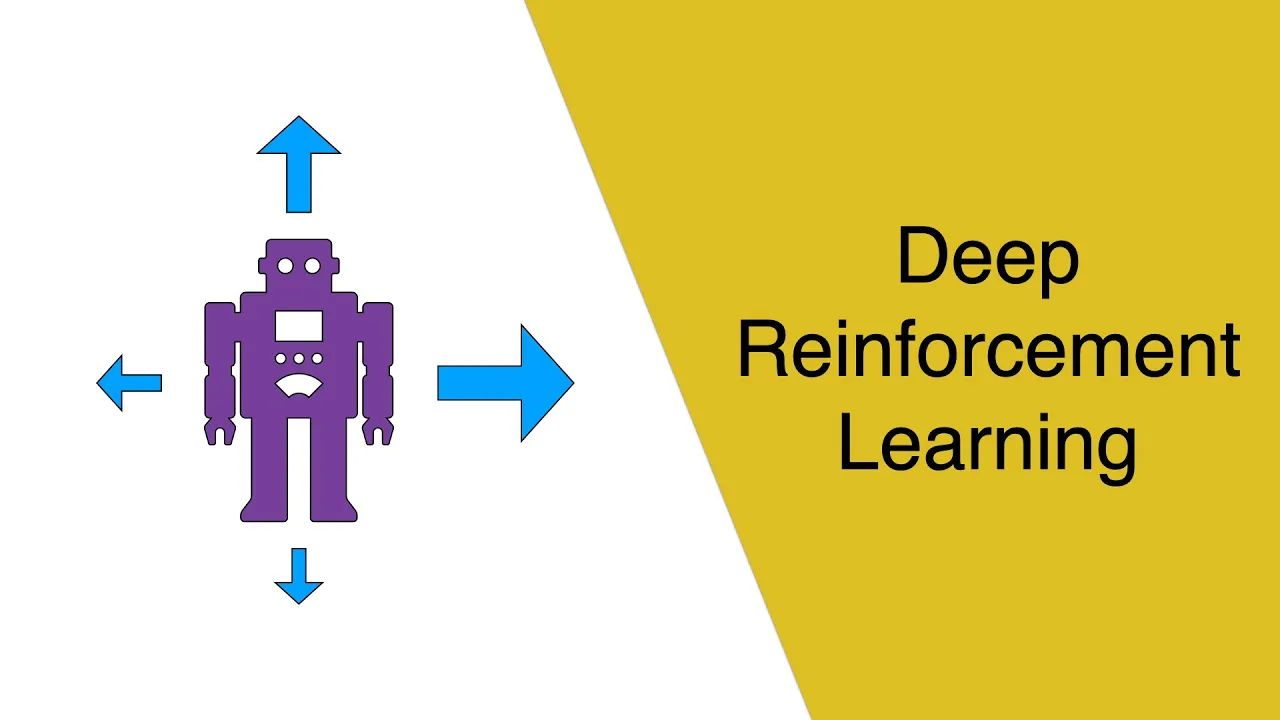
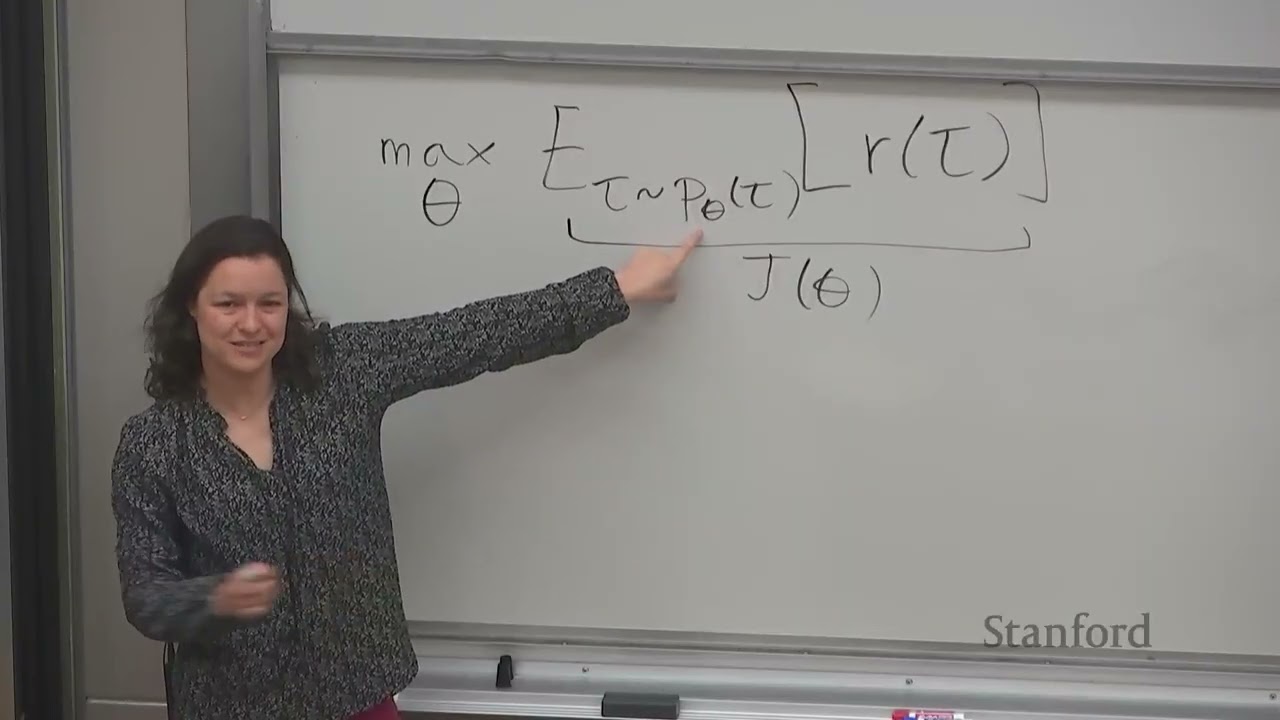
Introduction to Reinforcement Learning concepts, particularly policy gradients, reward functions, and value estimation.
Distributed training systems and infrastructure (e.g., Megatron-LM, DeepSpeed, Fully Sharded Data Parallel) required for scaling LLM pretraining.
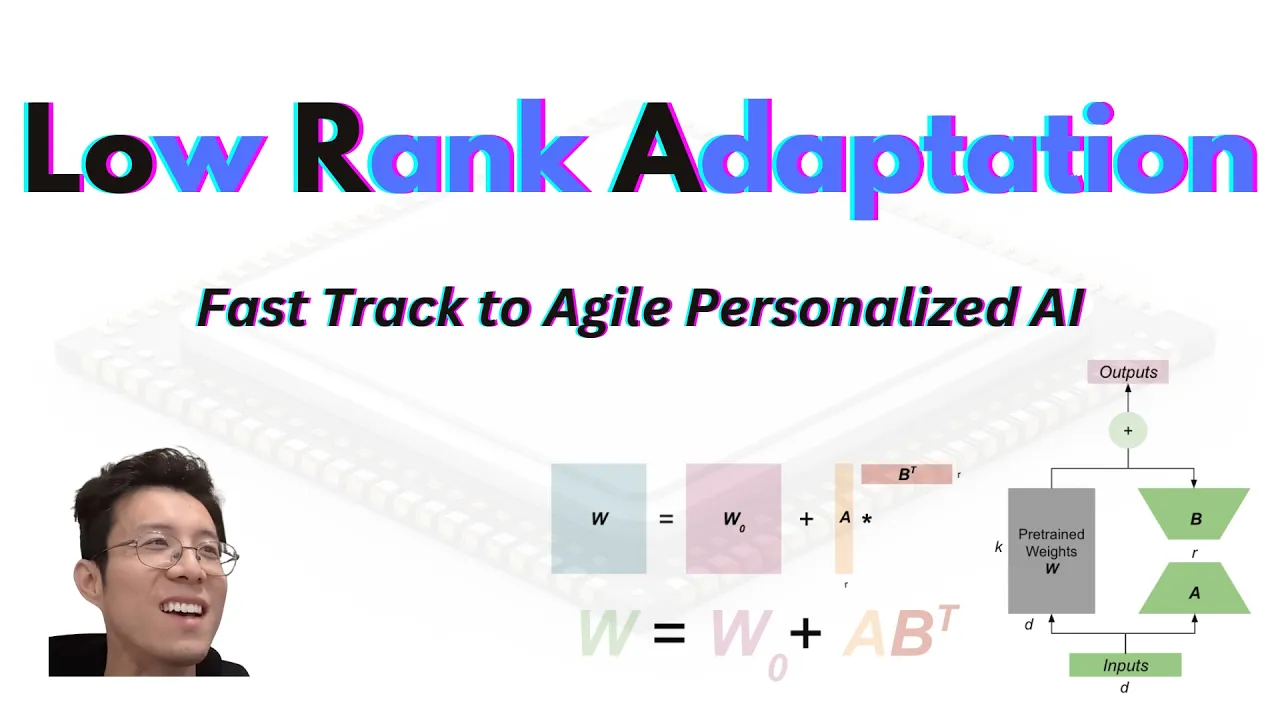
Parameter-Efficient Fine-Tuning (PEFT) methods, such as LoRA, QLoRA, and prefix tuning, for resource-constrained adaptation.
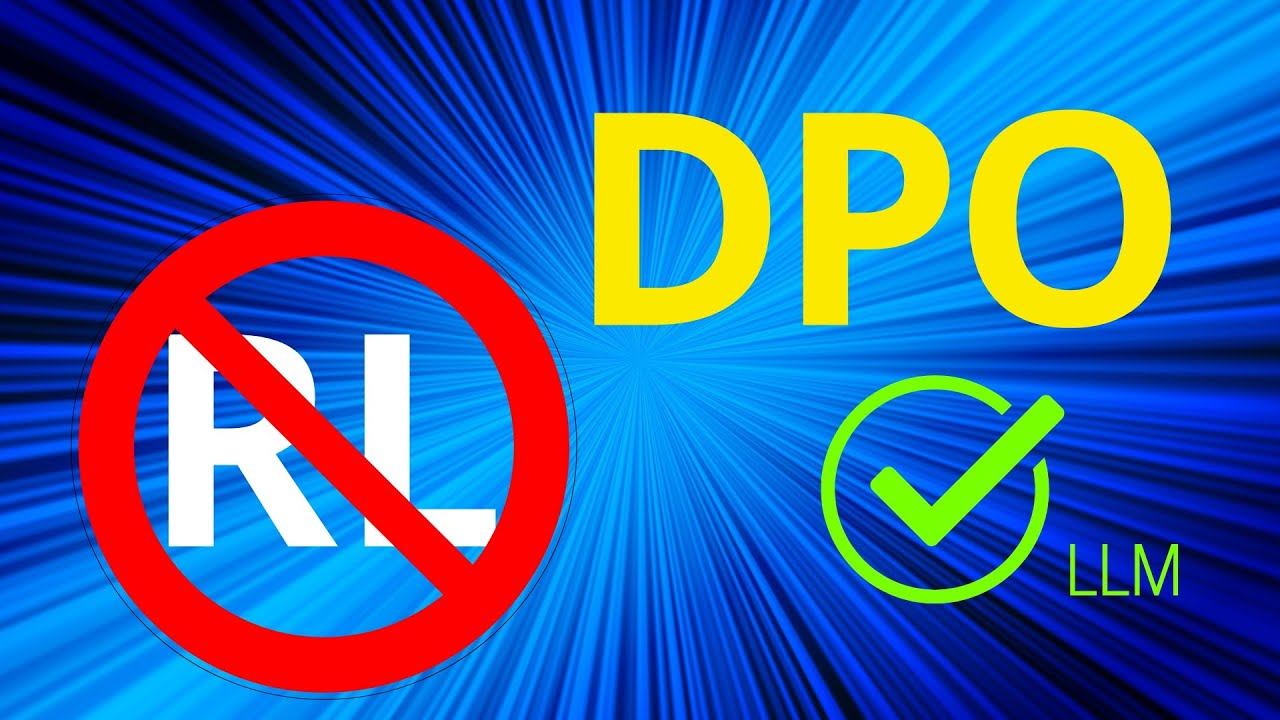
Advanced alignment algorithms beyond traditional RLHF, such as Direct Preference Optimization (DPO) and Reinforcement Learning from AI Feedback (RLAIF).
Design and implementation of LLM-based system architectures, including Retrieval-Augmented Generation (RAG) and autonomous agent frameworks.
1.8M views45.8Klikes1:44:31Original Release: 2024-08-27
so let's get started uh so I'll be talking about building llms today um so I think a lot of you have heard of llms before uh but just as a quick recap uh llms standing for large language models are basically all the chat Bots uh that you've been hearing about recently so uh Chad GPT from open ey Claud from entropic Gemini and and lman other type of models like this and today we'll be talking about how do they actually work so it's going to be an overview because it's only one lecture and it's hard to compress everything but hopefully I'll touch a little bit about all the components that are needed to train uh some of these llms uh also if you have questions please interrupt me and ask uh if you have a question most likely other people in the room or on Zoom have other have the same question so please ask um great so what matters when training llms um so there a few key components that matter uh one is the architecture so as you probably all know LMS are newal networks and when you think about new networks you have to think about what architecture you're using and another component which is really important uh is the training loss and the training algorithm um so how you actually train these models then it's data so uh what do you train these models on um the evaluation which is how do you know whether you're actually making progress towards the goal of of uh llms and then the system component so that is like how do you actually make these models run on uh Modern Hardware which is really important because these models are really large um so now more than ever system is actually really an important topic um for llms so those five components um You probably all know that llms and if you don't know LMS are all based on Transformers or at least some version of Transformers uh I'm actually not going to talk about the AR lecture today uh one because I gave a SE lecture on um Transformers a few weeks ago and two because you can find so much information online on uh Transformers but I think you can it's there's much less information about the other four topics so I really want to talk about those um another thing to say is that most of Academia actually focuses on architecture and training algorithm and losses um as academics and I've done that for a lot big part of my career is simply we like thinking that this is uh like we make new architectures new models and it it seems like it's very important but in reality honestly what matters in practice is mostly the three other topics so data evaluation and systems uh which is what of most of Industry actually focuses on um so that's also one of the reason why I don't want to talk too much about the architecture uh because really the rest is super important um great so overview of the lecture I'll be talking about pre-training so pre-training uh you probably heard that word this is the general word this is kind of the classical language modeling uh Paradigm uh where you basically train your language model to essentially model all of internet and then there's a post training which is a more recent Paradigm which is taking these large language models and making them essentially AI assistants um so this is more of a recent Trend since Chad GPT uh so if you ever heard of gpt3 or gpt2 that's really pre-training land uh if you heard of chat GPT which you probably have this is really posttraining land uh so I'll be talking about both but I'll start with pre-training and uh specifically I'll talk about what is the task of pre-training llms and what is the laws that people actually use so language modeling this is a quick recap uh language models at a high level are simply models of probability distribution over sequences of tokens or of words so it's basically some uh model of P of X1 to XL where X1 is basically word one and Excel is the last one in the sequence or in the sentence um so very concretely if you have a sentence like the mouse ate the cheese what the language model gives you is simply a probability of this sentence being uttered by a human or being found on on online uh so if you have another sentence like the the mouse at cheese uh here there's grammatical mistakes so the model should know that this uh should have some syntactic knowledge so it should know that this has less likelihood of appearing online uh if you have another sentence like the cheese ate the mouse uh then the model should hopefully know about the fact that usually cheese don't eat Mouse um so there's some semantic knowledge and this is less likely than the first sentence so this is basically at a high level what language models are um one word that you probably have been hearing a lot in the news are generative models uh so this is just something that can generate models that can generate sentences or can generate some data uh the reason why we say language models are generative models is that once you have a model of a distribution you can simply sample from this model and now we can generate data uh so you can generate sentences uh using a language model so the type of models that uh people are all currently using are what we call Auto regressive language models and the key idea of autor regressive language models is that you take this distribution over words and you basically decompose it into the into the distribution of the first word multiply the by the distribution of or the likelihood of the distribution of the second word given the first word uh multiply by P of the third word given the first two words um so there's no approximation here this is just the chain rule of probability which you hopefully all know about uh really no approximation this is just one way of modeling a distribution uh so slightly more concisely you can write it as a product of U of PS of the next word given everything which happened in the past so of the context and uh so this this is what we call Auto regressive language models again this is really not the only way of modeling distribution this is just one way uh it has some benefits and some downsides one downside of autoaggressive language models is that when you actually sample from this autoaggressive language model you basically have a for Loop which generates the next word then conditions on that next word and then regenerate an other word so basically if you have a longer sentence that you want to generate you it takes more time to generate it uh so there are some downsides of this current Paradigm but that's what we currently have so I'm going to talk about this one uh great so Auto regressive language models at a high level um what the task of autoregressive language model is is simply predicting the next word as I just said so if you have a sentence like she likely prefers uh one potential next word might be dogs and the the way we do it is that we first tokenize so you take these words or subwords you tokenize them um and then you give an IDE for each token so here you have 1 2 three uh then you pass it through this black box as I already said we're not going to talk about the architecture you just pass it pass it through a model and you then get a distribution a probability distribution over the next word over the next token and then you sample uh from this distribution you get a new token and then you DET tokenize so you get a new ID you then DET toonize and that's how you basically sample from a language model uh one thing which is important to not is that the last two TS uh two steps are actually only need needed during inference uh when you do training you just need to predict uh the most likely token and you can just compare to the real token which happen in practice and then you basically change the weights of your model to increase the probability of generating that token um great so autoaggressive neural language models so to be slightly more specific still without talking about the architecture uh the first thing we do is that we have all of these oh sorry yes on the previous slide when you're predicting the probability of the next tokens does this mean that your final like output VOR has to be the same dimensionality as the number of tokens that you have yes how do you deal with like if you have more to like if you're adding more tokens to your cor something yeah so we're going to talk about tokenization actually later uh so you will get some sense of this you basically can deal with adding new tokens I am I'm kind of exaggerating there are methods for doing it but essentially people don't do it um so it's really important to think about how you tokenize your text and that's why we'll talk about that later but it's a very good point to notice that you basically the vocabulary size so the number of tokens that you have is essentially the output of your uh language model so it's actually pretty pretty large okay so autoaggressive new language models first thing you do is that you take every word or every token you embed them so you get a um some Vector representation for each of these tokens um you pass them through some ual Network as we said it's a Transformer then you get a representation for all the word in all the words in the context so it's basically representation of the entire sentence uh you pass it through a linear layer as you just said to basically map it to the number so that the output the number of outputs is the number of tokens uh you then pass it through some soft Max and you basically get uh probity distribution over the next words given every word in the context and the law that you use is basically it's essentially a task of classifying the next token so it's a very simple kind of machine learning task so you use the cross entry P loss where you basically you look at the actual Target that happened which is a target distribution which is a one hot encoding which here in this in this case says I saw uh the real word that happened is cat so that's a one hot um distribution over cat and here this is the actual uh do you see my mouse oh yeah this is the distribtion that you generated and basically you do cross entropy which really just increases the probability of generating cat and decreases all the the probility of generating all the other tokens one thing to notice is that as you all know again uh this is just equivalent to maximizing the text log like the text log likelihood because you can just rewrite the the max over the probability of um this autoregressive language moding task as just being this minimum over I just added the log here and minus which is just the minimum of the loss which is the cross enty loss so basically minimizing the loss is the same thing as maximizing the likelihood of your text any question questions okay tokenizer um so this is one thing that people usually don't talk that much about tokenizers are extremely important uh so it's really important that you kind of understand at least uh what they do at a high level so why do we need token in the first place uh first it's more General than words so one simple thing that you might think is oh we're just going to take every word that we will have you just say every word is a new is a token in its own um but then what happens is if there's a typo in your word then you might not have any token associated with this this word with a typo and then you don't know how to actually pass this word with a typo into a large language model so what do you do next and also even if you think about words words is a very like words are fine with like Latin based languages uh but if you think about a language like taii you won't have a simple way of tokenizing by spaces because there are no spaces between words um so really uh tokens are much more General Than Words first thing second thing that you might think is that you might tokenize every sentence character by character you might say a is one token b is another token uh that would actually work and probably very well the issue is that then your sequence becomes super long and as you probably remember from the lecture on on Transformers uh the complexity uh grows quadratically with the length of sequences so you really don't want to have a super long sequence um so tokenizers basically try to deal with those two problems and give common subsequences a certain token and usually how you should be think about is around uh an average every token is around three four letters um and there are many algorithm for tokenization I'll just talk about one of them to give you a high level which is what we call bite P en coding which is actually pretty common one of the two most common tokenizers and the way that you train a tokenizer is that first you start with a very large Corpus of text and here I'm really not talking about training a large language model yet this is purely for the tokenization step uh so this is my large Corpus of text with these five words um then you associate every character in this Corpus of text a different token uh so here I just split up every character with a different token uh and I just color coded all of those tokens and then what you do is that you go through your text and every time you see pairs of tokens that are very common the most common pair of token you just merge them so here you see three times the the the tokens T and O next to each other so you're just going to say this is a new token and then you continue you repeat that so now you have to talk which happens three times to with an E that happens sorry two times and an token which happens twice and then ex which also happen twice so this is that if you were to train a tokenizer on this Corpus of text which is very small that's how you would uh finish with a token with a pre like a trained tokenizer uh in reality you do it on on much larger corpuses of text um and this is the real tokenizer of uh actually I think this is gpt3 or chat GPT uh and here you see how it would actually separate these words so basically you see the same thing as what we gave in the previous example token becomes its own token so tokenizer is actually split up into two tokens token and iser um so yeah that's all about tokenizers any questions on that yeah how do you deal with spes and how do you deal with yeah so actually there's a a step before tokenizers which is what we call pre- tokenizers which is exactly what you just said uh so this is mostly in theory there's no reason to deal with spaces and punctuation separately you could just say every space gets its own token every um uh punctuation get its own token and you can just do all the merging the problem is that so there's an efficiency question actually training these tokenizes takes a long time uh so you better off because you have to consider every pair of token so what you end up doing is saying if there's a space this is very like pre- tokenizes are very English specific you say if there's a space we're not going to start looking at the the token that came before and the token that came afterwards so you're not merging in between spaces but this is just like a optimiz like a computation optimization you could theoretically just deal with it um the same way as you deal with any other character and yeah when you merge tokens do you delete the tokens that you merged away or do you keep the the smaller tokens that merge um you actually keep the smaller tokens I mean in reality it doesn't matter much because um usually on large Corpus of text you will have actually everything uh but you usually keep the small ones and the reason why you want to do that is because if in case there's as we said before you have some um some grammatical mistakes so some typos you still want to be able to represent these words by character um so yeah yes are the tokens unique so I mean say in this case T Ken is there only one occurrence or could do you need to leave multiple occurr so they could have take on different meanings or something oh oh I see what you say no no it's every token has its own uh unique ID um so a usual this is a great question for example if you think about a bank which could be bank for like money or bank like water um it will have the same token but the model will learn the Transformer will learn that based on the words that are around it it should associate that I'm saying I'm being very high wavy here but associate that with the with a with a representation that is either more like the bank money side or the Bank water side um but that's a Transformer that does that it's not a tokenizer yes yeah so you mentioned during tokenization keep the smaller tokens you started with right like if you start with a t you keep the T and then you build your tokenizer to the that you can now in token so let's say maybe you didn't train on token but like in your data you are trying to encode token so how does the tokenizer know to encode it with token or a great question you basically when you so when you tokenize so that's after training of the tokenizer when you actually apply the tokenizer you basically always choose the largest uh token that you can apply uh so if you can do token you will never do T you will always do token um but there's actually so people don't usually talk that much about tokenizers but uh there's a lot of of computational benefits uh or computational tricks that you can do for making these things faster uh so I really don't think we and honestly I think a lot of people think that we should just get away from tokenizers um and just kind of tokenize character by character or bites by bites uh but as I said right now there's this issue of like length uh but maybe one day like in five or 10 years we will have different architectures that don't scale quadratically with the length of the sequence and uh maybe we'll um yeah move away from tokenizes so can you share with us the drawback why do people want to move away from the tokenizer oh um yeah so think one good example is uh math if you think about math actually numbers right now are not tokenized so for example 327 might have its own token which means that models when they see numbers they don't see them the same way as we do and this is very annoying because what I mean the reason why we can kind of generalize with math is because we can deal with every every letter separately and we can then do composition where you know that basically if you add stuff it's just the same thing as adding every one separately plus like whatever the unit that you add so they can do that um so then you have to do like special tokenization and like one of the big changes that GPT 4 did uh is changing the way that they tokenize uh code so for example uh if you have code you know you have like often in Python these four spaces at the beginning those were dealt with uh kind of strangely before um and as a result like the model couldn't really understand uh how to deal with code uh so so toiz actually a lot um okay so I'll move on right now but we can come back later on token Isis great so we talked about the task the L the tokenizer let's talk a little bit about evaluation uh so the way that LMS are usually evaluated is what we call is using what we call perplexity um at a high level it's basically just your validation loss uh the slight difference with perplexity is that we use something that is slightly more interpretable which is that we use the average per token loss and then you expon entiate it and the reason why you exponentiate it is because you want I mean the loss has a log inside and you like one humans are actually pretty bad at thinking in log space but two logs depend on the base of the log uh while when you exponentiate you basically have everything in the uh kind of the vocabulary size uh unit um and the average proten is just so that your your complexity is independent of the length of your sequence um so perplexity is just two to the power uh average of the loss of the sequence um so perplexity is between one and the length of the vocabulary of your tokenizer uh one it's simply well if you predict perfectly the thing which uh every word then every word will have basically product of ones uh so the best perplexity you can have is one if you really have no idea you basically predict with one divided by uh size of vocabulary um and then you do simple math and you basically get perplexity of size of vocabulary uh so the intuition of perplexity is that basically the number of tokens that your model is kind of hesitating between uh so if you if your model is perfect it doesn't hesitate it know exactly the word if it really has no idea then it hesitates between uh all of the vocabulary uh so perplexity really improved that's perplexity on a standard data set between 2017 and 2023 it it went from kind of 70 tokens to less than 10 tokens over these five six years so that means that the models were previously as dating between 70 words every time it was generating a word and now it's as dating between like less than 10 words so that's much better perplexity is actually not used anymore in academic benchmarking mostly because it depends on the tokenizers that you use uh it depends on the actual data that people are evaluating on but it's still very important for development of llms so when you when you actually train your own llm people will still really look at the perplexity uh one common other way and now more common in Academia of evaluating these llms is just by taking all the classical NLP benchmarks and I'll give you a few examples later and just kind of aggregating everything um so collect as many automatically evaluatable benchmarks and just evaluate across all of them um so one such if uh or actually two such uh benchmarks of what we call uh Helm which is from Stanford and another one is the hugging face open LM leader board which are the probably two two most common ones right now um so just to give you an idea in Helm there are all of these type of tasks which are mostly things that can be easily evaluated uh like question answering so think about many different question answering uh tasks um and the benefit with question answering is that you usually know what is the real answer um so you can the way that you evaluate these models and I'll give you a concrete example in one second um is that you can just look at How likely the language model is to generate the real answer compared to some other answers and that's essentially at a high level how you evaluate these models um so to give you a specific example mlu is probably the most common um academic Benchmark for llms uh and this is just a collection of many question and answers in all of those domains for example College medicine College physics astronomy and these type of topics and the questions are things like so this in astronomy what is true for type 1 a supernova then you give uh four different potential answers and you just ask the model which one is more likely so there are many different ways of doing it either you can look at the likelihood of generating all these answers uh or you can ask the model which one is the most likely uh so there are different ways that you can promp the model but at a high level you know which one is correct and there are three other mistakes um yes kind creating is like unconstrained text as the output yeah how do you evaluate a model if it give something that's you know semantically completely identical but is not the exact token list that expect yeah so that's a great question I'll talk more about that later here in this case we don't do unconstrained so the way you would evaluate MML is basically either you you ask the first question and then you look at the likelihood of the model generating a the likelihood of the model generating b c and d and you look at which one is the most likely or you can as the model out of ABC d which one is the most likely and you look at whe the to the most likely next token is A B C or D so uh you can strain the model to say it can only answer these four things you say you constraint the model you mean you constraint The Prompt or do you mean of its whole probability distribution outputs you only comparing the outputs like you're only comparing the a so uh in the second case I gave you you would do exactly the I actually you would do both you would prompt the model saying ABC or D plus you would constrain to only uh look at these two these four tokens in the first case you don't even need to generate anything so in the first case you literally just look given that it's a language model it can give a distribution over sentences you just look at what is the likelihood of generating all of these words what is the likelihood of generating the second choice and you just look at whether the most likely sentence is actually the real answer so you don't actually sample from it you really just use P of x one to excel does that make sense uh that being said evaluation of open-ended questions is something we're going to talk about later and is actually really important and really challenging yes earlier you mentioned that um like um metrics like flexity are not are not like usually used because it depends on like how you do your terization some design choices I was wondering if you could speak more to that oh um yeah so think about perplexity I told you perplexity is between one and vocabulary size so now imagine that Chad GPT uses a tokenizer that has like 10,000 tokens but Gemini from Google uses a tokenizer that had 100,000 uh potential tokens then actually the Gemini one will will have like the upper bound of the the perplexity that you can get is actually worse for Gemini than for Chad GPT does that make sense so that's just an idea it's actually a little bit more complicated than that but that's just like one uh first or the bit of you can see that the tokenizer actually matters um great okay so evaluation challenges there are many I'll just talk about two really briefly uh one as I told you there are two ways of doing evaluation for these mlu actually there are many more than two but I give you two examples um and it happens that for a long time even though that was a very classical Benchmark that everyone used uh actually different uh different companies and different um different uh uh different organization were actually using different ways of evaluating mlu and as a result you could you get completely different results for example Lama 65b uh which was the first model of meta in the Lama series uh had on Helm 63.7 accuracy but on this other um Benchmark had like 48.8 um so really the way that you evaluate and this is not even talking about prompting this is really just kind of the the way that you evaluate the uh the models prompting is another issue so really there are a lot of inconsistencies it's not as easy as it looks uh first thing yeah sorry how can we make sure that all these models AR trained on The Benchmark okay second thing this is a great question uh chain test contamination uh this is something which I would say is really important in Academia in uh given that the talk is mostly about training large language models uh for companies it's maybe not that important CU they know what they trained on uh for us we have no idea so for us it's a real problem uh so there are many different ways of trying to test whether uh the test set sorry whether the test set was actually in the training Set uh one kind of cute trick um that people uh in in the lab on T lab have found is that what you can do is that given that most of the data set online are not randomized you can just look at and in that language models what they do is just predict the next word um you can just look at the entire test Set uh what if you generate all the examples in order versus all the examples in a different order and if it's more likely to generate a thing in order given that there's no real order there then it means that probably was in a training set does that make sense um so there are many that's like one of them there are many other ways of doing it train test contamination again not that important for development really important for academic benchmarking great so there are many other challenges but uh I'll move on for now great data um so data is another really big topic um at a high level people just say oh you basically train large language models on all of Internet what does that even mean um so or people sometimes say all of clean internet which is even less defined um so internet is very dirty and really not representative of what we want in practice if I download a random website right now you would be shocked at what is in there it's definitely not your Wikipedia um so I'll go really briefly on like what people do um I can answer some questions but I mean data is on its own is a huge topic uh basically first what you do is download all of Internet what that means is that you use uh web crowlers that will go on every web page on Internet or every web page that is um on Google uh and that is around 250 billion pages right now um and that's around one petabyte of of data so this is actually a common common C is one web crowler so people will usually write their own web crowlers what they do is that they use standard web crowlers and we common crawl is one of them uh that basically every month adds all the new websites that were added on uh internet that are found by by Google and they put it in a big uh basically a big data set um so that's on common call you have around 250 billion pages right now so 1 E6 gigabytes of data once you have this uh so this is a random web page like literally random uh from this common craw and what you see is that one it really doesn't look at type of things that you would usually see but actually so this is an HTML page uh it's hard to see but if you look through you will see some content for example here here uh tesing world is your ultimate source for the system X high performance server and then you have three dots so you don't even the sentence is not even finished that's how a random internet looks like uh so of course it's not that useful if you just train a like large language model to generate things like this so what are some of the steps that are needed first one you extract the text from the HTML so that's what I just try to do by looking at uh basically the correct text uh there are a lot of challenges by through this for example extracting math is actually very complicated but pretty important for training large language models um or for example boiler plates a lot of your forums will have the same type of headers the same type of Footers uh you don't want to repeat all of this in your data um then you will filter undesirable content uh so not safe for work harmful content pii uh so usually every company has basically a a black list of websites that they don't want to train the models on that Black List is very long and you basically say if it comes from there we don't train on this there are other ways of doing these things is that you can train a small model for classifying what is pii removing these things um it's hard every Point here that I'm going to show you is like a hard amount of work uh but I'm going to go go quickly through it so filter undesirable content second or fourth is the dup D duplication as I said um you might have things like headers and Footers in forums that are always the same you want to remove that another thing that you might have is a lot of URLs that are different but actually show the same website um and you might also have a lot of like U um paragraphs that come from like common books that are basically duplicated a thousand times or 10,000 times on internet so you have to duplicate also very challenging uh because you have to do that at scale once you do duplication you will do some heuristic filtering you will try to remove low quality documents uh the way you do that are things like rules-based um filtering for example if you see that there are some outlier tokens if the distribution of tokens in the website is very different than the usual distribution of tokens then it's probably some outlier if you see that the length of the words in this website is super long there's something strange going on on that website if you see that the the website has only three words maybe is it worth training on it maybe not if it has like 10 million words maybe there's something also wrong going on that page um so a lot of rules like this yes why we filter out undesirable content from our dat set instead of kind of putting it in is like a supervised loss right like can we not just say like you know here's this like hate speech website let's actively try to Let's actively penalize the for generating we'll do exactly that but not at this step that's where the posttraining will come from uh pre-training um the idea is just to say I want to model kind of how humans speak essentially um and I want to remove all these like headers photos and and menus and things like this but it's a very good uh like idea that you just had and that's exactly what we'll do later Next Step modelbased filtering so once you filtered a lot of data what you will do uh that's actually a very cute trick uh you will take all of Wikipedia and you will look at all the links that are linked through Wikipedia p because probably if something is referenced by Wikipedia it's probably some high quality website and you will train a classifier to predict whether something comes from whether a document comes from one of these references uh from Wikipedia or whether it's from the random web and you will try to basically say I want more of the things that come from Wikipedia references does that make sense so yeah so you will train a a machine learning uh model usually also very simp simple models because you need to do that really at scale I mean just think about the 250 billion Pages uh next one you will try to classify your data into different different um domains you will say okay this is entertainment this is books this is code this is like these type of domains and then you will try to either um up or down weight some of the domains uh for example you might say uh you might see that actually if you train more on code then actually your model becomes bettered on reasoning so that's something that people usually say in a very handwavy way if you train your model more code actually it helps reasoning so you want to upweight the coding uh distribution because that helps for General language modeling skills uh books is usually also another one that people usually um upweight entertainment they usually downweight uh so things like this of course you want to do it so people used to do it maybe uh kind of theistically now there's entire pipelines that we'll talk about of how to do these things uh slightly more um automatically and then at the end of training uh usually train um after training on all of this data that we saw usually train on very high quality data at the end of of training your large language model where you decrease your learning rate uh and that basically means that you're kind of overfitting your model on a very high quality data so usually what you do there is like Wikipedia you basically overfit on Wikipedia yeah and you overfit on like human uh data that was collected um the other things like continual pre-training for getting longer context I'm I'm going to skip over all of these things uh but I just to give you a sense of how hard it is when people just say oh I'm going to train on internet that's a lot of work um and really we haven't figured it out yet so collecting World data is a huge part of practical large language model uh some might say it's actually the key yes about data so basic question so usually when you start with like the terabyte of data after I go through all that steps the typical amount of data you have in and then like how how large a team does it typically think to go through all the steps you talk about so how is the question how large is the data after you filter yeah after you filter and then to go through all the step how large a team do you need to go through like the the other fation sttion uh how slow is it or how like how how many people would you need to be able to do this uh okay that's a great question I'm going to somewhat answer about the data uh how large is the data set uh at the end of this slide uh for number of people that work on it um that's a good question I'm actually not quite sure but I would say yeah I actually don't quite no but I would say it's probably even bigger than the number of people that work on kind of the two tuning of the pre-training of the model uh so the data is bigger than kind of the modeling aspect um yeah I I don't think I have a good sense I would say probably in Lama's team which have like 70 years people I would say maybe 15 work on data uh I yeah all these things you don't need that many people you need a lot of computer so because for data you need a lot of CPUs um so yeah and I'll answer the second question at the end of this slide so as I just kind of alluded to really we haven't solved data at all for pre-training so there's a lot of research that that has to be done first how do you process these things super efficiently uh second how do you balance kind of like all of these different domains uh can you do synthetic data generation that's actually a big one right now uh and because we don't have uh we'll talk about that later we don't have enough data on the internet um can you use multimodal data instead of just text data and how does that improve even your text performance um there's a lot of seccy because really this is the key of most of the pre-train pre-trained large language models so for competitive Dynamics uh usually these these um these companies don't talk about how they do the data collection and also there's a copyright liability issue they definitely don't want to tell you that they've trained on books even though they did um because if not you can uh sue them uh common academic benchmarks uh so that will kind of answer what you asked um it started so those are the smaller ones it's the names are not that important but it started from around 150 billion tokens which around uh 800 GB of data now it's around 15 trillion of to 15 trillion tokens which is also uh the size of the models that are right now the best models are probably trained on that amount of data so 15 trillion tokens uh which is probably I guess two order of manage bigger than that so 80 uh E3 gab so that would be around 100 to thousand times uh filtering of the common crawl if I'm not mistaken um so yeah one very one very uh famous one is the pile so this is academic Benchmark of the pile and we can just look at what distribution of data they have it's things like um archive PBM Central uh which is all the the biology stuff uh here it's Wikipedia you see stack exchange um some GitHub and some books and things like this um again this is on the smaller side so this is if we look at here this is on 280b so in reality it's like 100 times bigger so you cannot have that much of GitHub and and of Wikipedia um in terms of close Source models just to give you an idea uh Lama 2 um it was trained on 20 two trillion tokens lamb 3 15 trillion tokens which is currently the best model that we know on how much it was trained on which is the same thing as this the the the best academic or the biggest academic Benchmark which is 15 trillion tokens GPD 4 we don't really know but it's probably in the same water of magnitude or it's probably around that actually it's probably around 13 um from leaks if the leaks are true um great so scaling laws um any other questions on Data before you go to scaling laws sorry I know I'm giving you a lot of information but uh there's a lot into training at large language models great scaling laws so so the idea is that what people saw um around 2020 or at least from a long time but they've been able to kind of theoretically show it or impurely show it since 2020 is that the more data you train your models on and the larger the models the better the performance this is actually pretty different than what you've seen in this class in this class we teach you about overfitting overfitting doesn't happen with large language models uh larger models better performance um it's something that really took a long time for the community who took this type of class to realize um but for the exam overfitting exists so okay the idea of scaling laws is that if given that you know that more data and larger models will always give you better performance can we predict how much better your performance will be if you increase the amount of data and the size of your model and surprisingly it works uh so here you see three plots from a very famous paper called scaling loss from openi um here you see on the x-axis compute so how much did you train like how much compute did you did you spend for training and here you see test loss so this is essentially I mean it's not perplexity but it's your validation loss um so it's a log of the perplexity and if you put these two on uh log scale uh then you see that uh the the performance or like the this the sorry the the scaling law is linear uh that means that if you increase your compute by a certain amount you can you can say by how much your test loss will actually decrease same thing with data and same thing for parameters if you increase the data set size your loss will will decrease by an amount that is somewhat predictable if you increase the number of parameters it will decre the loss will decrease by amount which is somewhat predictable this is really amazing um very surprising I mean it looks in nocuous when you look at these type of plots but that's crazy because it means that you can predict uh how well we're going to perform in 2 3 years depending on how much compute we will add assuming that these things will hold there's nothing theoretical about it um yes two things one what is the loss that they're using here is this perplexity or so it's it's you know I said perplexity was like two to the power of the LW so this is the the the power of the perplexity and then the second thing is when you like increase the number of parameters or you increase the total data set size going dat times doesn't that just inherently increase your compute like do all this work to just specific no this is a great question so the compute here is actually a factor of two things the data and the parameter what I'm showing here is that you can um well actually we're going to talk about that in details but basically if you increase the number of parameters you should increase the number of data that you have um so you actually don't go multiple times through the same data set no one does EPO in a lar at least not yet uh because we have still kind of enough data um so yeah this is all the same Trend which is increase compute decrease loss yes have we seen the numbers for the last two years or is it still holding it is still holding I I don't have like good numbers to show you uh but it is still holding surprisingly yes is there no evidence like empirical evidence that you plateau expected PL no empirical evidence of plateauing anytime soon um why we don't know um will it happen probably I mean it doesn't need to because it's actually in log scale so it's not like as if it had to go it had to Plateau like mathematically it could continue decreasing like this I mean most people think that it will probably Plateau at some point we don't know when um okay so that's I'll talk more about scaling laws now so why are scaling laws really cool imagine that I give you um you're very fortunate I gave you 10,000 gpus for this month what model will you train how do you even go about answering that question and I mean this is a a hypothetical but that's exactly what these companies are faced with uh the old pipeline um which was basically you tune High parameters on the big models so let's say I have 30 days I will train 30 models for one day each I will pick the best one uh and that will be the final model that I will use in production um that means that the model that I actually used was only trained for one day the new pipeline is that you first find a scaling recipe so you find something that tells you for example oh like one common thing is that if you increase the size of your model you should decrease your learning rate so you find a scaling recipe such that you know if I increase the the the the size of my model here's what I should do with some high parameters then you tune your high parameter on smaller models of different sizes let's say I will say for 3 Days of my 30 days I will train many different models and I would do highper parameter tuning on these small models each of different sizes then I will fit a scaling law and try to extrapolate from these smaller models which one will be the best if I if I train it for much longer or sorry if I train it for a larger model and then I will train the final huge model for 27 days instead of just one day um so the new pipeline is not train things or do high prity tuning on the real scale of the model that you're going to use in practice but do things on smaller ones at different scales try to predict how well they will perform once you make them bigger I will give I will give you a very concrete example right now uh let's say Transformers versus lstms let's say you you have these 10,000 gpus you will not sure which one you should be using should I be using Transformer based model or LCM based model what I will do is I will train Transformers at different skills so here you see different parameters on the x-axis Y axis is my test loss I will then train different different lstms at different scales once I have these points I will see oh it kind of fits a scaling law I will fit my scaling law and then I will be able to predict oh if I had 10 times more compute here's how well I would perform for the LM it's actually slightly less linear for the lstm but like you could probably try to predict where you would end up and clearly from this plot you would see that Transformers are better um one thing to notice when you read these type of scaling laws is that are two things that are important uh one is really your scaling rate uh which is kind of the uh the slope of the the slope of the scaling law the other thing is your um your intercept like you could start worse but actually become better over time it just happens that lstms are worse for both uh but I could show you another one where things you can predict that actually after a certain scale you're better off using that type of model than others uh so that's why scaling laws are actually really useful any questions on that yeah so these are all kind of very how how sensitive are these to like small differences in the architecture like one one like Transformer architecture versus another Transformer architecture you basically have to like fit your own curve and make basically say like oh scaling law has tell me there should be some like logarithmic function let me extrapolate that for my own yeah so uh usually for example if you're an academic and you want to now at least that's like pretty recent and you want to propose a new like activation uh that's exactly what you will do you will fit a scaling law show another scaling law with the standard like I don't know G and you will say that it's better in reality once you start thinking about it in scaling loss terms you really realize that actually all the architecture differences that we can make like the small minor ones all they do is maybe change a little bit the The Intercept but really that doesn't matter uh cuz just train it for 10 hours longer or like wait for the next uh for the next Compu gpus and these things are really secondary which is exactly why I was telling you originally people spend too much time on the architecture and losses um in reality these things don't matter as much data though if you use good data you will have much better scaling loss than if use bad data so that really matters uh another really cool thing you can do with scaling laws is that you can ask yourself uh how to optimally allocate training resources should I train larger models because we saw that it's better when you train larger models but we saw that it's also better when you use more data so which one should I do should I just train on more data a smaller model or should I train a larger model on less data um so chinchilla is a very famous paper that first showed this uh the way they did it I want to give you a little bit of a sense of what these plots are uh here you see training loss again on the x-axis you see parameter parameter differences uh sorry parameter size uh number of parameters so the size of the model and here all these curves are what we call isof flops which is that all the models on this curve H have been trained with the same amount of compute um the way that you do that is that you train you change sorry you vary the number of tokens that we trained on and the size of the models but you vary in such a way that the total compute is constant okay so all these curves that you see with different colors have different amount of computers that were trained on then you take the best one for each of those curves once you have the best one for each of those curves um you can ask you can plot um how much flops it was and which curve were you on and how much parameters did you actually use for training that specific point you put that on the on the log log uh scale again and now you fit a scaling law again so now I have something which tells me if I want to train a model of 10^ 23 flops here's exactly the number of parameters that I should be using 100 100b and you can do the same thing with flops and tokens so now you can predict if if I tell you exactly I have one month of compute what size of model should I be training F your scaling law and I tell you um of course that all looks beautiful in reality like there's like there's a lot of like small things of like should you be counting like embedding parameters like there's there's a lot of complexities but if you do things well these things actually do hold um so the optimal number of parameters that that chinchilla Pap have found is to use 20 tokens for every parameter that you train uh so if you add one more parameter you should add you should train your thing on your model on 20 more tokens so one caveat here is that this is optimal training resources so that is telling me if you have 10^ 23 FL or if you have like 100 I don't know how much that is100 million or 10 no that's much less actually let's say I have $5 million to to train my best model that gets the lowest loss how how what would I train on in reality these companies need to think about inference also if you have a smaller model they will spend less over time um so actually if you consider the inference cost you have other papers that Tred to show that um it's around 150 uh parameters per sorry tokens per parameters because you prefer having a smaller model cuz over time you're going to you're going to actually um spend less money on inference of these models so 150 to one that's around what the best models are trained on right now at least the ones that are that are used um in practice for in production great any question on chin great oh sorry in practice how expensive is inference for these models rela to train actually very expensive uh I will not talk about inference because that would be another entire lecture but just think about Chad GPT where they have I don't know how much it is now like 600 million people that used it um like that's a lot um yeah so it's actually very expensive there's a lot of optimization you can do for in though um and that's an entire other lecture so I'm going to skip that uh this time but it's very interesting okay tuning um as I said there are many things that you can uh answer with scaling laws I just try to give you two examples uh but really there are many things what data do you use what mixture what data mixing waiting you use data mixtures that's what we talked about before uh what architecture you use whether you should make your models uh wider or deeper um should you be paying for more gpus or actually collecting more data um all these things are things you can try to answer with scaling laws one thing I want to say is the bit lesson if you ever heard of Richard sudden a very famous blog post in 2019 um what he realized uh which I think not enough people realize I didn't definitely did not realize at that time um is that once you see these type of scaling laws you know that the more compute you have the better models you will get so with skill you will get better model and you also know by Mo law or these type of variant of Mo law that you will always have better compute then the only thing that matters is just to have architectures that can leverage computation so what matters is basically systems data and less so the architecture like the small architecture differences like your your your activation and things like this uh so I think that's like one of the reasons why most of research focuses on um some things that for industry matters less and I was one of those researchers for a large part of my my career um so don't spend time over complicating do the simple things do it well seal them that's really what openi taught us with um with chat gpg and with all the gpts before okay I want to give you some backup the envelope computation so I might be off by a few factors here but I just want to give you a sense of how costly it is to train some of these models I'll give as an example Lama 3 400b which is currently the best open source model that you can get uh it was trained on 15.6 tokens it has 45 billion parameters so just now that you know what is like this uh optimal tokens per parameter that's around 40 so that's a little bit more than chinchilla but less than this like inference uh optimal um model so they went for training optimality uh flops for this model so one simple uh way to compute flops is six uh times the number of parameters times the number of data you train on uh so if you do the simple calculation here it's 3.8 e25 flops the reason why this is important is that if you follow the little bit the news there's an executive order from Biden that basically says that once you have uh 1 e26 parameters uh sorry flops uh then you have special scrutiny on your models so they went 2x less than that so they really went right below this to not have special scrutiny so 38 uh I might be off by a little bit but it's definitely under the 1 26 oh um so paramet p is parameters n is data number of tokens this is a uh this is just an approximation we yeah okay uh compute and we know that they trained on 16,000 h100s um and we know the throughput but they they said it too uh so if you do the computation it takes around 70 days um or 26 million GPU hours at least that's with my uh back of the envelope computation they actually said that they use 30 million instead of 26 million GPU hours um so maybe they had like some uh some challenges I don't really know but if you follow the simple computation it's around 70 days um cost uh I mean this it's hard to to approximate but I'm just going to say it's kind of the rent like what if I were to rent h100s that many h100s for that many days how much will I pay uh h100 a lower bound on the on the renting uh cost of h100 is around 2 hours uh $2 per hour so if you multiply this by 26 million uh hours uh you get 52 million uh dollars so they probably pay less than that but not actually much less because all these um all these services that actually rent gpus they don't make that much money so it's it's probably slightly less but not that much less um now salary I said 50 employees 500k per year say yeah it's probably the right ballpark 25 million uh so if you put all together around 75 million um dollars for training uh this Slammer model I'm probably off by like 10 million but but that's kind of right uh bpk carbon emitted um a lot of people might ask like also the cost is not the only thing that is important so I did the computation um it's around 4 uh 4,000 um tons of CO2 equivalent that is actually only 2,000 return tickets from JFK to uh London so right now uh carbon emitted is actually not uh I mean it's huge but it's not like um meaningful yeah yet I think in maybe GPT 6 gpt7 once you multiply this by 100 that might become a real issue right now it's still not uh I think um an issue in the grand scheme of things next model the way you should be thinking about these models is that every new generation the number of flops essentially uh multiplies 10x or at least that's what they try uh if they have enough energy and if they can buy enough gpus uh great any question on these back of the envelope math no okay so now we talked about pre-training I wanted to also chat about systems because now we know computer is really important so there's a question of how do you optimize the how do you optimize your computer I will leave that for the end because I'm not sure how much time we will have I think it's important but hopefully I I'll be able to to talk about it later it's slightly different than what we've been talking about right now so I'll move on to post training for now so the task of post training ER the reason why we need to do Post training is as I told you before um it's to make AI assistants so language modeling is not uh really the thing that you want when you have an AI assistant uh for example if you ask to gbd3 which is a purely language Model A pure language model not a um not an aligned one if you ask a question like explain the moon landing to a six-year-old the completion that you would get is something like explain the theory of gravity to a six-year-old because what it learned is that on on on internet if you have one question you usually have maybe another bullet point of other similar questions you don't usually have question and then answer later uh this is not what you want from an AI assistant so how do we uh do this alignment which is this post training and making these models assistance um so the goal of this alignment is to basically get LMS follow the instructions that are given um by users and and maybe some designers kind of desires um so think about moderation you don't want the model like open ey definitely doesn't want the model to say stuff that is very toxic um so here you see on the left hand side uh that when you ask a question it actually provides a a real answer so it's not like uh before the llm and on the right hand side you see that it would if you ask to write a tweet describing how a certain part of the population are evil it will say that it cannot do that um so that's kind of this alignment uh the background here is that uh basically the data that you want for training some of these models um is like we know what we want which is just asking humans this is a question this is the answer that you want uh but the thing is that it's very expensive to collect that data and it's hard to find it online uh in contrast pre-training data is not what you want but there's a lot of it um so what what we will do a the main idea is simply take a pre-train large language model pre-train all of internet and then you just fine tune so you just change a little bit of weights on the type of data that you actually want and hopefully given it you already pre-train it on all of Internet it basically learns or knows how to speak in English and and knows a standard um language syntax uh then you can really find tune in with very little data okay sft so supervis fine tuning is really exactly what I just said which is the idea of fine-tuning the large language model on uh basically the desired answers that are collected from humans um so why is it called supervis fine tuning because you basically want to do language modeling on the real ansers so language modeling is this like next word prediction and and that's the fine-tuning part and then you want to do it on desired answers given by humans so that's why we call it supervis so how do we collect this data well we I just said it you just ask humans uh to to tell you this is the this is a question this is the answer that you uh you would want from some of these models so this is an example um sorry I can't read very well on my computer but uh my kid uh needs to do a science um no let's read this one can you write a short introduction about the relevance of the term monopsony and then it says monopsony refers to a market structure blah blah blah and that's a human that wrote that um so actually this is open Assistant which was a a way to collect um uh data online by humans so this type of supervised fine tuning or alignment is really the key of Chad GPT this is what made uh the big jump from gpt3 which was mostly something that was known by AI researchers to Chad GPT which became known by basically everyone um so the problem with uh human data is that it's uh very slow to collect and very expensive um so one possible simple idea is to use llms to scale data collection uh so that's exactly what we did with alpaca uh one year ago what we did is that we asked uh humans or we use a data set of human uh question answers so there were 175 uh question answers here and we asked the best mod at the time so text3 to basically generate many more of these question and answers so all we did is like this is what humans would write now write similar answers and similar questions and we collected 52,000 LM generated question answers and then what we did is simply we took Lama 7B which was the best pre-train model at the time and we just fine- tuned this with supervised fine tuning as I told you and that's how we got um the Alpac s7b model uh and this is the type of data that we collected so things like what does algorithm mean an algorithm is a step by a stepbystep uh set of instruction used to solve a problem or achieve a goal blah blah blah blah so the data is not actually it's actually pretty good given it was LM generated by LMS from essentially two generations ago um so that really started at least for us kind of as an academic replication of chat GPT uh now it really there's a big field of like synthetic data generation of how to use llms to basically make development of llms faster um and by basically by decreasing the amount of of human hours that you need quantity of data so we talked about what type of data and how we collect it um one thing which is surprising with sft is that you don't need that much data uh so what this paper showed this is called Lima is that if you have if you scale the amount of data that use from uh supervised fine training from 2,000 to 32,000 it really doesn't help much so here scaling laws definitely don't help um so the the intuition here is that all you learn um is is you learn how to format your desired answers another way of saying it is that your pre-trained models they essentially model the distribution of every user on internet one that might write bullet points another one that might answer qu answer question with an answer so all you tell your model is like wait you should actually be optimizing more for this type of user than another one so you're not actually teaching it and you're not teaching anything through this um sft uh so supervis fine tuning all you do is you tell the model to kind of optimize for one type of user that it saw already in a pre-train data set so the knowledge is already in the pre-train llm uh and you basically just specialize to one type of user great any question on sft yes so I know it's a big issue with synthetic data where uh if you keep generating data from the same distribution eventually you're not learning a new distribution you're essentially playing with it it just bootstrapping that yeah surely you can't scale that forever right you can't keep going on and generating from the same distribution you hope to learn something new yeah uh so are there it's an active area of research but any thoughts that you have around how people are maybe thinking around this and uh better ways to bootstrap or to give up on this idea and and realize that the chart shows you don't need that many so just get humans to generate 2,000 really good uh yeah so that's a very good question uh so for the data stuff so I'm saying it's not that important for sft but there will be another thing we'll talk about right after where actually data does matter my intuition based on not that much empirical results is that you can still get um even though you use your LMS if you use purely LM generated text and you do that for like three four generations of llms I agree with you that probably you won't improve much but for me what is important is how do you use like human in the loop with llms not purely LMS not purely uh humans but maybe what you can do is just have the model generate some new text and just uh humans write a few Edits edits are much faster than writing the entire text and I think that if you have that type of collaboration then from like kind of an information theoretical point of view you still get additional information but you still much faster than if you use humans and I think that as a field we'll probably move towards these type of things uh which is um really just finding the examples that are important and and asking humans it's kind of active learning just asking humans exactly when uh you need to to get inputs yes do we train with like the same loss function the same like General training algorithm for the supervis tuning bit as we do for the for the pre-training right because like the examples you showed I think the the important thing of the good examples is they're like supera accurate there's these more complex still just like chain same so that's why here I yeah I didn't maybe didn't emphasize enough this is just language modeling fine tun the LM with language model on the desired answers so this is literally the same loss um it will be different in two seconds but the first step of sft is literally the same loss where you just say Okay I want to actually specialize on that type of data so there's even a question of like what is pre-training what is post-training because in reality it's just like a different data that you use the reason why we usually call it post training is that the way we collect that data is very different great great questions uh yes maybe it's the same question but why would these 2,000 examples have such an overweighted influence you tun so that's why we uh also that's another reason why we call it post training is that we use different type of hyper parameters so you know I told you basically at the end of pre training you essentially end up with a learning rate of zero and here you're going to increase your learning rate so like 1 eus 5 one E Yeah and and so um the weight that you give to them is actually different um okay uh Second Step or second part of this post training um is what we call reinforcement learning from Human feedback or rhf uh some of you might have heard of that um the idea is that sft has a problem namely that uh you do behavioral cloning which means that you just try to clone what the humans would say and that had that has many issues one of them is that you're bound by human abilities so if um like humans actually humans won't generate the things that they think is actually the best thing to generate so if you ask me to write a book I mean I can definitely enjoy a book I can probably say one book is better than another but I'm definitely not going to be as good as writing the book that I want to read uh so you're going to be bound by the human ability to generate things even though the humans might be better at distinguishing between things that's one issue issue number two uh I find that actually pretty interesting is that it might if you ever heard of the word hallucination so this is llms generating F like false information hallucination might these people have um hypothesized that that can come from the supervised fine tuning even if you do supervised fine tuning on data that is correct and the reason why that is is that if uh given I told you that basically sftt is with very little data and it's with data that doesn't the model doesn't learn anything new so what if the human gives an answer that the model didn't know was true from the model perspective you the human basically is telling the the model uh generate this thing that seems plausible but actually have no idea if it's true or not um so just to give you a very concrete example if we go back to this uh monopsony example can you write blah blah blah about monopsony uh imagine that a human uh wrote a reference on this type of book um and that book might exist that might be a correct reference but what if the llm never saw this reference during pre-training then it doesn't know that it's a correct reference so really what you tell the model is to generate or make up some plausibly sounding reference um rather than actually tell the real reference that it saw during pre-training uh so hallucination might be um uh a re like might be caused by this sft that's problem number two does that all make sense great problem number three price generating the ideal answers is very pricey and that comes back to your question um of like humans writing answer is actually pretty expensive um so that's where rhf comes in the idea is that instead of cloning the behaviors of humans we're going to maximize human preference um and the way we're going to do that so the pipeline is that for a certain for every instruction you're going to ask a model to generate two answers um and usually use a pretty good model so you usually don't use an LM here you use a sft uh fine tune you use a fine tuned llm already to give like pretty good answers and then you ask labelers which of these two answers was better so select the preferred one and then with different type of algorithms we're going to talk about the algorithms um you just fine-tune the model to generate more of the green thing than the red thing so more of the good stuff uh so now the question is how and we're going to talk about that right now so there are two ways that we're going to talk about and two that are mainly used in the community um the first one is simply the idea of of using reinforcement learning so hopefully you all know what reinforcement learning is now um so when you think about using reinforcement learning one important question is like what is the reward that we're optimizing uh so in this case there are really two options that I could think about the first one you could just say I'm going to compare the output generated by some baseline the output generated by my model U and I'm just going to ask the human to say which one is better and I'm going to use this as a reward so if I'm better than the Baseline this is a plus one if not it's a minus one one uh so now it's binary reward the problem with binary reward is that it's very sparse and you don't get much information out of it uh like maybe your answer was slightly better maybe it was like way better and you don't really know from this um how much better it was so option two is that you can train what we call a reward model which is simply a classifier uh so you use machine learning to to classify how much better uh two outputs are from the preference from the perspective of the human um so this is a little bit meta but what you basically do is that you train uh you take um a reward model R which is a uh just a large also a large um a large classifier and you basically ask this reward model you give it the input and the actual output that you have one of the two outputs uh and you just um exponentiate that so that's the soft Max law that you all know about and now you divide by um the the exponential reward uh on the first example sorry on the first output and this is on the second output and you basically train so the reason why you do that is that you train your your model you train this reward model to be able to classify um how much better one output is to another one so another uh slightly less convoluted way of saying it is that your reward model will output some reward that will be used as the logits of your soft Max so now if you have high logic in your softmax it means that you highly likely this um output is better uh so that's what we call Bradley ter model yes is this reward model going over the entire output or is it going um so this takes the entire uh yeah this takes the entire output at once so it takes all the input and all the output and it gives one number yes would human be sorry with the reward model where would a human be like oh I see okay sorry maybe I wasn't clear um you train this reward model to fit this green and and red preference from humans so basically you train a classifier to say whether the humans prefer red or green uh but instead of using the binary reward which is what the human would tell you you basically use the logits of the soft Max and the thing with the logits is that that logits are continuous so now you know that if your reward model said it has high logits then in some ways the human highly prefer this answer to some other answer great um so as I just said continuous information so it's better so that's what people uh use in practice or at least used to use in practice I'll tell you about uh the other algorithm later uh so what you do at the end is that you basically try to just use reinforcement learning that you know about now we know we have reward what you sample through is the generation from your large language model um and then you just use some regularization term so the reason why you do this regularization term is for avoiding what we call over optimization so this reward model might not be really represent like might not perfectly model human preferences so you don't want to maximize this thing to essentially Infinity um and you do it using uh po which is a common uh reinforcement learning algorithm um one thing to note here because it will be important for later is that when we use maximum likelihood um sorry now the large language models are actually a policy for your reinforcement learning it's not maximizing maximum likelihood anymore which means that you're not modeling any distribution anymore and the reason why this is important is that models that went through this type of Po actually don't give you likelihoods of text that are meaningful cuz what you optimize them to do is B basically just optimized for generating the most likely thing not optimize for modeling like all the answers that humans might say another way of saying that is that there's nothing that incentivizes here the model to not give a like a um a single possible generation nothing here says it's good if you have some distribution with some entropy um okay if you haven't followed it's not that important but just good to knowe great so PO is exact what chat GPT did originally so here's the on the blog post or what they have is step one do supervise fine training which now you all know about step two train a reward model on human preferences step three do po multiple steps which is where you see this this blue arrow so you continue you train the model once with po you collect new data you continue uh and that's why and that's exactly what Chad GPT did uh that was a big breakthrough between gpt3 and Chad GPT one thing to note is that uh P has many challenges reinforcement learning is something that's super nice theoretically in practice anyone who ever worked with reinforcement learning knows it's such a mess uh there's a lot of things like roll outs out of Loops clipping so many complications um so it's messy this is the idealized PO used for LM settings so that's already much more complicated than this expectation we saw before and in practice it's actually much more complicated so we have one implementation of it that we had to do and I'm not going to go through it but basically you have like so much stuff that you have to think about when you implement that type of of uh po algorithm so you have clipping everywhere you have a lot of complexities and things are not well documented all this to say um that we're going to there was a new method that was proposed uh also from Sanford one year ago called DPO which is essentially a simplification of Po um and the way uh what they did or the idea that they have is that instead of using reinforcement learning you can just maximize the probability of generating the stuff that you like and minimizing the probability of the stuff that you don't like uh so if you think about the human preference the red and green maximize uh green minimize red um so the loss is actually this one uh where what you see this is simply um some log of the model so this is the likelihood of a model generating the things that the human preferred given the the inputs um and what you try to do is basically maximize uh the likelihood of generating the things that you like minimize the likelihood of the things that you don't like um all the rest of the terms here it's not too important it's actually really not that complicated to understand but at a high level it's really just maximizing the things you like minimizing the the rest um and one thing to note uh which I was going to say just here is that actually all the rest is chosen such that um the global Minima of of Po and a global Minima of like this DPO under some assumptions are essentially equivalent so this is the right thing to do mathematically I'm not going to go through the derivations but that's the right thing to do uh it's pretty different with Po in the sense that now and with P what you had to do is collect the human preferences then train a uh reward model with maximum likelihood then use reinforcement learning now all you do is basically maximum likelihood much simpler yes I mean yeah so it seems like this is a much simpler and B like what you just intuitively do if this why did they start with this reward model like what what led them doing that I think it's a great question uh I don't really know what I can tell you is that at open ey the people who did the um uh who did basically this PP uh sorry who did Chad GPT initially are the ones who actually wrote Po and I think they were just like there are a lot of reinforcement learning people and I think that for them it was very intuitive um so there's also some additional like potential benefits for example I don't want to yeah for example if you use the reward model uh the cool thing here with reinforcement learning is that you can use unlabeled data with the reward model so here you can only use the label data for doing DPO um for PP for po you first train your reward model and then you can use unlabeled data uh where the reward model will basically label this unlabeled data so there there's additional kind of potential uh there could be potential improvements in practice it happens at down and on and I think just that a lot of people in this team were reinforcement learning experts including uh the main author of Po John hman um so much simpler in poo and is basically performs as well uh so now this is the standard uh thing that people use at least in the open source Community I believe it's actually the standard also in in Industry so that's called DPO gains um so those are all the papers on the left here this is on a summarization task you see all I want to show you is that basically the pre-train models uh were okay and they improve with scale if you do supervised fine tuning you improve them a little bit more if you do po or something with all HF with human feedback you get performance that are as often times depending on a benchmark even better than uh humans so this is the human uh reference summaries same thing this is on a uh on a paper that we have Alpaca Farm where we see uh the evaluation here is not too important but basically you see pre-train model you jump to sft and then you jump to PPO and popo have the exact same performance so basically all HF helps that's kind of the conclusion and DPO is simple uh data uh the way that you collect that type of data um first idea is just use humans as we already talked about uh guidelines are very complicated for what humans should be labeling and and it's really not that easy and actually if you ever do some of the labeling you will see that it's extremely complicated like if I zoom in to this uh here I have a question tell tell me about self-driving cars and you read both self-driving cars are vehicles that are capable of detecting their surroundings blah blah blah self-driving cars are cars that are equipped with sensors blah blah blah to navigate without the need for a driver I mean both seem okay like which one is better it's actually hard to say at a glance um and as a result uh the problem with humans is that you will start optimizing a lot of like high level features for example the second one is longer I can guarantee you that most humans will choose second one even though I mean maybe the first one is better I don't know I haven't read it carefully so challenges with humans first slow and expensive uh second as I just mentioned it's hard to focus on things that matter like correctness and people uh usually look at things that don't matter as much like the form like length uh and as a result so what I show here is that uh when you do lhf the more you do of lhf the longer the output of the of the models become so if you've ever been annoyed at chat GPT answering you super long sentences this is because of all rhf um annotator distribution shift uh like the distribution of annotators that you use matters a lot and you have to think like what is what is even the humans that we want to represent in these models uh now the question is like crowdsourcing ethics uh like usually these basically a lot of the the labeling that is done um like the people who do them are not paid well and they have to go through a lot of toxic data uh because you basically want the model to avoid saying the toxic data um so crowdsourcing ethics too so many challenges with human data um so what we did also last year is again the same thing as alpaca just the idea of like oh well they're challenges with humans maybe we can just replace them with llms uh so what we did is simply replace um oh I see that I'm just realizing that the slides are not sented anyways uh you replace a human preference with LM preferences uh so here on this uh figure you see on the xaxis the price that we paid uh for collecting human data it's around $300 for 1,000 examples and this is on mechanical turkers which are usually like cheaper than than maybe some of the other um companies that you could go through and on the Y AIS it's basically the agreement with uh other humans with the mode of other humans and what you see is that actually as I told you before labeling is really complicated humans agree with themselves only around 66% of the time on a binary Tas and it's not that the humans are not good here because uh we were five main authors on this paper we tried to label this data ourselves and we only had like say 67 or 68% accuracy even though we talk like we talk for like 3 hours of how we should be doing labeling really it's complicated it's not an easy task um and here I just showed many different models and um basically you see that models are much cheaper and they can actually get higher agreement with the mode of humans than human humans themselves and the reason why is because humans have a lot of varant models have no varant so they might be a little bit more biased but have less virence uh so it works surprisingly well and now it's kind of the standard in open uh Source Community I think even in Industry a lot of people use both humans and llms for improving uh the colle collection of allf data um and this is like this is the paper from last year but honestly now it's more like that llms would be around this agreement and this cost so around I would say 50x cheaper than humans and better agreement with human than humans themselves okay so that gets us to evaluation of post training um that goes back to your initial question at the beginning of the lecture how do you evaluate something like chpt uh the answers that chpt could give are basically unbounded and it's not that there one right answer there are many answers that are just as good um so there are many challenges one you can't use validation loss because one method might use po the other one might use DPO validation loss is not comparable second you can't use Cal uh sorry perplexity that's the thing I told you before these models uh are not calibrated they don't give distributions they they just optimize for one thing so you can't use perplexity for actually evaluating uh these type of models once they're aligned sorry one Z lined third uh there's a large diversity of questions that human might ask to these models generation open QA like some question answering some summarization and all of these things so there's so many things you have to cover um then the tasks are really open-ended so it's very hard to automate so that's what you were alluding to before so the idea uh is that instead of trying to come up with really easily automated uh benchmarks uh it's just we're going to ask questions that that users actually ask to these models in practice and we're just going to ask annotators to say between these two models which one is better like what's the what's the better output so basically do exact same thing as um basically the data from rhf but you use it now for evaluation yes I'm not sure I understand what you mean by like can't use perplexity and not calibrated right like LM is still doing like next token prediction so I can't so think about um the optim solution after doing PO is basically one model that gives you uh essentially a Delta um like basically says that there's only one sentence that is that could be generated for that question so now if you use it on something that is slightly semantically differently different it would actually give a likelihood of zero for that answer so in reality it's not that extreme because as you say it's still a distribution but I just shows you that there's a there's a fundamental issue with perplexity once these models are not llms anymore they were not trained at least with P they were not trained to to do maximum likelihood anymore they were trained to be policies okay um so probably the most common or like the most um yeah the most common Benchmark or the most trusted one is what we call Chad uh sorry chatbot Arena uh which is basically go on internet have random users on the internet blindly talk with two chat Bots just ask many questions see the two answers and rate which one is better and and you do that over hundred of thousands of users and then you get uh the actual preferences and you get rankings of models uh so you can go right now on chatbot Arena and actually interact with these models um one potential issue just to highlight is that while people who want to do these type of things are usually more like Tech driven um or like techsavvy uh so a lot of the questions that you will ask are more like Tech stuff discussing software errors inquiries about AI tools and all these things um so another issue is cost and speed if you really want to use something like this for development process um it will be too costly because you would need to basically pay a lot of humans to do that so one simple idea is again as we said many times just use LM instead of humans uh you probably know the drill at this point uh steps for every instruction generate outputs by some baseline and the model that you want to evaluate um so here you imagine that I I'm comparing an answer from Chad GPT and from I'm just asking a model uh another model uh which one is better and I just basically average that out uh yeah I asked gp4 which one is better I average that out over my entire distribution over my entire Benchmark or data set and that gives me a RN rate so RN probability for one model compared to another one and now you can rank models uh and this is the Alpa eval uh leaderboard so the benefits of this is that actually we show we get 98% correlation with Chad B Arena so very high correlation with humans um so this is yeah comparison with correlation with other benchmarks and it takes less than three minutes and less than $10 to run so it's pretty cheap um there are downsides though uh one of them is purus correlation um so as we already saw before LMS prefer this is one SP correlation not many I'll just talk about one LMS prefer longer outputs actually humans also prefer longer outputs but the problem or the issue once you use llms is that once there bias you will continue optimizing that humans at some point I can guarantee you if I ask a simple question and you give me five pages of answers I'll be like no I don't like that answer but LMS if they have this bius and they were trained for that they will continue preferring longer outputs so uh here we see um the the preference just showing that like humans and models prefer longer outputs um and here is another view of the initial apaka eval data uh Benchmark where when we asked um when we we rank gp4 when we look at the Run rate of gp4 versus actually uh gp4 itself if we com if we use the standard GPT 4 it gets 50% kind of by definition because we're comparing GPT 4 versus gp4 but if we ask a gbd4 to be slightly more verose so we just say in the prompt be Vos in your answers then it gets a r rate of 64.4% so really there's a huge variance and if we ask it to be concise it gets 20% so there's a huge variance depending on um whether you ask it to be concise of that's very annoying um so one possible solution which is what we did is uh just use some regression analysis I'm not going to go into details but basically use Cal inference tools to control for length and right now uh actually length matters much less so if you ask it to be veros we still get some gains but much less great so that's all about post training and now for the next eight minutes I might talk about systems or just answer questions yes can you um go back to your post training in terms of post training how did we tune those parameters using the small body of fine-tuning data and have such big effect on the model you mentioned earlier that there's a different set of hyperparameters are we changing just some of the weights the later weights or all the weights what's actually happening yeah uh yeah I I kind of skimmed through all of this you change all the weights actually um industry would change all the weights in open source land you might have heard of Laura which is going to change basically only some of the weights or it actually to be more specific it's going to add some differences to the output of every of every layer but but in Industry you're going to just fine tune all the weights um and also to say something else about the data actually the SL St all HF you usually going to collect uh a lot more data than with sft so if fft is like 5,000 10,000 maybe 50,000 with rhf I think you're going to be more around like the 1 million uh order of magnitude it's still much less than pre-training though yeah because pre-training is 15 trillion tokens I mean this is like that's not even a drop and yet you influence the weight a lot so because you do it I mean you have to think that how you do it is you use um I mean as I said the learning rate that you're going to use is going to be different but also you only do that so just imagine if I train even if I train on one sentence but over and over again all at some point my model will only that sentence even if uh it was just one sentence instead of the 15 trillion tokens so if you use a large enough learning rate and for enough time you will basically overfit that sentence so the the the key thing to to remember is that um the data is not I it's not as if you mix some posttraining data and some pre-training data you do pre-training and then you just start fine-tuning only on the post trining so another way maybe another perspective is that the post the pre-training is just the initialization of your model and once you view it that way that this is just initialization of Weights then there's nothing special like you don't need to remember that you train a lot of data before the only thing that matters is that you had an initialization and now I actually train a model so maybe think about it that way like there's a there's a mark of property in some way just like you had your weights this is my initialization now I'm training that one does that kind of answer your question kind of but you said something just now about it's almost the equivalence of just rerunning the find tuning data many times is it actually is that what actually happens in order to give so much more preference um you might I actually don't know right now how they do it in Industry when we did alpaca we had to do three box so you did run it three times to it um but I mean even the number of times that you run it through it's actually not important the only thing like the only thing is the is kind of the effective learning rate that what matters um so yeah great so I think I have five minutes [Music] right okay I might try to give a high level Overview at least from one of the systems trick systems as we said uh for everyone Bott neck is a sorry compute is the huge bottleneck uh one question you might ask is why not buy more gpus uh gpus are expensive but also are scarce even if you have $10 million right now you cannot buy the best gpus um there's oh yeah there's also some physical limitations when you have when you have multiple gpus you have to communicate between them that takes time um so just buying more gpus is not that easy um so it's really important to think about how do you allocate resources and how do you optimize your pipeline so system 101 on gpus I'm sorry I'm going slightly faster I hope for that some of you at least can follow uh gpus are basically optimized for throughput CPUs are optimized uh for latency so gpus the way you have to think about it is that there's one Comm there's one command that is run on many many Calles at the same time on different type of data um so this is how you see a GPU you see there are many different CES we call them streaming multiprocessors which is very different than the usual CPU architecture so just think High throughput paralyzation for gpus uh gpus are optimized for fast matrix multiplication so every time you will do uh you will do something on GPU if you can do it with a a matrix multiplication it's going to be 10 times faster than with anything else uh that is a little bit annoying because it means that we're kind of uh bottlenecked to doing anything with Matrix multiplications um another thing to note with gpus is that compute has been improving faster than memory and communication so right now gpus usually are hard to keep uh like the data that you send that send to gpus is actually hard to keep up with the processess so most of your gpus are actually going to be idle if you just run normal code if you don't optimize your code so communication and this will continue over time another thing to know about gpus is that there's a memory hierarchy this is the same thing actually with CPUs but basically the closer you are to your cuse the less memory there is but the faster things run if you're further more memory slower um okay I'm going to skip that okay actually I'm going to say it I told you about this uh the fact of communication uh the metric that people usually look at is model flop utilization so what is the theoretical maximum that GPU could run at no more flops that you could use per second divide sorry the number of OB observed through put divided by this theoretical um maximum and in general if you reach 50% you're very happy like Facebook I looked at Lama was at 45 or something like this so that that means that data doesn't come fast enough even for these big companies so one simple trick and that might be the only one I'm going to tell you about is low Precision one simple idea is that well if I'm going to put my floats in lower Precision then there's going to be fewer bits that I have to send to my gpus if there's fewer bits it's faster communication lower memory consumption things are going to go faster uh and for deep learning it just happens that de decimal is not that important uh so so when you do matrix multiplication when you do like for example SGD there's already so much noise that if you update something by 0.01 or 0.015 who cares uh so basically instead of using uh 32 bits per float which is um what people used to use or 64 for example which is what you would use in other domains you use 16 bits uh for matrix multiplication so for every float you use 16 bits um and for training you have this type of like uh what we call aut atic mix Precision which is that uh some of the things are in 32 bits others are in 60 bit in 16 bits um generally the way you should be thinking about it is that your weights are stored of your model are stored in 32 bits um but just before the computation you put everything in 16 16 bits like this you do computation super fast and at the end you update your weights in 32 Bits And the reason why you do all the updates in 32 bits it's just think that if your learning rate for example is very small you still want to be able to like make a difference in your weights uh so all the computation is done in 16 bits but the weights are actually stored in 32 bits so that's like the standard way that people are doing it um okay I'll actually talk just about this and then I'll skip all the rest operator Fusion because I think this is actually pretty cool as I just said communication is very slow and actually every time you use a pie torch line it basically moves variable to Global memory of your GPU so when you have something like this x do cosine uh equal X1 and then you do X1 do cosine what is happening behind the scenes is that you take the X which is data you ship it to your um to your actual processes of your gpus you apply the coign you ship it back to the main memory of your GPU and then you see the next sign you ship it back to the computer to the GPU processor you apply another cosign and you ship it back again um so another way to see that is that you go from your Dam which is your Global memory in your GPU and you ship it to compute you ship it back for every line This is a naive way of doing it this seems very wasteful um so the idea simple idea of operative Fusion is just communicate do all the computation ship it back once and this is exactly what fuse kernels are um so if you ever want to make your comp your computations in pytorch much faster just apply torch.
compile on your model this is going to make your model around two times faster and what it does is simply that it rewrites your code uh your P like your py torch code basically in C++ in Cuda uh to to do the communication only once then do all the operations then uh ship it back okay I'm not going to have time to talk about tiling tiling is important paration paration is important um and mixture of experts mixture of experts is important Outlook there are many things we haven't T talked about we haven't talked about architectures we definitely haven't talked about inference um there are many other things that are important with LMS what is the UI that you use I mean arguably chat jpt the big novelty was just have a simple UI to use it multimodality what are all the misuses you could have uh the fact that there might not be enough data on the internet to train all these models legality of data collection so many other things if you are interested in all these topics uh I would suggest three classes cs224n is probably the one that touches the least on uh LMS uh but it gives some background and historical context um of all the LMS and gives kind of some adjacent material CS 324 I think it's called Uh I think it's just called large language models uh more in-depth reading and lectures on everything I talked about CS 336 which is large language model from scratch you actually build your own llm uh it's an amazing class also given by my two supervisors very heavy workload so be careful and um great
Up Next

57:48
Secure Multiparty Computation (MPC): Foundations & Challenges
@SimonsInstitute
7.3K views•2015-05-28
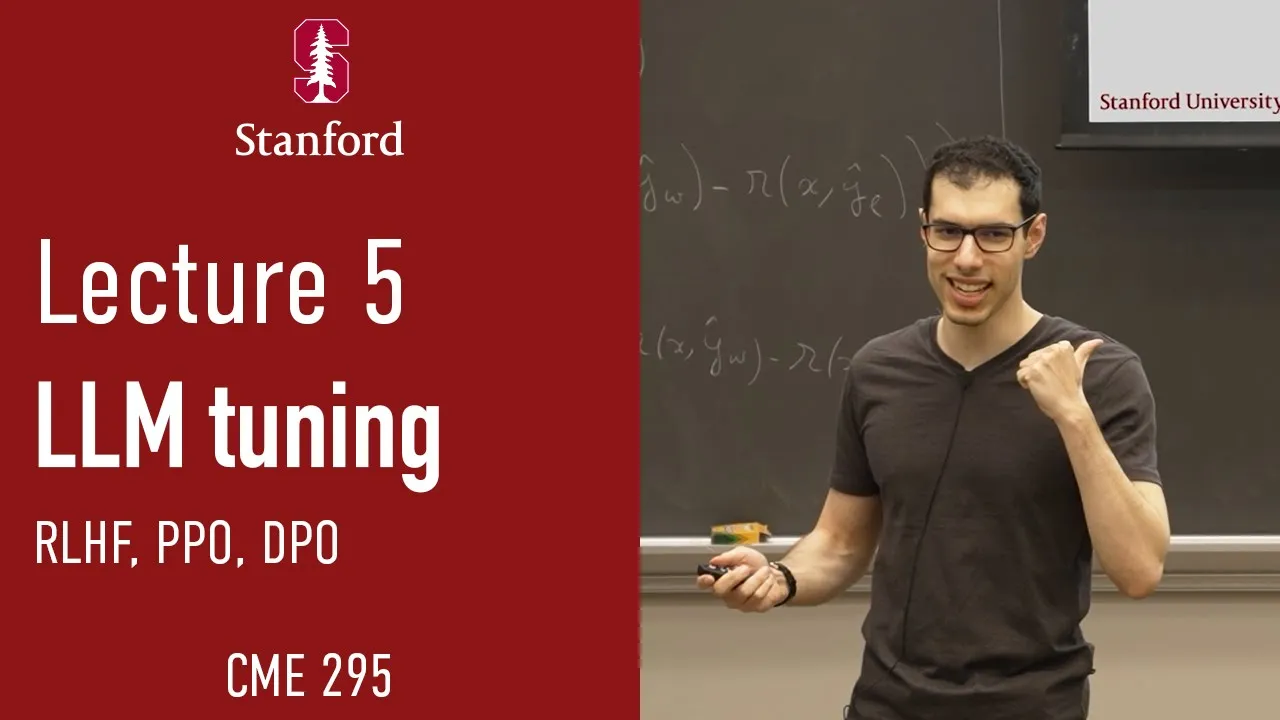
107:41
LLM Preference Tuning Explained: RLHF, PPO, DPO | Stanford CME295
@stanfordonline
22.2K views•2025-11-14

77:37
Multi-Task Learning Basics | Stanford CS330 Lecture 2
@stanfordonline
28.8K views•2023-03-31
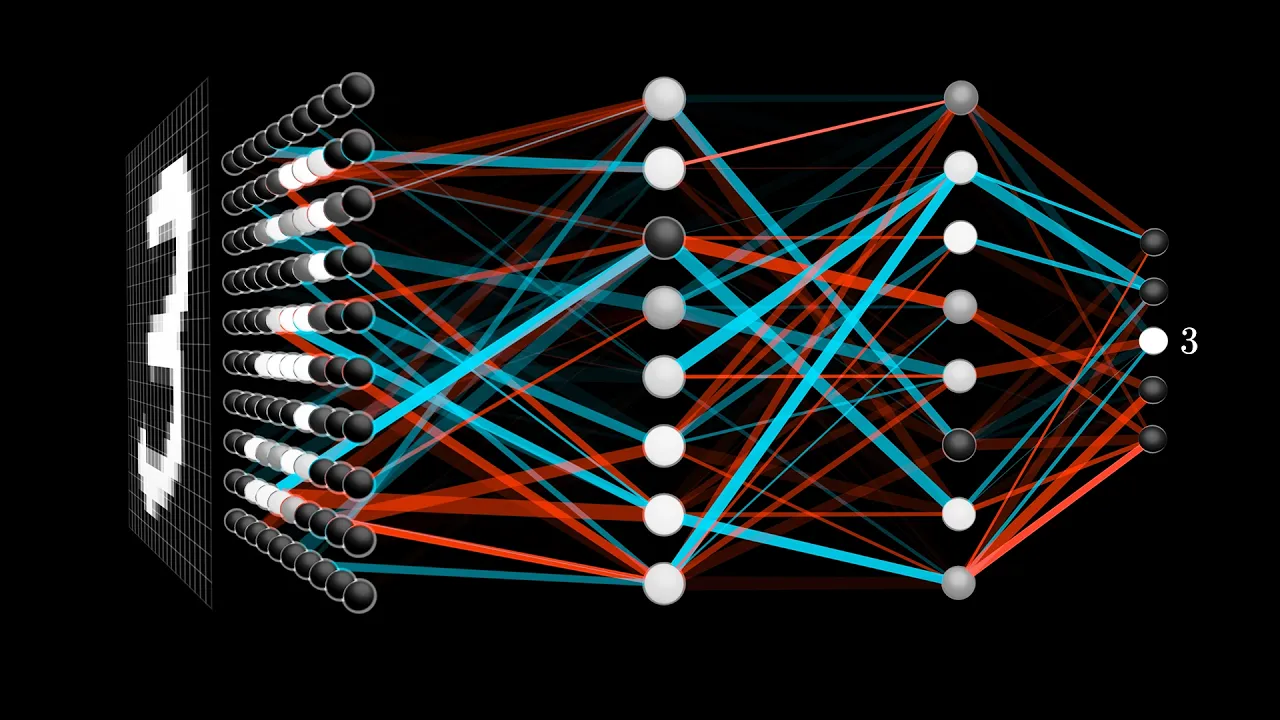
18:41
Neural Networks Explained: Math, Layers, and Learning Fundamentals
@3blue1brown
21.9M views•2017-10-05
Related Study Plans & Knowledge Roadmaps
Structured learning paths in Artificial Intelligence
artificial-intelligence
Aligning LLMs: DPO, TRL & Custom Datasets
01Foundations of Python & Machine Learning
02Transformers and Large Language Models (LLMs)
03Aligning LLMs: SFT and RLHF
+ 3 more learning modules
24h6 modules
Explore Roadmap
artificial-intelligence
Federated Learning: PyTorch, Flower & Privacy
01Python & Machine Learning Foundations
02Deep Learning Basics with PyTorch
03Introduction to Federated Learning
+ 2 more learning modules
35h5 modules
Explore Roadmap
artificial-intelligence
Securing LLMs: Guardrails AI & NeMo Gateway
01Introduction to LLMs, Python, and APIs
02Understanding LLM Vulnerabilities & Threats
03Defending LLMs with Guardrails AI
+ 2 more learning modules
15h5 modules
Explore Roadmap
artificial-intelligence
Building Recommenders: Two-Tower & Vector DBs
01Foundations of Python & Machine Learning Basics
02Introduction to Recommender Systems
03Deep Learning & Representation Learning
+ 3 more learning modules
75h6 modules
Explore Roadmap