


![[ebs 수능특강] 25학년도(24년 시행) 수능특강 과학기술 13 블록체인 기술](https://i.ytimg.com/vi/WyP15dgADQA/maxresdefault.jpg)

















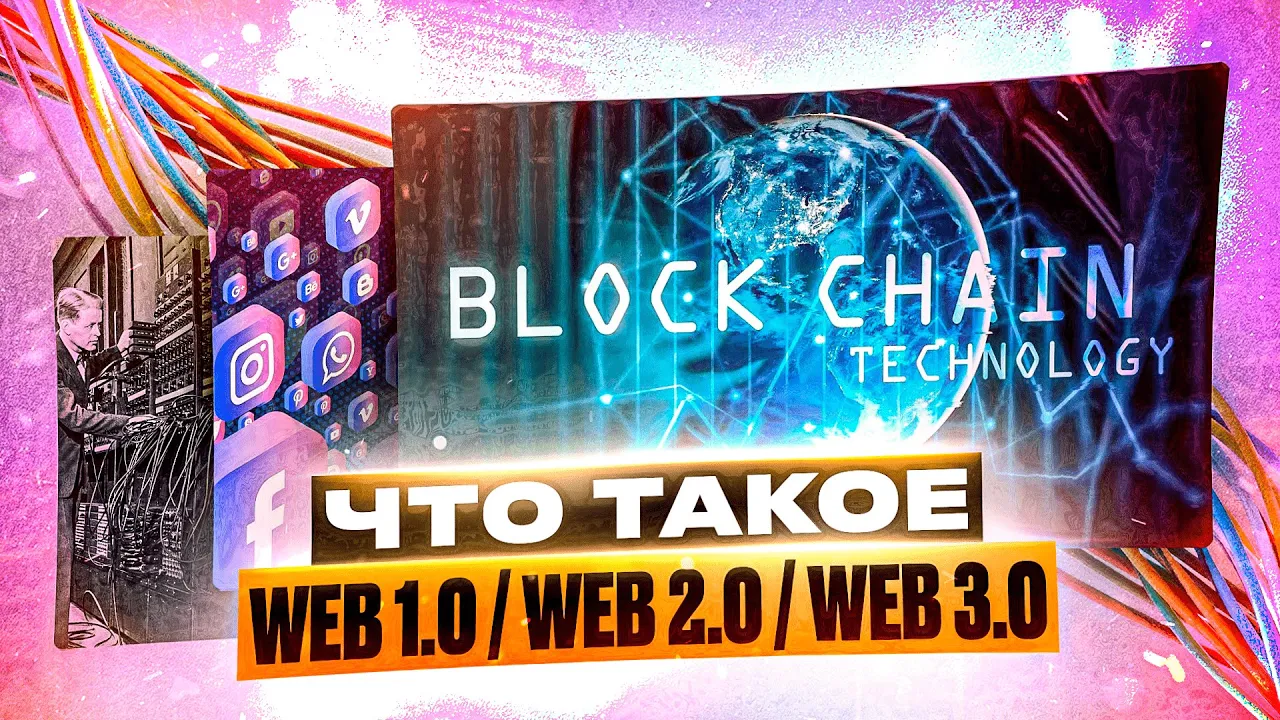
Web 3.0 represents the third generation of internet services, characterized by decentralization, community ownership, and user control over data. Unlike Web 1.0 (static, read-only websites) and Web 2.0 (centralized platforms where users are products), Web 3.0 uses blockchain technology to enable peer-to-peer transactions without intermediaries. Key features include smart contracts for automated agreements, decentralized autonomous organizations (DAOs) for community-governed structures, and digital wallets for secure asset management. This evolution aims to solve the centralization problems of Web 2.0, where tech companies control user data and profit from it, by creating an open, transparent, and inclusive internet where users retain ownership of their information.
Web3 Explained: A New Era of Decentralized Internet Ownership
Added:imagine a bunch of dots floating in space see how static and isolated they are this is what web 1.0 looked like let's take those dots and put them inside a few large bubbles they're connected now but they're also stuck inside the bubbles the bubbles own them this is what Web 2.0 currently looks like now what if we pop those bubbles but still kept all the dots connected so they could go wherever they want on their own this is the vision for web 3 and this isn't the last you've heard about bubbles so you've heard of web3 but you still might not know what exactly it is or how it works don't worry you're not alone web3 refers to the third generation of Internet services although it's still in its infancy when the vision comes to life it's going to be a game-changing opportunity to make a better version of the internet and wrestle it away from the behemoths who control it today I'm Jackson Dumont director of video production at cointelegraph and in this video we're going to shed some light on web3 how it will be different from web 1 and 2 and the role that blockchain and crypto will play in it but before we dig into the details don't forget to subscribe to our YouTube channel for advanced but easy to understand crypto content we are the leading channel for crypto news coverage and education foreign [Applause] [Music] let's get this started to explain web 3 we first need to understand web one and two what is this web one encompasses the earliest stage of the internet from 1991 to 2003. Tech experts refer to web one as the greed only web that's because there really wasn't much to do besides well read websites were built with static HTML Pages web pages were joined together by hyperlinks there were none of the forms controls or visual polish that we see today people logged on mostly to read or get updates on different things they were consumers of content a great example of this is a website many westerners are familiar with Craigslist I mean just look at it by modern standards this is already historical Relic but it's still very active so let's take a closer look it began as an email list for a group of friends in 1995 and eventually grew into a website in 1996. the design is simple text on a web page almost every piece of text is a hyperlink leading you to another web page within the Craigslist domain there are no profile pictures no moving elements no external links and no messaging services you can't even interact with the post directly if you want to reply to someone you have to hit the button then email the automatically generated address on your own this is why we call it static but even though it's archaic it's still fascinating just check out this board called missed connections it's a place where people search for other people they might have seen on the street or at the train station or at a stoplight not being able to view any replies to the post creates this kind of eerie experience it's like watching people shout their loneliness into the void and there you are nothing but a witness it's kind of poetic but I think this captures the essence of what web 1.0 was like now let's move on to web 2 the second generation of Internet services compare website like Twitter or Amazon to Craigslist and it's easy to see the transformation that's taken place at least on the surface the days of hyperlinks and static text are far gone instead we have images videos applications games pop-up Windows animations and most importantly advertising but we all know that you're here right now to understand web3 we need to talk about what's going going on under the surface how the modern internet is actually structured and why it's structured like that this is where the big changes will take place I've got an analogy for you that should help remember that browser game agario that consumed Our Lives 10 years ago you don't all right let me quickly tell you about it in the game you start as a bubble your goal is to eat other bubbles until you become the largest bubble in the room this is essentially how Web 2.0 has evolved modern websites like search engines marketplaces and social medias gather data and bring it into their bubbles this process causes their bubbles to grow and become more powerful think of how you can find almost anything through Google search or how you can order almost any product off of Amazon we can call this the centralization of the internet but the big internet bubbles aren't only eating up data they're also eating up each other in agario there is a mechanic that lets you split your bubble in half so you can move more quickly and eat up more bubbles even though you now have two bubbles they're both owned by you think about Google and YouTube two different platforms both aggregating data and owned by the same parent company when you realize multiple internet bubbles are actually part of the same conglomerate of bubbles you start to understand just how centralized Web 2.0 really is the problem is once you get eaten by one of those larger bubbles you don't have control over your own bubble anymore your data can be used without your consent in web 1.0 internet users were consumers but in Web 2.0 we are products big tech companies like Facebook and Google gather data about us and sell it to advertisers for profit the problem is we don't have a good way to limit the data we are unknowingly sharing on the internet this is what web3 is trying to solve web3 can easily be understood as the read write own phase of the internet it aims to eliminate the exchange of personal data for services and break down the corporate monopolization of the internet let's look at the first part of that data is the main currency of Web 2.0 how do we change that well we would need to build a separate Network that relies on a different medium of exchange like a coin you might see where I'm going with this cryptocurrency networks like ethereum do just that it has its own programming language for building applications users access the services of applications by paying a fee in eth the native coin on the network each user keeps their ease in a wallet the wallet doesn't share any personal information about the user nothing is known except the public address of the wallet which is a long stream of random numbers and letters by the way did you know that the term web3 was actually coined by the guy who coded ethereum you can check out his story here okay so we're replacing data with magic internet money how does this solve anything well because web3 networks will be decentralized and open decentralization means that networks can be upheld by anyone with a a computer and an internet connection it doesn't require a centralized Warehouse full of servers it is maintained by the community this means no single entity controls the network and nothing can be done like selling your data without the consent of the community web3 will also be open which means it's trustless permissionless and largely built on open source software trustless and permissionless mean that interactions can take place between two parties without the need for intermediary this is done with smart contracts if you don't know what a smart contract is we've got you covered it's exactly like sending Bitcoin from one person to another the whole process happens on the blockchain and there is no way that anyone can interfere with it or stop it now let's get to the other goal of web3 which is deconstructing the tech conglomerates that control web 2.
breaking up these giant companies can only be done through legislation and legal action however web3 provides an alternative to the typical company everyone knows the classic corporate pyramid with CEOs and shareholders sitting at the top but what if organizations were structured more like a flat circle where everyone was equal users could participate in the governance and operation of the organizations themselves turning them into participants and shareholders not just consumers or products the structure of the organization will be governed by smart contracts so that everyone has to play by the same rules this is the premise for decentralized autonomous organizations or Dows if you're not sure what that is check out our video on it here alright now we are starting to get an idea of what web3 could look like decentralized applications built on decentralized networks all run by Dows the final missing piece is well you how will you navigate web3 while accruing all of these different currencies nfts and digital assets it's simple you'll store them on encrypted digital wallets just like a wallet in the real world digital wallets will safely hold onto your currencies and data these digital wallets will essentially serve as your identity on web3 and they will be interoperable across many different networks you'll be able to use them to access various decentralized applications that need to interact with your currencies and properties hopefully you'll even be able to regulate how much information you share using your wallet rather than clicking through cookie pop-ups on every web page so this all sounds good right a new era of the internet founded on privacy and governed by the global Community but there are some challenges number one scalability transactions and decisions are slower on web3 because they're decentralized web3 networks simply can't handle billions of users right now and time isn't always a luxury organizations can afford number two accessibility interacting with many web3 protocols and applications is difficult because it requires understanding and experience the fact that we're here right now proves this point and number three it's still mostly a vision we know the core tenets of web3 but we don't know exactly what the final product will look like there are unpredictable factors like government regulation that will inevitably shape the course of the future but for now we at least know the trajectory so all in all it's safe to say that web3 is on its way to becoming the next evolution of the internet an internet where personal data is no longer the main currency an internet that no longer ruled by Tech drives the internet for you if you enjoyed the video be sure to like it leave us a comment below and don't forget to subscribe to our channel the cointelegraph cryptopedia is your Guide to the chaotic space of blockchain technology and cryptocurrencies
Up Next

ERC-1155 Token Standard: Fungible and Non-Fungible Assets Explained
@MoralisWeb3
44.3K views•2021-06-09
Hybrid Key Establishment in Production: Post-Quantum Cryptography
@durumcrustulum
14.7K views•2025-08-27
Operational Security Essentials: A Guide for Hacktivists (OPSEC)
@hitbsecconf
157.4K views•2012-11-26

Understanding Ethereum: A Comprehensive Beginner's Overview
@99Bitcoins
3.1M views•2018-06-26
Related Study Plans & Knowledge Roadmaps
Structured learning paths in Blockchain & Crypto