
![Internet of Things [1/5]: Devices and Local Networks](https://i.ytimg.com/vi_webp/SDJVFr4VUHA/maxresdefault.webp)








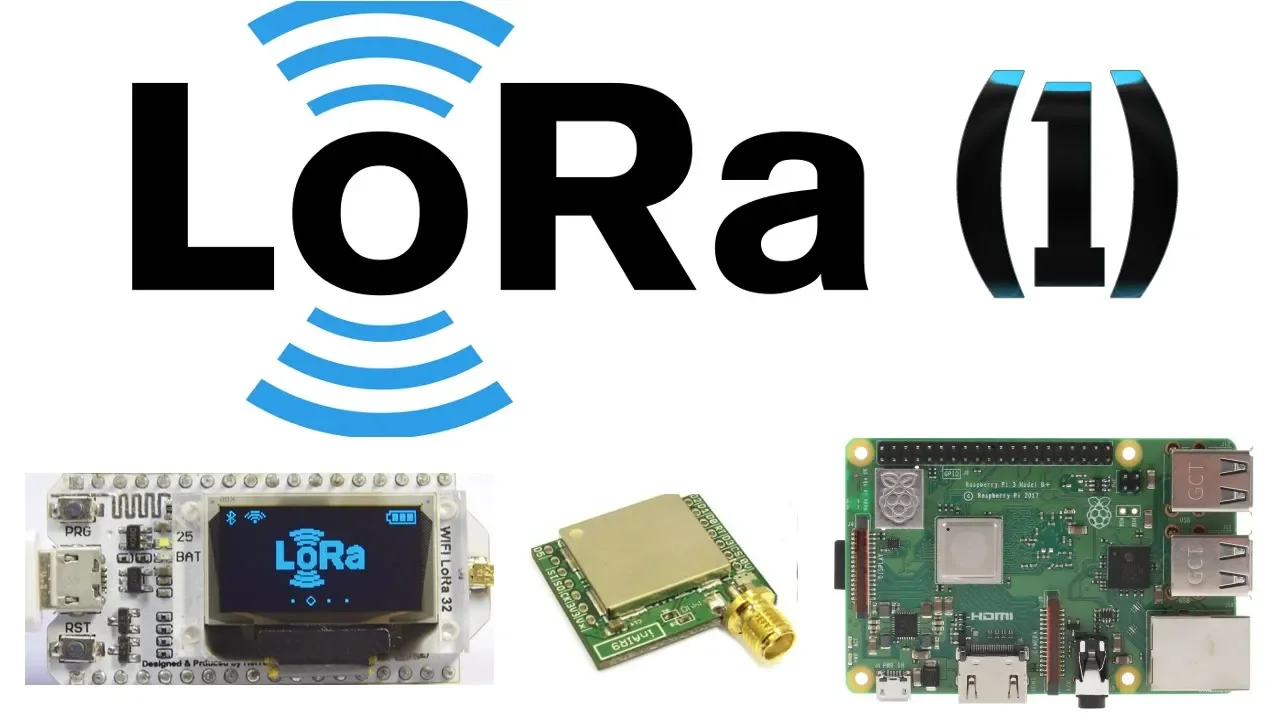













The Helium Network is a decentralized wireless network for Internet of Things (IoT) devices that uses a combination of hotspots transmitting LoRaWAN signals and a blockchain-based proof-of-coverage system to provide affordable internet connectivity worldwide; users can earn HNT tokens by operating hotspots or validating transactions, while data credits are generated by burning HNT tokens to enable IoT devices to connect and transmit data.
Helium (HNT) Network: IoT, Proof of Coverage, and Decentralized Wireless
Added:Fundamental concepts of the Internet of Things (IoT), including how low-power devices communicate over networks.
Basic blockchain principles, including decentralized networks, peer-to-peer distribution, and the role of utility tokens.
Understanding of traditional consensus mechanisms (like Proof of Work or Proof of Stake) to contrast with Helium's approach.
Basic wireless communication concepts, specifically radio frequency (RF) propagation and the LoRaWAN (Long Range Wide Area Network) protocol.
The broader ecosystem of Decentralized Physical Infrastructure Networks (DePIN) and how other projects crowdsource physical hardware.
Helium's multi-token model (HNT, IOT, MOBILE) and its migration to the Solana blockchain for scalability.
Practical deployment of IoT sensors and using the Helium Console to manage data transfer and integration with cloud services.
The economics of Burn-and-Mint Equilibrium (BME) models and their sustainability in utility-driven crypto networks.
914 views20likes13:35Original Release: 2022-06-30
have you ever seen one of these smart pet collars these collars allow you to locate your cat or dog whenever it goes but the thing is that for these callers to work they require internet connection wherever they are so you usually need to pay a monthly subscription fee for the cellular data plan of the device and as you may know cellular data plans are not that cheap and just like these smart callers there are a lot of other smart devices that need internet connectivity to collect and send data like electric scooters weather sensors parking sensors and even mouse traps and yes they do exist so all these devices need internet connection at affordable rates and with large coverage and that is where helium comes into play welcome to cryptobee where we explain cryptocurrencies and defy topics in the most simple and beginner-friendly way in this video you will know what is the helium network and how it actually works and at the end we will talk about some tokenomics of the helium h t token so grab a snack and let's get started [Applause] [Music] so what is helium simply helium is a decentralized wireless network for smart devices these smart devices we talked about earlier are also called iot devices iot stands for internet of things and it can be used to describe any device that connects to the internet to send and receive data like gps trackers smart light bulbs parking sensors and air quality sensors so helium is a wireless network for these iot devices that need to connect to the internet the helium network consists of a lot of hot spots all over the world you can think of these hotspots are routers but instead of transmitting wi-fi signal they transmit a signal called lora which helium calls long phi this type of signal sends very small amounts of data over much larger range than wi-fi where its signal can reach up to 15 kilometers in perfect conditions as of the time of this video there are more than 850 000 hotspots all over the world and the number is increasing very fast with the majority of hot spots in the united states and europe all these hotspots allow a lot of iot devices to send data over the internet at cheap rates using very low power you may be wondering who runs all these hotspots remember when we said that helium is a decentralized wireless network decentralized here means that the network is not owned by a single company but owned by a lot of people who buy and operate these hotspots to earn money in exchange for helping build the network so you may hear helium call the network the people's network so as we have said these hot spot owners earn hnt tokens for providing internet for iot devices and we will get into the details in a minute but we should mention here that helium is actually planning to expand into 5g and wi-fi they aim to build a decentralized 5g network and a decentralized wi-fi network these two networks can provide internet access to smartphones and laptops and can be used for streaming texting or anything you can do on your internet connection unlike the iot network which can only send very small data packets to specific devices in the future the hotspot owners of each network will be rewarded with different tokens that can all be redeemed for hnt but currently only the iot network is functional and all hotspots are rewarded with hnt with also some 5g hotspots available but not in large numbers till now let's now get to how the helium network and its blockchain actually works so helium is a wireless network that aims to provide a large worldwide coverage for iot devices so the network has to make sure that the hotspots are online and transmitting signal where they claim they are so the network is constantly testing the hotspots by a mechanism called proof of coverage what happens is that validators on the helium blockchain randomly choose hotspots to test we will talk a bit more about these validators in a minute but for now what you need to know is that these validators are not hotspots they are normal computers or servers connected to the helium network after a hotspot is chosen the validator then sends some data packets also called challenge packets to the chosen hotspot and challenge it to prove that it is online and providing internet and that it is located where it claims to be this chosen hotspot is usually called the challengey and the validator is called the challenger so after that the chosen hotspot needs to transmit the received challenge packets to other nearby hotspots to prove that it is online and transmitting internet these other nearby hot spots that see the transmitted challenge packets are called witnesses and they have to send a receipt to the validator to confirm that they witness the challenge packets transmitted in their area then the validator will store all the information received in the form of a transaction called proof of coverage receipt transaction that then gets added to block in the helium blockchain and then all the participants the validator the hotspot and the witnesses get rewarded with h t tokens so as you have seen hot spots are rewarded for transmitting data for iot devices with the more data transmitted the more they earn and also for participating in proof of coverage for the challenge-y the more witnesses see the transmitted challenge packets the higher the reward but for the witnesses the more witnesses in the same area the lower the reward each one of them earns let's now get to the blockchain part of the network so the helium blockchain stores the entire history of all activity on the network since its launch you may be wondering what types of transactions are processed through the helium blockchain well they are a lot but few important ones are data transferred by hotspots and how much was paid for it a user sending hnt to an another user the proof of coverage receipt transactions we explained earlier the addition of new hotspots to the network and also the rewards paid for the hotspots the validators on the helium network verify these transactions create a block and then add it to the blockchain and currently a new block is added every one minute as we have said these validators are not hotspots so don't confuse them with the hotspots transmitting long longify signal to iot devices these validators are most of the times cloud servers running on aws or google cloud or simply normal computers connected to the network and they have two roles on the helium network first verifying transactions and creating blocks and secondly making challenges for hotspots in proof of coverage like how we explained to be a validator you need to stake or lock up ten thousand h t tokens which is around one hundred thousand dollars as of the time of this video and currently there are more than three thousand five hundred validators on the helium network if everything works well and the validator has been set up and working correctly it earns around five percent apy on the ten staped h t tokens just keep in mind that this five percent will decrease as more validators join the network so what about the consensus mechanism for the helium blockchain well helium uses a variation of proof of stake called the honey badger byzantine fault tolerant which may sound a little intimidating but don't worry we will explain it simply so as you may know like in any proof-of-stake system validators need to lock up some tokens as a collateral for any misbehavior in helium at any time only 43 out of the 3 500 validators are chosen to verify transactions and create new blocks these 43 chosen validators are called the consensus group and they change frequently and we will explain how in a minute but here once any new transactions arrive they get encrypted and the validators in the consensus group need to work together to decrypt the transactions verify them and then add them to a new block in the blockchain and this is actually what makes the honey badger mechanism different the validators here have to work together so no one validator can choose which transactions to include in the block unlike other proof of stake models where one validator is chosen as the leader to create a block and other validators vote on his work during the creation of new blocks any validators misbehaving by for example being slow or even offline are given penalties and the penalty score for each validator is known after an epoch has passed which is around 30 blocks 25 percent of the consensus group validators are removed validators with the highest penalty scores have the highest chances of getting removed but it is still random penalties just increase their chances it is like having an additional entry in a draw it increases your chances but doesn't guarantee you getting picked up just like having high penalties scored doesn't guarantee that the validator will be removed after that new validators will be selected to replace the removed ones validators with the lowest penalty scores in previous epochs have the highest chances of getting chosen but still is random and having a low score doesn't guarantee getting chosen after the new validators are selected the consensus group begins its work creating blocks again until 30 blocks have been added then 25 of them are replaced again and so on let's now talk about the tokenomics of the h t token which is the native token on the helium blockchain so agent t has two uses first it is used to reward hotspot owners and validators and secondly it is burned to generate data credits burning hnt tokens means destroying them and removing them from the supply forever these data credits are tokens that cannot be transferred or traded on the market and they are the only way to use the helium network and buy data for your iot devices so any iot device that wants internet access through the helium hotspots needs to burn hnt tokens to generate data credits and buy data packets also these data credits are used to pay the transaction fees on the helium blockchain anytime any user wants to send some h t tokens to an another user the wallet automatically burns some h t to get data credits to pay the transaction fees so how much data credits are generated by burning one hnt well one data credit will always have a price of 0.00001 so one dollar will always give you one hundred thousand data credits so how much you get from burning one hnt will always depend on the current price of agent t let's say that the price of h and t is currently five dollars so the value of the one burnt h t equals five dollars so five dollars of agent t divided by the price of one data credit gives you five hundred thousand data credits so what if you burned five h t tokens and the price of one h t is two dollars well the value of h and t in this case is ten dollars so you will get one million data credits let's now get to the supply of h t so first of all there is a maximum supply of 223 million tokens and currently there are 120 million tokens already minted with 2.5 million new h t tokens get produced every month which is around 30 million every year but the thing is that this number reduces to half every two years so after the next having date which is in 2023 there will be only 15 million tokens produced every year and this number will keep reducing to half every two years until we reach the maximum supply of million after four to five years from now according to helium so we can say that hnt is currently inflationary but in the future and as more devices use the network and burn h t to get data credits h t may become deflationary especially with the decrease in the number of produced tokens every year so you may be wondering where does all these newly produced tokens go well the distribution is currently like this 33 percent goes to helium and other investors six percent goes to the consensus group 26 percent goes to proof of coverage participants and up to 35 percent goes to the hot spots that transmitted data to iot devices where they get rewarded with the same number of hnt tokens burnt to generate data credits if that number is less than the 35 percent produced the rest goes to the proof of coverage participants keep in mind that this distribution may change in the future at the end of this video we hope you learned what you need to know about helium and how it works and if you liked our video and want to reward our hard work give it a thumbs up comment if you have any questions and subscribe to our channel and turn on the notifications so you don't miss our new videos thanks for watching [Music] you
Up Next

4:58
DIDs Explained: Self-Sovereign Identity & Blockchain Trust
@MOBIconnect
14.8K views•2022-04-15

52:00
Hybrid Key Establishment in Production: Post-Quantum Cryptography
@durumcrustulum
14.7K views•2025-08-27

64:25
Operational Security Essentials: A Guide for Hacktivists (OPSEC)
@hitbsecconf
157.4K views•2012-11-26
11:49
Understanding Ethereum: A Comprehensive Beginner's Overview
@99Bitcoins
3.1M views•2018-06-26
Related Study Plans & Knowledge Roadmaps
Structured learning paths in Blockchain & Crypto
blockchain-and-crypto
MPC Wallets: TSS, DKG & Secure Custody
01Foundations of Cryptography & Digital Signatures
02Secret Sharing & Introduction to MPC
03Distributed Key Generation (DKG)
+ 2 more learning modules
24h5 modules
Explore Roadmap
blockchain-and-crypto
ERC-4626: Yield Aggregators & Leverage
01Blockchain, Ethereum, and Solidity Foundations
02DeFi Primitives: Lending, Pools, and Yield Farming
03Mastering the ERC-4626 Tokenized Vault Standard
+ 3 more learning modules
35h6 modules
Explore Roadmap
blockchain-and-crypto
DePIN: IoT Registries, Proofs & Rewards
01Foundations of Blockchain & IoT
02Introduction to DePIN and the Flywheel Effect
03Designing IoT Device Registries & Secure Identity
+ 3 more learning modules
30h6 modules
Explore Roadmap
blockchain-and-crypto
Building EigenLayer AVS: Operators & Contracts
01Blockchain, Ethereum, and Smart Contract Basics
02Proof of Stake and Ethereum Staking
03Introduction to EigenLayer and Restaking
+ 3 more learning modules
24h6 modules
Explore Roadmap