


























Confidential ERC20 tokens (cERC20) are a new framework developed by Inco and Circle Research that enables confidential transactions on the Ethereum blockchain by encrypting balances and transfer amounts using Fully Homomorphic Encryption (FHE), while still allowing selective disclosure to authorized parties through delegated viewing and programmable transfer rules, thus providing privacy without sacrificing regulatory compliance or composability.
Confidential ERC20 Tokens: FHE Integration by Inco and Circle Research
Added:The architecture and functional specifications of the ERC-20 token standard, including public state variables and transfer mechanisms.
Fundamental concepts of cryptography, specifically the theory of Fully Homomorphic Encryption (FHE) which allows computation on ciphertexts.
The core tension between public ledger transparency and transactional privacy on Ethereum and other EVM-compatible blockchains.
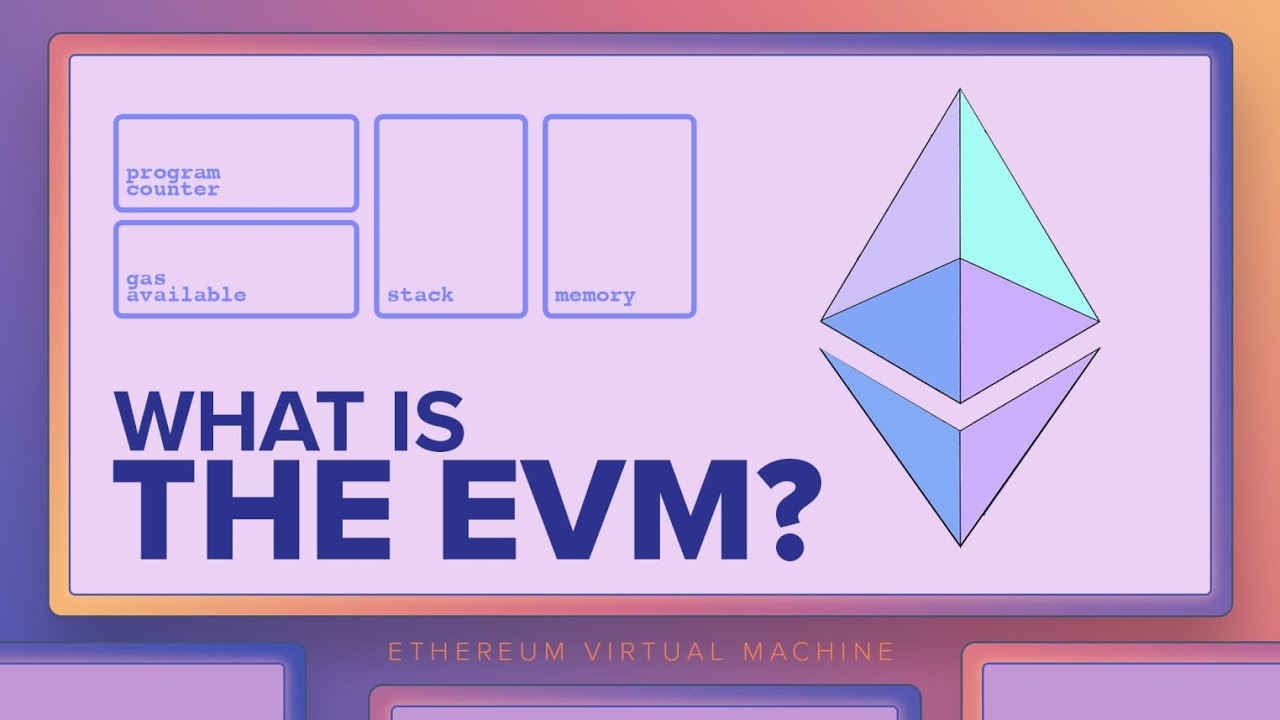
Basic smart contract development concepts, specifically how the Ethereum Virtual Machine (EVM) manages state transitions.
Hands-on development of private smart contracts using FHE-enabled environments like Inco's fhEVM.
Architecting compliant privacy systems in decentralized finance using delegated viewing, zero-knowledge proofs, and selective disclosure.
Analyzing the performance, gas cost implications, and hardware acceleration requirements of processing FHE operations on-chain.
Designing next-generation private DeFi applications such as dark pools, private automated market makers (AMMs), and sealed-bid auctions.
13.1K views630likes6:52Original Release: 2024-12-03
if we could snap our fingers and on board 1 billion people to the crypto ecosystem it would actually be very problematic one of the best features of blockchain technology is transparency but transparency becomes a problem when you have a large number of users every transaction is public you can see everyone's account their balance and even individual transfers imagine being able to query anyone's bank account this is actually the current state of blockchains which could allow Bad actors to easily Target those who have funds to lose you would also be able to see how much everyone is getting paid by the company they work for businesses could never hide their revenue what if you could send usdc tokens to your friend but in a completely confidential way so that anyone looking at a public blockchain Explorer can see that you sent them usdc but the specific amount that you sent including your total balance is completely hidden mimicking popular web 2 applications like vinmo and revolute this is the basis for a new framework that inco called confidential erc20 tokens so before we dive into what confidential erc20 tokens are let's lay out the differences between information staying Anonymous and information staying confidential both of these together are essential to complete privacy but right now most of the tools in the crypto landscape are focused on just anonymity or specifically hiding who is transacting for example tornado cache is a crypt Tumblr technology which allows users to hide the source and destination of certain payments through the ethereum blockchain however tornado cash is not compliant with many regulations and it's currently illegal to use in the United States due to anti-money laundering laws a solution to this is to build technology that's not focused on keeping the user Anonymous but instead keeping the users information confidential to be more specific a tool that allows anonymity is one that hides the source and destination of funds for example someone sends $10 to someone else the amount is known but the sender and receiver are unknown and this allows both of the users to stay Anonymous or at least pseudonymous in work with circle research inco has integrated a novel form of encryption fhe into the evm developing a way to include confidential transactions on the blockchain what if you could simply hide the amount sent so that the transaction looked more like Alice sent some amount of money to Bob in this case the users are known but the information is hidden and even more so what if when your government said to prove it you simply reveal that transaction to only them specifically a confidential erc20 token acts and functions similarly to a standard erc20 token but with four main new features encrypted balances the balance of a user's token are hit en cryptog graphically on the blockchain as Cipher text encrypted transfers not only are balances hidden but the amount transferred between accounts are also hidden delegated viewing which is optional the account owner can selectively reveal balances and transfer amounts for others when needed or required and programmable transfer rules which is also optional the founder or creator of the token can reveal hidden balances or transfers amounts at will as well as enforc compliance rules like blacklisting wallets or incorporating transaction limits confidential erc20 tokens can be directly minted by a provider or through wrapping existing assets with a rapper contract so we've already mentioned the idea of hidden balances and hidden transfers let's discuss what that delegated viewing feature means confidential ERC 20s allow the flexibility of specifying the decryption rules completely onchain using FHA technology and tandem with blockchain security Ino has developed a way for the balance of an address to be encrypted as Cipher text and shared globally across the blockchain network so that anyone with the right access control on chain can decrypt the value the FHA technology allows the balance to be revealed by certain parties when needed as Allowed by the owner or through governance this allows developers to have the option to program compliance Logics and risk management at the Smart contract level to enable business and institutional workflows for example of course Alice and Bob would want to know how much they were sending or receiving so they can easily check the balance of their own transactions but what if you could also allow entities like your accountant or governments or auditing firms like chainalysis to view your confidential transactions when required well this is the magic of delegated viewing using using F to hide the transaction amount on the blockchain Alice and Bob can selectively share who and when their balances and transactions can be revealed to and this is the most important part without needing to share their private keys or viewing keys in the context of ZK payments ZK Solutions do not allow this and if you wanted to share your private transactions in the same manner you'd have to either Grant viewing permission during the transaction approval or share your private key with ZK technology the rigidity of the viewing system makes it difficult to program compliance meaning features like future decryption at will and you also can't revoke access but that's not all since these tokens are in erc20 format they are completely composable this means that confidentiality is baked into whatever app you're using whether you're sending usdc to a friend or staking your tokens on a lending platform or swapping them using an automated Market maker a confidential erc20 token allows your information to stay as confidential as you'd like this can actually allow complete endtoend confidentiality imagine if you're wanting to deposit $10 million into a dark pool if you do it with your standard usdc token anyone who is watching the blockchain can see that you did do such a thing leaking some information before you even make dark pool trades however if you wrap your usdc to a confidential usdc token then deposit these confidential tokens into the dark pool you could hide your large transaction amount one really important use case of this composability is confidential voting now users can vote using the tokens they own confidentially without revealing publicly which option they voted for but while also allowing their vote to be counted in a total this is not available with current ZK Solutions the composability unlocks a network effect as previous solutions to confidentiality have required siloed structures or rigid Solutions which don't mimic the standard erc20 token model that fueled previous defi adoption this new and exciting confidential erc20 technology was built in combination of inco and circle research to learn more about fhe technology and blockchain use cases you can check out inko's blog in the description below thanks for watching I hope you enjoyed this video I really hope you learn something and most of all I hope to see you in future videos
Up Next

14:57
Deploy Your Own ERC20 Token: A Step-by-Step Guide
@Quicknode
67K views•2022-12-15

52:00
Hybrid Key Establishment in Production: Post-Quantum Cryptography
@durumcrustulum
14.7K views•2025-08-27

8:18
What Is AAVE? Decentralized Crypto Lending and Borrowing Explained
@WhiteboardCrypto
420.6K views•2021-05-25
11:49
Understanding Ethereum: A Comprehensive Beginner's Overview
@99Bitcoins
3.1M views•2018-06-26
Related Study Plans & Knowledge Roadmaps
Structured learning paths in Blockchain & Crypto
blockchain-and-crypto
MPC Wallets: TSS, DKG & Secure Custody
01Foundations of Cryptography & Digital Signatures
02Secret Sharing & Introduction to MPC
03Distributed Key Generation (DKG)
+ 2 more learning modules
24h5 modules
Explore Roadmap
blockchain-and-crypto
ERC-4626: Yield Aggregators & Leverage
01Blockchain, Ethereum, and Solidity Foundations
02DeFi Primitives: Lending, Pools, and Yield Farming
03Mastering the ERC-4626 Tokenized Vault Standard
+ 3 more learning modules
35h6 modules
Explore Roadmap
blockchain-and-crypto
DePIN: IoT Registries, Proofs & Rewards
01Foundations of Blockchain & IoT
02Introduction to DePIN and the Flywheel Effect
03Designing IoT Device Registries & Secure Identity
+ 3 more learning modules
30h6 modules
Explore Roadmap
blockchain-and-crypto
Building EigenLayer AVS: Operators & Contracts
01Blockchain, Ethereum, and Smart Contract Basics
02Proof of Stake and Ethereum Staking
03Introduction to EigenLayer and Restaking
+ 3 more learning modules
24h6 modules
Explore Roadmap