

![비트코인의 확장성 문제를 해결한 비트코인캐시에 대해 알아봅시다 [크립토투어]](https://i.ytimg.com/vi/LtV-znuSWC0/maxresdefault.jpg)
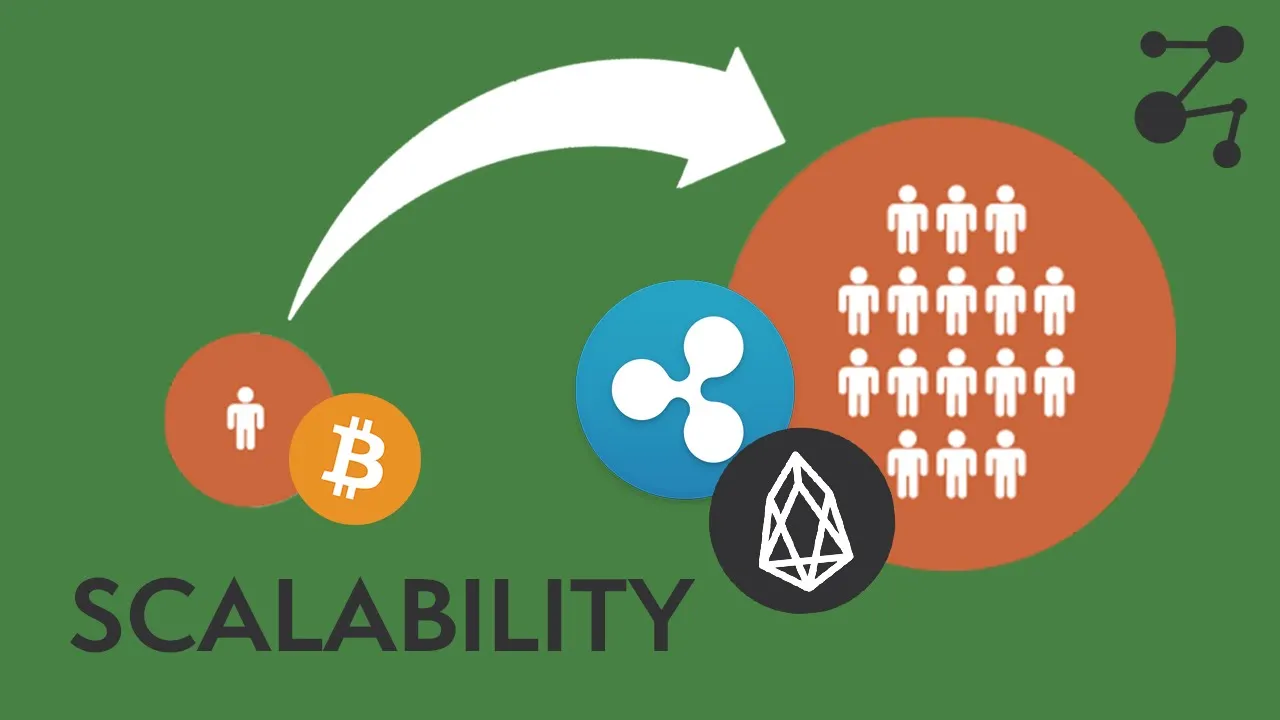












Cosmos is a blockchain ecosystem designed to create an 'Internet of Blockchains' where multiple blockchains can communicate and transact with each other in a decentralized manner. It addresses the limitations of previous blockchain generations (Blockchain 1.0's lack of smart contracts and high energy consumption, and Blockchain 2.0's scalability issues) through three core technologies: Tendermint BFT for efficient consensus, Cosmos SDK for modular application development, and IBC (Inter-Blockchain Communication Protocol) for cross-chain interoperability. This enables developers to build custom, secure, scalable, and interoperable blockchain applications quickly, with projects like Cosmos Hub, Terra, and Crypto.com already demonstrating its capabilities.
The Cosmos Ecosystem Explained: Blockchain 3.0 and Interoperability
Added:discover cosmos and internet of blockchains or as we love to put it the avengers of the blockchain universe in this video we are going to give you a comprehensive guide into the cosmos ecosystem make sure to stick to the end of the video to find out interesting projects already existing in the cosmos ecosystem if you like to stay up to date on all things crypto make sure to click on that subscribe button and turn on the notification also follow us on twitter instagram and tick tock for all the latest crypto updates let's begin what is cosmos anyway cosmos aims to create a network of blockchains able to communicate with each other in a decentralized way in simple terms cosmos aims to break barriers that exist between blockchains by allowing them to transact with each other but before we go in depth and how it aims to do this let's go a little back in history and see how cosmos fits in the broader blockchain ecosystem the evolution of blockchain cosmos is a product of evolving blockchain technology that's why we will take a quick look at how far blockchain technology has come to what we know it today blockchain 1.0 the grandfather this is where it all started 14 years ago bitcoin came to being as the first application of blockchain technology in his whitepaper satoshi nakamoto whose identity is yet to be known detailed an electronic economic peer-to-peer system that is bitcoin and its underlying technology the blockchain it was not long until people realized the potential of decentralized applications and naturally the desire to build new ones emerged however this first generation of blockchain had some major setbacks it's time-consuming due to its proof-of-work consensus mechanism since proof-of-work involves solving complex mathematical puzzles a large amount of energy is also consumed in the process another major setback of blockchain 1.0 is the inability to support smart contracts which means no dapps these setbacks were enough to think of new solutions and that is where ethereum came in to save the day blockchain 2.0 the ethereum story the setback posed by the first generation of blockchain prompted buterin ethereum's founder to extend the concept of blockchain beyond a cryptocurrency this brought the concept of smart contacts to life these anonymous self-managing computer programs expanded ethereum's functionalities from just being a cryptocurrency to also being a platform for developing decentralized applications as well however this approach still had limitations that persist to this very day low scalability just like blockchain 1.0 ethereum's uses of proof-of-work consensus mechanism which enables only 15 transactions per second this is nowhere at par with its demand requirements leading to network congestion and high transaction fees unsustainable power consumption making transactions uses a tremendous amount of computational power silver and rioting applications built on ethereum are limited in some ways in terms of sovereignty how so since they all share the same underlying environment two layers of governance are created the application's governance and the underlying environment's governance the latter limits the former say there's a bug on a d app approval must be sought in ethereum's governance first before any action can be taken these limitations mean that something has to be done well that is where cosmos comes in cosmos blockchain 3.0 the future as we have mentioned cosmos has an end goal of creating an internet of blockchains where these blockchains process transactions quickly maintain sovereign variety and most importantly be able to communicate with each other this end goal can be achieved through the use of open source tools like tendermint the cosmos sdk and ibc don't worry you will break down these tools shortly but at their core they are designed to let people build custom secure scalable and interoperable blockchain applications quickly let's go in depth into what these tools are all about tendermint bft the simplifier building a blockchain requires creating three layers networking consensus and application until recently all three layers had to be built from the ground up this is where tendermint comes in handy tendermint is a solution that packages the consensus and networking layers of a blockchain and a generic engine leaving developers with one primary focus application development this gives them a head start so we have two layers on tendermint's engine end and a programming language on the programmer's end we still need to connect the two that is where the application blockchain interface or abci comes in abci is a socket protocol that connects the two and can be wrapped in any programming language giving developers more flexibility in picking a programming language that fits their needs however the abci still has to be developed which is not an easy task this is where the sdk comes into play cosmos sdk is a generalized framework that allows developers to easily spin up application specific blockchains developers won't have to code each bit of functionality of their application from scratch since they can easily import existing modules into their applications this modular nature allows developers to port existing blockchain code base already in golang on top of it for example ethermint is a project that allows developers to deploy proof of stake blockchains that are compatible and interoperable with ethereum etherement works like ethereum while also benefiting from all the properties of tendermint bft on top of this developers can create new modules for their applications so as cosmos grows the ecosystem of sdk modules expands making the development of blockchain applications easier in the long run enter blockchain communication protocol ibc the connector ibc is a protocol that allows heterogeneous chains to transfer value or data with each other there are currently over 25 blockchains in county built on the cosmos sdk with ibc enabled cosmos hub became the first blockchain in the cosmos of the ecosystem when it launched three years ago adam is the native token that powers cosmos hub it is used for transaction fees staking and governance adam currently sits at position 21 in terms of market cap and is trading just above 27 u.s dollars other interesting projects in the cosmos ecosystem include terra a blockchain for algorithmic blockchains and just recently terra enabled ibc which means it can exchange its native token luna across other ibc-enabled blockchains crypto.com a cryptocurrency exchange and wallet provider also runs on the cosmos network and is ibc enabled cosmos leads the next generation of blockchains and as jean-tenderman's ceo puts it ethereum has smart contracts there's like tens of thousands of smart contracts but in cosmos there can be tens of thousands of ethereum and each of those have tens of thousands of contracts what are your thoughts on the cosmos ecosystem let us know in the comments don't forget to like subscribe and follow us on all of our socials for future alpha see ya [Music] [Music] you
Up Next
Build an Interchain App with Cosmos SDK and IBC in 30 Minutes
@cosmosblockchain
2.5K views•2024-10-03

Hybrid Key Establishment in Production: Post-Quantum Cryptography
@durumcrustulum
14.7K views•2025-08-27
Modular Blockchains Explained: Celestia and Data Availability
@CoinGecko
38.7K views•2023-12-18
Understanding Ethereum: A Comprehensive Beginner's Overview
@99Bitcoins
3.1M views•2018-06-26
Related Study Plans & Knowledge Roadmaps
Structured learning paths in Blockchain & Crypto