









![Scaling Blockchains - Blockchain for Developers [Lecture 9]](https://i.ytimg.com/vi_webp/uIevSsh-ClU/maxresdefault.webp)
![A Note on Layer-2 Bridges and Protocols - Patrick McCorry - [Toronto Ethereum Developers Meetup]](https://i.ytimg.com/vi/_7GRdkVjXFI/maxresdefault.jpg)



















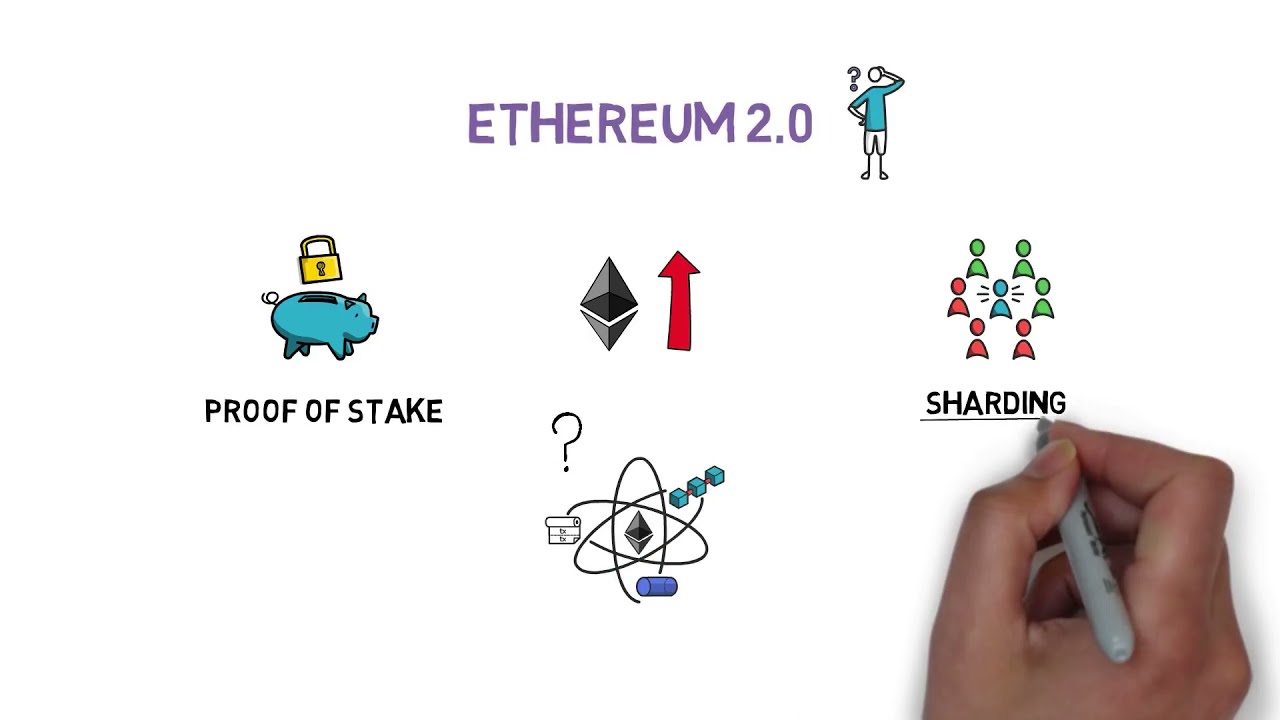
Modular blockchains compartmentalize the three core functions of a blockchain—consensus, data availability, and execution—into separate specialized layers, enabling each component to be optimized independently while preserving decentralization and security; this design philosophy, pioneered by Ethereum's transition to a roll-up-centric roadmap with sharding and proof-of-stake consensus, creates a virtuous cycle where increased decentralization enables more shards, which enables greater scale, which enables more economic activity on rollups, ultimately making Ethereum's token (Ether) 'ultra-sound' money as more fees get burned than new supply is issued.
Modular vs Monolithic Blockchains: Scaling Ethereum
Added:The Blockchain Trilemma: The fundamental trade-off between security, decentralization, and scalability.
Ethereum basics: How transactions, smart contracts, gas fees, and the Ethereum Virtual Machine (EVM) function.
Layer 1 versus Layer 2 scaling: The basic concept of off-chain execution and on-chain settlement.
Consensus mechanisms: How Proof of Stake (PoS) secures a blockchain network and validates blocks.
Deep dive into Rollup technologies: Comparing Optimistic Rollups (e.g., Arbitrum, Optimism) with Zero-Knowledge Rollups (e.g., zkSync, Starknet).
Data Availability (DA) Layers: Understanding specialized DA networks like Celestia, EigenDA, and Ethereum's Proto-Danksharding (EIP-4844).
Layer 3 (L3) networks and App-chains: Exploring hyper-specific application layers built on top of modular rollups.
Interoperability and Cross-Chain Bridging: How different modular execution layers securely communicate and transfer assets.
29.9K views1.1Klikes1:40:15Original Release: 2021-10-26
hey bankless nation it is state of the nation time we are super excited to bring you this special episode on modular blockchains david what are we going to cover today oh it's classroom time with bankless and as we have developed into this world of blockchain we are discovering new ways to build them a lot of different blockchains have optimized for a lot of different things and now we are getting into the world of modular blockchains which is something a new phrase that we're we're just kind of learning about how to describe what it is this thing that we are building when we compartmentalize all of the things that make a blockchain a blockchain what happens if we silo these from each of the other compartments and optimize for each individual one and so this is uh has been growing in popularity growing in mindshare growing in steam and so we want to take this lesson of what a modular blockchain is here to the bankless nation on today's state of the nation yeah absolutely guys we are so bullish on modular blockchains and i think this will uh will come through and if you haven't heard that term that that's cool because that's what classroom time is for uh we're going to explore what that term actually means and we also hope you know that like when we say classroom time this is not necessarily just david and i like being the professors up here we're actually learning this as we go as well and the entire industry is learning this but let me tell you really quick why it's super important it's important because as david and i have previously said we think that ethereum has the best scalability strategy out of any chain out there like right now full stop like full stop okay and you won't hear that a lot on other shows in crypto twitter out there that is not the popular narrative okay but like this show in bankless has never been about a popular narrative all right we were talking about ether when everyone thought it was dead in 2018 when no one thought it was money right and i feel like this year some of our ideas about ether being a triple point asset have been vindicated and proven out and now we get these like fund reports these these banks that are actually using that thesis to back why they are bullish on ether right so okay so that idea wasn't popular before and then we you know we dug into it and brought it to the fourth light uh to the light now i think modular blockchains are not a popular idea and to be clear it's not just us it's an entire community paulie nye has been talking about it anthony susana has been talking about some others but it's still very early in this classroom in this journey in the development of the modular blockchain but i think it is the next realization that is going to hit the industry maybe not this year but definitely i feel like next year david is going to be the the uh era of modular blockchains where people are going to wake up and realize oh okay ethereum does have a very sustainable scalability strategy and it preserves decentralization and is maybe the best scalability strategy of them all so that's what we're going to dig into today and here's here's another challenges dave and i neither of us are um technical cryptography experts okay a little bit of technical foo not a ton but um so we are learning as we go and i think that actually helps position us to be sort of a bridge from um the vitaliks of the world and the protocol developers of the world who like if we can understand it you guys can understand it all right so like we're gonna try to make this accessible as well as as we uh dive into it anything else david before we get to some announcements yeah the cool thing about modular blockchains is the synergies that every single module has together and at the end of this episode i hope that we can teach the listener the viewer it's the relationship between ultra sound ether ultrasound money and ultra scalable ethereum because those things are not just words with the same memes but they are actually directly connected with each other the more scalable we make ethereum the more ultra sound we make ether the asset and this is true not just about ethereum this is a inherently neutral design philosophy modular blockchains roll-ups sharding all this stuff it just happens that ethereum is implementing this technology uh so it's it's a politically neutral endeavor that ethereum is pioneering and so that's why that's what really gets me excited about this this is why we're so excited guys we can't wait to dig in uh before we get to it a couple of things going on in the bankless nation the first is we had eric peters one river capital management that episode came out on monday that was a banger of an episode in fact we're getting a lot of people saying that it's like one of their favorites if not their their their like first favorite bankless episode like top three top five um go check out that episode of eric peters um i think uh you know i've already listened to it twice more david because i thought it was that good i was listening to it last night yeah really it's just a phenomenal episode i don't know if there's anything more you'd add david but all i could say is go download that episode listen to it eric peters comes from the traditional fund world but he has such a he's such a poly like he's got all of these other interests and ideas and he's he's kind of brought that thesis into the episode so what more can i say also david there's a ether versus bitcoin debate going on that's happening tomorrow look at this teaser boxing gloves who's gonna be in that debate what what are you guys uh talking about yeah it's uh me and justin drake on the team ether side and it's uh dennis porter and uh munib on the bitcoin side debating ether versus bitcoin which is more sound money and that's a big question because there's a lot of things to talk about which asset holds its value over time which asset is more untinkerable what is the relationship between lindy and money uh the differences between proof of work and proof of stake and how that relates to money uh i did this debate with dennis uh just him and me about uh two months ago and it was a blow up success way more successful as in terms of like audience than i ever expected and so we're doing round two uh i'm tapping in justin drake he's tapping in munib and we are going to go at it you guys going to keep it civil as always oh absolutely that is one thing like people think like this is just going to devolve into yelling but again i did this one time with dennis porter dennis before and he was great he was a fantastic and very honorable very respectful debater so i think this is gonna be a really good time and hopefully a lot of lessons get learned that's awesome well the community leveling up together that's why we're all doing this and i think debates are a fantastic form for that uh as well last thing for you before we get into the episode wanted to tell you about pooled together they just released their version four this is version four of the no loss lottery system that pool together has put out and um i'm super excited about this because pulled together is kind of a go-to app in d5 especially for people who are new uh and uh david why don't you tell them a bit more about version four what that includes yeah there's a bunch of cool innovations first off if you don't like gas fees and who does you can simply go to polygon and use pool together on polygon but one critical upgrade to v4 is that all of the pools across all of the chains are actually condensed into the same pool so rather than having just a fractured network of many different pools all over the place pull together has connected every pool to be to represent the same pools a pool of pools full of pools right acro across chain yeah and and so also there's uh anti-whale mechanisms and so if you are a little guy and want to uh have you know a decent chance of winning pull together has built in some little guy boosting mechanisms into their v4 and overall it's really just a matter of just like uh being able to express how much um uh chances of winning versus chances of losing that you would like to enter with pool together so overall some fantastic optimizations coming to the v4 of pool together i know it's called a no loss lottery but it's actually you're not actually gambling anything you're not actually risking anything besides smart contract risk and defy risk that's associated with it because you get all of your principal back uh and that you know there's also some prize money that you can win too i think they are releasing a million dollars in prizes to celebrate the launch of v4 so go check that out fun thing to win the lottery especially in defy you could be a winner you can check that out at bankless.cc slash pull together and thanks for to pull together for getting the word out in this message david got to ask you the question i always ask the beginning of these which is what is the state of the nation today sir ryan the state of the nation today is learning we are all leveling up it is classroom time with bankless this is some of my my favorite episodes where you and i just get to unpack an idea together and hopefully spread that into as many other brains as possible so ryan today on the state of the nation we are learning absolutely um well i can't wait to dive into this with you guys we have no guests to announce when we get back it'll just be david and i in the classroom going through modular blockchains and what that means so stay tuned we'll see you in just a few minutes after these sponsors an ethereum scaling solution that is going to completely change how we use defy if you've been using ethereum for the past 12 months you've probably noticed the high gas fees and the slow confirmation times that have been plaguing d5 too many people want to use ethereum and it doesn't have enough capacity for all of us that's where arbitrarum comes in arbitrary is a layer two to ethereum which means arbitrarium can increase ethereum's throughput by orders of magnitude at a fraction of the cost of what we are used to paying when interacting with arbitrary you can get the performance of a centralized exchange while tapping into ethereum's level of security and decentralization this is why people are calling this ethereum's broadband moment where we get to add performance onto decentralization and security if you're a developer and you want to save on gas costs and make an overall better experience for your users go to developer.offchainlabs.com to get started building on arbitrom if you're a user keep an eye out for your favorite defy apps building on arbitrom arbitrary has been working with over 300 teams including ethereum's top infrastructure projects and will be opening up to all users shortly there are so many apps coming online to arbitrarily so you may want to pack your bags in preparation for the great migration to the living a bank arbitrary alchemics living a bankless life requires taking control over your own private keys not your keys not your crypto that's why so many in the bankless nation already have their ledger hardware wallet which makes proper private key management a breeze but the ledger ecosystem is much more than just a secure hardware wallet ledger is the combination of the ledger hardware wallet and the ledger live app and if you're used to seeing all of your crypto services and favorite device apps all in one spot ledger live is where you want to be not only does ledger let you buy your crypto assets straight from the app but it also hooks into all of the defy apps and services that you're used to using ledger live you can stake your ethan lido swap on dexes like paraswap or display your nfts with rainbow you can also use wallet connect inside of ledger live to connect to all the other defy apps that keep coming online defy never stops growing and the ledger live app grows alongside with it so click the link in the show notes to see all of the defy apps that ledger live has and stay tuned as more apps come online and if you don't have a ledger hardware wallet what are you even waiting for go to ledger.com grab a ledger download ledger live and get all of your defy apps all in one space hey guys we are back talking all about monolithic chains what does that even mean david you've got an article coming out tomorrow on the bankless newsletter about us so when some folks hear it on the podcast that article may already be out that's going to serve as a reference for this and you really dove into the topic but we're going to kind of discuss it today both your article kind of your findings and i guess this is the classroom no guests to announce no guests to introduce it's just you and i man so uh let's dig in where do you want to start should we start with his like definition what a monolithic blockchain actually is so we use this other term modular blockchains but i think before we understand modular blockchains which is kind of the future that we're maybe moving into for some of these chains we probably have to understand current state which is something called monolithic block change that's the era we're in right now is the monolithic blockchain era so what is a monolithic blockchain and why are we in the monolithic blockchain era yeah modeling with blockchain is basically every blockchain that people are familiar with bitcoin ethereum binance chain solana and even the the side chains like polygon are also all monolithic block chains and what a monolithic blockchain is is a blockchain that tries to do everything at once in the same spot there are three things that make a blockchain a blockchain and we're going to unpack these more there's the consensus how does a blockchain come to consensus about what blocks are valid and added to the chain with bitcoin this is proof of work and the future with ethereum this is proof of stake with solana currently it's proof of stake then there's also the data availability or literally how much block space is actually available in each block bitcoin famously has one megabyte block space ethereum has a lot smaller blocks but they come a lot faster i think there's something around the outlines of like 16 kilo kilobytes uh and then solana or things also like polygon or binance marching have really really big blocks um and so that's the variable of block space how much block space is added per second and then there's also um what is the last one the last one is oh my gosh uh execution execution right here we go the computation of a blockchain so you have a block it has a state of things these are the account balances how what nfts you own how much ether you own in your wallet how much usdc you own in your wallet and then you make some transactions and then a new block is added to the blockchain and that new block is computed by the execution of a chain and so this is like the cpu of your computer of your node out uh executing the output of a state of a new block and then that new block is added to the chain monolithic blockchains have all nodes and all like hardware requirements of the monolithic chain doing all three things all at once so if you are a node you are doing all three aspects of what a blockchain requires in order to be functional uh and so i think you might be able to see where we're going with this when it comes to modular blockchains we are actually going to be compartmentalizing out these different three roles of what a blockchain is it becomes into different categories where the different roles and different responsibilities of network participants do these things separately so we have monolithic blockchains where all computers all nodes do all things at once and then modular blockchains we're actually compartmentalizing these things and separating these out to different ecosystem participants and that's literally what it means to to modularize these things so we've got this consensus layer as you said that that really defines what's true that's kind of the trust layer of these computer systems then there's the execution layer which is like what's happening that's almost like i think of that david as uh like compute layer right in a computer right and then we have the data layer which is what's already happened in the past and i think of this a little bit like it's the storage layer of a computer so just to zoom all the way out what is this new type of computer that we've created in the crypto era right all the way back to bitcoin you know 2000 circuit 2009 or so these are like trust machines okay these are trust computers they're really they're they're they're crappy in almost every single other respect like but they're really good at one thing and that is like censorship resistant uh reliable state that's the consensus layer that backs all of these special economic uh you know computers that we call blockchains right so no other your regular computer does not have this consensus layer but it does have an execution layer and it does have a date availability layer so these three layers together the consensus the execution and the data layer that's what forms a chain and you're saying in monolithic chains which is to be clear every chain that we've seen today currently from bitcoin to ethereum to solana to everything in the you know the cosmos uh ecosystem they're all monolithic genes because they do all three of those things in the same chain in the same place right like cosmos has a different approach will they'll string together multiple monolithic chains but each of those chains are still monolithic chains solana tries to do it all in in one shot this kind of brings us before we i guess get into the modularization of it though david let's talk about um why this is important right and the why goes back to something that um our listeners have probably heard us talk about or others in the industry talk about which is the scalability trilemma so the entire history of of crypto since as long as i've been here has been faced with this question of okay these blockchains are really cool but how do we scale them and there's two dimensions of scale right one dimension is how do you scale um the value of the asset underneath these changes like how do you scale the market cap this is what bitcoin's uh very passionate about and ethereum two is how do you increase the economic bandwidth of bitcoin get the market cap higher right more believers more holders these sorts of things ether the same right more believers more holders more use of ether as money makes it increase in economic bandwidth and that's been sort of one side of the conversation the other side of the conversation has been more what uh traditionally we call kind of the scalability problem which is we only have a limited number of transactions per second in these chains and like ethereum right now caps out at 15 transactions per second bitcoin is even less it's like i don't know 9 to 12 something like that so that means only 15 transactions at any point in the world in this like global computer that we've built called ethereum this this consensus trust computer that we built can happen at the same time and that is like woefully inadequate if we ever want to use this for a payment system for the world right a global payment system a global economy multiple union swap trades at the same time like everything that we've talked about on on bank list cannot happen unless we increase the transaction throughput the trustless transaction throughput of the system and that brings us to the scalability trilemma could you explain what the scalability trilemma actually is and uh why is it a triangle yeah listeners might be famous with that the famous like pick two meme where there's three things and you have to pick two of them because you're playing man you can't pick the third yeah yeah it's a menu exactly that's exactly right and so on the blockchain trilemma we have the three properties of a blockchain how scalable it is how secure it is and how decentralized it is so decentralization really just refers to how many central points of control are there if there are zero then you have a decentralized blockchain scalability or the scalable point of the triangle is literally how many transactions per second can your blockchain do and then there's secure which is how secure is your blockchain how many hashes does bitcoin have per second what's the hash rate or with the theory and proof of stake is how many validators are there in the pool of validators securing the chain how much ether is staked so these three things make up a blockchain and historically we've seen different monolithic blockchains optimize for two corners of these triangles while having to uh sacrifice the third so bitcoin and ethereum famously have optimized for decentralization and security they are very very decentralized and they are very hard to attack so they're at the bottom of their triangle they're at the bottom of the triangle right uh they have in addition to while trying to optimize for those things they have sacrificed their ability to be scalable at the l1 so they maintain decentralization but as an execution layer ethereum bitcoin not so great right like re they haven't prioritized execution on the monolithic l1 because if they did they would have to have sacrificed decentralization and security which is really the two things that underpin crypto more than anything else we have scalability in the web 2 world but we don't have decentralization or security in the web 2 world so that's really the main differentiator about a web 3 monolithic blockchain is that we actually have decentralization and security as some of our properties other blockchains binance smart chain polygon solana have traded off decentralization for scalability and so they have reduced the number of nodes that can run the blockchain in order to produce more scale at the l1 produce more scalability produce better execution environments for all the transactions and to be clear they either reduce the number of nodes david or they make the node requirements very very high right which effectively is the same thing kind of can be the same thing i guess they um it becomes more difficult for an average individual consumer to actually participate right there's a there's a relationship between the hardware requirements of a node and how many people can do that so as you increase the hardware requirements the number of nodes go down which actually makes the network eat more efficient because there's less nodes you can do more things faster when there's less computers that have to keep up with the chain you become more scalable you become more scalable you lose decentralization and so this is the whole famous blockchain trilemmas you only get two and while bitcoin and ethereum the big the first big chains of the world have optimized for security decentralization it's left a huge niche open for monolithic chains that are interested in optimizing for execution which is why so many of these execution optimized monolithic blockchains have generated so much traction because well there's a lot of demand for cheap fees okay so i i feel like when i think about that that trilemma it's kind of interesting like because i go back to how do we measure these things right and so i feel like the the top of the um the triangle is scalability and people generally measure that through transactions per second right that kind of makes sense and then at the bottom right there's uh security and i think a good measure of that for bitcoin is like hash rate and ethereum proof of uh work that's probably hash rate a number of validators may be another a good measure but but also like i think of economic security in general right so how much does it cost to actually attack the network and that has to do as well with um how valuable is the stake how valuable is the token how many indiv like how many um how much stake is inside of the network and what's the economic value of that on decentralization that that's kind of a unique point on the triangle because um some people have found that harder to measure over time right it's like what does decentralization actually mean maybe it means how many nodes there are but i think you said one thing that um in your article anyway that that really caught my interest and uh use the phrase where are the centers of power right maybe that's that's how you measure decentralization like when i was thinking of decentralization i always think of decentralization as an anti-corruption mechanism basically so if you're less decentralized you're much more corruptable because there are fewer centers of power and it takes fewer individuals or colluders inside of the network to actually like bend the rules in their favor any any thoughts on decentralization how you actually measure that yeah people like to um i always joke when somebody asks like well how decentralized is it well there's we need reference points in order to compare these things and if you want to talk about the most decentralized thing in this known universe it's the microwave back background noise of the universe like that is the most like decentralized thing that you can get and then things march towards more centralization after that and then we people generally consider bitcoin as the most decentralized blockchain that is in existence and there are certain levels of centralization there is actually numbers of nodes out there in the world um but those numbers of nodes are like 10 000 plus so still pretty decentralized right like we've gone from an infinite number of just like background atoms down to like you know 10 000 nodes so getting more centralized but still very very decentralized and then we can keep going down that decentralization spectrum till we get to like a one of one database but that's only the story of nodes there's also like uh humans of power so there's a lot of applications out there compound maker dow unit swap ave and then some applications don't have admin keys and some do and if you have admin keys like it doesn't matter if you're on a decentralized network because the locus of control got collapsed down to whoever has the admin keys so this isn't actually something that i think you can measure and that's kind of why i always joke with like starting with the microwave cosmic background radiation of the universe you can't measure it but you can but it still is a property that exists well yeah yeah that's hilarious that's where you go when someone asks you about decentralization so like quick just to recap if we're to put um genes in these various areas inside of the triangle right so um all of all everything inside of this triangle is a monolithic block chain right so so for the listener we haven't yet gotten to the point at which we're going to talk about modular blockchains which is the other end but like uh traditional chains bitcoin ethereum they would all be towards the bottom and then you might have a um a solana uh an avalanche there toward the top where they trade off top right centralization for scalability and security and maybe like a multi-chain ecosystem like you know cosmos maybe that's a bit more decentralized but they they do trade off some security right every individual chain needs to have its own validator set but they get in exchange for that um i get i guess a bit more scalability so that's i guess towards sort of the left side of the triangle that's pretty much everything though right it's it's an optimization somewhere inside of this triangle yeah all all monolithic blockchains are trapped in the triangle it's just a matter of which point of the triangle do you want to sacrifice and which point of the triangle do you want to optimize for okay all right so let's get back to maybe the the modularization part of this because i feel like um what crypto has just maybe recently discovered and i think that um by the way the researchers are way ahead of us in terms of understanding this i just feel like so much happens in like research forms and these very smart individuals it doesn't kind of translate into the broader crypto ecosystem but part of what we're describing is actually the uh the ethereum roadmap like ethereum's future roadmap has been for the last year year and a half to modularize itself we haven't really had good terms to describe this or a narrative to like describe what's actually happening so the researchers have been way ahead of this what we're describing here is just um what the roadmap work looks like and we're like trying to understand it and put it in our own words i actually don't think the researchers knew to frame it in terms of modularization i think it was very much a world of like all the researchers some of the proof of stake consensus researchers read like okay we should do proof of stake and then the data availability researchers were like all right we should do sharding and then looking at it holistically it's like oh you know what we're doing guys right we're actually modularizing everything and everyone kind of just modularized it on their own accord like the developers are just like doing the whole blind men feeling the elephant thing is like well i'm gonna go work on charting i'm gonna go work on a proof of sake i'm gonna go work on roll-ups like there was never any grand design this happened organically because they went through every possible door right that was open to them and like many of the doors kind of slammed shut and this was the inevitable outcome was like it just kind of collapsed to this design and this is why polynya's name has resurfaced so much in the last month or so is that they actually like for as far as i can tell was the first person that really made the term modular blockchains as opposed to monolithic blockchains and all of a sudden that allows people like you me anthony cesano to actually understand the actual pattern of development activity that the ethereum developers have been doing for the last two years well let's start with maybe one of paulina's articles and and by the way we're going to share this uh pauline is a pseudo-anonymous writer basically kind of a contributor recent contributor to the ethereum ecosystem who's written a ton about this and there are a series of articles from paulina on their medium posts as well but this i think is a really interesting analogy from the world of cpu manufacturing and maybe we could use this could you tee this up for us so processors and and blockchains in both industries it seems like modularization is revolutionary is necessary to get these things to the next level so talk talk about uh amd and intel and what they found in their chip manufacturing processes yeah it's important to note that a blockchain is a virtual computer when we talk about ethereum as a world computer it's a single instance of a computer that many many many other computers all contribute their resources to which means that blockchains are inherently hardware based like they come from hardware and but the difference is that it's a virtual representation of all the the fragments of hardware that node operators contribute their resources towards they have compute they have storage they have all of these things all of the same things that make a computer make a blockchain and so when we see this evolution in chip design cpu design and go through this progression it's important to take those lessons back to the blockchain world like all right guys here's what the chip design industry figured out maybe we should apply those things and so the story here is that intel which is like the the gargantuan in this space the incumbent has been making just improving incremental improvements upon their chips by just making them larger and larger and larger in the sense of like a monolithic chip just like all of the things that a cpu does does it all in the same spot right uh and so like the the fastest cpu intel chip was the xeon platinum it had 28 cores cost like 10 thousand dollars and then one day a amd which is a kind of a david vert goliath story amd comes out with a 64 chip cpu costing like less than half of the cost of the uh of the intel chip and it was a in like it went from ten thousand dollars down to four thousand dollars at the same time a 4x improvement overnight in terms of processing power uh and so it really just blew the doors open on a completely new paradigm of chip design and basically what amd did is they modularized the cpu they took all the components of what a cpu does and they put it into different compartments different compartments that were allowed to individually be optimized and so instead of one gigantic slab of a cpu amd's brand new cpu had eight tiny chiplets eight tiny modules and then it had a medium sized what's called a die which is like the traffic controller of all the chips in the middle and so instead of having all the resources take place in all the same spot the chip compartmentalized everything and it had this organizational chip in the middle that coordinated all the different activities of all the different little chips if you are savvy with ethereum 2 development you might just replace this whole medium sized die in the middle that's doing all the traffic controlling with the beacon chain and then all of the peripheral tiny chiplets as shards right these are the same design structures the same designs like primitives they were they were proved to be very successful in the world of chip design and now we are trying to run that same sort of module that same sort of a pattern design philosophy in the blockchain world yeah it's kind of funny so so amd just like absolutely crushed intel through this modular design it took a while for intel to actually admit it so for a while they i guess they were still sticking but in secret they were working on their own modular chip design because they absolutely had to or they would be out competed and obliterated by amd and they started moving in the direction of a modular design and i i believe have improved their design after that but and that's where we are in the world of cpu design cpu has now moved into the world of modular designs yeah which is which is really exciting it it also strikes me that um this kind of design exists outside of kind of the technical space too it sort of exists in in nature right this idea of specialization and division of labor right so first of all it obviously exists in uh economies right and it exists in like you know capitalist uh manufacturing right you divide later and you labor and you become much more efficient through specialization of course everyone knows that's kind of economics 101 but but also if you look at like the inside of a of a cell and how that sort of um i guess yeah organically uh has has evolved the place that it is right there's like a nucleus in a cell and there's all of these special component parts of a cell that do various things like energy production and like all of the various functions of a cell so this is not and you know that that was created through a natural process through nature so um it's not like that this design necessarily has been uh for ordained it just seems like this type of modular design is the inevitable conclusion when you push a system to its scalability limits you have to modularize at some point yeah that's exactly right like the division of labor and specialization is how just industry civilizations uh you know species actually progress forward they take the the species and they split them into different groups and they say all right everyone do what do what's your best at and then as a whole when it comes together and society comes together everyone is being been able to optimize for all of the different things uh and so this is just not this whole like modular blockchain chain thing isn't just happening in silo like it's following the same pattern that we've seen throughout throughout history okay so so david let's let's go back maybe to the um the layers that are important here and and talk about what this modularization actually means so recall we have the consensus layer we have the data layer and then we have the execution layer okay right now that all occurs inside of the monolithic block chain on the same chain but now we are talking about splitting this apart into three component pieces so these three functions live in different areas inside of ethereum or inside of a modular blockchain design again doesn't have to be ethereum it's any chain that adopts this this sort of design philosophy can you talk about where these various things start to reside in the modular design scenario right so with execution where all nodes previously in the monolithic paradigm all nodes would uh execute all of the same transactions and they would all verify each other's computation so every single node would do all of the computation now we have rollups and what that has done is that is taken created a new execution layer that is separate from the actual l1 and has created a new execution environment on the l2 and the reason why this works is through what uh harry potter fans might understand to be the unbreakable vow as in using cryptography to make an on-chain commitment that the rollups will always play by the rules and so since the rollout the rollups constrain itself to follow the rules and say like hey we're going to go do some computation over here but we're going to make a commitment to the l1 chain that we're going to follow these rules so you can trust whatever whatever shenanigans we get up to in our own centralized version of our of our rollups right because rollups are centralized around a very few number of nodes sometimes down as just a one-of-one node or just like a you know a set of three nodes ten nodes a very low number of nodes and the reason why we get to have a low number of nodes which is also the same reason why we get to have a beefed up execution environment we get to have transactions get executed for as cheaply and as quickly as almost a centralized database and sometimes even faster with dk roll ups is because we've constrained everything down to just a few nodes so where monolithic blockchains have that have optimized for execution trains like binance smart chain or solana they do that by constraining the number of nodes but they sacrifice decentralization in the process on a rollup you do the same thing where you cut down the number of nodes but that unbreakable vowel that the the rollup made to ethereum is actually where you retain the decentralization of the ethereum l1 so no shenanigans can happen on the centralized roll-up that the ethereum l1 doesn't actually approve of so you get the the optimizations of an extremely efficient roll-up environment where the number of nodes go from just like maybe you know a centralized blockchain a centralized monolithic blockchain i would call like 1000 nodes or less this is either the binance smart chains the the solana's but with rollups you can go to like three nodes your muted run you can go to three nodes and so like it's a way more transaction execution optimized than any monolithic blockchain that has optimized for execution ever can become okay so let's talk about that for for for a second so okay so now we've moved into this uh and people may have heard about ethereum's move to of roll-up centric road map this happened about a year ago or two years ago and again i don't necessarily think it was a master plan it was just the inevitable destination of you're continuing to optimize optimize you're not sacrificing decentralization or security and so what do you converge on well it's this sort of design this means all of the execution no longer actually happens inside of the monolithic ethereum layer one chain it can but over time there's a specialization where the majority the bulk of execution upwards of 90 percent maybe in the future starts to happen in these roll-up environments and when we say roll-up if you're not familiar with that that that's also just like that's a chain a separate chain that is secured as david said by ethereum so the specialization here is the roll-up doesn't have to deal with security it doesn't have to figure out data availability or consensus it can just focus on execution and by the way there are some other hidden gains here in that you can have a blossoming let a thousand experiments bloom sort of experience here where all of these rollups try different things they're all secured they don't have to worry about consensus or data availability and they all compete with one another right for ultimately the block space that is ethereum but what we've just moved towards is ethereum's future which is most of the execution happens on top of these rollups and of course execution is one one third of the the components of um like the three things that blockchain does it do because execution is compute that tells the chain what's actually happening or what's what's going to happen next and so that's that's important anything else you want to say on that or should we talk about the next component here yeah one of the big efficiency gains that rollups has is that when you're when you're on a roll-up there's something like 10 000 transactions per second or something every now and then the roll-up settles up onto ethereum and deploys new state onto ethereum think of a roll-up and when it does all these bundlings of transactions and it creates one single transaction that it deploys to ethereum that's just like you having a bunch of files on your computer throwing them into a folder and pressing the compress button it's like zipping up a bunch of transactions and that's why when you have like a ton of transactions on a rollup like a gigabyte worth of transaction something that would be way too much data to ever go on the l1 well the roll-up compresses everything down to the smallest possible packet of information and it deploys just that information onto the l1 so a single megabyte worth of data on the l1 can actually translate into a gigabyte's worth of data on the l2 because rollups compress the data that's a fantastic point and let's talk about the magic that makes this a compression possible this is cryptography folks specifically advances in cryptography okay a lot of the roll-ups of the future that we are going to see are going to be zk snark enabled roll-ups when we had that that conversation about moon math with justin drake where like so these types of computers the computers that we're building um in order to get advances like you know magic advances where you have order of magnitude differences of scalability it's not about like um cpu manufacturing processes and you know fitting more chips in a smaller and smaller you know you know design space it's advances in cryptography that actually make this this uh enable the compression that david's talking about and so roll ups zk zero knowledge uh technology that's what makes this compression possible and has been a huge unlock for the space and i think that's why we're entering this new modular blockchain design so fast that's what makes it all possible uh that's exactly right and zk roll ups is actually like compressing the data even more than optimistic roll-ups uh optimistic roll-ups it just bundles up a bunch of transactions and compresses it into a blob i'm pretty sure the way that this works with zk roll-ups is it takes a bunch of transactions compresses it and then wraps it in cryptography and then deploys that which is why the zk roll-ups are generally known as being like the most scalable possible thing that we can ever come up with and also not quite here we'll talk about the road map and timeline toward the end but before we do so we've got that the first part execution right uh where do you want to go next david you want to talk about the data layer or the consensus layer let's do the data layers and so this is called sharding if you are talking have ever been familiar with sharding this is basically the same thing there's terminology like data shards data layers data availability shards block space these are basically all the same things different aspects of talking about the same thing but basically when we're talking about sharding we're sharding the data of ethereum the data layer of ethereum and so in a monolithic blockchain there's one single blockchain within one chain of blocks that move forward and that block chain if we want to preserve decentralization needs to be adequately constrained but the thing is with and it's actually impossible to really talk about all these different compartments in silo with each other because they definitely relate so i'm also going to be talking about some consensus properties here but with proof of stake consensus and having a bunch of validators validating the chain instead of so like the target for ethereum proof of stake is 10 million ether we want 10 million ether to be staked in order to consider ethereum secure you divide 10 million by 32 and that gives you the number of validators that are validating ethereum and that becomes a pool of validators kind of in the same way a mining pool has come about to pool all the hash rate for proof of work mining but with ethereum it's actually built into the protocol where there's one gigantic pool of validators now instead of having something like 300 000 validators all validating one chain instead of all of those validators being stacked on top of one monolithic blockchain we can actually spread these validators out across many chains which we now call shards and so instead of having 300 000 validators validating one chain we can have something like 4500 validators validating one shard and then having many many shards all combined be combined together and so this actually increases the block space that's available at the l1 while also preserving decentralization and so the more when you add a validator to the pool it gets directed towards a shard and all the inefficiencies of all of every single validator validating all the same things you can actually spread the validators out across you know initially 64 shards but really up to and in theory infinite the next actually after 64 comes 124. um but uh and you get to spread the uh the ability to validate the chain across many many different people which is just more efficient you get more bang for your buck that way and so we can actually add block space to the l1 that the ult uh roll ups ultimately come to settle upon okay so so recall uh the difference between execution is kind of like compute that's like what's happening and how you change state that sort of thing right um this data layer that david's talking about that is um history of everything that's been computed right so is is state history maybe a good analogy for this and like the reason this has to be all on chain is because when this data is available and this state is available on chain right then that's when you know it's censorship resistant and uh trustless and has all of the properties of the underlying blockchain so this is like the the storage layer of the blockchain computer if you will and it's uh incredibly important so david go over how does the roll up and uh the data shards how do they sort of work together so the roll up is the module that does compute right and then it does it use these data shards for um storage is that what it's doing it's transaction history storage that sort of thing that's exactly right so your your crypto punks your erc 20 transactions all of the things that you do ultimately become part of the data of a blockchain of a system and in a sharded system it becomes part of the data of one shard of a system so the people roll ups themselves are not a panacea of scalability they do really really great things for scalability but they are also bottlenecked by the data availability of the l1 if there's more data available by the l1 rollups can consume more of that and so when we go from having like you know x amount of available data on the l1 to you know roughly the first iteration of shards we'll add roughly 18 times more data than the ethereum l1 so the ethereum l1 will get roughly 18 times more scalable because of the nature of the progression of the roll-ups when you add roughly 18 times more scale to the ethereum l1 it's not 18 times more scalable on the roll-ups it's like 18 like like orders of magnitude more because of the compression right so when you add one megabyte of scale to the l1 or you add another shard or the shards can become bigger we'll talk about that later when you add just a small bit of data to the l1 the l2s can use orders of magnitude more data because they ultimately compress it down to a very small packet of data so one megabyte on the l1 turns into like one gigabyte of transactional data on the l2 so when we uh when we linearly scale out the number of shards that are on ethereum you exponentially scale out how many transactions roll-ups can process so this is where the modularization of these things actually turns it flips things on its head and rather being limiting factors you actually turn the limiting factors into growth factors more uh more decentralization of the shards more validators creates more block space which creates more scale along the l2 i hope people are hanging with us uh so so far on this i know there's a lot of like we are literally explaining a computer but here's why i think it's it's worth it for you guys to to hang on and understand these topics is because it informs the types of investments that you will make in this space all right there is a massive narrative that there are all of these like each killers out there that transactions per second are the only thing that matters that ethereum is not scalable okay there's a lot of money sloshing around in that thesis what we're presenting is kind of a different thesis and a thesis um yep like we think will be the long uh term one that will actually win out okay so that's why all of this stuff is important um so we've got the roll up layer we've got the the data starting layer i guess the other reason all of this is maybe a little complicated for listeners is some of what we're talking about is future and some is today i didn't want to addre we'll summarize the kind of the timeline road map near the end of this but just to give you guys a sense so what what you're seeing in this depiction we have early stage roll-ups right now okay we don't have the we we have some zk roll ups we don't have um zk uh you know vm roll ups we don't have generalizable zk generalizable zk roll ups today but we're in the early stages of roll up so we have that piece we do not have the data sharding piece that david just talked about all right what we have is one shard all right which is the ethereum mainnet so we do have some data availability we just have the monolithic chain what david's talking about with these david data shards where they turn into like from 1 to 64.
that will probably happen sometimes circa 2023 okay so this is a component that's being developed in parallel right we're continuing to progress on rollups and um we're doing some things with the consensus layer which we're about to talk about but the data availability layer where it splits off into 64 different pieces and we get all of this additional data availability that's not coming to 2023. that's why part of this is hard to understand because like all of these uh modules are being developed on it in parallel so like picture a workshop and there's like three different sections of the workshop somebody a team's working on consensus another group of teams are working on rollups and another team is working on data availability and they'll be done uh at different points in time and then like the entire thing comes together and forms the the modular ethereum roadmap anyway i wanted to say that the last piece here david is the consensus piece and of course this is what makes a blockchain computer a blockchain computer it's like this is what makes it all um you know trustless we have the consensus layer and kind of this provides the security so what is this layer and what module provides it in the modular blockchain design and then in the monolithic world it's basically just proof of work and proof of stake ethereum is currently proof of work but it's going to be transitioning into this proof-of-stake design structure that has individual validators and so you for every 32 eth every instance of 32e that you have you can spin up one validator and then add that validator to the pools of validators that are saying hey i'm willing and ready to verify the ethereum blockchain i've brought along my 32 ether with me so if i lie you can slash it and if i don't lie you can pay me a little bit of ether and so it's important to say that if you have 64 ether you can spin up two validators on your one single computer and so each 32 set of 32 ether is one instance of a validator and as a result of this a pool of validators is generated and so each validator has its own address right it starts with 0x 1 2 3 4 abc and then as more and more validators come to the pool more and more stake is is being validated upon ethereum with a beacon chain we could we could in theory go and literally look at the number of validators that are validating the beacon chain and then in sharding we will be able to spread out these validators across each node and so while instead of having like i said earlier instead of having all validators all verifying the same thing validators can be spread out uh and so uh it's also important to note that like uh when we have instances of 32 validators when under proof of stake when the thing that is validating ethereum is capital as in ether ether is being bonded to the network you have capital that is that is validating ethereum and that is really what proof of sake is is like will you will you put up a bond of capital on the promise that you won't um won't falsify the blockchain so capital is what is verifying and securing ethereum uh and so when its capital capital can be pooled and so really the the differences between a staking 320 eth or 3.2 eth in theory should be very very little and should actually uh collapse over time the differences between those two things when innovations like staking pools come online so 32 ethan's actually supposed to be an arbitrary number and really your return on your capital will be the same no matter how much capital you actually have because proof of stake will will reward 3200 320 32 3.2 eats all at the same rate of return so that's really important to know and so when you have just capital as the thing that uh provides security to the blockchain it collapses who can actually validate the chain down to a somebody that has capital of any sort you just have to turn that capital into ether and be willing to have that capital b ether denominated but the whole concept of proof of work is saying like no major investments into hardware no major investments into proof-of-work economies of scale just capital because you have to have you have to have something you can't have uh proof of stake without having some sort of risk so you have to have a bond of capital that is willing to be slashed but when you collapse it down to just somebody with capital you increase the number of viable ecosystem participants that can be validators and this is really really important proof of stake in the whole validator model collapses and maximizes accessibility to become a proof-of-stake validator and like i was saying earlier and this is where some of these modules start to compound upon each other the more validators you have because you've democratized access to validating ethereum the more shards you can have because we are spreading out the validators across all the shards the more validators come to ethereum the more shards we can spin up and so the more shards we can spin up the more data availability ethereum has the more data roll-ups can consume and become cheaper and faster transactions on the roll-ups i kind of skipped ahead here in the in the whole show but this is where these things all start to compound upon each other we'll we'll get to more of the synergies in just a moment so um but yeah i just want to nail this home so the consensus layer david this is um what we now call the the beacon chain right and in uh in ethereum and this has been live for uh approximately a year essentially and this proof-of-stake beacon chain will replace the proof-of-work uh consensus layer and so now we've just gone through and we've laid out these three parts in a monolithic blockchain world all of these existed in the same single chain right in the modular blockchain world we have these three pieces that are being developed in parallel and they exist in different modules different areas of the stack and again the execution layer tells you what's happening it's like compute the data layer tells you what's already happened that's storage and the consensus layer tells you what's true what's true is the entire point of a blockchain these are trust computers right okay so this is the design for ethereum i don't know if folks know this or not this thing that people have called in the past it's like eth2 or or serenity when you hop the hood and actually go through the road map and go through the design this is it it's a modular chain want to connect one more dot for you and then i think we have to break for sponsors we could maybe talk about the synergy the last thought is back to something that that david said okay so the scalability trilemma remember those different points in the triangle the only way to embark on the only way out of the scalability trilemma the only exit ramp is actually through the bottom left point on the triangle decentralization you have to optimize for decentralization in order for this modular blockchain avenue to be open for you because if you maximize for just scalability you increase node requirements you decrease the number of participants in the network and you lose decentralization well what are you you haven't preserved the thing that makes blockchain special which is this consensus layer this trust layer you have to go retrace your steps and get back to decentralization right so this is why ethereum and even bitcoin although bitcoin has not moved into modular i don't think they ever will those stay monolithic but this is the reason bitcoin has also optimized forward to centralizations because decentralization is very important for the bitcoin network so i want you on that point lightning network is actually the modularization of the execution environment true it's totally true um so so this is the strategy i think some bitcoiners have seen as well um so we will get back to this we will be right back i think next we're going to talk about all of the the flywheel effect and and the synergies that this provides i think we're also going to talk about what the fate of these monolithic chains are how this is all going to play out in the future because once again there's this narrative that monolithic chains it's a multi-chain universe everyone's really happy we don't think that plays out at all okay i think many of these monolithic chains will come crash and burn all right uh and then we'll talk about um maybe where we see um where we see this all going from a monetary perspective and a sustain economic sustainability perspective so really really important conversation the whole economic side of this conversation is absolutely fascinating and we're gonna try to fit it in like 20 minutes or so but before we do we want to thank the sponsors that made this episode possible living a bankless life requires taking control alchemix is one of the coolest new defy apps on the scene it introduces self-paying loans allowing you to spend and save at the same time deposit the die stablecoin into the alchemix vault in order to get an advance on the interest it generates borrow up to 50 of the total amount of your deposited die in the form of al usd stablecoin here's the craziest part the loan pays itself back and you cannot be liquidated unlock your assets potential in the ultimate defy savings account and brand new to alcmix is the eth fault where you can deposit eth into the application borrow al eth against your deposits while having your advance gradually paid back over time v2 is rapidly approaching which will allow for even more collateral types plus a variety of yield strategies to choose from harness the power of alchemix at alchemix.fi that's i a-l-c-h-e-m-i-x dot f i follow alchemix on twitter at alcomixfi and join the discord to keep up to date with alchemix v2 and to get involved in governance the ave protocol is a decentralized liquidity protocol on ethereum which allows users to supply and borrow certain crypto assets ave version 2 has a ton of cool features that makes using the ave protocol even more powerful with ave you can leverage the full power of d5 money legos yield and composability all in one application on ave there are a ton of assets that you can supply to the protocol in order to gain yield and all of those same assets can also be borrowed from the protocol if you have supplied collateral here you can see me borrowing 200 usdc against my portfolio of a number of different defy tokens in eth i'll choose a variable interest rate because it's a lower rate than the stable interest rate option but i could choose the stable interest rate option if i wanted to lock in that interest rate in permanently v2 also features the ability for users to swap collateral without having to withdraw their assets trade them on unit swap and then deposit them back into ave with ave users can do this in one seamless transaction saving you time and gas costs check out the power of ave at ave dot com that's aave dot com all right guys we are back with the discussion about modular blockchains this indeed is the future we are entering the modular blockchain era at least that's what david and i think um let's talk about the synergies that come when you move to a modular blockchain david i think before break you mentioned you mentioned three of them um the first is more decentralization right let's talk about that the second is more scale and the third is more security and these all kind of feed into one another it's sort of this flywheel effect let's start with the top which is more decentralization of course we ended our the the first part with um the fact that in order to become a modular blockchain you actually have to optimize for this thing called decentralization talk about that once you do what does that enable yeah so with monolithic chains there are monolithic chains that have optimized for execution and those chains go really really fast the blocks get added to the ledger very very quickly and the only kinds of computers that can keep up with these chains are super high performant ones and so if you have a slower computer or you have a computer where you want to use the computer at the same time if it's being running a node so you can't contribute all the resources to the to the blockchain you get left behind the blockchain goes too fast uh and so there's actually a solution for this when it comes to sharding uh and so if you have shards where instead of having all 30 000 or 300 000 validators all trying to keep up with themselves you compartmentalize things into smaller cohorts of validators and so instead of three hundred thousand there's only four thousand and so the competition and how fast these blocks are able to propagate happen a lot faster how do we get there how do we get more shards is by having more decentralization more security at the proof of stake level and so again the whole entire paradigm of proof of stake is collapsing the cost of validating the chain down to the absolute minimum and the absolute minimum of validating the chain is just having capital and so we do away with big mining asic farms we do away with big expensive hardware and we collapse the cost down to hardware that people already have in their own homes so your macbook pro your macbook air can validate the chain so once all hardware costs are eliminated the only thing that is left that is required to secure a chain is capital or stake because you need to have capital slashed and so all of this whole like mining hardware the the buying the requirements for mining hardware under proof of stake gets injected into the asset into ether uh and so this allows for more and more people to just have their capital and become part of the network by staking ether and again with staking pools can allow for people with below 32 ether to participate and so once these barriers to entry to being a validator are collapsed more and more computing units computers can be added to the ethereum validator pool and so when we fracture everything into a bunch of shards if you contribute a node that has like not very good computational abilities it's an old computer you actually aren't slowing down the whole chain because you are actually adding your computational resources to a shard and so you uh you even if you have a kind of a crappy computer you don't have to be uh in sync with 300 000 other people you only have to be in sync with a very much uh a much smaller portion of the validator network something like three to four thousand validators and that that difference between having to keep up with everyone versus just of a committee of people allows uh all these computational like these uh all these slower nodes to keep up with all the other nodes because there's less nodes to keep up with so i think what you're saying is like more decentralization means more individuals can start staking more validators can be created and once we have more validators we can actually increase the number of shards right so we start with 64 shards but where does it go from there how do we scale up the number of shards that could be a next chapter of ethereum's trajectory and the more shards of course because of like all of the the compute and the compression technology that we're talking about in the roll-ups that will um exponentially increase the transactions per second and the throughput capability of that that execution layer of the roll-ups essentially okay so that gets us to more scale right so we have more decentralization gives us more shards which gives us more scale and we're talking about orders of magnitude more scale the third piece of this flywheel david is more security okay so make this connection for us because i think i think what you might be about to say is we have all of these different shards right they're still paying fees aren't they they're still paying ethereum fees transaction fees in order to secure the rollups is that the security you're talking about where do we get the the security in this flywheel yeah absolutely so when more shards come online that data is made available towards the rollups and again a one an addition of one megabyte of data on the shards layer turns into a gigabyte's worth of data on roll-ups so it's orders of magnitude more efficient on roll-ups and we know in bull markets a lot of transactional demand comes into this industry and it really it has completely congested ethereum for two bull markets in a row and we see all of these new monolithic chains spin up in the last bull market it was eos in this bull market it's binance smart chain and solana and there just becomes an insatiable demand to transact on a blockchain and so it goes from the blockchains that have optimized for decentralization like bitcoin ethereum a bull market comes and all of a sudden we need a blockchain that is optimized for execution and so this is where a lot of these monolithic blockchains get spun up very very quickly that optimize for execution because there is a ton of economic activity that gets priced out of ethereum and it goes elsewhere and then and then uh people complain about like ethereum gas fees and then they go on to like these execution optimized blockchains and they they see that like these economic transactions are costing them less than a penny and they're cleared instantly and they're saying oh this is the future roll-ups are where ethereum's l1 transactional capacity can overflow to while ethereum also still capturing the fees of those transactions and so kind of like we were saying earlier even the transaction optimized monolithic blockchains still won't be able to compete with a rollup because the roll-up has that in unbreakable vow with the ethereum l1 that allows it to just be a very very small number of nodes one node two node three nodes ten nodes something very very small and so the uh freedom to transact on these roll-ups it's going to be insanely cheap and insanely fast and all of this new block space that's created is going to unlock a vibrant ecosystem of economic activity that we've never been able to have before you can't do microtransactions on the ethereum l1 but you can do transactions on an ethereum rollup under a data sharded paradigm that has transaction fees 0.0001 pennies and instant finality and so this unlocks a completely new like world of types of viable economic transactions that ultimately settles down to the ethereum l1 okay so that's where we're getting the more security right so what you're saying is in all of these rollups opens up a massive new universe of you know financial applications all sorts of different applications these are not free riders they all pay their taxes they all pay for the economic security of ethereum because they pay back an eth and what happens that eth it gets burnt it goes to validators it pays for security that's the security budget other chains side chains the salon is not paying ethereum it's a security budget but a rollup always does and so that's where we get that flywheel of we get more decentralization we get more shards we get more shards we get more scale we get more scale we get more roll-ups paying for economic security we get more security we get more decentralization again it repeats and it repeats and it repeats right that is the virtuous cycle of what we're talking about so yeah you look like you have something to add here yeah totally so all of that new type of economic activity that's allowed to happen because of cheap fees those fees all get bundled up and compressed into a roll-up transaction and then those fees go to be paid for to the validator pool of the l1 when there's more and more fees being paid to the validators that's more and more incentive to spin up new validators to stake more ether and so if there's more incentive to stake more ether more validators come and stake their ether to capture some of the fees that the rollups are paying and because more validators have arrived we can spin up more shards and now we're back at the beginning where we can start this whole process over again boom modular blockchains it's a virtuous cycle it's crazy okay so let's talk about um the future of monolithic chains then okay and there are there are multiple possible features so again this is as if amd just came out with a new chipset that's gonna like eat your lunch all right it's not here yet but like it's being developed it's it's in the works it's getting closer what's going to happen to monolithic chains and let's let's remember of course eth1 is a monolithic chains we're also talking about ethereum if it if it did not go through this trans uh transformation somebody else would and what would happen to it number one let's talk about the economic sustainability of these monolithic chains because i think neither of us think these chains in their current form are economically sustainable why is that david this is where we get into the conversation that we talked about at the very beginning where there is an intrinsic relationship between ultrasound ether and ultra scalable ethereum and so we've seen ethereum the l1 the monolithic version of ethereum established this insane fee market the fees paid to ethereum are absolutely crazy they're the object of everyone's irs who doesn't want to pay fees but from a protocol perspective it's really really healthy because if a l1 blockchain collects a bunch of fees that ultimately just gets routed into the security budget for the chain so more security means you have a higher budget to pay your validators also if you collect a bunch of fees you also don't need to issue and so this is why we get into the the meme of ultrasound money issue issue you mean mint new supply exactly blockchain subsidy right so for every ethereum uh block there is two ether that is issued per block so every 13 seconds two new ether is minted but times there are times where the blocks there's so much demand to purchase block space because block space is so constrained that there's more ether that is uh paid to buy the block space than is what is issued and this is what we call ultrasound money because we're burning more ether than we are issuing and so from an investment standpoint this is very very attractive ether is becoming more and more scarce the more it's burnt and if we can actually burn more ether then we issue then we drift into the ultra sound money territory and so paulie nyan one of his articles makes this very uh very simple claim that uh all blockchains need to collect more in fees than they issue and this is just simply the relationship of a deflationary asset or an inflationary asset over time oh that has to be the end destination doesn't have to start that way you can subsidize it by issuance and a hope for the future but eventually right the reality has to catch up and you have to you have to make more in transaction fee revenue then you're actually issuing that new supply or you get the shittiest money on the planet that's exactly right and uh i think uh bankless episode two ryan we introduced this concept called gresham's law where bad money is called a good money drives out bad money as in and we know this from uh just from real world anecdotes if you're in argentina and you have dollars and pesos you keep the dollars and you and you spend the pesos because the pesos are being inflated they're being minted uh they are losing their value over time so it's simply a matter of you keep the money that you think is going to retain its value over time and then you spend the money that is being printed because well if it's being printed it's losing its value and so this is the fundamental like paradox of a monolithic blockchain that has optimized for execution because if you have optimized for execution you've sacrificed decentralization so you can have more block space and faster block space but if you have more block space you have increased the supply of block space and you actually reduce the ability to capture fees more block space is more blocks-based supply so if demand holds the same you actually lose the ability to collect fees from people purchasing your block space and also more importantly things like binance smart chain and solana truly advertise themselves as cheap fast fees like the very low fees very fast transactions what they're saying is they have optimized for an execution monolithic blockchain but at the same time you are also committing to not collecting fees because if you collect fees it kind of ruins the whole value proposition of a of a monolithic blockchain that has optimized for execution let me ask you right let me ask you a question though so ethereum started as well with a very low fees i would say right until it got congested until it got network effects until it got traction until it got product market fit what about the um the idea that some of these chains the solana's of the world for instance they'll just ratchet up fees as well because they inevitably have to once they get product market fit once they get saturation once they have a built-in network effect and then they'll be able to like quote you know extract rent essentially and and then people will happily pay a higher transaction fee but their their baseline is is higher in terms of transaction per second than than ethereum is what what's your uh reply to something like that so in in that world to me that is just a monolithic blockchain that was previously optimized for execution now moving into being optimized for decentralization uh because if you ratchet up fees well how do you do that you don't just like take the fee meter and go higher fees what you do is like fees are set by the free market the free market the fees that are ultimately set are determined as supply and demand of block space so when you say ratchet up fees what you're really saying is actually ratcheting down block space so you can instigate a fee market to to emerge yeah you kind of have to and i guess if you're doing that then you're following the path that ethereum's already been on which is the modular block and you're already like i don't know four or five years behind potentially if you haven't already made that pivot but plus you also have a [Music] i think it's very hard for things that start off with those security trade-offs to then move toward the decentralization quadrant because you already have the power structures in place right is the community going to want to do that are the validators in solana going to want to do that right are the developers going to want to do that not unless they absolutely have to make this pivot you'd have to be hard pressed in in order to do that and also importantly the the economy that has been built on these uh execution optimized monolithic blockchains is one that is inherently looking for a place of low fees that's why they went there it's just first place to another one and this is why rollups are so awesome is because as anything that a execution optimized monolithic blockchain can do a rollup can do 10 to 100 times better so if they're looking for a place of cheap fees and then and these execution optimized blockchains decide to start optimizing for decentralization and not execution they're just going to push all of these low fee seeking economic activities to places where there are lower fees which will be roll-ups which is why we said a lot of alternate layer ones are actually competing against ethereum's roll-up ecosystem they just don't know it yet the in the the market has not wised up to that but i want to also put some numbers behind this like economic sustainability issue right because uh paulie nya puts numbers on it let's take an example of um solana so this was from post i think a couple months ago so it should be in the realm of like what's recently accurate but as for solana it captured 10k per day transaction fees uh more recently a hundred thousand dollars per day if you wrapped up to a hundred thousand dollars per day that's uh 36 million dollars in transaction fees annualized so that's revenue for solana 33 revenue but it's giving out four billion dollars in soul tokens as blockchain issuance uh inflationary rewards okay that is a net loss of negative 99.2 percent as we said in the long run these chains have to be sustainable economically sustainable and for that to be the case transaction fees have to exceed inflationary costs issuance costs block reward costs that is not the case with these monolithic chains now which is why we think many of these things are not sustainable they're sort of a short term kind of pass through the narrative cycle everyone's hungry for additional block block space but like do they have the mechanisms to sustain themselves which i think maybe brings us to another point in all of this and i actually heard um you know kyle simani uh is a um a solana advocate i think he's a big fan of this and he actually agrees with our take on this um which is the triple point asset take that all layer one chains are competing as a money okay and the reason they need to compete is the money is because the chains with that have a monetary premium that have a money at their base layer tokens these are going to be the chains with the highest economic security okay and economic security will bring all of the other amazing things that we talked about like the rollups are going to want to park on the chains with the highest economic security so will the users so the governments of the world so all the major exchanges so will the banks everyone wants the highest economic security change that is the the network effect okay so if you believe that all layer ones are competing as a money and you believe that essentially if it's a staking type of chain triple point asset uh thesis is is basically in play where where the asset is a you know a productive asset it's a commodity and it's also has a store of value it's a monetary premium okay here's the problem for monolithic chains they cannot produce a non-sovereign money at least they won't be able to compete with the modular chains in order to create a non-sovereign money it's because they're going to be issuing far more than their transaction fees so they can't get to that state where they're actually like net deflationary or net low issuance on the path that something like ethereum is on or on the path even closer to something like a bitcoin talk about that a little bit more do you think that this is a hard limitation if you choose a monolithic chain design you do not have a non-sovereign money at least you can't compete with other non-sovereign monies that are modular absolutely and really the two chains that i see out there competing for a non-sovereign store value money both those chains talk about security through the fee markets and that's bitcoin and ethereum can you actually get people to buy your block space and if you can then you actually don't have to issue money to uh to secure your chain and so this when we talk about economic sustainability it's do you depend on the external environment for purchasing your what your product is which is block space or do you have to issue in order to incentivize people to validate your chain and provide security the idea behind economic sustainability is you do not have to incentivize anyone via issuance you incentivize people because they will buy your block space anyways because your block space is so incredibly useful and this is why it's really really important to constrain the block space of the l1 system because that is what generates a fee market and in addition there's a there's actually a completely uh additional aspect with why compromising on decentralization can't produce money at the global scale is because if you compromise on decentralization you compromise on who can validate the chain if you can if you can only validate the chain if you have an extremely beefy computer a super computer and they're the number of validators or a thousand or less and you you've separated your community into two camps of people two classes of citizens it's the people that can validate the chain and they receive the issuance they receive the newly printed money and the people that can't validate the chain and if they want the money they have to buy it they have to buy it by working for it by spending other money spending resources spending capital and this is in my mind way too close to the same fundamental structure that we already have today with the federal reserve there are people that can print the money and then there are the people around those people that benefit from that and then there's everyone else in the world who does not have the right to print money and if they want the money they have to work for it uh and so this division the division of of ecosystem participants into two classes of citizens really i don't like that that seems very dystopian to me and it's very much a king making uh king maker uh force and i see i have another word for that david and it's just centralized again the entire point of these systems is these blockchain systems is decentralization right like that's the the base factor and so what what you just said is like you you could have this division into insiders and outsiders into like elites and plebs the elites they can run the nodes they are they become the new institutions this is where the institutional trust is kept they do they dictate the truth they dictate the truth they could collude to inject blocks and if you are a pleb and you can't run a node and actually verify a chain you have to trust these elites okay like you can't reject blocks you don't have transparency you don't really know what they're doing this goes back to an episode where we had with vitalik on kind of um i think our last episode with him where we talked about the importance of running a node and the importance of running node is it's a check and balance on the elites you have to have the ability to verify a chain and so when we're talking about these high node requirements for some of these chains right by the way we're not just talking about like being able to run it on your on your laptop um like that that's very important but also it's bandwidth requirements all right it's like how many people have a gigabit um you know uh connection from their home like i don't you see my video quality sometimes but like i don't know five percent of the of the world population ten percent it's you you're narrowing the pool putting these things in data centers that's that's what's gonna happen because like let's start to tie this out okay because at the very outset we talked about how this modular blockchain narrative this ultra scalable ethereum narrative is really tied to the ultrasound money narrative these things really go go hand in hand can you talk a bit more about that so i mean i know we've touched on it a little bit where we talked about like you have to have a constrained um fee market and like this kind of feeds back into the economic securities or anything else we should talk about on the relationship between ultrasound money and ultra scalability in this modular blockchain design yeah so i think i'll just read the tying it together paragraph from the article that comes out tomorrow and so the way that the ether modular ethereum is designed is as such ethereum has a constrained l1 that optimizes for strong decentralization and efficient security this block space constrained l1 creates an expensive fee market that adds monetary premium into eth by burning ether via eip1559 sharding increases the available l1 block space as a function of the size of ethereum's security if there's ethereum has more security it also can produce more block space as ethereum's pool of validators goes up the number of viable shards also goes up making a theory more scalable as it grows in decentralization roll ups create unconstrained execution environments that bundle up transactions and compress them into the tiniest possible packets of data this unlocks new types of economic activity and allows a vibrant and cheap economy to flourish increasing the net economic activity that settles on the l1 that's where the association between ultra-scalable ethereum and ultrasound money come hand in hand when there's more and more economic activity that's flourishing on the layer twos more and more of that economic activity comes to be settling to burn ether at the l1 and so the simply this the concept of induced demand if you create a bunch of block space people will consume it uh and so the the having we've actually never as a society seen what economic activity looks like when it costs point zero zero zero one pennies and it's settled instantaneously but i bet you there's going to be a lot more generalized economic activity as a result of this possibility and ultimately because that possibility is unlocked because of a modular design structure that ultimately comes back to burning more and more east in this very sustainable long-term fashion ultra-scalable ethereum ultrasound money that's the handshake they're both tied in together in this uh in this road maps really important i i guess that kind of brings us to the question of what's the fate of these monolithic chains right so if you if you stay with the status quo and it feels to me like one of the things you said in your your article and this reflects polynya's uh comments too is it feels like they can maybe go in one and two paths right they could keep to the status quo keep continuing to build recognizing that that's probably unsustainable uh over time but you know but keep hammering away at it uh maybe next bear run like you you can do anything in a bull run right like say didn't row paul when he said like hey a monkey on a typewriter could make money in a bull run right like that's basically crypto anything's sustainable in a bull run but when when actual like um when when the test comes uh these things might not be sustainable and might collapse but the other alternative is they actually just become a roll-up on top of ethereum many of these chains have fantastic execution environments right so like they've optimized for yeah solana is an example of this and i think they have some innovations in execution environments that are really interesting um do they want to become a money do they want to compete with ethereum uh become like having souls be a money do they want to compete with ethereum's decentralization with its uh consensus layer um do they want to compete with its roll-up ecosystem i mean many of these chains have already decided not to compete in one way because they're all evm compatible chains right they're already using ethereum's uh evm and so what would a rash what could a rational like layer 1 eth killer do well they just become a roll-up you can have a thriving ecosystem with full network effects just use the security and um the economic security and consensus layer of ethereum so some might choose that path some might might not i think eventually david they'll just do whatever they have to do whatever's economically viable whatever is in the uh interest of uh their their token holders what i'm a little bit worried though is the the narrative and the structure that we have now is not sustainable right so like when i see the valuations and like ship ship aside right and all these dog coins all these meme coins but when i see the valuations of many of these competing layer ones that are taking the monolithic chain approach these are valuations for chains that are going to have a sustainable monetary premium that's what the market is assuming that these will become reserve asset full competitors to something like an ethereum or even a bitcoin and here's the thing if this thesis holds true the modular blockchain thesis holds true that is not going to be the case at all right they will become execution environments at best they are not going to be competing against an ethereum or bitcoin for like monetary supremacy right i guess the third approach is they go and they pivot and they start following the path that of the modular blockchain path right eventually intel capitulated too and they're like okay amd you guys won we'll do modular chains too and now they're on this path to trying to out innovate amd at the game that amd created i think some might try to follow that path and this is not about chain you know maximalism what we're trying to do is we're trying to project how things play out over the long run and escape from like the like the six-month one-year temporary chain narratives right and so like another chain could totally do that could totally compete against ethereum and might be able to surpass ethereum might catch ethereum flat footed in some ways and optimize and create a better modular uh chain design than ethereum and could win that way um is that how you see it what is the fate of these these uh monolithic chains yeah you you said uh whatever is in the best interest of the token holders and i think it's really important to try and instantiate value back into these tokens because as polynya says a lot of the reasons why these highly inflationary chains that have optimized for execution and optimizing for execution is why they're highly inflationary because they have so much block space they in addition to have having to you know incentivize blocks to be produced they also have to pay for consensus and security and so that is where a lot of the inflation comes from and if they are trying to truly optimize for what they are optimizing for which is execution they get to actually do away with all this unnecessary issuance by putting themselves onto a rollup because they don't have to pay for security anymore they don't have to pay for consensus they only have to pay for execution and that is very very cheap and so so the the main investment problem with these execution optimized monolithic chains is that there's way too much inflation and at the same time they've optimized for execution on a rollup you optimize for an execution orders of magnitude more than any monolithic chain ever could and you just absolutely remove the need to issue and inflate your currency and so the minimum fees that salon is actually generating actually becomes the dominant dominant source of revenue if they were to put themselves on a roll-up because they don't need to pay for security anymore that's why roll-ups talk about outsourcing security to ethereum rollups are the economic sustainable environments of for blockchains on top of l2s or on top of an l1 right and so this is this is why like if you generate any sort of economic activity on your chain as a rollup it's pure profit basically because you don't have to pay for consensus and security that's a really important point so when we talk about like how to inject the most amount of monetary premium in these things it's by outsourcing the roles of decentralization and security to a different l1 and just focusing on the l2 and that's why if you have decentralization you can have anything built on top of that which is why you must focus the l1 of a modular blockchain to be as decentralized as possible because the properties of a decentralized l1 work their way upstream up to the roll-ups and give those roll-ups the same properties of decentralization but you have to start with decentralization it's what this whole industry is built upon absolutely you have to start with decentralization and here's the beautiful thing about this so if the modular blockchain thesis plays out this is not only a bold case for eth okay which it definitely is or for any chain that adopts this modular path which by the way is tezos near some some other chains are doing this as well this is not just ethereum only execution path this is the bulk case for decentralization this is the bold case for going bankless that's why we're talking about it of the entire industry we're not on board with that like i i don't why do that especially when we have this other path that's why we're talking about it now last thing i guess maybe to end with is map for when this stuff is going to happen because as dave and i were talking about this is kind of like uh ethereum's emerging road map it's not all here there's there's pieces and parts of it and we've got i i think of ethereum's roadmap in kind of two two places there's the economic upgrades and then there's the scalability upgrades right we've talked about the economic upgrades like the merge and issuance reduction we've talked about that on bank list this is the scalability upgrades right now in uh 2021 we've seen our first roll-ups go mainstream right zk roll ups with dydx that are app-specific also optimistic roll-ups with optimism and arb trim and others okay we're still in the early stages of roll-ups the execution layer of this modular chain is being built out i think the next milestone will probably happen in 2022 ish starting now but in 2022 which is we will have general purpose zk evms i think that is coming next and that'll be a big thing i think that starts to happen in 2022.
um after that in 2023 we get the data shards that we were talking about again that's the storage layer and what is that going to do that is going to supercharge all of the roll-ups simultaneously it's like a standing ball of scalability yeah just like yeah no one's talking about this by the way but like we're talking uh polynya says a hundred thousand transactions per second like overnight right so just massive scalability being added to every roll-up that is currently working develop whether that's the optimistic roll-up or whether the zk roll up right like we get that in 2023 hopefully don't know the exact timeline of this um but it's going to be one of the next major upgrades after the merge and some things are tied off with the merge that's what's gonna happen where does this lead okay polynya estimates right if you think about like the improvements in optimization the compression technologies the zk proofs the addition of data scalability that we will have at as much transactions per second as we need speculatively he says or he or they says 15 million transactions per second by 2030.
a brain breaking number this is what you it's all you need we've scaled change yeah it's like it's like done it's over like the modular uh method works we have rollups we have this ecosystem that's it man i okay so guys i hope you were hanging with us until the end of this episode i realized that is a lot to digest what david and i try to do these very complex uh topics is like pre-chew it a little bit right and this is not fully chewed i think we're gonna be talking about this more and more in more easily digestible terms as well and for some of you guys this may have felt like a 300 level kind of discussion like for us honestly it has been too this is not i mean we're digging in i just figured this out like two weeks ago so uh hang with us but i think this is a narrative that we come back to and if you're here if you're listening to this you are still early in the scalability strategy the long-term sustainable without sacrificing decentralization the real scalability strategy that is coming to all of crypto we think it's super important and this is why we're bullish today any concluding thoughts david uh stay tuned for the article that's coming out on the newsletter tomorrow if you want a uh something written about this uh and then we're we're just gonna keep on unpacking the same subject matter over and over and over again as we have done with ultrasound money because things need to get unpacked it's a complicated subject but it's really really important there you go guys a long longest state of the nation ever and we didn't even have a guest david and i but we hope you enjoyed it of course risks and disclaimers eath is risky crypto is risky d5 is risky as well you could lose what you put in we don't know the future of these modular chains but we are bullish we're definitely headed west this is the frontier it's not for everyone but we're glad you're with us on the bankless journey thanks a lot hey we hope you enjoyed the video if you did head over to bankless hq right now to develop your crypto investing skills and learn how to free yourself from banks and gain your financial independence we recommend joining our daily newsletter podcast and community as a bankless premium subscriber to get the most out of your bank list experience you'll get access to our market analysis our alpha leaks and exclusive content and even the bankless token for airdrops raffles and unlocks if you're interested in crypto the bankless community is where you want to be click the link in the description to become a bankless premium subscriber today also don't forget to subscribe to the channel for in-depth interviews with industry leaders ask me anythings and weekly rollups where we summarize the week in crypto and other fantastic content thanks everyone for watching and being on the journey as we build out the
Up Next
27:31
Modular Rollup Architecture: OP Stack Deep Dive Theory
@EthereumFoundation
7.5K views•2022-10-13

52:00
Hybrid Key Establishment in Production: Post-Quantum Cryptography
@durumcrustulum
14.7K views•2025-08-27

78:31
Ethereum Restaking: Expert Panel on Risks and Alignment
@Bankless
27.1K views•2023-06-29

11:49
Understanding Ethereum: A Comprehensive Beginner's Overview
@99Bitcoins
3.1M views•2018-06-26
Related Study Plans & Knowledge Roadmaps
Structured learning paths in Blockchain & Crypto
blockchain-and-crypto
MPC Wallets: TSS, DKG & Secure Custody
01Foundations of Cryptography & Digital Signatures
02Secret Sharing & Introduction to MPC
03Distributed Key Generation (DKG)
+ 2 more learning modules
24h5 modules
Explore Roadmap
blockchain-and-crypto
ERC-4626: Yield Aggregators & Leverage
01Blockchain, Ethereum, and Solidity Foundations
02DeFi Primitives: Lending, Pools, and Yield Farming
03Mastering the ERC-4626 Tokenized Vault Standard
+ 3 more learning modules
35h6 modules
Explore Roadmap
blockchain-and-crypto
DePIN: IoT Registries, Proofs & Rewards
01Foundations of Blockchain & IoT
02Introduction to DePIN and the Flywheel Effect
03Designing IoT Device Registries & Secure Identity
+ 3 more learning modules
30h6 modules
Explore Roadmap
blockchain-and-crypto
Building EigenLayer AVS: Operators & Contracts
01Blockchain, Ethereum, and Smart Contract Basics
02Proof of Stake and Ethereum Staking
03Introduction to EigenLayer and Restaking
+ 3 more learning modules
24h6 modules
Explore Roadmap