



















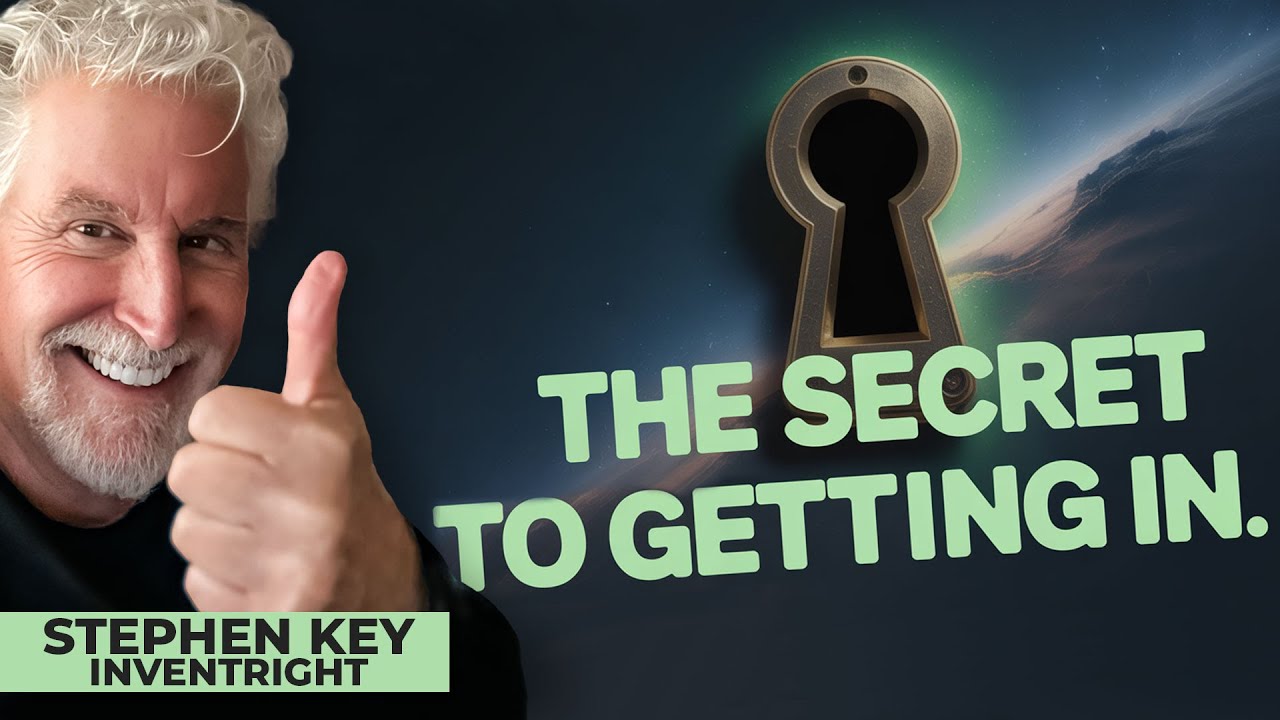
Royalty rates in licensing deals are not fixed percentages but depend on three key factors: sales volume, product price point, and market potential. A lower royalty rate with high sales volume can be more profitable than a higher rate with low volume. The average royalty rate in the industry is approximately 5%, though rates can range from 3-4% for high-volume consumables to 7-8% for products requiring significant inventor contribution like CAD drawings and prototyping. Inventors should calculate potential earnings by multiplying projected sales volume by product price and royalty rate to determine if a deal is financially worthwhile, rather than focusing solely on the royalty percentage.
Understanding Royalty Rates in Licensing Deals
Added:Basic concepts of Intellectual Property (IP), specifically patents and how they grant exclusive rights to an inventor.
The fundamental structure of a licensing agreement, including the definitions and roles of the licensor and licensee.
Basic business finance terminology, particularly the distinction between gross revenue, net sales, wholesale price, and retail price.
The concept of commercialization and the general pathways for bringing an invention or product to market.
Advanced valuation methods for intellectual property (such as the Income, Cost, and Market approaches) to determine baseline IP value.
Structuring complex licensing clauses, including minimum royalty guarantees, advance payments, milestone payments, and sub-licensing rights.
Royalty auditing, compliance monitoring, and legal mechanisms for enforcing licensing agreements.
Analyzing real-world antitrust and competition law implications related to exclusive licensing and high royalty rates.
79.4K views2.5Klikes8:50Original Release: 2016-01-26
welcome everybody to another invent.com TV show we have uh Mr Stephen key uh invent right co-founder and I'm also an event R co-founder my name is Andrew Krauss we got another show for you and what are we gonna talk about Steph on this show let's talk about royalty rates okay how much am I gonna make Andrew how much how much money am I gonna make I want 50% man I came up with this invention I should get 50% of the profits you know am I off there uh kind of a little bit that's that's a little you know that's why a lot of these deals don't make it you know you here's here's amazing Andrew we talk to a lot of people in this industry we have a lot of students a lot of students that come to us that have made mistakes and before when we say students we call our clients students because we teach and coach and Mentor we people asking that like I I I want to become a stud but I'm not in college I'm like no no no you're a student when we're teaching you and coaching and mentoring I'm like okay well we we we look at it very differently our community of um students but the bottom line is a lot of people come to us and for some reason they made a huge mistake and some of them are asking for too much there's things that aren't reasonable or they topload a deal by I want $100,000 upfront and yes and I want a 20% royalty rate they they they ask for these things are just not practical and what I realize even maybe their temperament their attitude not being educated ated on what the other guys are doing right and and so they come at it the wrong way and then they have a bad experience at it and we see a lot of them come to us when they've had a bad experience and so we've got to kind of re-educate them a little bit but I want to talk a little bit about royaly rates because everybody thinks that's like the most important thing in a deal is the royalty rates and I'm like well it is but it's one thing I mean you have to do the math because you might realize that you're so set on a 10% royalty rate and you don't even know why you just think 10% because a higher royalty rate means they make more money yes and that maybe is true okay but you have to realize if you do the math and you you figure out how many stores this this particular your your product's going to be in by how many stores your potential leny is currently in figure they're going to sell one a week because if not it's going to get kicked to the curve pretty quick you can do the math you can do a 3% 4% 5% 6% and do a chart to see where and you might realize wow now to me it's all greed well yeah and you you know if you're selling in a Walmart Target Lowe's in Home Depot and you look at how many Walmarts they are and look how many targets and and so you got to do the numbers so I think the point that I'm just going to be very direct and what stepen is trying to say here is is you know a half a percent royalty rate if they're selling a bazillion unit might be great I know so so if if they're selling half million a year and you're getting a 5% royalty that might be extremely generous of them I know you know it all depends it all depends it all it does depend I think what's more important than the royalty rates but you have to do the math so you know that if you're if you're working with the company and they they tell you three but you've got to have that four% what are you really losing right because you could gain it in other areas right your minimum guarantees might be a little bit higher you could negotiate so they have to hit certain sales figures guaranteed guaranteed or you get it back maybe they pay for your patents right maybe they maybe who knows what they can do but I think the minimum guarantees is very very important because that's going to allow you that if they don't perform you get it back well let's address the thing we addressed in another video we did recently so somebody's looking up this video about royalty rates is sometimes people think like if I start a business and I sell it myself well I could get 20% profit margin why would I want to get five or seven or whatever well you selling 5,000 units or 10,000 units or 20,000 units I don't care a year and getting a 20% profit margin and working 60 to 80 hour work weeks on this business dumping everything else that you're doing aside or them selling half a million units a year and you're not having to do any work you do the math you do the math you know I mean so and these are things that Stephen and I know well but I think when a lot of people are new to licensing Stephen which is what our YouTube show is all about is to help them realize this and I think this this one little video about royalty rates will put things into perspective for they ALS they also have to realize that the average royalty rate that we have seen over the years it's about 5% it's pretty average most common yeah one of our students did 25 though didn't he well there's always going to be situations but that's a pretty good that's an average royalty rate if it's a large volume let's say it's a consumable where the numbers are staggering that could be a three2 if it's a double royalty like the Michael Jord wall ball where Michel it was an idea I came up with that I had to share the royalties because sometimes you have to share the royalties it's called a split royalty they got half I got half okay fair enough that's a different situation if um if you've done a lot of work let's say you've done CAD drawings let's say you've done some testing let's say you've done you built a prot let's see you even have the tooling you might get a seven or eight now here's where it's hard to get over 10 Disney gets over 10 right and they're Disney so put in perspective right guys you're not Disney I can guarantee it and they get over 10 so yeah so you you and even Disney it's kind of interesting if you look at them when Lion King was like the biggest movie ever I had heard I don't personally you know I don't have you know I wasn't involved in that but I heard that that royalty rate was about 20% at that time it was like the highest ever oh my God that's insane yeah when I was when I was a Disney if somebody wanted to make a some product and throw the Lion King on there they they need to pay Disney a very high that's because they were they were doing extremely well um when I was a Disney licensee it was a little bit over 10 and mine was a really small it was guitar picks um I've heard also if you were um I had heard this through secondhand someone told me that if it was a consumable like a beverage it could be as low as maybe four or 5% so it's all comes down to the numbers too even our students when they're doing consumer products just to give everybody a read it's quite often it's a 5% royalty but it's all volume it's always keep in mind the volume and the price point too is it a $5,000 product or a 1995 product or uh 99 cent product yeah your royalty rate R um I would go out on a Limon stake and always probably be a little less if the volume's pretty big so this since we're coming to the basics on this video Stephen so it's one volume how much volume are they going to do how many units they going to sell a year two what the royalty rate is and three what's the price of the product is it a $500 product a $19 product or a or a 99 cent product and when you do those those Factor those three things in you can figure out what royalties go well you could do it right now if you wanted to for fun get a calculator out go well okay if sold uh 400,000 units at this price with this royalty rate you could figure out what your royalties you might even once you do the math you might even realize why would I even license it to that company they don't have the volume if right and that's part of the process that we teach our students they interview the company about what kind of volume they can do and if the volume's not you calculate and you go well damn these guys aren't as big as I thought you know um and that's part of the part of the doing the deal but sometimes the small deal is better no deal at all if nobody else was interested it it is if you've exhausted all possibilities yeah and they're the only one there then maybe you say yes but then again maybe you you don't even give them an exclusive maybe you give them a non-exclusive because the volumes aren't going to be there so you can maybe they only have a small part of it so royalty rates you guys there is no one set royalty rate that's the whole thing it's it has all these different factors going on but always gather information do the math at the end of the day see how many units you're going to sell and see if it's right fit for the company that's basically the basics yeah yeah good all right so if you guys like the show give us a thumbs up down below um subscribe to the channel too and we'll catch you up with you on another invent write.com TV show see you guys bye
Up Next

9:45
Licensing Agreement Negotiation: Beginner's Guide to Term Sheets
@inventRight
42.9K views•2015-01-29
46:36
Retention Habits of Top DTC Ecommerce Brands Revealed
@SendItPodcast
44K views•2026-03-03
9:14
7-Step Strategy to Pitch Product Licensing Deals Effectively
@inventRight
17.4K views•2025-10-27

17:30
The Planned Obsolescence of Light Bulbs and Tech
@veritasium
25.3M views•2021-03-26
Related Study Plans & Knowledge Roadmaps
Structured learning paths in Business
business
Pop-Up Retail: Strategy, Design & Execution
01Introduction to Pop-Up Retail & Strategic Goal Setting
02Budgeting, Site Selection, and Legal Essentials
03Experiential Retail Design & Visual Merchandising
+ 2 more learning modules
15h5 modules
Explore Roadmap
business
Reg CF: Startup Funding, Marketing & Launch
01Introduction to Equity Crowdfunding & Reg CF
02Platform Selection & Legal Preparation
03Crafting High-Converting Campaign Assets
+ 2 more learning modules
14h5 modules
Explore Roadmap
business
Productized Services: Scaling Solo Freelance
01Foundations of Productized Services
02Packaging and Scope Definition
03Pricing and Subscription Models
+ 2 more learning modules
15h5 modules
Explore Roadmap
business
Gov Procurement: Find, Bid & Win Contracts
01Introduction to Government Procurement & Business Setup
02Small Business Certifications & Set-Asides
03Finding and Analyzing Contract Opportunities
+ 2 more learning modules
14h5 modules
Explore Roadmap