















Language operates through multiple hierarchical levels: phonemes (smallest meaningful sound units, studied through phonetics and phonemics), morphemes (smallest meaning units like prefixes and suffixes), and syntax (rules governing word combination into sentences). The International Phonetic Alphabet (IPA) represents all human speech sounds, while formants (frequency bands in speech) enable recognition across different voice pitches. Phrase structure grammar uses recursive rules to generate infinite sentences from basic components, and tree diagrams reveal syntactic relationships that determine meaning, including cases of syntactic ambiguity where identical words can convey different interpretations.
The Psychology of Language: Phonemes, Syntax & Grammar | Cognitive Psych | PSYC 3350
Added:Basic principles of Cognitive Psychology, particularly how the mind receives, encodes, and processes sensory information.
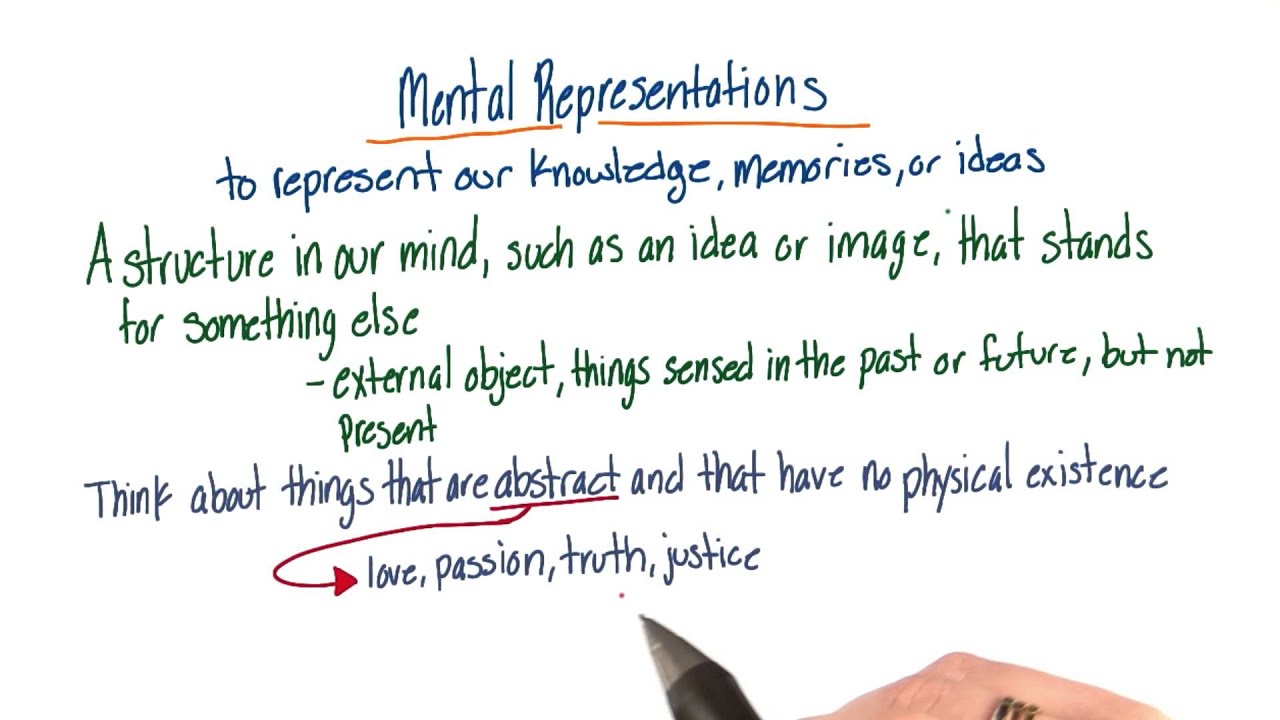
The concept of mental representations, or how the brain stores and manipulates abstract symbols, concepts, and ideas.
An understanding of basic human sensory perception, specifically auditory processing and speech sound discrimination.
The fundamental distinction between general animal communication systems and the generative nature of human language.
Language Acquisition theories, analyzing how infants learn phonemes and syntax (e.g., Chomsky's Universal Grammar vs. behaviorist models).
Neurolinguistics, focusing on the brain structures responsible for language production and comprehension, such as Broca's and Wernicke's areas.
Psycholinguistic sentence processing, including how the mind resolves syntactic ambiguity and parses 'garden-path' sentences in real-time.
The study of Semantics and Pragmatics, looking at how meaning is constructed and how social context influences language use.
Applications in Computational Linguistics and Natural Language Processing (NLP), examining how AI models simulate human grammar and syntax.
123 views0likes1:12:20Original Release: 2008-10-17
[Music] n [Music] [Applause] a hello Houston we were talking last time in our journey through um introduction to cognitive psychology about language and specifically how we comprehend it uh finished in a bit of a rush and so I wanted to just remind you of where we were we had been looking at the the various distinctive properties that language exhibits and we had gotten into the dynamic feature of it the the use feature uh and I was describing uh basically uh uh what I'm going to call a linguistic hierarchy that is a a series of levels at which we can actually analyze uh language products um and that would include looking at things like uh phonemes which are are basically the the smallest unit of language that we um that we look at okay and so we'll Define it essentially uh in terms first of all of a of a phone um that is you know we have 26 letters in English but we've actually got quite a bit larger number of of Unique Sounds that we use one way to describe those is in terms of what's called a phone p h o NE and that is described simply as the smallest distinguishable unit of all possible human speech sounds that could be made okay no one language uses all of them there may be as many as there are at least as many as as 85 that are used by some languages such as Hawaiian um so they have um I'm sorry um that not Hawaiian Hawaiian is the other example but languages that have up to 85 sounds on which they're based tend to have very short words as a consequence because they've got a lot of different sounds they can draw from on the other hand Hawaiian uses only about 15 sounds uh and so Hawaiian has many much longer words because they in order to get a unique identifier for all the different things of the world that we have to identify they have to string together a larger number of of sound units now the um English normally uses about 42 to 45 of those and in essence what we're um what we're going to describe that in terms of is what is known as a phon and a phon um is basically the basic speech unit of a spoken language which can be distinguished by how it is produced meaning whether it's voiced uh or unvoiced uh pive or what we call frickative and demonstrate for you here in um in a couple of minutes but a phon is basically this the the basic speech unit of a spoken language it's the sounds on which the smallest unit of speech sound that can be used to distinguish one meaningful utterance from another in any given language called phonemes those are utilized basically in terms of our language in terms of the vowels and so forth but let me just um in terms of that we have only five six vowels that are used why is a kind of a split sometimes it is a vowel sometimes it isn't um and so in essence we've got all of those vowel sounds are open throated they're produced without any hindrance at all we just shape them out differently the contrast then is consonants in the consonants of which as you're aware we have quite a number those are actually produced uh by various ways of restricting or in some cases even blocking the air flow flow past our vocal cords and out of our mouth so each phon in the language uh is represented by a single symbol uh which can be um studied in in a couple of different ways that is the the um one of the ways in which we study it is to talk about what is called phonemics which is basically the study of the particular phonemes of a language that is when you're focusing just on the phonemes of the language and the way in which those are used that would be um the study of phonemics or mic is the is the description of what you're doing there the other way to look at it is to look at it um in terms of actual production and then what you're looking at is is the is what's called or the technique that is utilized is phonetics and in phonetics what we're doing is studying how to produce or combine speech sounds um or to represent them with written symbols we've got both problems output in terms of whether we're speaking or whether we're writing uh the phones are specifically related to to sound production um but there are certain strictures also in terms of of how we can write in particular ways so each phon is basically represented by a single symbol as I started to say here before and I think I may have shown you this once before but this is the International Phonetic Alphabet also known as the IPA and in that situation uh there are a whole series of symbols a limited number of which I've I've Illustrated for you there that NJ signal uh or sign uh symbol it's the word I'm looking for there is the sound that you use in wrong or anger or ringing it actually is used twice there so the NJ symbol is the n Sound the tipped over s is sh as in shed or Ash and then we've got an interesting illustration here of two different ways in which the mouth is shaped identically but produces different sounds th as in thin or tooth is not vocalized it's and it's coming out between your teeth and your tongue but it sounds differently than if you're saying th as in then or breathe because in that case the mouth is held almost identically but the difference is that the vocal cords are vibrating so it's the difference between and V and if you feel your Voca tickles your lips to do the the sound for very long but the difference there is that your vocal cords are vibrating in the second sound the second phon and since it produces a different sound it's a identified by a different phonic symbol because it is in fact a different phon it's a different sound when it's used in a word so each phon is represented each sound that we can produce and not that we can produce that we do produce in English is represented by a different phon but the International Phonetic Alphabet a phonemic symbol I should say in the International Phonetic Alphabet all 82 or 85 or 90 of the sounds that can be produced by the human uh tongue uh and mouth are are represented by a symbol so the IPA is actually an alphabet in quotes of of some 85 or 90 symbols Each of which represents the many different sounds that we can produce English as it turns out uses about half of them to produce uh the entirety of the of the English vocabulary so each phon is represented by one of those symbols uh and it's produced by a complex coordination of our lungs when we pressure when we don't the vocal cavities our mouth particularly but also to a certain extent our nasal cavi is drawn in to produce certain kinds of of sounds um our larynx the lips the tongue and the teeth are all involved in in the production of of various kinds of sounds our vocal cords as you may be aware are basically two membranes that are stretched very tightly across our throat and they vibrate due to the passage of air across them uh as air is coming up our windpipe out of our out of our lungs and the result then is various kinds of sounds and so in essence as I said the vowel sounds are basically produced simply by an open mouth when you and you can practice it yourself when you say AE i o or U the only difference is how your mouth is shaped but in every case it's open flow of the air past or through your mouth when it is open but shaped slightly differently to allow us to insign uh to sign to each other or signal to each other a or I and so forth the mouth is open in every instance in that situation not so with the consonants when we're producing consonants there are actually several different features of our mouth that can be used in that situation lips are what are involved for instance in f as opposed to V okay F and V are produced primarily by our um our lips although they are also in one case voiced and in the other case not voiced I'll talk about that in a minute the second are the five sounds the five letters and Associated sounds that can be produced when we block our lips momentarily and we interrupt the air flow b d not necessar I should say block the air flow it's not always the lips that do it but B P are the only two that actually involve lip blockage and then release of the air so you get a minor explosion of air out of the mouth as I'll show you here in a minute um but in essence those are in every case explosive sounds that is you cannot say the the sound of B and hold it your head would explode because the the the nature of b as a sound is in a momentary block and then release air out of a shaped a mouth shaped in a particular way B and P are very similar but the mouth actually is shaped differently in one case you're you're um you're well you're blocking the air and then releasing it which is true of b d k p and t all five of those involve blocking the air and then releasing it the fact that we block it means that we can't hold that sound because the very nature of the phon is a blockage and then release of air very momentary we also use our nasal cavity as I said earlier to distinguish between M and N okay that's vibration that includes the nasal cavity when when we're using either of those particular phones and then finally we've got the difference between voiced and non-voiced sounds or phonies F and V if you think about it shape the mouth in exactly the same way whether you're saying F or V you shape the mouth identically and the difference is in one case your vocal cords are vibrating and in the other case they're not s and z are the same way you actually move your tongue and and lips mouth through the same sequence in saying S as opposed to Z the difference is that with z z the vocal cords are actually vibrating as you're doing the same thing that you would do shaping or saying the Li s and so basically all of these different movements and blockages and shapingspirit happens as you're saying put what did I say put the paper cup in your to your lip Okay what you'll feel there is the difference between two different types of uh of phonin okay in one case what we have um uh here put and paper actually involves the or phon name which is different from okay the difference here is this and that is that cup and lip actually involve the P phony and you'll notice that you experience a different or you can see it if you just hold a Kleenex in front of somebody else and ask them to say that sentence put the paper cup to your lip and you'll find that there is a puffing of the you know the the kleenex bounces outward when there is an air release on on uh one of the pairs and not on the other indicating that the the pH phoning there is different in terms of how you produce it as opposed to the p in cup and lip and that just illustrates the subtleties of the of the linguistic sounds that we utilize in uh in talking and then in fact we have a uh another demonstration a different way to look at this in terms of what is called a spectrograph this is where you begin to get a very sophisticated analysis of of the physiology of what's going on and how we are actually communicating with each other what I'm talking about here is what's called a spectrograph in the spectrograph what we're going to do in fact I'll just go ahead and put it on the screen here because we're going to run a demonstration for you here in a minute but basically on this graph what we're going to show you here is the occurrence of what sound frequencies occur as a function of the time at which they are offered so if we were to actually have somebody say into the microphone to catch pink salmon what we would find is this kind of a sound representation that is you see that there is a great deal sound about what is that about 2/10 of a second after you start the phrase to catch pink salmon which takes a little bit more than a second for us to say at a normal rate of speech and what we're plotting there then is the time on the x-axis and when particular frequencies are present at the Y AIS you can appreciate of course that we had to have computers in order to actually do this um this kind of a presentation but if you'll look at this you'll notice that there are do you see a particular frequency there that is widely represented that is up and down the screen there there is one frequency that is particularly frequently represented about what is it about what frequency yeah somewhere around this level there is a very pronounced presence of that particular frequency okay it turns out if you look closely there's a second one down around here that you'll notice that that band also tends to be represented quite frequently in the um in the in the diagram there and there's a third one much lower all of these are what are referred to as formants each of those is a formant f o r m an T and it turns out these are very critically involved in how you and I are able to speak to one another because in essence uh if if we could actually mimic the graph that we've got on the board there if we had a computer that would simply sound a beep at about for this speaker 3500 cycles per second another beep at around 2400 and a third beep around 700 that 7 to 24 to 35 ratio it turns out is a constant in all of the language that you and I use in speaking to one another and I'm talking particularly here about speaking but when we speak to one another those formats for that particular speaker are always there what is so that's a within subjects feature that is the that's that's the formats that are there for that particular speaker what makes this particularly valuable however is that if we look at your speech we would find formats in there also in fact we would find three formats in fact we would find them in the ratio of approximately 7 to 24 to 35 if you have a lower voice those formats will be compressed toward the bottom of the screen if you have a higher voice those will be expanded toward the the rarified atmosphere at the top of the screen but that is in fact why it was so difficult for us originally to to hear or or to engage in machine translation of language you may remember that you know for a long time the best you could do on a computerized phone answering system was a very constricted yes or no or something like that that they could pretty well tell probably as much as anything else as a latency of how long it takes you to say it but in fact the difficulty that we had was that um playing somebody who has a very low voice and I'm going to give you a sample of that in just a minute um all three of those formats may be compressed so low that if you then listen to a soprano saying the same thing the lowest of his or her formance might be above the highest of the Bas voice person let's listen to a sample here I had Chuck Scott one of the announcers at khf uh I'm sorry K yeah KF here on campus uh he has a magnificent very deep Bas voice and if you want to hear it live go on any Saturday night he's on right after Garrison keeler's Prairie Home Companion but let's listen to about a 30second sample of Chuck Scott speaking The Gatlin Brothers are touring again following a 10-year Hiatus Larry Steve and Rudy started in Texas dance halls 40 years ago and would later play at the White House and on Broadway the show is Saturday night January 27th at 7 at Williams Trace Baptist Church 16755 southwest freeway at the Sweetwater exit in Sugarland for tickets call 281 27565 okay so when you listen to him his voice is so deep he could almost swallow himself if you have nice base speakers turn them up when he's talking it is just an incredibly Rich very low voice I can't even get down as low as he does and it's obvious I'm straining to do it but if were to plot his forance on the on the curve that we were showing you a minute ago they would be very compressed down at the bottom on the other hand if we had a soprano I didn't have time to identify somebody in class to let them talk here but if we imagine I think if I remember Madonna has a fairly high voice doesn't she so if we were to have Madonna Give essentially the same public service announcement that that uh Mr Scott was just doing there we would find that her formance are spread much further up but interestingly the ratio of the top to the middle to the bottom is essentially identical if we go back to the screen a minute then that ratio of first to second to third formant is a constant if we actually had a computer that would only sound at 3500 for this particular speaker when 3500 is represented there so we'd listen to you know and so forth if you actually put those three frequencies together in the ratio of the 35 to 24 to 700 um what you would find is that you could introduce that to people as computer music and they would listen to it that way and enjoy it but if you tell them wait a minute if you listen closely you can hear language it is then possible to listen just to those three frequencies and hear the spoken word that is you can actually hear the message that is is in toned in that situation and if we adjust the ratio down or up the ability to do that it's still there it's just the difference between listening to somebody with a Bas voice as opposed to listening to a Suess voice okay no difference therein was the secret as to why we needed computers to do the um to do the um machine translation of language you had a question or comment yes are those anomalies due to the octaves of the of the of the range in which you're speaking like you when you speak a tone there's a there's a there's a harmonic that goes above and below whenever you speak something like that is that due to that is that is that why you see it cuz it's the same ratio on every step if you go up and down is that a nature of our vocal cords and a harmonic resonant type deal or or what is that that's a very complex question to answer half of which is in sensory processes and perception if I understand the question you're asking the basic answer is yes that is the chamber that any of us have the size of the mouth the shape of the nasal cavity and so forth does tend to produce unique overtones when you and I speak on the phone or are spoken to on the phone we know immediately who we're talking to uh even though they may not say much more than hi or hello uh and yes the harmonics that are involved are also involved there but that's really what adds nuances in the same way that there's a difference between a violin and a piano playing a particular tone that's what you're really identifying is kind of a depth feature in terms of what we were looking at there in in just two dimensions and the the primary thing I was talking about the analogy I guess would be a chord uh where the ratio of the first to the second of the third tone is consistent the resonances that go with it as a function of the speaking chamber uh could be altered or would be altered as a function of whether you were speaking or somebody else in the room or me was speaking yes okay um let me then point out that in essence when we look at the spectral graphs we find uh a couple of different things and I've essentially made this but I wanted to make sure you understood the point and that is that for a low voice what you have are very compressed formance they're they're compressed into just a limited number of of frequencies with a high voice you have a more rarified or expanded array of forment same ratio first to second to third but they're spread out more on the uh on the frequencies that we are are sensitive to and the ratio of the low to the medium to the high is essentially a constant now in essence uh your stereo has a a crossover filter in it and what that filter does is to separate out high and low frequencies uh and then it feeds them to the woofer if it's the low frequencies and to the tweeters if it's the high notes or the high frequencies that are involved there the same technology is actually utilized in analyzing speech that is sounds uh analyzing speech sounds over time output from each filter then is recorded on moving paper and what it allows us to do is to produce the kind of visual analysis that we were just looking at there um and it depicts it in in a depicts the form of each specific phon um which is essentially the production of a voice print in other words what do the frequencies look like when a given speaker says a e i h l and so forth and so on accurate study of the of the acoustic properties of speech um show that those properties vary over time but in normal children hearing speech serves as a model that is the the child actually models what they are listening to what they're hearing in their environment um and so they you and I are very good at mimicking one another and we tend to do so um my ex-wife uh has a phenomenally good voice for mimicking people anyway but the funny thing was and what I used to tease her tease her about occasionally was that if she got into an environment where there were a lot of people speaking a Southern accent which is a very rich melodic kind of of use of and I'm not talking about East Tennessee Wang I'm talking about Deep South good solid accent she would end up mimicking them and she'd get in the car afterwards and speak to me about y'all and much more slow and the draw and and the whole nine yards of that very interesting inflection of of English um but in deaf children the feedback is missing however if they can then be put with a microphone that will generate this kind of a spectrograph what we can do then is to allow them to learn to shape their voice that is they can see a depiction of the frequencies that they're producing over time and can learn to to in tone in such a way as as to make their voice produce a print that matches what's superimposed on the screen so that in essence the the technology has a number of different uses not only in terms of of increasing our understanding about how to to computer analyze uh words uh but even as a teaching vehicle for children that have not heard their language in fact who have to uh see it in order to be able to actually speak it so in essence now at this point we're going to shift into another whole area and that is to look at what are called morphemes morphemes basically are defined simply as units of meaning it is a morphine is essentially the smallest unit of single or combined sounds that denotes meaning in a language for instance it could ill it could be illustrated by something like a prefix or a suffix and it can be combined with other morphemes to form words so a morphe is a meaning unit um and can then be uh added to or combined to produce particular kinds of of meaning or add to the meaning of a core word of some sort two other variations that I want to emphasize while we're doing definitions here the second is what's called content content morphine these are essentially words that convey the primary meaning of a concept it's also sometimes called the root word what is the base word to which we are adding uh meaning anti- disestablishmentarianism is a kind of a playful example of adding on a whole bunch of morphemes to the basic um um root word in that situation the other kind of morphine that we can also talk about is what is called a function morphine in a function morphine we've got two different things that we can talk about here one is parts of a word that add detail and Nuance to the primary meaning of a Content morphine okay so these are things that Nuance or alter modify slightly the base words meaning or in the other case we can talk about it as parts of a word that help the content morphine fit the grammatical context for instance a prefix like anti or a suffix like Lee ly um the article the or the conjunction and all of those can can be used as as um function morphemes to Aid the the linking of the meaning of a given morphemic unit or word to the broader context within which it's occurring so those cont content or function morphemes can be composed of words or word parts or prefixes or suffixes or any combination of these so we can give you some examples of of what we're talking about here uh specifically um if we look at uh things like uh inflections okay inflections are basically common suffixes that we add to words to fit the grammatical context all right and if we take a sentence like the Young psychologists hated wistful paintings we have an example of what I'm talking about here these two the and young are function morphins in this situation as we've described them okay and the other words are basically a combination of free and bound or content morphins that is the the the green words uh psychologist hated wistful and paintings are combination of of uh content and in some cases free um morphins that are being used in that situation but they are all modifying the attitude of the of these psychologists that we're talking about it was a young psychologist it was a single psychologist the attitude that he particularly had and what it was addressed to and so forth all of those are various features that impact the nature of the meaning that is conveyed in that particular sentence for instance in this case why did we not um or let me show you here the the that I was going to do this for you the base word is psycholog but what we've done in this case is to add IST to make it an individual in the second instance we've added Ed to um H the base word hate we've added Ed to make it past tense we've added F to Wist in order to make it Wist full of nuance on on WIS and finally with with painting we've added an s which leads to an interesting observation and that is why did I not do it this way why did I not do it as painting Plus in plus s because in essence what we're talking about there is an actual painting it's the after product of art it was not the act or the verb of paint which we were painting in which it's not the act of painting it's the finished product and so in that case the the fundamental morphine there the unit of meaning in that case is painting not paint as an act okay so the the analysis of of morphemes can get to be pretty subtle in some um in some instances now in general what we're working with here is what's called a lexicon and what that is in each of us is essentially the entire set of morphemes in a given language which you and I of course haven't mastered but then it can also be referred to as the entire set of morphemes in a particular person's active and passive vocabulary those are the morphemes that you the Lexicon that I have is simply a list of all the words and meanings that I have stored away and can potentially use you know the difference between active and passive memory active memory is the words that we normally use and it's remarkably Limited in most of us if you listen to people in a telephone conversation they tend to draw most of their language from about 2,000 words we don't very often get into big words like lexicon the meaning of which you now know but that's probably going to be in your passive vocabulary yes you know the meaning of it and if you later stumble across it in your reading you'll understand the meaning of lexicon but lexicon is probably not at the top of the words that you will list when talking about vocabulary which is a word you're probably much more likely to talk about or meanings or word meanings it all means essentially the same thing but the passive vocabulary is is what we can recognize as opposed to what we'll actually recall and use in a given situation ation and so then let's look at study and the ways in which that can be modified okay various kinds of morphemes that can be associated with study if we add um ENT we end up with student if we add I us we end up with studious if we add IED we end up with a past tense studied something you've done previously if we add I and G we've turned it into an act that you're engaged in right now and finally then we can also add e to make it a more generic kind of activity studies that you're involved in the average adult you and I have probably 80,000 morphins but those things can be combined to produce a vocabulary of hundreds of thousands of different morphemic units that as you and I can string together think about the word snow which has been the object of debate by Psych linguists over the years you and I have only one word from snow it is alleged that alaskans certain kinds of of uh native tribes in in Alaska have eight or 10 or 12 different words or meanings associated with snow the reason being that snow is a lot more important to them than it is to us yeah it'll bring our Commerce to a stop if it ever happens here in Houston but in Alaska it's a given so you have to work around it and thus they are interested in things like is it a wet snow or not the kids want to know particularly is it a wet snow because if it is you can make a nice good snowball out of it and heave it at somebody if it's a dry snow you pack it all up and it'll fall apart uh it will not it here but the the um Eskimos Indians need a lot more information about snow than you and I do so they have identified a lot more morphes to uniquely identify uh the particular um type of snow that they're talking about yet for you and I that's why we have adjectives we can talk about I've already done it in in describing it here wet snow fluffy snow light snow blowing snow there are separate words in in certain Indian tribes Native American tribes in Alaska uh to identify each of those but this production is tightly governed by rules that is we have a very specific set of rules in English as to how we convert a base word into the unique meaning that we're trying to do uh or convey in a particular situation there are very specific rules about what can and what cannot follow particular elements of the language syllables for instance um cannot start a word if there are more than three in a row I misspeaking there consonants is the word I meant to use you cannot start an English word with more than three consonants in a in a row okay because we need some some vowels in there in order to give our our mouth the ability to form the syllables that we use to talk to one another okay Q cannot be followed by D J cannot be followed by Z those are are are morphemic rules essentially they're rules that that dictate given the way we pronounce j as opposed to Z that there's simply no way to get between the two of them uh from one to the other without coming to a complete stop they cannot be next to each other in a um in a message these rules combined with language's natural redundancy work basically to reduce the likelihood that you and I will have communication errors that is we we understand the rules of English um and in fact I gave you the the phonemic example several weeks ago several tapes ago of go gho TI pronounced fish and what I was doing in that case was starting with GH in a way that it never starts a word that is going to be enunciated and yet GH does appear at the end of words like rough and tough and enough and then it's perfectly legal and in in the context we could have very much more easily you would have been much more likely to eventually figure out the meaning if G had been at the end of the the particular example word that I use but what I was doing there was violating one of the implicitly understood rules about English and that is that if GH is at the beginning it's going to be a hard pronunciation as in ghetto okay it's a g rather than F okay now let's move in yet another Direction in terms of our understanding of of what we're talking about here in language and that is look now at order effects the specific rules that we use in producing English and there are numerous ones that we can cover here um syntax up to this point all we've been studying is semantics that is the meaning that we um convey through the various words and how we string them together and and organize them and so forth words and morphemes have been the primary source of our study here in addition to the phones of which the words and morphemes are constituted the next level of analysis thinking of the hierarchy that we mentioned earlier is going to switch us now to looking at linguistic structure and that puts us right into the context of syntax syntax is not something that a government collects okay in this context it is rather the pattern by which users of a particular language put words together to form sentences okay that is syntax as I'm going to use it here we also sometimes will refer to it simply as the rules which govern the combination of phones into higher linguistic units namely phrases or sentences so the rules of synex are going to govern how we string words together to form a longer unit of communication um and they're used simply in in focusing our our study of GRA focusing our study on grammar of phrases and sentences there are very specific series of rules that are utilized in this particular situation to give you an example and coming back to something we talked about way back on day one uh I want to go back and remind you of an example of a paleontologist that we um that we talk about in this situation in essence what we're saying here is that a paleontologist starts with the bones and uses his or her knowledge of things like muscle structure and function how big the muscles have to be in order to perform a particular operation uh the ratio of muscle size to the task that is to be performed by a particular part of the body where it's attached secondly things like the distribution of hair and function in terms of what that tells us about where an animal uh or Which Way a particular element of a of a skeleton is likely to move and then uh various things like skin structure and function and we use all those that knowledge to create essentially an image of an organism that humans have never seen which is a saber-tooth tiger we have from the various knowledge that we have accumulated been able to do a pretty good job of constructing a fairly consistent model of what saber-tooth tigers look like and yet saber-tooth tigers had been wiped off the face of the Earth before the first human ever came onto the Earth so in that case what the what the paleontologist is doing is starting with the with the nuggets and building up to a model of of what the whole structure probably looked like best guess psycholinguists do the exact opposite in one sense when they're dealing with a sentence what they do is basically start with a finished structure an uttered sentence and they use for instance knowledge of language structure as one element of what we're analyzing they use rules of grammar and syntax as a second element of what's being analyzed and they look at semantics and phonology in order to describe the cognitive mechanism that could generate the completed sentence so in essence what they're doing is is uh they start with the finished product the sentence and they then try to break it out into its constituent elements so the psycholinguist I'm going to argue does exactly the opposite of what a paleontologist does and you may remember way back on one of the earliest tapes I me mentioned the idea that a that a paleontologist or or I should say a psycholinguist and an English teacher are different in the way in which they're using the the um the grammar the the rules of syntax and let me show you what I'm talking about there in essence one of the ways we can talk about grammar is to talk about what is called prescriptive grammar that is the correct way in quotes to structure written and spoken language okay that's the kind of language or the the kind of grammar that English teachers were teaching to you and me or trying to in uh middle school and high school they were very concerned with sence order uh where to put the comma um when to put a comma uh whether to have a comma uh when to put an apost and when not I was reading the other day about an error that I had found myself starting to make and that is the the pronoun its its when it is in the possessive that is the it belongs to or is a feature of an inanimate object does not have an apostrophe it is simply its that's a very common grammatical error that you will find in student essays when you're reading them here at the U ofh and we all have done that at various times when you're talking about something that is a feature of the television's squareness its squareness in that context is not it apostrophe s squareness it is rather the the um the monitors a feature of the Monitor and so in that case its is is the correct word to use no apostrophe that is an element a rule if you will that comes right out of prescriptive grammar that is what English teachers are trying to do for us question comment is a is Cadence also a function of um of what you're talking of what you're describing the the the manner in which the the Rhythm in which you speak you're more dealing there with the the um what would be the technically correct word what what you're after essentially is the phonemic analysis of of how you're trying to produce the word um there are about seven different ways to answer that question one of the ways to point out is that that certainly um what we're dealing with in that situation is more tradition I was mentioning earlier Southern draw as the the scriptor that's often used for somebody who's got a really deep south English-speaking accent in in in speaking English that really is where Cadence comes in more so than in in specific English um the the only other thing that would would um well as I'm talking to an answer the the other thing to point out would be that when I showed you the the um IPA earlier I did not pointed out what we talked about earlier in in one of the earlier tapes and that is the IPA actually conveys three different things to a speaker one is the actual sounds that are to be produced what's the sequence of sounds but a second feature is the emphasis which of the syllables is to be stressed the same thing they do with with bold and when you're seeing a word in a dictionary um or italics but the third and the the answer to your question is Cadence that is what they're looking at is the spacing between the particular phones that are indicated there indicates what the what the where the lag is to be uh in part in speaking a a um particular language so yes that is part of it although it's not a formal part in the sense that as I started to say earlier when we were talking about parsing or diagramming sentences an English teacher is using it prescriptively exactly as we've just defined prescriptive grammar a psycholinguistic psych linguist I should say is using it descriptively which puts us into the other definition that I want to give you here at this point and that is in addition to PR prescriptive grammar we also have what is known as descriptive grammar which is essentially the analysis of the structures functions and relationships of words in public or performed language that is what a psycholinguist is primarily interested in so in one sense basically what psycholinguists are doing is is is is differentiating between the two that is they are more interested in in essentially describing what kind of a mechanism has produced or led to the particular enunciation pattern that we have heard what has produced whatever sentence has been created in that particular situation okay um differentiating between the two uh stepen Pinker who is a magnificent writer on these kinds of issues if you can get one of pinker's books his 1994 book is is particularly good that sentence which means you got to hold the whole thing in in memory and then re-inject each of the the features there which is just not the way where our memory is set up to operate and that's the reason we don't speak English in that particular order but the analysis of syntax has basically been extended to include the manner in which sentences can be transformed from one form to another let's look at a couple of examples of this to to show you what I'm what I'm talking about people show a remarkable understanding of syntax and it it plays a number of roles in in um in the way in which we um analyze language and if we can go to the the screen uh for a minute uh what we're going to do here now is look at uh specifically a problem of analyzing our use of uh of syntax um one of the things that that syntax and the rules of syntax are good at helping us with is to understand we can easily identify um particular features of language in terms of the the syntax we can identify for instance grammatically correct and incorrect sentences is it okay to say colorless green ideas sleep furiously there's no meaning to that sentence that is the individual words do not string together to convey anything meaningful but the structure of the sentence is perfectly fine colorless green ideas sleep furiously Chomsky created that to give us some teas to work with okay but in essence that's an example of a grammatically correct sentence that means nothing because the words that are in the the individual units in the individual positions just don't link to anything else in the uh in the sentence we also tend to show uh the other one by by Lewis uh Carrol in Jabberwocky was TW brillig and the slyy to did JY and gimbal in the wob whoa it's okay because it was nonsense words that he was using there but the sentence was fine was brillig and the slyy Tove did gy and gimbal in the wob or wave if you want to pronounce it that way so again grammatically it's okay it's just that the individual words are meaningless so although they follow all the right rules with the adjectives where they need to be the verbs where they're supposed to be and so forth um it doesn't make sense and so we can use our our grammar our understanding of syntax to be able to to understand what has been done to us in that um in that situation a second way in which we can also use grammar is that we can show what is called syntactic priming we have a greater inclination for instance to use passive sentences if we've just heard others using passive sentences so when people tend to speak in passive sentences that is the way that we tend to speak back to them okay we tend to model one another that is a feature that is our that our syntax our rules of syntax are giving to us but the effect goes further we also tend to speak at the level of sophistication at which we are spoke or to which we are spoken I'm not saying that correctly when you're talking to a four-year-old you tend to use four-year-old language and that is an ability that we Master very early on if a four-year-old talks to a three-year-old the four-year-old will simplify his or her language that as we learned very early on the importance of syntax in communicating with one another and so if a if a a youngster an infant doesn't yet have complex sentence structure a four-year-old is smart enough not to use complex sentences when talking to somebody that's younger that doesn't have that ability mastered yet um we tend to mimic one another as you go out and walk around later today I think I may have commented on this once before because it's such a transient everpresent phenomenon um and that is that that we tend to mimic one another very effectively because it minimizes language processing yeah it goes through the filter to make sure we haven't been cussed at um but beyond that when you're passing somebody on the sidewalk that you know maybe even just casually if you say good morning or good afternoon or good evening that's very likely what you're going to get back at you even though that person may never say good evening to people normally he says hi or hello or whatever but if you say hello to people they tend to say hello to you if you say good day they tend to say good day and so forth it's an efficiency matter because if it's acceptable if it gets past our acceptability filter we'll go ahead and just feed it back to the individual we know they're going to understand it and it doesn't require any active linguistic processing on our part to take the term translate it into our phrase and put it out again so that again is is syntax rule that is that is uh governing here what's involved in addition then even our speech errors seem to process or to be processed so as to assure uh that we have produced something that is is uh proper syntax so even when we make word errors the syntax in which we do so tends to be correct so we might slip and say something like the fruits are in the banana basket when what we meant to say was the bananas are in the fruit basket Okay so we've substituted fruit and B we've exchanged fruit and banana but you'll notice that what happened there was we pluralized the word that should be pluralized because the storage place is a single instant although there were multiple pieces of fruit in there so what we tried to say was the bananas more than one are in the basket a single place and when we made the transposition of meaning we did not also transport for instance we didn't say the fruit are in the bananas basket that's not the kind of eror that you would hear you'd be much more likely to hear the fruits are in the banana basket than you would that the and I can't even do it correctly the fruit are in the banan basket okay so what I'm saying is that syntax is the overriding feature there we may switch the words I.E the meaning that we've communicated but we don't tend to screw up the syntax rules that are governing where the pluralization should occur in that situation so apparently what is being argued there is that the processing of syntax is separate from processing the meaning or meanings of the words that we're utilizing in the particular sentence frame this area of study was actually originated by Chomsky in his um in his work in this particular area um and in Essence um he has introduced a number of very complex but challenging features about the language that we're trying to study here and so when we start looking at actually generating language uh as a subfeature here of comprehension Chomsky introduced two different elements of of what linguists have focused on in the in studying linguistic generation one of these is productivity and in essence what we're talking about is is the functionally infinite number of sentences any of us is feasibly capable of generating that is we can take the the nuances the the meanings the morphemes excuse me that we have in our active and passive memory and we can generate a functionally infinite number of sets of meanings okay that has to do with productivity of language one of the other things that that has also been highlighted by Chomsky and his work is the issue of regularity of the language with that we're using it refers to the universal consistency of the manner in which sentences of a specific type are generated by any speaker of a given language it's not uniquely true of English although I keep anchoring my examples in that but that's an example of the regularity of language when I do a declarative sentence whether I speak it to you here in Texas or a friend in Antarctica it doesn't matter uh the rules understanding of of how we generate each of those different types of sentences are a universal that's why we can speak to each other in a particular language which is going to put us into the two last major top ICS we're going to cover in this uh lecture we're not going to finish it all today I can see that from the old clock on the wall already but in essence one of the two things we're going to spend some time looking at is what is called phrase structure grammar we Define that essentially as rules governing language regularity as I was just talking about that okay rules governing language regularity has to do with what is called phrase structure grammar that grammar dictates for instance sentence construction sentence construction or structure which is often analyzed as I said earlier using tree diagrams to reveal the interner relationships between the various syntactic classes that are that are reflected there that is what we're trying to do is relate the syntax to the phrase structure that has been used in a particular sentence and what it does basically is to re reveal that sentences are not just strings but rather they're clusters or substructures of words organized Within the sentence structure that is what we've got are subunits structures within the rules governing how a particular sentence is generated that was one of the important contributions of chomsky's work and the work that was generated out of his seminal writings in the starting in the in the 50s and proceeding through the last half of the the 20th century it so it reveals as I said the the cluster nature of of the components of individual sentences and basically to create a tree diagram for sentence what we need to have is a set of rules and so I'm going to show you two ways in which we can break down the phrase structure grammar we start with certain components certain kind of Base elements that we Define here one list of such a a structure or list of components would include the following as an example we would Define a subject in any sentence as a noun a pronoun or a noun phrase which I'll Define for you here in a minute NP is the abbreviation for noun phrase We also then would Define predicate verb essentially as a verb or a verb phrase BP which I'll also Define for you here shortly a noun phrase I said I would Define it is is essentially a determiner plus a noun that's one way in which to do a noun phrase although there are others a verb phrase can be done simply as a combination of a verb plus a noun phrase yet another rule so what we're doing here is building the fundamental rules of English and you'll be amazed how brief they are for how complex the language is that we can produce because what we've already gotten to is a certain amount of redundancy when we include something like noun phrase noun phrase can go back and be constituted of a determiner plus a noun so we can expand these two words into three in a sentence immediately and it keeps going in that way a determiner then we anchor to the vocabulary a and the and various other kinds of words of that General class okay again nouns and we can go I mean that's what the dictionary is basically it's a collection of nouns verbs adjectives and adverbs in addition to the other word classes but we've got a zillion examples of those the vocabulary of English is constituted largely of nouns not exclusively but largely we can then give particular exemplars of verbs and I think you can see that we could go ahead and have an adjective list an adverb list a pronoun list and so forth okay conjunctions but that's a general way in which we we begin to Anchor the elements now let's combine them let's use those to generate particular kinds of sentences so for instance what we would have we start for a declarative sentence with a very simple thing like subject equals noun phrase plus verb phrase s equals NP plus VP and in essence then we've got noun phrase or NP equals determiner plus noun some of this is repeated from the prev previous list for which I apologize but here's another way we can do a verb phrase it can be for instance a verb plus a prepositional phrase which we've now defined as PP which will appear appear in the in the rule system here again a verb phrase can be a verb phrase plus a noun phrase I'm sorry a verb plus a noun phrase we've just indicated that a noun phrase can be a determiner plus a noun so we could have a verb phrase be verb plus determiner plus noun and so forth we can also add a second prepositional phrase so we could have verb plus prepositional phrase plus prepositional phrase as our verb phrase in the overall sentence sentence equals noun phrase plus verb phrase we've now just doubled the possible length of the verb phrase using this this redundant and editor rule system and then we can Define prepositional phrase as for instance verb plus two prepositional phrases or we can Define it as preposition plus a noun phrase I won't go on but the implication of what I'm doing there is pretty obvious and in fact then what we're going to do is take that rule system and put it directly into a network that is we're going to look at how the how the um um sentences then can be can be generated okay so we're going to apply the rules by diagramming or parsing a sentence and we start with this the girl looked at the boy with the telescope and what I've scoped in above it there is an actual breakdown to show you the rules that were utilized to generate that particular sentence and you can see what's involved there and that is the the basic rues as you see and if you just read down from the top of the diagram what you're doing is repeating the rules I was just talking about subject equals noun phrase plus verb phrase is the very first split that you see on the screen there we jump to noun phrase and Define it for instance AS determiner Plus noun we could do it as determiner plus adjective plus noun the worried girl would expand it haven't done it here but the verb phrase now again goes through the same redundancy or building opportunity that we had before and that is verb phrase one rule is is verb phrase plus prepositional phrase which is what we've got there at the okay and in turn a prepositional phrasee can be defined as a preposition plus a determiner plus a noun phrase which is illustrated by at the preposition determiner and then a noun phrase boy with the telescope and in fact the noun phrase then as we've expanded our or could expand our definition can be defined to be a noun plus a preposition plus a determiner plus another noun as it is when we look at boy with the telescope which is a noun phrase by definition I cite this because this is an ambiguous sentence if you look at it do you detect the other meaning because in fact the girl looked at the boy with a telescope can actually be in toned in a different way so let's leave the sentence but let's diagram it in a different way and let me show you one other thing well I'll come back and talk about this because I've got a better example a little bit later here okay let's leave that sentence and show you this kind of a diagnosis now when we parse it this way a different meaning is intended here because in the other case boy with a telescope is what the girl was looking at that was the end object of that particular expression she was looking at the boy with a telescope he was standing with or utilizing or had in his possession a telescope that's what she was looking at but in this instance the intended meaning is different because now what we've got same basic rule the breakdown occurs when we get over to the verb phrase because now we're defining the verb phrase as verb plus prepositional phrase plus prepositional phrase and when we analyze it that way we see that we've got within the first at the boy we have within there the preposition and another noun phrase determiner plus noun and in fact when we look at the the last element then prepositional phrase in this case it is broken down as prepositional preposition plus determiner plus noun with the telescope that tells us now that the young lady the girl is standing using a telescope to look at the boy okay the girl looked at the boy with the telescope is the way you would in tone that you see the difference the girl looked at let me say it again the girl looked at the boy with the telescope indicates she's standing over here looking at him where he has the telescope but if I inone it as this system diagnos or diagnoses it the girl looked at the boy with the telescope okay that's where we're going backwards in trying to understand that is what a psycho linguist does is to start with the girl looked at the boy with the telescope the ending sentence and tries to derive how was that derived try to describe how was that derived and the difference is quite marked as you can see there in terms of what is really intended in that situation again pauses are predicted here but I'll I'll um I I'll hold off on describing that CU I've got a better example of it uh a little bit later here but in essence when we look at the the benefits that diagrams um give to us um there are several different examples of the of the um situation here we talked about some of them um but but the the one of the things that it does is to show us the inter relationship between the words to one another in the role that they and the role that they're playing in each of the sentences that is the role of each word in a particular sentence and it differs depending on the intended meaning of what the speaker was trying to convey to us the diagram will indicate that to us if if we care one way or another um but in essence uh what these what these diagrams also do as I kind of implied by the red lines that I that I put probably earlier than I should have because it was such a rich example um is that in essence what this structure allows us to do is to predict where pauses will occur where they will probably occur when we're reading the sentence depending on the meaning that we assign to it let me just start with a very basic sentence and show you what I'm talking about and that is if we start with a very simple thing subject verb and direct object the boy likes the girl okay we can diagram this in this way a simpler analysis of what we were talking about before but in essence now we have same rule subject or sentence equals noun phrase plus verb phrase the noun phrase in that case is just the boy determiner plus noun where in that whole sentence would you expect to have the largest break or pause if you listen to somebody saying that sentence where would you be most comfortable if they paused for a minute after boy boy yes this is the most obvious breako in the sentence and the reason is that the load on H on on short-term memory is haved at this point if you think about it because we've got a bunch of rules we could have strung together unfortunately all of my examples include a much longer verb phrase but we could have just as easily strung together a series of words describing the boy the tall handsome just flunked out of school boy and so forth okay that would have extended the noun phrase but in this particular declarative sentence once you finish in this diagram with boy you're done with all the rules concerning noun phrase you don't have to worry about those rules any longer and so what happens is your mind in processing this literally switches gears it changes rules because now all it's concerned about is the verb Phrase rules okay and in this case it breaks down in this very simplistic sentence into verb phrase equals verb plus noun phrase so we might logically expect a second pause where after what word yeah likes it would not be unusual to see a break in that situation again think of the cognitive load in that particular sentence you're now done with half of the verb phrase rule all you got to do is crank out one more noun phrase or extended noun phrase and again it would not you know it wouldn't surprise you at all if I said something like the boy long pause likes the girl it wouldn't be too uncomfortable if I said the boy likes long pause the girl little more Awkward because the phrase the the break really doesn't belong there cognitively in terms of what we're still processing but what would you do if I said to you the boy likes the girl there is just no goofy reason to have the pause after the in that diagram okay assuming that diagram is an accurate representation of what the person intended there's no processing to do once you've reached the determiner in your final noun phrase you're simply going to say the girl that's all that's going to be involved there so the point is that the the the purpose of these of this processing is is basically to to allow us to understand how can somebody use the rule system or what did they what did they what were they thinking when they generated this sentence the the um Dr Phil question what were you thinking that is the the reason we get into psychol Linguistics basically um now we have one other benefit then and that is that things like fumbles and pauses can be also predicted by by sentences that is the the the fumbles and pauses that we go through in a longer sentence are much more likely to occur at a phrase boundary than mid phrase anywhere in the sentence so where I had the red lines on the last sentence other than the last one are the places where we're most likely to expect either pauses or maybe even a screw-up in the example I used earlier with the bananas in the fruit basket what happened there was a particular set of nouns were exchanged but the structure of the sentence was diagrammed in exactly the same way wrong word but they were in the right the the the syntactic structure of the sentence was unencumbered in that situation now let me get into one more thing and I'm not sure whether we're going to have time to get through all this because this one is a little complex but what it has to do with then is is another thing that Chomsky introduced uh in terms of the various ways in which we try to study the meaning of of individual sentences and what he's essentially proposing here is that that his contribution was basically to really broaden the focus of of psycholinguistics to emphasize not just within Senate relations which is one of the things he was stressing but also to look at between sentence relationships that is the the syntactic relationships that link one sentence to the next in a particular sequence or discourse of of uh uh combining of sentences into a lengthy exchange of meaning between you and I when we do so so sentences with very similar meanings may have very different diagrams and there's the problem okay we in some cases in in some instances we will have two sentences that have the same meaning but very different structure I'm going to rush through this because there's a lot packed into the next couple of minutes but but I'll come back and review it at the beginning of the next tape and in essence let's start with a sentence like Randy eagerly swallowed the python hey why not it was chomped up in Little Bits so not a problem we could diagram this in the following way okay and that follows the the rules that we've SP with that we've that we've uh that we've looked at earlier so this is sentence one S1 is I'm going to show it to you here Randy eagerly swallowed the python the two sentences and let me give you the second one show very little similarity when we examine their phrase Str but their meaning is essentially identical so let me show you another sentence now in this case the python was swallowed eagerly by Randy that is essentially the same meaning but look at what it takes to diagram them I me this the at the bottom is the other sentence we were working with look at what we have to do to diagram this sentence we've still got the basic division noun phrase and verb phrase but look at how much Pro more protracted or extended the verb phrase is in this situation and yet it's exactly the same thought the python was swallowed eagerly by Randy the net effect of the Python is exactly the same but look at the difference in sentence structure there so the sentences show very little similarity when we look at them structurally but their meanings were essentially identical the only difference there is what there's one major difference between the two sentences there that I showed you let me see if I can back it up without destroying what's there the main difference is that the bottom sentence is active case the second sentence the upper sentence the second one that we looked at is passive case okay so all we've done is shifted from active to passive but as I said the the the impact on the snake is exactly the same in both situations okay and so it ually that's what we get much more complex diagram in that situation let me show you another problem and I'll have no time other than to present the problem here um to to well in fact I won't even do it I won't burden you with it right now but I'll just just well I will the hell with it we're going to show you the same structure with a very different meaning and in this case we end up with the following kind of a thing the first sentence will be the python eagerly swallowed Randy and this is the sentence structure that we get here but now let's switch that around Randy was swallowed eagerly by the python look at how much more complex the sentence structure is there and the problem that we've got in this situation again is that the sentences have very similar meanings but very different tree diagrams in the in the phrase structure grammar it shows very little relationship again between these third and fourth sentences and it's the comparison between 1 and 2 and 3 and four and then between 1 and three and 2 and four that becomes the basis on which we can begin to sort out and identify the problem that we have with sentence diagrams they're not perfect as we'll pick up at the beginning of the next tape
Up Next

19:08
Raising Bilingual Children: Overcoming the Monolingual Myth | Kim Potowski TEDx
@TEDx
124.6K views•2013-05-03
36:52
Constraint Interaction in Optimality Theory: Epenthesis & Deletion
@Vidyamitra
180 views•2018-08-20

8:59
Forensic Linguistics: How Language Solves Crimes | PBS
@pbsstoried
1M views•2024-01-25

21:32
Accent Expert Explains U.S. Regional Dialects | Part 1
@WIRED
9.3M views•2021-01-21
Related Study Plans & Knowledge Roadmaps
Structured learning paths in Linguistics
linguistics
Optimality Theory: Tableaux & Constraints
01Phonological Basics: Sounds, Syllables & Rules
02Foundations of Optimality Theory: GEN, CON, and EVAL
03The Constraint Inventory: Markedness vs. Faithfulness
+ 2 more learning modules
15h5 modules
Explore Roadmap
linguistics
Morphosyntactic Alignment: S, A & P Systems
01Foundations of Syntax: Transitivity and Arguments
02The Linguistic Variables: Mapping S, A, and P
03Nominative-Accusative Alignment
+ 3 more learning modules
12h6 modules
Explore Roadmap
linguistics
Analyzing Sign Language: Phonology & Syntax
01Foundations of Sign Language Linguistics
02Phonology: The Five Parameters of a Sign
03Morphology: Word Formation and Classifiers
+ 2 more learning modules
14h5 modules
Explore Roadmap
linguistics
Pragmatics: Speech Acts, Grice & Politeness
01Introduction to Pragmatics: Meaning in Context
02Grice’s Cooperative Principle & Implicature
03Speech Act Theory
+ 2 more learning modules
14h5 modules
Explore Roadmap