




















Filecoin is a decentralized storage blockchain built on IPFS that incentivizes users to store and retrieve data by rewarding them with FIL tokens, using a dual consensus mechanism of Proof-of-Replication and Proof-of-Spacetime to verify storage integrity, where miners stake FIL tokens proportional to their storage contribution and earn rewards based on network growth and client contracts.
Filecoin (FIL) Review: Decentralized Storage Explained
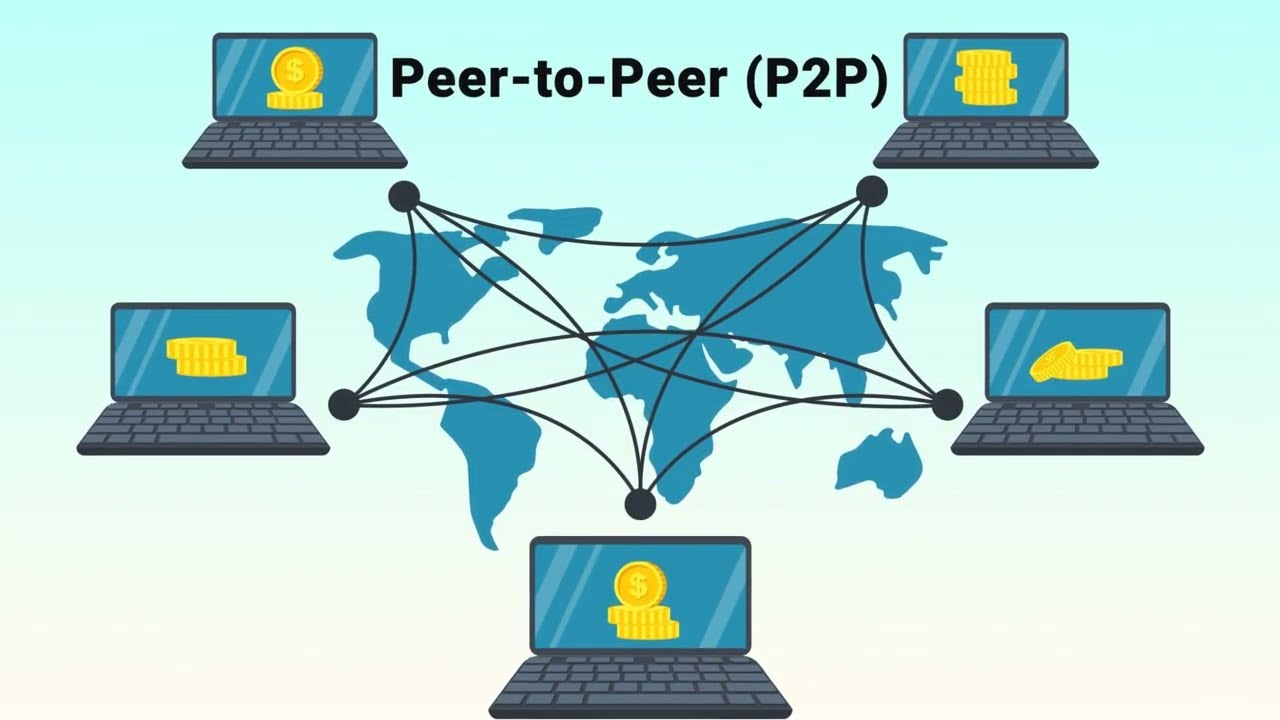
Added:Fundamental concepts of blockchain technology, peer-to-peer (P2P) networking, and distributed ledgers.
The basic principles of traditional, centralized cloud storage systems (such as AWS S3 or Google Cloud) to serve as a point of comparison.
The core concepts of the InterPlanetary File System (IPFS), specifically how content-addressing differs from location-addressing.
Basic knowledge of tokenomics, including how utility tokens are used to incentivize participant behavior in decentralized networks.
A deep dive into Filecoin's unique consensus mechanisms, specifically Proof of Replication (PoRep) and Proof of Spacetime (PoSt).
Understanding the Filecoin Virtual Machine (FVM) and how smart contracts can be used to automate storage agreements.
A comparative study of Filecoin against other decentralized storage competitors like Arweave, Storj, and Sia.
Practical application of Filecoin and IPFS for storing data in decentralized applications (dApps) and minting NFTs.
81K views3.4Klikes21:15Original Release: 2020-10-23
did you know that there have been over 5 000 icos in the crypto space most of these happened during the ico booms of 2017 and 2018 with over 6.2 billion raised in 2017 alone only a handful of those 5 000 plus projects have managed to deliver what they promised and many of those launched their main nets this year and now it's filecoin's turn to be in the spotlight it's been more than three years since filecoin held its pre-sale and ico which together raised more than a quarter of a billion dollars and at long last filecoin's mainnet is here my name is guy and today i'm going to tell you all about a crypto project which powers the economy of a new decentralized internet that is owned and operated by you and me one which may someday be used on other planets [Music] now before we get down to business i need to cover my ass i am not a financial advisor and nothing i say in this video should be considered financial or investment advice this video is just one small part of the curriculum taught at the cryptocurrency school of dyor do your own research if you're a new pupil at the dyor welcome to the bureau my name is guy and i will be your instructor for today okay i'm not actually a teacher but i do know a thing or two about crypto i spend my day sharing my knowledge about the cryptocurrency projects of today and tomorrow on this youtube channel coins exchanges d5 protocols and much more if you want to be a part of my imaginary classroom then enroll by clicking that subscribe button pinging the notification bell make sure you're never late for my next class and i promise i will never give you homework finally if you're strapped for time then feel free to skip around to the sections which most appeal to you there are these timestamps right here that should make that a lot easier okay recess is over let's see what the files say about filecoin filecoin is a decentralized storage network built by protocol labs protocol labs is a research and development company for network protocols based in san francisco it was founded by stanford graduate juan bennett in 2014 and received over three million dollars in funding with the help of the famous y combinator startup accelerator program one is the ceo of protocol labs which has grown from a team of a dozen people to over 130 since its incorporation the end game of protocol labs is to create a fast secure and decentralized internet you see the internet we have today is extremely centralized all of the web content you interact with is stored on centralized servers which can suffer outages or be shut down if they're hosting content which people with big guns or big wallets or both don't want others to see the trade-off is that most of us get fast high-quality internet connections at a low price from these centralized internet providers decentralized alternatives were not feasible in the past because they were either too slow too expensive or both as such protocol labs developed two products to address these issues and lay the groundwork for a functional fast affordable and user-friendly web 3.0 the first product is called the interplanetary file system or ipfs which was released in 2015.
it allows anyone to receive and host web content in a manner similar to bittorrent the ipfs was designed to function like the internet we're all used to meaning that the front end of an ipfs website looks and feels like a regular http website over 5 billion files were on the ipfs at the start of 2020. since the ipfs relies on a network of nodes instead of centralized servers it will someday be possible to get a quality internet experience on other planets this is because it will not be necessary to constantly refer back to centralized internet servers on earth which can take minutes if not hours depending on what planet you're on the second product is none other than filecoin a decentralized storage blockchain built on the ipfs and designed in 2017 its role is to function as the incentive layer to support and grow the ipfs by rewarding those who help in the storage and retrieval of files with filecoin's native fill token in addition to supporting the ipfs filecoin hopes to compete with centralized cloud storage providers such as amazon and google this also puts filecoin in direct competition with other decentralized data storage cryptos like cya coin and storage more on that a bit later filecoin's mainnet went live on october the 15th after over three years of development this was followed by what was essentially a one-week party to celebrate called file coin liftoff it consisted of dozens of online panels workshops and talks about filecoin and web 3.0 right so how the hell does filecoin work filecoin works like most other cryptocurrencies it has a blockchain it has a consensus mechanism it has mining and it has mining rewards paid in its own native token the filecoin blockchain is built on top of the ipfs the blockchain itself doesn't store any files it acts as the ledger for fill transactions and filecoin wallet address balances the farcoin blockchain also stores the agreements made between the miners which store client data and the clients which requested said data to be stored the filecoin blockchain uses two consensus mechanisms the first consensus mechanism is called proof of replication which involves proving that a given piece of data is being stored by a miner a miner must write this proof to the filecoin blockchain upon the creation of a data storage contract with a client the second consensus mechanism is called proof of space time which involves proving that a miner is still storing a piece of data a miner must write this proof to the filecoin blockchain every time a client or other network participant asks to see if they're still storing that data file coin mining is where things get interesting unlike mining bitcoin ethereum or basically every other proof-of-work cryptocurrency all you need to mine filecoin is a good computer a reliable internet connection and plenty of hard drive space this is because your job as a miner on filecoin is not to burn a circuit with your makeshift asic mining farm but to store a hell of a lot of encrypted user data on a thick hdd you can find the exact specs you need to mine filecoin in the description of this video in addition to the hardware you're also going to need to stake some fill tokens this is to ensure that you stay on your best behavior your collateral can be partly slashed if you're found to have violated the terms of your contract with a client such as deleting the data before the agreed-upon date the exact amount of fill you must shell out is proportional to the amount of storage you're providing as a percentage of the network so for example if you're storing one terabyte of data for a client and that's one percent of the storage available on the filecoin network your fill stake will need to be one percent of the total fill currently being staked this adds extra security to the blockchain as it means that the cost of corruption is not just tied to the number of fill tokens you have but also to the amount of hardware you're packing this also means it becomes more expensive to corrupt the filecoin network as more miners join since the cost of the fill you need to stake to become a miner can be quite expensive under some conditions filecoin gives you two staking options either you can put down the collateral upfront or you can choose to put down less collateral up front and use a portion of your future block rewards as collateral block rewards on filecoin are dependent on the size of the network the more the filecoin network grows the more fill tokens are up for grabs from each block this is to promote the growth of the network and to ensure that miners continue to be adequately compensated well into the future the block rewards each individual miner gets is proportional to the amount of storage space a miner is contributing to the network so as with staking if you're contributing one percent of the total storage available on filecoin you will earn one percent of all block rewards note that as a miner you will earn these block rewards for simply participating on the filecoin network you can think of it as your base wage in a sales job for example the fill tokens you get directly from clients for agreeing to store their data is the commission this can make being a file coin miner quite lucrative depending on network conditions and the size of your hard drive all right now that you know filecoin theory let's get our hands dirty and go through an applied example suppose you have a terabyte of purely educational content that you would like to store on filecoin the first step is to find a decentralized storage application these are like decentralized applications on ethereum except that they're built on top of filecoin and since filecoin is built on top of ipfs decentralized storage applications look and feel like a regular website what's more is that a web 3.0 wallet like metamask isn't required to use them they are quite literally the simple front-end application you use while the filecoin network does all the magic in the background a list of decentralized storage applications can be found in the file coin docs which i've linked to below these decentralized storage applications will let you set the terms for your data storage contract this includes the duration of the contract how many times you want the data to be replicated when it's stored and how much you're willing to pay in fill tokens for those conditions you can even specify the specific storage miners you want to use now assuming you didn't set an unreasonably low price for your demands a storage miner will accept the conditions of your contract to store your data the acceptance of the contract is written to the filecoin blockchain along with the new balance of fill tokens in your and the storage miners wallets every so often the filecoin network will ask the miners storing your data to submit a proof that they are still storing your educational content lest their stake is slashed now suppose that night has fallen and it's time to break out the educational content when you request to retrieve the data you've stored using the decentralized storage application a signal is sent out behind the scenes to retrieval miners these may or may not also be storage miners as the name suggests retrieval miners are tasked with retrieving your data as quickly as possible naturally they aren't going to do this for free you're going to have to shell out some fill this cost depends on how desperate you are to study if you're patient it will cost you next to nothing if you need your educational content right this minute it will cost you more once your data is retrieved you simply download it back to your device and voila you're studying away now you might be wondering how filecoin compares to other decentralized storage crypto projects like seer and storch without drowning you with the details it all comes down to two things scale and economics seer and storage are simply looking to store user data in a decentralized manner and market their projects as a way to make money from extra hard drive space you might have lying around in contrast filecoin is just one piece of the protocol labs puzzle filecoin is not just looking to store user data it wants to become the storage layer for all web 3.0 data even data from other cryptocurrency blockchains in fact the protocol labs team envisions a future where all the data from decentralized applications built on ethereum and other smart contract blockchains is stored using the filecoin network that is the scale the project is going for and it's a big part of why it took so long for the filecoin net to launch earlier this year sia had to add a layer 2 solution called skynet to fix its scaling issues despite storing only a fraction of the data which filecoin aims to support on the other hand filecoin's scale might just be its achilles heel as both seer and especially storage have lower barriers to entry to participate on their networks in terms of hardware and stake this could limit the sort of network participation filecoin will require if it wants to grow to the size that protocol labs is aiming for this brings us to economics filecoin has a massive massive war chest to understand just how massive filecoin raised almost 10 times more capital than ceocoin and storge combined money goes a long way when it comes to marketing and adoption especially when you're trying to appeal to institutions and not just your average guy i highly doubt protocol labs has spent all of that money over the last three years filecoin also already has nearly double the number of active storage providers than seer and a storage capacity this is 300 times larger this is relevant because it means that if you're looking to store data on filecoin you will probably be able to do so for a damn good price at least for the time being this is because the large amount of storage volume and storage miners compared to clients increases the likelihood that they will compete to store your data contrast this to see a coin where storage fees are relatively fixed albeit still very competitive compared to centralized data storage providers like amazon and google filecoin has also put a lot of thought into its tokenomics and speaking of tokenomics it's about time we took a look at the fill token phil is filecoin's native token no erc20 shenanigans here it's a deflationary asset since fill tokens are burned to pay for network fees or whenever a storage miner stake is slashed phil has a maximum supply of 2 billion with an initial supply of 600 million of this total supply 70 percent has been set aside for file coin miners 15 will go to protocol labs seven and a half percent was sold during the 2017 ico two and a half percent has been allocated to future fundraising and ecosystem development and the last five percent was reserved for the filecoin foundation the fill tokens allocated to protocol labs and the filecoin foundation have a six-year linear vesting schedule whereas the tokens sold during the ico are gradually vested with every file coin block that's mined and may last anything from six months to three years for those who don't know the file coin ico caused a bit of controversy in the crypto space this is because it was only open to accredited investors in the united states this meant that the only people who are allowed to participate were those with more than a million dollars in the bank or an annual income of more than 200 000 u.s dollars now you can imagine my shock then when i opened up one of filecoin's block explorers and saw that most storage miners on the filecoin network are apparently located in singapore what's more is that the filecoin foundation and protocol labs appear to have all their allocated tokens already thankfully they don't seem to have sold any it's unclear whether these tokens are locked in a smart contract or if they're currently accessible by both parties an important question to say the least now not much is known about the filecoin foundation now this is unfortunate because apparently they will be given control over filecoin by protocol labs at some point in the future in any case filecoin has outlined the three economic stages the network will go through in a nutshell the emission rate of fill tokens will decrease significantly as the network grows you can read more about it using the link in the description there is one last thing i need to touch on and that is the future of filecoin filecoin does not seem to have a clearly defined roadmap i mean they do have a roadmap that they started in march of this year and it seems to end with the launch of the mainnet it is possible then that they'll update it so i will be sure to leave it in the description for your viewing pleasure the lack of a concrete roadmap is not all that surprising considering it is fundamentally just a cog in a much larger plan by protocol labs to create a new decentralized internet with ipfs that being said i think i may have an idea of what might be next for filecoin during my research i stumbled across a github repository called the filecoin improvement proposal from what i gathered it looks like filecoin community members will soon be able to table a file coin improvement proposal now this is something quite fresh as the github repository for fips seems to be no more than a month old and does not offer many details on what the process will be to submit one nor what the voting conditions will be if any given the trend in crypto of transitioning to a decentralized autonomous organization i would not be surprised if filecoin went down that route then again the fact that protocol labs recently modified fill token rewards to appease angry storage miners gives me a second thought i guess we will have to wait and see and we will of course keep you updated all right my satoshi students that's all for today's class on filecoin before i recap what we learned today i will give you a quick disclaimer although today's video gave you a bird's-eye view of farcoin what's going on in the grass is subject to change in other words a lot of details about this project are still being hammered out some of these are important to know and some of them may change even during the time it took to shoot and upload this video with that out of the way here's the file on filecoin filecoin is a blockchain built on top of ipfs which is a decentralized alternative to the centralized http internet filecoin gives economic incentives to those who contribute storage space to the new decentralized web by rewarding them in fill tokens it seeks to be the data storage layer to web 3.0 storing all the data from decentralized websites and applications regardless of what blockchain they're on despite a few minor quirks regarding fill token allocation and emission the filecoin mainnet has been strong out of the gates offering the largest amount of storage space of any existing decentralized data storage provider currently on the market while an exact roadmap has not been hammered out filecoin seems eager to work closely with its community after spending years developing its network under pressure from investors one of cryptocurrency's largest icos has come to fruition and there is plenty to show for it right class if you enjoyed this video make sure to leave your teacher a big fat like for that greedy youtube algorithm make sure to subscribe and ring that notification bell so you get notified next time class is in session if you're a real keener and want some extra knowledge to take home then subscribe to my weekly newsletter by hitting up the first link in the description i'll give you the cheat sheets on all of the latest and greatest cryptocurrency projects as well as a sneak peek of what cryptocurrencies i'm currently holding that's all for now catch you later crypto skaters [Music]
Up Next

15:24
Filecoin (FIL) Decentralized Storage: Risks and Investment Analysis
@CryptowithJames
15.9K views•2023-12-13

53:55
Lens Protocol 101: Building Fullstack Social Apps with Digital Identity
@encodeclub
1.4K views•2023-09-14

19:07
Tokenized Assets: The Compliance Trap Reshaping Crypto's Future
@CoinBureau
80.6K views•2026-03-05

11:49
Understanding Ethereum: A Comprehensive Beginner's Overview
@99Bitcoins
3.1M views•2018-06-26
Related Study Plans & Knowledge Roadmaps
Structured learning paths in Blockchain & Crypto
blockchain-and-crypto
MPC Wallets: TSS, DKG & Secure Custody
01Foundations of Cryptography & Digital Signatures
02Secret Sharing & Introduction to MPC
03Distributed Key Generation (DKG)
+ 2 more learning modules
24h5 modules
Explore Roadmap
blockchain-and-crypto
ERC-4626: Yield Aggregators & Leverage
01Blockchain, Ethereum, and Solidity Foundations
02DeFi Primitives: Lending, Pools, and Yield Farming
03Mastering the ERC-4626 Tokenized Vault Standard
+ 3 more learning modules
35h6 modules
Explore Roadmap
blockchain-and-crypto
DePIN: IoT Registries, Proofs & Rewards
01Foundations of Blockchain & IoT
02Introduction to DePIN and the Flywheel Effect
03Designing IoT Device Registries & Secure Identity
+ 3 more learning modules
30h6 modules
Explore Roadmap
blockchain-and-crypto
Building EigenLayer AVS: Operators & Contracts
01Blockchain, Ethereum, and Smart Contract Basics
02Proof of Stake and Ethereum Staking
03Introduction to EigenLayer and Restaking
+ 3 more learning modules
24h6 modules
Explore Roadmap