















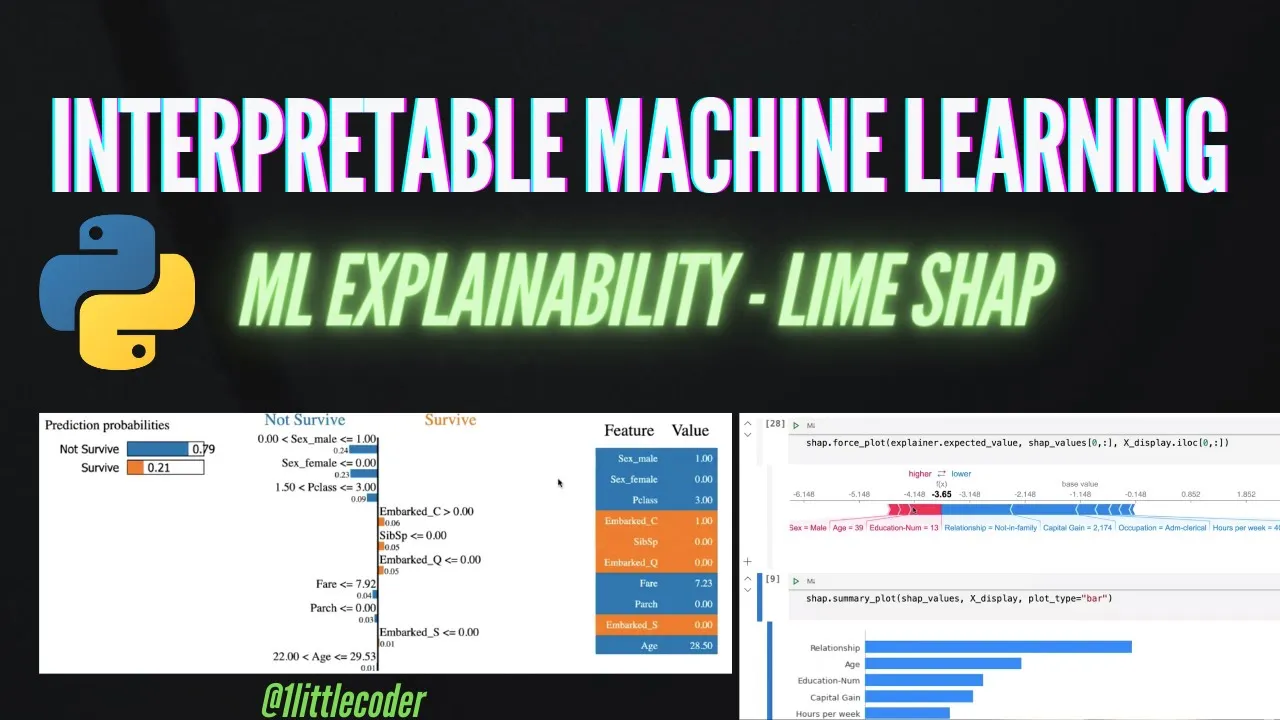
![[ Part 2 ] Pelatihan Data Science Beginner Level | Digital Talent Hub | PPI Dunia | Modul 4](https://i.ytimg.com/vi/jL5AhoepKeU/maxresdefault.jpg)












Random Forests improve upon individual decision trees by creating an ensemble of many trees through two key mechanisms: (1) bootstrapping, where each tree is trained on a random subset of the data with replacement, and (2) random variable selection, where each tree considers only a random subset of features at each decision node. This diversity among trees reduces overfitting and increases accuracy. When classifying new samples, predictions are made by aggregating (voting) the results from all trees in the forest. The model's accuracy can be evaluated using out-of-bag (OOB) error, which measures how well the forest classifies samples that were not included in the bootstrap datasets used to train individual trees.
Random Forests Explained: Build, Use & Evaluate ML Models
Added:Basic understanding of supervised machine learning concepts, including classification, regression, and the train-test split.
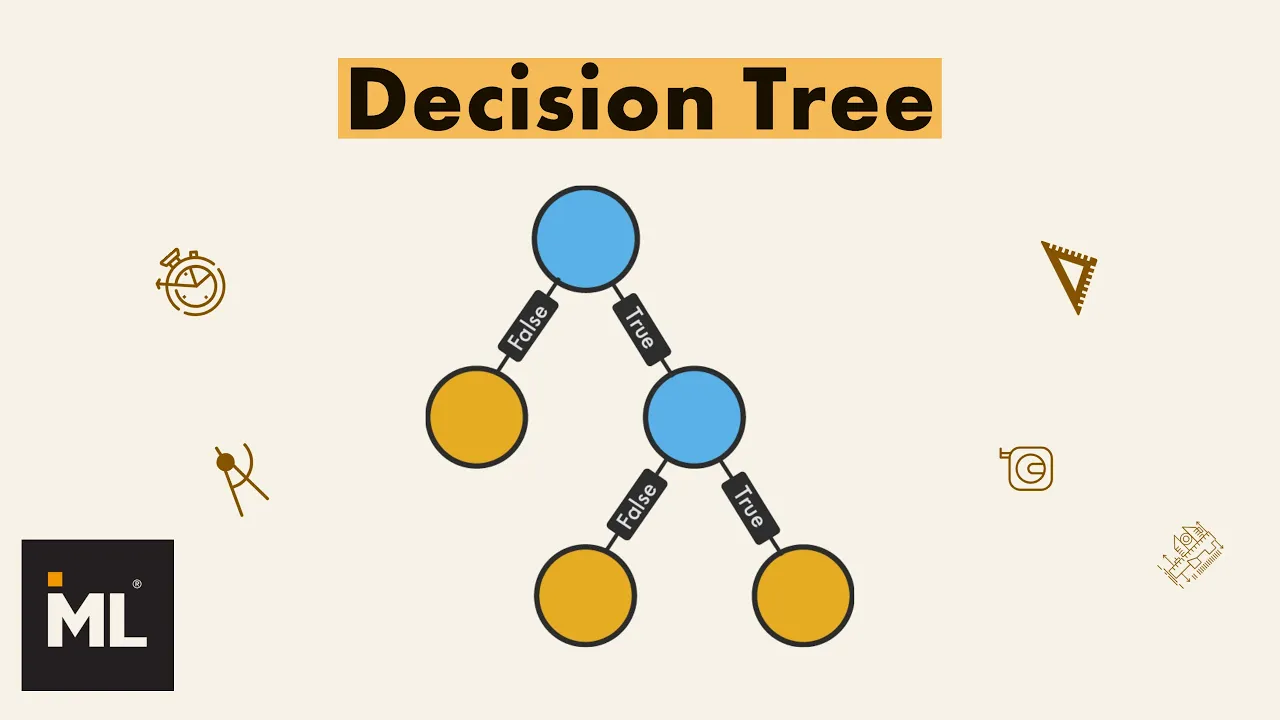
The mechanics of individual Decision Trees, including how splits are made, root nodes, decision nodes, and leaf nodes.
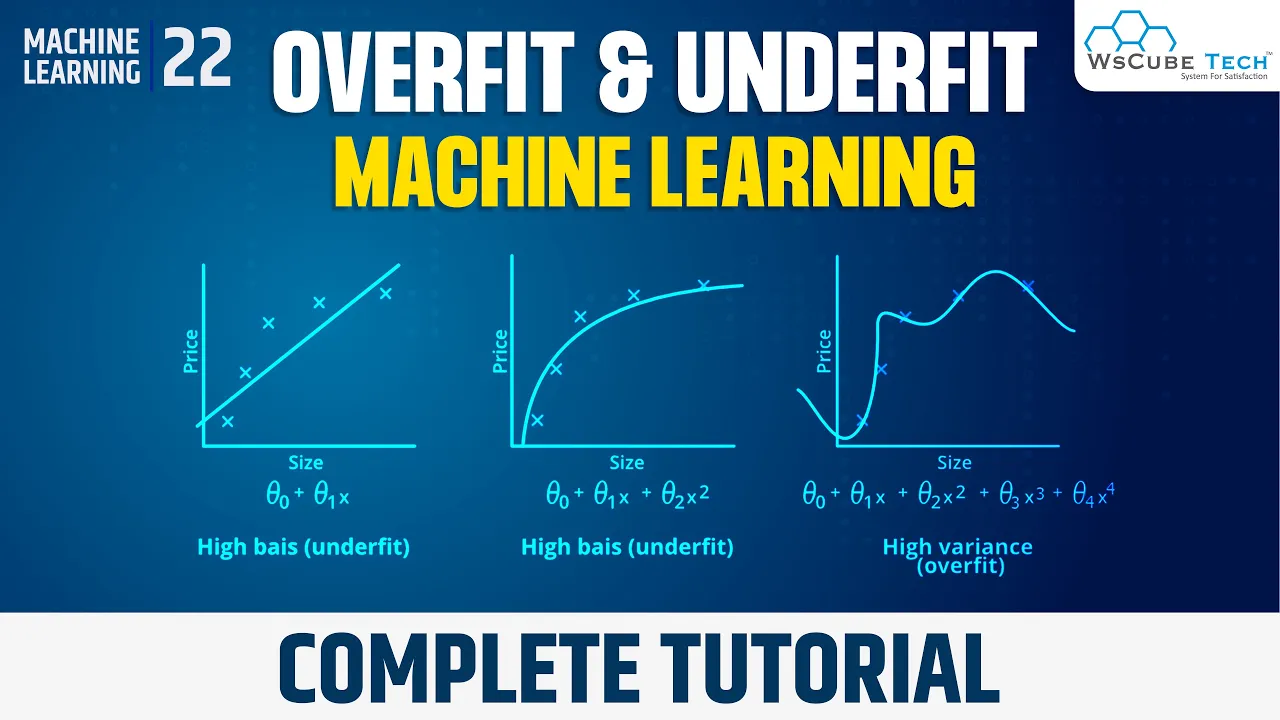
The concept of overfitting and underfitting (the bias-variance tradeoff) in machine learning models.
Standard model evaluation metrics such as accuracy, precision, recall, F1-score, and Mean Squared Error (MSE).
Advanced ensemble methods, specifically boosting algorithms like Gradient Boosting Machines (GBM), XGBoost, LightGBM, and CatBoost.
Hyperparameter tuning techniques (such as Grid Search and Randomized Search) specifically applied to Random Forest parameters like number of estimators and maximum depth.
Feature importance analysis and model interpretability tools like SHAP (SHapley Additive exPlanations) and LIME to explain complex ensemble predictions.
Out-of-Bag (OOB) error estimation and how it serves as an internal cross-validation mechanism unique to bagging methods.
1.4M views22.8Klikes9:54Original Release: 2018-02-05
Wandering around a random forest. I won't get lost because of stat quest Hello, I'm Josh Dharma and welcome to stat quest today We're gonna be starting part one of a series on random forests, and we're going to talk about building and evaluating random forests Note random forests are built from decision trees. So if you don't already know about those check out my stat quest and beef up Decision trees are easy to build easy to use and easy to interpret But in practice they are not that awesome to quote from the elements of statistical learning Aka the Bible of machine learning Trees have one aspect that prevents them from being the ideal tool for predictive learning Namely in accuracy. In other words, they work great with the data used to create them But they are not flexible when it comes to classifying new samples The good news is that random forests combine the simplicity of decision trees with flexibility Resulting in a vast improvement in accuracy So let's make a random forest step 1 create a bootstrap data set imagine that these 4 samples are the entire data set that we are going to build a tree from I Know it's crazy small, but just pretend for now To create a bootstrap data set that is the same size as the original. We just randomly select samples from the original data set The important detail is that we're allowed to pick the same sample more than once This is the first sample that we randomly select So it's the first sample in our bootstrap data set This is the second randomly selected sample from the original data set So it's the second sample in our bootstrap data set Here's the third randomly selected sample So here it is in the bootstrap data set Lastly here's the fourth randomly selected sample note. It's the same as the third and Here it is BAM we've created a bootstrap data set Step2 for creating a random forest is to create a decision tree using the bootstrap dataset But only use a random subset of variables or columns at each step in This example, we will only consider two variables or columns at each step Note, we'll talk more about how to determine the optimal number of variables to consider later Thus instead of considering all four variables to figure out how to split the root node We randomly select two in This case we randomly selected good blood circulation and blocked arteries as candidates for the root node Just for the sake of the example assume that good blood circulation. Did the best job separating the samples?
Since we used a good blood circulation, I'm going to gray it out so that we focus on the remaining variables Now we need to figure out how to split samples at this node just like for the route we randomly select two variables as candidates instead of all three remaining columns and We just build the tree as usual, but only considering a random subset of variables at each step double bound we built a tree one using a bootstrap data set and Two only considering a random subset of variables at each step Here's the tree we just made Now go back to step one and repeat Make a new bootstrap data set and build a tree considering a subset of variables at each step Ideally you do this hundreds of times, but we only have space to show six, but you get the idea Using a bootstrap sample and considering only a subset of variables at each step results in a wide variety of trees The variety is what makes random forests more effective than individual decision trees Sweet now that we've created a random forest. How do we use it?
Well first we get a new patient We've got all the measurements and now we want to know if they have heart disease or not So we take the data and run it down the first tree that we made Booboo, dooba, dooba, dooba dooba, dooba. Do the first tree says yes, the patient has heart disease and We keep track of that here now we run the data down the second tree that we made the second tree also says yes and We keep track of that here. And then we repeat for all the trees we made After running the data down all of the trees in the random forest. We see which option received more votes in This case yes received the most votes so we will conclude that this patient has heart disease BAM Oh No terminology alert Bootstrapping the data plus using the aggregate to make a decision is called bagging Okay, now we've seen how to create and use a random forest How do we know if it's any good Remember when we created the bootstrapped data set We allow duplicates in trees in the bootstrapped data set as A result. This entry was not included in the bootstrap data set Typically about one third of the original data does not end up in the bootstrap data set Here's the entry that didn't end up in the bootstrapped dataset If the original dataset were larger, we'd have more than just one entry over here This is called the out-of-bag data set If it were up to me I would have named it thee out of boot data set since it's the entries that didn't make it into the bootstrap dataset Unfortunately, it's not up to me Since the out-of-bag data was not used to create this tree We can run it through and see if it correctly classifies the sample as no heart disease In this case the tree correctly labels the out of bag sample. No Then we run this out of bag sample through all of the other trees that were built without it This tree incorrectly labeled the out of bag sample. Yes These trees correctly labeled the out of bag sample know Since the label with the most votes wins is the label that we assign this out of bag sample in This case the out of bag sample is correctly labeled by the random forest We then do the same thing for all of the other out of bag samples for all of the trees This out of bag sample was also correctly labeled This out of bag sample was incorrectly labeled Etc etc, etc Ultimately we can measure how accurate our random forest is by the proportion of out-of-bag samples that were correctly classified by the random forest The proportion of out-of-bag samples that were incorrectly classified is the out of bag error Okay, we now know how to one build a random forest to use a random forest and three estimate the accuracy of a random forest However now that we know how to do this we can talk a little more about how to do this Remember when we built our first tree and we only use two variables columns of data to make a decision at each step Now we can compare the out-of-bag error for a random forest built using only two variables per step to a random forest built using three variables per step and We test a bunch of different settings and choose the most accurate random forest In other words one we build a random forest and then two we estimate the accuracy of a random forest then we change the number of variables used per step and We do this a bunch of times and then choose the one that is the most accurate Typically we start by using the square of the number of variables and then try a few settings above and below that value Triple bail Hooray We've made it to the end of another exciting static quest tune in next week And we'll talk about how to deal with missing data and how to cluster the samples. All right, and tell them quest are armed
Up Next

18:08
Decision Trees and Classification Trees Explained (Machine Learning Basics)
@statquest
1.1M views•2021-04-26

57:48
Secure Multiparty Computation (MPC): Foundations & Challenges
@SimonsInstitute
7.3K views•2015-05-28
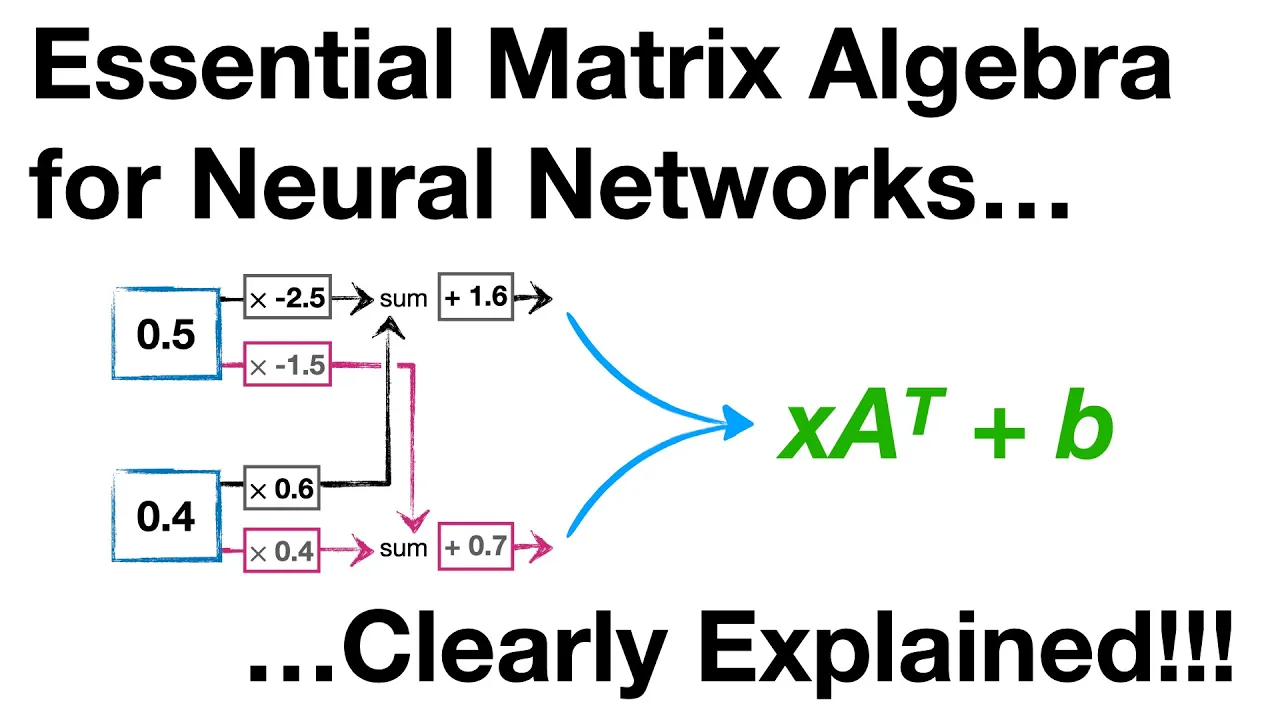
30:00
Matrix Algebra for Neural Networks Clearly Explained in Mathematics
@statquest
78.3K views•2023-12-11
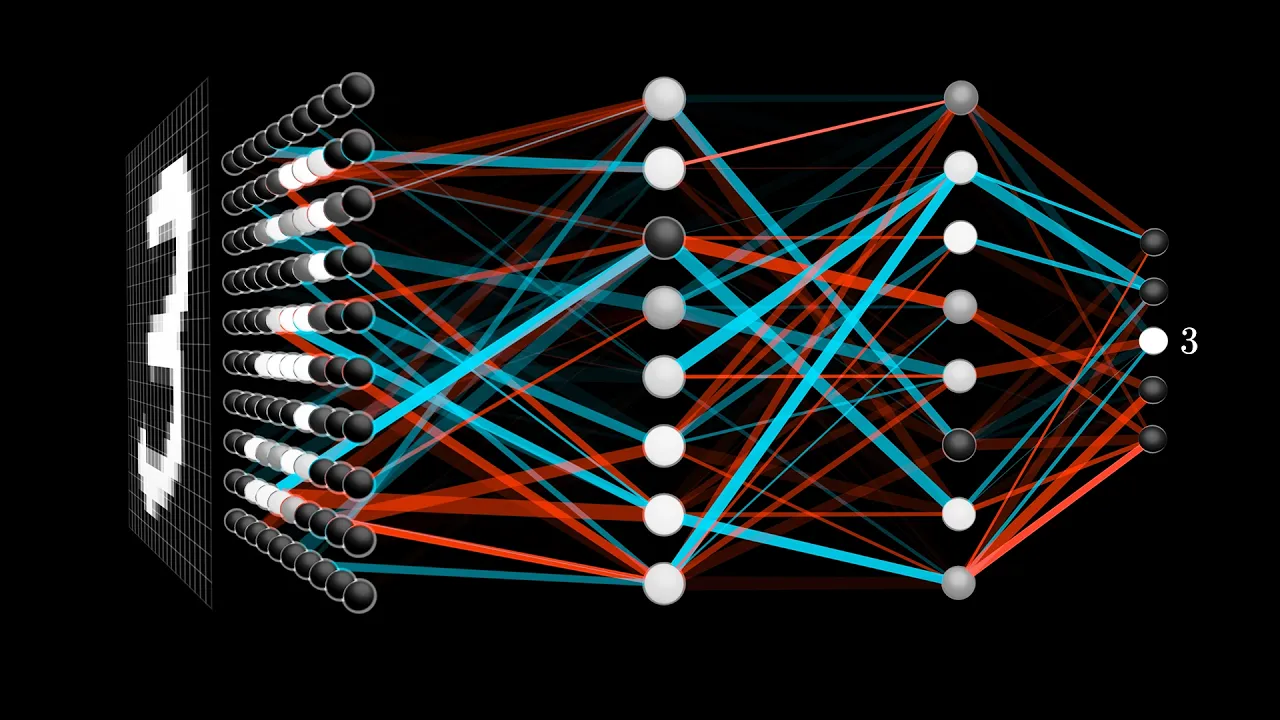
18:41
Neural Networks Explained: Math, Layers, and Learning Fundamentals
@3blue1brown
21.9M views•2017-10-05
Related Study Plans & Knowledge Roadmaps
Structured learning paths in Artificial Intelligence
artificial-intelligence
Aligning LLMs: DPO, TRL & Custom Datasets
01Foundations of Python & Machine Learning
02Transformers and Large Language Models (LLMs)
03Aligning LLMs: SFT and RLHF
+ 3 more learning modules
24h6 modules
Explore Roadmap
artificial-intelligence
Federated Learning: PyTorch, Flower & Privacy
01Python & Machine Learning Foundations
02Deep Learning Basics with PyTorch
03Introduction to Federated Learning
+ 2 more learning modules
35h5 modules
Explore Roadmap
artificial-intelligence
Securing LLMs: Guardrails AI & NeMo Gateway
01Introduction to LLMs, Python, and APIs
02Understanding LLM Vulnerabilities & Threats
03Defending LLMs with Guardrails AI
+ 2 more learning modules
15h5 modules
Explore Roadmap
artificial-intelligence
Building Recommenders: Two-Tower & Vector DBs
01Foundations of Python & Machine Learning Basics
02Introduction to Recommender Systems
03Deep Learning & Representation Learning
+ 3 more learning modules
75h6 modules
Explore Roadmap