







![Chapter-3 & 4 Sociology & Society (11th NCERT) | Sociology [UPSC CSE/IAS 2020/21/22] Rinku Singh](https://i.ytimg.com/vi/1OJYbzmqnHQ/maxresdefault.jpg)













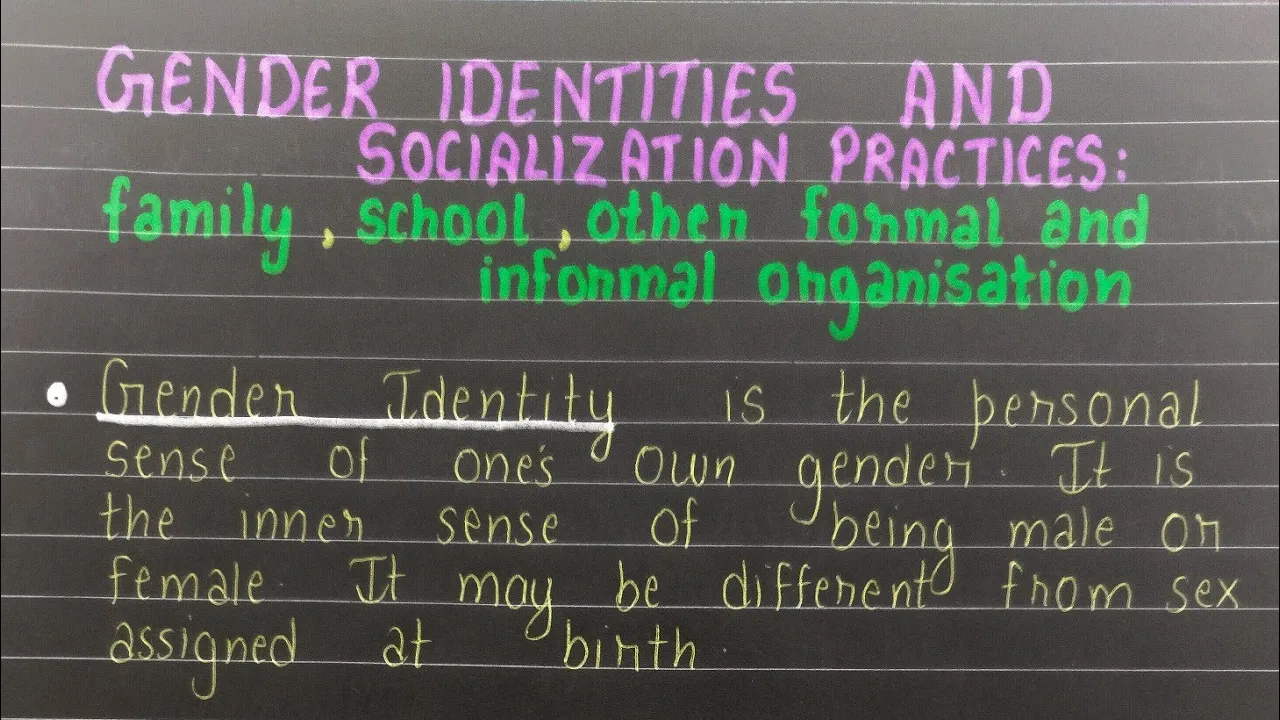


Socialization is the lifelong process through which individuals learn society's norms, values, and behaviors, occurring through five main types: (1) Primary socialization in families, where parents teach children language, values, and cultural capital; (2) Anticipatory socialization, where people learn values of groups they plan to join, such as gender roles; (3) Secondary socialization through schools, which teaches the hidden curriculum of competition and conformity; (4) Peer group socialization, where group membership shapes behavior and identity; and (5) Resocialization in total institutions like prisons or military boot camps, where existing identities are broken down and replaced through strict control.
Socialization Types: Family, Peers, School, Media, and Institutions
Added:The fundamental definition of socialization as the lifelong process of internalizing the norms, values, and ideologies of a society.
The 'Nature vs. Nurture' debate, specifically how sociology emphasizes environmental and social interaction over purely biological explanations of human behavior.
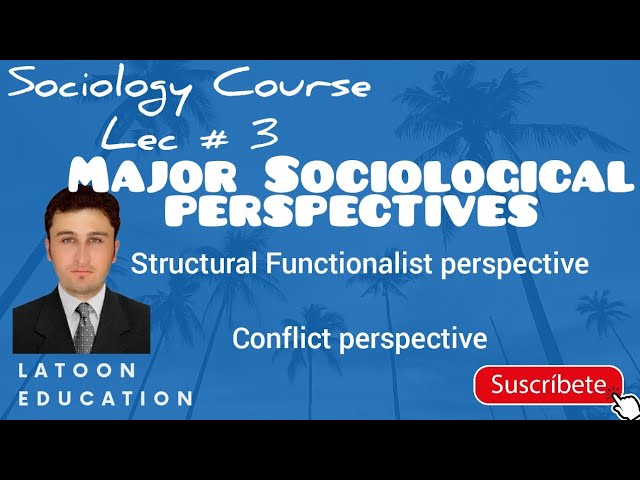
An introductory understanding of major sociological perspectives, such as Structural Functionalism and Conflict Theory, to help analyze the purposes of social institutions.
The basic distinction between primary socialization (occurring in infancy and early childhood) and secondary socialization (occurring later in life outside the immediate family).
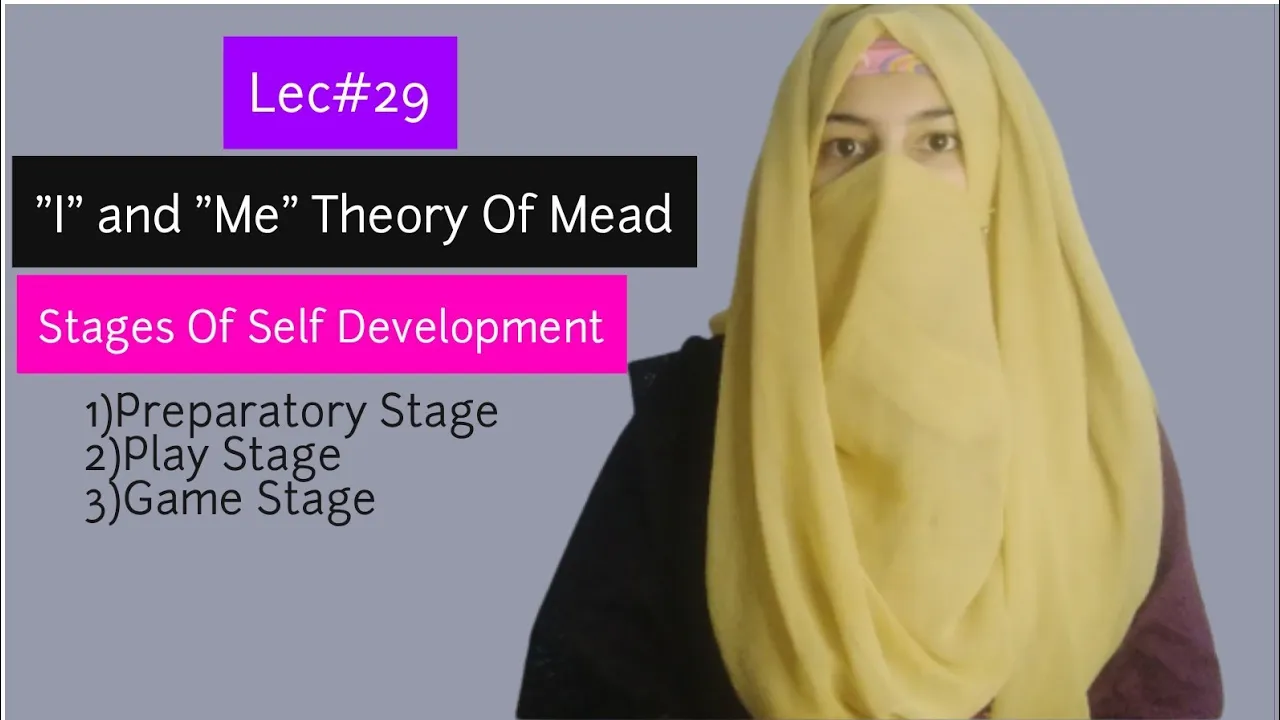
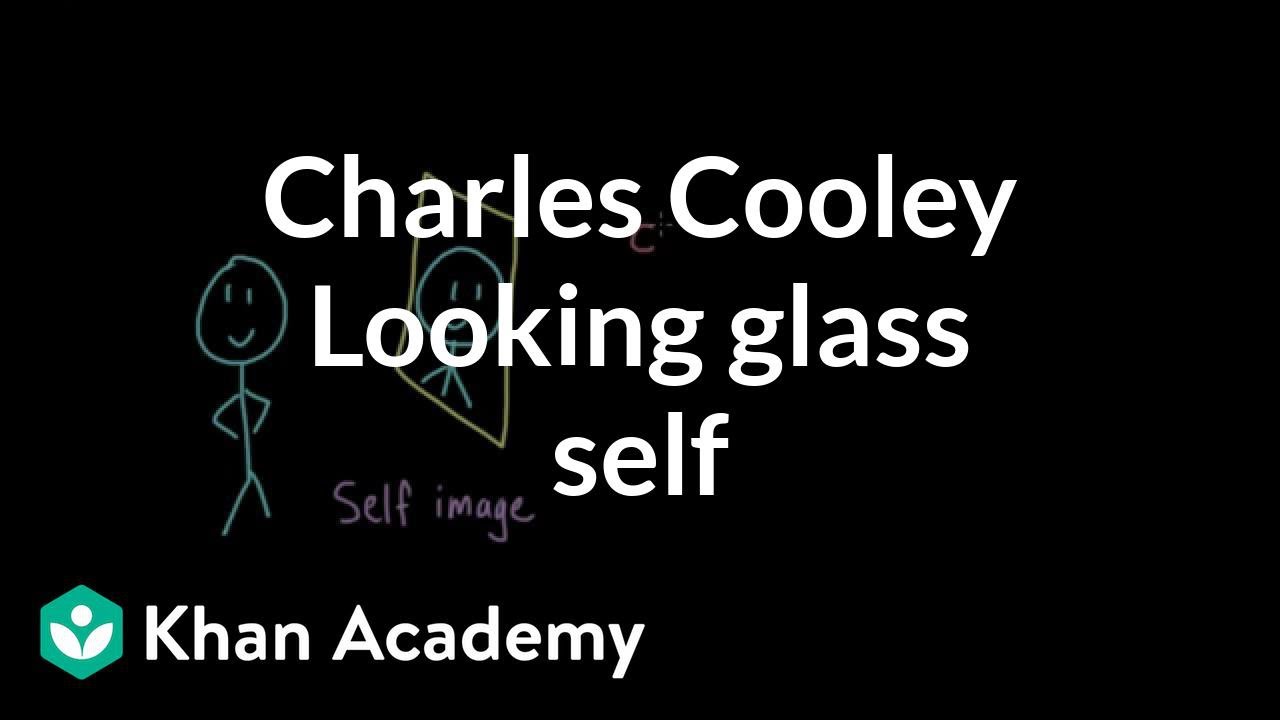
The theories of self-development, particularly George Herbert Mead's 'Stages of the Self' (I and Me) and Charles Horton Cooley's 'Looking-Glass Self'.
The process of 'Resocialization', exploring how individuals systematically strip away old behaviors and adopt new ones when transitioning into radically different social environments.
The sociological study of Gender Socialization, investigating how family, media, and school reinforce traditional gender roles and expectations.
The relationship between socialization, social control, and deviance, including how institutions define and regulate behavior that violates established social norms.
1.4M views14.3Klikes9:36Original Release: 2017-06-20
What do you, as you’re watching me right now, have in common with a toddler who’s being read a bedtime story?
I’ll give you a clue.
It’s also something you have in common with the kids in The Breakfast Club.
As well as with a soldier going through boot camp.
Give up?
You’re all being socialized.
It’s also the title of the episode.
You probably saw that.
Each of us is surrounded by people, and those people become a part of how we act and what we value.
This is known as socialization: the social process through which we develop our personalities and human potential and learn about our society and culture.
Last time, we talked about the HOW of socialization, how we learn about the social world.
And no matter which of the many theories out there that you like best, the answer seems to be that we’re socialized by interacting with other people.
But which people?
What we didn’t talk about last week was the WHO of socialization: Who do we learn about the social world from?
What people, and what institutions, have made you who you are today?
[Theme Music] Socialization is a life-long process, and it begins in our families.
Mom, Dad, grandparents, siblings – whoever you’re living with is pretty much your entire social world when you’re very young.
And that’s important, because your family is the source of what’s known as primary socialization – your first experiences with language, values, beliefs, behaviors, and norms of your society.
Parents and guardians are your first teachers of everything – from the small stuff like how to brush your teeth to the big stuff like sex, religion, the law, and politics.
The games they play with you, the books they read, the toys they buy for you, all provide you with what French sociologist Pierre Bourdieu called cultural capital – the non-financial assets that help people succeed in the world.
Some of this cultural capital may seem fairly innocuous – I mean, is reading Goodnight Moon really making that big of an impact on a toddler?
Yes, actually.
It teaches the “value” of reading as much as it helps the child begin to recognize written language.
The presence of books in the home is associated with children doing well in school.
Another important form of socialization that starts in the home is gender socialization, learning the psychological and social traits associated with a person’s sex.
Gender socialization starts from the moment that parents decide on a gendered name and when nurses put a pink or a blue hat on the baby.
Other group memberships, like race and class, are important parts of initial socialization.
Race socialization is the process through which children learn the behaviors, values, and attitudes associated with racial groups.
Racial discrimination is partly the result of what parents teach their children about members of other races.
And class socialization teaches the norms, values, traits, and behaviors you develop based on the social class you’re in.
This may help explain why more middle- and upper-class children go to college.
Not only can the families afford to send them, but these children are expected to attend.
They grow up in a home that normalizes college attendance.
Now, gender, race, and class socialization are all examples of anticipatory socialization – that’s the social process where people learn to take on the values and standards of groups that they plan to join.
Small children anticipate becoming adults, for example, and they learn to play the part by watching their parents.
Gender socialization teaches boys to “be a man” and girls to “be a woman”.
But children also learn through secondary socialization – that’s the process through which children become socialized outside the home, within society at large.
This often starts with school.
Schools are often kids’ first introduction to things like bureaucracies, as well as systems of rules that require them to be in certain places at certain times, or act in ways that may be different from what they learned at home.
Not only do schools teach us the three r’s – reading, ‘riting and ‘rithmetic – but they come with what sociologists call a hidden curriculum – that is, an education in norms, values, and beliefs that are passed along through schooling.
Take, for example, a spelling bee.
Its main goal is to teach literacy and encourage kids to learn how to spell.
But something as seemingly benign as a spelling bee can have many hidden lessons that stick with kids, too.
For example, it teaches them that doing better than their peers is rewarding – and it enforces the idea that the world has winners and losers.
Another hidden curriculum of school in general is to expose kids to a variety of people.
When your only socialization is your family, you just get one perspective on race, class, religion, politics, et cetera.
But once you go out into the world, you meet many people from many backgrounds, teaching you about race and ethnicity, social class, disability, gender and sexuality, and more.
School becomes not just a classroom for academic subjects, but also for learning about different kinds of people.
And, of course, schools are also where kids are exposed to one of the most defining aspects of school-age life: peer groups.
Peer groups are social groups whose members have interests, social position, and usually age in common.
As you get older, your peer group has a massive impact on the socialization process.
Let’s go to the Thought Bubble to to see just how big that impact can be.
In the late 1950s, American sociologist James Coleman began studying teenagers – how they interacted and how their social lives affected their education.
He interviewed teens in 11 high schools in the Midwest, asking them questions about what social group they identified with and who else they considered members of their group.
Based on these interviews, Coleman identified four main social categories.
And, uh, the names of these categories will probably sound familiar to you: They were nerds, jocks, leading crowd, and burnouts.
Basically, he discovered the 1950s version of The Breakfast Club.
And with these social categories came social prescriptions – behaviors that were expected of people in those groups.
Coleman found that certain things were important to the members of certain groups, like being a good dancer or smoking or having money or getting good grades.
He also tested the students’ IQs and assessed their grades.
And surprise!
It turned out that who you hung out with affected how well you did in school.
In some of the schools, getting good grades was considered an important criterion for the “leading group” – aka the popular kids– but in other schools, it wasn’t.
And in the schools where good grades were not a sign of popularity, students who scored high on IQ tests actually did worse on their exams than similarly smart students at schools where good grades made you popular.
Thanks Thought Bubble!
Now, Coleman’s study might seem like common sense – of course you and your friends are gonna be pretty similar.
Don’t we choose to be friends with people who are like us?
Well, not entirely.
Coleman’s study showed that we don’t just pick peer groups that fit into our existing traits – instead, peer groups help mold what traits we end up with.
OK, so far, we have family, schools, and peers as the main forces that influence someone’s socialization.
But what about me?
Yes, me, Nicole Sweeney.
Am I part of your socialization?
Or more precisely, are youtube videos considered a form of socialization?
Short answer: yes!
Long answer: The media you consume are absolutely a part of your socialization.
TV and the internet are huge parts of Americans’ lives.
And how we consume our media is affected by social traits, like class, race, and age.
A teenager or twenty-something in 2017 is much more likely to watch online media, like Netflix or youtube, than television.
And low-income Americans watch much more TV than their higher-income counterparts.
The media we consume also impact us dramatically.
The American Academy of Pediatrics, for example, has said there are connections between excessive television viewing in early childhood and cognitive, language and social emotional delays.
But TV can also influence the attitudes of viewers, especially young ones.
For example, studies have found that kids exposed to Sesame Street in randomized-controlled trial settings, reported more positive attitudes toward people of different races – most likely a result of the program’s wide variety of characters from different racial and ethnic backgrounds.
TV also affects us well beyond childhood.
One recent study found that MTV’s “16 and Pregnant” may have acted as a cautionary tale, helping to change teen girls’ attitudes toward birth control and contributing to declining rates of teen pregnancy.
So far, the types of socialization we’ve talked about have been fairly subtle — but there are also more intense types of socialization.
Total institutions are places where people are completely cut off from the outside world, and face strict rules for how they must behave.
First coined by sociologist Erving Goffman, the term “total institution” refers to places like the military, prisons, boarding schools, or psychiatric institutions that control all aspects of their residents’ lives – how they dress, how they speak, where they eat, where they sleep.
And in a total institution, residents undergo resocialization, where their environment is carefully controlled to encourage them to develop a new set of norms, values, or beliefs.
They do this by, basically, breaking down your existing identity and then using rewards and punishment to build up a whole new you.
Think about every boot camp movie you’ve ever seen.
All soldiers are given the same haircut and uniform, expected to reply to questions in the same way, put through the same grueling exercises, and humiliated by the same officer.
This process re-socializes the soldiers to put extreme value on their identity within the group, making them more willing to value self-sacrifice if their unit is in danger.
So whether you’re GI Jane training for a reconnaissance team or Molly Ringwald trying to maintain her queen-bee status in the leading crowd, the you that you are has been powerfully shaped by people and institutions.
Now, think back on your own life – who has been the biggest influence on YOUR socialization?
Who do you think that you yourself have influenced?
Hard questions to answer, maybe, but definitely worthwhile – and hopefully a little easier now that you’ve learned how sociologists think about it.
Today, we learned about five different types of socialization.
We talked about anticipatory socialization from your family, like gender norms, that prepare children for entering society.
We discussed the “hidden curriculum” in schools.
We learned about peer groups through a look at James Coleman’s study of teenage social groups.
We explored the role of media in socialization.
And finally, we talked about total institutions and how they can act as a form of re-socialization.
Crash Course Sociology is filmed in the Dr. Cheryl C. Kinney Studio in Missoula, MT, and it’s made with the help of all of these nice people.
Our animation team is Thought Cafe and Crash Course is made with Adobe Creative Cloud.
If you'd like to keep Crash Course free for everyone, forever, you can support the series at Patreon, a crowdfunding platform that allows you to support the content you love.
Thank you to all of our patrons for making Crash Course possible with their continued support.
Up Next

13:39
Social Media's Role in American Political Polarization | Analysis
@60minutes
447.4K views•2022-11-07
54:57
Contemporary Sociological Theory: Micro, Macro, Integrative
@NaSESYNC
45.7K views•2016-02-17

11:31
Food Access and Agricultural Revolutions: A Geography Lesson
@crashcourse
117.1K views•2022-02-15
9:41
What is Sociology? The Sociological Perspective Explained
@crashcourse
4.6M views•2017-03-13
Related Study Plans & Knowledge Roadmaps
Structured learning paths in Sociology
sociology
Celebrity Culture: From Hollywood to TikTok
01Foundations of Celebrity Sociology
02The Rise of Micro-Celebrity & Digital Platforms
03Parasocial Relationships & Algorithmic Intimacy
+ 2 more learning modules
12h5 modules
Explore Roadmap
sociology
Hostile Architecture: Space, Power & Control
01Introduction to the Sociology of Space
02Social Control and Surveillance in the City
03Hostile Architecture and Defensive Design
+ 2 more learning modules
12h5 modules
Explore Roadmap
sociology
Loneliness Epidemic: Third Places & Isolation
01Foundations of Social Capital and Community Cohesion
02The Death of Third Places and Urban Space Erosion
03The Privatization of Leisure and Atomization
+ 2 more learning modules
12h5 modules
Explore Roadmap
sociology
Sociology of Tourism: Gaze, Power & Heritage
01Foundations of the Sociology of Travel and Leisure
02John Urry and the 'Tourist Gaze'
03Staged Authenticity and Cultural Commodification
+ 2 more learning modules
14h5 modules
Explore Roadmap