





![Ethereum Surpassing Bitcoin To Challenge Nation States! Is This Guy For Real? [epic interview]](https://i.ytimg.com/vi/ysxav0IOYA8/maxresdefault.jpg)
















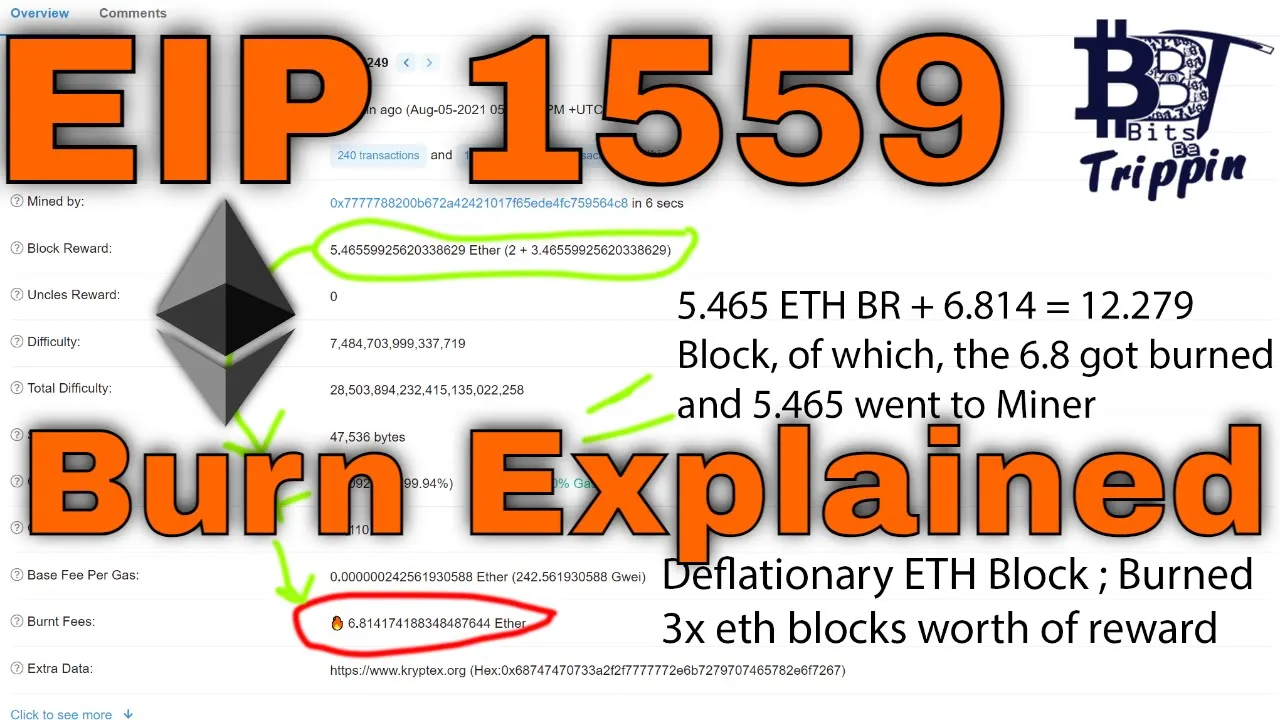




Gas fees in Ethereum are transaction fees paid to miners to have transactions included in blocks, functioning as a computational toll where the gas limit (maximum gas units) multiplied by gas price (cost per unit) determines the total fee; this system operates on supply and demand, with higher fees prioritizing faster processing, and serves to prevent network spam and infinite loops by requiring payment for computational work, even if transactions fail.
What Are Gas Fees in Crypto? A Complete Guide to Ethereum Network Costs
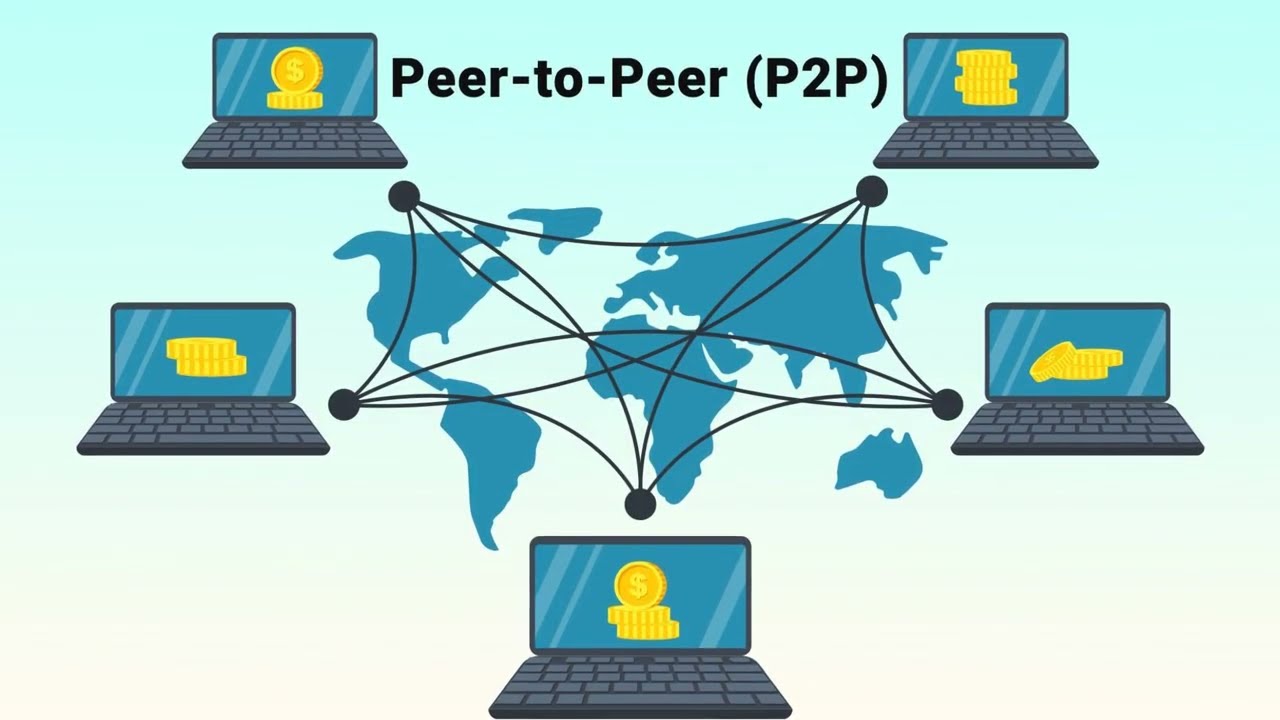
Added:Basic understanding of blockchain technology, peer-to-peer networks, and how transactions are validated.
An introduction to the Ethereum network, including its native cryptocurrency, Ether (ETH), and its distinction from Bitcoin.
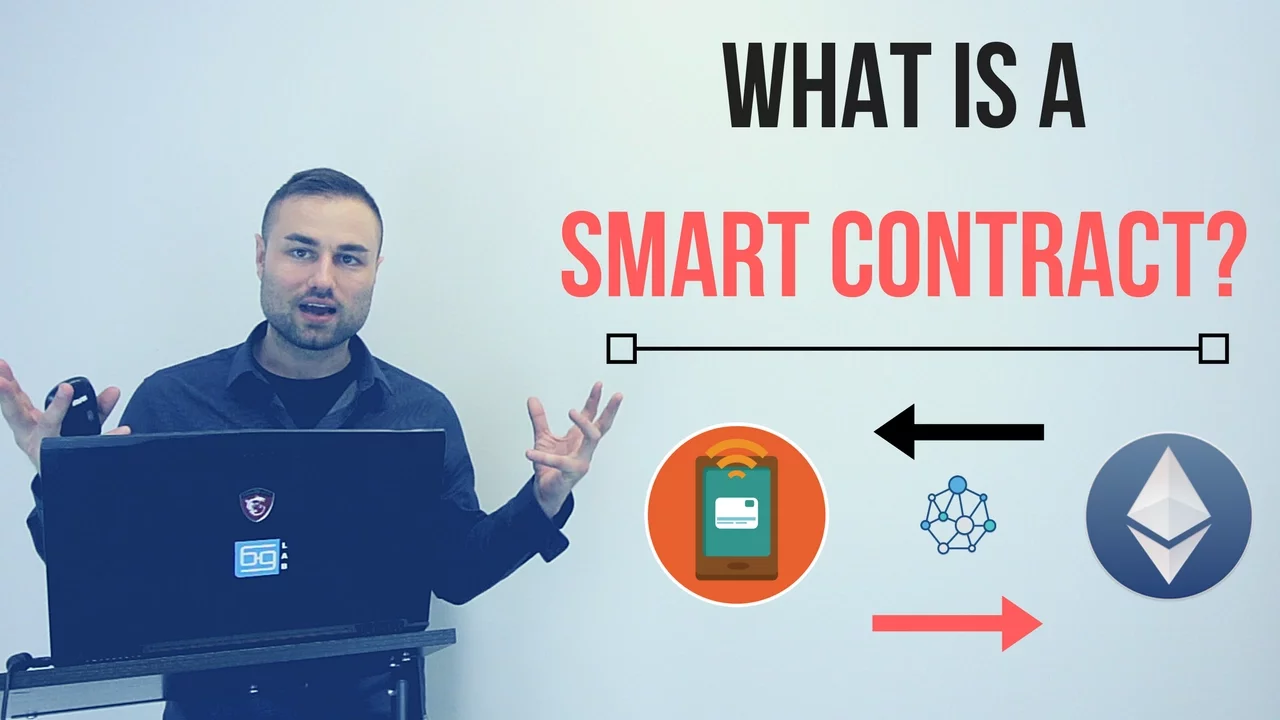
The concept of smart contracts: what they are, how they execute code autonomously, and why they require computational resources.
Fundamental economic principles of supply and demand, specifically how limited block space creates a competitive market for transaction processing.
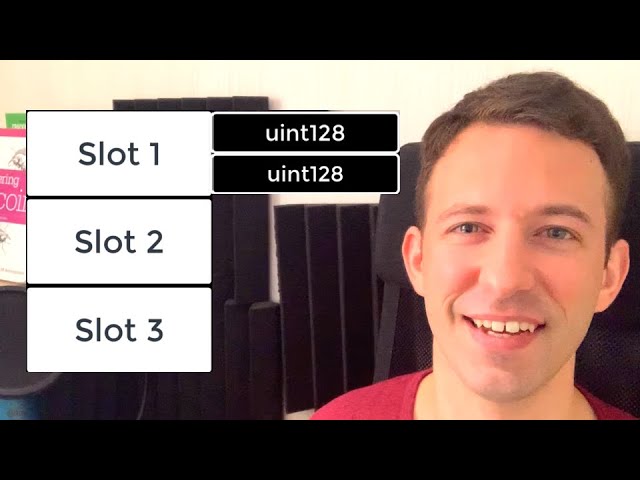
Advanced gas optimization techniques in smart contract development using Solidity (such as understanding EVM opcodes and minimizing storage operations).
Layer 2 scaling solutions, including Optimistic and Zero-Knowledge (ZK) Rollups, and how they achieve cheaper, off-chain computation.
The mechanics of Ethereum Improvement Proposal 1559 (EIP-1559), including the base fee, priority fee (tips), and the deflationary ETH burn mechanism.
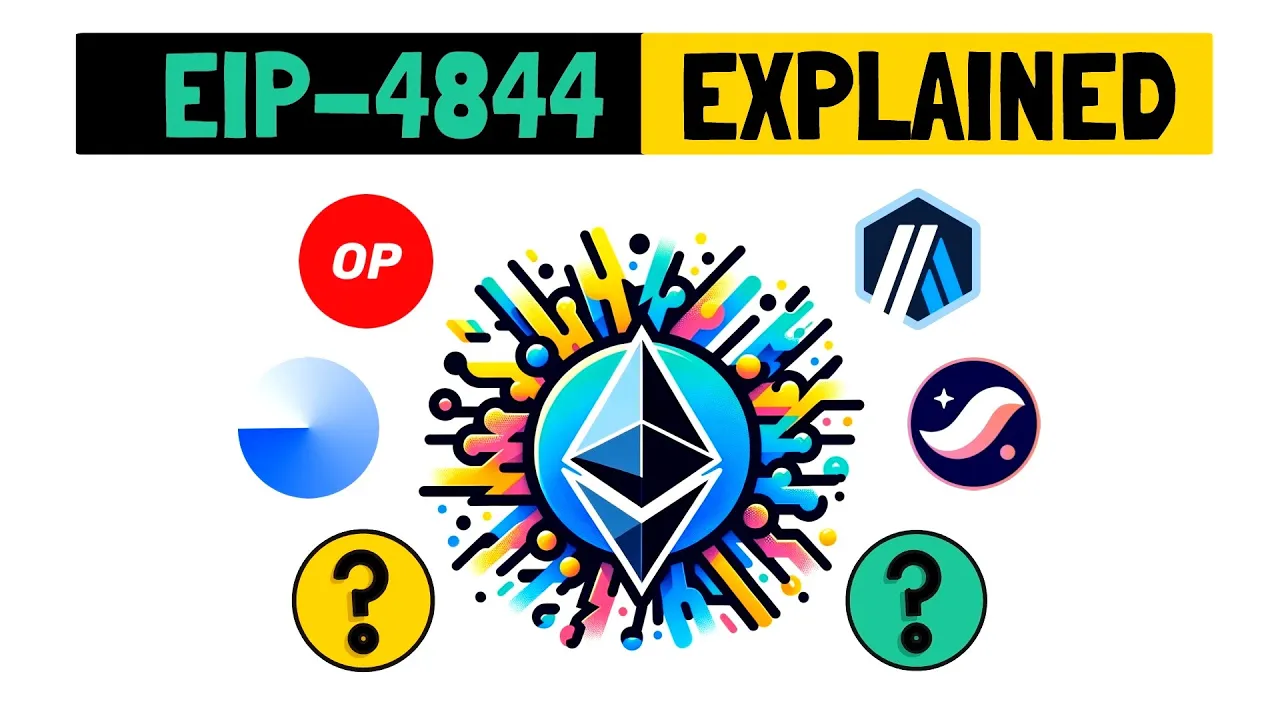
The impact of network upgrades like Proto-Danksharding (EIP-4844) on blob space and the long-term roadmap for Ethereum's scalability.
3K views73likes9:11Original Release: 2021-12-01
what are gas fees in crypto eth high gas fees you may think of filling up your car or even what you ate earlier when you hear the term gas yet the term has a unique context in the world of crypto gas in crypto refers to the computational effort required to execute operations gas is essential to the ethereum network the fuel allows it to operate in the same way that a car needs gasoline to run want to learn all about it then keep on watching this video hey guys welcome back to crypto animations the channel where we explain to our viewers about the different types of cryptocurrencies and everything new investors should know in today's video we will talk about crypto gas fees how they work what they do and more so be sure to be attentive because you clearly don't want to miss out on today's video also if you're new to the channel be sure to subscribe to the channel and turn on post notifications by hitting the bell so you never miss any of our uploads now with the intro out of the way let's get into our topic for today in the cryptocurrency world gas refers to the computational effort required to execute transactions on the platform in question essentially gas is like a toll on the highway and costs are often higher for larger or more complicated transactions just as truck drivers pay higher tolls than smaller vehicles gas refers to the unit that measures the amount of computational effort required to execute specific operations on the ethereum network since each ethereum transaction requires computational resources to implement each transaction requires a fee gas refers to the fee required to conduct a transaction on ethereum successfully gas fees are the transaction fees that users pay to miners on a blockchain protocol to have their transactions included in the block the system works on a standard supply and demand mechanism if there is more demand for transactions miners can choose to include the transactions that pay more compelling users to pay more to have their transactions processed quickly and efficiently you must pay a gas fee to make a transaction or execute a smart contract on ethereum regardless of the wallet you use you will always need to pay for gas when completing transactions gas fees are denoted in guay which is just point zero zero zero zero zero zero zero zero one eth you can think of gray like cents since one cent is point zero one of a dollar for every transaction you wanna make you must set what fee you are willing to pay to execute your transaction the gas limit is the maximum amount of gas you are ready to pay for in a particular transaction additionally it would help if you input the gas price for each transaction as well the gas limit times gas price equals gas fee you pay the gas fee when you submit a transaction you have to pay a gas fee when you want to transact in ethereum on the ethereum platform a standard eth transfer requires a gas limit of 21 000 units of gas gas fees are denoted in guay which is just point zero zero zero zero zero zero zero zero one eth you can think of guay as sense since one cent is point zero one of a dollar however when you send a transaction request to the ethereum network processing how quickly your transaction depends on the gas limit you are willing to pay essentially a priority is given to proposals that are willing to pay higher gas fees if you would rather pay a lower gas fee though be prepared for your transaction to take a lot longer if the minimum amount of gas required to process a standard transaction is 21k gas units that number must be multiplied by the average gas cost in gway to determine how much eth you need for the transaction all of this can simply be done in your digital wallet most wallets that support eth and ethereum based tokens will allow you to select the speed of your transaction and calculate the required amount of way necessary to process your request a gas cost exists so that the network can function correctly without a gas cost a user could in theory execute a program that never ends either intentionally or accidentally which would bring the entire ethereum network to a standstill if there is not enough gas available to make a transaction the user still pays for the work that has been done even if a transaction fails while this prevents attacks on the network it does mean that not paying enough gas for a transaction can result in financial losses gas limit is the maximum amount of gas you are willing to use on any given transaction if the actual amount of gas used turns out to be lower than the limit you specified the remaining gas would then be returned to you but if your limit is too low you either won't be able to process the transaction or the transaction will fail and you will lose that gas this is especially dangerous when you're trying to purchase a token when the network has a lot of users and the price is fluctuating rapidly anytime you send or receive crypto you will pay a gas fee the same goes for making crypto trades and running any processes requiring smart contracts such as minting nfts and speaking of nfts just like with ethereum transactions nft transactions also require gas fees an nft is an abbreviation of non-fungible tokens a fungible object or unit is interchangeable suppose like a penny on the other hand a non-fungible token is a unique piece that cannot be exchanged or traded because of this a finite number of nfts exist and their value is driven by a demand for ownership rights of these limited nfts an nft is a unique digital piece such as an image video gif or audio recording the unique identity of these digital pieces is verified on the blockchain which is the same technology that powers cryptocurrencies like bitcoin or ethereum though most nfts use the ethereum platform note that other platforms like solana are also used to buy and sell nfts you can also obtain nfts through an nft club like the board ape yacht club where you get to own one of ten thousand unique ape nfts and buy a membership to an exclusive club with other club's perks nfts are no longer just verifiable digital art but projects do not add utility like entire membership or real-world advantages so do you have to pay gas fees for every single crypto transaction crypto owners make you don't necessarily have to pay gas fees on every cryptocurrency transaction with bitcoin for example a transaction fee needs to be paid for miners to maintain the blockchain if there is ever a shortage of miners like what occurred in china in april 2021 transaction fees for bitcoin could be as high as 59 otherwise an average transaction fee for bitcoin can fluctuate between 24 to 31 dollars moreover ethereum was intended to be a decentralized platform that applied to a much more comprehensive range of applications than just bitcoin exchanges as such gas refers to the cost of utilizing the evm platform to run smart contracts or even transfer cryptocurrencies like eth while these transaction fees serve the same purpose as gas fees the term gas is exclusive to the ethereum platform other platforms may have fees as well but these will not be gas fees in particular it's also worth noting that transactions on the ethereum platform are paid in eth but gas is the abstract unit within the evm by having a separate department for measuring the computational effort gas fees are decoupled from the price of eth that means that an increase in the price of eth will not change the cost of transacting eth if you are looking to reduce gas costs for your eth you can set a tip to indicate the priority level of your transaction miners will work on and execute transactions that offer a higher bonus per gas as they get to keep the tips that you pay and will be less inclined to conduct transactions with lower tips set gas fees help keep the ethereum network secure by requiring a fee for every computation executed on the network we prevent bad actors from spamming the network to avoid accidental or hostile infinite loops or other computational wastage in code each transaction is required to set a limit to how many computational steps of code execution it can use the fundamental unit of computation is gas without a doubt your number one priority should always be how to maximize your investment so how do you do that with gas fees that's precisely why ethereum is leveling up by onboarding its highly anticipated eth 2.0 solution an upgrade that improves speed efficiency and scalability promises to drastically increase transactions alleviate congestion and eliminate high gas costs on a different note crypto is steadily going green newer coins like cardano and polkadot are rocking the crypto market with low gas fees offering sustainable alternatives to their energy consuming counterparts even the nft metaverse has started to embrace sustainable low-cost scaling solutions following severe heat from environmentalists nft artists and collectors alike well guys that's all we have for you today what are your thoughts on gas fees in cryptocurrencies let us know in the comments section down below if you guys like this video then be sure to give this video a big thumbs up also if you don't want to miss out on any new future videos then be sure to click on the subscribe button and turn on the notification under this video so that you're notified the next time we upload a video on the latest cryptocurrency news thanks for watching we hope you have a great day today and as always we'll see you in the next video
Up Next
2:23
EOA vs Smart Contract Wallets: Web3 Wallet Types Explained
@BOX_VERSE
109 views•2025-03-28

52:00
Hybrid Key Establishment in Production: Post-Quantum Cryptography
@durumcrustulum
14.7K views•2025-08-27

8:56
Liquidity Pools in Crypto: Uniswap & PancakeSwap Explained
@CryptoAnimations
412 views•2021-12-05
11:49
Understanding Ethereum: A Comprehensive Beginner's Overview
@99Bitcoins
3.1M views•2018-06-26
Related Study Plans & Knowledge Roadmaps
Structured learning paths in Blockchain & Crypto
blockchain-and-crypto
MPC Wallets: TSS, DKG & Secure Custody
01Foundations of Cryptography & Digital Signatures
02Secret Sharing & Introduction to MPC
03Distributed Key Generation (DKG)
+ 2 more learning modules
24h5 modules
Explore Roadmap
blockchain-and-crypto
ERC-4626: Yield Aggregators & Leverage
01Blockchain, Ethereum, and Solidity Foundations
02DeFi Primitives: Lending, Pools, and Yield Farming
03Mastering the ERC-4626 Tokenized Vault Standard
+ 3 more learning modules
35h6 modules
Explore Roadmap
blockchain-and-crypto
DePIN: IoT Registries, Proofs & Rewards
01Foundations of Blockchain & IoT
02Introduction to DePIN and the Flywheel Effect
03Designing IoT Device Registries & Secure Identity
+ 3 more learning modules
30h6 modules
Explore Roadmap
blockchain-and-crypto
Building EigenLayer AVS: Operators & Contracts
01Blockchain, Ethereum, and Smart Contract Basics
02Proof of Stake and Ethereum Staking
03Introduction to EigenLayer and Restaking
+ 3 more learning modules
24h6 modules
Explore Roadmap