The Supreme Court's decision in Andy Warhol Foundation for the Visual Arts v. Goldsmith clarified that transformative use in fair use doctrine requires more than a generalized claim of providing new meaning or message; instead, each instance of use must be evaluated separately to determine whether it genuinely transforms the original work into something new, rather than merely substituting one version for another in the same medium and purpose.
Fair Use After Warhol v. Goldsmith: Legal Impact
Added:Deep Dive
The fundamental principles of US Copyright Law, including the distinction between original works and derivative works.

Unit 10 Copyright Law
320
Copyright is a legal right granted to creators of original works, providing exclusive rights to reproduce, distribute, perform, display, and create derivative works. Protection requires originality (work must be independently created) and fixation (tangible expression). Copyright is territorial, varying by country, and time-limited, typically lasting the author's lifetime plus additional years. Ownership generally vests in the creator but can transfer through assignment or employment relationships.
Click to watch →

COPY BYTES: Digitization And Libraries, Part 1
267
Under US copyright law (Section 102a), copyright exists in any original work of authorship fixed in a tangible medium, including literary works, musical works, dramatic works, pictorial graphic and sculptural works, motion pictures, sound recordings, and architectural works. Non-copyrightable items under Section 102(b) include ideas, procedures, processes, systems, methods of operation, concepts, principles, or discoveries regardless of form. Key distinctions include fixation versus conceptual (tangible element required) and expression versus fact (creative characteristics beyond factual information). Copyright exists under Article 1 Clause 8 of the Constitution to promote progress in science and useful arts by securing limited exclusive rights to authors. Exclusive rights include reproduction, distribution, public performance, public display, and derivative works creation.
Click to watch →
![[이투스 국어영역 정온선생님] 2023학년도 1학년 9월 학력평가 공통과목 해설강의](https://i.ytimg.com/vi/IBZ1i6aBcfQ/maxresdefault.jpg)
[이투스 국어영역 정온선생님] 2023학년도 1학년 9월 학력평가 공통과목 해설강의
717
Copyright protects original works that express human thoughts or emotions. For a work to be protected by copyright, it must have originality (창작성), meaning it must be created independently without copying others. A derivative work (2차적 저작물) is created by translating, adapting, or modifying an original work. For a derivative work to be valid, it must: (1) be based on an original work, (2) maintain substantial similarity to the original, and (3) add new creative elements that transform the original into a new work. Simply modernizing or translating a work does not qualify as a derivative work.
Click to watch →
Basics of Copyright for Content Creators
11.1K
U.S. copyright law originates from Article I, Section 8, Clause 8 of the Constitution, granting Congress power to promote progress in science and useful arts by securing limited exclusive rights to authors and inventors. Copyright creates six exclusive rights: reproduction, derivative works, distribution, public performance, public display, and digital audio transmission. The system grants a legal monopoly for approximately 70+ years (or 120 years for corporate works) in exchange for eventual public domain entry. Copyright protects any expression fixed in a tangible medium, but excludes functional items (patents), titles, bare facts, and mere data compilations. Adding creativity transforms factual data into copyrightable works, as demonstrated by phone book cases where dummy numbers provided copyright protection.
Click to watch →

VTU, 21RMI56, Research Methodology & IPR, Question & Answer, Module 4, Part 2
705
Copyright law is built on three core principles: (1) Idea-Expression Dichotomy - copyright protects how ideas are expressed, not the ideas themselves, allowing others to use the same concepts in their own unique ways; (2) Originality and Creativity - originality means being the first to create something, while creativity involves generating new ideas through imagination; copyright requires originality (independent creation) but not groundbreaking innovation; (3) Fixation - works must be recorded in a tangible form (manuscript, digital file, recording) to qualify for protection. Copyright covers five main categories of creative works, each protected for the lifetime of the author plus 60 years: literary works (books, manuscripts, computer programs), dramatic works (recitations, choreographic works), musical works (melody and harmony combinations), artistic works (paintings, sculptures, photographs), and cinematograph films with sound recordings. This standardized protection period ensures works eventually enter the public domain for public use.
Click to watch →
Deep Dive
The statutory framework of the 'Fair Use' doctrine (17 U.S.C. § 107) and its traditional four-factor balancing test.

Fair Use
116
Section 107 of the US Copyright Act establishes four factors for fair use determination: (1) purpose and character of the use including commercial or nonprofit educational purposes, (2) nature of the copyrighted work, (3) amount and substantiality of the portion used, and (4) effect of the use upon the potential market for the copyrighted work. The statute requires case-by-case application rather than rigid tests, and the fact that a work is unpublished shall not bar a finding of fair use.
Click to watch →

What 'fair use' is and how copyright is choking the internet (PODCAST E70)
93.4K
Fair use is a civil law doctrine asserting that some unauthorized use of copyrighted material is not necessarily illegal. It has existed since copyright's birth but was not codified in U.S. law until the Copyright Act of 1976. Before codification, it only existed in case law as part of the Anglo-American legal tradition. The 1976 Act established that fair use includes unauthorized uses for criticism, comment, news reporting, teaching, scholarship, or research. However, the statute does not formally define fair use—it merely lists these categories. The actual determination involves balancing four factors: purpose and character of use (commercial vs nonprofit educational), nature of the copyrighted work, amount and substantiality used, and effect on the potential market for the original work. No single factor is determinative; courts weigh all factors together. This framework leaves significant interpretive flexibility, as copyright disputes rarely go to trial and precedents are rarely set.
Click to watch →

FairUse-WT
176
Fair Use is a legal doctrine permitting unlicensed use of copyrighted works without permission or payment. Section 107 of the Copyright Act provides the statutory framework, identifying uses like criticism, comment, news reporting, teaching, scholarship, and research as potentially fair. Courts evaluate fair use through four factors: (1) Purpose and character of use—nonprofit educational and noncommercial uses are more likely fair, and transformative uses add new meaning; (2) Nature of the copyrighted work—factual works are more likely fair than creative works like novels or movies; (3) Amount and substantiality of portion used—smaller portions favor fair use, though using the 'heart' of a work may still be unfair; (4) Effect on potential market—uses that harm current or future markets are less likely fair. Courts balance all factors case-by-case with no fixed formulas.
Click to watch →

DMCA Part 3 - Fair Use: It’s the Law
402
Fair use is the other half of copyright, protecting others' right to copy content under certain circumstances. Title 17 Section 107 provides four statutory factors courts use: (1) Purpose and character of use, including whether it's commercial or nonprofit educational, with six listed non-infringement purposes (criticism, comment, news reporting, teaching, scholarship, research). The character refers to transformation—verbatim copying argues against fair use, but transformative works with personal creative expression are more likely fair. Commercial nature is crucial; selling someone's work without sharing profits is probably not fair. (2) Nature of the copyrighted work—published works have less protection than unpublished ones, and factual works (about real events) are not protected, while creative works are. (3) Amount and substantiality of portion used—using small portions is fairer than copying the whole work, with courts considering ratios of used material to total work and to original material added. (4) Effect on market for the copyrighted work.
Click to watch →

Delete Lawz Ep. 94-96 Revenge of the Trolls - Lawyer Reacts to Josh and Kate Moving to Dismiss
3.7K
The fair use doctrine is governed by four statutory factors under 17 U.S.C. § 107: (1) purpose and character of use, including whether it is transformative; (2) nature of the copyrighted work; (3) amount and substantiality of portion used; and (4) effect on potential market. Courts can make fair use determinations before trial when parties dispute only ultimate conclusions from admitted facts. A use is more likely to be fair use when it adds new meaning, expression, or message, when the original work is factual rather than creative, when only a small fraction is used, and when the use does not harm the market for the original. Criticism and commentary are protected purposes under fair use.
Click to watch →
Deep Dive
The landmark Supreme Court precedent 'Campbell v. Acuff-Rose Music, Inc.' which established the concept of 'transformative use'.

Campbell v. Acuff-Rose: Fair Use & Parody | Supreme Court
264
In Campbell v. Acuff-Rose Music, Inc. (1994), the Supreme Court held that a commercial parody can constitute fair use under copyright law, rejecting the Court of Appeals' presumption that commercial use is presumptively unfair. The Court emphasized that parody has transformative value by commenting on and criticizing the original work, and that the commercial nature of a use is only one factor to be weighed in the fair use analysis, not a dispositive rule. The Court found that Two Live Crew's 'Pretty Woman' reasonably could be perceived as commenting on and criticizing Roy Orbison's original song, and that the parody's transformative character outweighed concerns about market harm.
Click to watch →

LIVE! Anti Hale$ SUING @WhatTheHales OVER HURT FEELINGS?! They're GETTING Megan Fox and Me too?!
11.4K
The landmark case Campbell v. Acuff-Rose (1994) established that parody is protected under fair use. The case involved 2 Live Crew being sued for parodying Roy Orbison's song 'Pretty Woman.' The court ruled that parody, which comments on or criticizes the original work, is inherently transformative and therefore protected. This case set the foundation for understanding that parody can use copyrighted material without infringement when it serves a critical or humorous purpose.
Click to watch →

Jukin Trolls Itself - MxR Plays Fair Use Case
340K
This segment provides a comprehensive explanation of the fair use doctrine. The Copyright Act provides that fair use for purposes such as criticism, comment, news reporting, teaching, scholarship, and research is not infringement. The four statutory factors must be weighed together as a balancing test: (1) purpose and character of use, (2) nature of copyrighted work, (3) amount and substantiality of portion used, and (4) effect on potential market. The Supreme Court in Campbell v. Acuff-Rose Music established that transformative uses lie at the heart of fair use, providing 'breathing space' within copyright's confines.
Click to watch →

Case Study: Andy Warhol Foundation v Goldsmith
1.3K
This section traces the doctrinal evolution of transformative use from early precedents through Campbell v. Acuff-Rose. Key cases include Harper & Row v. Nation Enterprises (1984), which held that copying 300 words from a presidential memoir constituted infringement because the copied material represented the heart of the work; Sony Corp. v. Universal City Studios (1984), which established that time-shifting was fair use despite being commercial, rejecting the notion that all commercial uses are presumptively infringing; and Campbell v. Acuff-Rose Music, Inc. (1994), which introduced the transformative use standard requiring courts to balance the purpose and character of use against other factors. Post-Campbell, courts simplified the doctrine to focus on whether a work has a different purpose, new meaning, or new message, enabling broader protection for remix culture and appropriation art.
Click to watch →
Take Two take down the Red Dead Redemption Damned Enhancement Project
24.1K
The 1994 Supreme Court case Campbell v. Acuff-Rose Music, Inc. (also known as the 2 Live Crew case) established important precedent for determining fair use of transformative works. The court ruled that parody constitutes fair use regardless of whether it harms the market for the original work. This case clarified that transformative works need not provide commentary on the original work to qualify for fair use protection.
Click to watch →
Deep Dive
The artistic practice of appropriation art and the specific background of Andy Warhol's 'Prince Series' and Lynn Goldsmith's original photograph.

Video Game Lawyers Tackle Fair Use - Extra Credits
57.2K
In 1981, Lynn Goldsmith was commissioned by Newsweek to photograph musician Prince. In 1984, Vanity Fair paid Goldsmith for a limited license to use this photo as artist reference. Andy Warhol then adapted Goldsmith's photo into a series of silk screen portraits. After both Warhol and Prince died, Condé Nast paid the Andy Warhol Foundation $10,000 to publish one of these portraits on a magazine cover commemorating Prince. Goldsmith sued, leading to a Supreme Court case that addressed whether the licensing of the portrait was transformative enough for fair use.
Click to watch →

Hallie Jackson NOW - Oct. 12 | NBC News NOW
148.1K
The Supreme Court is weighing whether Andy Warhol's silk screen prints of Prince infringed on the copyright of photographer Lynn Goldsmith's image. In 1981, Goldsmith shot portraits of Prince for Newsweek magazine. Two years later, Vanity Fair hired Warhol to use one of the photos as a reference for his silk screen prints. Warhol created 16 Prince silk screens and copyrighted them. In 2016, Vanity Fair's owner paid the Warhol Foundation $10,000 to run one of the images without giving the photographer any money or credit. A federal district court found the Warhol series falls under fair use because it conveys a different message, but the appeals court disagreed, saying judges should not assume the role of art critic. This case has implications for freedom of expression and the nature of art itself, with the ruling potentially affecting not just artists but movie studios, record labels, and book publishers.
Click to watch →

FroKnowsPhoto RAWtalk 218: Deeper Discussions, Photo News, Flying Solo and More
17.7K
Andy Warhol's estate is suing photographer Lynn Goldsmith for copyright infringement over Warhol's Prince series. Goldsmith took a publicity portrait of Prince in 1981, and Warhol created his Prince series three years later, allegedly drawing direct inspiration from Goldsmith's iconic photo. The estate claims the makeup and facial angles differ, while Goldsmith argues the licensed image was slightly different (black and white) and overlaid with paint. Goldsmith's Facebook post states: 'It is a crime that so many artists can get away with taking photographers images and painting on them or doing whatever to them without asking permission.' The estate's attorney argues Warhol's works were 'entirely new creations' that 'fundamentally transformed the visual aesthetic and meaning.'
Click to watch →
Oral Arguments in Andy Warhol Foundation v. Goldsmith
4.8K
The Warhol Foundation v. Goldsmith case involves Andy Warhol's Prince Series, which were silk screen prints based on a 1981 copyrighted photograph of Prince taken by Lynn Goldsmith. Warhol made aesthetic changes but the works remained recognizably derived from the original. Goldsmith sued for copyright infringement, and the Foundation raised fair use as a defense. The district court found Warhol transformed the original by giving it a new meaning and message, but the Second Circuit reversed. The case raises important questions about fair use, transformative works, and has implications for AI-generated art. The Supreme Court for the Foundation argued that transformative meaning and message should play a role in fair use analysis under Factor One, contending that Campbell v. Acuff-Rose Music unambiguously requires examination of meaning or message. The Foundation argued that Goldsmith's approach of excluding transformative meaning from the inquiry was wrong because it ignored how the meaning and message of a work relates to its purpose and character. The Foundation argued that the purpose of Warhol's use was to communicate a different meaning or message about Prince than Goldsmith's photograph, and that even when looking at the actual use (illustrating a Vanity Fair article about Prince), the purpose was fundamentally different because Warhol's work conveyed a message about the dehumanizing effects of celebrity culture.
Click to watch →
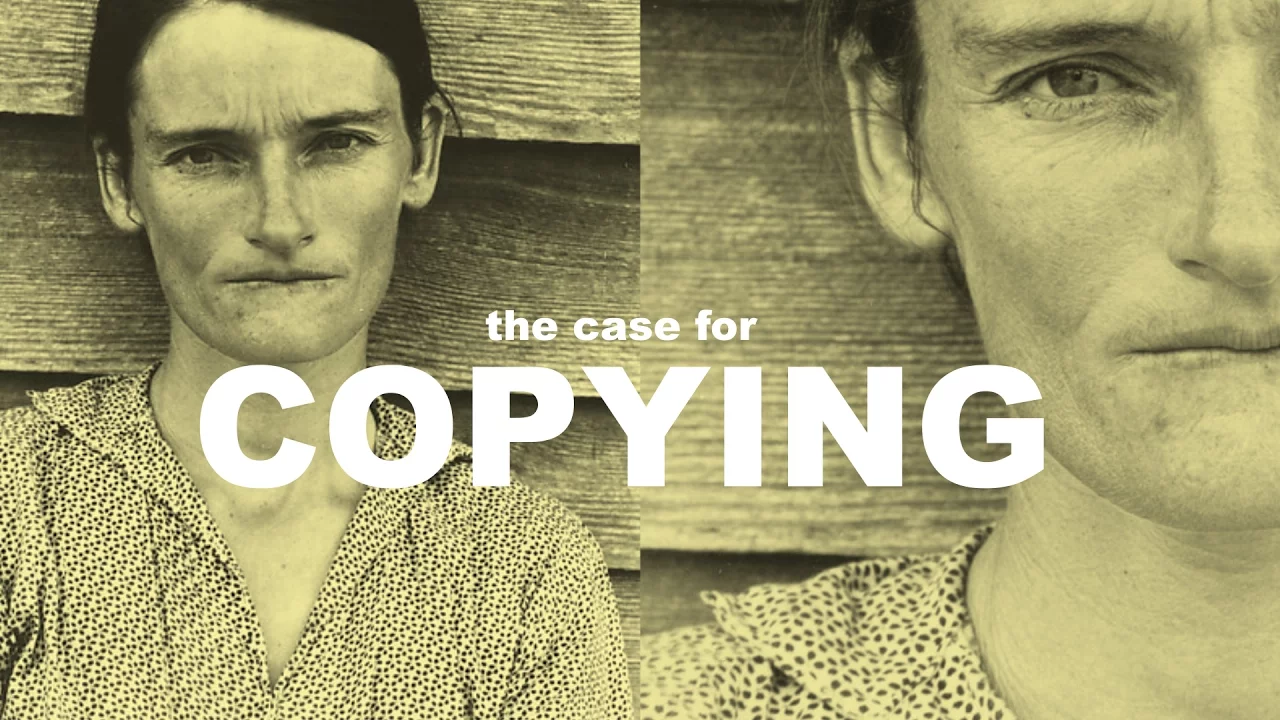
The Case for Copying | The Art Assignment | PBS Digital Studios
440K
The late 1970s saw artists foreground representation itself, creating what became known as appropriation art. Curator Donald Crimp's 1977 'Pictures' exhibition brought together artists plundering existing images. Jack Goldstein created film loops of MGM lions, suspending viewers between anticipation and deferral. Barbara Kruger fragmented Wonder Woman clips to explore technology and sexual objectification. Cindy Sherman photographed herself in generic feminine personas, demonstrating how images derive meaning from associations with other pictures rather than direct experience. Leo Steinberg's concept of the 'flatbed picture plane' described paintings as tabletops strewn with papers and objects, simulating how we actually view pictures in newspapers. Andy Warhol, beginning in advertising, chose subjects society already approved of, claiming his job was reproducing rather than creating beauty. Richard Prince copied advertising images because they appeared without authorship or history—as if they showed up all at once.
Click to watch →
Prerequisite Knowledge
- Concept 01The fundamental principles of US Copyright Law, including the distinction between original works and derivative works.
- Concept 02The statutory framework of the 'Fair Use' doctrine (17 U.S.C. § 107) and its traditional four-factor balancing test.
- Concept 03The landmark Supreme Court precedent 'Campbell v. Acuff-Rose Music, Inc.' which established the concept of 'transformative use'.
- Concept 04The artistic practice of appropriation art and the specific background of Andy Warhol's 'Prince Series' and Lynn Goldsmith's original photograph.
Subsequent Learning
- Step 01Analysis of how lower courts are applying the Warhol precedent to current copyright disputes involving visual arts and digital media.
- Step 02The legal and practical implications of the Warhol decision on generative AI training models and fair use defenses for AI-created art.
- Step 03Best practices for artists, publishers, and content creators regarding licensing agreements and minimizing infringement risks for derivative works.
- Step 04An exploration of the changing balance between commercial purpose and expressive meaning in the first factor of the fair use analysis.
Fair Use Basics
Warhol Precedent
Legal Implications
Fair Use Basics
0:00Playing Section
- 1
Explains fair use permits unlicensed use in specific cases like criticism.
- 2
Discusses the purpose and character factor and the transformative concept.
- 3
Highlights the Supreme Court decision involving the song Pretty Woman.
Restoring Balance and Protecting Original Creators' Licensing Rights
While many critics argue that Warhol v. Goldsmith stifles artistic expression, an alternative perspective holds that the decision restores a vital balance to copyright law. Proponents of this view argue that the "transformative use" doctrine had expanded too far, allowing secondary artists to exploit original works commercially under the guise of adding "new meaning or message." By narrowing the focus of the first fair use factor to the specific commercial purpose of the use—such as magazine licensing—the Supreme Court protected the licensing markets of original creators, particularly photographers and independent artists. This perspective asserts that the ruling does not ban appropriation art, but rather ensures that famous or wealthy artists cannot freely bypass licensing fees, thereby preserving economic incentives for the original creators who supply the raw material for secondary works.
Deep Dive
Analysis of how lower courts are applying the Warhol precedent to current copyright disputes involving visual arts and digital media.

Giselle Ayala habla sobre el caso Andy Warhol Foundation vs. Lynn Goldsmith
150
The U.S. Supreme Court ruled that fair use analysis must be objective, focusing on whether a use is transformative and commercial rather than subjective artistic judgment; in the Warhol Foundation case, the Court found that Andy Warhol's Prince illustrations were not fair use of Lynn Goldsmith's photograph because both works were commercial in nature and served identical purposes, though the case must return to lower courts to determine actual copyright infringement.
Click to watch →

Lawyer Reacts | Assault at the Oscars? Bungie Sues DMCA Trolls, Slams YouTube.
121.5K
The Supreme Court agreed to review the Second Circuit's decision that Andy Warhol's paintings of Prince were not transformative fair use of Lynn Goldsmith's 1981 photograph. The Second Circuit found that Warhol's work retained the essential elements of the source material and was not fundamentally different. This case highlights the circuit split between the Second and Ninth Circuits on what makes works transformative, with the Ninth Circuit using a different test. The Google v. Oracle ruling (2021) established that works conveying different meaning or message are transformative, which the Warhol Foundation argues should apply here. Fair use determinations are inherently subjective, requiring courts to evaluate factors like what is transformed and the purpose of the use, creating uncertainty for creators.
Click to watch →
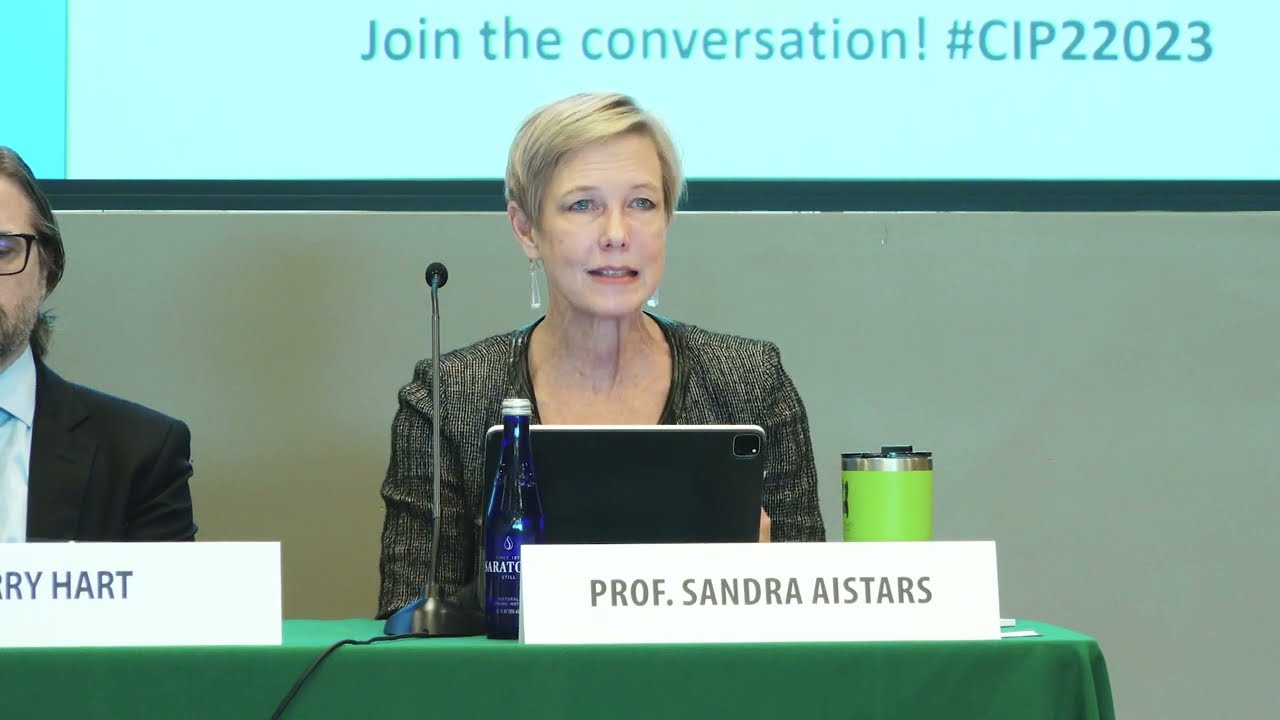
Panel 1: What’s Next for Copyright/Licensing after Warhol/Internet Archive? | CIP2 2023 Fall Conf
122
Justice Sotomayor's opinion in Warhol is credited with saving licensing for derivative works, which could have been undermined by how courts had been looking at transformative use. The decision made clear that transformation is not a 'get out of licensing free card.' Previously, courts were focusing on the first fair use factor to the extent that they were giving short shrift to the fourth factor (effect on the market), which Harper & Row had identified as the most important factor. A study found that in 90% of cases where fair use was found and transformative use was found, the fourth factor also favored the defendant. The decision rejected consideration of the status of the artist within their market as a basis for finding fair use, noting that looking at artist status would create a 'privilege that has no basis in copyright law.' This recalibration ensures fair use analysis focuses on the specific use rather than the prestige or fame of the artist involved.
Click to watch →

Estefanía Arias habla sobre el caso Andy Warhol Foundation vs. Lynn Goldsmith
207
The Supreme Court issued a landmark copyright decision on May 18, 2023, in Andy Warhol Foundation v. Goldsmith. The case involved Warhol's 1984 purple Prince serigraph for Vanity Fair, which he reused to create 13 serigraphs and two drawings forming the Prince series. After Prince's death in 2016, his foundation licensed the orange Prince serigraph to Condé Nast, prompting Goldsmith to discover unauthorized use of her photograph. The lower courts reached conflicting conclusions on fair use: the first instance favored the foundation, finding the orange serigraph transformed Prince's image from vulnerable to iconic, while the second instance ruled for Goldsmith, determining this transformation merely imposed Warhol's style without sufficient transformation. The Supreme Court's majority opinion concluded that both works served the same purpose of representing Prince, focusing on commercial aspects and licensing arrangements. Two justices dissented, arguing this interpretation overlooked the new message Warhol added and could harm artists who appropriate others' work to create new art.
Click to watch →

Prince, Andy Warhol, and Fair Use at the Supreme Court
21.3K
The Supreme Court case Andy Warhol Foundation Inc. v Goldsmith examines whether Andy Warhol's silk screen prints of Prince, based on Lynn Goldsmith's 1981 photograph, qualify as transformative under fair use doctrine, which determines if using copyrighted material for a new purpose with new meaning or message constitutes acceptable use rather than infringement; this case represents the first non-software fair use case before the Court in decades and could reshape boundaries for visual arts by clarifying how much artistic reinterpretation is protected.
Click to watch →
Deep Dive
The legal and practical implications of the Warhol decision on generative AI training models and fair use defenses for AI-created art.
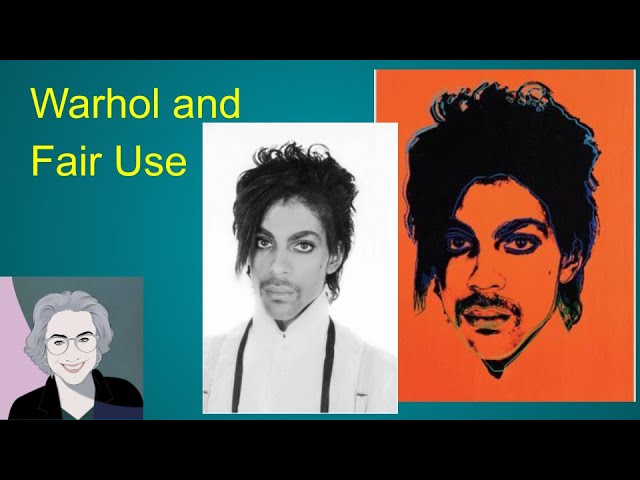
Andy Warhol, Orange Prince, the Supreme Court, and...generative AI
516
The Supreme Court's Warhol v. Goldsmith decision establishes that for fair use to apply, artistic appropriation must be sufficiently transformative, distinguishing between works that genuinely comment on or critique the original versus those that merely serve commercial purposes; this ruling has significant implications for understanding copyright protection in the era of generative AI, where the line between transformative use and infringement remains contested.
Click to watch →
The AI Canvas - The Legal Implications of Generative AI with Matt Hervey
156
AI-generated works may qualify for copyright, but determining ownership is complex. The US Copyright Office has stated prompts alone are insufficient for copyright protection. UK law recognizes copyright in computer-generated works with 50-year duration (not life plus 70), with ownership defaulting to the person making arrangements. Contracts can override default ownership rules. Some jurisdictions require disclosure of AI-generated content. The US requires disclosure for copyright registration. Adobe is piloting metadata labeling for AI-generated content in Photoshop. Copyright is not a monopoly—creators cannot monopolize all art or music. Copyright only becomes actionable when someone copies the work. The Warhol case addressed whether appropriation art was transformational enough for fair use, with recent court decisions narrowing transformational use protections, affecting AI training defenses.
Click to watch →
Generative AI Law: Is Copyright a Right (or "Fair Use")? - Expert Digital Hollywood Session 7-11-25
171
Generative AI companies commit copyright infringement through multiple mechanisms: scraping content for training datasets, using plagiarized sources, utilizing content during training, and creating substitute outputs. The New York Times case exemplifies this, where their content was used freely without consent. The fair use defense centers on market substitution versus amplification. In Cadri v. Meta, Judge Chabria found fair use focusing on transformative use and societal benefit. In BART's v. Anthropic, Judge Alup distinguished between training on pirated versus legitimately acquired materials, treating piracy as a distinct wrong. The Andy Warhol decision shifted analysis to whether the copyright owner expected payment for the specific use. The Google Books case found fair use because it amplified markets by making works searchable worldwide. There is an existing licensing market for generative AI training, with the New York Times having licensed content for data mining purposes. Factor four of fair use considers whether there is a vibrant market for licensing and adverse impact on that market. The Copyright Office warns about market substitution, where AI tools replace human creators entirely. Beyond copyright, generative AI raises multiple legal issues: trademark dilution through false brand attributions, defamation concerns where AI lacks intent for liability, biometric data and right of publicity issues when AI creates celebrity images, and Section 230 defenses for platforms hosting user-generated infringing content. The music industry has filed major litigation against Suno and Udio, with Suno admitting to scraping the entire internet of music without payment.
Click to watch →

Current Topics in International Intellectual Property Law and Artificial Intelligence
284
This section analyzes how fair use doctrine serves as the primary framework for resolving AI training disputes. Major infringement claims focus on whether using copyrighted material to train models constitutes infringement. Fair use analysis centers on transformative nature (Factor One) and market harm (Factor Four), with other factors being less significant in new technology cases. Transformative use arguments are compelling because AI training creates intermediate uses resulting in entirely new works. The Supreme Court's recent Warhol decision demonstrates how market harm analysis can determine outcomes, suggesting this area will likely reach the Supreme Court within 3-5 years.
Click to watch →

FutureLaw 2024 - Generative AI and Intellectual Property
4.2K
The core legal question regarding generative AI training is whether copying copyrighted material for training purposes constitutes fair use. Most lawsuits are at the motion to dismiss stage, as fair use is a defense rather than a pleading requirement. Courts have rejected DMCA Section 1202 claims and derivative work theories. The analysis hinges on four fair use factors: purpose/character, nature of work, amount used, and market effect. Transformative use has emerged as key, with Google Books establishing precedent for transformative use in search engine contexts. The idea-expression dichotomy supports fair use, as training involves learning patterns rather than copying protected expression. Style is not protected, enabling emulation of famous artists' styles. Current precedent suggests transformative use applies, but Warhol case uncertainty remains.
Click to watch →
Deep Dive
Best practices for artists, publishers, and content creators regarding licensing agreements and minimizing infringement risks for derivative works.
"Business Tips for Artists, Writers, Photographers and Other Creative Types"
6.5K
There are two ways to profit from copyright: selling (assignment) or licensing. When you sell, you give all rights away; when you license, you only give some rights and retain the rest. A license automatically expires at the end of its stated term. When publishers ask for assignment, always include a reversion clause that says if the work fails to sell or goes out of print, the copyright comes back to you. Every major social media site has clauses in their Terms of Service that say they own the rights to your posted content. The advice is to not put actual artwork on social media sites—instead, post a notice with a link to your website where you control all the copyright. When consigning works to galleries, artists should dictate terms of sale, including a floor price that galleries cannot sell below without permission. Galleries can sell the painting itself but cannot sell the copyright. When working with agents, ensure they cannot bind you to deals without consent and include language allowing either party to terminate on 30 days notice. Creative businesses must pay taxes on any profit made, even if only one dollar. The difference between a hobby and a business comes into play when you're losing money—businesses can deduct expenses like materials, travel, and education. Losses can be carried forward indefinitely. Artists should never sign a work made for hire clause. When you create work as an employee (W-2), the employer owns all rights. However, this doctrine does not apply to independent contractors (1099 basis). If you create work for someone as an independent contractor and don't assign the copyright, you still own it. This was established in Reed v. Reed (1989), where the Supreme Court ruled that paying for a sculpture doesn't buy the copyright. If you take somebody else's copyrighted work and publish it yourself or include it in another work, you are infringing that copyright. In 'The Wind Done Gone' case (2000), an author wrote a book based on 'Gone with the Wind' from the perspective of an African-American slave. The court ruled this was not a derivative work because the author did not copy any of Margaret Mitchell's words or character traits—it was an entirely separate work.
Click to watch →

Portland Entertainment Lawyer Melissa Jaffe on Licensing Artwork
145
Artists entering licensing agreements must understand five critical elements: (1) Identify the parties involved and how assets are held (personally, through a business, or holding company), as this affects risk exposure; (2) Clarify what is being licensed, including derivative works like prints or products; (3) Define the scope including time limitations (one year, three years, or perpetuity), media types (prints, electronic, digital), and distribution channels; (4) Consider value assessment, which is subjective and often undervalued by artists, including both financial and non-financial benefits like social media exposure; (5) Recognize that licenses require strategic thinking about how the arrangement supports long-term goals and allows for termination if not generating expected results.
Click to watch →
Wikia Copyright Basics
329
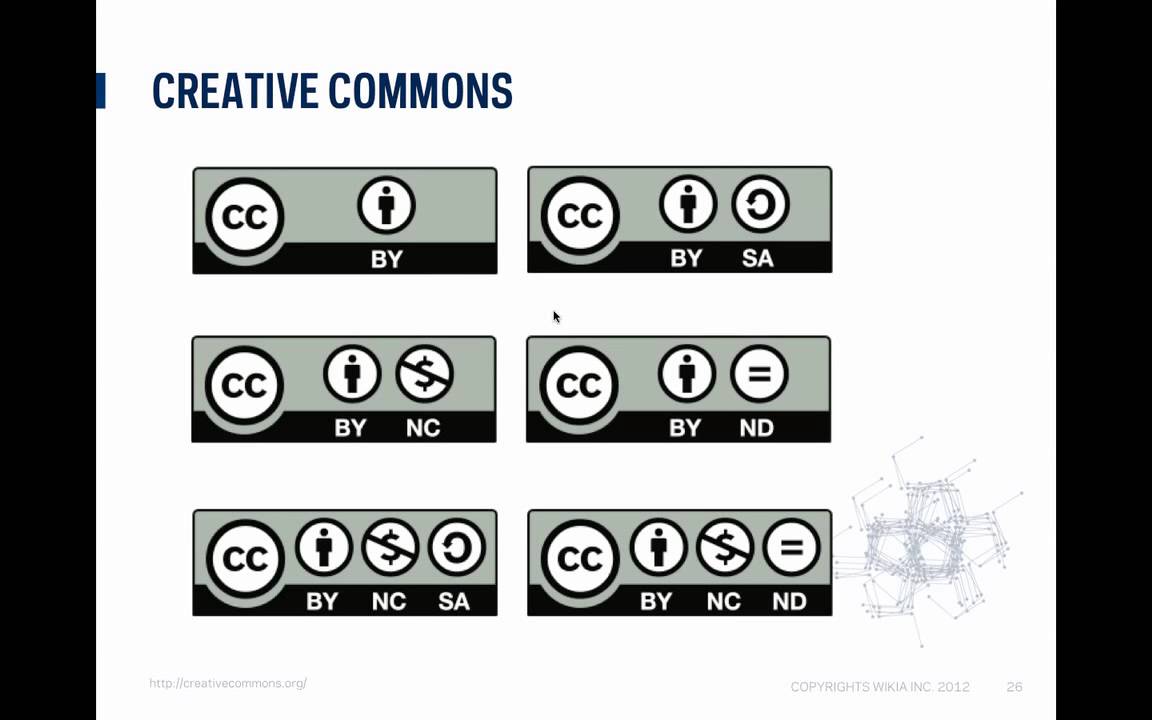
Wikia uses CC BY-SA (Attribution-ShareAlike) license, allowing reuse with attribution and same-license requirement. Other variants include CC BY-NC (non-commercial) and CC BY-ND (no derivatives). Best practices include verifying source license compatibility, using content to illustrate rather than dominate articles, checking local community policies, using licensing dropdowns for images, and articulating fair use reasoning. When infringement occurs, consider fair use applicability. Wikia receives DMCA complaints and removes infringing content. Admins should warn users and explain violations, assuming good faith. The worst-case scenario is typically DMCA takedown.
Click to watch →
사진보고 그림을 그린다면 주의해야할 2차적 저작물 작성권 침해🚨 이미지 저작권 모르면 큰일나요!
64.6K
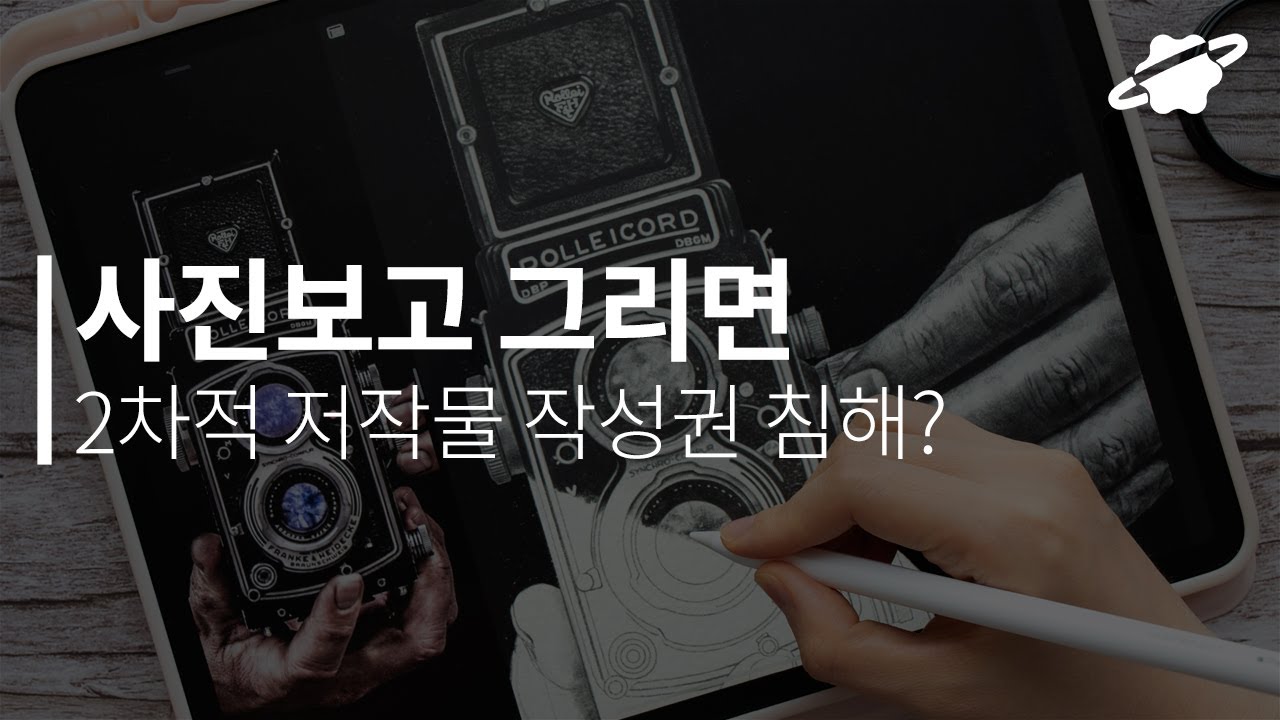
When creating derivative works (such as drawings based on photographs), you must obtain permission from the original creator before publishing, selling, or distributing your work online; using licensed images with commercial and modification rights is the safest approach, and selling derivative works requires additional authorization beyond the original image's license.
Click to watch →

Running a Successful Creative Business: Business, Legal and Tax Tips - Cliff Ennico - 7/20/21
120
Copyright gives the exclusive right to publish, make copies, profit from derivative works, edit or alter the work, and sue infringers. Licensing is better than selling because it maintains ownership. When selling to publishers, authors should include reversion clauses that return copyright if sales fall below a certain level. Social media platforms like Facebook and Instagram have terms that state users assign their copyright to the platform, so artists should post on their own websites and link to social media instead. Business losses can be deducted against all income, while hobby losses can only be deducted against hobby income. Employees who create work as part of their job automatically create 'work made for hire' - the employer owns the copyright. Independent contractors retain copyright unless they formally assign it.
Click to watch →
Deep Dive
An exploration of the changing balance between commercial purpose and expressive meaning in the first factor of the fair use analysis.

Ethan H3 Lost
124.5K
The first fair use factor examines whether the new work is transformative and whether it is commercial or non-profit. Transformative works add something new to an existing work, endowing it with new expression, meaning, or message. Commercial use weighs against fair use, but this factor is heavily influenced by the transformative nature of the work. The more transformative the work, the less significant commercial use becomes.
Click to watch →

Thunderf00t vs. Trevor Mahlmann FAIR USE of SpaceX Footage?
82.6K
The first fair use factor examines commercial nature and whether the use adds new expression, meaning, or message. While commercial use weighs against fair use, it is not dispositive. The transformative nature of the use is the most important factor and can potentially overrule other factors. A transformative use creates something new and different from the original, which is crucial for fair use determination.
Click to watch →
Stealing Words
186.8K
The first factor in fair use analysis examines whether the use is commercial or non-commercial. Commercial use weighs against fair use, while non-commercial, educational, or transformative use weighs in favor. In this case, the defendants' website was not charging for membership, did not advertise, and was intended to inform the public about weddings. The website also displayed the defendants' personal information (name and phone number) for wedding services. This factor did not strongly favor fair use since the website had commercial elements.
Click to watch →

Complete Copyright for K--12 Librarians and Educators
1.7K
The first factor in fair use analysis examines the purpose and character of the use. Nonprofit educational uses weigh heavily in favor of fair use, while commercial for-profit uses weigh against it. Courts increasingly recognize transformative uses—even commercial ones—as fair if they add new meaning or purpose to the original work. Transformative use is a key consideration that can override the commercial nature of a use in favor of fair use determination.
Click to watch →

Copyright Lawyer Explains Basics of U.S. Copyright “Fair Use”
193
The first fair use factor examines whether the use is commercial or non-profit educational. Uses that critique, comment on, or poke fun at the original work (such as parody) tend to support fair use findings. News reporting, teaching, scholarship, and research purposes also support fair use. Transformative works—those that add new expression, meaning, or message to the original—are particularly favored under this factor. However, commercial uses generally weigh against fair use. Even non-monetized YouTube videos may be treated as having commercial purposes because they seek views, likes, and subscribers.
Click to watch →
Fair Use Basics
Warhol Precedent
Legal Implications
Fair Use Basics
0:00- 1
Explains fair use permits unlicensed use in specific cases like criticism.
- 2
Discusses the purpose and character factor and the transformative concept.
- 3
Highlights the Supreme Court decision involving the song Pretty Woman.
Restoring Balance and Protecting Original Creators' Licensing Rights
While many critics argue that Warhol v. Goldsmith stifles artistic expression, an alternative perspective holds that the decision restores a vital balance to copyright law. Proponents of this view argue that the "transformative use" doctrine had expanded too far, allowing secondary artists to exploit original works commercially under the guise of adding "new meaning or message." By narrowing the focus of the first fair use factor to the specific commercial purpose of the use—such as magazine licensing—the Supreme Court protected the licensing markets of original creators, particularly photographers and independent artists. This perspective asserts that the ruling does not ban appropriation art, but rather ensures that famous or wealthy artists cannot freely bypass licensing fees, thereby preserving economic incentives for the original creators who supply the raw material for secondary works.
The fundamental principles of US Copyright Law, including the distinction between original works and derivative works.
The statutory framework of the 'Fair Use' doctrine (17 U.S.C. § 107) and its traditional four-factor balancing test.
The landmark Supreme Court precedent 'Campbell v. Acuff-Rose Music, Inc.' which established the concept of 'transformative use'.
The artistic practice of appropriation art and the specific background of Andy Warhol's 'Prince Series' and Lynn Goldsmith's original photograph.
Analysis of how lower courts are applying the Warhol precedent to current copyright disputes involving visual arts and digital media.
The legal and practical implications of the Warhol decision on generative AI training models and fair use defenses for AI-created art.
Best practices for artists, publishers, and content creators regarding licensing agreements and minimizing infringement risks for derivative works.
An exploration of the changing balance between commercial purpose and expressive meaning in the first factor of the fair use analysis.
381.7K views2Klikes4:37@TheFederalistSocietyOriginal Release: 2024-10-21
[Music] fair use is a legal doctrine that permits the unlicensed use of copyrighted Works in particular circumstances allowable uses include criticism or commentary including parody although some cases are straightforward and uncontested for many others it is anything but copyright law provides a set of facts s for answering whether a use is fair including the purpose and character of a use the Supreme Court explained this encompasses whether the use is transformative in that case involving the song Pretty Woman the Court held that a rap cover which interspersed off-color commentary to the song did provide a new meaning or message and was transformative but if an artist takes a photograph adapts it to their own style and licenses it for a magazine cover image is that a parallel case or does the artist need to pay royalties to the original photographer what if they paid a royalty the first time do they need to pay a royalty every time a recent case Andy Warhol foundation for the visual arts versus Goldsmith required the Supreme Court to evaluate this issue in 1981 Lynn Goldsmith took a picture of of a musician Prince and subsequently licensed it to the magazine publisher Kandi Nest as an artist reference KY Nast then hired the famous pop artist Andy Warhol to create a magazine cover based on gold Smith's photo Warhol created a series of 16 images in his famous style one of which was used in the article purple Fame in Vanity Fair in 1984 when warhall died in 1987 the Andy warhall Foundation took over ownership of warhol's copyright Flash Forward to 2016 shortly after Prince's death Ki Nast contacted the Andy rhal Foundation about using one of his Prince images for a commemorative magazine Ki Nast paid a $10,000 licensing fee to the foundation for use of the artwork but did not pay a license fee to Lyn Goldsmith Goldsmith Sol a magazine cover and a lawsuit followed following litigation the US Supreme Court agreed to hear an appeal based only on one of the factors whether the use is transformative Justice sod mayor wrote a majority opinion for record finding that it was not as an initial matter she found that warhol's creation of a 16 images in 1984 and the 2016 license were different uses and that the 2016 license was not transformative even though the 1984 creation may have been accordingly the relevant use was only the 20 2016 license although the Warhol image was an artistic expression it was being used as a substitute in a medium where the actual photograph itself could have been used and indeed the majority opinion noted that a photo by Goldsmith of Prince had been used as a cover of a different periodical because the images serve the same purpose the 2016 license was not transformative the original creation of 16 images by Warhol rather than one when K Nas p license fee directly to goldsmith as an artist reference was not considered by the court although it was suggested that it had been transformative and therefore acceptable under fair use however even if the creation had not been infringing payment of a license fee to goldsmith for use 30 years later as a magazine cover was still required most fair use claims rely on the defense of being transformative but as a warhole ruling suggest transformation must go beyond a generalized invocation of providing new meaning or message and each infringing Act is analyzed for transformation separately what does that mean after warhall decision what does the claimant need to prove does this precedent protect or stifle creative work what are the implications for other mediums or platforms that involve intellectual property like videos or Internet posts that use pre-existing media join the conversation in the comments below
Up Next
46:18
Campbell v. Acuff-Rose: Fair Use & Parody | Supreme Court
@pippahgetchell7757
264 views•2024-05-04
4:27
US Secondary Sanctions Impact on EU Businesses and Blocking Legislation
@Bureauvandijk
1.6K views•2019-03-20

115:43
Judicial Review vs Community Values | Federalist Society Symposium
@TheFederalistSociety
815 views•2011-04-19

24:42
Police Interrogation Tactics: False Confessions & Legal Reform
@LastWeekTonight
7M views•2022-04-18
Related Study Plans & Knowledge Roadmaps
Structured learning paths in Law
law
Self-Defense Law: Imminence & Castle Doctrine
01Foundations of Self-Defense Law
02Imminent Threat & Reasonable Belief
03The Principle of Proportionality
+ 3 more learning modules
12h6 modules
Explore Roadmap
law
Defamation Law: First Amendment & Actual Malice
01Introduction to civil torts and the First Amendment
02Elements of Defamation: Libel and Slander
03Public Figures vs. Private Individuals
+ 2 more learning modules
8h5 modules
Explore Roadmap
law
Hearsay Rule: Trial Evidence & Exceptions
01Introduction to Trial Evidence & Courtroom Basics
02Demystifying Hearsay: The Core Definition
03Non-Hearsay: Exclusions Under FRE 801(d)
+ 3 more learning modules
14h6 modules
Explore Roadmap
law
Medical Malpractice: Law, Liability & Care
01Foundations of Tort Law and Civil Liability
02The Four Elements of Medical Malpractice
03Defining and Proving the Standard of Care
+ 2 more learning modules
12h5 modules
Explore Roadmap