
















![[#애터미인문학] 그릿은 깡다구ㅣ이성연박사](https://i.ytimg.com/vi_webp/z6KaLmaLRMQ/maxresdefault.webp)







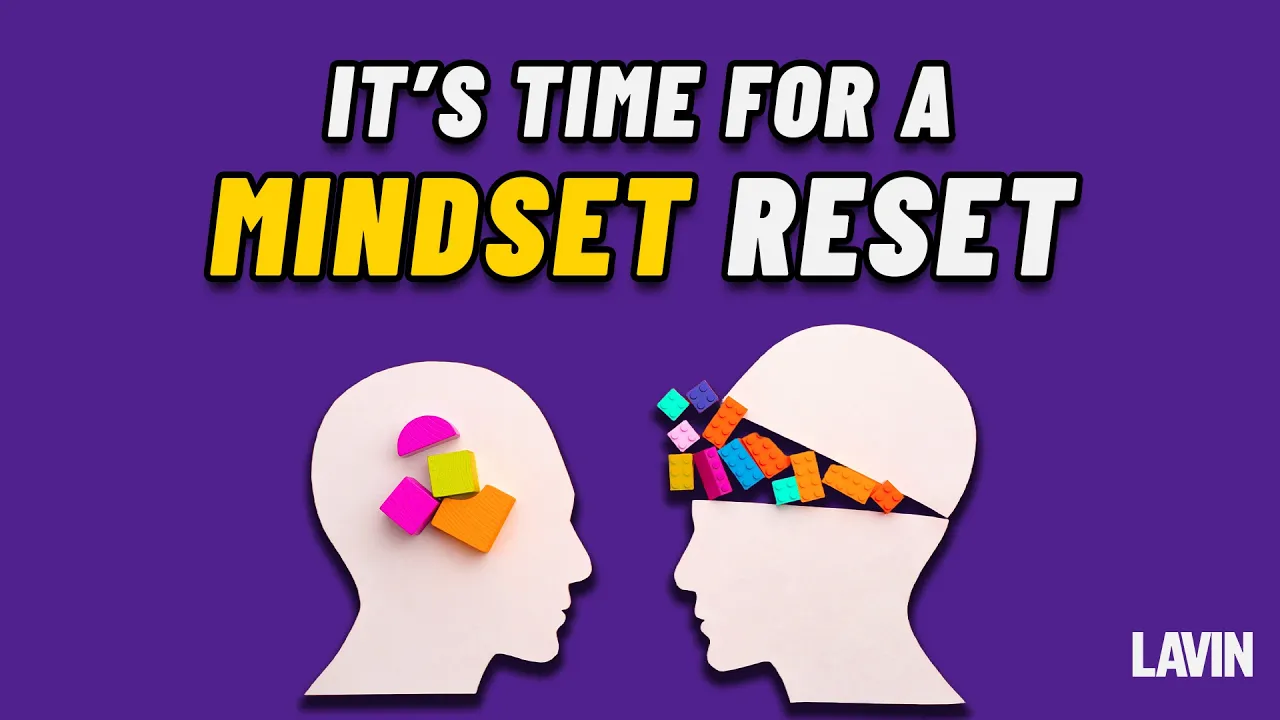



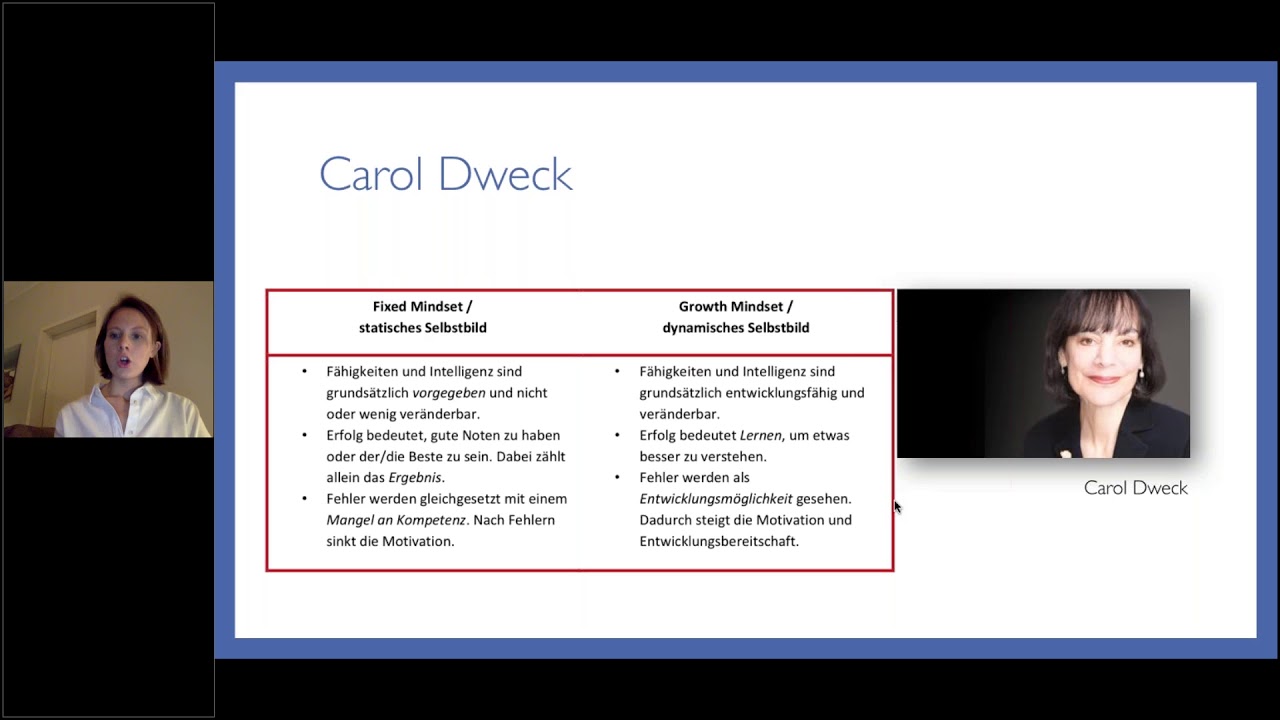
A growth mindset—the belief that abilities and intelligence can be developed through dedication and hard work—leads to greater achievement and resilience compared to a fixed mindset, which views talents as innate and unchangeable; research shows that praising effort rather than intelligence, using trigger words like 'yet' to reframe limitations, and recognizing that setbacks are opportunities for learning helps individuals and organizations cultivate a growth mindset that drives continuous improvement and success.
Growth Mindset Psychology by Carol Dweck: Unveiling the Power of 'Yet'
Added:Basic concepts of cognitive psychology, particularly how internal self-talk and self-beliefs influence human behavior.
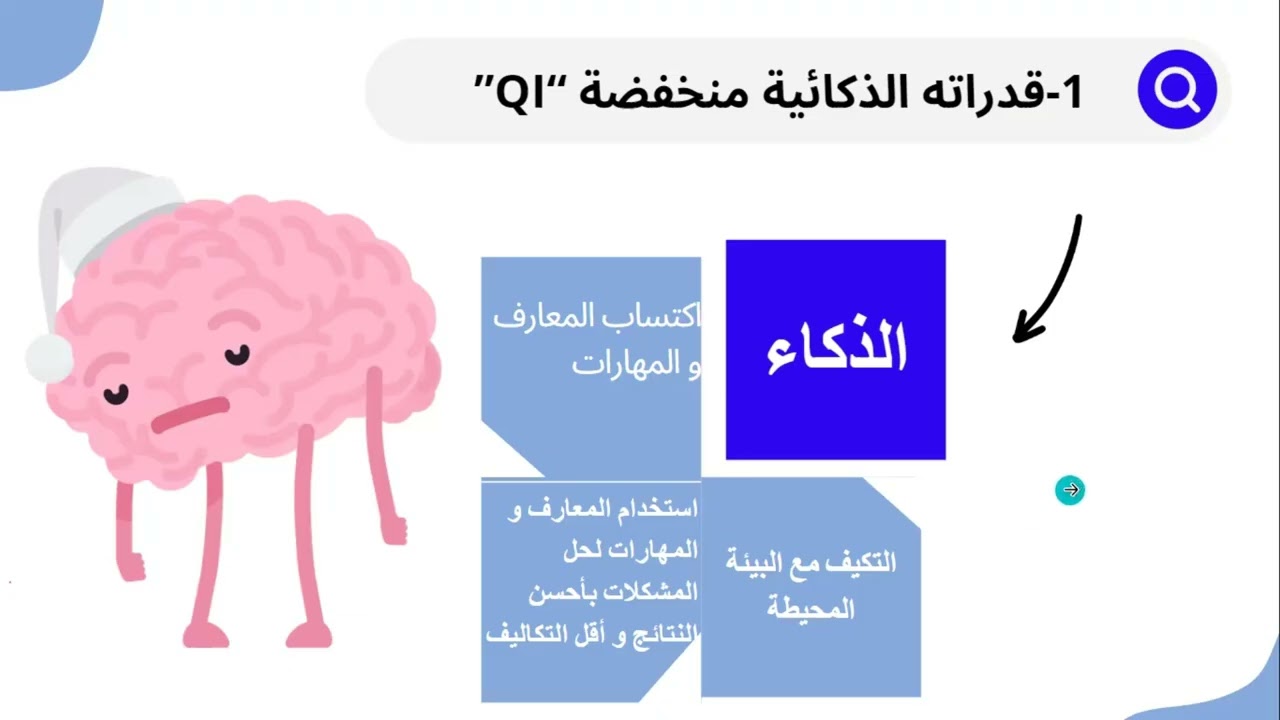
The historical debate surrounding intelligence, specifically the contrast between static views (like fixed IQ) and dynamic views of cognitive development.
The fundamental principles of motivation, specifically the difference between intrinsic motivation (driven by internal satisfaction) and extrinsic motivation (driven by external rewards).
An introductory understanding of neuroplasticity, which is the brain's physical capacity to grow, adapt, and form new neural connections in response to learning.
Practical applications of growth mindset in educational pedagogy, such as using process-praise (praising effort and strategy) instead of person-praise (praising innate ability).
The relationship between a growth mindset and Angela Duckworth's psychological research on 'Grit' and long-term perseverance.
How to scale mindset principles to organizational psychology, examining how corporate cultures foster either fixed or growth-oriented environments.
Critical evaluations and replication studies of mindset theory, exploring the nuances, limitations, and systemic factors that impact the efficacy of mindset interventions.
1.5M views16.7Klikes47:26Original Release: 2015-07-16
I am really excited to have such a full room and I know we have a lot of people on the livestream and a lot more people still who can't make either they're looking forward to seeing this up on YouTube which will be the case in the next few days I'm really excited to introduce professor Carol Dweck from Stanford University she's the Lewis and Virginia Eaton professor of psychology she's best known for her work on mind sets that people use to guide their behavior she earned a BA in psychology from Columbia University and then a PhD in psychology from Yale she's the author of a best-selling book mind set the new psychology of success and despite traffic a bunch of books arrived at the back of the room which you can purchase afterwards I certainly encourage you to do so there's my well-thumbed copy it sold over a million copies so there are many of your friends out there who have enjoyed this work she's a frequent speaker has spoken on the Ted stage multiple times at the United Nations the White House among other prestigious organizations her work is won so many awards that I find them all that would be the entire talk so I'm not going to do that and now that I had abused it over you go I'd like to bring up professor Dawei all right before we get into mindsets I want you to share what we've learned from what is now the widely discredited theory of self-esteem and the self-esteem of it in the 1990s the self-esteem movement took over the world we were told to tell everyone how fabulous brilliant talented special they were all the time this was going to motivate them and boost their achievement instead as you said it was a complete disaster it was led to the acceptance of mediocrity it didn't challenge people to fulfill their potential and our search showed telling people they're smart actually backfires it makes them afraid of challenges it makes them fold in the face of obstacles because they're worried oh does this not look smart am I not smart the whole currency is built around smart so what triggered your interest in going deeper in researching how people are motivated and learned and how did that lead to your definition of mindsets I was always interested in why some people wilted in the face of failure shied away from challenges when people who were no more talented or able were embracing challenges and thriving in the face of failure ultimately this led to our discovery of the mindsets and what we found was that some people believe their talents and abilities are just these fixed traits you have a certain amount and that's it but other people believe talents and abilities can be developed through hard work good strategies good mentoring from other three years of work we found that having a fixed mindset led you to be afraid of challenges that might unmask your deficiencies made you withdraw in the face of difficulty because you felt stupid you don't want to feel stabby one of other people think you were stupid whereas having this growth mindset the idea that your abilities could be developed made you think why waste my time looking smart when I could be getting smarter and I do that through taking on challenges I do that through seeing seeing them through now grebs mindset doesn't mean everyone's the same that they don't different talent and abilities it just means everyone can grow it's sort of building on that you really can't watch a sports broadcast or the TV show America's Got Talent which has talented a name without hearing how talented a player is or seeing someone perform the ballet and so then say she has tremendous talent what role if any does innate talent play well they do have talent now when we're watching them but I think it's created a nation that thinks when they see someone displaying talent or incredible performance they were born that way and they've had this inevitable rise to great success I teach a Freshman Seminar at Stanford every year and I have my students do an assignment where they do research on their hero and almost invariably they think that hero just catapulted to success because of this amazing important talent but every single time they find that the hero put in inordinate amounts of work met with obstacles and really powered through the so I don't rule out the idea the fact that some people are born with passions and talents and build those but many people who never achieve anything are also born with talents and passions that they don't see through and what's their what we come with that's the raw material that you've got to develop Michael Jordan it turns out wasn't particularly talented until he went at it so ferociously more ferociously than anyone else so you talked about over 1/2 an inch in discussion with part of the team here about growth mindset fixed mindset it's a great simplified way to think of it yet people can have both and it's more of a spectrum talk a little bit more about about how you can be have both mindsets yes we're all a mixture it's true that you can have a fixed mindset in one area and a growth mindset in another area but even and it's true that it's a spectrum not a dichotomy but it's really dynamic even in a given area sometimes you're in a fixed mindset you think oh my ability to fix I have to prove them I have to look smart I can't show that I'm working too hard people might not think I'm so smart and other times we could be more in a growth mindset so what we have to start doing is looking for what trigger is that because the fixed mindset holds us back we have to start looking for what triggers it in all of us even me and what happens when you're facing a big challenge do you worry about well I'm going to unmask deficiencies what happens when there is a setback do you think maybe not good at this what happens when you're receiving criticism do you get angry and defensive what happens when you see someone who's better at you in what you're good at do you feel jealous and resentful or do you feel inspired maybe I can learn from that person maybe they can mentor me so watch out at these trigger moments see how you're feeling and see if you can get yourself into more of a growth mindset so I actually I have two children two daughters college age and high school age I read your book after my older daughter was approaching high school but my younger daughter benefited from it to the point where I banned the 2s words in our house Marton stupid I never used the ladder but I was very guilty of using the former raise your hands if you've used if you've told a friend or a child or loved one how smart they are what you know what's that words are really powerful is one thing I took away from your book talk about trigger words like that smart stupid and how those can work against your best intentions yes when you call someone smart you put them in a box or really you're going to putting them on a pedestal and their life becomes organized around deserving the pedestal staying on the pedestal and you can only do that by narrowing your life to include only things you're sure you're good at only things you're sure you can succeed at when we tell someone you did that so quickly I'm so impressed they here if I didn't do it quickly you wouldn't be impressed and a lot of things take a long time or you got it you got an a without working then you think oh if I work you're not going to think I'm smart at math say and so that you're just very subtly conveying these ideas that smart people don't make mistakes smart people don't have to work hard the most important thing in the world is to be smart and look smart at all times and then people start narrowing their world so they can succeed within that fixed mindset so one thing at Google that we're obsessed with is is is proving things through data and I think one of the compelling arguments the court made was around the research you did with children in a school environments to talk about some of the early research and how its evolved to reinforce that that there's weight behind this concept yes a we've done research now with tens of thousands of students first finding that those who naturally have a growth mindset do better we've traced them over challenging especially in challenging courses like pre-med organic chemistry or challenging transitions seventh grade high school college transitions we've studied all of those recently we studied all of the 10th grade students in the country of Chile and we 170 thousand and I found that at every level of family income those who believed they could develop their intelligence perform substantially higher on achievement tests than those who thought they couldn't and the most striking clue was that among the poorest kids those who had a growth mindset were performing at the level of much wealthier kids but importantly because that those are correlations we've done a number of studies where we have taught students a growth mindset the idea that every time they do a really hard task and stick to it the neurons in their brain form your connections and they can get smarter when we show them how to put that into practice we have found that students who learn this fare better across challenging courses and transitions we just showed that in a study of women in stem classes at at universities around the country but we've showed that shown that at the transition to college transition to high school and so and so forth so teaching a growth mindset leads kids to take on the challenges stick to them and improve so in our current education culture that I want to switch into the work environment there's such an obsession with standardized tests and those tests having a real material impact on teachers advancement it even in some cases their income how do you how do school systems battle on that front at the same time tackle growth mindset which is more about working hard in process than the actual end results yes it's such an interesting story because standardized tests were brought in for good reason there were students in certain parts of the country and in certain schools who were performing so poorly and nobody knew and but he cared and it was an attempt to say let's not cheat kids out of a good education but we all know the unintended consequences school became about standardized tests and many teachers feeling that their jobs or their raises were on the line taught to the test the entire year how warning could that be for teachers or for students so and we did research to show that a lot of students think that those tests measure how smart they are and how smart they'll be when they grow up so they're nervous about them and the whole year spent on them when in fact if you just taught kids and in a way that made them love learning to love challenges know how to stick to them feel the thrill of improvement then the test score would come as a byproduct of that Finland the country that does so well on all these international tests they don't teach to the test they teach the teachers love teaching the kids love learning and they do well on the test let's get back to that here so going into the corporate environment can you actually think of an organization as a growth mindset organization or a fixed mindset organization you do talk about Enron in your book yes it's an example of probably not the positive side so talk about how you can look at it from an organizational level and then if you want your culture to be a growth mindset culture how do you start to test yes yes so in my book I identify organizations that value talent raw talent above all else or that valued believed in everyone's ability to improve develop and valued that in our recent work we've actually gone in and asked the people we asked employees in different fortune 500 organizations well what mindset does your company have is it a company that believes in fixed talent and worships it or is it a company that believes everyone can develop their abilities and really provides these opportunities and what we found was there was remarkable consensus within organizations about which mindset their organization has and more important it made a big difference so in terms of that difference you kind of compare and contrast companies that you view as leaders in growth mindset versus those that have struggled maybe because of a fixed mindset culture well in this research we found that employees in fixed mindset let me go the other way that employees and growth mindset organizations said they felt more empowered by the organization and more committed to it whereas their counterparts in the more fixed mindset organizations kind of had one foot out the door waiting for the next highest bidder but to me what was even more interesting is that the people in growth mindset organizations said their companies valued creativity innovation and they really put their money where their mouth was so if you took a reasonable risk and it didn't work out they said my company has my back my company really values teamwork was another thing they said in the growth mindset organization in the more fixed mindset organizations the employees said yeah the company talks innovation and creativity but if things don't work out someone pays the price and finally the managers in the growth mindset organizations said the theer employees had tremendous potential to rise within the organization become stars join management whereas and I love this finding because in the fixed mindset organization they're worshiping the talent and hiring the talent and paying to keep the talent but a few years later they're not saying there are a lot of people who have potential to rise in the organization either they've left or they don't have that potential anymore so as a many of us in the room participate in interviewing potential candidates removal so let's assume for a second that that Google's trying to have a growth mindset that it is that what what our strategies that interviewers can use to help identify that training people or identify that someone would be open to going down that path great question I worked with a major league baseball team so I'll talk about that first to devise questions that they could ask to potential draft choices one was how'd you get so good at baseball and some of them said well you know it was born with this natural talent and others said well my father and I we worked at it constantly we had a batting cage in the backyard he filmed me we watched the tapes and so forth another one was thinking about unfilled success in the major leagues what do you think you'd have to change and some of them said things like I'll have to get used to the cheering of larger crowds and others said maybe everything I'll have to take all my skills to a new level it's a whole new ballgame so this knowledge that you might have to really reorganize redefine yourself and build new skills is really important taking that to the corporate setting first I might ask people what their greatest failures were see whether they take responsibility and what they did with that failure did they capitalize on it to do something even better than they could have imagined did did they use it to put value added back into the company or on the other hand did they say well I had this failure I worked too hard or you know did they make it something that's really that really reflects well on them or was it someone else's fault and then this kind of readiness to learn readiness to share credit these kinds of questions so I want to but I've debated this your your theories of mindset with colleagues over lunch particularly my last company there was really this resistance to accept that talent and/or intelligence were anyway malleable mm-hmm talk about that permit is intelligence truly something it's valuable and maybe are there physiological differences between people that you've researched that are identified as growth mindset are fixed minds so we absolutely know that skills and abilities are malleable and that's kind of what counts that's what turns itself into performance but there have been fascinating studies first of all looking into the brains of fix and growth mindset people as they I work on a hard task and make errors and you see that the people who are inner growth mindset are having the relevant areas of the brain really light up catch fire as they process the errors and correct them whereas in the brains of the people who are in more of a fixed mindset very little is going on they're seeing their errors and they're moving on as quickly as possible but my favorite study along these lines tracked teenagers from the age of 14 to 18 the teenage brain our brains are still very malleable but the teenage brain is unbelievably malleable it's a time of tremendous potential growth and what they found over those four years was that there were some kids who gained a lot in IQ points in math or verbal areas and there were others that lost a lot of points and it tracked with the density of their neurons in the relevant parts of their brains so we believe that the kids who really went at it and took on the challenges and worked hard we're creating these denser neurons and the others who didn't use it lost it so another interesting aspect of your research was this could apply in education at home or or business is the proclivity didn't sheet based on the line set though talk a little bit about that yes we have studied that directly and we see that cheating is more the desire to cheat and the actual cheating is more prevalent within a fixed mindset within a fixed mindset if say you haven't done well in a subject before but you want a good grade you feel like oh I have to find some circuitous means but if you feel that there are many ways that you can do better through actual learning you're more likely to do that so in one study after a poor grade students who held more of a fixed mindset of their intelligence actually said in advance they're seriously considering cheating on the next test so when you're in your recent TED talk go oh I want to say one more thing in in in our business study the people in the fixed mindset organization said cheating and deception were much more prevalent interests and think about if I have to be smarter than you if I have to be the superstar I'm going to consider all different ways to look better than you look and if I have to keep secrets from you or hoard my knowledge from other people I'm going to do that but in the growth mindset organization where people are collaborating and learning and tackling challenges together with where's the cheating going to come in it isn't so if a company observes that behavior and it's a couple of scale let's say it's not a company of 10 people but hundreds of thousands and they recognize this is we have a culture problem yeah how do you go about even trying to tackle that where some of the strategies companies can use if they decide we want to shift the culture we know it's going to take time it's not just a switch what what are some of the strategies a company could employ a change the culture so I think the the best thing is for the message to come down from the top where they don't just announce where a growth mindset culture they really explain what the new value system is the new value system on taking on challenges on rewarding reasonable risk on teamwork on sharing information giving performance evaluations that speak to people's growth and contribution to the company in terms of learning and a salary increases that take into account did someone take on challenges improve help other people improve were they a good team player bottom line counts but these things also count so to have to kind of talk growth mindset talk without backing it up I don't think that's going to happen if you have the old reward system that's rewarding kind of individual jockeying for a claim empower but if you back it up with evaluations rewards and and mentoring and what a growth mindset deeply means and how it can be enacted within the job I think that that's a great start in your recent TED talk you talked about the power of yet which I thought was a very interesting concept rule about what you meant by that yes it all started when I learned about a high school in Chicago where students have to pass maybe 84 units to graduate and if they didn't pass a unit they got the grade not yet I thought that isn't that great because if you get a failing grade you think I hate this I'm out of here I'm no good at this and you kind of lose your steam but not yet means how you're you're on a trajectory a learning trajectory maybe you're not as the finish line but you're on your way there and the students went around the school unabashedly saying to each other how many not yet do you have how many nights do you have so we started a program of research still continuing on the word yet and showing that saying not yet after a wrong answer keeps up motivation and encourages persistence so just saying and listen to yourself if sometimes you say I'm not a who person or I could never do move then just add the word yet and it it takes a very or or if one of your employees is I can't do them no good at this yeah it takes a very fixed mindset statement and it puts it in a whole different growth mindset cut context just a second last question for me is you did some interesting research very recently around gaming and gaming applied to math and talk a little bit how you were able to incorporate your concept of the growth mindset into that experience we teamed up with Zoran Popovich and his colleagues at the University of Washington to create a mask game called brain points that incorporated growth mindset principles there were algorithms built into the game that detected the students effort their use of strategies and their improvement okay and then in our experiment we compared brain points to the standard version of the game now the standard version of the game is your usual game where the more you zoom through and answer problems correctly the more you rack up points not in brain points actually if you zoom through it apologizes to you and says you didn't earn any points at that time we're sorry we'll give you something more challenging the next time so what happened was this first students played these were great school students they played longer because they could leave the game at any point they played significantly longer they used more strategies we dropped in difficult problems occasionally they persevered on them longer but this was my favorite finding in the standard version it was mostly the high achievers who played to the end but in the brain points version they they stayed in they play to the end they liked it but so many more lower and medium achievers also stayed till the end so what keeps you up at night as you think about where your research can go because like any scientific endeavor it's because you're being challenged and revisited what keeps you up at night worrying about where your theory can be right or wrong or approved yes I always had this attitude of challenging my ideas in my theories because if you're wrong you want to know it as soon as possible you don't want to spend your life on it so what keeps me up at night in a good way are different areas where it could be applied so we have a whole program of research on peace in the Middle East where we're using mindset principles I'm not minimizing the hugeness of the problem but we're using mindset principles to try to build some greater understanding so I love to think of ways that we can extend it into areas we never thought of before I love to think of ways to implement it so that more kids who need this way of thinking can benefit from it and something that also keeps me up at night is the fear that people are developing what I'm calling a false growth mindset it's this idea if it's good I have it so a lot of people are kind of declaring they have it but they don't they think it just means open-minded or being a nice person or they're maybe they're doing they have it some fixed mindset reasons I want you to judge me as being the right kind of person so developing a growth mindset is really a journey it's a lifelong journey of monitoring your trigger points and and trying to approach things and more growth mindset way of taking on the challenges sticking to them learning from them so right now I'm writing something for educators that I'm calling false growth mindset to to tell them no you can't just say it you have to take a journey because we're doing research now showing that many teachers and parents who say they have a growth mindset are actually responding to kids in ways that are creating fixed mindsets for the kids so those are that's kind of the array of things that keep me up at night but that said I do sleep pretty well alright with that we'll open up for questions from the from the audience and I'm going to take a quick look at the Dory - so the mics give you passed around hi um I was introduced to fix your book a couple of years ago and I have like 15 nieces and nephews and I find myself when I'm with them I don't know what to say to them because I don't want to be like oh you're so smart because I'm not supposed to use that word or whatever but then I think I forget what to say when they're telling me about friends at school or problems they're having it sometimes like that sounds really hard I mean am I just supposed to say like well that's heart you know I can do hard things you can do her things giving advice I mean okay okay the group the question is if you can't say smart what can you say you can say so many other things one thing is you can just show interest in the in the process that the child or other person is engaging in and in our search that's what we've shown is effective focusing on the process or appreciating the process someone is engaging in or that has engaged in so just show interest ask questions give encouragement if they've been grappling with something and they've tried new strategies or stuck to the strategy one parent said oh I hate it because I can't appreciate when my child does something great say well where'd you get that from of course you can appreciate it but then tie it to something they engaged in oh you couldn't do that yesterday you made progress that's so exciting oh that's great you really stuck to it and learned it or you tried all different ways and look that worked so you're you're really appreciating some outcome where they are and you're talking about how they got there but if you don't have that information just ask them never praise effort that isn't there got a question from our dory and then we'll go back to the room so a question for the door is how do you think shame plays a role in growth in the growth mindset fixed versus pro oh that's a great question we have studied that and we have shown that shame is a big factor in a fixed mindset you don't want to take on a challenge it's humiliating to have a setback within a fixed mindset it means you're not the person you want to be and other people aren't going to look at you in the same way we've studied in an ad essence adolescence in a fixed mindset feel incredible shame when they are excluded or rejected and that makes them want to lash out violently so this and research of for many years many people's research has shown that shame is not a productive emotion it makes you want to hide or lash out both of which are not going to get you in the long run where you want to be and a growth mindset you can feel very disappointed you can feel hurt you can feel guilty you can feel a lot of things but these are emotions that allow you to go forward and be constructive I work on the outreach team here your science education and diversity in that so I'm curious if you've looked into how stereotypes may interact with growth mindset like for instance you know thinking that math is not for girls how ya interact with growth mindset yes so how does the growth mindset interact with stereotypes we've done extensive research on that we find so a fixed mindset would be the belief that I can't do math girls can't do math etc and a growth mindset is it's a learn set of skills anyone can get better at them so notice first of all that a stereotype is a fixed mindset label it says it's fixed and certain groups have it certain groups don't but in our research we also find that when females have a fixed mindset about math or computer science they're more vulnerable to the stereotypes so in one study that we did at Columbia University we found that when women in calculus had a fixed mindset about their calculus their math abilities when they encountered stereotyping where they felt their classmates or the professor's thought women weren't as good as men they fell prey to that so as we track them over their semester they started thinking I don't belong here I don't like this anymore I don't have confidence I can succeed in this area and ultimately they did not intend as much to take it in the future whereas if they had a growth mindset they did not like the stereotyping but it didn't speak to them it didn't they didn't believe that they couldn't improve learn and succeed they made so they maintained their confidence they maintained their enjoyment of math and they maintained their desire to take math in the future we just finished a study of women in computer science and are finding very similar things in addition to finding that teaching a growth mindset is helping women with standish stereotypes maintain their interest maintain the sense that it's a field they belong in and these result in higher Braves in the course so we're very very interested in that intersection between growth mindset and stereotyping we also are finding at the transition to college that learning a growth mindset helps students from underrepresented groups in general even more because it helps them deal with stereotypes that they might encounter obviously got another Dory question here which i think is an interesting take do you see any context in which a fixed mindset is more beneficial by growth mindset well first let me say that a growth mindset doesn't require you to go around improving everything you can focus and you can decide no I'm not going to do that no going to do that but research that my research but research of others has in fact looked at this question and found two areas so far in which a fixed mindset is better one is sexual orientation people who accept that this is who they are and this is who they're meant to be seem to be better adjusted than people who think I should be changing and the other is aging so it's it's nice to feel you can stay young through exercise and so forth but people who run around nipping and tucking and the tummy tuck and the this that and the other and it's kind of a desperate attempt to retain extreme youth that doesn't seem to be so great either but when it comes to skill areas it looks like a growth mindset is typically more of and advantageous could you identify specific behaviors that one can try to advance you on the journey for an open mindset how do you know that you're not you know kidding yourself or falsely believing that you are one how do you know when you got there yes great question what are some specific behaviors you can do to get yourself on the road to a growth mindset here are some ideas so first if you have a choice of something safe versus a challenge take the challenge if you hit an obstacle try to interpret it in a growth mindset way so what can I learn from this what can I do next as I mentioned before if you see someone who's better than you go learn from them so those are a set of behaviors you can start doing in addition to as I also mention before monitoring those fixed mindset triggers and the thing is that it's a journey that one is always on it's not ever the case that you've arrived at a full permanent growth mindset it's something hell that you have to look at all the time because even I here so listen to that voice in your head at the trigger points because even I hear myself saying sometimes in my head I was never good at that whoa what did I say that so listen to the that voice it's constantly running in your and I actually recommend that as a very very first step the first few weeks that you embark on this journey don't push yourself to exhibit any growth mindset characteristics just listen to that voice that says jump try this you might look foolish you made a mistake if people knew that they wouldn't look at you in the same way that person is better than me I hate them just whatever that voice is saying in your head listen to it and even do it with friends discuss it or when you see someone doing something that looks effortless are you thinking oh they're just brilliant and talented catch yourself thinking that or someone who's struggling are you thinking oh they're not really good at that Albert Einstein says I'm not that smart I'm not smarter than other people and he meant it he said I just stick to things longer that's why people thought he was slow originally he knew he didn't understand time-space energy and so forth so I would say the very first step is the first few weeks just listen to that fixed mindset voice it's there we all have it and if you don't hear it it will rule your behavior thank you for coming I actually read your book right before I started at Google and I know I very fixed mindset and this is sort of a fixed mindset question even but have you seen patterns in who you know which kids have fixed mindsets you see is it are there differences across socio-economic lines you see that certain teachers most of their students will have the growth mindset or I'm sorry yeah do you see patterns with who has the growth the growth mind how does that happen to kids yes so first of all I don't rule out that there could be temperamental factors you kids pop out differently and some of them you see they're tearing around the world maybe they fall down they get up and then other with other kids you look at them sideways and they think what did I do so there could be these temperamental factors but we've shown the environment is really powerful we actually did a study where we looked at mothers praised babies and found that the praise they gave to their one two and three year olds predicted the child's mindset and desire for challenge five years later so that environment is powerful another thing we found is that the way parents react to kids mistakes is a big determinant of the child's mindset parent can say I have a growth mindset but if if a child makes a mistake and they act like it's negative importantly negative or even if they excuse it and gloss over it in a way that communicates to the child is negative that child is more likely to have more of a fixed mindset so yeah there can be temperamental input the environment is powerful I want to thank you so much for taking time to come to Google today and for the terrific turnout that we have here and I know virtually to the live stream so thank you very much pleasure
Up Next

58:38
Carol Dweck: How to Help Every Child Fulfil Their Potential
@rsaorg
19.3K views•2013-07-08

12:54
Triumph of Orthodoxy Icon: Byzantine Art & History Explained
@BenCallan
2.1K views•2024-08-06

83:43
Thinking in Bets: Decision-Making Strategies with Annie Duke
@talksatgoogle
189.5K views•2018-06-21

1:42
Game of Thrones Opening Credits: A Cinematic Analysis
@gameofthrones
46.3M views•2011-04-18
Related Study Plans & Knowledge Roadmaps
Structured learning paths in General & Interdisciplinary Studies
general-studies
Elevator Engineering: History, Physics & Cities
01From Hoists to Safety Brakes: The Dawn of Vertical Lift
02Hydraulic vs. Traction: The Engineering Physics of Elevators
03Modern Speed, Safety, and Algorithms
+ 2 more learning modules
12h5 modules
Explore Roadmap
general-studies
Rubber: Material Science, History & Geopolitics
01Origins of Natural Rubber & Mesoamerican History
02The Chemistry of Natural Rubber & Vulcanization
03The Geopolitics of the Rubber Boom & Colonization
+ 2 more learning modules
12h5 modules
Explore Roadmap
general-studies
Containerization: Evolution, Logistics & Trade
01Ancient Trade & Bulk Cargo: Amphorae to Barrels
02The Industrial Revolution & Cardboard Packaging
03The Containerization Revolution: Malcom McLean
+ 2 more learning modules
12h5 modules
Explore Roadmap
general-studies
Textile Tech: Evolution, Labor & Global Impact
01Pre-Industrial Textiles: Handloom & Cottage Industry
02Mechanization: The Spinning Jenny to the Power Loom
03The Factory System & Global Labor Transformation
+ 2 more learning modules
10h5 modules
Explore Roadmap