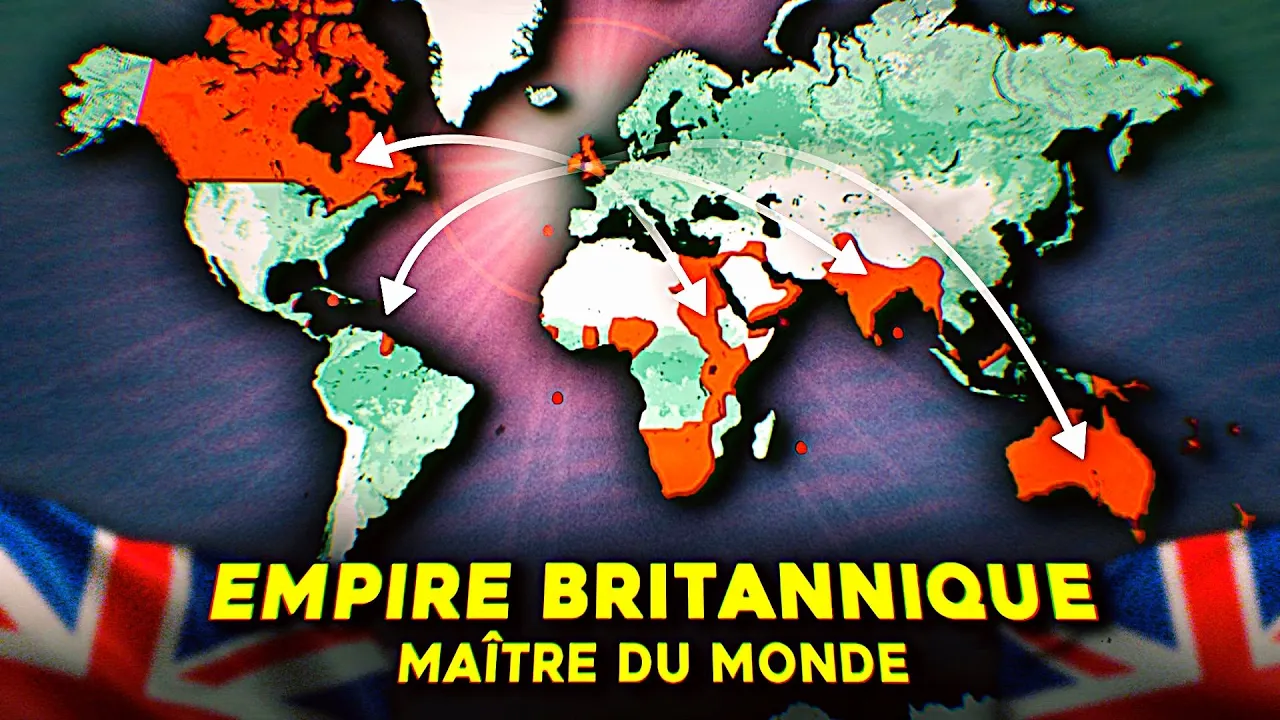
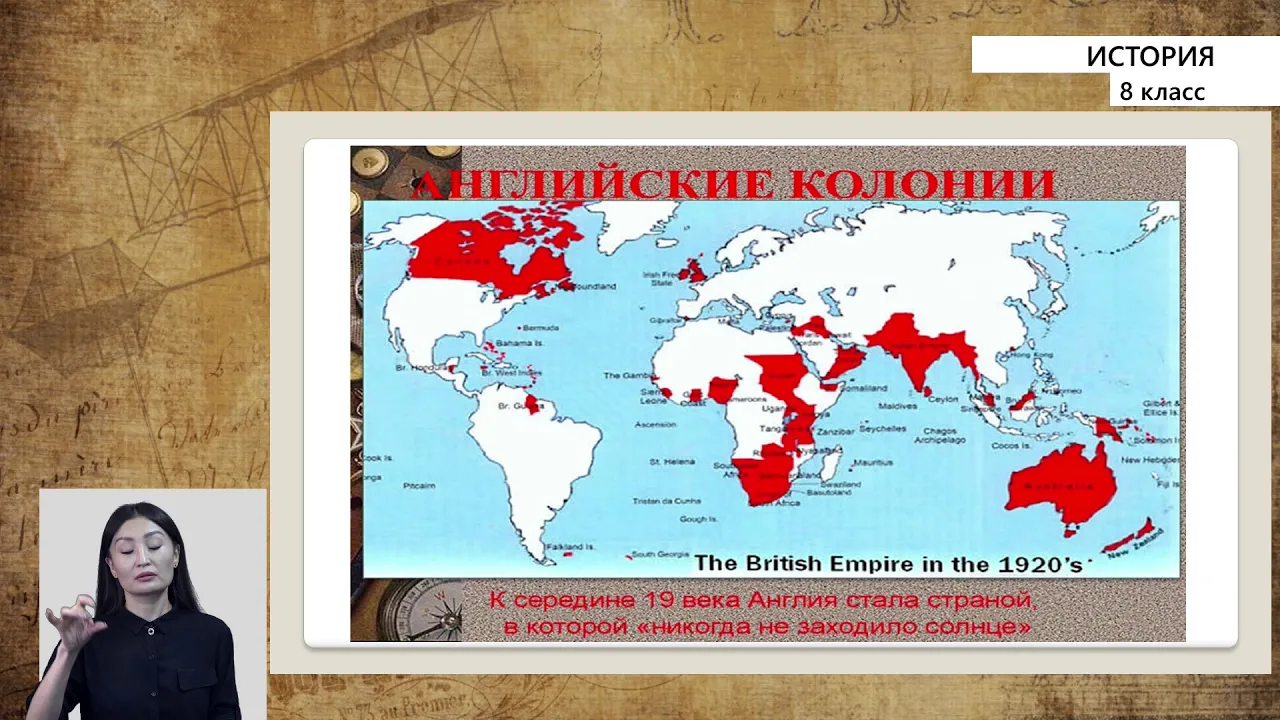

















In R.F. Kuang's 'Babel,' language serves as the central magical force that sustains the British Empire, revealing how colonial powers exploit linguistic resources from colonized nations to strengthen their empires, while the novel explores the complex relationship between academia, colonization, and the appropriation of cultural knowledge.
Babel by R.F. Kuang: A Spoiler-Free Literary Fantasy Review
Added:Familiarity with the historical context of the British Empire in the 19th century, particularly its colonial expansion and global trade networks.
Basic concepts of linguistics, specifically the challenges of translation and how cultural nuances can be lost or altered between languages.
An understanding of the 'Dark Academia' literary subgenre, which typically features scholarly settings, intellectual obsession, and critiques of elite institutions.
The distinction between historical fiction and speculative fantasy, and how authors blend real-world history with magical systems.
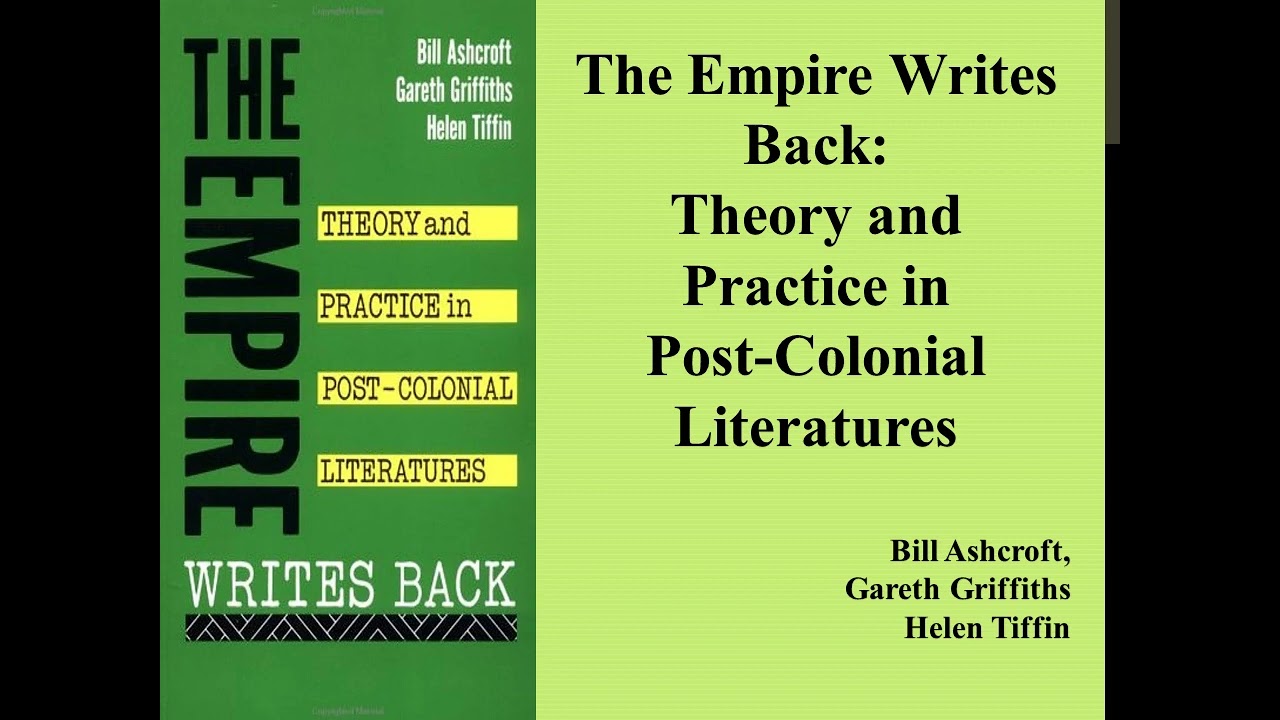
Postcolonial literary criticism, focusing on how contemporary literature deconstructs and subverts the power dynamics of Western empires.
The Sapir-Whorf hypothesis (linguistic relativity) and advanced theories on how language structures human thought, culture, and power.
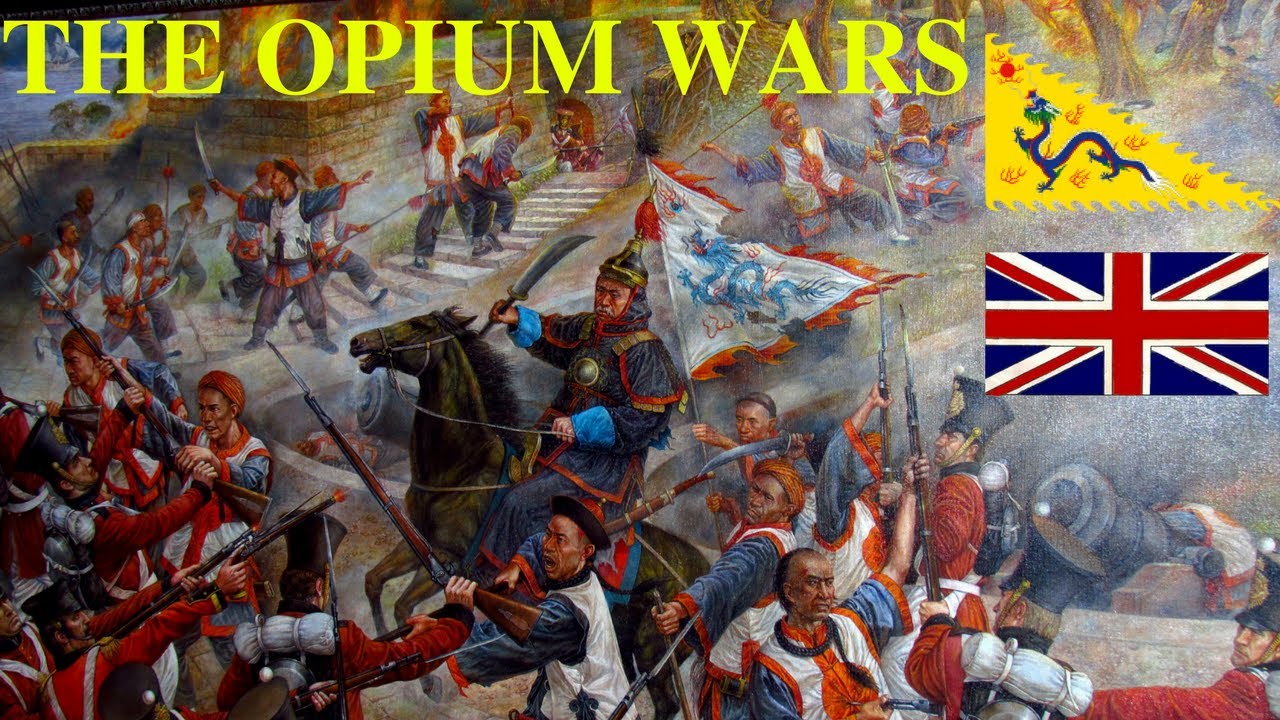
The historical events surrounding the First Opium War and the Canton System, which serve as the geopolitical backdrop for the novel's conflict.
Deep dive into translation theory (such as Walter Benjamin's essays) to examine the ethical and political implications of translating texts across imperial borders.
27.3K views1.8Klikes20:37Original Release: 2022-07-13
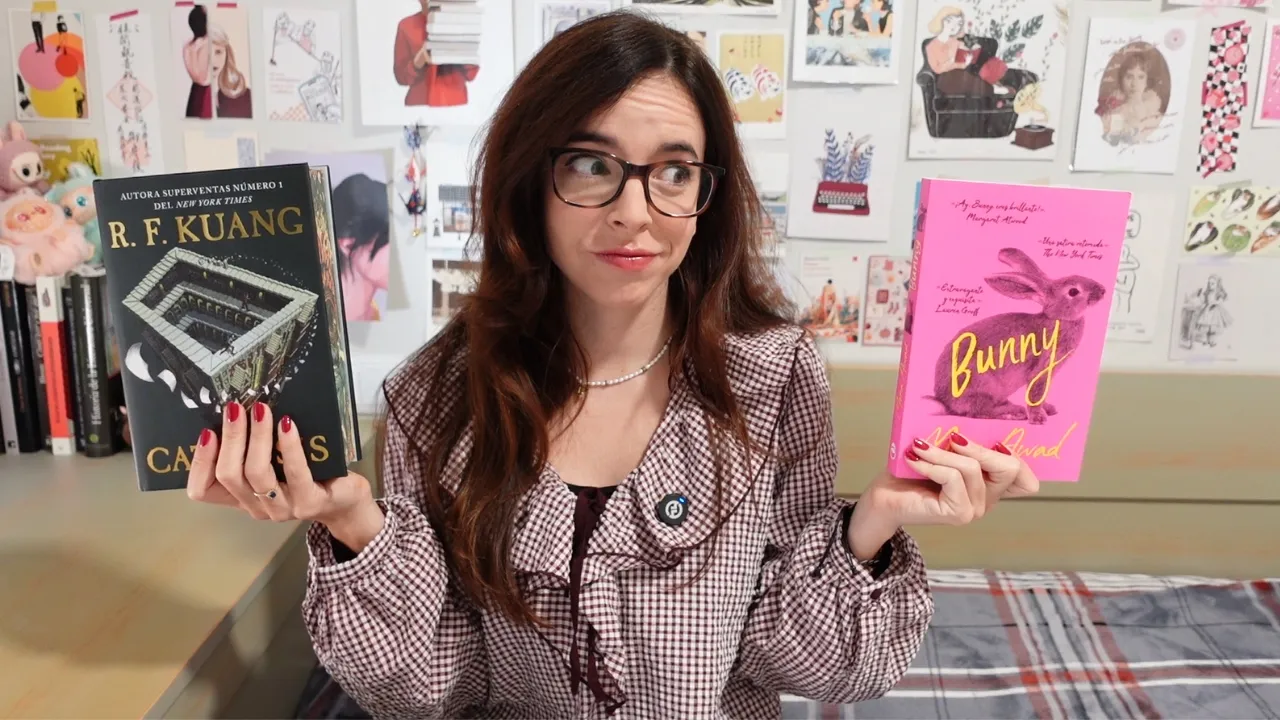
Hey, hi, hello. Welcome or welcome back to my channel. My name is Jess. And obviously today, we're talking about one of the most anticipated releases this year, I think for a good portion of the book community and especially myself. And we are talking about Babel by R.F. Kuang Or the necessity of violence and arcane history of the Oxford translators revolution. That is a mouthful, but here she is in all her glory. So today, I am going to give you a spoiler free review, because I did receive an advanced preview or a copy of this book, this is going to be very spoiler free, like I'm just telling you vibes, how I felt about characters plotting structure, kind of a basis of what the story is about. And for two reasons, I think it's just really easy to give things away.
I'm, I don't find myself to be a good reviewer without spoilers.
And I feel like there's a lot in this story that if that even reading the synopsis on the back gives away things that I wasn't anticipating, because I didn't read the synopsis first. So I just want to give you a better idea of what this is, because for some people, and I've seen this on their list, and they're excited about it, which I'm super excited that they're excited. But I feel like some people may have the wrong perception of what exactly this is. So I just hope that this video can let you know how I felt about it, and then exactly what it is. So that if you do still decide you want to read it, you go into it with maybe better expectations, or, you know, they're more aligned to what the book actually is, if that makes any sense. So hope you stay tuned for that. And then after that, I'm going to do a giveaway. So I have two of these. Ah, I know I know. I just was complaining about being a peasant like a month ago.
But I shall wait no longer I have to tell you how I felt about that. I thought that it was very fitting to wear my Oxford University sweater today or my jumper, scuze me. And so I visited Oxford years ago. And so I was just envisioning like a campus. Obviously, this book is set way before I was even thought of. And the Tower of Babel that these students are in didn't doesn't exist, but it just helped me set the tone and I just was like there, even though I think she does a really great job of helping you visualize that. So anyway, without further ado, R. F. Kuang's Babel. This is an adult literary historical fantasy. I give credit to my friend again, Isabella because we were talking about it. And I was like, I don't know exactly how to describe it. But she definitely, and I agree was like, I think it's more literary fantasy. And I just add it to literary historical fantasy. I don't know if that's too mouthy. You know, it's not like you have to nail down the genre to be able to talk about a book. But I wanted to be able to have a better idea of the genre so that I could explain it to you. So this book, if you have read anything about it, I didn't I just like, heard whatever our quants said on like Instagram, and I was like, Yep, I want to read it. But it said an 1830. So I think we started 1828 Mostly sent between London and Oxford, but primarily Oxford. And we are at Babel, which is like the Royal Institute of like translation, which is a school within Oxford. So Oxford itself, you know, has specific schools. And Babel is where students who have just like an affinity for language, multiple languages study they have very small classes or cohorts. And our main characters in this story we are following four students, Robin, Ramy, Victoire, and Letty. And they are the core cohorts in their year starting at Babel. They all know, like Greek and Latin, but then they all individually know other languages. And so they've had to study and prepare for years before coming to Babel.
And then at Babel, they continue that and like, study even more and learn more things. So very literary, obviously historical because of the setting. And the author's note please when you read it, please read the author's note one it's hilarious but also it just sets the tone unless you know how While she came up with this, like the world because obviously it is a real place Oxford is a real place. But some things may have been moved up in the timeline to fit the story. And then some things may have just been added in. And I love the last line of the author's note made me cackle out loud. She said, if you find any other inconsistencies, feel free to remind yourself, this is a work of fiction. So I thought it was great. So please read the author's note at the beginning. So we have a historical setting.
Now this is a fantasy novel, because this is a fantasy Oxford. However, I think some people may think this is like a really high fantasy high magic, and it's not. And that's not a bad thing. But I just want you to have the right expectations.
This is low magic it but it is there. And really the magic is with the language, the language is like the center of this book.
It's what the students study is what's helping run this massive British Empire. And it is what fuels the magic. And so I don't want to get into it too much because it will be explained the story but essentially, silver is very important in this novel, and the way that students use silver and then language that basically like I don't want to say cast a spell, but kind of onto the silver bar. And then they're used for various things throughout life, like for trains and for buildings to stay up and all of these things. I think this also is a novel that you need to take your time with, because you might just skim over some of that, and kind of miss how the magic is explained and maybe be like there's no magic in here at all, or it's just very intentional. I feel like I don't think I told you how I felt about it. I love this. This was perfection, I was expecting an amazing story and it met and exceeded my expectations. To me, this was a perfect novel, every single word felt necessary. It just felt purposeful. I loved this so much the characters felt so authentic, so real, I felt for some of them some of them and I hated some of them like so much as if they are real people.
Again, Oxford is a real place but I thought that she did a really excellent job just setting the scene and you know explaining to you this world that they live in and the Babel Institute and the different professors and classmates and other people that are in their lives i i love this. So this wasn't something that I flew through I already was an always am reading multiple things. So when I received this I started to slowly read it. And then like I went on my trip came back. So this isn't I mean and I'm sure there are going to be people who fly through this or like read it in 24 hours or 48 hours or whatever. I just don't know if that's the best way I think this is something where our form really took her time with the language of the story like the words that she was using and where they were placed in how the story unfolded. That I think it would be better if maybe you took this one a little slower so you could just really absorb it all and then obviously you don't have to do that but that's just how I felt about it. I like I said loved the characters and how authentic they felt like from the first chapter when we meet a character I already was like in my feelings I was like oh my god you sweet bean then there are some people you instantly hate already are you're like oh and then later you're like oh hey I just from the descriptions of them having tea and going to their favorite bakery to get scones of them staying late to study of the researching like all of it just felt like I was there watching this happen. I am obsessed. Is this my new personality trait maybe? But also this took me through it don't be fooled. Now don't be fooled by my emotions. Or emotions. Okay, sadness, anger, happiness, stress, panic, worry, astonishment, like so many emotions. And just when I think this is separated into maybe like five books, just when I'm like okay, what what else is going to happen here are almost like Just you wait. So the school is a four year program and we go through those four years with the students and it's so interesting to see the evolution from them as these you know, delight first year students to how they are towards the end of the book.
This just also as I reading it, I'm like, dang, I really need to go learn French like this made me want to focus on language. I was like, I need to get back into practicing Spanish. I need to learn French. I just think language I I'm already fascinated by language in my regular life, and I just loved how it was spoken about and how the story was told using language. And here, there are so many places in this book where I was like, hold up, I gotta look at that word because I don't know what it means. And sometimes stories that use more like eyebrow words and whatever, can feel pretentious. To me this did not feel that way. It just felt like I was telling Isabella that this. This feels like an academic work about this, this fictional students, but like not in the way that academic texts usually are boring, like, I don't know, it's just so good. I also would say that if you were a fan of R.F. Kuang's The Poppy War, which you can't see the spines, but these right here, these three people always ask me about them. This is The Poppy War trilogy, but I sent them to someone to get the sprayed the edges custom sprayed. So this is a popular trilogy, which I loved. I think this is very different. The Poppy War, I think the writing is simpler. Definitely easier to get get through and read faster. I think this is a differently a definite different tone of writing and just different style of writing.
It's more like purple prose. But I don't think it's the same writing style or not as like, easy writing style as the poppy war. I don't know if anything I'm saying is making sense. But I hope I hope that I am. And also obviously, the proper word is more higher fantasy than this novel is. But obviously, I was already a fan. And this made me a super fan. And I wish I could meet Rebecca in public and just be like, how, how are you getting all of these degrees? Because let me tell you, let me tell you. Rebecca Kuang is a Marshall Scholar translator, a Hugo, nebula locus World Fantasy Award nominated author. And she obviously already wrote three books. She has a Master's of philosophy in Chinese studies from Cambridge, a Masters of Science in contemporary Chinese studies from Oxford. And now she's pursuing a PhD in East Asian Languages and Literature at Yale. And I think she just turned 26 And she wrote this essay, she already has another book that's coming out next year, man, how was it possible? Rebecca, if you're watching, I'm a fan. I bow down to your greatness. I do not know how you do that. I filmed one video and I'm exhausted. I'm like, that's it for the day. But she's out here getting PhDs and writing masterpieces like this. Wow. How does it feel to be God's favorite? But anyway, this book is wonderful. This book is for those who love a slow burning building story. And I'm not saying slow burn like romance, who love historical stories, who don't mind a more low magic story, a literary story, which I think is very important because I don't always love a speculative fiction story that's more literary. Like sometimes something is more literary sci fi literary fantasy, literary horror, that does not always work for you. So if that is not always for you just take that into consideration that I think this is definitely more literary, but if it does work for you, you definitely should pick it up. She described this as a somatic response to The Secret History and a tonal retort to Jonathan Strange and Mr. Norrell. I have not read either one of those. Well, I've read part of the secret secret history. But I know so many people have been talking about this book and categorizing it as like dark academia now. Dark Yes, there are a lot of dark things that are happening here. I mean, we're talking about the British Empire in the 1830s colonization academia for sure there you get a lot about their studies. Like I said, classwork, classmates, professors like you see that we're we're going with them because I don't like when a book is like, sit at a school but we don't get a lot of like class time and them actually learning. You definitely get that in the story. But is it like the dark academia stor that's like murder mystery. I think that a lot of people use expect, no. So I just want you to go into this with the right expectations. This is definitely a darker story. Lots of academia in here, but it's not like a murder mystery story. But don't be fooled and think this is just some light Bibbity boppity boobity at a magic school, colonization, and how colonization and language are working together are like the central plot of this book, and how Britain is using language and those countries that they're taking it from or what else they're using these people and resources from said countries to, you know, grow their empire.
So yeah, not a lot of happy things with that part of the story. One of my tabs is for White Audacity. And there's a lot of them. Because there's a lot of moments in here where I was, like, raging, and sometimes that's all I could write, I could just write rage, or what the fuck, like, I did not have words for how angry it made me when obviously, I wasn't alive during this time. But we still feel the effects of British colonization today. And it felt very relevant. Being a person from the United States of America. You know, sometimes I would write that like, hey, funny sound sounds like something I've heard before. So I hope that all of that babbling-- babble get it um, but I hope all of that made sense. I hope it helped you have a better idea of what you're getting into. But honestly, this was everything and more. And now, this is why I am. So I'm just gonna wear this all the time. I have a blue one. And so that's it. This is my personality. Okay. I am a babbler things. Just kidding. I don't know if that's like, I mean, they have. You'll see in the book. Anyway, this book comes out August, because I'm a bad book tuber and I don't have the date memorized. But I know it comes out in August. I cannot believe the blessing I received and getting this book early. And it just is so amazing. Because I have read a fair amount of books that were on like my anticipated list for this year. And I haven't been wowed. But this hit it outta the park, it just made up for the lackluster reading year I've had this for this came in and said gworl it's about to change. Your second half is about to be so much better. So shout out to Rebecca. Kuang and the genius that is her mind. Thank you again, for this masterpiece. But for real, I love it so much. I I can't tell you much more without getting spoilery but feelings. So emotions feelings. Okay, so giveaway. Like I said, I have two copies, because my friends sent me one. And then the publisher actually sent me one. So one is not tabbed, and whatever the things are called and one is but I thought it'd be more fun. If I did the giveaway for this copy. Because I have seen some people do that, where they like, or like on Patreon, like something like someone annotates a book for you, and sends it to you. So this has all of my tabs. And there is a little key in the front for what the colors mean. And then yeah, there's just sometimes it's just vibes, like the shade right here. Sometimes it just says what the fuck, sometimes there's more writing, there's lots of words, I defined phrases, quotes, moments where I was just having emotions and feelings.
And there's just, there's a lot in here, you will see how I was feeling when I was reading it. And I think this could just be a really unique experience for someone to like read it and see what I thought as they read along to it. Hopefully people don't think that's weird. But I do plan to copy these tabs into this copy, and then keep those forever. But to enter this giveaway of current course be subscribed to me. But I think the easiest way will be I'll have a Google doc in the description. And where you could just like put your name, whatever your name on YouTube shows up as and then your email so that I could just easily email you. And this is worldwide. So whatever it costs us on the shipping, I will send it to you if you are abroad, I don't know how quick it could get could get to you. But hopefully you could get it before the book actually comes out. But I just hope that whoever wins this giveaway is going into this book, knowing what it is and will love it as much as I do. And yeah, I think that's it. So anyway, let me know down below if you have already read Babel and what you thought about it. Or if you after hearing what I said about it. Do you want to read Babel or do no longer want to read Babel I would just love to know all of your thoughts. But this 5 out of 5, 10 out of 10... wait 1 million all the stars all the stars for this So this giveaway is not associated with Harper Voyager, HarperCollins, R.F. Kuang or YouTube. Nobody, it's just me wanting to send that extra copy that I have, but I am very grateful to the publisher for sending me this and for my friend Isabella for sending me the copy. Man so that is it for this Oxford gal. But thank you so much for watching this video.
Give this video a thumbs up subscribe, but stay blessed, hydrated, moisturized, and sunscreened, and I'll see you my next one. Bye
Up Next
76:17
Sally Rooney on Normal People: In Conversation with Kishani Widyaratna
@LRBshop
722.2K views•2019-05-08

13:43
Formalism in Literary Criticism: An Academic Lecture Overview
@mattalberhasky9952
39.1K views•2015-08-05

6:08
Point of View in Fiction: First Person vs. Third Person
@magicalthriftyteacher
153.8K views•2014-03-31

15:25
1984: Orwell's Dystopian World and the Mechanisms of Totalitarianism
@AlternateHistoryHub
7M views•2017-03-04
Related Study Plans & Knowledge Roadmaps
Structured learning paths in Literature
literature
Graphic Memoirs: Visual Art, Trauma & History
01Foundations of Sequential Art and Visual Language
02Autographics and Processing Historical Trauma
03Visualizing Personal Trauma, Grief, and Graphic Medicine
+ 2 more learning modules
14h5 modules
Explore Roadmap
literature
Campus Novels: Evolution, Themes & Critique
01Introduction to the Campus Novel Genre
02Mid-Century Satire and the Post-War Academy
03Dark Academia and the Critique of Privilege
+ 2 more learning modules
14h5 modules
Explore Roadmap
literature
Theater of the Absurd: Philosophy & Plays
01Postwar Existentialism & Historical Roots
02Dismantling Narrative: Esslin & Absurdist Conventions
03Samuel Beckett and Tragicomic Existentialism
+ 2 more learning modules
12h5 modules
Explore Roadmap
literature
Revenge Tragedy: Justice, Madness & State
01Foundations of Early Modern English Theatre
02Anatomy of Revenge: Structural Conventions
03Psychological Complexity: Madness and Melancholy
+ 2 more learning modules
15h5 modules
Explore Roadmap