


















![GTA 5 - KHALID SOFTWARE HAS BEEN UPDATED SUCCESSFULLY [EP 50] Rich Life Series S02](https://i.ytimg.com/vi/zOdRsTib3WU/maxresdefault.jpg)

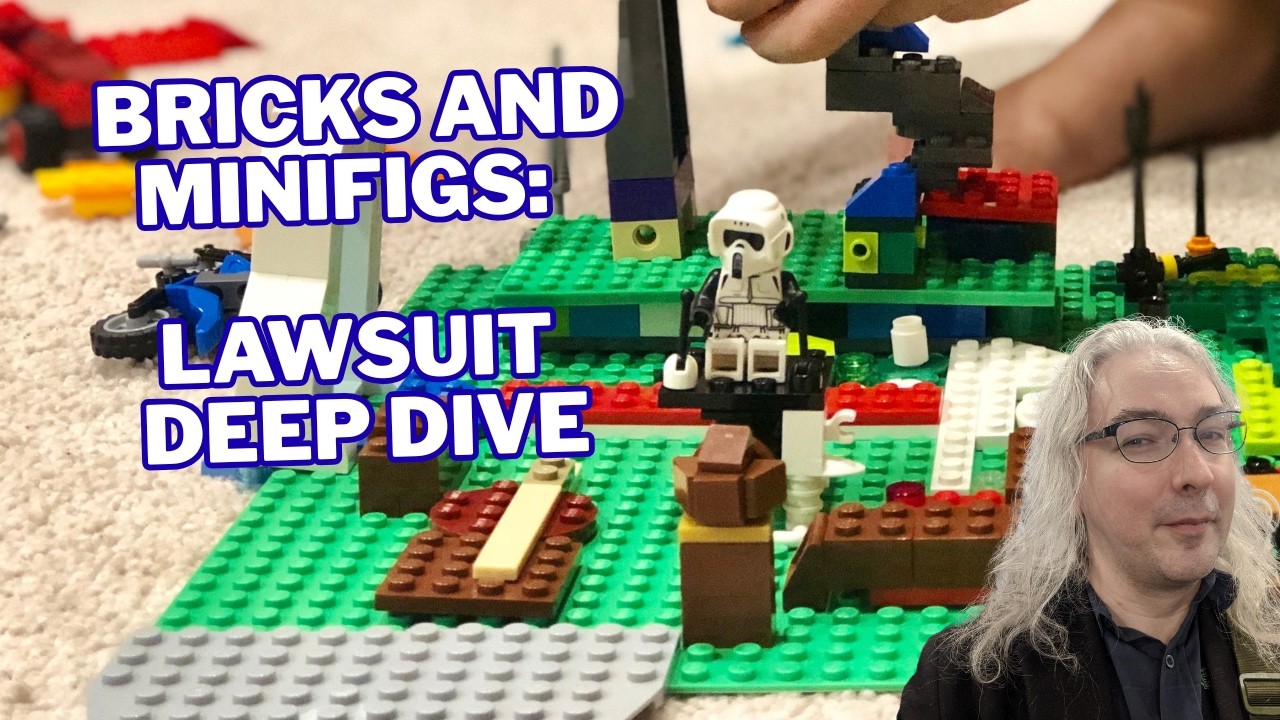

In contract law, three vitiating factors can render a contract voidable: (1) Unconscionability occurs when one party exploits another's special disability (such as limited English proficiency, intoxication, or unreasonable emotional devotion) through knowledge and exploitation; (2) Duress involves illegitimate threats to person, property, or economic interests that impair consent; (3) Undue influence exists in relationships of trust (doctor-patient, solicitor-client, religious advisor-believer) where the stronger party manipulates the weaker party. In all cases, a rebuttable presumption arises that the contract is voidable, requiring the stronger party to prove the contract was fair to enforce it.
Contract Law: Unconscionability, Duress & Undue Influence
Added:Requirements for contract formation, including offer, acceptance, consideration, and the intention to create legal relations.
The concept of genuine consent (consensus ad idem) as a fundamental pillar of contract validity.
The legal distinction between contracts that are 'void' (never legally existed) versus 'voidable' (valid until set aside).
An introductory understanding of equitable doctrines and how courts of equity historically differ from common law courts.
The equitable remedy of rescission, including the practical bars to rescission such as lapse of time, affirmation, and third-party rights.
Other major vitiating factors in contract law, specifically common law mistake and fraudulent/negligent misrepresentation.
Statutory consumer protection frameworks that codify and expand upon common law rules regarding unconscionable conduct and unfair contract terms.
Advanced applications of economic duress in commercial negotiations and renegotiations.
12.9K views154likes43:21Original Release: 2014-06-03
good day everybody and welcome to topic four for laws 11062 contracts B um my name is Anthony marinac and this week we're going to be having a look at uh the next of our series of uh the ways in which contracts can be viated or in other words ways in which contracts can fall over completely this week we're going to be looking at unconscionability due rest and undue influence so this is a bit of a catchall topic because it's got three different subtopics in it but I'm sure you can see almost immediately that those three subtopics do go together uh quite well so uh what are we going to be having a look at this week well we're going to start out with unconscionability and unconscionability is another one of those uh of those Equitable Concepts that we strike regularly in contract law we're going to talk about what unconscionability is and what effect it has on um contractual obligations particularly those contractual obligations which are either made unconscionably or which are unconscionable just automatically in themselves we're going to look at um the protections that Equity offers to those who are under a special disability and those who are under an inequality of bargaining power we're going to look at what the limits of that are because obviously in most circumstances people who are making a contract are not doing so on a fully equal and Equitable basis we look at D rest and what protection the law offers those who are Made Who who are forced to uh enter into contractual obligations under JS and at the same time we'll have a look at what the differences are between JS as we look at it in contract law and uh duress as you will already most likely be familiar with uh from the criminal law finally we look at influence and we look at the protection which the law offers to those who are unduly and unreasonably influenced by another person at the time that they're making the contract so we start with unconscionability now if you think back to contract a I seem to be saying that a lot but the two really do do go together if you think back to the start of contract a and you think about our elements of contract formation now one of those elements of contract formation that we talked about was capacity and we said that um miners mentally ill people and under some circumstances people who are intoxicated may not in fact be able to enter contracts however they also can enter contracts A Min for instance can enter into whatever contracts they like it's just that the contract won't be enforceable against them so those laws of capacity enable all sorts of people who may not actually have full contractual capacity to enter into contracts from that perspective they're fairly generous from another perspective however they're quite narrow because there may be people who are not Miners and who are not are mentally incapacitated and who are not Intoxicated by drugs or alcohol and yet who are still for one reason or another under a disability which makes them vulnerable if somebody takes advantage of that vulnerability the law says that that is unconscionable it is contrary to conscience and then the court won't stand for it okay ESS a contract if we think about our um our classical theory of contract a contract is supposed to be an expression of Freedom it's supposed to be a free agreement between two people which the courts will then go and enforce now it can hardly be a free agreement if one of the parties to the uh to the contract knows about the vulnerability of another party and is quite deliberately just um taking advantage of that that's not cool so how do we deal with the unconscionability well the best case to look at and it's a case that you you were already be familiar with uh from last term it's a case called The Commonwealth sorry the Commercial Bank of Australia and amario it was a 1983 case and it's reported in volume 151 of the commonwealth law reports at page 447 now many of you will remember that in that case um the amaros um had a son who was a businessman but not a particularly good one and uh he convinced his parents to assist him to raise capital for a business venture um his parents had very poor command of English and they were given documents to sign um they signed them they didn't understand that what they were doing was essentially putting their home at risk if the son's business venture failed now the bank knew that the only person who had explained these documents to the amaros was their son they knew that the sun had no particular sorry that the sun had every reason to not be telling them the full truth and uh so they um the bank was really under a duty to make sure that the amaros actually did fully understand what they were doing before they did it the bank didn't exercise was that Duty so you can see there that the amaro's special disability was their limited command of English and their vulnerability to the influence of their son second case that we'll look at is called blomley and Ryan blomley and Ryan was a 1956 case and it's reported in volume 99 of the commonwealth law reports at page 362 now in this case there was a land deal going on and uh um it was known it was known that Mr Ryan was a drunkard essentially that he uh he had problematic drinking habits and that as a result of having had problematic drinking habits for many decades um he was now uh he was now at the point where his faculties were essentially impaired but not to the point where he he was unable where he lacked the capacity to contract certainly though to the point where he was vulnerable to others now the purchaser who was p trying to purchase Mr Ryan's property arranged that at the time of the negotiations he should be given a bottle of rum and encouraged to go on a drinking spree and he did so he went on a drinking spree the the night before essentially the night before the uh the big contract was signed now you don't have to be um a particular genius to see the lack of conscience here that you're doing a deal where you're trying to rip off a drunkard and so the reason so the way that you make sure that you get the the fullest possible Advantage out of it is by encouraging him to get as drunk as possible immediately before the big negotiation pretty easy to see why the court wouldn't stand for that the third example that we'll have a look at is uh a quite a famous case now called LA and diprose and uh look I I really I really do feel sorry for Mr dios because he's probably still around the profession somewhere but uh um he's now become a byword for uh for the the uh for those wounded in love um what happened in LA and dipro was that uh um Mr dipro fell head over heels for a lady named Carol L and uh he proposed marriage to her and she declined his proposal but having declined his proposal and moved away um she moved in fact from law to Adelaide she didn't cut him away completely she declined his proposal but they stayed in close contact and um to all accounts there was uh there was some encouragement given to him to continue to Harbor his feelings of love towards M and uh from time to time when things got difficult from ml which seemed to happen regularly her her life seemed like a bit of a a bad TV drama by all accounts she would contact him and seek his help and he would charge in like a knight on a in shining armor on a white charger and would help her out and in the end he helped her out to a very great extent with financial assistance but then finally she was about to be thrown out of the Rel the home of the relatives that she'd been staying with and uh he um agreed agreed to purchase a home for her and transfer it into her name no doubt he was hoping that this would be the the final and dramatic gesture of his love and that that home would eventually become their matrimonial home but no such luck he purchased the home which he couldn't really afford put it in her name 2 years later they had a uh a falling out and he said well at this point seeing as we've had a falling out I would like to transfer the home back into my name and I'd like you to start paying rent please she refused she said this is my house it's in my name now we've looked at three circumstances can you see the unconscionability in all of those three circumstances straight up I mean just even without legal analysis you can see that each of those three situations is not Kosher it was not okay for the bank to knowingly encourage someone to put their home at risk even though the bank knows that they don't quite understand that that's what they're doing that's not okay it's not okay if you're negotiating a land purchase with somebody who has a drinking problem to send them a bottle of rum and send them out on a drinking spree the night before the deal goes down it's not okay if you know that somebody has become emotionally devoted to you in an unreasonable way to encourage them to buy a house for you and then to refuse to allow them to have any of the financial benefit of that house when the relationship sours these things are not cool having looked at them just from the perspective of common sense though let's now do the legal analysis there are three steps here in our unconscionability the first is that there has to be a special ability a special disability now the special disability in this sense is not defined in the the way that we would Define disability for instance in the disability Discrimination Act or anything like that we're not talking here about a physical or a mental disability we're talking about a legal disability so this is something which affects their ability to make rational decisions in their own interests being in a wheelchair as I've said in the slide there is therefore not a special disability for the purpose of unconscionability because someone who's in a wheelchair has still has every capacity to make rational decisions in their own interests the fact that they may not uh be ambulatory does not affect their ability to look out for their own interests at all on the other hand our friend Mr dipose who was perfectly uh perfectly capable from both physical and mental perspective he was under a special disability because of the nature of being head over heels in love in a quite unreasonable way that he was so when we're looking for a special disability for unconscionability we're looking for somebody's ability or inability to make rational decisions in their own interests second element the other party must know about the special disability if the other party doesn't know about the special disability then they're not really taking advantage of it are they so let's look at our three situations Commercial Bank and is pretty easy to understand if the bank had never known if the amados had come in and they' signed the documents and they'd seemed to know what was going on and there was no signal no signal at all to the bank that the amaros didn't quite understand what they were doing well then under those circumstances it would be pretty hard to say that the bank was um somehow prevented from proceeding with the contract wasn't it cuz they haven't done anything contrary to conscience there's no signal there to say to them that they 's any need for particular additional care blomley and Ryan if you didn't know that you were dealing with someone who had a persistent drinking problem well then under those circumstances you might not know that they were going out on drinking spree the night before um the negotiation and even under those circumstances if you were doing a a deal and the deal had been a particularly good one and um and you just that right sort of person well then commemorating the deal with a bottle of wine or a bottle of whiskey or a bottle of rum it might be a little bit unusual but it it wouldn't be really UNT would it so you can see under those two circumstances with the bank and with the Blom and Ry if the other party had not known of the special disability it's pretty hard to say that they were acting unquestionably now with a l and Dio situation much harder to deal with from that perspective because it's pretty difficult to see how M could ever ever have failed to understand just how Reliant upon her emotionally Mr di rise was becoming so it's pretty hard to see any alternative other than her knowing about that special disability so that's our second element first element is there must be a special disability second element is that the other party must know about it third element the other party must take advantage of the disability so if another party if you're making a contract with a party who has a special disability and you know about that special disability but you are careful not to take any advantage of it well then you really haven't done anything uncontable have you as a result there hasn't been any inequality of bargaining power between the two if you've acted perfectly ethically towards the other party even though you know they're under a special disability there's no reason for the court to interfere there's no unconscionability there so how does the court make these decisions well we come to another rebuttable presumption we've come across these a few times in contracts a and contracts B the court will Begin by presuming that the contract is not binding a against the person who has the special disability that the contract cannot be enforced by the person who is allegedly acting unconscionably but that presumption can be rebutted so if you are the party who's engaged in such a contract you can show that the way that you engaged in that uh in that contract was not unconscionable if you can show that then the court is not going to give them get out of jail freeart they're not going to Simply Be able to walk away from the contract because they were under a special disability so for uncons Ability we got our three elements special disability knowledge of the special disability and taking advantage of the special disability if those three elements are shown that raises a rebuttable presumption that the contract is voidable if you're the other party and you want to rebut that presumption you can do it on the basis of The Facts of the individual case by showing that you haven't taken advantage of the other party's special disability let's move on now and talk about duress now most of you I'm assuming um as contracts B students have probably studied uh criminal law at least criminal law a um along the way by now and you probably will have come across the concept of Jess now Jess for the criminal law essentially means that the ACT which somebody undertook the criminal conduct which somebody undertook they should not be held to account for and the reason they should not be held to account for it is it was not in effect their act because they were only acting in the way that they were acting as a result of threats against them which overwhelmed their will remember that turn of words it over overwhelmed their will so they were effectively left with no choice but to do what they had done now under those circumstances in the criminal law the criminal conduct becomes the ACT not of the person who did the conduct but instead it becomes the conduct of whoever it was that was imposing the jurs now that makes sense the concept of Jess in contract law is pretty pretty similar it's uh pretty much the same but the the thresholds are slightly different in contract law when we're talking about JS we're talking about inappropriate pressure inappropriate pressure that is placed by one party on another party to do one of two things the first thing is enter the contract so it might be that you use Jess to force somebody to enter into a contract at all second way that you might use DS is by forcing the other party to accept terms of the contract which they might not otherwise have accepted now a third possible way that Jess could be used um is once the contract is underway if there is a breach and the other party potentially has um an action against you then it would be possible to impose Jes upon that party essentially threatening them with reasons why they should not proceed with that legal action so what sort of threats do we mean when we talk about JS for uh the purpose of contract law well there's three types the first is a threat to the person or to another person and what we're talking about there is uh typically a physical threat so if you've threaten to assault somebody or threaten to beat somebody threatened to shoot somebody threaten to kill somebody those are all um threats for the uh those are all threats constituting JS for contract law now threats to a person um can also be a little bit broader than that they can be for instance threats to reputation let's say that you're um engaged in contractual negotiations with somebody and you find out that they're having an extramarital affair and you threaten to expose this extramarital Affair to their colleagues and their spouse if they don't enter into the contract with you well that's a threat against the person isn't it and uh and that would be enough to constitute JS for the purpose of contract law the second type of Jess is a threat to property okay so you cannot threaten to damage or steal or destroy somebody else's property if they don't enter into a contract with you on your terms the third is a threat of economic harm now this one's a little bit more complicated as we'll find out in a few moments time when we talk about legitimate and illegitimate pressure because the nature of commercial contracts between companies is that uh if um you do business with one person as opposed to another person well the person who doesn't get the business always suffers so the nature of competition in a commercial environment is that there's always harm being done to other parties economic interests so we have to break that into legitimate and illegitimate pressure but if you simply threaten for instance that if the other party doesn't enter into a contract with you then um you are going to start to distribute information which will ruin their credit worthiness well that's a threat of economic harm and that's going to be um enough to viate whatever contract you might have with them now let's run through how this works and then we'll have a look at some examples we have our three types of Jess the questions which the court will ask is first was the victim consent actually impaired by the threat okay so for that to be the case a couple of things have to happen first is that there has to be this threat that seems pretty obvious second is that the the victim party has to actually consider that the threatening party is capable of carrying out their threat now that also seems fairly obvious if you think about it if you make a threat towards me let's say you're a a puny little weakling and I'm a big strong musly fighting man and you threaten to physically assault me and I laugh in your face well then it's hardly going to be duess is it because I don't believe that you're capable of carrying out the threat so the victim party has to be actually believing that the uh the the threatening party is capable of carrying out their threat the third part of of this is that they have to then actually change their behavior as a result of the threat so if uh you're going to offer to sell me your motorcycle for $50 and the motorcycle's worth $2,000 and I've decided yeah absolutely I am buying me a motorcycle and then on top of that you come up and start waving a stick at me and say if you don't buy my motorcycle for $50 I'm going to crack you in the head with this great big stick well then there is a threat and I do believe you're capable of carrying out the threat but the threat is not changing my behavior at all because before the threat I was going to buy the motorcycle after the threat I'm going to buy the motorcycle so the threat itself has not constituted JS because it hasn't actually caused me to change my behavior I haven't actually had my consent impaired by the threat so that's the first um question the court looks at split into those three sub questions the second question looks at whether the pressure was legitimate or illegitimate now most of the time threats to the person and threats to property are almost automatically going to be illegitimate I don't know of any legitimate way that you can say to somebody enter into a contract or I'm going to smack you in the face however the third type of threat threats to economic harm that can be legitimate or illegitimate in particular a threat not to enter into contracts or a threat to sever commercial relations is quite likely to be legitimate so let's say I go to the hairdressers and I get a particularly bad haircut and I go back and I go to say to my hairdresser look you really did a terrible job and I need someone to fix it up and she says well okay I'll fix it up but you're going to have to pay me for another uh another um appointment and I'm not happy with that and I say to her if you make me pay for another appointment I am never coming back here again now that's not an illegitimate threat it's certainly a threat and it's a threat of economic harm because it means that she will miss out on whatever income I might have provided to her business so I'm threatening economic harm but it's not an improper threat because the threat simply to not engage in contractual activity with another party is just part of commercial reality it's not an improper threat having said that there are some circumstances under which could be an improper threat in particular where you've got a monopoly or a monopsony situation those of you who don't know what a monopsony is a monopoly is where you've got one seller essentially a monopsony is where you have one buyer now in those circumstances where one of the parties has massive economic um massive economic power over the other then it may be that the the uh threat to um cut them off financially and essentially send their business to the wall may be illegitimate so these things are decided on the facts by the court let's have a look at a couple of examples shall we um first example um have a look if you like um at the case of Barton and Armstrong this is a 1973 case uh reported in the new South Wes law reports of that year at page 598 where there was a threat of murder if a contract wasn't entered into now that's that's pretty clearly um duress I don't think anyone needs that explained to them in um in short words a more interesting one however is Haw of Pacific and helicopter Charter now this is a 1991 case also from New South Wales reported in volume 22 of the New South Wales law reports at page 298 now um Hawker for those of you who don't know much about Aviation um Hawker aircraft are um really uh significant um Helicopter Company in the aviation world and um they had sold helicopters to the helicopter charter company and the helicopter Charter were having those helicopters serviced by Haw Pacific um and ha Pacific then essentially having gotten hold of the helicopters because they had been sent to oras for for the work essentially said look if you want to see your helicopters all over again ever again then um you're going to have to pay the price that we demand we're going to essentially hold your helicopter's hostage now you can see there there's a threat of economic harm okay because if we've got your helicopters you can't be deriving an income from those helicopters because you can't be chartering them out to people and you can also pretty clearly see that that was an illegitimate threat of economic harm it's not okay to to exercise a a power of control over someone else's property like that now under those circumstances obviously for those of you who studied torts um you would know that the owners of the helicopters would have had an excellent case in desue or indeed they would have had an excellent case to just uh um encroach on HW of Pacific's yards and fly the helicopters away but setting aside that question if we look at the question of whether the contract between the two was valid in this case it was not they would not have been required to pay the price that was being demanded by Ora helicopters because the contract between them was viated by JS so we can see there all of our elements was there a threat absolutely there was a threat pay us more money or you're not getting your Choppers were they capable of carrying out the threat well yes they were they had the helicopters in their uh in their facilities was the behavior of helicopter Charters changed well yes because they had to agree to the higher price in order to get their helicopters back was the nature of the threat improper absolutely the nature of the threat was improper you can see that we've ticked all of those boxes we've got a case of duress okay we've moved ahead of the slides a little bit there um that doesn't often happen to me but you can see we'll race through them again so that so that there's uh audio for each of the slide you can see that the uh the slide that I've just drawn up now um goes through those elements of the impairment of consent so there has to be a threat have to consider it capable of carrying the threat out and it must be one of the reasons for the victim's Behavior one of the things at the bottom there is that it doesn't have to be the only reason for the victim's Behavior it just has to be one of the reasons for the victim's behavior um so it's not enough to show that there were other reasons why the victim might have behaved in that way if the threat is even one of the reasons why the victim has signed up to the contract then that's going to be enough to viate the the contract uh illegitimate pressure some amount of pressure is okay unlawful threats are automatically illegitimate so if what you're threatening to do would break the law then you're automatically engaged in an illegitimate threat for the purpose of Jess everything else question a fact before the court so that's Jess we're going to move on now to um undue influence which is the third of our nasty Trio that we're looking at this week and uh undue influence falls into two types the first is actual undue influence now actual undue influence is is actually pretty hard to spot in the cases it doesn't seem to come up that very often um the main case where we see it is a case called KH and KH um which which leads to that rather ridiculous picture that I've put on the PowerPoint slide those of you who uh enjoy the Star Trek movies will recognize that as being a character called khah but uh who has absolutely nothing I must say to do with the of KH and KH actual undue influence occurs where um the evidence shows that the relationship between a party means that one party has a significant level of um domination within that relationship and that they're able to um use that influence to manipulate the other party into signing a contract which they would not have entered into but for that influence now the case of KH and KH is is the best example that I can see in our case law um of that situation it's a relatively recent case 2004 case um was reported in volume 62 of the New South Wales law reports at page 239 we're talking here about a house sale the vendor of the house had made uh I had agreed to a house sale but it hadn't been completed and there was still room for the vendor to back away from it and she was tending to want to do so because the terms of the contract were perhaps a little too generous to the buyer but she then came under a lot of pressure her family members tried to convince her to go through with the sale now that in itself is not undue influence because people in families influence one another all the time and discuss things all the time and give one another advice all the time and and and and that's okay it's going to be very difficult to say that that's an undue influence isn't it because that's really just families being families however the KH stepped over the line when they brought in the Imam from their local mosque and the Imam came to the vendor and convinced her using his uh very significant Authority as um a as a religious leader to say I'm telling you that it would be right for you to go through this sale with this sale that you must go through with this sale that essentially almost saying that uh that um God or Allah wants you to go through with this C now you can see that a line has been crossed there you can see that the influence which is being used on this person now is no longer legitimate it's no longer just family members providing advice which they think is the correct advice this is now an IM saying God wants you to do this that's a powerful message particularly to somebody who is a devoted religious follower that's undue influence okay um the relationship between the parties there has resulted in her making decisions not because she was genuinely um a free agent if we think about classical contract theory she was no longer a free agent she was no longer able to freely agree to enter into private law between her and another party she'd been manipulated into that situation because she'd essentially been told agree to the contract which you now consider to be unfavorable or else you're going to make God angry okay that's not fair so that's actual undue influence more complicated though is what we call presumed undue influence now presumed undue influence um occurs where there is a set of relationships which result in the presumption that the stronger party in the relationship has an undue ability to exercise influence over the weaker party in the relationship and there are certain relationships that are recognized as providing undue influence and I've I've listed some of them there on the slide parent and guard sorry parent and child guardian and Ward doctor and patient solicitor and client religious advisor and believer trustee and beneficiary now um Once Upon a Time an additional one there would have been husbands and wives with the assumption that husbands were the stronger party and wives were the weaker party but that's Fallen away now there's really no um there's really no basis in modern society for that presumption there are certainly U areas of feminist Theory which would say otherwise which say that there is still um the strength of a paternalistic system within our society however as a general rule the law if of contract no longer presumes that husbands exercise that level of domination over their wives what you have to understand though with presumed undue influence is that it's not just limited to those Rec Iz relationships there may be any circumstances any circumstances where the relationship is such that the weaker party places confidence and Trust in the stronger party and relies upon them for guidance so if you're making a contract with someone who relies upon you for guidance who places confidence and trust in you then you are under an special obligation to ensure that you don't take advantage of that what happens then what happens if there is a relationship and the weaker party seeks to avoid their obligations under the contract well the presumption will be that the contract is viated the presumption will be that the weaker party may make the contract void at their election the stronger party is then going to have to rebut that presumption the stronger party is going to have to then show that in fact they did not take advantage of the nature of the relationship in essence that's going to mean that what they have to do is show that the contract was fair because it's going to be a very difficult task isn't it to uh approach the court and say well yes the contract is unfair but the contract is not unfair because of the trust that they reposed in me the contract's unfair for some other reason that seems a bit silly in most circumstance ances were in fact in all the circumstances I can imagine the only way for the stronger party to enforce a contract under those circumstances would be to show that the contract itself was inherently either fair or favorable to the weaker party an example um to have a look at is hardigan and the international Society for Krishna Consciousness Incorporated this is a 200 two case and it's uh its medium neutral citation is as case number 810 of the new South W Supreme Court of that year now the plaintiff um gave her house and farm to the Krishna Consciousness society and she did this because she was uh of the understanding that this is what was required of her as a relatively new de it of the um of the the Krishna movement that she F she understood that what was required was that she should divest herself of her worldly possessions now um the first thing is that it was later discovered that uh the Krishna teachings did not actually require her to do that at all but the second thing is that this was not really a decision that she could just make for herself because she had three children and she had obligations to those three children and so much as she may be able to choose a life of poverty for herself it was not reasonable for her to be giving up her house when she had no reasonable alternative means of support or accommodation now um the relationship between the leaders of the Krishna movement and the plaintiff were such that uh the presumption of undue influence arose okay so the presumption was there because as her religious leaders uh there was the sort of relationship which would give rise to the presumption of undue influence as a result the presumption that the contract was invalid or that the contract was voidable by the plaintiff had to be rebutted by the Christian Movement they were unable to do so it's pretty easy to see why uh it's pretty easy to see how it's going to be very difficult for you to show that somehow it was reasonable to accept the gift of a house and farm from someone who had no alternative means of accommodation and who was making the the uh exchange on the basis of a pretty thorough misunderstanding of um the beliefs of the movement anyway and so that contract was void so that brings us to the end of the material for this week what if we looked at we've looked at UNC iable dealing and a concept of a special special disability if you can remember LA and dios and remember that for contract law purposes being head over heels in love does make you under a special disability then uh you'll remember that one forever second we learned that the law for protects those who are forced into contracts under duress which means illegitimate threats to uh the person to their property or to their economic interests and the third thing we've learned is that the court protects those who are under either the actual or the presumed undue influence of another party in any of those three circumstances the court will make the contract voidable at the behest of the weaker party and the court will impose a rebuttable assumption that the stronger party is unable to enforce their interests now that presumption is rebuttable but generally speaking the only way you going to be able to rebut It Is by showing that the contract was fair and that's going to be a tough ask to do now next week we're going to conclude our five week examination of viation and we're going to be looking at uh at illegal contracts um which will bring this part of our study to a close I'll look forward to seeing you then and in the meanwhile I'll see you around on Moodle
Up Next

62:38
Legal Analysis: MrBeast Sued for Allegations Over Beast Games
@RunkleOfTheBailey
24.9K views•2024-09-18

4:27
US Secondary Sanctions Impact on EU Businesses and Blocking Legislation
@Bureauvandijk
1.6K views•2019-03-20

103:46
Australian Tort Law: Intentional Torts in 2 Hours | Overview & Exam Review
@AnthsLawSchool
121K views•2018-06-27

24:42
Police Interrogation Tactics: False Confessions & Legal Reform
@LastWeekTonight
7M views•2022-04-18
Related Study Plans & Knowledge Roadmaps
Structured learning paths in Law
law
Self-Defense Law: Imminence & Castle Doctrine
01Foundations of Self-Defense Law
02Imminent Threat & Reasonable Belief
03The Principle of Proportionality
+ 3 more learning modules
12h6 modules
Explore Roadmap
law
Defamation Law: First Amendment & Actual Malice
01Introduction to civil torts and the First Amendment
02Elements of Defamation: Libel and Slander
03Public Figures vs. Private Individuals
+ 2 more learning modules
8h5 modules
Explore Roadmap
law
Hearsay Rule: Trial Evidence & Exceptions
01Introduction to Trial Evidence & Courtroom Basics
02Demystifying Hearsay: The Core Definition
03Non-Hearsay: Exclusions Under FRE 801(d)
+ 3 more learning modules
14h6 modules
Explore Roadmap
law
Medical Malpractice: Law, Liability & Care
01Foundations of Tort Law and Civil Liability
02The Four Elements of Medical Malpractice
03Defining and Proving the Standard of Care
+ 2 more learning modules
12h5 modules
Explore Roadmap