


![Remedying Birth Certificate Fraud(All relevant docs). Reversing the "[Legal] Sins of the father..."](https://i.ytimg.com/vi/28QxYjgfmY8/maxresdefault.jpg)













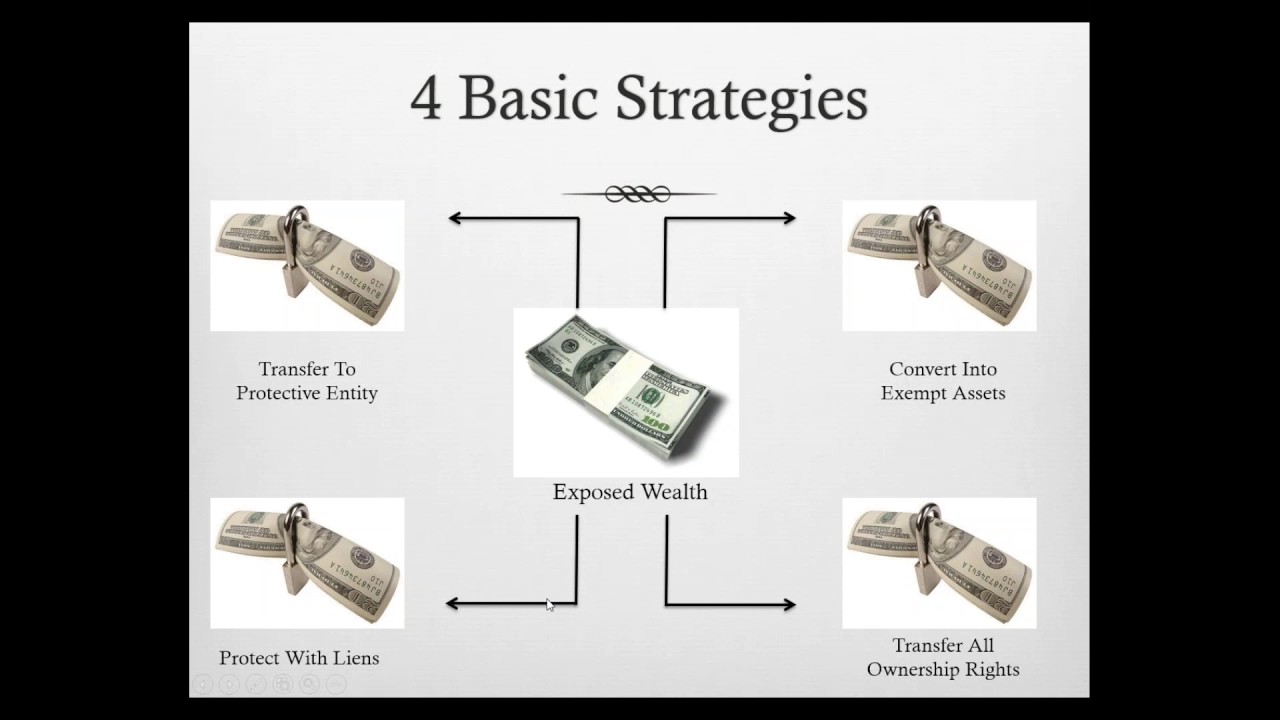


Estate planning is essential for every adult over 18, not just the elderly or terminally ill, as it protects you during emergencies, safeguards your assets and business, and ensures your family is cared for according to your wishes. A will directs asset distribution, appoints an executor, and nominates guardians for children, but becomes public record upon death. A trust allows you to put conditions on money distribution (such as age-based releases or behavioral requirements) and keeps asset transfer private, avoiding the lengthy and costly probate process. Adding a non-married partner or child to a property deed can expose you to their creditors and reduce tax benefits, while marriage provides inherent estate planning advantages. Even single individuals without children need estate planning to protect themselves during medical emergencies and ensure their assets go to chosen beneficiaries rather than the state.
Estate Planning Explained: Wills, Trusts, and Legal Protections
Added:hey what's going on family sir here and i have an amazing guest for you today siobhan siobhan perry with easer legal now this is not the most sexy subject but it's one of those subjects that i believe we all need to educate ourselves on and be prepared have these difficult conversations now so when life happens because not if life is going to happen we're not caught off guard and we are fully protected and protecting our loved ones so with that said i'm about to bring on miss siobhan perry with easer law these are legal forgive me what's going on hey sir thank you for having me no thank you for making time in your day and sharing being willing to share your knowledge and expertise in this subject matter absolutely absolutely so i'm going to jump right in okay um talking about estate planning wills and trust yes uh tell us well first before i jump right in i gave you a quick introduction can you tell us who you are and what you do sure so i am siobhan perry i am owner of easer legal solutions i practice social security disability and estate planning law and that's what i do professionally i also teach at north carolina central university i am a mother of four children i am a wife i am a daughter sister i'm all the things you all are i'm all that nice so basically you're by the grace superwoman god yes and so you just casually put it out there like you teach at north carolina central so we we met we went to the best in my opinion the best law school but i don't know if the site is it do people do assignments i don't know yeah so we are legal eagles yes and so no again that's how i first met you and your husband first question is who needs estate planning who needs a will or a trust sure so everybody needs some kind of estate plan every adult over the age of 18.
when we think of estate planning people think that that is something that only old people need or only someone who's diagnosed with the terminal illness needs in the state plan but i'm here to tell you baby everybody needs one because i like to tell my clients and prospective clients that estate planning does three things number three number one estate planning protects you it protects you while you are alive so my approach to estate planning is a comprehensive approach it's a holistic approach meaning that we're not just talking about who gets what when you pass away we're talking about how do you protect yourself in the event of an emergency god forbid something happens americans are living longer than ever and the likelihood that something may happen to you at any point there's a good chance so if you cannot make decisions for yourself who's gonna make those decisions who's gonna pay your rent who's gonna pay your mortgage who's gonna make sure that your credit doesn't tank because you were sick in the hospital recovering who can access your accounts and negotiate on your behalf so number one it protects you number two it protects your hustle right people are working so hard they are grinding you know they are getting patents and llc's and and trademarks and all of those things are so important but if you don't appoint somebody to make those decisions if something happens to you whether something happens to you for three days or three months or three years everything that you've created was in vain so protects you protects your hustle and then lastly but most important it protects your family and that's the piece where we talk about who takes care of your children if something happens to you it's the time where we talk about who gets what the the part of estate planning that people typically associate with this stake plan so protects you protects your hustle protects your family no you raise excellent points now one thing that even when i have this conversation with people that i don't mention is when you're incapacitated but when you're not able to function as you you know normally do you do need people to you know look after you and who's going to do that that's when it gets really messy sir um i've seen so many situations uh when someone is in the hospital attention sometimes are running high uh families sometimes don't know who's in charge to make what decision and then conflicts arise and sometimes wounds occur that can never can never be restored or healed from i'm if god forbid if something happens to me and i'm in the hospital i'm not the kind of person who i'm gonna want a bunch of pictures of me on facebook and social media like you know pray for bro you know me i'm not i don't post anything i'm with you on that most personal things don't mind some people don't mind so the last thing i want is somebody in charge of making my medical decisions having people come in and taking pictures before and some people don't mind right so really want to make sure and that's just one example but you really want to make sure that the people you empower to make those important decisions for you are consistent with your philosophies and ideals of what you want to happen so i guess this goes into the next question i have for you is how do i have that conversation with my mom how do i how do you recommend i initiate that conversation with my parents um about their so how do i broach that conversation all i gotta do is stay black and die right and those are things that are they're going to happen so we have to beat around the bush so many communities and of the black community and different components of the black diaspora community feel like creating a state plan is somehow speaking negativity over my life and somehow calling something bad to happen to me and know what you are doing is you are making smart decisions while you have a sound mind and an able body to protect yourself and to protect your family it's using wisdom for something that will happen at some point in your life so i have a couple of ways to broach this topic because some people of a certain generation or certain culture will have difficulty talking about this number one hey mom or dad uh did you see what happened to chadwick bozeman he passed away and he had a thrill three million dollar estate and the court costs and fees took one million of those dollars it took two years for his estate to be settled and that's crazy to me have you and dad thought about a plan for yourself a million dollars being lost forever is something that's probably preventable have you all thought about this another way no that's a that's an excellent excellent uh using current events to yeah i like that i like that a lot another way is to shift the conversation from death right let's talk about remember i said number one it protects you so let's talk about um hey mom if something happens to you who do you want to be in charge of making your medical decisions right you've got four kids and i don't want to be fighting you know i'm the oldest i feel like it should be me but at the end of the day i feel like who do you want to make those decisions and when they say hmm i haven't thought about it and they said well i think we should think about this because i want you to have the person you want to make those decisions have you seen what's happened to wendy williams she never appointed somebody to make these decisions and a court did so we don't know what's she doesn't have the power over her health care complete strangers do and i would never want something like that to happen to you oh third one go for it yes i'm sorry okay and the last way is mom or dad i have a consultation for an estate plan for myself i want to make sure your grandchildren are protected god forbid should something ever happen to me or my husband um and i would really like you to be a part of my estate planning process can you join me for the consult and so what happens is it takes the pressure off of mom and dad now they are watching this happen and they have an opportunity to ask the attorney who you're having consult with with questions they'll really get to hear the benefits and it won't be a personal thing for them so my third way is to lead by example go ahead and start your plan you're not too old you're not too young go ahead i love it i love it now for everybody i hope you're definitely listening and paying attention taking notes attorney perry's contact information will be in the description below you can feel free to reach out to her schedule a consultation and ultimately prepare and plan for your estate to double back to the chadwick bozeman and the taxes that came out of his estate uh he lost about a third a third without an estate plan it's very public yes you can look up how much his funeral costs look up how much taxes he had you can look up what he had coming in you can look up how much his wife got how much his parents got so mom or dad or you if you don't create an estate plan what your life has been what all that you've accumulated in all that you've owned will be public record yeah and then for somebody like myself who's private and like yourself i don't want all that information out there now can you share with us the difference between i hear the terms will and the trust being thrown around can you tell us the difference between the two i can but this is going to be a crash course crash course yes for in-depth in-depth yes please reach out to ms perry for a consultation yes a crash course so a will is an essential component of your estate plan it's a great starting point if you don't have anything at all at least do this when you pass away without an estate plan we've talked about one it's public two uh when you pass away without an estate plan the state has a plan whatever state you live in has a plan for how to distribute your assets so if you don't create a plan your state got a plan for you and you may not agree with that plan right i'm sure of dmx who passed away who if you know anything about him he did not have a great relationship with his mother allegedly you know allegedly he was kicked out and all kinds of traumatic inhabitants and who is the person who is making very important decisions about his medical care who's the person who's probably gonna take from his estate plan because he was not married right so when you don't have a will the state has a plan a will directs who do you want to get your assets number one a will directs who do you want to appoint to handle all of your affairs after you pass away that's number two and typically that's called an executor in many states a will also appoints who do you want to take care of your children that's where you do your guardianship nominations so in our crash course three things about a will who gets what who handles your business and who takes care of your children so in general that's what a will does now when we talk about wills in general wills do something called a direct distribution i leave ten thousand dollars to child a ten thousand dollars to child being ten thousand dollars to child c you're just giving them their money there are no strings attached to that if you are interested in having strings attached to your money that's where trust comes in yes so that's a will can you dive in and talk to us about a trust yes so now a trust here's where it's different a trust allows you and again this is a crash course a trust allows you to put strings on your money what do you mean by that so for example if i want to leave 10 000 to my child and we're just using that as an example i can say well i only want them to have 5000 when they turn 18 another 2 000 when they turn 25 and then the remaining balance when they turn 30.
this is where that generational wealth component comes in because i put rules on when they can access the money and how much they can get and that's just an example i can put rules that if i have a child who's struggling with addiction and substance abuse that they i cannot have money unless they are clean for two years so someone else a trustee is managing their expenses for them but they can never have full control unless they um show that they're clean and these are just examples right so i am putting strings on who can have the money and when they can have it i'm not just giving it to them when you give anybody money and a large sum of money uh that money is very vulnerable and a will sometimes gives a 18 year old 50 000 and a great weekend in vegas and that money can be gone so that's an example of the difference between a will and a trust no thank you for breaking that down for us i appreciate it um so on my channel we talk about personal finance real estate yes and the carolinas so i have to talk about real estate and bring real estate into this what are the pros and cons of putting property into a trust or do you recommend putting property into a trust uh yeah and i think it depends too on your usage right so there's all kinds of trust there's land stress there's gun trust there's living revocable trust which is the one of the more popular ones for estate planning tools so i mentioned that a trust is a way for you to put strings on your money but a trust is also private meaning when someone passes away and they've transferred assets into the trust it is private so you cannot go up if chadwick bozeman had had a trust and his assets were in his trust we would not be able to look up all of this would not be public record prince's affairs aretha franklin jackie kennedy you can look up her will online right now you know the former first lady all of that is public a trust is an opportunity to privately pass on assets and to manage your affairs when you pass away so a trust in transferring property into a trust is a way to transfer assets to your beneficiaries to who you want it to in a much simpler and more streamlined approach paint a picture we are all walking around uh imagine a box right we are all walking around holding so many things we have cryptocurrency you might have bitcoin you might have stocks uh you might have investments you might have real estate you might have student loans you might have a target credit card you might have a bank account your mom set up for you when you were five that you forgot about you might have a bank account here that we're all walking around with all of these things when someone passes away all of these things go everywhere and the probate process is trying to pick up all of these pieces everything you owe everything you've accumulated and it's trying to get it all together and sometimes during this process family miss assets you can look up um your state's department of unclaimed assets whatever state you look in and type in your name typing somebody look i help people get money from that all the time and that's just for free look it up right because sometimes you miss assets so when people pass away you're trying to grab all those assets and who does anybody know do do i owe anybody anything does anybody owe me anything let me get all that together before we distribute but when you have a trust you are putting all of your assets into the box you are putting your home into the box you are putting your bank accounts into the box you're putting your stocks into the box you're putting your life insurance policies you're making the trusted beneficiary into the box so when you pass away everything is in the box and everything doesn't spill everywhere you are passing this box nice and neatly to the next generation and they get the box they open it and everything is in there and then they can start managing the assets right away there's not this long process of who gets of re-titling the d to someone of who's paying the mortgage on the home when nobody technically owns it yet he'll give you an example of and i'll make this quick of a woman who passed away and i have permission to share this story she passed away and she had three children um she didn't have much but she managed to purchase a home so this answers your question about transferring real estate she managed to purchase a home and she passed away suddenly and her three children went to live with her sister so i'll refer sister sister is now overwhelmed sister has her own children she now has three more children her sister passed away without an estate plan she didn't understand that there's a probate process and all of this so it took her several months to even just get her bearings who's paying the mortgage on that house for several months while sister is now taking care of all these children and doing her day-to-day tasks you know how much property value has increased in the past couple years i know you know it's crazy it's crazy it's crazy so what happens now is sister is now finding out oh i have to do stuff because mom passed away i didn't know so she's contacting attorneys she's trying to do stuff by the time she gets on board with doing everything that house is foreclosed on yeah now those three children have lost wealth that they can never get back that equity in that home could have sustained them for years yes at that home been in a trust it would have been easy to manage it would have been private she could have sold that house she could have kept that house but it would have all been handled for her right away and instead that family lost generational wealth forever and the bank took it and they made their money from it and that's one example of just have not doing anything can set back a family for for years and i know many examples no that you make a very good point and i like when you said earlier it makes the transfer neat when somebody passes away people need to grieve and they're not like like the sister in your example you have all these other things you're worried about other responsibilities you may have on your shoulders that you don't know the next steps but had it had she had the conversation and put the property into a trust and let her sister know what was taking place or what you know what was in place just in case something happened to her she would be able to it would make it much easier for her and if she's taking care of the kids if she needed to sell that property to have those funds to take care of the kids it would not have been such a burden on on the sister that has that responsibility now yeah um a failure to estate plan can sometimes taint your legacy right yeah because sometimes families fight and bicker so much uh that those cracks cannot be mended and instead of that warm fuzzy feeling or the smell of pound cake that someone used to make or you know a favorite dessert or dish you feel bitter and a little upset because now you're left to pick up all of these pieces an estate plan you know love is a verb it's something that you do and part of loving people is making plans you make plans for college funds you may which i need to do a better job big plans for college funds you make plans for day care you make plans for doctors appointments but you also have to prepare your children your loved ones as to how to survive um without you and you also have to make plans to protect yourself and sometimes protect yourself from yourself because you don't know what mindset is going to be like later i have true i have lots of stories on that too i have i have some clients unfortunately i have to talk to this week to where the parents own a home but their their mind just isn't there so they have the power of attorney for their kid the kids have the power of attorney and and trying to navigate everything it's a tough tough conversations and it's sad but i'm glad that again they did have the power of attorney and are able to help their parents um in this situation yeah and i get those calls sometimes too late i need a power of attorney for somebody and when i talk to the person i'm like i i it's too late because it's found mine to give somebody that power so i'm glad you said power returning because i mentioned earlier that estate plans protect you protect your hustle protect your family so some of the documents and estate plan that protect you is a power of attorney right and a power of attorney gives someone the legal authority to manage your financial affairs if you get into a car accident and someone was negligent a power of attorney will give someone else the ability to start the lawsuit on your behalf someone the ability to negotiate with your mortgage company to negotiate with your apartment your leasing company will give someone the authority to contact your credit cards for forbearance right so a power of attorney you're giving someone that power and then there's also something called a healthcare power of attorney and the healthcare power of attorney does a little bit of what we were talking about earlier gives the person or the people you want to make important healthcare decisions about yourself it gives them the power so they are allowed to right because some people have special friends for years and years and years they just don't get married for whatever reason that's the decision that they make but do not do these documents right so if i am not married but i am in a serious relationship for somebody with 10 or 15 years if something happens to him his mom can come in and say that i'm not allowed to visit his mom can come in and make all of the decisions about his health care and pretty much shut me out because we have not done some of these planning strategies some of these planning tactics so it's very important that when you do your estate plan that you do that comprehensive approach because it's not just about any will sometimes you talk about power of attorney perfect perfect now that leads me into the next question you mentioned having special friends and everything yeah i get people reaching out asking um and they ask like right at the inopportune times to where i don't want to seem like a dick should my boyfriend be on the deed um i know we're talking about estates and all that what do i say yeah hell no i say now again a lot of sometimes this is very an opportunity because like the boyfriend's right there no i tell them i tell them one you need to have this conversation with with an attorney and go and talk about it but i say for now the time being no if that changes you can you can we can draft that up later what would you say as far as if if they're not married should you put your boyfriend or girlfriend on deed or on title of the property i i i support your position i think i do think that every situation um is unique and it's different but there is this myth this mindset that marriage is just a piece of paper and they're like no it's just a piece of paper why do i need to get married and um i'm here to tell you that that's not true it's more than just a piece of paper now there are a lot of strategies and tactics that you can try to do to kind of uh create some of the protections that marriage has but it's more than just a piece of paper there are tax benefits their inherent estate planning benefits that come uh with being married uh especially when we get into more complicated topics we'll say this in part two like step and basis and things along along those lines right so marriage is more than just a piece of paper there it's an institution with inherent benefits and privileges and putting someone on a deed putting someone in your estate plan who you are not married to is okay but be prepared for some of the complications uh that will that may come about from that and these complications there are some complicated components of marriage also but uh i would be reluctant to do that because now you are giving someone part of your legacy uh they're getting the good stuff without necessarily getting some of the more challenging things right so i put somebody on my d but they can walk away and get married to somebody and have a kid tomorrow right and then if something happens to me now this this man who i was with who got a new wife and a new baby and yeah yeah house and now they'll be fighting with my mom or dad they no they actually won't be fighting they'll be owning it together owning it oh they'll be owning it yeah they won't be fighting so you really especially when you have children do you want to compromise your legacy with somebody is you make a very valid point thank you um well while we talk about kids as well so i get the question regarding the boyfriend and we talk about wills and estate planning and they're like well i'm just going to put my child on the d my underage minor child on the deed what would you recommend i would not i would not recommend this i don't know a better term for this but there's like people call it and this is not my term they call like poor man estate planning yeah where people will try to do all these little tactics and strategies to not create a plan just create a plan yes okay putting your child on your deed or on your home exposes you to their potential creditors right now you're vulnerable i don't know about you but i was trying to find my way at 18 right yeah this is very different than making them like an authorized user on your credit card this is very different if they get engaged in some foolishness which children do doesn't make them bad people it's just a season in their life and you know people are finding themselves up until up until 33. i'm going to say what age are we cutting that off 40 45.
i'm knocking on 40. i'm trying to find myself still so anyway you are making yourself vulnerable to your child's debts to your child's creditors and you are also making your child vulnerable to your same issues if your child goes to visit a friend and they fill up a bathtub and they forget about it and they go outside and they flood their friend's condo and now they owe their friend 300 000 for repairs that judgment can come against your home that you put your child on so no another reason why is because now you have also reduced some of the benefits of passing on property through a proper through a proper estate plan you have made them vulnerable for the equity increase and the taxes from when you purchase that home at 150 000 that's now worth 450 000 you have made them vulnerable to those tax increases where if you had transferred it through a proper estate plan they would not be as vulnerable to some of those increases so those are just two examples as to why um i would not necessarily suggest doing that but again every situation is different so i can't say with the iron fist never do that but just understand that these are some of the consequences there's always exceptions there's always exceptions to the exception exactly that's when you know you're really good so the last question i want to wrap up on because i get this as well from single men and single women saying well do i need to estate plan i don't plan on having any kids i'm not gonna get married why i don't need a plan i don't need a will or an estate uh what would you what would your answer to that be absolutely and it goes back to my first piece who do you want to make decisions about you yeah even if it's temporary right you need a plan for that if you have fractured relationships with mom or dad if mom and dad have fractured relationships with each other yeah yeah you need for your piece right if you are on a road to recovery the last thing you want is a person you would never want making decisions without your help to be making decisions yeah right because you might end up back at mama or daddy's house because your credit just tanks because no one was handling your affairs you need an estate plan because you have to protect yourself in the event of a medical emergency you need an estate plan because why should the state get any of your wealth if something happens to you why give it to the people who you want you may be single you may be unmarried but you may have nieces and nephews you might have got children you might have people who you love dearly who you would rather have your assets than a stranger so the than the state so you absolutely need to protect yourself the other thing about estate planning is it helps you get a balanced perspective about what's going on in your life it brings things home it makes it real yeah i talk to people and they're like i don't know who i would want to take care of my kids i can't think of anybody i don't want to think about it well i say first of all mom mama anybody you pick sucks go ahead and accept that now yeah they don't watch you they are not mom they are not dead they're not mommy or daddy so whoever you pick is gonna suck so accept that now except if you don't pick somebody a judge who does not know you and does not know your family they will pick somebody and your child might be in foster care until that decision is made so i need you to get out there and meet people so right so it helps you to understand my village is small i don't i don't i'm not i don't have a lot of couples or friends i need to get out there and meet people right because i need to one find people who would support me if something happens and also it's give and take you have to be willing to support other people so it helps you take inventory of what's going on in your life you might be like hmm i don't know who i could trust to make important medical decisions about myself i i need to make some friends yeah i mean i need to restore that relationship with my brother or my half sister or whoever i need to see what's salvageable because i no man lives on an island and that's very true so it helps you take stock and inventory of what you have going on in your life so that you can protect yourself if something happens to you you know you don't want strangers out there having access to your money and making decisions about you and there's a group of people who are very crafty they're scrammers scammers in every field and are taking advantage of people who are sick or who are grieving it happens right probate court inherit right so remember what i said it's public there are people there who are perusing records to see who receive some money so i can go fall in love with them some money so i can approach them with this business scheme or business plan no thank you for that real quick can you share how everyone can get in contact with you and before you do to those of you are watching if you like this content please leave a comment below also shoot us a message let us know if you would like and i'm putting you on the spot here but if you would like ms perry to come back to do a live a live stream to where if you have questions you can type it in and she can answer your questions uh as they come in so how can they get in contact with you sure so my firm is easerlegal.com i'm on instagram at the savvy mommy which is t-h-e-s-a-b-b-y m-o-m-m-i-e that is also my tick tock you can email me savon that these are legal i am i'm very approachable if i don't respond my intern or assistant will respond and we will let you know which one of us it is but yes i look forward to all the connections i'm just on a mission to empower people to protect themselves and to protect their families because i grew up in a very large family um i am very family oriented and when i was searching for my practice area i just really felt like a good fit for me because i the same way i protect my family i want to make sure your family's protected i love it i love it so please reach out to her schedule a consultation whether it be in person and zoom please reach out to her as you heard a wealth of knowledge and she really has a passion for what she does and i believe it's necessary it's necessary to have an estate in place uh because life happens life happens life happens so thank you again and hopefully we will have you on for a live stream yeah absolutely i would love to do that and thank you so much for having me on this a wonderful conversation and i love everything that you're doing so you have all of my respect and congratulations ah thank you we will talk to you later bye talk to me [Music] we
Up Next
Best Deed for a Revocable Living Trust: Full Guide
@treeoflifelawfirm
17.2K views•2025-01-17
US Secondary Sanctions Impact on EU Businesses and Blocking Legislation
@Bureauvandijk
1.6K views•2019-03-20
Forensic Phonetics: Speaker Identification in Legal Cases
@nptel-nociitm9240
539 views•2025-03-19

Police Interrogation Tactics: False Confessions & Legal Reform
@LastWeekTonight
7M views•2022-04-18
Related Study Plans & Knowledge Roadmaps
Structured learning paths in Law