



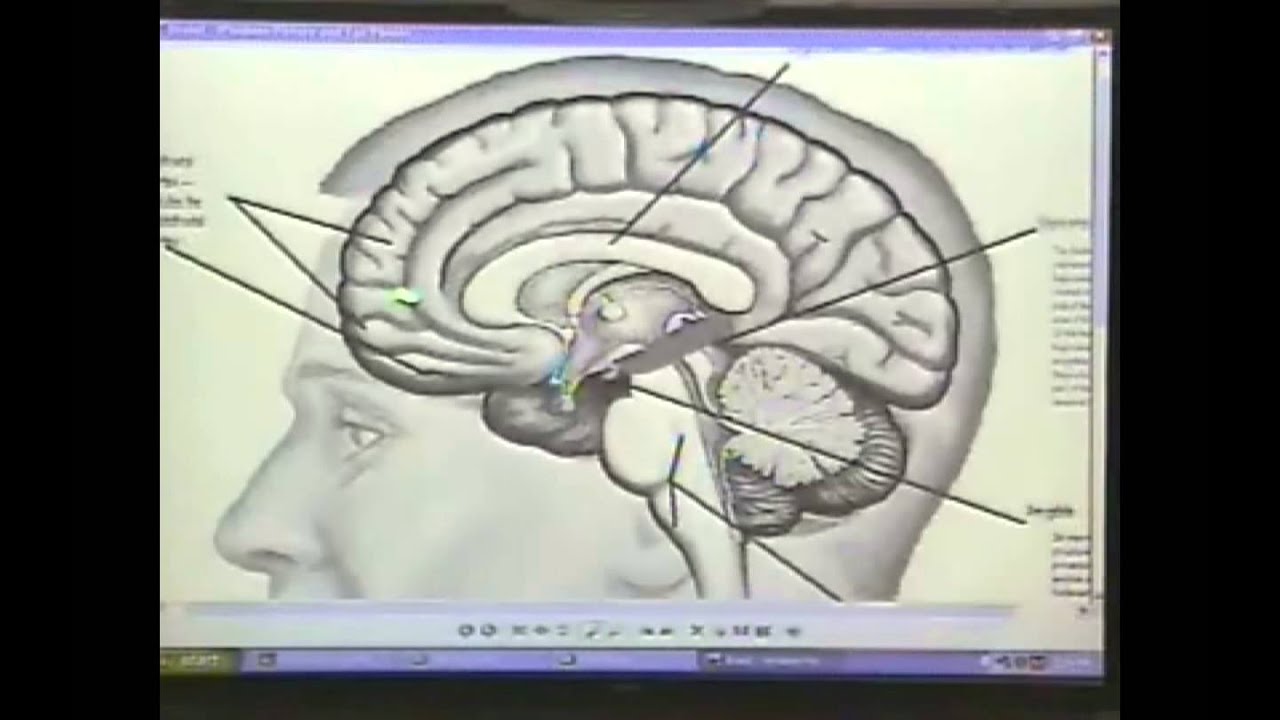












Matt Botvinick, Director of Neuroscience Research at DeepMind, discusses how neuroscience and AI research are converging to understand the human brain, particularly focusing on the prefrontal cortex's role in cognitive flexibility and meta-learning. He explains that while we understand the brain at a high level, there remains a significant gap in understanding the detailed neuronal mechanisms underlying cognition. The prefrontal cortex enables humans to override habitual behaviors and adapt to new contexts, a capability that current AI systems lack. Botvinick explores how meta-learning—where learning algorithms produce other learning algorithms—can emerge spontaneously in recurrent neural networks trained across multiple tasks, potentially mirroring biological mechanisms in the brain. He emphasizes that understanding the mind requires studying both individual cognition and group dynamics, and that the future of AI development depends on creating systems that can genuinely understand and serve human needs while preserving human autonomy and warmth.
Neuroscience, Psychology, and AI with DeepMind's Matt Botvinick
Added:the following is a conversation with Matt Botvinnik director of neuroscience research deep mind he's a brilliant cross-disciplinary mind navigating effortlessly between cognitive psychology computational neuroscience and artificial intelligence quick summary of the ads to sponsors the Jordan Harbinger show and magic spoon cereal please consider supporting the podcast by going to Jordan Harbinger complex and also going to magic spoon complex and using collects a check out after you buy all of their cereal click the links buy the stuff it's the best way to support this podcast and journey I'm on if you enjoy this podcast subscribe on youtube review it with five stars set up a podcast follow on Spotify support on patreon or connect with me on Twitter at Lex Friedman spelled surprisingly without the e just Fri D M a.m.
as usual I'll do a few minutes of ads now and never any ads in the middle that can break the flow of the conversation this episode is supported by the Jordan Harbinger show go to Jordan Harbinger complex it's how he knows I sent you on that page subscribe to his podcast an apple podcast Spotify and you know where to look I've been binging on his podcast Jordan is a great interviewer and even a better human being I recently listened to his conversation with Jack Barsky former sleeper agent for the KGB in the 80s and author of deep undercover which is a memoir that paints yet another interesting perspective on the Cold War era I've been reading a lot about the Stalin and then Gorbachev impudent errors of Russia but this conversation made me realize that I need to do a deep dive into the Cold War era to get a complete picture of Russia's recent history again go to Jordan Harbinger complex subscribe to his podcast that's how he knows I sent you it's awesome you won't regret it this episode is also supported by magic spoon barb keto friendly super amazingly delicious cereal I've been on a keto or very low carb diet for a long time now it helps with my mental performance it helps with my physical performance even during this crazy push up pull up challenge I'm doing including the running it just feels great I used to love cereal obviously I can't have it now because most cereals have a crazy amount of sugar which is terrible for you so I quit eight years ago but magic spoon amazingly somehow is a totally different thing zero sugar 11 grams of protein and only three net grams of carbs it tastes delicious it has a lot of flavors too new ones including peanut butter but if you know what's good for you you'll go with cocoa my favorite flavor and the flavor of Champions click the magic school complex link in the description and use collects a check out for free shipping and to let them know I sent you they've agreed to sponsor this podcast for a long time they're an amazing sponsor and an even better cereal I highly recommend it it's delicious it's good for you you won't regret it and now here's my conversation with Matt Botvinnik how much of the human brain do you think we understand I think we're at a weird moment in the history of neuroscience in the sense that there's a there I feel like we understand a lot about the brain at a very high level but a very very coarse level when you say high level what are you thinking you thinking functional yeah structurally so in other words what is what is the brain for you know what what what kinds of computation does the brain do you know what kinds of behaviors would we have - would we have to explain if we were going to look down at the mechanistic level and at that level I feel like we understand much much more about the brain than we did when I was in high school but what but it's at a very it's almost like we're seeing it a fog it's only at a very coarse level we don't really understand what the the neuronal mechanisms are that underlie these computations we've gotten better at saying you know what are the functions that the brain is computing that we would have to understand you know if we were going to get down to the neuronal level and at the other end of the spectrum we you know in the last few years incredible progress has been made in terms of technologies that allow us to see you know actually literally see in some cases what's going on at the the single unit level even the dendritic level and then there's this yawning gap in between oh that's interesting so it's a high level so there's almost a cognitive science yeah yeah and then at the neuronal level that's neurobiology and neuroscience yeah just studying single neurons the the the the synaptic connections and all the dopamine all the kind of new transmitters one blanket statement I should probably make is that as I've gotten older I have become more and more reluctant to make a distinction between psychology and neuroscience to me the point of neuroscience is to study what the brain is for if you if you if you're if you're a nephrologist and you want to learn about the kidney you start by at by saying what is this thing for well it seems to be for taking blood on one side that has metabolites in it that are that shouldn't be there sucking them out of the blood while leaving the good stuff behind and then excreting that in the form of urine that's what the kidney is for it's like obvious so the rest of the work is deciding how it does that and this it seems to me is the right approach to take to the brain you say well what is the brain for the brain as far as I can tell is for producing behavior it's from going it's for going from perceptual inputs to behavioral outputs and the behavioral output should be adaptive so that's what psychology is about it's about understanding the structure of that function and then the rest of neuroscience is about figuring out how those operations are actually carried out at a mechanistic level it's really interesting but so unlike the kidney the the brain the the gap between the electrical signal and behavior so you truly see neuroscience as the science oh that that touches behavior how the brain generates behavior or how the brain converts raw visual information into understanding like and it's like you you basically see cognitive science psychology and neuroscience is all one science yeah is that a personal statement I said I'm hopeful is that is that a hopeful or a realistic statement so certainly you will be correct in your feeling in some number of years but that number of years could be two hundred three hundred years from now oh well there's a is that aspirational or is that a pragmatic engineering feeling that you have it's it's both in the sense that this is what I hope and expect will bear fruit over the coming decades but it's also pragmatic in the sense that I'm not sure what we're doing in either in either psychology or neuroscience if that's not the framing I don't I don't I don't know what it means to understand the brain if there's no if part of the enterprise is not about understanding the behavior that's being produced I mean yeah but out I would have compared to maybe astronomers looking at the movement of the planets and the stars and without any interest of the underlying physics right and I would argue that there at least in the early days there are some valued is just tracing the movement of the planets and the stars without thinking about the physics too much because it's such a to start thinking about the physics before you even understand even the basic structural elements of oh I agree with that I agree what you're saying in the end the goal should be yeah deeply understand well right and I I think so I thought about this a lot when I was in grad school because a lot of what I studied in grad school was psychology and I found myself a little bit confused about what it meant to it seems like what we were talking about a lot of the time were virtual causal mechanisms like oh well you know attentional selection then selects some object in the environment and that is then passed on to the motor you know information about that is passed on to the motor system but these are these are virtual mechanisms these are you know they're metaphors they're you know that there's no they're not there's no reduction - there's no reduction going on in that conversation to some physical mechanism that you know or which is really what it would take to fully understand you know how how behavior is arising but the causal mechanisms are definitely neurons interacting I'm willing to say that at this point in history so in psychology at least for me personally there was this strange insecurity about trafficking in these metaphors you know which we're supposed to explain the the function of the mind if you can't ground them in physical mechanisms then what you know you know what is the what is the explanatory validity of these explanations and I I managed to I managed to soothe my own nerves by thinking about the history of genetics research so I'm very far from being an expert on the history of this field but I know enough to say that you know Mendelian genetics preceded you know Watson and Crick and so there was a significant period of time during which people were you know continued productively investigating the structure of inheritance using what was essentially a metaphor of gene you know and no genes do this and genes do that but you know where the genes they're they're sort of an explanatory thing that we made up and we we ascribed to them these causal property so there's a dominant there's a recessive and then then they recombine and and and then later there was a kind of blank there that was filled in with it with a with a physical mechanism that connection was made in but it was worth having that metaphor because that's that gave us a good sense of what kind of cause what kind of causal mechanism we were looking for and the fundamental metaphor of cognition you said is the interaction of neurons is that what is the metaphor no no the metaphor the the metaphors we use in in in cognitive psychology are you know things like attention way that memory works you know I I retrieve something from memory right you know a memory retrieval occurs what is the Hat you know that's not that's not a physical mechanism that I can examine in its own right but if we if but it's still worth having that that metaphorical level yeah so yeah I misunderstood actually so the higher level abstractions is the metaphor that's most useful yes but but what about so how does that connect to the the idea that that arises from interaction of neurons well even it is the interaction of neurons also not a metaphor to you is or is it literally like that's no longer a metaphor that's that's already that's already the lowest level of abstractions that could actually be directly studied well I'm hesitating because I think what I want to say could end up being controversial so what I want to say is yes the interaction of the interactions of neurons that's not metaphorical that's a physical fact that's that's where that's where the causal interactions actually occur now I suppose you could say well you know even is metaphorical relative to the quantum events that underlie yes you know I don't want to go down that rabbit hole so is turtles on top potatoes but there is it there isn't there's a reduction that you can do you can say these psychological phenomena are can be explained through a very different kind of causal mechanism which has to do with neurotransmitter release and and so what we're really trying to do in neuroscience writ large you know as I say which for me includes psychology is to take these psychological phenomena and map them on to neural events I think remaining forever at the level of description that is natural for psychology for me personally would be disappointing I want to understand how mental activity arises from neural neural activity but the converse is also true studying neural activity without any sense of what you're trying to explain to me feels like at best groping around you know at random now you've kind of talked about this bridging at the gap between psychology in neuroscience but do you think it's possible like my love is like I fell in love with psychology and psychiatry in general with Freud and when I was really young and I hope to understand the mind and for me understanding the mind at least at a young age before I discovered AI and even neuroscience was to his psychology and do you think it's possible to understand the mind without getting into all the messy details of neuroscience like you kind of mentioned to you it's appealing to try to understand the mechanisms at the lowest level but do you think that's needed that's required to understand how the mind works that's an important part of the whole picture but I would be the last person on earth to suggest that that reality renders psychology in its own right unproductive I trained as a psychologist I I am fond of saying that I have learned much more from psychology than I have from neuroscience to me psychology is a hugely important discipline and and one thing that worms in my heart is that ways of ways of investigating behavior that have been native to cognitive psychology since its you know dawn in the 60s are starting to become they're starting to become interesting to AI researchers for a variety of reasons and that's been exciting for me to see can you maybe talk a little bit about what's what you see is beautiful aspects of psychology maybe limiting aspects of psychology I mean maybe just started off as a science as a field to me was when I understood what psychology is analytical psychology like the way it's actually carried out is really disappointing to see two aspects one is how few how small the end is how many how small the number of subject is in the studies and two was disappointing to see how controlled the entire how how much it was in the lab how it wasn't studying humans in the wild there's no mechanism for studying humans in a while so that's where I became a little bit disillusioned into psychology and then the modern world of the Internet is so exciting to me the Twitter data or YouTube daily data of human behavior on the Internet becomes exciting because then the N grows and then in the wild girls but that's just my narrow sense they give us optimistic or pessimistic cynical view of psychology how do you see the field broadly when I was in graduate school it was early enough that there was still a thrill in seeing that there were ways of doing there were ways of doing experimental science that provided insight to the structure of the mind one thing that impressed me most when I was at that stage in my education was neuropsychology looking at looking at the analyzing the behavior of populations who had brain damage of different kinds and trying to understand what what the what the specific deficits were that arose from a lesion in a particular part of the brain and the the kind of experimentation that was done and that's still being done to get answers in that context was so creative and it was so deliberate you know the it was good science an experiment answered one question but raised another and somebody would do an experiment that answered that question and you really felt like you were narrowing in on some kind of approximate understanding of what this part of the brain was for do you have an example of the memory of what kind of aspects of the mind could be studied in this kind of way oh sure I mean the very detailed neuropsychological studies of language language function looking at production and reception and the relationship between you know visual function you know reading and auditory and semantic and I mean there were these beauty and still are these beautiful models that came out of that kind of research that really made you feel like you understood something that you hadn't understood stood before about how you know language processing is organized in the brain but having said all that you know I I think you know I think you are I mean I agree with you that the cost of doing highly controlled experiments is that you by construction miss out on the richness and complexity of the real world one thing that so I I was drawn into science by what in those days was called connectionism which is of course that you know what we now called deep learning and at that point in history neural networks were primarily being used in order to model human cognition they weren't yet really useful for industrial applications so you always fall in neural networks in biological form beautiful Oh neural networks were very concretely the thing that drew me into science I was handed are you familiar with the the PDP books from from the 80s some when I was in I went to medical school before I went into science and really yeah this thing Wow I also I also did a graduate degree in art history so I'm I kind of explored well art history I understand there's just a curious creative mind but medical school with the dream of what if we take that slight tangent what did you what did you want to be a surgeon I actually was quite interested in surgery I was I was interested in surgery and psychiatry and I thought that must be I must be the only person on the planet who had who was torn between those two fields and III said exactly that to my advisor in medical school who turned out I found out later to be a famous psychoanalyst and and he said to me no no it's actually not so uncommon to be interested in surgery and psychiatry and he conjectured that the reason that people develop these these two interests is that both fields are about going beneath the surface and kind of getting into the kind of secret yeah I mean maybe you understand this as someone who was interested in psychoanalysis and or the stage there's sort of a this you know there's a cliche phrase that people use now on you know like an NPR The Secret Life of Bees like right yeah you know and that was part of the thrill of surgery was seeing you know the secret you know the secret activity that's inside everybody is abdomen and thorax it's a very poetic way to connect it to disciplines that are very practically speaking different each other that's for sure that's for sure yes so so how do we get on to medical school so so I was in medical school and I I was doing a psychiatry rotation and my kind of advisor in that rotation asked me what I was interested in and I said well maybe psychiatry he said why and I said well I've always been interested in how the brain works I'm pretty sure that nobody's doing scientific research that addresses my interests which are I didn't have a word for it then but I would have said about cognition and he said well you know I'm not sure that's true you might you might be interested in these books and he pulled down the the PDB books from his shelf and they were still shrink-wrapped he hadn't read them but he handed to me a hint that inform you said he you can you feel free to borrow these and that was you know I went back to my dorm room and I just you know read them cover to cover and what's PDP parallel distributed processing which was the one of the original names for deep learning and so I apologize for the romanticized question but what what idea in the space of neural size in the space of the human brain is to use the most beautiful mysterious surprising what what had always fascinated me even when I was a pretty young kid I think was the the the paradox that lies in the fact that the brain is so mysterious and so it seems so distant but at the same time it's responsible for the the the the full transparency of everyday life it's the brain is literally what makes everything obvious and familiar and and and there's always one in the room with you yeah I I used to teach when I taught at Princeton I used to teach a cognitive neuroscience course and the very last thing I would say to the students was you know people often when people think of scientific inspiration the the metaphor is often we'll look to the stars you know the stars will inspire you to wonder at the universe and and you know think about your place in it and how things work and and I'm all for looking at the stars but I've always been much more inspired and my sense of wonder comes from the not from the distant mysterious stars but from the extremely intimately close brain yeah there's something just endlessly fascinating to me about that the like just like you said the the one is close and yet distant in in terms of our understanding of it do you are you all so captivated by the the fact that this very conversation is happening because two brains are communicating the I guess what I mean is the subjective nature of the experience if can take a small taejun into the the mystical of it the unconsciousness or or when you are saying you're captivated by the idea of the brain you are you talking about specifically the mechanism of cognition or are you also just like at least for me it's almost like paralyzing the beauty and the mystery of the fact that it creates the entirety of the experience not just the reasoning capability but the experience well I I definitely resonate with that that latter thought and I I often find discussions of artificial intelligence to be disappointingly narrow you know speaking of someone who has always had an interest in in in art great it was just gonna go there cuz it sounds like somebody who has an interest in art yeah I mean I there there there there are many layers to you know to full-bore him and experience and and in some ways it's not enough to say oh well don't worry you know we're talking about cognition but we'll add emotion you know yeah there's there's there's an incredible scope to what humans go through in in every moment and and yes so it's that's part of what fascinates me is that is that our brains are producing that but at the same time it's so mysterious to us how we literally our brains are literally in our heads producing mystics and yet there and yet there's there it's so mysterious to us and so and in the scientific challenge of getting at the the the actual explanation for that is so overwhelming it's not that's just i don't know that certain people have fixations on particular questions and that's always that's just always been mine yeah I would say the poetry that is fascinating and I'm really interested in natural language as well and when you look at our personal intelligence community it always saddens me how much when you try to create a benchmark for the community together around how much of the magic of language is lost when you create that benchmark that there's something would we talk about experience the the music of the language the wit the something that makes a rich experience something that would be required to pass the spirit of the Turing test is lost in these benchmarks and I wonder how to get it back in because it's very difficult the moment you tried to do like real good rigorous science you lose some of that magic when you try to study cognition in a rigorous scientific way it feels like you're losing some of the magic mm-hmm-hmm the the seen cognition in a mechanistic way that AI vote at this stage in our history well okay I I agree with you but at the same time one one thing that I found really exciting about that first wave of deep learning models in cognition was there was the the fact that the people who were building these models were focused on the richness and complexity of human cognition so an early debate in cognitive science which I sort of witnessed as a grad student was about something that sounds very dry which is the formation of the past tense but there were these two camps one said well the the mind encodes certain rules and it also has a list of exceptions because of course you know the rule is a DB but that's not always what you do so you have to have a list of exceptions and and then there were the connectionists who you know evolved into the deep learning people who said well well you know if you look carefully at the data if you look at actually look at corpora like language corpora it's it turns out to be very rich because yes there are there are there's a you know the there most verbs that and you know you just tack on e d and then there are exceptions but there are also there's also there are there are rules that in you know there's the exceptions aren't just random they there are certain clues to which which which verbs should be exceptional and then there are some exceptions to the exceptions and there was a word that was kind of deployed in order to capture this which was quasi regular in other words there are rules but it's it's messy and there there's their structure even among the exceptions and and it would be yeah you could try to write down you could try to write down the structure in some sort of closed form but really the right way to understand how the brain is handling all this and by the way producing all of this is to build a deep neural network and trained it on this data and see how it ends up representing all of this richness so the way that deep learning was deployed in cognitive psychology was that was the spirit of it it was about that richness and that's something that I always found very very compelling still do is it is there something especially interesting and profound to you in terms of our current deep learning neural network artificial neural network approaches and the whatever we do understand about the biological neural networks in our brain is there there's some there's quite a few differences are some of them to you either interesting or perhaps profound in terms of in terms of the gap we might want to try to close in trying to create a human level intelligence what I would say here is something that a lot of people are saying which is that one seeming limitation of the systems that we're building now is that they lack the kind of flexibility the readiness to sort of turn on a dime when this when the context calls for it that is so characteristic of human behavior so is that connected to you to the like which aspect of the neural networks in our brain is that connected to is that closer to the cognitive science level of now again see like my natural inclination is to separate into three disciplines of neuroscience cognitive science and psychology and you've already kind of shut that down by saying you you're kind of see them as separate but just to look at those layers I guess where is there something about the lowest layer of the way the neural neurons interact and that is profound to you in terms of this difference to the artificial neural networks or is all the difference the key difference is at a higher level of abstraction one thing I often think about is that um you know if you take an introductory computer science course and they are introducing you to the notion of Turing machines one way of articulating what the significance of a Turing machine is is that it's a machine emulator it's it can emulate any other machine and that that to me you know that that and it was that way of looking at a deterring machine you know it really sticks with me I think of humans as maybe sharing in some of that character we're capacity limited we're not Turing machines obviously but we have the ability to adapt behaviors that are very much unlike anything we've done before but there's some basic mechanism that's implemented in our brain that allows us to run run software but you're just in that point you mentioned into a machine but nevertheless it's fundamentally our brains are just computational devices in your view is that what you're getting like is it I was a little bit unclear to this line you drew mmm is is is there any magic in there or is it just basic computation I'm happy to think of it as just basic computation but mind you I won't be satisfied until somebody explains to me how what the basic computations are that are leading to the full richness of human cognition yes I mean it's not gonna be enough for me to you know understand what the computations are that allow people to you know do arithmetic or play chess I want I want the whole whole you know the whole thing in a small tangent because you kind of mentioned coronavirus the this group behavior oh sure I is that is there something interesting to your search of understanding the human mind where law behavior of large groups of just behavior of groups is interesting you know seeing that as a collective mind as a collective intelligence perhaps seeing the groups of people as a single intelligent organisms especially looking at the reinforcement learning work mm-hm even done recently well yeah I can't I can't I mean I I have the I have the the honor of working with a lot of incredibly smart people and I wouldn't want to take any credit for for leading the way on the the multi-agent work that's come out of out of my group or deep mine lately but I do find it fascinating and I mean I think there you know I think it it can't be debated you know the human behavior arises within communities that just seems to me self-evident but to me so it is self-evident but that seems to be a profound aspects of something that created that was like if you look at like 2001 Space Odyssey when that well the monkeys touch the yeah like that's the magical moment I think Eva Hari argues that the ability of our large numbers of humans to hold an idea to converge towards idea together like you said shaking and bumping elbows somehow converge like without even like like without you know without being in a room all together just kind of this like distributed convergence towards an idea yeah over a particular period of time seems to be fundamental to to just every aspect of our cognition of our intelligence because humans I will talk about reward but it seems like we don't really have a clear objective function under which we operate but we all kind of converge towards one somehow and that that to me has always been a mystery that I think is somehow productive for also understanding AI systems but I guess I guess that's the next step the first step is trying to understand the mind well I don't know I mean I think there's something to the argument that that kind of bottom like strictly bottom-up approach is wrongheaded in other words you know there are there are basic phenomena that you know you know basic aspects of human intelligence that you know can only be understood in in the context of groups I'm perfectly open to that I've never been particularly convinced by the notion that we should be we should consider intelligence to in here at the level of communities I I don't know why I just I'm sort of stuck on the notion that the basic unit that we want to understand is individual humans and if if we have to understand that in the context of other humans fine but for me intelligence is just I'm stubbornly I stubbornly defined it as something that is you know an aspect of an individual human that's just my time with you with us that could be the reduction is dream of a scientist because you can understand a single human it also is very possible that intelligence can only arise when there's multiple intelligences when there's multiple sort of it's a sad thing if that's true because it's very difficult to study but if it's just one human that one human will not be Homo Sapien would not become that intelligent that's a real that's a possibility I I'm with you well one thing I will say along these lines is that I think I think a serious effort to understand human intelligence and maybe to build a human-like intelligence needs to pay just as much attention to the structure of the environment as to the structure of the you know the the cognizing system whether it's a brain or an AI system that's one thing I took away actually from my early studies with the pioneers of neural network research people like Jay McClelland and John Cohen you know the the structure of cognition is really it's only a only partly a function of the the you know the the architecture of the brain and the learning algorithms that it implements what it's really a function what what what really shapes it is the interaction of those things with the structure of the world in which those things are embedded right and that's especially important for this made most clear and reinforcement learning where I simulate an environment as you can only learn as much as you can simulate and that's what made well deep mine made very clear well the other aspect of the environment which is the self play mechanism of the other agent of the competitive behavior which the other agent becomes the environment essentially yeah and that's I mean one of the most exciting ideas in AI is the self play mechanism that's able to learn successfully so there you go there's a there's a thing where competition is essential for yeah earning yeah at least in that context so if we can step back into another beautiful world which is the actual mechanics the dirty mess of it of the human brain is is there something for people who might not know is there something in common or describe the key parts of the brain that are important for intelligence or just in general what are the different parts of the brain that you're curious about that you've studied and that are just good to know about when you're thinking about cognition well my area of expertise if I have one is prefrontal cortex so what's that or do we it depends on who you ask the the the the the technical definition is has is anatomical it there are there are parts of your brain that are responsible for motor behavior and they're very easy to identify and the region of your cerebral cortex they out needs sort of outer crust of your brain that lies in front of those is defined as the prefrontal cortex and when you say anatomical sorry to interrupt so that's referring to sort of the geographic region yeah as opposed to some kind of functional definition exactly so that it this is kind of the coward's way out and I'm telling you what the prefrontal cortex is just in terms of like what part of the real-estate it occupies the thing in the front of them yeah exactly and and in fact the early history of you know the neuroscientific investigation of what this like front part of the brain does is sort of funny to read because you know it was really it was really World War one that started people down this road of trying to figure out what different parts of the brain the human brain do in the sense that there were a lot of people with brain damage who came back from the war with brain damage and it that provided as tragic as that was it provided an opportunity for scientists to try to identify the functions of different brain regions and it wasn't actually incredibly productive but one of the frustrations that neuropsychologist face was they couldn't really identify exactly what the deficit was that arose from damage to this these most you know kind of frontal parts of the brain it was just a very difficult thing to you know to you know to pin down there were a couple of neuropsychologists who identified through through a large amount of clinical experience in close observation they started to put their finger on a syndrome that was associated with frontal damage actually one of them was a russian neuropsychologist named Gloria who you know students of cognitive psychology still read and and what he started to figure out was that the frontal cortex was somehow involved in flexibility the in in in guiding behaviors that required someone to override a habit or to do something unusual or to change what they were doing in a very flexible way from one moment to another so focused on like new experiences and so the so the way your brain processes and acts in new experiences yeah what later helped bring this function into better focus was a distinction between controlled and automatic behavior or - in in other literature's this is referred to as habitual behavior versus goal directed behavior so it's very very clear that the human brain has pathways that are dedicated to habits to things that you do all the time and they need to be autumn at they don't require you to concentrate too much so the that leaves your cognitive capacity freed you do other things just think about the difference between driving when you're learning to drive versus driving after you're fairly expert there are brain pathways that slowly absorb those frequently performed behaviors so that they can be habits so that they can be automatic for that that's kind of like the purest form of learning I guess it's happening there which is why I mean this is kind of jumping ahead which is why that perhaps is the most useful for us to focusing on and trying to see how artificial intelligent systems can learn is that the way it's interesting I I do think about this distinction between controlled and automatic or goal directed and habitual behavior a lot in thinking about where we are in AI research but but just to finish to finish the the kind of dissertation here the the the role of the front of the prefrontal cortex is generally understood these days sort of in in Contra distinction to that habitual domain in other words the prefrontal cortex is what helps you override those habits it's what allows you to say well what I usually do in this situation is acts but given the context I probably should do why I mean the elbow bump is a great example right if you know reaching out and shaking hands is a probably habitual behavior and it's the prefrontal cortex that allows us to bear in mind that there's something unusual going on right now and in this situation I need to not do the usual thing the kind of behaviors that Luria reported and he built tests for you know detect these kinds of things we're exactly like this so in other words when I stick out my hand I want you instead to present your elbow a patient with frontal damage would have great deal of trouble with that you know somebody preferring their hand would elicit you know a handshake the prefrontal cortex is what allows us to say oh no hold on that's the usual thing but I'm I have the ability to bear in mind even very unusual contexts and to reason about what behavior is appropriate there just to get a sense is our us humans special in the presence of the prefrontal cortex do mice have a prefrontal cortex do other mammals that we can study if you if no then how do they integrate new experiences yeah that's a that's a really tricky question and a very timely question because we have revolutionary new technologies for monitoring measuring and also causally influencing neural behavior in mice and fruit flies and these techniques are not fully available even for studying brain function in in monkeys let alone humans and so it's a it's a very sort of for me at least a very urgent question whether the kinds of things that we want to understand about human intelligence can be pursued in these other organisms and you know to put it briefly there's disagreement you know people who study fruit flies will often tell you hey root flies are smarter than you think and they'll point to experiments where fruit flies were able to learn new behaviors we're able to generalize from one stimulus to another in a way that suggests that they have abstractions that guide their generalization I've had many conversations in which I will start by observing you know recounting some some observation about Mouse behavior where it seemed like mice were taking an awfully long time to learn a task that for a human would be profoundly trivial and I will conclude from that that mice really don't have the cognitive flexibility that we want to explain and that a mouse researcher will say to me well you know hold on that experiment may not have worked because you asked a mouse to deal with stimuli and behaviors that were very unnatural for the mouse if instead you kept the logic of the experiment the same but put you know kind of put it in a you know presented it the information in a way that aligns with what mice are used to dealing with in their natural habitats you might find that a mouse actually has more intelligence than you think and then they'll go on to show you videos of mice doing things in their natural habitat which seem strikingly intelligent you know dealing with you know physical problems you know I have to drag this piece of food back to my you know back to my lair but there's something in my way and how do I get rid of that thing so I think I think these are open questions to put it you know to sum that up and then taking a small step back so related to that is you kind of mentioned we're taking a little shortcut by saying it's a geographic geographic part of the the prefrontal cortex is a region of the brain but if we what's your sense in a bigger philosophical view prefrontal cortex and the brain in general do you have a sense that it's a set of subsystems in the way we've kind of implied that are they're pretty distinct or to what degrees of that or to what degree is it a giant interconnected mess where everything kind of does everything and is impossible to disentangle them I think there's overwhelming evidence that there's functional differentiation that it's clearly not the case that all parts of the brain are doing the same thing this follows immediately from the kinds of studies of brain damage that we were chatting about before it's obvious from what you see if you stick an electrode in the brain and measure what's going on at the level of you neural activity having said that there are two other things to add which kind of I don't know maybe tug in the other direction one is that it's when you look carefully at functional differentiation in the brain what you usually end up concluding at least this is my observation of the literature is that the the differences between regions are graded rather than being discrete so it doesn't seem like it's easy to divide the brain up into true modules where you know that are you know that have clear boundaries and that have you know like like clear channels of communication between them instead lies to the prefrontal cortex yeah oh yeah yeah the prefrontal cortex is made up of a bunch of different sub regions the you know the functions of which are not clearly defined and which then the borders of which seem to be quite vague and then then there's another thing that's popping up in very recent research which you know which involves application of these new techniques which there are a number of studies that suggest that parts of the brain that we would have previously thought were quite focused in their function are actually carrying signals that we wouldn't have thought would be there for example looking in the primary visual cortex which is classically thought of as basically the first cortical way station for processing visual information basically what it should care about is you know where are the edges in this scene that I'm viewing it turns out that if you have enough data you can recover information from primary visual cortex about all sorts of things like you know what what behavior the animal is engaged in right now and what what how much reward is on offer in the task that it's pursuing so it's clear that even even regions whose function is pretty well defined at a course brain are nonetheless carrying some information about information from very different domains so you know the history of neuroscience is sort of this oscillation between the two views that you articulated you know the kind of modular view and then the big you know mush view and you know I think I guess we're gonna end up somewhere in the middle which is which is unfortunate for our understanding because the mod there's something about our you know conceptual system that finds it's easy to think about a modular AI system and easy to think about a completely undifferentiated system but something that kind of lies in between is confusing but we're gonna have to get used to it I think unless we can understand deeply the lower-level mechanism and you're all communicating yeah so yeah on that on that topic you kind of mention information just to get a sense I imagine something that there's still mystery and disagreement on is how does the brain carry information and signal like what in your sense is the basic mechanism of communication in the brain well I I guess I'm old-fashioned in that I consider the networks that we use in deep learning research to be a reasonable approximation to you know the the mechanisms that carry information in the brain so the the the usual way of articulating that is to say what really matters is a rate code it what matters is how how how quickly is an individual neuron spiking how you know what's the frequency at which it's spiking is the timing of the spike yeah is it is it firing fast or slow let's you know let's put a number on that and that number is enough to capture what what neurons are doing there's you know there's still uncertainty about whether that's an an adequate description of how information is is transmitted within the brain there you know there are there are studies that suggest that the precise timing of spikes matters there are studies that suggest that there are computations that go on within the dendritic tree within a neuron that are quite rich and structured and that really don't equate to anything that we're doing in our artificial neural networks having said that I feel like we can get I feel like I feel like we're getting somewhere by sticking to this high level of abstraction just the rate and by the way we're talking about the electrical signal that I remember reading some vague paper somewhere recently where the mechanical signal like the vibrations or something of the of the neurons also communicates and if I haven't seen that but this is there somebody was arguing that the the electrical signal this is in nature paper something like that where the electrical signal is actually a side effect of the mechanical signal but I don't think they changes the story but it's almost the interesting idea that there could be a deeper it's like it's always like in physics with quantum mechanics there's always a deeper story that could be underlying the whole thing but you think is basically the rate of spiking that gets us that's like the lowest hanging fruit that can get us really far this is a this is a classical view I mean this is this is this is not the only way in which this stance would be controversial is it you know in the sense that there are there are members of the neuroscience community who are interested in alternatives but this is really a very mainstream view the way that neurons communicate is that neurotransmitters arrive or you know at a at you know they they wash up on a neuron the neuron has receptors for those transmitters the the the the the meeting of the transmitter with these receptors changes the voltage of the neuro and if enough voltage change occurs then a spike occurs right one of these like discrete events and it's that spike that is conducted down the axon and leads to neuroses this is just this is just like neuroscience 101 this is like the way the brain is supposed to work now what we do when we build artificial neural networks of the kind that are now popular in the AI community is that we don't worry about those individual spikes we just worry about the frequency at which those spikes are being generated and the you know we consider people talk about that as the activity of a neuron and you know so the the activity of units in a deep learning system is you know broadly analogous to the spike rate of a neuron there there are people who who believe that there are other forms of communication in the brain in fact I've been involved in some research recently that suggests that the voltage the voltage fluctuations that occur in populations of neurons that aren't you know that are sort of below the level of a spike production may be important for for communication but I'm still pretty old-school in the sense that I think that the the things that we're building in AI research constitute reasonable models of how a brain would work let me ask just for fun a crazy question because I can do you think it's possible were completely wrong about the way this basic mechanism of your neuronal communication that the information is thought is some very different kind of way in the brain oh heck yes you know I would look I wouldn't be a scientist if I didn't think there was any chance we were wrong but but I mean if you look if you look at the history of deep learning research as it's been applied to neuroscience of course the vast majority of deep learning research these days isn't about neuroscience but you know if you go back to the 1980s there's a you know sort of an unbroken chain of research in in which a particular strategy is taken which is hey let's train a deep a deep learning system let's train a multi-layer neural network on this task that we trained our you know backbone or our monkey on or this human being on and then let's look at what the units deep in the system are doing and let's ask whether what they're doing resembles what we know about what neurons deep in the brain are doing and over and over and over and over that strategy works in the sense that the learning algorithms that we have access to which typically send our own back propagation they give rise to you know patterns of activity patterns of response patterns of like neuronal behavior and these in these artificial models that look haunting Lisa hauntingly similar to what you see in the brain and you know is that a commune yes incidences at a certain point it starts looking like such coincidence is unlikely to not be deeply meaningful yeah yeah that's yeah the circumstantial evidence is overwhelming but it could be always open to a total of flipping a table yeah of course so you have co-authored several recent papers that sort of weave beautifully between the world of neuroscience and artificial intelligence and this maybe if we could can we just try to dance around and talk about some of them maybe tried to pick up the interesting idea as a jump to your mind from memory so maybe looking at we're talking about the prefrontal cortex the 2018 I believe paper called the prefrontal cortex as a matter of reinforcement learning system what is there a key idea that you can speak to from that paper yeah the I mean the key idea is about meta learning so what is meta learning meta learning is by definition a situation in which you have a learning algorithm and the learning algorithm operates in such a way that it gives rise to another learning algorithm in the in the earliest applications with this idea you had one learning algorithm sort of adjusting the parameters on another learning algorithm but the case that we're interested in this paper is one where you start with just one learning algorithm and then another learning algorithm kind of emerges out of the kind of thin air I can say more about what I mean by that I don't mean to be um you know your entities but that's the idea of meta learning you you it relates to the old idea and psychology of learning to learn situations where you you you have experiences that make you better at learning something new like a group a familiar example would be learning a foreign language the first time you learn a foreign language it may be you know quite laborious and disorienting and a novel but if you let's say you've learned to two foreign languages the third foreign language obviously is going to be much easier to pick up and why because you've learned how to learn you know how this goes you know okay I'm gonna have to learn how to conjugate I'm gonna happen that's a that's a simple form of meta learning right in the sense that there's some slow learning mechanism that's giving that's helping you kind of update your fast learning mechanism that that that makes you so how from from our understand from the psychology world from neuroscience honor our understanding how meta learning works might work in the human brain what what lessons can we draw from that that we can bring into the artificial intelligence world well yeah so we the origin of that paper was in AI work that that we were doing in my group we were we were looking at what happens when you train a recurrent neural network using standard reinforcement learning algorithms but but you train that network not just in one task but you train it in a bunch of interrelated tasks and then you ask what happens when you give it yet another task in that sort of line of interrelated tasks and and what we started to realize is that a form of meta learning spontaneously happens in in recurrent neural networks and and the simplest way to explain it is to say a recurrent a recurrent neural network has a kind of memory in its activation patterns it's recurrent by definition in the sense that you have units that connect to other units that connect to other units so you have sort of loops of connectivity which allows activity to stick around and be updated over time in psychology we call in neuroscience we call this working memory it's like actively holding something in mind and and and so that memory gives the recurrent neural network of dynamics right the way that the activity pattern evolves over time is inherent to the connectivity of the recurrent neural network okay so that's that's idea number one now the dynamics of that network are shaped by the connectivity by the synaptic weights and those synaptic weights are being shaped by this reinforcement learning algorithm that you're you know training the network with so the punchline is if you train a recurrent neural network with a reinforcement learning algorithm that's adjusting its weights and you do that for long enough the activation dynamics will become very interesting right so imagine imagine I give you a task where you have to press one button or another left button or right button and some time in and there's some probability that I'm going to give you an M&M if you press the left button and there's some probability I'll give you an M&M if you press the other button and you have to figure out what those probabilities are just by trying things out but as I said before instead of just giving you one of these tasks I give you a whole sequence you know I give you two buttons and you figure out which one's best and I go good job here's here's a new box two new buttons you have to figure out which one's best good job here's a new box and every box has its own probabilities and you have to figure so if you train a neural net a recurrent neural network on that kind of sequence of tasks the what happens it seemed almost magical to us when we first started kind of realizing what was going on the slow learning algorithm that's justing the the synaptic weights though those slow synaptic changes give rise to a network dynamics that them cell that you know the dynamics themselves turn into a learning algorithm so in other words you can you can tell this is happening by just freezing the synaptic weights saying okay no more learning you're done here's a new box figure out which button is best and the recurrent neural network will do this just fine there's no like it figures out which which button is best it train it kind of transitions from exploring the two buttons to just pressing the one that it likes best in a very rational way how is that happening it's happening because the activity of the day the activity dynamics of the network have been shaped by this slow learning process that's occurred over many many boxes and so what's happened is that this slow learning algorithm that's slowly adjusting the weights is changing the dynamics of the network the activity dynamics into its own learning algorithm and as we were as we were kind of realizing that this is the thing it just so happened that the group that was working on this included a bunch of neuroscientists and it started kind of ringing a bell for us which is to say that we thought this sounds a lot like the distinction between synaptic learning and activity synaptic memory and activity based memory in the brain and it also reminded us of recurrent connectivity that's very characteristic of prefrontal function so there this is this is kind of why it's good to have people working on AI that know a little bit about neuroscience and vice-versa because we started thinking about whether we could apply this principle to neuroscience and that's where the paper came from so the kind of principle of the the recurrence they can see in the prefrontal cortex then you start to realize that is possible too for something like an idea of a learning to learn emerging from this learning process as long as you keep varying the environment sufficient zactly so so the kind of metaphorical transition we made to neuroscience was to think okay well we know that the prefrontal cortex is highly recurrent we know that it's an important locus for working memory for active activation based memory so maybe the prefrontal cortex supports reinforcement learning in other words you what is reinforcement learning you take an action you see how much reward you got you update your policy of behavior maybe the prefrontal cortex is doing that sort of thing strictly in its activation patterns it's keeping around a memory in its activity patterns of what you did how much reward you got and it's using that that activity based memory as a basis for updating behavior but then the question is well how did the prefrontal cortex get get so smart in other words how did it where did these activity dynamics come from how did that program that's implemented in the recurrent dynamics of the prefrontal cortex arise and one answer that became evident in this work was well maybe maybe the mechanisms that operate on the synaptic level which we believe are mediated by dopamine are responsible for shaping those dynamics so this may be a silly question but because this kind of several temporal of classes of learning are happening and so the learning to learn is emerges can it just can you keep building stacks of learning to learn to learn learning to learn to learn to learn to learn because it keeps I mean basically abstractions of more powerful abilities to generalize of learning complex rules yeah or is this that's over stretching the this kind of mechanism well what at one of the one of the people in AI who started thinking about meta learning from there very early on your ganancia tuber sort of cheekily suggested I think it is it may have been in his PhD thesis that we should think about meta meta meta meta meta meta learning you know that that's really that's really what's going to get us to true intelligence certainly there's a poetic aspect to it and it seems interesting and correct that that kind of level of abstraction would be powerful but is that something you see in the brain this kind of is it useful to think of learning in these meta meta meta way or is it just meta learning well one thing that really fascinated me about this mechanism that we were starting to look at and you know other groups started talking about very similar things at the same time and and then a kind of explosion of interest in metal learning happened in the AI community shortly after that I don't know if we had anything to do with that but but I was gratified to see that a lot of people started talking about meta learning one of the things that I like about the kind of flavor of meta learning that we were studying was that it didn't require anything special it was just if you took a system that had some form of memory that the function of which could be shaped by picture RL algorithm then this would just happen yes right I mean there there there are a lot of forms of there are a lot of meta learning algorithms that have been proposed since then that are fascinating and effective in in their you know in their domains of application but they're you know they're engineered they're they're things that you had to say well see if we wanted meta learning to happen how would we do that here's an algorithm that would but there's something about the kind of meta learning that we were studying that seemed to me special in the sense that it wasn't an algorithm it was just something that automatically happened if you had a system that had memory and it was trained with a reinforcement learning algorithm in and in that sense it can be as meta as it wants to be right it there's no limit on how abstract the the meta-learning can get because it's not reliant on the human engineering a particular metal learning algorithm to get there and and that's I I also I don't know I guess I hope that that's relevant in the brain I think there's a kind of beauty in the in in the ability of this emergent the emergent aspect of it yeah it's engineered exactly it's something that just it just happens in in in a sense in a sense you can't avoid this happening if you have a system that has memory and the function of that memory is shaped by reinforcement learning and this system is trained in a series of interrelated tasks this is gonna happen you can't stop it as long as you have certain properties maybe like of a current structure too you have to have memory it actually doesn't have to be a recurrent neural network when a paper that I was honored to be involved with even earlier used a kind of slot based memory you remember the title just it was memory augmented neural networks I think it what I too was meta learning in memory augmented neural networks and and you know it was the same exact story you know if you have a system with memory here it was a different kind of memory but the function of that memory is shaped by reinforcement learning here it was the root you know the reads and writes that occurred on this slot based memory this yeah this will just happen and and and so this but this brings us back to something I was saying earlier about the importance of the environment the this this will happen if the system is being trained in a setting where there's like a sequence of tasks that all share some abstract structure you know sometimes talk about tasks distributions and that's something that's very obviously true of the world that humans inhabit we're we're constantly like if you just kind of think about what you do every day you never you never do exactly the same thing that you did the day before but everything that you do is sort of has a family resemblance it shares structure with something that you did before and so you know the the real world is sort of you know saturated with this kind of this property it's an endless variety with endless redundancy and that's the setting in which this kind of meta learning happens and it does seem like we're just so good at finding just like in this emergent phenomena you describe we're really good at finding that redundancy finding those similarities the family resemblance some people call it sort of what is it Melanie Mitchell was talking about analogies so we were able to connect concepts together in in this kind of way in in this same kind of automated emergent way which if there's so many echoes here of psychology neuroscience and obviously now with reinforcement learning with recurrent neural networks at the core if we could talk a little bit about dopamine you have really you're a part of co-authoring really exciting recent paper very recent in terms of release on dopamine and temporal difference learning can you describe the key ideas of that paper sure yeah I mean one thing I want to pause to do is acknowledge my co-authors on actually both of the papers we're talking about so the this dopamine I'll just I'll certainly post all their names okay wonderful yeah as I you know I I'm sort of abashed to be the spokesperson for these papers when I had such amazing collaborators on both so it's a it's a comfort to me to know that you all have you all acknowledge that yeah it's not an incredible team there but yeah so yeah it's such a it's so much fun and and in the case of the the dopamine paper we also collaborated with now ochite at Harvard who you know what a paper simply wouldn't happened without him but so so you were asking for like a thumbnail sketch of yes thumbnail sketch or key ideas or you know things the insights that no continued on our kind of discussion here between euros and yeah yeah I mean this was another a lot of the work that we've done so far is taking ideas that have bubbled up in AI and you know asking the question of whether the brain might be doing something related which I think on the surface sounds like something that's really mainly of use to neuroscience we see it also as a way of validating what we're doing on the AI side if we can gain some evidence that the brain is using some technique that we've been trying out in our AI work that gives us confidence that you know it may be a good idea that it'll you know scale to rich complex tasks that it'll interface well with other mechanisms so you see is a two-way Road yeah for just because a particular paper is a little bit focused on from one to the from a yeah from you'll network's to neuroscience ultimately the discussion the thinking the productive long-term aspect of it is the the two-way Road nature of the whole and yeah I mean we we've talked about the notion of a virtuous circle between AI and neuroscience and you know the way I see it that's always been there since the two fields you know jointly existed there have been some phases in that history when AI was sort of ahead there are some phases when neuroscience was sort of ahead I feel like given the bursts of innovation that's happened recently on the AI side AI is kind of ahead in the sense that they're all of these ideas that we you know we you know for which it's exciting to consider that there might be neural analogs and neuroscience you know in a sense has been focusing on approaches to studying behavior that come from you know that are kind of derived from this earlier era of cognitive psychology and you know so in some ways fail to connect with some of the issues that we're you know grappling with in AI like how do we deal with you know you know complex environments but I've you know I think it's inevitable that this circle will keep turning and there will be a moment in the not too different distant future when neuroscience is pelting AI researchers with insights that may change the direction of our work just as just a quick human question is it you have parts of your brain this is very meta but they're able to both think about neuroscience and AI you know I don't often meet people like that do you do you think let me ask a meta plasticity question you think a human being can be both good at AI and neuroscience is like what on the team at deep mind what kind of human can occupy these two realms and is that something you see everybody should be doing can be doing or is it a very special few can kind of jump just like we thought about our history I would think it's a special person that can major in art history and also consider being a surgeon otherwise known as a dilettante yeah easily distracted no I I think it does take a special kind of person to be truly world-class at both AI and neuroscience and I am not on that list I happen to be someone who whose interest in neuroscience and psychology involved using the kinds of modeling techniques that are now very central in AI and that sort of I guess bought me a ticket to be involved in all of the amazing things that are going on in AI research right now I do know a few people who I would consider pretty expert on both fronts and I won't embarrass them by naming them but you know there are there are like exceptional people out there who are like this the the one the one thing that I find is a is a barrier to being truly world-class on both fronts is is the just the the complexity of the technology that's involved in both disciplines now so the the engineering expertise that it takes to to do you know truly frontline hands-on AI research is really really considerable the learning curve of the tools just like the specifics of just whether it's programming or the kind of tools necessary to collect the data to manage the data to distribute to compute all that kind of stuff yeah and on the neuroscience I guess side there'll be all different sets of tools exactly especially with the recent explosion in you know in neuroscience methods so but but how you know so having said all that I I think I think the rule I think the best scenario for both neuroscience and AI is to have people who interacting who live at every point on this spectrum from exclusively focused on neuroscience to exclusively focused on the engineering side of AI but but to have those people you know inhabiting a community where they're talking to people who live elsewhere on the on the spectrum and I be I may be someone who's very close to the center in in the sense that I have one foot in the neuroscience world and one foot in the AI world in and and that central position I will admit prevents me at least someone with my limited cognitive capacity from being a truly you know true having true technical expertise in any you know either domain but at the same time I at least hope that it's worthwhile having people around who can kind of you know see the connections if the community the yeah the the emergent intelligence of the community yeah yeah that's nicely distributed is useful okay exactly yeah so hopefully but I mean I've seen that work I've seen that work out well at D mind there there are there are people who I mean even if you just focus on the AI work that happens a deep mind it's been a good thing to have some people around doing that kind of work whose PhDs are in neuroscience or psychology every every academic discipline has its kind of blind spots and kind of unfortunate obsessions and it's metaphors and it's reference points and having some intellectual diversity is is really healthy people get each other unstuck I think I see it all the time at deep mind and you know I like to think that the people who bring some neuroscience background to the table are helping with that so one of the one of them I like probably the deepest passion for me what I would say maybe who kind of spoke off mic a little bit about it but that that I think is a blind spot for at least robotics and AI folks is human robot interaction human agent interaction maybe idea of thoughts about how we reduce the size of that lines but do you also share the feeling that not enough folks are studying this aspect of interaction well I I'm I'm actually pretty intensively interested in this issue now and there are people in my group who've actually pivoted pretty hard over the last few years from doing more traditional cognitive psychology and cognitive neuroscience to doing experimental work on human agent interaction and there are a couple of reasons that I'm pretty passionately interested in this one is it's kind of the outcome of having thought for a few years now about what we're up to like what were you like what are we doing like what what is this what is this aid AI research for so what does it mean to make the world a better place I think I'm pretty sure that means making life better for humans yeah and so how do you make life better for humans that's that's a proposition that when you look at it carefully and honestly is rather horrendously complicated especially when the AI systems that your that your building our learning systems they're not you're not you know programming something that you then introduce to the to the world and it just works as programmed like Google Maps or something we're building systems that that learn from experience so you know that that typically leads to AI safety questions how do we keep these things from getting out of control how do we keep them from doing things that harm humans and I mean I hasten to say I consider those hugely important issues and there are large sectors of the research community a deep mind and of course elsewhere who are dedicated to thinking hard all day every day about that but there's a there's I guess I guess I would say a positive side to this too which is to say well what would it mean to make human life better oh and and how how can we imagine learning systems doing that and and in talking to my colleagues about that we reached the initial conclusion that it's not sufficient to philosophize about that you actually have to take into account how humans actually work and what humans want and the difficulties of knowing what humans want and the difficulties that arise when humans want different things and and so human agent interaction has become you know a quite a quite intensive focus of my group lately if for no other reason that in order to really address that that issue in an adequate way you have to I mean psychology becomes part of the picture yeah and then so there's a few elements there so if you focus on solving into like the if you focus on the robotics problem let's say a GI without humans in the picture is you're missing fundamentally the final step you when you do want to help human civilization you eventually have to interact with humans and when you create a learning system just as you said that will eventually have to interact with humans the interaction itself has to be become has to become part of the learning process right so you can't just watch well my sense is it sounds like your senses you can't just watch humans to learn about humans yeah you have to also be part of the human world you have to interact with humans yeah exactly and I mean then questions arise that start imperceptibly but inevitably to slip beyond the realm of engineering so questions like if you have an agent that can do something that you can't do under what conditions do you want that agent to do it so you know if you know if I if I have a if I have a robot that can play Beethoven sonatas better than any human in the sense that the you know the the sensitivity the express the expression is just beyond what any human do I do I want to listen to that do I want to go to a concert and hear a robot play these are these are these are an engineering questions these are questions about human preference and human culture and psychology bordering and philosophy yeah and then and then you start asking well well even if we knew the answer to that is it our place as AI engineers to build that into these agents probably the agents should interact with humans beyond the population of AI engineers and figure out what those humans want yeah and then you know when you start I referred this the moment ago but even that becomes complicated be quote what if what if 2-8 what if two humans want different things and and you have only one agent that's able to interact with them and try to satisfy their preferences then you're into the realm of of of like economics and social choice theory and and even politics so there's a sense in which if you if you kind of follow what we're doing to its logical conclusion then it goes beyond questions of engineering and technology and you know starts to shade and perceptibly into questions about what kind of society do you want and actually that once once that dawned on me I actually felt I don't know what the right word is quite refreshed in my in my involvement in AI research it's almost like this building this kind of stuff is gonna lead us back to asking really fundamental questions about what's you know what is this like look what's the good life and yeah who gets to decide and and you know you know bringing in viewpoints from multiple sub communities to help us you know shape the way that we live this it's it's there's something it it started making me feel like doing a a I research in you know fully responsible away would you know could potentially lead to a kind of like cultural renewal yeah it's it's the way done it's the it's the way to understand human beings at the individual at the societal level it may become a way to answer all the silly human questions of the meaning of life and all the all those kinds of things but if it doesn't even if it doesn't give us a way of answering those questions it may force us back to thinking about thinking about you know and it might bring it it might bring it might restore a certain I don't know a certain depth to or even dare I say spirituality to the way that you know to to to the world I don't think maybe that you crann do switch well I don't think I I'm with you I think it's a it's a I will be that's one of the philosophy of the 21st century the way which will open the door I think a lot of a I researchers are afraid to open that door of exploring the view beautiful richness of the human agent interaction human AI interaction I'm really happy that somebody like you have opened to that door and I think one thing I often think about is you know the the the usual the usual schema for thinking about human human agent interaction is this kind of dystopian you know oh you know where our robot overlords and and again I hasten to say AI safety is usually working and I you know I'm not saying we shouldn't be thinking about those risks totally on board for that but there's a what having said that there's a there's a I what often follows for me is the thought that you know there's another there's another kind of narrative that might be relevant which is when we think of when we think of humans gaining more and more information about you know like human life the the narrative there is usually that they've gained more and more wisdom and more you know they get closer to enlightenment and you know and they become more benevolent and you know like the Buddha is like the like that's that's a totally different narrative and why isn't it the case that we we imagine that the the AI systems that we're creating and just kind of like they're gonna figure out more and more about the way the world works and the way that humans interact and they'll they'll become beneficent I'm not saying that will happen I'm not you know III I'm I don't honestly expect that to happen without some careful setting things up very carefully but it's another way things could go right and yeah and I would even push back on that I believe that the most trajectory's natural human trajectories will lead us towards progress so for me there is a kind of sense that most trajectories in AI development will lead us into trouble you mean and and we over focus on the worst case it's like in computer science theoretical computer science has been this focus on worst-case analysis there's something appealing to our human mind at some lowest level to be mean we don't want to be eaten by the tiger I guess so we want to do the worst-case analysis but the reality is that shouldn't stop us from actually building out all the other trajectories which are potentially leading to all the positive world's all the all the Enlightenment this book in language now with Steven Pinker and so on this looking generally at human progress and there's so many ways the human progress can happen with AI it's and I think you have to do that research you have to do that work you have to do the not just AI safety work of the one worst case analysis how do we prevent that but the the actual tools and the glue and the mechanisms of human AI interaction that would lead to all the positive yeah isn't go yes super exciting area right yeah you know we should be spending we should be spending a lot of our time saying what can go wrong I think it's harder to see that there's work to be done to bring into focus the question of what what it would look like for things to go right yeah that it's you know that's not obvious there and we wouldn't be doing this if we didn't have the sense there was huge potential right we're not doing this you know you know for no reason we we have a sense that AG I would be a major boom to humanity but I think I think it's worth starting now even when our technology is quite primitive asking well exactly what would that mean we can start now with applications that are already gonna make the world a better place like you know solving protein folding you know I I think this deep mind has gotten heavy into science applications lately which i think is you know you know a wonderful wonderful move for us to be making but when we think about AGI when we think about building you know fully intelligent agents that are gonna be able to in a sense do whatever they want you know we should start thinking about what do we want them to want what what what kind of world do we want to live in that's not an easy question and if you think we just need to start working on it and even on the path to sort of it doesn't have to be AG I was just intelligent agents that interact with us and help us enrich our own existence on social networks for example on recommender systems and various intelligence there's so much interesting interaction that's yet to be understood and studied and you know how how do you create I mean Twitter's is struggling with this very idea how do you create AI systems that increase the quality in the health of a conversation for sure it's a beautiful beautiful human psychology question and how do you do that without without deception being involved without manipulation being involved you know maximizing human autonomy and how do you how do you make these choices in a democratic way how do you how do we how do we face the how do we again I'm speaking for myself here how do we face the fact that it's a small group of people who have the skill set to build these kinds of systems but the you know what it means to make the world a better place is something that we all have to be talking about yeah the kind of the world the that we're trying to make a better place includes a huge variety of different kinds of people yeah how do we cope with that this is this is a problem that has been discussed you know in in Gori extensive detail in social choice theory you know there one thing I'm really enjoying about the recent direction work has taken in some parts of my team is that yeah we're reading the IEEE literature we're reading the neuroscience literature but we've also started reading like economics and as I mentioned social choice Theory even some political theory because it turns out that it's you know it all becomes relevant it all becomes relevant and but you know at the same time we've been trying not to write philosophy papers right we've been trying not to write position papers we're trying to figure out ways of doing actual empirical research that kind of take the first small steps to thinking about what it really means for humans with all of their complexity and contradiction and you know paradox and you know to be bought and to be brought into contact with these API systems in a way that then it really makes the world a better place often reinforcement learning frameworks actually kind of allow you to to do that machine learning and so that that's the exciting thing about AI is allows you to reduce the unsolvable problem philosophical problem into something more concrete that you can get ahold of yeah and it allows you to kind of define the problem in some way that allows for growth in the system that sort of beat you know you're not responsible for the details right you say this is generally what I want you to do and then learning takes care of the rest of course the safety issues are you know arise in that context but I think also some of these positive issues arise in that context what would it mean for an AI system to really come to understand what humans want and you know in if you know in with all of the subtleties of that right you know humans humans want help with certain things but they don't want everything done for them right there is part of part of the satisfaction that humans get from life is in accomplishing things so if there were devices around that did everything for him you know I often think of the movie wall-e yeah that's like dystopian in a totally different ways like the machines are doing everything for us that's that's not what we want it um you know anyway I just I find this you know this kind of this opens up a whole landscape of research that feels affirmative yeah and it's not to me it's one of the most exciting and it's wide open yeah we have to because it's a cool paper talk about dopamine oh yeah okay so I can let's we were gonna we were gonna I was gonna give you a quick summary here's a quick summary of uh what's the title of the paper I I think we called it a distributional distributional code for value in dopamine based reinforcement learning yes so that's another project that grew out of pure AI research a number of people that deep mind and a few other places had started working on a new version of reinforcement learning it would the which was defined by taking something in traditional reinforcement learning and just tweaking it so the thing that they took from traditional reinforcement learning was a value signal so that the at the center of reinforcement learning at least most algorithms is some representation of how well things are going your expected cumulative future reward and that's usually represented as a single number so if you imagine a gambler in a casino and the gamblers thinking well I have this probability of winning such and such an amount of money and I have this probability of losing such and such an amount of money the that situation would be represented as a single number which is like the expected the the weighted average of all those outcomes and this new form of reinforcement learning said well what if we what if we generalize that to distributional representation so now we think of the gambler as literally thinking well there's this probability that I'll win this amount of money and there's this probability that I'll lose that amount of money and we don't reduce that to a single number and it had been observed through experiments through you know just trying this out that that rep that kind of distributional representation really accelerated reinforcement learning and led to better policies what's your intuition about so we're talking about rewards yeah so what's the intuition why that is why what is it well it's an it's kind of a surprising historical note at least surprised me when I learned it that this had been tried out in a kind of heuristic way people thought well gee what would happen if we tried and then it had this empirically it had this striking effect and it was only then that people started thinking well gee why wait why wait why why is this working and and that's led to a series of studies just trying to figure out why it works it which is ongoing but one thing that's already clear from that research is that one reason that it helps is that it drives richer representation learning so if you imagine imagine two situations that have the same expected value they're the same kind of weighted average value Stan deep reinforcement learning algorithms are going to take those two situations and kind of in terms of the way they're represented internally dozen ex-squeeze them together because the the thing that you're trying to represent which is their expected value is the same so all the way through the system things are going to be mushed together but what if in what if what if those two situations actually have different value distributions they have the same average value but they have different distributions of value in that situation distributional learning will will maintain the distinction between these two things so to make a long story short distribution of learning can keep things separate in the internal representation that might otherwise be conflated or squished together and maintaining those distinctions can be useful in in when the system is now faced with some other task where the distinction is important if we look at the optimistic and pessimistic dopamine neurons so first of all what is dopamine why is this why is it all useful to to think about in the artificial intelligence sense but what do we know about dopamine in the human brain what is what is it why is it useful why is it interesting what does have to do with the prefrontal cortex and learning in general yeah so well there's this hint this is also some a case where there is a huge amount of detail and debate but one one one currently prevailing idea is that the function of this neurotransmitter dopamine resembles a particular component of standard reinforcement learning algorithms which is called the reward prediction error so I was talking a moment ago about these value representations how do you learn them how do you update them based on experience well if you if you made some prediction about a future reward and then you get more reward than you were expecting then probably retrospectively you want to go back and increase the value representation that you attached to the earlier situation if you got less reward than you were expecting you should probably decrement that estimate and that's the process of temporal difference exactly this is the central mechanism of temporal difference learning which is one of several kind of you know kind of back them sort of the backbone of our armamentarium in in RL and it was this connection between the world prediction error and dopamine was was made you know in the in the 1990s and there's been a huge amount of research that you know seems to back it up dopamine made to be doing other things but this is clearly at least roughly one of the things that it's doing but the usual idea was that dopamine was representing these reward prediction errors again in this like kind of single number way that representing your surprise you know it with a single number and in distribution ilaria forcement learning this this kind of new elaboration of the standard approach it's not only the value the value function that's represented as a single number it's also the reward prediction error and so what happened was that will Dabney one of my collaborators who was one of the first people to work on distributional temporal difference learning talked to a guy in my group will Chris Nelson who's a computational neuroscientist and said gee you know is it possible that dopamine might be doing something like this distributional coding thing and they started looking at what was in the literature and then they brought me in we started talking to now ochita and we came up some with some specific predictions about you know if the brain is using this kind of distributional coding then in the tasks that now has studied you should see this this this and this and that's where the paper came from we kind of enumerated a set of predictions all of which ended up being fairly clearly confirmed and all of which leads to at least some initial indication that the brain might be doing something like this distributional coding that dopamine might be representing surprise signals in a way that is not just collapsing everything to a single number but instead it's kind of respecting the the variety of future outcomes if that makes sense so yeah so that's we're showing suggesting possibly that dopamine has a really interesting representation scheme for for in in the human brain for its reward signal exactly that's fascinating it's just that's another beautiful example of AI revealing something that's about neuroscience potentially suggesting possibilities well you never know so a minute you published paper like that the next thing you think is I hope that replicates like I hope I hope we see that same thing in other datasets but of course several labs now are doing the follow-up experiment so we'll know soon but it has been it has been a lot of fun for us to you know to take these ideas from AI and kind of bring them into neuroscience and and you know see how far we can get so we kind of talked about it a little bit but where do you see the field of neuroscience and artificial intelligence heading broadly like what are the possible exciting areas that you can see breakthroughs in the next let's get crazy not just three or five years but the next 10 20 30 years that would make you excited and perhaps you'd be part of on the neuroscience side there's a great deal of interest now in what's going on in AI and and at the same time I feel like so the neuroscience especially the part of neuroscience that's focused on circuits and and systems you know kind of like really mechanism focused there's been this explosion in new technology and up until recently the experiments that have exploited this technology have have not involved a lot of interesting behavior and this is for a variety of reasons you know one of which is in order to employ some of these technologies you actually have to if you're if you're studying a mouse you have to head fix the mouse in other words you know you have to like immobilize the mouse and so it's been it's been tricky to come up with ways of eliciting interesting behavior from a mouse that's that's restrained in this way but people have begun to you know create very interesting solutions to this like virtual reality environments where the animal can kind of move a trackball and and and and as people have kind of begun to explore what you can do with these technologies I feel like more and more people are asking well let's try to bring behavior into the picture let's try to like reintroduce behavior which was supposed to be what this whole thing was about and I'm hoping that those two trends the the kind of growing interest in behavior and the widespread widespread interest in what's going on in AI will come together to kind of open a new chapter in neuroscience research where there's a kind of rebirth of interest in the structure of behavior and its underlying substrates but that that research is being informed by computational mechanisms that were coming to understand in AI you know if we can do that then we might be taking a step closer to this utopian future that we were talking about earlier where there's really no distinction between psychology and neuroscience night neuroscience is about studying the mechanisms that underlie whenever it is the brain is for and you know what is the brain for it's for behavior now I feel like we could I feel like we could maybe take a step toward that now if people are motivated in the right way you also ask Betty I so that is very science question you said neuroscience that's right and especially place like deep mind are interested in both branches sort of what what about the engineering or intelligence systems I think I think the one of the key challenges that a lot of people are seeing now in AI is to build systems that have the kind of flexibility and the kind of flexibility that humans have in two senses one is that humans can be good at many things they're not just expert at one thing and they're also flexible in the sense that they can switch between things very easily and they can pick up new things very quickly because they they very they very able see what a new task has in common with other things that they've done and and that's something that our AI systems to you know blatantly do not have there are some people who like to argue that deep learning and deep RL are simply wrong for getting that kind of flexibility I don't share that belief but the simpler fact of the matter is we're not building things yet that do have that kind of flexibility and and I think the the attention of a large part of the AI community is starting to pivot to that question how do we get that that's going to lead to a focus on abstraction it's gonna lead to a focus on what in psychology we call cognitive control which is the ability to switch between tasks the ability to quickly put together a program of behavior that you've never executed before but you know makes sense for a particular set of demands it's very closely related to what the prefrontal cortex does on the neuroscience side so I think it's going to be an interesting and interesting new chapter so that's the reasoning side and cognition side but let me ask the over romanticize question do you think we'll ever engineer an AGI system that we humans would be able to love and that would love us back so I have that level and depth of connection I love that question and it it it relates closely to things that I've been thinking about a lot lately you know in the context of this human AI research there there's social psychology research in particular by Susan Fiske at Princeton in the department I used to where I used to work where she she dissects human attitudes toward other humans into a sort of two-dimensional you know a two-dimensional two-dimensional scheme and one dimension is about ability you know how able how capable is is this other person and the but the other dimension is warmth so you can imagine another person who's very skilled and capable but it's very cold right and you wouldn't you wouldn't really like highly you might have some reservations about that other person right but there's also a kind of reservation that we might have about another person who who elicits in us or displays a lot of human warmth but is you know not good at getting things done right that that like the the greatest esteem that we we reserved our greatest esteem really for people who are both highly capable and also quite warm right that that's that's like the best of the best this is I mean I'm just this isn't a normative statement I'm making this is just an empirical it's an empirical statement this is what humans seem this is these are the two dimensions that people seem to kind of like along which people size other people up in an in AI research we really focus on this capability thing you like we want our agents to be able to do stuff you know this thing can play go at a superhuman level that's awesome and but that's only one dimension what's the what about the other dimension what would it mean for Nai system to be warm and you know I don't know maybe there are easy solutions here like we can put them put a face on rei systems it's cute it has big years I mean that's probably part of it but I think it also has to do with a pattern of behavior a pattern of you know what would it mean for an AI system to display caring compassionate behavior in a way that actually made us feel like it was for real yeah that we didn't feel like it was simulated we didn't feel like we were being duped to me that you know people talk about the Turing test or some some descendant of it I feel like that's the ultimate Turing test you know is there is there an AI system that can not only convince us that it knows how to reason and it knows how to interpret language but that we're comfortable saying yeah that AI system is a good guy you know like I'm the warmth scale yeah whatever warmth is we kind of intuitively understand it but we also want to be able to yeah we don't even understand it explicitly enough yet to be able to engineer it exactly and that's and that's an open scientific question you kind of alluded it several times in the human AI interaction that's the question that should be studied and probably one of the most important questions and usually and human to AG we humans are so good at it yeah you know it's not just weird it's not just that we're born warm you know like I suppose some people are are warmer than others given you know whatever genes they manage to inherit but there's also there's also there are also learned skills involved right I mean there are ways of communicating to other people that you care that they matter to you that you're enjoying interacting with them yeah right and we learn these skills from one another and it's not out of the question that we could build engineered systems I think it's hopeless as you say that we could somehow hand design these sorts of these sorts of behaviors but it's not out of the question that we could build systems that kind of we-we-we in instill in them something that sets them out in the right direction so that they they end up learning what it is to interact with humans in a way that's gratifying to humans I mean honestly if that's not where we're headed I think it's exciting as a scientific problem just as he described I I honestly don't see a better way to enter than talking about warmth and love and Matt I don't think I've ever had such a wonderful conversation where my questions were so bad and your answers was so beautiful so I deeply appreciate it I really do very fun I don't know I as you can probably tell I'm I really you know I there's something I like about kind of thinking outside the box and like yeah I'm so it's good having fun to do that awesome thanks so much for doing it thanks for listening to this conversation with Matt bah panic and thank you to our sponsors the Jordan Harbinger show and magic spoon low carb keto cereal please consider supporting this podcast by going to Jordan Harbinger complex and also going to magic spoon complex and using code Lex a check out click the links buy all the stuff it's the best way to support this podcast and the journey I'm on in my research and the startup if you enjoy this thing subscribe on youtube review it with the five stars in a podcast the port on patreon follow on Spotify or connect with me on Twitter at Lex Friedman again spelled miraculously without the e just Fri DM a.m. and now let me leave you with some words from urologists vs amachandran hannah three pound mass of jelly that you can hold in your palm imagine angel's contemplate the meaning of infinity even question its own place in cosmos especially all inspiring it's the fact that any single brain including yours is made up of atoms that were forged in the hearts of countless far-flung stars billions of years ago these particles drifted for eons and light years until gravity and change brought them together here now these atoms now form a conglomerate your brain I can not only ponder the very stars they gave it birth but can also think about its own ability to think and wonder about its own ability to wander with the arrival of humans it has been said the universe has suddenly become conscious of itself this truly is the greatest mystery of all thank you for listening and hope to see you next time you
Up Next

Neural Networks & Symbol Processing in Cognitive Architectures
@CenterforIntegratedCogni-sd6bz
102 views•2025-06-12

Secure Multiparty Computation (MPC): Foundations & Challenges
@SimonsInstitute
7.3K views•2015-05-28

Ilya Sutskever on Meta-Learning and Self-Play at MIT AGI
@lexfridman
383.2K views•2018-04-25
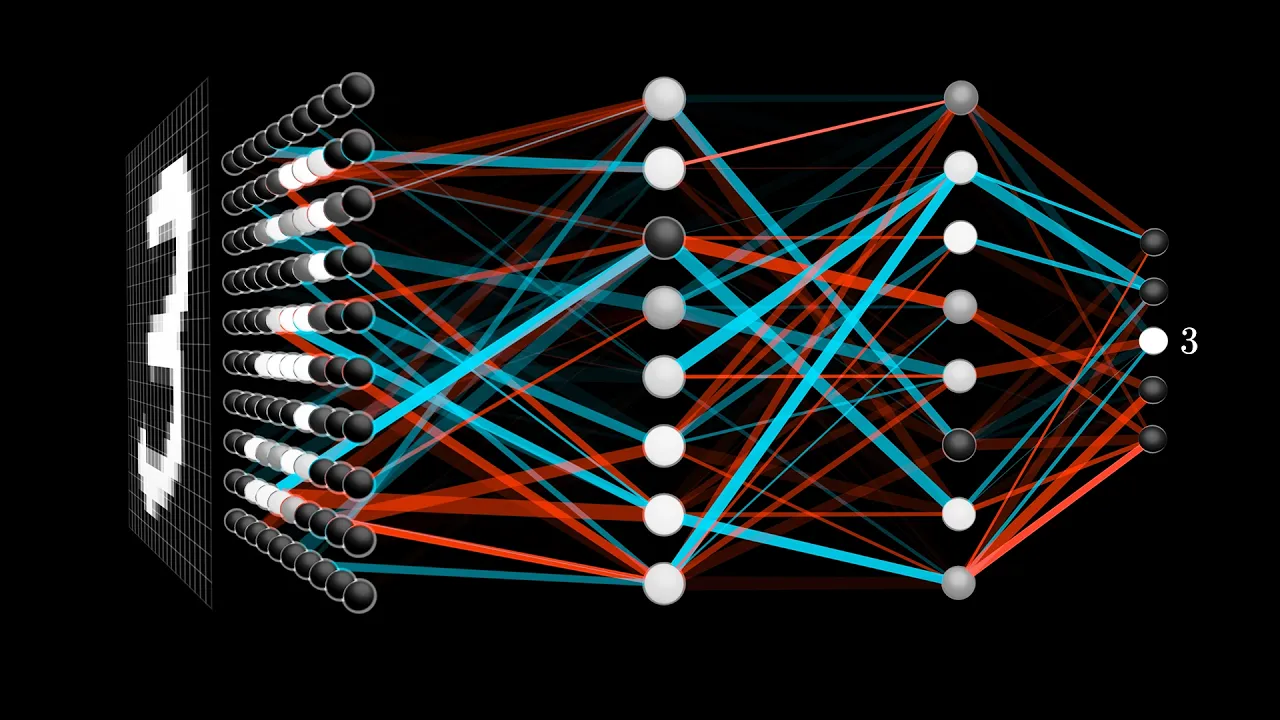
Neural Networks Explained: Math, Layers, and Learning Fundamentals
@3blue1brown
21.9M views•2017-10-05
Related Study Plans & Knowledge Roadmaps
Structured learning paths in Artificial Intelligence