




![Finance Case Study Example | SaaS Startup Financial Model [Template Included]](https://i.ytimg.com/vi_webp/nQSKvQkL_zc/maxresdefault.webp)















![Monthly Budgeting & Forecasting Model [Template Included]](https://i.ytimg.com/vi_webp/yJcL4et-ClY/maxresdefault.webp)


SaaS businesses operate on fundamentally different economics than traditional businesses, characterized by a 'cash flow trough' where significant upfront investment in customer acquisition leads to extended periods of negative cash flow before recovery. The key metrics for evaluating SaaS success are Customer Acquisition Cost (CAC) and Lifetime Value (LTV), with a healthy business requiring LTV to be at least 3x CAC and a time to recover CAC of under 12 months. Most critically, churn management is the most important factor in SaaS success, as even small increases in churn rate dramatically reduce customer lifetime value. Companies should aim for 'negative churn' (dollar retention rate exceeding 100%), where expansion revenue from existing customers exceeds revenue lost from churned customers. Effective SaaS growth requires understanding the three phases of startup development: achieving product-market fit, building a repeatable scalable sales model, and then scaling aggressively.
SaaS Business Models and Metrics | David Skok at Matrix Partners
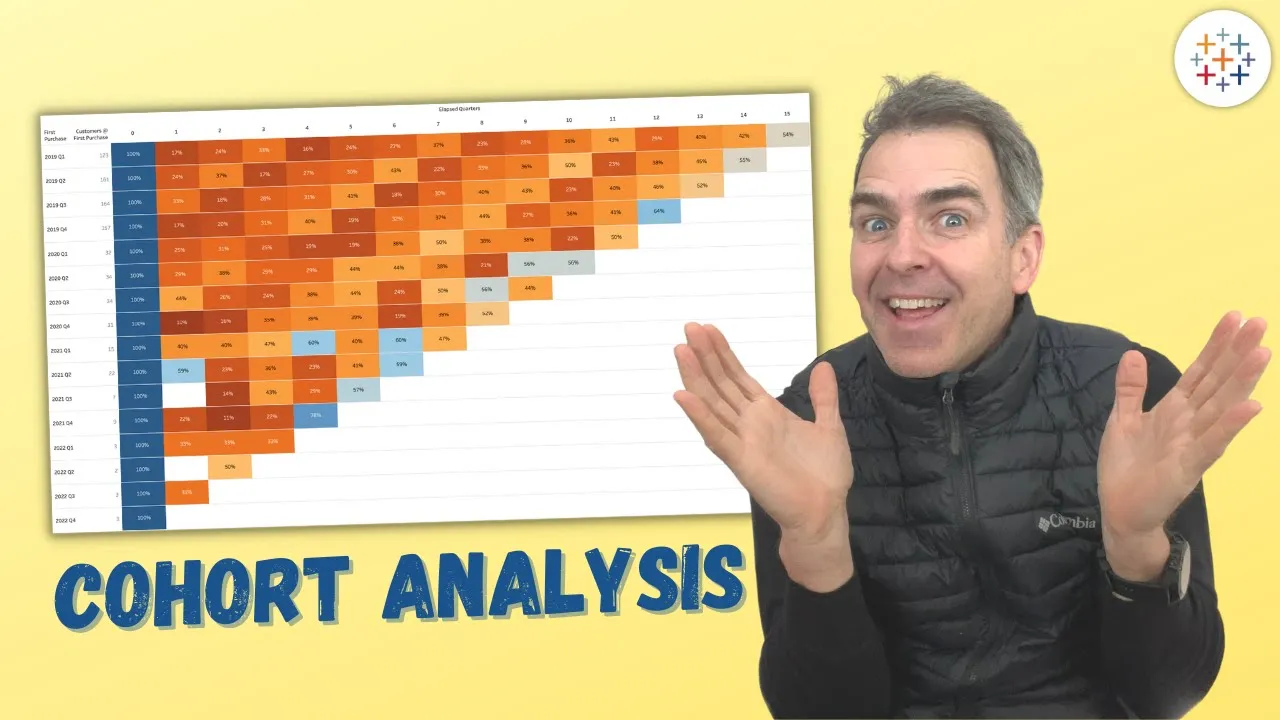
Added:[Music] it's been a great pleasure for both myself and my other partners to come and visit India for the first time what I'd like to do uh this evening is I've got two presentations for you one of them talks a lot about SAS businesses and why they're so different to traditional businesses and gives you a sense of the right ways to measure those businesses and to understand them because traditional investors traditional board members uh will have a hard time following what's going on in a SAS business and this will give you the tools to be able to deal with your board and understand how to explain to them why you're losing so much money because that's the big problem that will happen in a SAS business uh the second presentation that I have for you is very different to that and that is all about how to create a sales and marketing machine so this is for the stage when you've built your product and you now need to take it to Market and you want to understand how to get the maxim maximum number of sales for that um I'm going to lay the groundwork here before talking about either of those topics with a very simple thing which is I believe there are three fundamental phases in a startup's life and I think the very first one is wellknown and well understood because of this book that came out on lean startups and I think everybody understands what product Market fit is and why that's so important I think there's a second phase that starts to happen while you're uh finishing up getting to product Market fit and that is the search for a repeatable scalable and profitable sales model and then there's a third phase once you found that where you hit the gas and start scaling the business and I think knowing these three phases is really important and understanding where you are in your life cycle will help you enormously because the CEO's job is to have total Clarity on what they need to do and in my opinion if you know these three steps this is your road map as a CEO before you have product Market fit there's any only one thing you should care about which is how do I get to product Market fit and once I have that the next thing I should be focused on is how do I create a repeatable scalable sales model now the one thing that I found uh investors frequently get wrong is they understand that you should keep the burn rate really low while you're searching for product Market fit and the reason why is you don't know how long it's going to take you sometimes it could take you 24 months sometimes I've seen people struggle for 3 or 4 years before they got product Market fit so keeping a burn rate low there is important where people go wrong a lot of the time is that they think they can fake repeatable sales model by hiring a lot of sales people and in fact that's a disaster and you don't want to be doing that because it will ruin ruin the ability to fine-tune the model and change it quickly and you you're much better off with a very small number of salese and really the CEO the founders actually out uh in the sales process at that stage um and only scaling it when you're really clear that you have something that's actually working and you know how works at that point in time so strangely enough that is the one mistake that I see uh investors and board members making the second mistake that I see them making is that there's a very serious mind shift that needs to take place at the point where you have found that repeatable scale sales model and that is you now need to hit the gas so all of a sudden uh this is a very amusing board meeting that any of you who would have been there um HubSpot I think is a company that many of you know um well when when we were at HubSpot it became apparent that we did have a repeatable scales sales model and we the board turned around to them and said well you need to start hiring aggressively and add two salespeople every single month and they had a fit and they said well this is crazy you know we've been spending so much time here saving money we've stopping hiring everybody and the switch is quite hard to accomplish and do as a flip when that comes there and being very aggressive at that moment in time is is important particularly in India at this moment in time where so many of you are trying to do a land grab in a brand new space and you don't want a competitor to emerge and this is a really critical uh element there so with that let me switch into talking a little bit more about SAS and getting very specifically narrowed so jumping forward here um there is a really uh many of you probably were were were aware of how the licensed software model worked the key thing that um this graph shows is that you spent money to acquire the customer and that was this negative cash flow this is the investment that you made to acquire the customer but everything was fine because immediately when you close the deal with them you got a very big check and it more than covered the cost of that customer acquisition the problem in the SAS model is that the amount that we invest to acquire the customer is huge and we don't get it back immediately we get it back slowly over a long period of time and the net result of that is that if you looked at your cash balance you spent all this money to acquire the sales person uh to paying the salese and paying for marketing and very slowly you start to come back to the point where you recover that investment there and that is a negative cash flow period and so the thing that um is interesting here is that was just one customer that we lost all that money with the more you C the more customers you start adding at the same time the worse the problem gets here so this is a very simple model that uh shows a constantly expanding Salesforce so you can see the cost of customer acquisition the amount that you're investing is increasing every single month because you're adding more salese and adding more customers and the best way to look at this here is on a cumulative basis uh if you looked at your bank balance here you're losing money you're losing money you're losing money and then suddenly the model flips and all of those customers that you've got actually does start to pay back but the problem is your investors will be panicking at a certain moment in time here because they're watching these losses getting bigger and they're asking what the hell are you doing you're increasing your spend on more salespeople you're spending more money on marketing this is crazy um so this is what we call the the the Sass cash flow trough and um one of the board members at HubSpot is the CFO of netsuite and it's he's been a they've been a public company for a very long time it's kind of interesting to talk to him is this is summarizing here this thing that surprises many investors and Boards of directors is that even with perfect execution any acceleration of growth will be accomplished by accompanied by a squeeze on profitability in cash flow so this is interesting this simply shows that if you add 10 customers a month your losses will get much worse than if you're adding two customers per month so the but the interesting thing about this is that the point in time where your business starts to come back to normal doesn't get pushed out long way at all it's just simply the depth of the trough that does get pushed out there the other thing that Ron Gil pointed out is that at netsuite every time they started to get close to break even and the investors started getting excited they actually decided way this business is really working let's hit the gas again so they went into another dive so it's been a consistent series of these Dives for them um so it takes you know the right kind of people on your board to really help support you through this kind of a a phase here so this is your question that you were asking which is how do you know if all of your money is Flowing out the door at a fast rate is this A smart business to be investing in and the answer is to look at unit economics and and the unit here that we're going to initially look at is the unit of One customer does this one customer actually make sense and pay back for me so the the question that you're asking here is can I make more profit from my customers than it costs me to acquire them and I think this is just a fundamental business question here and the answer is to look at these two variables cost of customer acquisition CAC and lifetime value of the customer and I I don't have time to accurately Define these but it's written up on the blog to to get the exact details of this but the one that I will look at for you um in a second is is the LTV one so what you're looking for is a very straightforward thing which is you you need to make more money than you're spending to acquire them pretty straightforward right um so amazingly most entrepreneurs are completely convinced that the day they launch their fabulous app they're not going to have to spend any money to acquire customers everybody's going to know about this fabulous thing and rush to the App Store and download it right unfortunately wrong um you know right now people are having to spend $6 per install of an app in the American app stores now I realize it's only about $2 here but $2 is a lot of money to pay for an in you know install and obviously if you can get virality that's fabulous but everybody thinks they're going to get virality the number of companies that actually get virality is very very small out there so to look at this lifetime of the customer we have a formula which is pretty simple we take uh the churn rate which is the percentage of customers that leave at the end of either a month or a year and we say the lifetime is going to be one divided by churn so that tells you then uh your lifetime value is simply um you multiply the the the the the gross margin that you make every year or the gross margin that you make every month by the number of months or number of years that they'll stay with you and the important point I wanted to make on this slide it's totally obvious but if your lifetime is half because your churn rate instead of 1% is 2% then your lifetime value of that customer is going to be half as well completely blatantly obvious nobody needs a a graph to show them this right um but what we really are trying to get across here is just how crucial churn is in this new business model and I think this is the most important thing I'm going to try to get across to you today is how to manage churn how to understand that this is an important thing that we never had to worry about previously that is now now absolutely the religious element of running a SAS business successfully so I'd like to explain the difference between two kinds of churn you can lose customers but slightly different to losing dollars and let's explain with this simple example how so right here we've got two customers only one of them is paying us $5,000 every month Mr stands for monthly recurring revenue and the one of them is only paying us $1,000 if at the end of the first year we lose this small customer we had 50% customer churn but we only lost 177% of our Revenue so that's why those two numbers are different there if on the other hand we lost the big customer we still had 50% customer churn but we had 83% Revenue turn obvious pretty straightforward now what happens if I was able to grow the second customer so instead of only getting 5,000 of Revenue I actually a year later I'm getting 7,000 of Revenue this is really cool this is the Breakthrough in in SAS and this gives you what we call negative churn or greater than 100% dollar retention rate and this is just super important as a thing to aim for in your SAS business so negative churn happens when the expansion revenue from your existing customers is greater than the revenue that you lost from your customers that that you you churned out there and you will lose customers there's no getting around that it's just impossible to stop it so what you have to do is figure out a way to replace what you lost with growing revenue from the ones that you you already had there and effectively that means that instead of thinking about a sales funnel that stops when we close the order we now have to have a new and important second part of our sales funnel which is how do we expand the revenue and keep these uh current customers that we've got there so an interesting problem that we had at HubSpot is we got this totally wrong we only had a single product and it's the same price $500 per month for every single customer so we had nothing more to sell them so we realized we had a a mistake in the way we'd built the business and fortunately I'm going to avoid you guys making that mistake because uh you can take advantage of the lessons we learned there so what you need to do to be able to create expansion revenue is have other things to sell the customer and the trick to that is having variable pricing axes so one axis that you can have is different product features you can go from the basic Edition to the Pro Edition to the Enterprise Edition another one would be to charge by users um sometimes like in the hubspot's case this access doesn't work very well because there aren't many people in the marketing department but they charge by the number of leads that you store inside of the HubSpot database and that's really clever because one of the things hubs squat does so well for its customers is it helps them get more leads so the more successful they are at helping their customers the more money they can get and the customer doesn't mind because it's value based you know you you're pay you're paying and you feel happy cuz because you're getting good value from that there so this is a fundamental learning I would warn you don't panic if you're a startup and you're only 6 months old you don't need to solve this problem in year one this is like a year two or year three problem but be aware of it and and be thinking about it because it helps to just have it in the back of your mind that in in in the first year of your startup all you need to care about is getting product Market fit and getting the thing out there and getting customers to love it this is sophistication that happens later on there so again just to uh make this clear here what we're going to see is the revenue from our first set of customers will drop off and our upsell revenue is going to grow and the amount that it grows above 100% is the negative churn amount there and there's another way of expressing churn that you might hear is customer retention rate it's just um so if you had 10% churn you're going to have 90% retention rate it's just the opposite of that number and dollar retention rate is a number that um is effectively like saying negative churn so zendesk one of our more successful portfolio companies they have a 123% dollar retention rate and it's a spectacular business so uh I think this is one of the best investing secrets that I know of is find the SAS companies that have these high dollar retention rates because they have this amazing thing where if they shut down their Salesforce completely and just focused on retaining customers their businesses are going to grow 23% per anom it's pretty amazing uh business when you have that going on then so I still haven't finished beating you over the head with why churn is so important so I want to hammer you one more time with this here um so let's look at a small company if you're only 10 million in revenue and you've got a 2 and a half% monthly churn by the end of that year you will have lost 3 million of your revenue and that isn't such a terrible problem I mean it's I can easily hire some salespeople to go and get another 3 million of Revenue not a big big deal but if I'm four years later than that or 3 years later than that I've gotten to 100 million in revenue and I've still got a 2 and a half% churn rate I've got a huge problem on my hands I've now got to find a new set of customers to replace 30 million of Revenue and that's nearly impossible to do and this is what's tripped up companies like Constant Contact who've totally hit a wall and sto growing because they didn't solve this problem here um so it's a very difficult issue as you get bigger so what this tells you is you can afford to have churn when you're small and young and not panic about it but as you get bigger you absolutely cannot afford to have it so this is a you know very very major problem for you and again just quickly to show you this the importance of negative churn I took the same simple model here and shows with with a normal churn of 2 and a half% how each of these cohorts cohort being a group of people who signed up in month one and then a group of people in month two and the group of people in month three how the revenue drops off and in month 40 we're doing about $150,000 in Revenue now if we change that to 2 and a half% negative churn that same business is doing $400,000 in monthly recurring Revenue so that's just how huge of a difference it makes to the end state of where the the the business ends up so in order to understand churn we need a new tool and the tool is cohort analysis cohort is a big scary word but let me just demystify it's a simple word for a group um and really what we mean is that the group who signed up in January is one cohort and this has shows me what's happening to that cohort over time if I don't study the January group separately from the whole thing I won't be able to track what's happening with churn and what we're looking for in this graph is two things one of them shows me I'm doing a better job here because I started off in January losing 15% of my customers in the first month but look here a short while later I've managed to do much better in my first month loss and I'm only losing 4% in the first month there so that's a an improvement here and I can track that from this chart and the second thing I might want to know is uh we were talking with um prao today which I'm sure you guys all know is one of U India's really interesting SAS companies and they have a fascinating thing where they they they lose quite a lot of customers in month one and then the same customers actually sign up again in month three um so they would almost have like a 100% drop and then a negative number on the churn thing there and so it's essentially showing you that there may be some patterns where you lose a lot of people in the early three months and that it may stabilize and that's why that second axis is useful to have there so to solve churn we have a brand new Department in our company it's a customer success Department we used to have customer support nobody cared about them we stuck them in a back room we paid them very little money we hoped that they didn't ever complain and we got on with the job now we have a totally different situation we need customer success very very badly in our SAS companies so the one thing I want to point out here is that customer success is not the problem of just that one Department it is actually a multi- uh departmental effort so if you're a product designer the way you design the product can have a huge impact on where the company's your customers still use it so you should be thinking about customer success andur the quality if your product is buggy or has bad response time then you will lose customers as well so this is the another group that we'll be caring about it the salespeople can damage your churn by overselling the product or selling it to the wrong people where it's not really a good fit for them your marketing department should be thinking about marketing to your existing customers to get them to continue using or using new features in the product not not just only customers who haven't bought yet so customer success is something you want to try to instill as a CEO all the way throughout the company but I will say it's very good to have one person as an executive who's constantly thinking about it and who's constantly bullying all these other departments to be thinking about it and bringing that out there so this is a new way of things that we have to do in SAS businesses here so one of the things that um your customer success team will be tempted to do is to be lazy and to run around one month before the contract ends for one of your customers and then suddenly call them up and say are you happy with the product let me fix it if you're not happy with it this is a disaster focusing on retention a month before the contract expires is the wrong way to do customer success and I want you to all think about your own experiences here when you buy a new product the day you take it home you're excited about it you want to play with it you want to see how it can do cool things and if if it lets you down what do you do you put it away you're disappointed you're pretty negative about it and it's much harder for somebody to come back later on and recover that situation and try to get you using it again so what this tells you is that onboarding is the key thing to successful retention and that means a different type of program to what you might have got before and one of the things that I have seen going very well in some of our portfolio companies is they they have a way of measuring whether the onboarding was successful so onboarding is really some form of training and you want the customer to then use the features that you've just trained them on and you can measure in a SAS product are they using those features or are they not using them and if they're not using them then you know you failed in your onboarding and you need to remediate and do that again and and constantly kind of fix that so that's the kind of loop that you might want to be thinking about as you get more sophisticated in the the retention elements here and you're also going to want to come up HubSpot called aqi customer happiness index some way to score customers to predict whether they're in trouble or not so you can actually use your resources on the ones that are most in trouble and not worry about the ones who are actually uh happy with the thing so effectively it's the the simple way that people try to predict this is usage are they actually using the app how often are they logging in things like that um but more sophisticated is to recognize that certain features like if somebody logs into Facebook and they merely comment on somebody else's post versus somebody who's logged in and put up their own photographs and posted stuff this is a much more engaged customer than somebody simply commented so you score certain actions higher than other actions but the one risk that I want to point out here is that usage can be a very misleading thing so if you went into the CEO of a business that you've sold to and you said to them I'm really happy because the people in your marketing department are spend spending all their time 60 hours every week using my product do you think the CEO is going to be happy no right that's that's a heck of a lot of time that they're wasting in this damn piece of software so what we want to try to get across here is that the CEO doesn't give a damn about usage they care about business value is this application delivering in hubspot's case more leads for me not you know time that my people are spending at the keyboard rittling around with this product so to my mind the best product that I use on the SAS world is a product called sanbox and it's a product where I actually don't ever use it at all it's organizes my inbox for me and I just signed in once and told it where my email address was and when I log into my inbox every day it's organized my email into different folders for me to to make life simpler I love that product no usage at all so you couldn't use the usage metric so really what I'm trying to get across here is um try to find a way to think what is the business value that you're aiming to provide with your SAS product and try to find a way to measure that because if you can do that you have a fantastic argument when your contract's about to expire to be able to walk in and say to the CEO our products worth renewing because look how much value we've delivered to you in the following way not how many hours of usage we deliver to you that's not a valuable thing for them at all so there's one other variable that I've discovered is very very important in SAS and that is the life the time that it takes to recover cost of customer acquisition here and um the only the only thing I can do to help show you why this is so important is show you this graph here where I've got three different um time periods to recover CAC one of them is is 12 months to recover CAC which is this Gold Line in the middle and then I'm showing if you can shorten it to 6 months how fast your um cash flow goes positive and then if if it's increased to 18 months which is a pretty common thing it shows you just how much worse your cash flow is so it turns out you know if you look at the wireless carriers they don't recover their cost to acquire a customer quickly it's not within 12 months um but they have huge access to Capital most of you don't have huge access to Capital and the problem with acquiring customers and spending a long time to get it back is that you will burn through cash particularly if you try to accelerate sales so this is a spectacular metric to focus on and it turns out that even if you have a ton of capital if you can bring your time to recover CAC down your business just takes off and I've seen this now with several portfolio companies that I've been involved with where we didn't know for sure how important this was but we focused on it and we've seen that it's an unbelievably powerful metric for determining if you're doing well or not doing well so I want to go back to um answering the question here you're in that nose dive you're in the boardroom and you've got an investor sitting there who's giving you hell because your losses are getting worse and worse and worse and you need a way to calm them down and explain that actually this is going to be a fantastic business there are two ways that I can tell you that do indicate that you have a good business the first one is to say is my lifetime value of my customer about three times greater or more than three times greater than my cost of customer acquisition if that's the case then I know I've got a profitable business and secondly if my months to recover CAC are less than 12 I know I've got a great business and by the way I'm I relaxed this rule a little bit since I wrote this blog post I think 18 months is fine um but just be aware you're going to chew through more capital and you should try to get it shorter to 12 months if you can do so these are the two key tests that an investor should be making and certainly in the states most people already know this and this is a very you know key thing that they look for in in a investor presentation so the thing that we're just starting to talk about here is how do you if you're running one of these businesses what should you be measuring every month how should you be understanding if you've got a successful business or not well the answer is the most important thing is not your bookings CU that's misleading but what are you doing in the way of either monthly recurring revenue or annual and the reason why I've got both up here is if you're successful in getting yearly contracts I would use ARR but if you can't get yearly contracts and you're getting monthly contracts use monthly recurring Revenue so what you want to do uh is recognize that your business is made up of this increase that you made in the monthly or the annual recurring revenue and that has three components to it how many new customers did you sign up and how much monthly Revenue did you get from them plus how much expansion you got from your existing customers minus how much you lost from the customers who churned and the graph that you should be looking at is this one here time series graph that shows each of those three components and then a bigger heavier line for the the sum of those three components there this is the key graph it's amazing how often we've had to kind of teach companies to bring this in but without this graph you are Flying Blind you you you you don't know whether you're doing well or not doing well in in running a SAS business so the only other thing I want to cover here is um the fact that there's a second way to look at a SAS business particularly important in India because so much marketing doesn't work in India and it seems that the key way to get customers is to run a big Salesforce so it is important to have a look at your salesperson costs and Unit E ICS as well and so if you look at how Revenue builds for a SAS salesperson in the first month they join they'll sign up some customers and those people will keep paying second month they'll sign up some more customers Etc so your Revenue will build like that and if you've got a churn rate the revenue will slowly slope off there does this all make sense so far so let's look at the cash flow Gap because the revenue is not very big initially but we're having having to pay that salesperson quite a lot of money so we've got a big hole in here which is our cash gap for the salesperson and if we look at this um on this situation it's 11 months before we get to break even but if we look cumulatively it's much worse than that it took us 23 months before we recovered the amount of money that we invested in the salesperson that's a long time to get a return on the you know get back to break even then and um the total amount invested is the drop in that thing it's $110,000 here so hiring a salesperson turns out to be a very expensive investment thank God India's sales sales people are a lot cheaper than America otherwise a lot of these businesses that we're looking at here wouldn't wouldn't work so well um but the good news is that if you can keep them which is important because a lot of people can't keep salese very well you get a great return on the investment when you come past that time point there so remember we had this initial chart here what happens when you get to the point where your business is ready to scale remember that HubSpot board meeting I told you where I said we had hire two salese every mon month something interesting happens there which is instead of if we're adding two salespeople instead of it being a small drop the worst loss starts to become huge now these numbers are not that huge but I I can tell you at HubSpot they were gigantic we were losing you know literally tens of millions of dollars every year um and your your time to get to that point is quite far out so the only way you can keep your investors comfortable is to model this out for them and show them that you know when how deep it's going to be how bad it's going to be and when it's going to come right and the second thing that I'll show you here um so this in this case it was 2.6 million invested in 32 months to get back to that uh recovery point I did a Model this was actually done for HubSpot because we were trying to prove to them you know how many should we be hiring should it be three should it be four should it be one and interesting thing that came out of this is if you hire one versus two you simply double the depth of the trough here but you don't change the time that it takes for the trough to come back to to positive then so it's interesting just from a modeling standpoint when you do all these culations grab a microphone if you wouldn't mind when you do all these calculations you take that 35 a factor into consideration yes absolutely yeah and that's where the two 35 came in when we were doing this yeah so um one little again guideline I I used to use the word rule but I just use guidelines I like to take the On Target earnings OT Is On Target ear that means the the base salary plus the commission and I'd like to see the quarter of a salesperson as at least five times I'd say the the the target optimum number is six times for good companies now again in the early startup days don't panic if you're at one or two so long as you know in the future that you can improve this number and but this is a target for you to be aiming at as you go forward in the business there so one other last thing I would tell you is that it makes a huge difference if you can get paid a year up front instead of monthly and so this shows you here that your cash flow trough actually evaporates and you go into immediate cash flow positive so again unfortunately I don't think India is going to work very well with this uh concept unless you're selling to Enterprises but it's still worth trying and sometimes you could get three months in in a head instead of uh you know six months or something like that and it make a big difference the last thing I want to end with on this presentation here is to give you an interesting discovery that I made which is I was really fascinated by Costa customer acquisition and I was studying with a various different companies that I work with Dropbox I was looking at and thinking that these guys have a very simple freemium model so they must have a very low cost of customer acquisition and then I've got zenes who've got this fantastic thing where they they got to literally 12 million in an annual run rate with one halftime sales person in Australia uh cuz the product was just being selling selling itself then we had Conant contact where I was familiar with Gail Goodman who's on the board at HubSpot and they had a very light touch inside sales model and then we had a HubSpot where we actually had a a very high touch it was a complicated product to sell HubSpot so we were doing a lot of time but inside salespeople and I was also on the board of a company called natisa which was founded by a famous Indian entrepreneur called jit saxena I don't know whether you guys know him he's fabulous guy and this company got sold to IBM for two billion and we were selling million dooll boxes for data warehouses and it was costing us a fortune to sell them because we had a salesperson and an SE going out in the field and we had to have them in Chicago in San Francisco all over the country here so I had this sort of mental picture that somewhere along the line the cost of customer acquisition must be roughly linearly associated with how complicated it is to sell and I went and put the numbers down that I actually knew to be the case $30 to $200 approximately for a Zen desk so $300 actually was 400 is exactly the number for Constant Contact $5,000 at um HubSpot it's now really more like 8,000 and I knew the NAA number was $100,000 when I graphed that I discovered wa a second this is not a linear correlation here what's really going on is that as you add human touch into the process of selling the cost is going up exponentially um so that was a very interesting insight and it's it's really made me personally very focused on how do you make selling happen without the salesperson [Music] let me explain why I like growth hacking so it used to be well actually before I jump into that let me let me let me really give the whole essence of this presentation for you the essence of this presentation the essence of this this whole uh discussion is how to accelerate growth by working on your sales funnel your sales and marketing funnel here and there's something incredibly cool that I'm going to share with you which is the whole of this process of improving sales and marketing can be summarized with two variables only and I'll give the audience a chance to see if they know what those two variables are there's only two things there's actually a third as well but the third one I'll come to you later but there's two fundamental things here that matter if you're going to optimize your funnel do anybody want to take a guess at what those two variables are number of customers sorry number of customers number of customers perfect that's the first one conion rate conversion rate thank you that's the second one so that's that's it it's it's unbelievably simple and straightforward it's a fabulous thing that we can take such a complicated subject and bring it down to measuring two variables to know whether we succeeded or not increase the flow which is the number of customers and the conversion rate there so this used to be the job of marketing and sales but it's changed so one reason why is because you what happens online in America now people don't go to websites here in India so I maybe wasting time with this slide but if you're planning on selling in America what you do online matters a lot marketing is often not strong enough to be able to change that it takes programmers to do that the product has become the salesperson think about how many times most of you are building mobile first applications you're not actually talking to that customer the first thing that they know and experience with your C your your company is the download of that product and they start using it if that product works well it's a brilliant salesperson if it works badly and you have to phone them up to explain why they had a bad time with it that's a product who is acting as a salesperson not a salesperson or a marketing person now all of a sudden we now have a rich amount of extra data that we never had before we can see how people are navigating through our product we can see where they're dropping off on the website uh and we have a new set of skills required and that's why I like this term uh growth hacker it's essentially a person who combines all of these skills inbound marketing skills data science skills customer experience and product design skills and the truth is that there are very few real growth hackers around so what I'm actually telling you is if you're the CEO of a startup you're going to need to try to create a growth hacking feeling in your company by breaking down the silos between the marketing department the sales department the product design department and the data scientist bringing them together in a meeting pretty regularly to discuss what's going on in your funnel and I'll tell you the other Tri trick that I've discovered I have a lot of fun going into companies startup companies and fixing their funnels for them and the very first thing I do is simple I say to them can you draw me your funnel and they're all sure they can draw me their funnel but as soon as they start trying to draw it they discover that they actually can't they're having difficulties and they're having to fiddle around but as they work it through and they get it down on the board amazing things happen their brains start automatically solving the problem and so all I did was just make them draw this thing so the one piece of advice I'd give to all of you find a white board or a big sheet of paper and draw your funnel art amazing things will happen as you start to get clarity on what's actually happening here and we'll do that a bit in this this meeting here so I want to talk about the basics of funnel design and essentially a funnel is a really pretty straightforward thing we're going to take suspects and pour them in at the top of the funnel and we're going to hope to get closed deals out and again because we're in SAS businesses we care about the back end of the funnel as well which is how do we retain them and and grow them and if we're really clever we can actually get a viral Loop going by turning our most loyal customers into Advocates who will tell other people word of mouth so that's our whole funnel that we're going to be working on today so in a perfect world we could actually do this with one single step and it's interesting to examine why this isn't a perfect world so imagine a website where I put it up and it says come and by practo software to help manage your doctor's practice it's $9,999 here's a a quick video that chose how it works press the buy now button so what we're doing here is important for you to think about for each of you who's starting a business think about the question could I get my customers to buy with this one video and the answer is probably no but for each of you the specific reasons why they wouldn't be ready to buy it's going to be different because they're going to have different questions some of you might need to integrate with some existing product some of you might have a you know pricing problem so knowing what the those issues are is important because you are going to have to address them for the customer and that's going to be part of your funnel design is to make sure you actually walk them through these concerns so common concerns will be does this solve my specific problem is this actually the best product in the marketplace I want to know who the competitors are and check them out first before I buy can I trust this company somebody use the trust word there so lots of other things there and this is not a complete list at all but I recommend it's a thought good thought process for each of you so what is a funnel you know when we design it it's basically a series of things that we can um suggest that the customer does actions that we're going to take we're going to run a webinar we're going to send out an email thing we're going to do an event like this um and we're hoping when we take each of these actions that we're going to create movement so this this funnel design is about actions that create movement here and the question that's interesting to ask is how do we design these actions and what I find here is that there's a big flaw most people have read some blog and they're going to copy somebody else's model for how their funnel worked and I'm going to tell you that the I believe that's wrong I believe the key to funnel design is to be an expert at understanding your buyer and how they buy and I'll give you a little fun example of this imagine you're at a train station your Train's going to come in about 30 minutes time you've got some time you walk into a clothing store before you've even even spent two steps in there the salesperson's come up to you can I help you sir nope I'm just in here to have a look around they go away you take two more steps in the salesperson's back with some trousers and a jacket on their arm can I show you what just came in our new collection just arrived this would look very good on you sir and you're kind of backing away and your whole experience is is kind of not what you had hoped for anybody who thinks this is annoying what the salespersons do please raise your hand so everybody thinks that's annoying so here's another situation you need to go to a black tie wedding but you don't own a bowai and you need one in a hurry you go into Nordstrom is our store in America but your local store here you can't see where the black ties are you know they're in there somewhere along the line and you're looking for a salesperson to help you find the damn Black Tie you can't find a salesperson how many of you find that annoying so why do you find the salesperson really annoying in the first situation and the lack of the salesperson really annoying in the second situation let me explain to you what I think it is it's it's where are they in the buyer's journey and the buyer's Journey can be summarized as being very roughly the awareness phase where they you're not really even for sure aware what you want to buy clothes or not and in the second one you're very clear you about the fact that you do want to buy something you're ready to buy and in between those is a stage called consideration now you can break this up and have more stages but just fundamentally this is a big thing here the number one mistake that I see most websites and salespeople making is that they're damn sure that every visitor who arrives on their website is already ready to buy and needs to have the salesperson jump down their throat and annoys the customer and damages the whole relationship building and the trust that could be done if you do it the right way my personal belief is that customers want to have a relationship with built with them and really like to have trust built with them and if you can get trust something funny happens which is you won't be selling the customer will turn around to you and say tell me what do you think I could do to solve this problem and without selling all of a sudden you have the deal without uh being in that high pressure environment there so we're going to try to build a funnel around this buying cycle here and the other thing that happens in the funnel that's that's worthy of understanding here is I was talking to clear tax all you familiar with clear tax an Indian company clear tax has a specific trigger that makes makes their company their customer jump from here into purchase which is I think it's July is your tax date so you have to suddenly file your taxes and all of a sudden you got to you know submit the stam form to the government that's a trigger so that's another thing that's really worth understanding is what is the trigger for your company that causes the customer to have to buy your particular type of product then why this is useful is that you will recognize there are certain things that make some customers clearly more ready to buy than others by asking this question are you going through a product transition that's your perfect question to figure out if they're ready to buy or not but I'm going to show you something else here which is I actually think there's a trick that you can use to create the trigger yourselves and I'll show you that later on the presentation that you can create the trigger thank you very much so I'm running out of time here which is going to be a shame so quickly the B2B funnel uh we're going to create has three sections in it the tofu top of the funnel which is all about creating awareness consideration which is where you uh we call this the mofu in the middle of the funnel and then the sales part of this which is the bottom of the funnel and then there's also a customer success uh piece at the end there and I'll go through these very quickly tofu is about um looking for suspects and you know when you finish the top of the funnel when you've got what we call a raw lead and a raw lead is when we have contact information like an email address in America but I don't know that email works well in India something else that you can use to contact that person there so that's what we're going to try to do at the top of the funnel some of you have a product where the need for the buyer is not something that they know and understand so they they don't even know that they have this pain because um it's just not obvious to them so um a lot of you also may be selling to somebody who has a very clear need so for example that person who needs to go and see a doctor is in pain they're going to go to Google and they're going to search you know how do I find a doctor who's going to solve toothache or whatever the pain is there so there's a different approach to these for the latent need we have to do education for the apparent need all we have to do is find out how do they go through their buying cycle when they've got the search going on and get ourselves fitted into the middle of that there and there are two techniques here there's inbound and outbound I'm going to have to skip given the time here but this is probably super important as a new startups technique here even though we are huge Believers in this the problem with inbound marketing is it takes a long time to get going and you need to get going quickly this is the way you have to do it it's like a using a sledgehammer it's very expensive but at least you know it will get you some results here and there's a lot of stuff I have on my blog about how this works and what have you so then what is the middle of the funnel in the middle of the funnel we're going to take that raw lead and we're going to try to nurture them to get them to the point where they're actually ready to buy and as we do this we will discover that some some of them are ready to buy so we'll qualify them and some of them won't be ready to buy so we need to keep nurturing them until they are actually ready to buy the reason why the qualification stage is so important is that if you have to use a salesperson's Time on somebody who's not ready to buy it will cost you a fortune so you only want your salespeople spending their time on the people that are actually really ready to buy so you might have heard the term bant budget Authority needs and timing as a way that we do do do qualification and it's the marketing Department's job of doing that and by the time they're done that they create what's called a marketing qualified lead that comes out the other end there now something very interesting about nurturing here is that we've discovered that if you send a blanket email to everybody who's in your mailing list you'll get a let's say a very low response time response rate to that but if you send out a more personalized slightly more personalized thing to all of the people who are maybe photographers or technical people or Executives you will get a six time six and a half times higher open rate is what we discovered at HubSpot and if you get hyper person person you can get it 10 times higher than that again so what we're going to want to do here is have a way to look at our database of people and segment them according to different characteristics and send personalized um emails out to them in this phase here and that requires us to have two kinds of data the crown jewels of marketing are buyer attributes the factual information what company name how big is the company what vertical is it in and then behavioral data which parts of our application have they been using which which website pages did they visited did they open this email did they forward that on those are the behavioral things if you can get this into a system and this is an example of what hubspot's page looks like for one of their prospects going through so this is actually a HubSpot guy on my website but they've got a way of looking at the videos and seeing that oh this person looked at two videos and and where did they actually watch to that it turns out in this case he watched 100% of the video but if he had only watched the first two minutes of it we would have seen that in this data so that's behavioral data um so that's what your going to want to have is some kind of a marketing automation data collection system that collects that and also if you have a product you're going to want something like this is Tango uh but it shows you these are the people that are using your product that are worth um calling now because they're actually they're usage shows you that they're well qualified to be followed up on and you might also be interested in the ones who are not using your product who also follow on in a different way this one is very important funnel math so I mentioned to you ra lead mark marketing qualified lead sales accepts the lead it's a different stage turns into an opportunity turns into closed deal if you know the conversion rates something extremely magical can be done here which is we can look at one closed deal and work backwards to realize that we need five opportunities to get to that one closed deal we need 20 sales accepted leads we need 25 marketing qualified leads and we need 125 raw leads and this is absolutely fundamental to how you run your businesses with this data you now actually know that if you forecast we're going to do 4 million next year we better figure out how the hell we're going to generate these raw leads to be able to support the salespeople to to do that and it leads you to your proper budgeting and planning process the last thing that I'll leave you with before I stop which is every funnel I've ever looked at has blockage points even if they're a very big company like an oracle or Cisco and the thing that I found that's fascinating is that there's a pattern Behind These blockage points the pattern happens because you are hoping your customers will do a step that they're not motivated to do so you designed your funnel from the inside the way you wanted it to work but you didn't think carefully about how your customers are experiencing your funnel and I will tell you the the the just by accident I don't know quite why it was this way but my uh personal thing that I love doing is putting myself in the mind of my customer and being expert at understanding how they will experience what we're trying to do to them in the sales phone so if you can do that I promise you it will lead you to some big increases in your conversion rates in your funnel it's a fabulous thing so let's give you an example of how to do this so this was a company that I'd invested in in America called Joss and when I walked in there they had 11 people in a small room had 5 million people had downloaded the software and I thought great we're going to have a fantastic time 5 million immediate customers to start selling to so I said let's set up a email so that we can talk to these people I said well we don't have the email addresses so I said why did why didn't you ask for the email address when they were doing the download and they said well we did but it cut the download rate by 10 10x you know only a tenth of the people would sign up after we put that there which is not surprising because all of you know that if somebody asks you for email address you don't want to give it right so this is example of you know it's being designed in a way that you wanted it to work but the customer didn't want it to work so here's my technique for solving this problem basically for every step that's broken in your funnel draw a line and write down what are the friction points or the customer concerns that are taking place at that step and now try to think of can we come up with a motivation a reward a thing to pull them through that or change the step in some way that we can create an incentive to actually make them do the thing that we don't we they don't they don't want to do so in Joss's case um they were selling their documentation for $23,000 every month and it was paying the bill for all those 11 guys in the room and I asked them if they would be willing to give it away free took them a little bit of time to agree with me but when we did um we immediately started getting in um actually this is not this doesn't give the answer to thing but we we we started getting 10,000 leads a month just from that motivation there and it got grew up to about 16 177,000 so that was one example so next one I'll give you is um HubSpot all of you will have the same problem as HubSpot which is you're going to put up a website somewhere along the line um maybe not in India because nobody has websites and goes on the web but you I think you know what I mean which is you're going to want them to do something like downloading your app your problem is everybody else has also got the same desire and there's limited attention span so what HubSpot did to solve this problem is they came up with a website grader where you simply put in your URL and then HubSpot worked away and spat out this incredible report that told you everything that was wrong with the search engine optimization of your website and here's the really fun thing it put a score SC up there on the right hand side now this happens to be my website so it's unusual that it's got such a high score but I know that every one of you has been through the Indian education system and what do your parents do when you get a low Mark so this is a trigger because people don't like to have low marks they are very worried that their boss will find out that they did a bad job of the such engine optimization of their website so what are they going to do they're going to want to say how do I fix that this is an immediate need for me to to improve the thing so that causes them to want to engage with HubSpot at that point in time this a useful example here but because this was a free tool it got virally spread and it then caused people to want to want to come and visit HubSpot so the interesting thing about this here free tools Drive viral spread low customer work required very easy to get this thing to to do something useful high value delivered the score creates the trigger it builds trust remember we talked about trust the fact that this was was such a great Report with so much useful information and it caused the customer to feel confident that this is a good company that really knew what it was talking about very professional group and the last thing here is it it shows a good example of of growth hacking because it wasn't the marketing department that came up with this product but it was doing the job of marketing it was the engineering department because engineering can actually come up with much more valuable things than marketing can do [Music] though [Music] if you look at the Last 5 Years the story in India from a startup and investing perspective has clearly been consumer and more recently mobile consumer uh and so the Enterprise story has not
Up Next
Optimizing SaaS Cancellation Flow: Balancing Churn Reduction and Customer Experience
@scalemath
259 views•2025-01-24
Retention Habits of Top DTC Ecommerce Brands Revealed
@SendItPodcast
44K views•2026-03-03
Startup Pitching Crafting a Compelling Narrative Framework
@yourstorytv
26.2K views•2022-01-05

The Planned Obsolescence of Light Bulbs and Tech
@veritasium
25.3M views•2021-03-26
Related Study Plans & Knowledge Roadmaps
Structured learning paths in Business