



















![Finance Case Study Example | SaaS Startup Financial Model [Template Included]](https://i.ytimg.com/vi_webp/nQSKvQkL_zc/maxresdefault.webp)


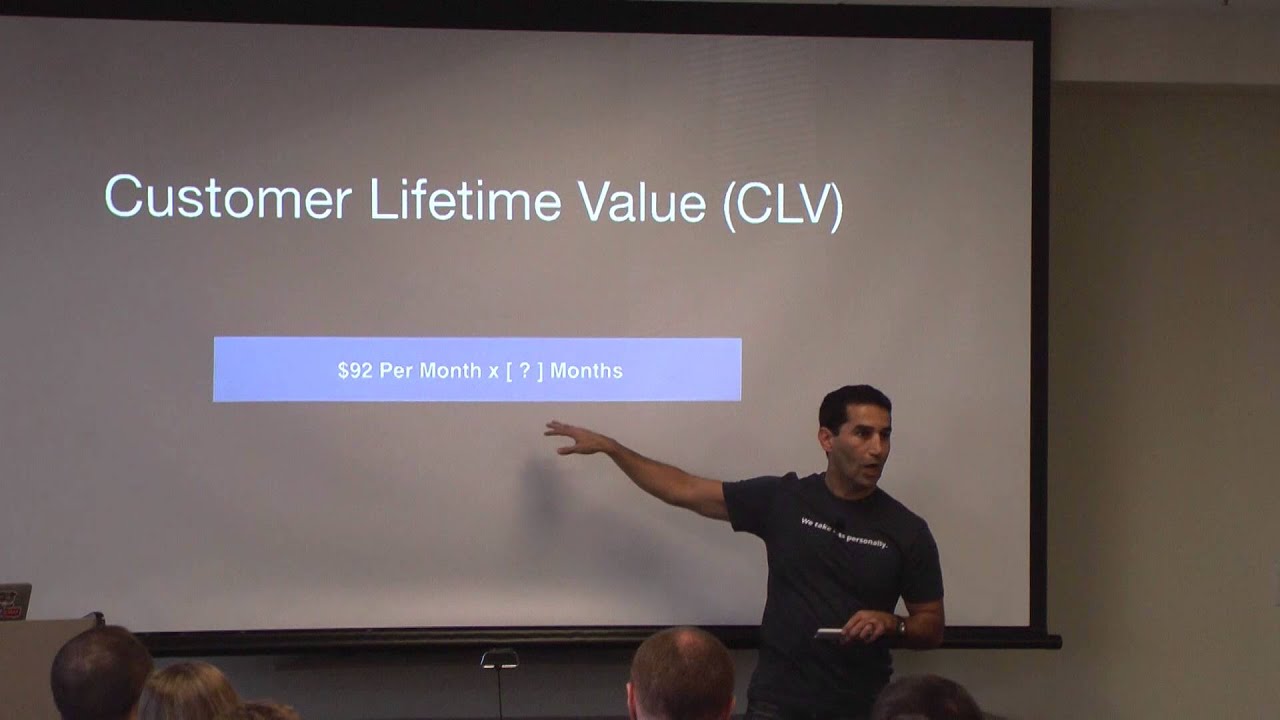







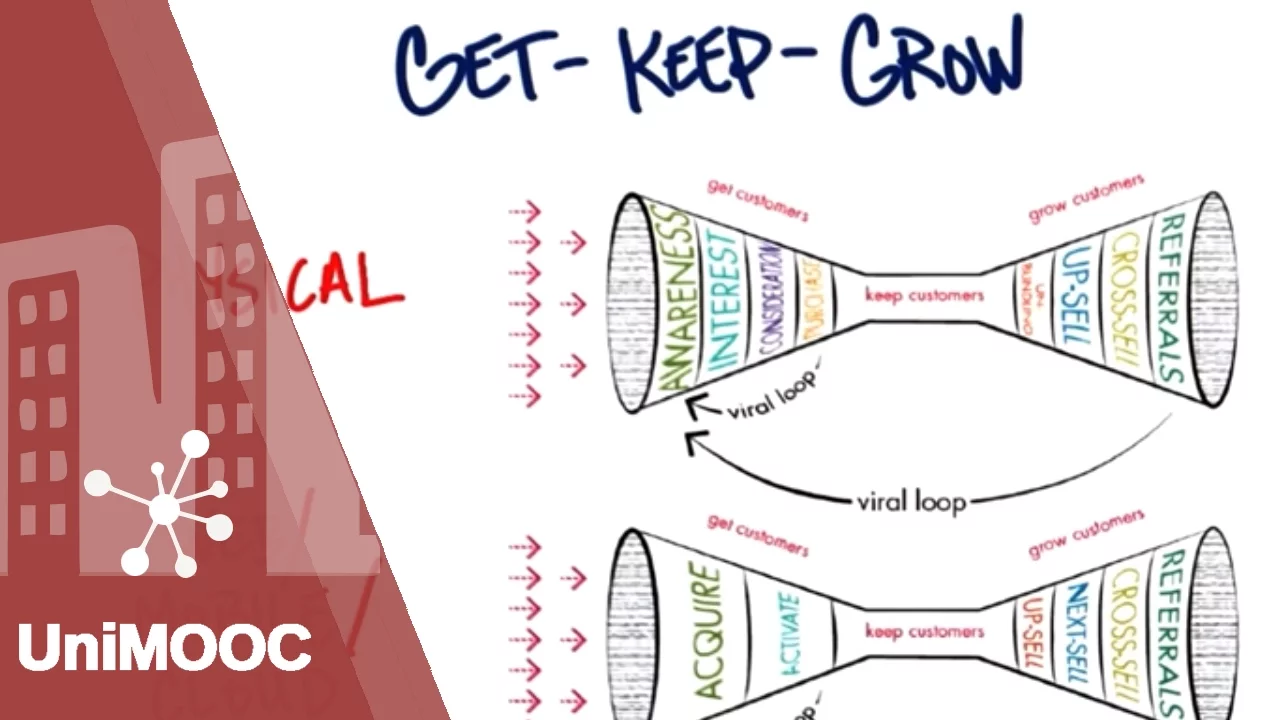
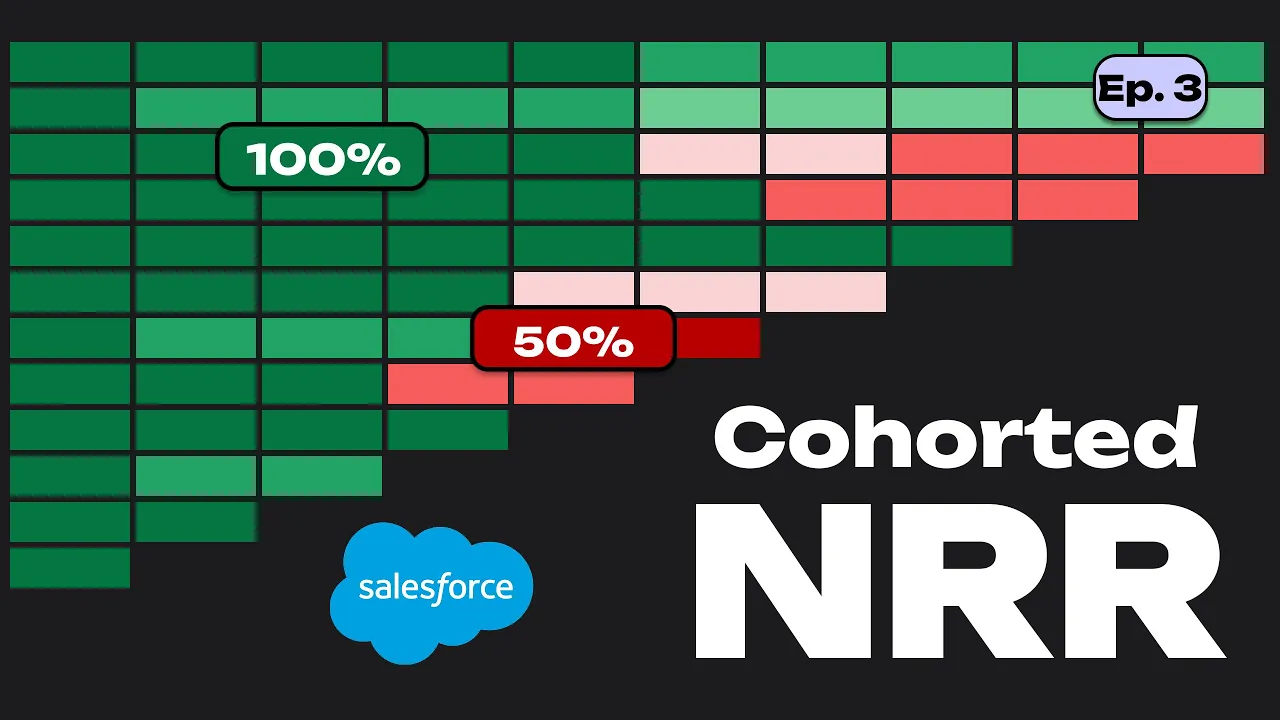
SaaS companies use key financial metrics to evaluate business health: Lifetime Value (LTV) estimates total revenue from a customer over their lifetime using the formula LTV = Average Annual Revenue × Average Lifetime × Gross Margin, where Average Lifetime = 1/(Churn Rate + Discount Rate); Customer Acquisition Cost (CAC) measures expenses to acquire new customers including marketing, advertising, and sales commissions; the LTV/CAC ratio indicates customer acquisition efficiency (ideally 3x or higher), but requires proper discounting for startups due to limited data; the CAC Payback Period (CAC ÷ Net New Monthly Recurring Revenue) is often preferred as it's shorter-term and doesn't require long-term customer lifetime predictions; additional metrics include Gross Retention (revenue retained from existing customers excluding upsells) and Net Retention (including upsells and price increases).
Mastering SaaS Financial Metrics: A Complete Guide
Added:welcome to another tutorial video this one is going to be all about the financial metrics and ratios that you can use to analyze software as a service or sas companies also known as subscription software companies so as software has become one of the most highly valued sectors we've been getting a lot more questions about the key metrics and modeling differences with companies in this industry also as it happens i'm currently working on two separate software as a service case studies so this will be a quick preview of what's coming up in those full case studies the most common questions here are about how to evaluate these companies which metrics you should use besides simple growth rates and margins and whether or not there are any new valuation multiples that you could use when valuing companies and comparing them to comparable public companies precedent transactions and so on the short answer to this is that there are many new metrics but there aren't really that many new multiples there are technically a few valuation multiples such as free cash flow or unlevered free cash the multiples that are maybe more applicable to sas companies than they are to normal tech companies or normal companies in general but they're not really new they still exist they're just more applicable in this industry the real answer is about the different metrics and ratios that you look at which is why this tutorial is all about those metrics and ratios for larger and public sas companies you're often going to rely more on growth rates operating or ebitda margins maybe even net margins if the company is mature enough so you're going to be using more traditional metrics there with startups and high growth private companies since cash flow and fundraising are usually the key concerns you want to use metrics that evaluate how efficiently a company wins customers and then how efficiently that company repays at sales and marketing expense after winning customers initially so for example if a company has to spend a hundred thousand dollars to win a new enterprise customer maybe it's a fortune 500 company or a fortune 100 company and they're paying hundreds of thousands of dollars over the life of the contract you want to be able to assess how much it actually earns from that customer if the customer stays with this company for three years or five years or 10 years and that's the type of metric that you want to look at here this specific metric is called the ltv to cac ratio or lifetime value divided by customer acquisition costs and it means pretty much what it sounds like you evaluate approximately how much the average customer is worth to the business and then you divide by the initial amount that was spent to acquire this customer in the form of paid advertising sales representatives marketing staff sales commissions anything like that travel expenses required to win the customer anything like that goes in the denominator here for the customer acquisition costs you also think about points like how long it takes the company to pay back these customer acquisition costs investors want to benchmark startups and see how much funding they actually need to fuel their growth and if you think about the traditional efficiency metrics that we've covered in this channel before like return on equity return on invested capital return on assets these metrics while they're useful for large mature companies they're often negative for startups and they tend to be even more negative for software as a service startups and high growth companies so they're pretty much useless with larger and public sas companies they will not necessarily disclose enough information to calculate these metrics for example sales and marketing for large public sas companies is rarely split out between new and renewal customers so you have to make some estimates and make some approximations along the way but these types of metrics long story short are much more useful for valuing private companies and startup companies that are just getting started ramping up and scaling than they are for valuing and evaluating large public companies so we have a lot to cover in this lesson and i'm going to give you a table of contents and the timestamps so you can skip around first i'm going to explain why the lifetime value calculation is tricky then we're going to calculate the customer acquisition costs for a sample startup company and then at part three i'm going to talk about this ltv to cac ratio and explain whether it is useful or deceptive or both then in part four we're going to explain an alternative called the cac payback period and explain why this might actually be more useful and why it's increasingly viewed as more useful than the ltv to cac ratio and then in part five we'll touch on a few other common sas metrics obviously there's a lot of material here we're not going to have time to go into all these points in depth so i want to give you a high level overview of what software as a service companies look like and how you typically evaluate them with a few of the most useful and common metrics throughout this entire exercise we're going to be using this excel file which you can download right below the video and i have a lot of it filled out already for company a with one year contracts that are paid for upfront we have some information about the annual contract value the number of customers at the start of each quarter and how many they win and lose in the quarter how much their revenue changes in the quarter so we have a lot of information same with the customer acquisition costs a lot of that's already there we also have something for company b which is pretty much filled in already we'll be using this as a comparison later on to illustrate a few key points and then we also have an example for a large public company here confluent so we'll be using their investor presentation and some of the metrics and stats that they disclose and seeing what a large public company looks like when we try to calculate these same types of sas metrics for them let's go into part one and talk about the lifetime value calculation now the basic idea here is that you want to estimate how many years the average customer will stay with the business and then multiply by the average amount paid each year now this sounds very simple but there's a key problem which is how do you estimate the average number of years with limited data and what if the prices or the billing rates or the number of licenses or subscriptions or users for the subscription the company has changes over time the most common formula here for estimating the average lifetime of a customer is you take the churn rate or the cancellation rate and then you put it in the denominator and you say one divided by the churn rate equals the average lifetime for example if the company has annual contracts and 20 percent of customers cancel each year then you could say that the average customer stays for five years because one divided by twenty percent gives you five one over twenty percent equals five so the average customer lifetime here is five years if we go to this excel example for the company at the top company a we can say that we have the cancel rate here for customers who are actually up for renewal in the quarter we can say one divided by the cancel rate and that gives us the average number of contract cycles per customer on average you can see that according to this we have customers who should be staying with the business for anywhere from five to as much as ten years because of course one divided by ten percent is just ten so according to this in theory these customers should be staying with us for quite a long time but as usual it's not quite that simple and especially when you're dealing with high growth startups you have to adjust these figures the main issue here is that these lifetime estimates are often wildly off and so they have to be discounted for younger startups so you could do this in a couple different ways you could scale down all the years by some fixed factor or you could simply add the discount rate in the denominator if you think about it adding the discount rate in the denominator is really equivalent to increasing the cancellation rate so if there is a 15 discount rate and the cancellation rate is 15 if you add the discount rate you're essentially just doubling the cancellation rate and you are reducing by 50 the average customer lifetime so a better formula here if you're working with this on an annual basis is to say that the number of years equals 1 divided by the annual cancellation rate plus the discount rate all in the denominator and if you're working with contracts of different lengths maybe they're six months or two years or three years you're going to have to adjust all these figures based on this but this is the basic idea for the most common annual contracts so this company we're looking at is fairly early stage if you look at the annual recurring revenue here they only have about four to five to six million in revenue so it's definitely in startup category a company this small could not go public in the current environment at all we have assigned a discount rate of about 20 because we assume that public companies in this sector probably have discount rates of about 10 percent so a much smaller startup like this should probably have a discount rate that's at least twice as high as what large public companies in the sector have if we go in and we make some adjustments here let's now add that discount rate in the denominator and now we can see that this comes way down and it looks like the average customer here on a discounted basis is projected to stay with the company for more like about three years overall which makes sense because this company is only a few years old so how can we possibly say that the average customer is going to stay with us for 10 years if the company has only existed for four years or five years or even six years another issue here is with price increases and generally speaking if these are built into the contracts so the contract always goes up by three percent per year you could factor them in and you could use them to scale up the long the lifetime value you could use something like the fv function in excel if you don't have any information about this or if rates change on an irregular basis then you can just use the current rate and not worry about price increases or changes once you get to the average amount paid per year times the expected customer lifetime in years you might think you're finished but there is actually still more to do to illustrate let's go down take a look at this once we have the expected number of contract cycles per customer we need to figure out on average how much each customer is paying to the company each year so we're going to take the annualized recurring or annual recurring revenue arr here essentially we're taking the monthly number and just multiplying it by 12. we want to take that and divide by the average number of customers in this period so we have the average number of customers of 62 up there and then for the average lifetime revenue contribution if the average customer pays about 73 000 per year and they stay with us for 3.3 years we just take that 73 000 and multiply by the 3.3 we get to a lifetime revenue contribution of almost 250 000 right there i have all the math up here above if you want to take a look at it we don't think this company really changes the rates on a predictable recurring basis it looks like they go up by roughly two or three thousand dollars per customer per year but we have no information other than that we don't know if these were one-time changes or if it happens like this every cycle so we are not factoring that in for now of course it's not quite this simple because even software companies have some type of gross margin because it costs something to support these customers you have bandwidth costs you have server costs you have developer costs who are working with customers and supporting them and fixing bugs for them so you have all these expenses that are directly attributable to specific customers signing up therefore you should also multiply by the gross margin percentages because sas companies do have a cost of sales so the ltv really represents the average gross profit per customer not the average revenue and actually some people go further and they also deduct operating expenses that may be directly associated with new customers we're not going to do that here but you will see that sometimes and it further reduces the ltv so in this case if we already have the gross margins from elsewhere in the model we're going to take the average lifetime revenue contribution and multiply by the gross margin percentage we can copy over all these numbers and then copy over this one as well and so now we have the average customer lifetime value the cltv or ltv as it is usually abbreviated for large public companies they really disclose cancellation rates but you can approximate lifetime based on industry averages so for example if you go down to confluent here i've taken the subscription revenue and the total number of customers directly from their 10k filings they do disclose the number of customers if you go to my highlight and segment here so they give us that information and then if you go to the income statement they also give us their subscription revenue they give us their cost of revenue so we can get the gross margin like that but they don't really have much else there they don't have anything about the cancellation rate so one approach here is to say that on average for enterprise focused software companies companies that sell to other large businesses the average customer stays for about four or five years if you have one year contracts so i've used 4.5 here and by doing this and by taking the annual subscription revenue and dividing by the number of customers we can get to an average annual contract value by taking this 4.5 number and multiplying we can get to the average lifetime revenue contribution from each customer and then we can just multiply by the gross margin to get to the average customer lifetime value so this is how you could approximate it for a large public company like this one that's lifetime value let's go now to the next part and talk about customer acquisition costs the main question here is which expenses do you include and does the company actually disclose enough information for you to separate these out and include them in your analysis so you definitely want to include marketing salaries and benefits paid advertising commissions paid to sales reps on new customer sales and any executive time and money that is spent to win new customers if you look at our columns here i'm taking all these numbers from elsewhere in a much more complex model but you can see these types of categories marketing salaries and benefits lead generation in other words paid advertising campaigns sales salaries and benefits cash commissions on new sales executive time all these are pretty standard with sales salaries and benefits technically you should try to split it between new and renewal sales reps and then you have other expenses like overhead onboarding and it's not clear if they should be included or not we are including them here but if you couldn't separate them out and assign some to new customers versus renewal customers i probably wouldn't bother with this large public companies again rarely disclose costs for new versus renewal customers but you could make rough estimates some people say that maybe around two thirds to three quarters of total sales and marketing for sas companies is usually spent to win new customers again just kind of an industry standard metric there although it does vary a lot by vertical and company type so for example for confluent i've taken their sales and marketing from their 10k filing here on the income statement i've just pulled in all these numbers and then i've said that two-thirds is dedicated to winning new customers and so by multiplying the two-thirds by these numbers i can get to the estimated customer acquisition costs and then i can take the new customers in the period and just take the cac divide by the new customers and get to the average customer acquisition cost like that once you have these average customer acquisition costs you can take the lifetime value and then you can divide by the customer acquisition cost and get to the ltv to cac ratio which is a very rough estimate down here but we actually get pretty reasonable numbers of between 2x and 4x which you often do see in this industry now if you go up and you look at this number for company a here as i label them if we take the customer acquisition costs and we divide by the new customers in the period so let's go up and get that new customers right there and then we'll get the average customer lifetime value divided by the cac we got our ratio right here which jumps around a lot but again it's actually in about the same range as confluence ratio which is around 2x to 5x here so they go slightly higher but in most of this period we could say that they're roughly between 2x and 4x in terms of ltv to cac now is this ratio actually useful or is it deceptive and i would say it's a bit of both if you calculate it and adjust it properly it can be useful but like all financial metrics it's not gravity it's not relativity it's not a law of nature it's just a rough guideline i think the biggest problem with this metric is that startups have a very limited data set if a company only has 10 or 20 customers and it's only been around for a few years you can't really say what the lifetime value is going to be because the company just hasn't been around for all that long so you need to make some type of risk adjustment to this metric if a startup has only existed for three years you can't really say that the average customer is going to stay with them for five years just because so far over the past three years they've had a 20 annual cancellation rate you actually need to look at more data and see over 10 years or 15 years how long does the average customer actually stay with them i think it's also dangerous to make ltv to see a driver in a model you really want to focus on leads and conversions and sales reps and how efficiently they're operating and renewals and pricing and other things like that that you can use as easy inputs the best use is for you to look at this and be able to tell if one startup or another high growth company is operating more efficiently or less efficiently than another one it also lets you tell things like if company a wants to reach a certain amount of cumulative revenue how much is it going to have to spend on sales and marketing to get there large public companies tend not to disclose ltv or cac they will instead tend to focus on metrics like gross retention and net retention which are really variations on the renewal rate of the company which we'll get into in a little bit so the bottom line is that ltv to cac has its uses but you can't interpret it too literally there seems to be this rule online that an ltv to cac of 3x or above is good and if you're below that then you're not doing well but i wouldn't take that too literally because there's so much variation in the way that companies calculate ltv and there's even some variability with the customer acquisition costs just to illustrate how much of a difference these types of discounts and adjustments can make if we look at this company company a and let's say that we remove the discount rate altogether we set it to zero percent now the ltv to cac here goes up to a very high level 8x 9x even 15x in some periods if we go to company b which is a much larger more mature company annualized recurring revenue of 50 million 60 million 70 million a company like this could definitely go public if we remove it here the ltv to cac seems a lot lower on the surface it's only 6x 7x 8x something in that range but if i go back in and apply the proper discount rates much higher discount rate for company a and then a much lower discount rate for company b the ltv to cac for these companies is actually at about the same range it's around 3x to 4x for both companies so if you properly adjust this metric for risk and potential returns of the startup or other high growth company it can work pretty well but of course most people never even make this adjustment or think about the possible problems with trying to estimate this based on very limited data that's ltv to cac let's now look at a possibly better alternative called the cac payback period the idea here is that if a company spends a hundred thousand dollars to acquire an average customer how many months will it take to recoup the cost that's what the cac payback period tells you one way to calculate this is to look at the monthly cac and divide it by the net new monthly recurring revenue the net new monthly recurring revenue is the additional monthly subscription revenue from new customers in the period that you're looking at minus the lost monthly subscription revenue from canceling customers in that same period and then you multiply by the gross margin percentage you have to be careful here with converting between different time periods like months quarters and years let's take a quick look at this and see how it works so i'll go up to company a here and for the new monthly recurring revenue let's go up and take our new customer revenue right here and then the lost recurring revenue down here so we're adding both these together now this is the quarterly figure for both of these so to convert this into months or get this on a monthly basis we need to take the new customer editions subtract the lost recurring revenue and then divide by the number of months in a quarter three right here so we have that and then we can multiply this by the gross margin percentage because again we have a certain amount of costs required to support these new customers and then for the cac payback period we want to take the customer acquisition cost here which again is on a quarterly basis so we want to divide this by the months and the quarter three and then we'll divide this by the net new monthly recurring revenue and that gives us our payback period let's copy and paste all these over and so we can see that on average it takes probably between three and seven months for this company to pay back it's sales and marketing required to win new customers if we take an average it comes out to about six months here if we go down to this other company it actually comes out to a higher number so even though the ltv to cac numbers are quite similar this company clearly takes a few more months to actually recoup its sales and marketing costs and this is one of the reasons why the csc payback period metric can be so useful it can tell you a different story than the ltv to cac even though both are based on similar ideas the advantage of the csc payback period metric is that it's much shorter term you don't need any information about the average customer lifetime you don't need the discount rate the price increases you don't need anything about upsells or expansions or anything like that shorter is better with this metric often companies aim for less than 12 months but if it's longer than that it can be fine if a company is selling five year contracts and it takes two years to recover the costs it doesn't really matter that much because if you think about it it's not much different from a company with 12-month or year-long contracts that takes say four or five months to recoup its costs the csc payback period is arguably more useful for figuring out companies funding requirements as well if it takes a company one year to recruit sales and marketing costs and it takes another company two years the company on the two year time frame is probably gonna have to raise funds more quickly than the company on a one-year time frame so that's a little bit about the cac payback period i didn't mention it but for public companies it's almost impossible to calculate this because they're not going to break out new customer revenue versus revenue from renewal and upsell customers and they're not going to show you all the components separately so it is very very difficult to calculate this for large public companies i want to wrap up by going over a few other common sas metrics here we don't have a lot of time to delve into these but i do want to at least mention them and highlight a few things quickly one set of common metrics is billings bookings and revenue and this is really a whole separate topic that could be the subject of a whole series but these are about total contract value bookings the amounts invoiced to the customer which is billings and then the amount from the products and services delivered in a specific period which is revenue so here's a very simple way to understand it let's say that there's a company with one year contracts if it's a contract for 120 per year build once at the start of each year the bookings and billings and revenue for year one will all be 120 and the monthly revenue will be 10. 10 each month times 12 months equals 120 for the year now if this company switches to two-year contracts then the bookings when the contract is initially signed would be 240 because that's the total contract value over those two years two times 120. the annual billings and revenue here are 120 each year and you have that for two years and then the monthly revenue is 10 10 over 12 months is 120 and then if you extend it over 24 months that's 240. so that's the basic difference between all these some large and public sas companies also like to focus on gross retention and net retention numbers if we look at confluent and you go to their investor presentation they don't tell us anything about the cancellation rate or the expected lifetime of customers or the lifetime value of customers but they do give us this dollar based net retention rate the numbers here of 125 and 130 look quite good but the issue here is that gross retention is the percentage of recurring revenue retained when you ignore upgrades upsells expansions price increases so it's essentially the revenue from existing customers at the end of one period divided by the revenue from those same customers at the start of the period and it's strictly based on the cancellation rate or the churn rate versus the initial revenue net retention is the percentage of recurring revenue retained when you include upgrades and upsells and expansions and price increases and the cancellations as well in our opinion gross retention is more useful because it's closer to reality it's more conservative and it really only depends on the cancellation rate or the churn rate not everything else that goes into it but a lot of companies like to disclose or focus only on net retention especially when it's over 100 but you have to be really careful because you don't know exactly what goes into it they never give you the components so if the company enacted a 20 price increase and they say that their net retention is 110 that should make you skeptical because it means their cancellation rate is at least 10 and it might actually be more than 10 so be very careful with these types of metrics they're useful but we think gross retention is actually a lot more useful than net retention simply because of all these different components and how they tell you different things that's about it so let's do a quick recap and summary the lifetime value calculation is tricky because no one agrees on exactly how to calculate how long a customer will stay with the business startups often have very limited operating history so it's hard to see much here and you have to properly discount this if you are calculating it for a startup or other high growth private company with limited operating history calculating the customer acquisition costs is fairly simple if you have detailed information from the company as we did in some of these examples if you do not have that then you're going to have to make very rough estimates based on their public financial statements the ltv to cac metric is useful if you discount it and adjust it properly if not then it can be highly deceptive we think a better alternative is generally the cac payback period because it's short term it's usually based on events that happen in a year or two years or less as opposed to going out five years or ten years and assuming that customers will still be around then you saw how even when the ltv the cac ratio for these two companies tells you one story if you look at the cac payback period it could tell you quite a different story and it's all because of how the adjustments are different and how the ltv calculation itself is much more subjective than something like the amount of net new monthly recurring revenue that is added in one specific period and then we talked about a couple other sas metrics that are common like bookings billings revenue and then the cruise retention and net retention this video obviously isn't comprehensive but i wanted to introduce this topic and give you something to work with and some idea what these metrics mean and how you can use them to analyze and evaluate software as a service companies you
Up Next

How to Value a Business in 5 Minutes: A Quick Guide
@TobyMathis
50.2K views•2022-12-24
Retention Habits of Top DTC Ecommerce Brands Revealed
@SendItPodcast
44K views•2026-03-03

Decoy Effect: How Pricing Psychology Influences Consumer Spending
@bobinvestsUS
90K views•2026-01-05

The Planned Obsolescence of Light Bulbs and Tech
@veritasium
25.3M views•2021-03-26
Related Study Plans & Knowledge Roadmaps
Structured learning paths in Business