















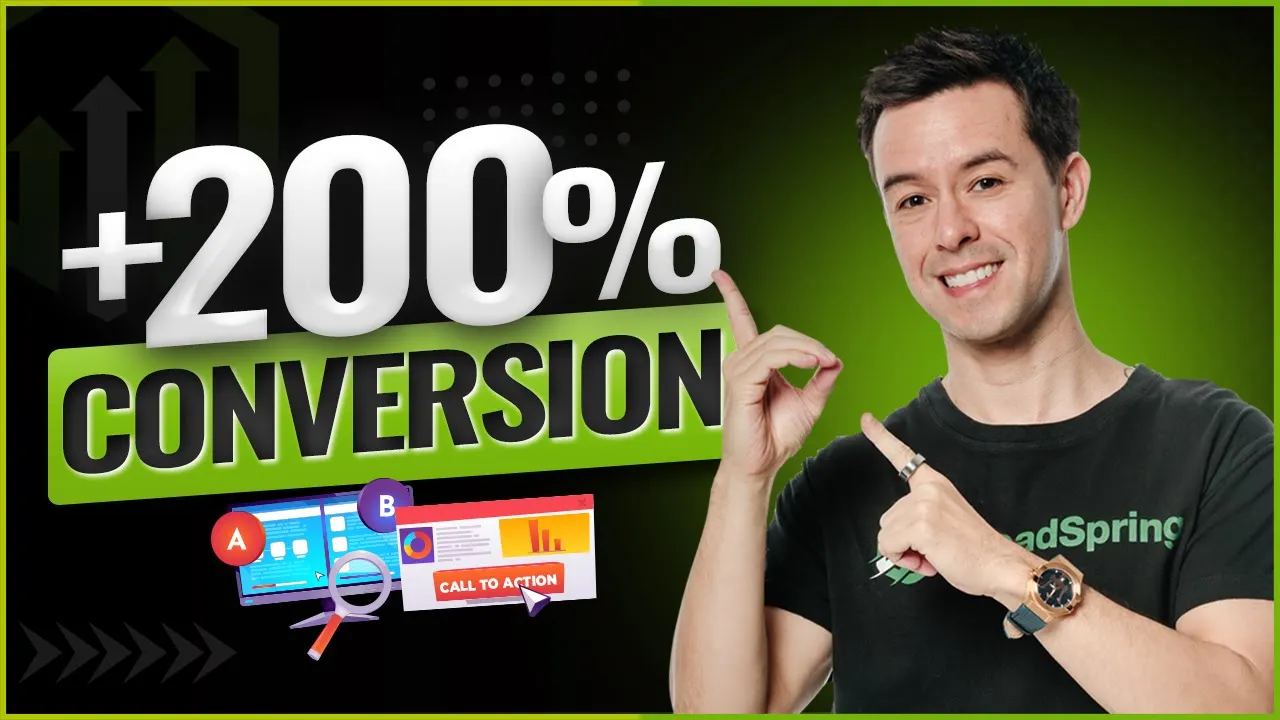


Implement tiered pricing (good, better, best) with 5-20% premium options to capture higher-value clients, where the premium tier offers exclusive community access and peer networking rather than just content, allowing you to increase prices by adding premium choices upfront rather than raising prices later, and if over 50% of customers choose the premium option, it indicates you're undercharging and should eliminate the lowest tier to maximize revenue.
The Psychology of Tiered Pricing: Why Options Boost Revenue
Added:Basic concepts of behavioral economics, specifically how cognitive biases influence consumer purchasing decisions.
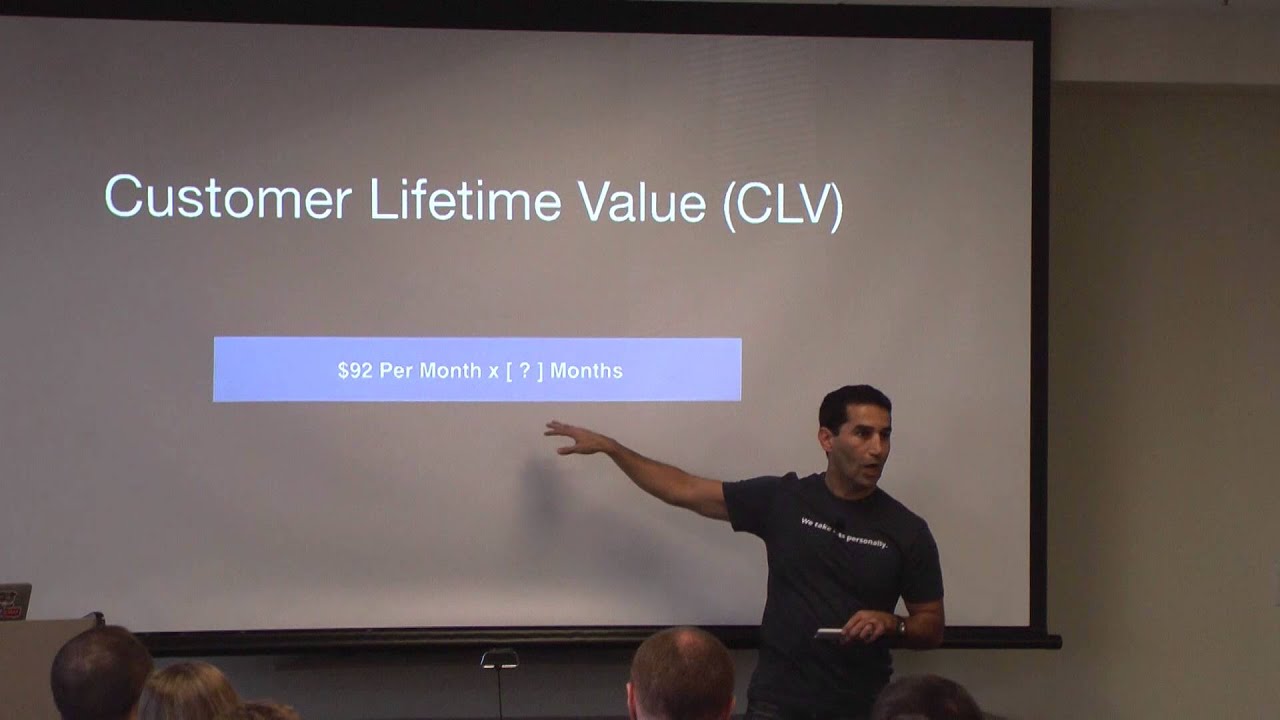
Fundamental business metrics, including Lead Conversion Rate, Customer Acquisition Cost (CAC), and Customer Lifetime Value (CLV).
The principles of market segmentation and how businesses categorize customers based on their willingness to pay.
Traditional pricing strategies, such as cost-plus pricing, competitor-based pricing, and basic value-based pricing.
Advanced behavioral pricing tactics, such as the Decoy Effect (asymmetric dominance) and Price Anchoring.
Feature gating and packaging strategies for Software-as-a-Service (SaaS) and subscription-based business models.
A/B testing methodologies specifically designed to optimize pricing page layouts, CTAs, and tier structures.
Implementing dynamic and personalized pricing algorithms based on real-time consumer data and demand.
49K views1.2Klikes9:25Original Release: 2024-10-31
you offer them option and tier pricing so this is the three boxes right you have good better and best so you can do tier pricing no less than 5% often right to as much as 20% of your prospects are always Are For Better Or premium option right and or to send the higher prices tiers because who they are as much as more than because of the offer what I mean is you could have three tiers and within that you can let's say good better than best but within that you could sometimes still have tears right so what we have is example right let say s def So Def would apply and join and become a red dragon right red dragon but within Dragon 100 it's we have we have three tiers what are the three tiers right we have the red dragon we have the black and then we have dragon X so I have a tier structure with different pricing right within the offer itself so this is 100k right to 1 million in Revenue this is 1 million to 10 million and this is 10 million and up so I have tier pricing right and in in the membership fee for each is different different things they get and not so much what's the content the content there the differentiation but mainly who they hang out with red dragon hangs out with red dragon we have an exclusive slack for red and then we have the virtual board meeting which is red dragon is in the group meeting with red so at the same level from 100,000 to 1 million and then the black dragons are hanging out with black dragon from that level to that level that's the the the big differentiation and as you get through this level then the dragons are are looking at I want to hang up with people at a higher level right it's it's a different level right it's it's access to that like it's okay like it's great I hang with that with Red Dragons we're growing but these guys are doing like let's say you're doing $100,000 but these guys are doing 5 million I want to see what they're doing right it's a different group so they access if you have a price and you're hesitant about just raising it figure out a way to add a premium Choice then you can create the the options so I am creating these options up front up front versus if imagine I have one tier and later on I say hey you know what I want to increase the price for the dragon dragon membership for x amount of dollars I could do it it's not an issue but why not just have that day want and create a differentiation a right it also extends the the lifetime value I need them to get to this in order to in co-invest with us and do the hundreds of millions of dollars man right I need them to be liquid so I need to get them here I don't want them to stay here it's not enough money it's too small $10 million let's say you're doing 2 million in in net profit okay well then you can invest half a million you invest a million right a 100 a those that's 100 million that's more interesting right each tier we limit to 100 people ever that's it 100 100 100 we hit it no more access that's it I don't want more access that's why Dragon 100 it's 100 each tier that's it all I need is to help them Elevate and then as they make more money and make more money we go invest in in a lot a lot of these these these deals right and that that's how we do it right it's it's it's it's it's a it's a community it's an Advisory Group it's an investment Club then within there we're going to create generational wealth it's pretty simple not a complex thing is it then C doesn't need to focus on too many it's just oh I just focus on serving them elevating them helping them become as successful as possible share everything I know with them because it's my best interest to get them from here to here to here right I want them to make tens of millions of dollars right I want them to make want them to make as much money as possible Right but the only way we will they would grow if you need to you could sometimes take something out so when you are talking about the offer let's say you want to charge more money you can go back to your your existing clients and you tell them hey let's say before you have one offer now you got the tier structure you can go back to them and say we what we're going to do is we are going to increase price let's say you've been selling this thing and I'm going to increase this this price oh I don't want to pay that that's okay then we could take out a couple of things then you only need to pay this price just indirectly it becomes a down sell if they are they're not happy with you drastically increasing the price yeah but then now you have something that you can bring people in at a new higher price you can do that as well so there are many ways you can use the tier structure right as a downsell as an introduction to a new thing or you can increase price many ways you can do this so here's a step I'm going to give you a simple simple step-by-step formula so you identify product if you you want to increase price using tier to your structure identify a product that you want to offer just create an AB option keep it simple you got something create an AP option a standard and a premium then step two you determine the premium price like the option b so we've got a standard this is how much we've got this thing going on right so this is again 1,000 bucks basic standard okay what's the premium the premium is going to be uh 2,000 so I'm going to you can add 25% 30% or 50% 100% that depends on your Niche you can see car wash and DET detailing service you you can see that big difference in pricing right 125 150 200 and sometimes time we seen that the car wash different car different prices right you got a van it's a little bit more money small car a little bit cheaper same thing it's the same the water and the shampoo right but they have found a way to increase margins then you would describe why this thing cost more money right make it reasonable is it better quality did they get extra service or speed right make it seem believable there's a reasonable explanation for the price is the better materials there a high skill labor is it fast to turn around right you can charge for Speed as well that makes the price actually irrelevant to for the discussion so 1,000 2,000 bucks and then what you do is this you introduce it to the marketplace and your client is thinking well why would I pay for that you're going after better clients who could afford this you're going after better clients so you ask yourself am I going after better clients who can afford to invest what I deserve am I creating prices based on the benefits and value rather than on the features and the deliveries if you're focusing on the features and deliveries you will never charge enough am I providing context right not content but context for the price that informs the customer of the real value from which they can see the final price is actually a discount then you put both options in front of the marketplace in front of same people you were putting in front of before so you've been marketing you've been marketing then what happens is you will see I promise you 5 to 20% of the people because it's who they are has nothing to do with what you sell we say give me this thing give me that that super duper premium thing that you got right there's always a percentage it's just who they are right as long as it makes sense they want to buy that one lesson you will learn is this if you have more if you put the offer in front of the same people and you have more than 50% taking the high offer what it tells you is that you're charging too low that means we're leaving money on the table in that case throw out your lowest offer right now the 2,000 this becomes a 2,000 now you've got 5,000 right this becomes a lower offer you increase the price now you you bump up the price for this it's the easiest way to do this and you'll be shocked when you do this like wow I'm getting all this extra profit like without extra work amazing and you're to make more profit from from from from these group customers than the other group
Up Next

17:40
Scaling to $100M: SaaS Growth, Product-Market Fit, & Startup Strategy
@eoglobal
40.1K views•2024-08-07
46:36
Retention Habits of Top DTC Ecommerce Brands Revealed
@SendItPodcast
44K views•2026-03-03

15:23
Decoy Effect: How Pricing Psychology Influences Consumer Spending
@bobinvestsUS
90K views•2026-01-05

17:30
The Planned Obsolescence of Light Bulbs and Tech
@veritasium
25.3M views•2021-03-26
Related Study Plans & Knowledge Roadmaps
Structured learning paths in Business
business
Pop-Up Retail: Strategy, Design & Execution
01Introduction to Pop-Up Retail & Strategic Goal Setting
02Budgeting, Site Selection, and Legal Essentials
03Experiential Retail Design & Visual Merchandising
+ 2 more learning modules
15h5 modules
Explore Roadmap
business
Reg CF: Startup Funding, Marketing & Launch
01Introduction to Equity Crowdfunding & Reg CF
02Platform Selection & Legal Preparation
03Crafting High-Converting Campaign Assets
+ 2 more learning modules
14h5 modules
Explore Roadmap
business
Productized Services: Scaling Solo Freelance
01Foundations of Productized Services
02Packaging and Scope Definition
03Pricing and Subscription Models
+ 2 more learning modules
15h5 modules
Explore Roadmap
business
Gov Procurement: Find, Bid & Win Contracts
01Introduction to Government Procurement & Business Setup
02Small Business Certifications & Set-Asides
03Finding and Analyzing Contract Opportunities
+ 2 more learning modules
14h5 modules
Explore Roadmap