![What's an RFI, RFQ, and RFP [Examples and Differences]](https://i.ytimg.com/vi_webp/fB4n1ID_Ml0/maxresdefault.webp)












Successful local government contracting requires building relationships through community engagement, attending relevant events, and consistently following up with decision-makers, rather than relying solely on formal bidding processes; companies should position themselves as valuable partners by understanding local needs, demonstrating capability through past performance, and maintaining ongoing communication with agencies and potential teaming partners.
Local Government Contracting Strategies for Small Business Success
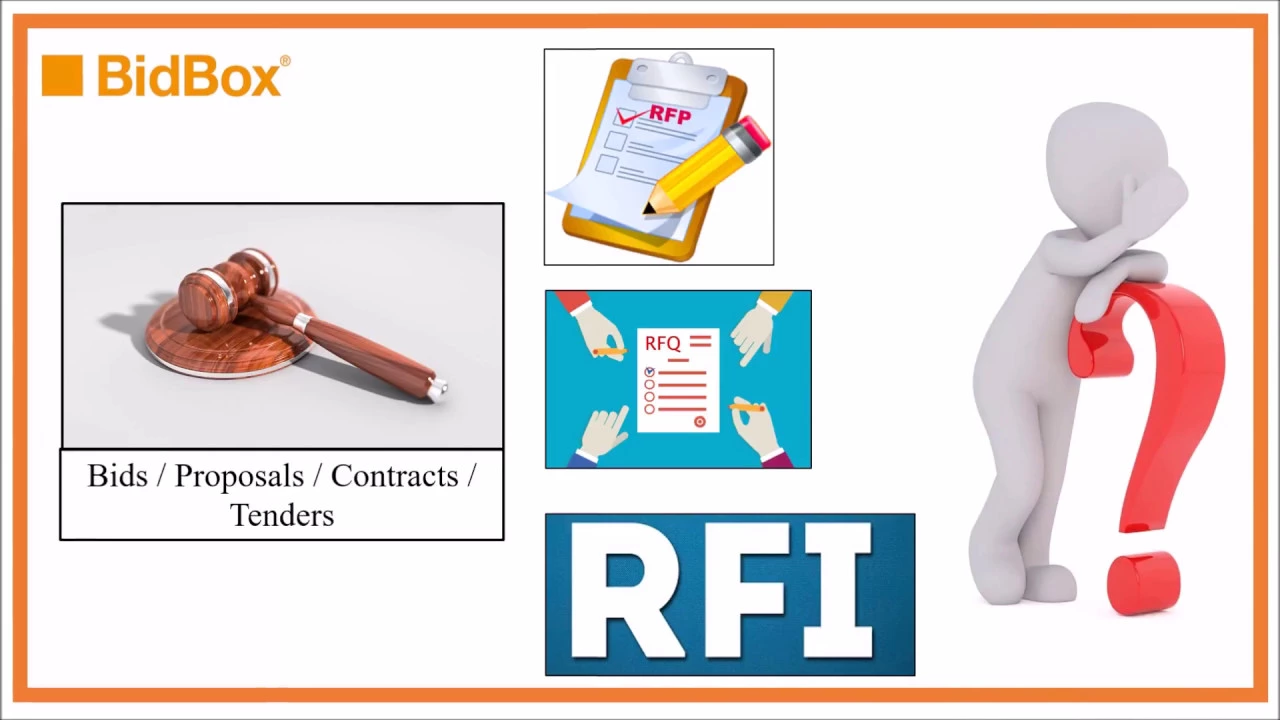
Added:Basic understanding of public procurement terminology, specifically the difference between RFPs (Request for Proposals), RFQs (Request for Quotes), and ITBs (Invitation to Bid).
Familiarity with standard business registrations and classification systems, such as local vendor portals and NAICS (North American Industry Classification System) codes.
Fundamental concepts of B2B (Business-to-Business) and B2G (Business-to-Government) marketing, including the creation of a basic Corporate Capability Statement.
Awareness of socio-economic certifications for small businesses (such as Minority, Women, or Veteran-Owned Business Enterprises) and how they affect procurement goals.
Advanced technical proposal writing and compliance strategies to successfully response to formal government solicitations.
Post-award contract administration and compliance management, including tracking performance metrics and navigating audit requirements.
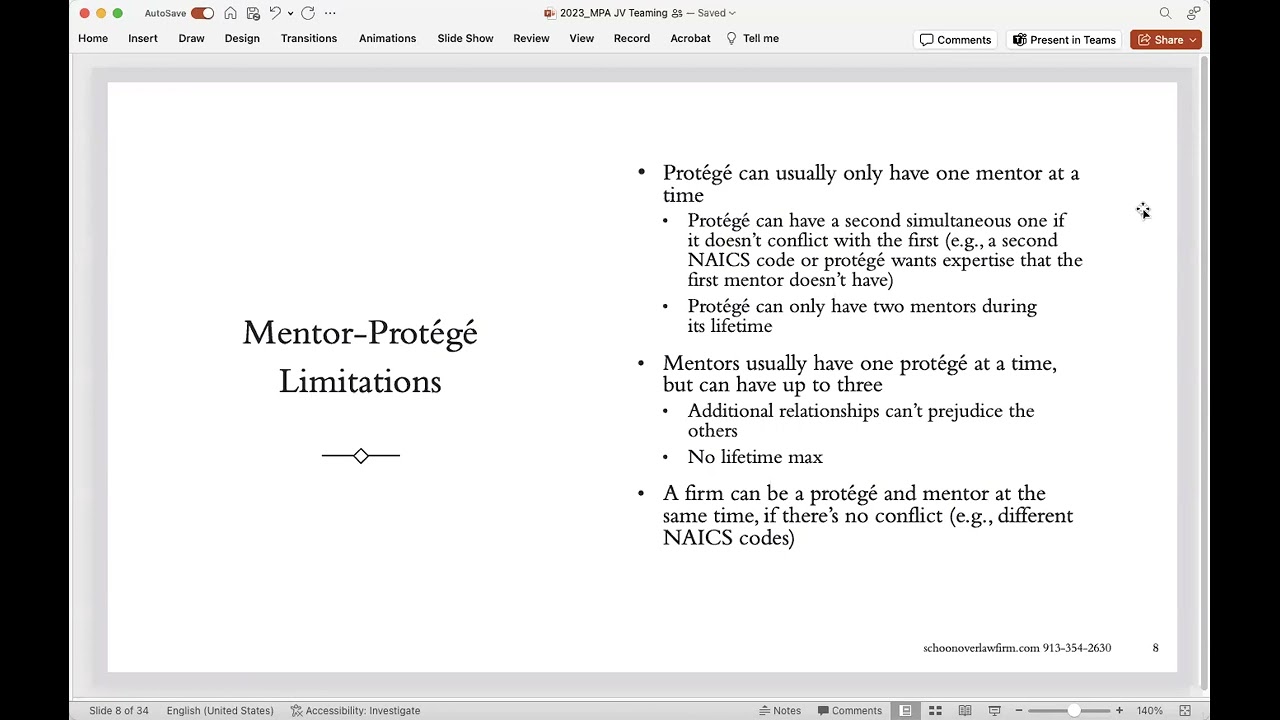
Developing strategic teaming agreements and joint ventures to pursue larger government contracts as a subcontractor or co-prime.
Scaling strategies to transition from local/municipal government contracting to state and federal agency procurement levels.
13.9K views687likes2:16:01Original Release: 2023-12-31
[Music] hey everyone welcome to my channel here on the Sha preneur Channel I share information about Government Contracting veteran business content and other business tips what's going on everyone this is Sheena AKA Sheena panua your favorite veteran and I'm back in the building and I have a very very very special guest as you can see by the title we are branding in your backyard with my bestie like my bestie bestie Bridget field she is in the building and today she's going to be giving us like her super secret sauce on how to get like local Contracting by just being yourself so branding in your backyard literally meaning like in your local area where you live where you have other establishments set up where you can just go get contracts and you don't necessarily have to bid you don't necessarily have to go into uh Federal in Sam and do federal Contracting literally local Contracting just by being yourself so Bridget Welcome to our show thank you so much yes like she is my bestie for real y'all like for real for real and she really helped me a lot with like marketing for sure but also like being in the room so she is the shiznet when it comes to this and she's like Shea look you got to get out here and talk to people I'm like well y'all know I'm an introvert I don't like to talk to people I don't like to do that but she has proven that this is the way that you you are supposed to go at the local level and she's really really taught me a lot so Bridget and she's Air Force so like that's okay I'm giving her a little number one aim high she getting a little pass because you know she my friend or whatever but you know she's she served she's a veteran you know what I'm saying and so she's built her company from scratch we love that girl power so please give us your background and a little bit about your business thank you so much Sheena and she is my best of y'all like that's real facts I was so excited about this session it was just another excuse for me to post all of our pictures on social media let you all know that we have something special for you all so as she said my name is Bridget Fields I am a Air Force veteran also as Sheena said and I own design show marketing we're advertising and Communications company that specialize in behavioral marketing especially when it comes to Public Health so that means means like your Vape campaigns tobacco DUIs things that help people change their behavior to help the good of the community and then we also help government contractors hopefully like everybody in this room including uh Sheena building their digital footprint and branding when it comes to being a government contractor because when you look professional that's going to build trust with possible teaming Partners primes even Contracting officers today and then we have a third division which is design show Community where we help municipalities assocations nonprofits when it comes to things like uh programs initiatives uh recruiting and also education such as school so I love love love love what I do you broke up a little bit you said such as schools and what uh such as schools and educational institutions talko is you hear that she said she got divisions divisions in her company and that's really important because like several things that you said of course is important so one of the things is that you have divisions within your company because a lot of people will ask me like okay I have this company should I do separate companies within the company like how should I break this thing down like you know that type of thing oh wait a minute we got a little we got some oh we we got endorser torren said design show does amazing work I love it so that's that's the endorsement right there and I know of course she's my friend so I'm always going to you know but you know how sometimes you have like a hair stylist or something that's like your cousin or your friend you're like oh they do great work but they really kind of don't but she really does like took our like we even won an award for like the best website and her team um developed our website for real for real so she really does amazing work her team is is second to none so going back so your um the visions that you have in your company you're like hyperfocused on on marketing but also Al Marketing in three separate ways the way that you described it and then also having a personal mission right so your personal mission again because I know that went all over everybody's head so bring that back yes so taking it a little bit back to when I was in the Air Force my background is in healthc care I worked in operating room so everything from knee Replacements to uh delivering babies eye surgery cataracts Plastics nose jobs breast implants all those things in the military uh we helped do and then I went on to running a clinic so being a practice manager in urology once I got out the Air Force I was working my Hospital some of the top hospitals here in Atlanta um but the main reason that I did go into uh well the main re when we started design show the main focus was bringing healthc care literacy to underserve communities meaning that helping communities that don't know how to understand the prescription bottles like how many pills to take like that's an issue or even access to getting to the hospital you know as you know when hospitals shut down in communities then that leaves a problem of how they going to get to the hospital also when it comes to understanding their health so creating those educational materials that they can understand and read so they know how Co is spread or how to prevent the spread of diseases so that is my main focus and it all started from um when my me and my dad we would go to rural communities and go to like churches and explain to you know um uner communities you know black people how to understand what the doctor tells them so wow that's my vision bringing Physicians to people that look and sound like them for Better Health Care outcomes yo D okay look so I am almost like not MediCal illiterate like I went to massage therapy school so we had to learn a lot about Anatomy and when I was in Korea we had to do a catheter like the thing well the one that go in your hand that's a catheter okay yeah and I was shaking more than the person that was getting the catheter and I was like medical ain't for me it ain't for your girl at all so someone to really have oh that's right my sister's in medical I forgot uh what's up India so she said it's so common uh for patients not to understand their medication so another endorsement so Bridget knows what the she talking about right so I knew I wasn't Med like medical wasn't my wasn't my is and for for you to have like that much experience working especially working in an operating room and delivering babies and all that like what that is Major and then you brought that over to marketing whereas you wouldn't even necessarily connect those things so that's like super dope and she turned her passion like including your dad um into you know a part of your mission and something something that you all did together and then you brought it over to what you do now and like helping people understand and then like oh let's advertize what people don't know like bringing that over to marketing is just like fantastic I love it I love it umut wait you got how much do you charge for web development oh look she G I'm gonna put all her information um hopefully at the end I'm just going to add it to the to the comments so you guys can see that as the last message and then I'm gonna put her information in the um description so when I tell you yo fantabulous I ain't telling no lie and she real strict she'll be like oh you no this newsletter it ain't gonna work only because I care if y'all don't succeed then I don't succeed at the end of the day I know people have hired uh people on Fiverr and hired like uh someone to do your stuff and you were not satisfied her team I'm not just saying that like they Second To None um so I'll put her information in the description and as the last comment when we wrap up okay boom so you started doing your business design show and then you were like okay I want to do Government Contracting how did that transition come in you started your company I forgot what you said which year that was so we started in 20 well we went fulltime because that's when it really starts in 2016 that's when I quit my job so everybody that's that point when you're working your 9 to 5 and you're daydreaming about your job as you're going to work at lunchtime you're making those phone calls and it just really got to the point where I just really had to step out on faith because if you can bet on anybody you should be able to bet on yourself and since 2016 it's been an amazing roller coasters of es and flows absolutely okay so you were and you got another okay so the same person naturally Tech bought a capability statement from you when in the course the govcon now course okay I do have her listed in there because she's the best and that's just what it is and remember like if you feel like this information is valuable please don't forget the Super Chat the Super Chat okay super super chat super stickers all that good stuff um so and then make sure you guys are asking your questions okay what's up questions yeah yeah as many questions because you know this this topic is like even for me even for me knowing her it's some of it kind of goes over my head you know because she does it in such a unique way so please make sure you're asking questions okay um so you transition into it by how did you hear about Government Contracting like what made you interested heard from a girl named Sheena Parker that is honestly the very first time I heard about Ashley she just youi you just made it seem really touching able impossible like you know you hear just here and that in Whispers but it was it seemed like it was only from people who had been in it for years and they knew the government space and since I even being in the military I still didn't feel the impostor syndrome right like I could be in the room with these big government companies bidding on contracts and so um once I saw how you moved with it with your team and bidding um then that just really got me interested especially when government money is guar guaranteed money especially after Co when everybody saw their money getting chicken up it was like okay like what can we do to be a little bit more stable and so that's why I decided to get in yeah like me and Bridget um what's up shaita star student building um me and Bridget met at a military not a military at a veteran business um program in 2020 the end of 2020 um the very end of 2020 and so so that's the time I guess you know that's all I was doing was Government Contracting I wasn't doing anything else so it was bunker Labs bunker labs in person so I just that's all I talked about because that was really all I knew and um you know hearing about it I know everybody's kind of like like she said they're a little timid about it because you know you only think about Federal contrac and you only think about big businesses and huge contracts and you're like I'm a little guy like how does that even work and so after you know badger over and over I think she you know um but she got without me she did it without me like I was I was like kind of Aly oop and then walked away and then she you know LeBron planed dumped it and like really really brought it out so going into that you know we're gonna hop around a little bit because I want people to to understand that this was a pro a very specific process that you followed I was like you don't even need to do all that but she proved be all the way did she like that's my like you know call sign so when you first started getting into how you wanted to do it what was your strategy great question the strategy is when it comes to marketing we do a lot of positioning so I wanted to make sure that we positioned our company in the government space in the right spot um we started by finding out what agency spent the most in our Nate codes right because of course that's who we want to come up with and find out about n code so you're saying when you say what agency is spending your n code so what is that what does that look like for people that don't know like you started researching like how does that look yes so I started researching other advertising companies that were already in Government Contracting to see what Nate's codes they were using what their website looked like how it compared to mine and then also what I'm actually capable of doing so there's a couple of things where I had to really boost up my company in order to be competitive a lot of them had public relations and that's something that we didn't dabble in but in the federal space that's a big um uh NES code that uh agencies spend money on so we had to really up the anti there so when you said that you had to kind of add P um PR Public Relation see that's how slow I am about this so when you had to add that did you just add that to um your capability statement did you like hire somebody who's in PR like how did that look yes so it's all of those things I added it to the capability statement added it to the website of course went to YouTube University so with to learn about public relations and then also start building relationships with actual public relations companies and people so because you know it takes a while to find someone who you're able to work within your company so looking on LinkedIn going to different media events wow okay that's that's interesting so she started dating I told you anybody who's ever listened to me I say when you hire someone that's not like an employee of your company y'all y'all are getting married because you have this is a very very um there's a lot of trust that's involved in these relation ships and if this person is going to be representing your company and something as huge as PR that's different than scrubbing toilets right so these people are like literally representing you and the agency that they're doing the pr for so you have to like date them y'all going on nine dates okay and or more to make sure that they know how to speak that they can they can deliver so you had to add something that you didn't really have and the person had to be vetted to the 20 million power right right so like he said that's setting up consistent meetings every two weeks like that first meeting is nothing that meet and greet it takes way more maybe twice a month maybe a lunch um also just looking at how they move online what they've done in the past because like you said they're representing your company but also like DOD putting out Nationwide statement so you know nobody wants to be the company that puts out false information you don't want to get blackballed so early in your career and guess what happens so she hires this person you know like not even hire but bring them in as a sub and then they put out the wrong information who they blaming they're blaming design show and they're gonna say well not our problem that you hired a sub because all y'all talking about oh all I got to do is go find somebody don't get me started because you know that braises my blood pressure when y'all talk about like the middleman and all that stuff you have to date these people like you can't just pull somebody out of the sky see how mad I got you can't pull somebody out of the sky and say oh they can go do it and you don't know anything about them and how they roll okay off the soap box so um Casino said that Bridget did his capability stat fire I've seen it it's fire so um Deo Movement we move okay seeing Sheen experience on YouTube videos and spending hours watching more of those videos is what drew me into starting my own own company this month yes I love those stories I love those stories uh and please share what that is we move I'm assuming it's a moving company so just drop um you know what what it is that you do so boom okay that's great so you you were looking for companies who are already doing what you do and just kind of like mimicking them right exactly uh if it was a multi-million dollar advertising company in the federal space what are they doing and then you have to make a decision if they're going to be a friend of FO right it's a incumbent so what do we need to do huh enemy or friend ofy exactly exactly and so the best thing to do is just make a lot of uh friends in in this space because you never know and even the big companies you know they uh look for smaller companies to work with so that's the strategy that we did we started looking at advertising companies who were winning and winning in our Nate's codes sending out an email hey this is Bridget from design show we do this set in the third and the things that we did tell them our value proposition is after we did research on the company because when you go to these primes you gotta come with something good or they're gonna be like why are you here why are you wasting my time so it's like being there clut butter to their jelly that's what we want talk your listen if oh man that gave me goosebumps you know why because lead with value damn it if y'all don't get out of my DMs talking about oh let's work on a contract together what are you bringing me Sheena already works on contracts like honestly and I'm not trying to be I'm real fired up tonight I don't know what it is I don't know if I had an extra shot of coffee but lead with value she said I researched the company found out what they do said hey we can help you in this specific way you're gonna get someone's attention that way that is like Beyond goal y'all need to do a super chat for that that is beyond gold because that is something that like nobody does I don't even think I really did that for real in all the programs I've been a part of I don't think I really understood the depth of leaving leading with value yes they you want something from them they know that but damn what are you going to give them even if it's like look some people have come to me and said I will work for free just to learn like just to be your virtual assistant for a few hours a week okay cool I may or may not accept that that's fine but then you have to lead with something like nobody just wants you especially when these larger companies or whatever they don't want you just like picking at them and they get picked that all day okay so with that did you get a lot of um like did you get any rejection did you get a lot of responses like what was that like I always got responses anytime you mention to a company a hole or a gap that you can fill nobody can ever say no to that so even if it was something like hey we can be a project manager for your campaigns they were willing to say who would say no to something that they need talk your yo so she she was very specific I mean like I really want to drive home this point because no matter what business you have she made it make sense for them and these are large companies you know multimillion multi-million dollar companies who are responding to us as the little guys responding to our emails because she led with value like oh my God oh my God just so dope so got me yes I'm yes stay fired up yes what's up Shonda another goon now student yes favorite veteran you know I love y'all um okay boom boom so you you led with value with these IES and you know you probably worked with some of them whether it was like for free or maybe even tried to partner on some opportunities so what happened after you started getting the yeses like what did you do so after the yeses then you have to actually nurture that relationship so once they say that they are interested in their Peak you're not just going to let it fall by the wayside it's like okay what's next we uh they get newsletters from our company so they can know how we're growing how we're building our team um any projects we completed and we also receive their newsletters as well it's like you have to engage a relationship is engagement you know you just don't say hey and that's it and you're gone and you wait for the good time so uh and then we schedule those regularly scheduled meetings once a month we go to their events that's another big thing they love when you come out to support them at their events so very strategic when we uh especially the primes for sure wow so what are some of these companies we will We recognize them the common folk um the National Institute of Health is a real big one they're a big incumbent when it comes to Health and Human Services which was one our Target agency since Healthcare literacy was like my thing um so they have these it's Health Care you know there's like research companies that's been around for years and years and years and come to find out they're the ones who are getting these contracts and so that meant that we had to and most of them have a um subcontractor program and you would look for their Small Business Development liaison or Specialist or something like that that's the person that you look for in these big companies and reach out and say hey my name is Bridget from design show we offer this service veteran own um can we set up a call 15 minutes nobody wants a long 30 minutes 15 minutes something uh to piak their interest and that's what we did with them so we continue to build with them and um when we have a contract we always want to make sure it's respectful that it's ahead of time I don't want to bring a prim a contract that's doing like three days like that's not not fair so we make sure that it's at least 12 days I think that we set and that's a number that we set internally within our company where when we reach out hey this is what we found do you want to collaborate on it but we also come to them with what we're going to execute in the contract so by the time that they get it they're just trying to see you know how they can push it through so you just said so much stuff I was trying to like make a mental note have my pen okay look so here what she's saying right so she's like getting she's courting them like by sending them newsletters okay so she's staying at top of mine so they might be like who was that company that reached out because they forgot a thousand people messaging them she kept she added them to the email list that's a free that's a free activity okay she added them to them email list to send newsletters so they'll be like oh yeah boom I remember now or they may have totally forgot or anything could have happened and then if they needed someone at that time they got a newsletter from her whatever last month last week right and then also she's in marketing remember so you're in marketing but then she's going to the healthcare events y'all ask me all the time what's the best events to go to it may not be a marketing event she's going to her Target her Target is medical so she's going to Medical EV events and these people are like I don't even know how to like how do how do I get this on TV like how do I Market myself online in medical and she's like well I have this package for you and they're like wow I'm assuming that's how it goes right yeah so we try to meet them where they are whether that's through email LinkedIn we go to an event or the meeting so you can see how you see all those touch points that we have with them it's like they have no choice but to you know when it comes up and then it's like it's also synergies too so you know you don't want an you know of course you can't work with that so you know fill out the personality as well with the small business specialist yeah okay and the small business specialist so thank you so much de movement for the Super Chat we appreciate that tremendously tremendously tremendous yes so um you also mentioned with some of these companies they have a small business Lea on because they you know they've been doing business for a while so they have somebody dedicated to helping with their you you know they large companies so some it's kind of like they have a small business sector where they bring in small businesses to work with now I I know on all sides Federal local that they have sometimes they have to sub out work to smaller businesses like there's a goal that they have to sub it out to minority business black businesses um female veteran whatever um so that's who you will work with on the small with the small business liaison but she also is following up like y'all suck at following up like you'll send one message you didn't get response it didn't work you have to follow up to death I mean like until they tell you no until they say don't contact me again or I'm gonna press charges and that's when I be like okay byow gracefully but she already has other companies that she's working with so it's not going to be as painful hopefully so okay we got thank you Mikey great topic appreciate it and the Super Chat my favorite photographer Mikey appreciate you so much so much so much um so we got about 30 something people on here so make sure y'all hit that like button share if you feel like information I wanted to add something to that as well please so communication Matrix that's what I call it so that's when we it's you have to track the people the primes or teaming partners that we contact right because like you said you send one an email you don't know when you send it if they responded so it's like a sequence so it will like call two days later email you know a month later set of meeting it's like it's on a consistent schedule so that's our communication Matrix and you set those up in Excel and it's beautiful so do you use a service like Hub hub spot or anything like that thank you for asking yes I use monday.com for our uh Pipeline and project management and it works wonders because when you're bidding on contracts and you have all this information and pieces of information and resumés floating around and the Contracting officer if you spoke to them it's a great way to keep up with that you have to or it's going to be bananas right when you start communicating with a lot of different people and there's gonna be a lot of money flowing around you need to have that in place right away so go back through it again so it's called so you find them on the interwebs right I guess the uh primes yeah so you find them and then call and so go through those steps right right so it's a process of looking at like USA spending finding these advertising companies see what types of contracts that they won see what agency that they won them with so since we want to work with health and human Serv Services we digging all through their files how many Health and Human Services contracts do you win how much was that for what year what kind of project it was um and then that's how we know kind of know the contracts they've been getting so when we do speak to them you know it's nothing like a someone calling you and they already knowing about your company so that's what we do with that gotcha so for those and that's my mommy Rosemary thank you Rosary so um okay those who don't know USA spending is basically like the the like open internet for federal contracts like any federal money that your company has is gonna be on USA spending so if you didn't know now you know and that's a good way to I use it to Vet companies that I want to work with because it also shows that they have any Federal loans like they got money from like the the PPP or or Idol or whatever and it shows whether they're in default that's the first thing I check I'll be like uh no let me let me just at least check that you know I just I need to know so it's a good way to but it's only tracks Federal so if you have local contracts or commercial it's not going to have that but you know some companies that you're looking at and you want to see if they're you know get the federal um contract in so boom all right so we got a question little interlude here um Dale movement what's your advice for a startup who plans to work with subcontractors on the contracts they plan to bid for okay a little bit but go ahead um what's your advice start work with subcontractors number one know what you have to offered know what you can execute in a contract because you have to know that before you work with anyone else you have to know where to place them you have to know what to listen for when you're speaking to them um so that's that's as far as you know it's what I have got you yeah that's um you know you're dating them again like if listen just take this take the Government Contracting out of it and if you would to vet someone to do something in your house like that's the easiest example I can give people if you want to work with them you want them to work on your house how would you vet them sometimes you don't care you're like oh whatever the home warranty person sends over or the person in the um whatever that works in the subdivision on everybody's stuff but for those who kind of want to just see make sure that you're getting someone that's reputable or if you're going say you're going to a doctor or you're going to a massage therapist or something like that where you have like let me just do a little bit of research to make sure this person is not is is legit it's the same thing and it may be a new company that you're trying to help get off the ground which is cool too but you'll get the signs yo if they don't respond to email ever if they don't respond to calls they don't respond to to text or they just you know in your Shana if they're the right person like you just know and then sometimes you can't predict you know the inevitable if something was to go wrong in a contract but this whole not knowing people that you bringing on to your team that's going to represent your company is dead like don't do that no more y'all stop doing that out here that's very very very dangerous you will not last long in this here Government Contracting world so yeah okay cool so thank you for that um so now we got to get into the stuffs right so what services do you use for looking for your contracts or looking for bids or like any special specific programs yeah so we went through a couple of course you do your market research and you ask your peers as I've asked you 36 times which one you use and then of of course we ask the millionaires right the people who are making money what do you use and I got a lot of gov was it gov wise is thatn is one is one and even the obsta and Contracting officers or people on the other side of the table I'm asking them you know what have they heard of and used and we finally landed on um uh bonfire and that's because for a while we kind of tracked what kind of contracts came out of Team Georgia Marketplace out of bidet direct so again going back to monday.com every time we received an email uh for RFP we would put it it was like a ticker and so and then also knowing who you want to work for bonfire they had ATL belt line which I love we're gonna get into that get into that I love the belt line for those of you in Atlanta um and so that's like that's one of my dream places to get a contract but I knew they were there they had a lot of um Department of Health contracts so you want to make sure before you sign up with one of those platforms that you really do your research and know what counties they cover um what part what states they cover because if you're here in Georgia and you're doing stuff way out in like Wyoming I don't that's that's not too good to start with um but yeah I love bunfire that's interesting and I just got to throw this up here because oh my God Kaitlyn this is my program manager yo she is the best of the best of the best of the best okay and she said awesome duo right there right here sharing some serious knowledge thank you so much Caitlyn like when I tell you Caitlyn is everything y'all can't have her because look we gonna be working together forever so don't even don't even ask thank you Kaitlyn um so yeah with with that like using the different pro programs of course y'all know I use gub directions um that's my favorite but again that's really important to know what bonfire does for you because even with um gub directions like I've had a few people tell me well they don't like it because it seems like with the federal contracts it comes out too close to the date which is kind of true um you know it's it it just whatever flavor so there are a lot of free services that people can use there's you know even with the state of Georgia has its own website but it doesn't have everything and that's free um so she just said okay I'm gonna make an executive decision so I use it's a commercial service but it works you know with capturing um the solicitation now does It capture Federal and local yes it capture Federal and local for the counties that we marked at the very beginning like your cob County Gwynette County uh bits that captures all of those and that's what you want to make sure because some of these platforms are heavy in certain regions yeah um like there's one there's a vendor link and that's heavy for Florida contracts so I was going to say so do you bid on anything out of state in the Southeast region yes I make it feel froggy and vote on something you I mean not vote bit on something in Texas but I know the area I used to live out there I have contacts out there so I think places where I have um contacts and relationships like Virginia and California that's where I started uh bidding on contracts at I love that because that's that's the same thing for my company for foresight we bid on stuff that's I got peoples or at least people that will go are willing to go there and that's also I think is pretty important because I've had people um that will bid on something in Alaska and I'm like you know I don't know like for products in Alaska I'm not saying don't do that I'm just saying you don't know the logistics like you don't really know and I think it's not as beneficial to bid on something where you know nothing about that state like for example New York in California has the highest um what's it called uh wage determination the the minimum wage is super high and their laws for employees are way different so just those two states so it's like oh yeah I'm gonna do something in California but you you acting like it's Georgia like no ma'am or Alabama is light year light years apart so yeah and so um is it maai Shay uses my bid match I feel like I've used my bid match um I don't know if that's a free service or not I'm trying to remember don't forget Super Chat y'all this is she's dropping like specific specific very specific I'm all about targeting Target marketing I brought all of my commercial strategies and everything over to the government space so it's like you position connect and engage that's the top three things that you do what is it again position connect and engage yo so you put yourself in a position right right is that what that is put your put your company in a position to be valuable and that's internally y'all like you can't just be like yo I'm here like no put your position in a company to be attractive for real and then the next one is what connect yep connect so knowing who knowing the decision makers Contracting officers project managers all the people who are part of the contract who are those people give me some names and emails phone numbers LinkedIn all of that all of that I want to know I love it and then engage right and then engage building those relationships nurturing them sending those emails supporting them at their events going to the the agen events super super dope that's like she's look super chat okay don't let it get dry out here super chat let me ask you a question um Sheena so when it does come to uh bidding outside of the state you know you have your like a creative space like your advertising where you don't necessarily need a body there versus uh a state where you actually have to put a body there do you think that's a big determining factor or is it still like if you're not there you don't need to bid in that state like meaning you have a like what you're doing having a digital product we get contracts from Colorado and it's like even though we don't have to provide a body there I still want to make sure that we understand the demographics of like wildfires and things like that which we don't necessarily have you know let's talk about it that's really good because I know we were talking about a wildfire contract I was like ah you know just not even thinking about it because okay let's let's let's get into that I like that because if you're like yes um state of Colorado we'll take on all of your advertising and you don't really know that they have all kind of stuff okay for example Colorado weed is legal right so what if you're like a anti-drug person yourself personally and your company stands for like no drugs no drugs and then you wasn't even you weren't even thinking that they were gonna say oh weed over here like billboard with the arrow pointed to the nearest country right you're like oh my God I didn't think they were gonna make me do that so that's that's a great Point get into that yeah so that's just really making sure that that goes back into knowing what we can and cannot do we can do mostly any type of advertisement but we don't really know when forest fires occur most often in Colorado like what seasons those are so for those reasons when we do decide when we do a go or noo situation for a contract you know after we look at the scope and evaluation that's when I'll determine okay no we we won't go for it and then also depending on how much it ways an evation to but then when it comes to Sheena she'll be like just bid anyway let's go no I've been a lot I've changed that model just a little bit because girl been burned over here okay and burned is far as contracts just so to be clear so so with that that's really um that's important so you have a no a go noo strategy which I talk about um a lot of people in this space talk about so basically it's like you have this list of things that you determine okay it's a automatic no if it's this you want to like touch on that just to taste yeah absolutely so you know I'm excited anytime I see Marketing in a contract right because I want them all um once I look at the scope and I determine okay this is something we can do then you get to the evaluation sometimes they say that you have to be in the state like they look for a company that has a residence in that county or or a business license sometimes depending on how far it's out because you can get a business license in pretty much any city um but you just don't know what that time would look like so those are the kind of the things that we and also our bandwidth right um that helps us decide if it's a go or no go I love that and um make sure everybody hits a like and like on this and share and so um I like that too that you said bandwidth because don't I know especially during 2020 when we didn't win anything for nine months and then the first week of January 2021 we won six and obviously they were from the year 2020 so I've had people ask me um I just been on 12 contracts I don't know what I'll do if I win them all so there's no This shea doesn't know I have no clue if you'll win any of them or all of them or some of them or they'll be delayed or whatever so knowing your bandwidth is incredibly important um even for one contract some of these some of these one contracts almost took the girl out before too so it's really is about and with you know so let me just touch on some of the um comments um I hope okay that's enough for someone else okay they having a little conversation looking at that so when it comes to having all if you're biding on a lot of contracts and you're having a lot pending just a part of being a business owner and having those relationships like you that's why you have to continuously meet people follow up with them put them in a nice organized database like okay I got Tim Samantha Susan all these people said that if I did get this contract that they're ready you know Freelancers small businesses things like that your standby list your pool your bucket so you have to make sure that you have those things all lined up and ready and that's just being a business owner really that's fact though like talk your because you know some of this stuff is regular business stuff and we just don't do it we're treating it like a side Hustle No shade but I mean you know once I feel like the go if you start off your business doing Government Contracting the government forces you to be a big boy big girl you know you might have been doing other businesses side hustles and the government is like uh no we need to see this operating agreement we need to see these resumés we need and you're like what you know so they're kind of like leading you toward being a bigger business that's why I kind of I was like you giving me instructions on what to do I like this like I really enjoyed how that process work so again this y'all are staying with us on this so you must really love what Bridget is talking about I'm loving it I'm fired up so don't forget to Super Chat and don't forget to like this um this video of course if you came in late you can watch the replay but let's get into some of your open solicitations so right now do you have any open solicitations or pending contracts yes so we have a pending contract for senior marketing um here in Fulton County we have another one for social media okay let me rephrase that open solicitations what they are where they are how much they are what they're for like we need DET details oh Lord so remember I know I know she's like oh this is like every time I get a solicitation it's like you know what a lot of um the advertising contracts and Communications contracts in this space so let me rephrase that when it comes to marketing and the local and state space they call it Communications and that's one thing that we learned as well because we were going around looking for advertising and they don't they don't use that language in this local and state space so if you're in advertising you look for social media Communications public relations in the federal space of course it's on a nationwide level so that's why you'll look up those advertising NES codes that makes sense I love that okay so that is important too because because people in janitorial they might say custodial and I had a whole hourlong debate with another janitorial company like no custodial is more like I'm like no boo boo the average agency doesn't know no difference they don't they don't know they'll use those words interchangeably um same thing with like litter pickup they'll use waste uh uh what did one of my students sent me something refuse I was like what the what is is that so it might it just depends on what the agency is writing and especially when it comes to something as like broad as um marketing can be because it could be digital marketing could be like you said Communications could be specifically PR but then like PR could be Communications too so you have to really know like use all of those key words um you know all those key words when you're working with different agencies and so we're talking about you're on the local side mostly then I know you're going after Federal stuff too but on the local side right you are um you have some that are open right now specifically local or are some of them Federal as well no so we actually changed our strategy we're the federal space that takes a lot more nurturing okay and so we're still you know sending those emails doing those dinner meetings but on the local space where uh more face to face uh that's moving way faster uh than I thought it ever would um so yeah we're building uh going to those events and things like that that's how we're building on a local level okay so let's go back do you remember the dollar amounts for any of the open um like dep pending contracts that you have yeah I only remember one because it seems like they a lot of them at this local level in Communications they either you either build them or you send them your price so I haven't seen a lot of fit sperm prices only once and that was for um a production events Productions and that was 300K but [Music] otherwise that was cute I like how you just kind of like okay look so what is it so how long is it is it a the person has to have boots on ground every day yeah so uh that was one of the Belt Line contracts and they did they do have to have boots on the ground every day is over 50 events um the contract is for 300K um and then when it comes down to these contracts again that bandwidth y'all I'm telling you like you have to know what you're capable of doing especially if you if you're going to be there in person because that could technically be your whole business and you're doing that full-time so ain't no time to do nothing else so that's why you really have to make sure that you can execute these contracts but yeah that was 300K on a local level and that was for what one year that was for one year yep one year a lot of the marketing contacts of course yeah at this level they're one year some of them are three months like it's like you're in there and out of there yo okay look 300 thou so if this is like your is you love marketing you could this could be so many different ways you can hire a specific person that is an an expert have them go do that is pay them 100,000 pay them 150 and then you keeping 150 for your company or you can give yourself that job because some people have asked me as well like can you be a solo preneur in this yes that's a perfect example it's one year 300K if you if you do it right then you can live up even if you don't you have breaks in between your next contract you should be able to kind of survive especially here in Atlanta survive off of that because most people are not making 300K as a self-employed person period so that is like really really and that's the local level y'all you don't have to go all the way I mean I've had some very low Federal contracts so I'm not saying one is better than the other but when people talk about the dollar amounts $300,000 for one year just to have a person I'm not I'm not gonna minimize marketing but Mar I I mean it in the most beautiful way possible to float around and do events and coordinate some people they love like that's what they do anyway for their family so 300,000 like are they is it still open I'm about to go do that like don't blame with me everybody's an event coordinator now put some balloons out there today match the colors like I can do that you know what I'm saying but you know respect but yes so that's 300K for a solicitation so I want to highlight that Bridget just one like just it fresh like the ink is still wet on the on her contract that she just won what last week yeah it was last week it was last week she was like I just want a contract I was like what like blo confet so excited she she didn't even sound excited she was like I just I was really I just don't feel like anybody's gonna be excited I was screaming inside of my body and like I was I was elated you haven't heard that word in a while I was elated I was that's when you know it's real she was like so calm and I'm over here like wait what like call me right now are you serious this is beautiful so tell us about that contract okay because that one did you bit on that one I did I bit on that one that's okay because we talk about like like how she positioned herself so how does that contract look so that cont contract is we build them for the work that we do so they we go to our first meeting on the 4th so we can find out what exactly they need from us um it's for public relations and marketing for the city of East Point which again I when you're able to pick the places that you work and just knowing this community and they need a lot of help when it comes to marketing and health care like I think that's the main reason why I was excited because we're actually going to make a difference and we're going to get paid because it's a contract so if anybody is familiar with Georgia East Point needs a little help okay and contrary to popular belief I mean respectfully Lord Tyler Perry studio didn't really do a whole lot for East Point I used to live in East Point that was my old stomping grounds but I feel like Tyler Perry Studios is on an island on his own within East Point it's like the rest of it looks exactly the same way it did 15 years ago when I used to live there but she's going in there and I guess they're really really trying to bring PE bring business into the city right yeah so with advertising contract at the city level a lot of them are like almost like tourism like every place is a fun place to live work and play right so that's pretty much what this public relations Is you know crisis management you know if any I think they just had a city councilman who uh lost about 800k and just watching the news that was another thing that I put on my stories on Instagram CEO design show by the way um is that if you w watch the news like when they had that uh Devastation in Hawaii um prayers to them but the first thing I thought about was FEMA and then supplies so you know just look at the world that's going on around you and also like like I said Channel 2 News your local news so when that happened and then when they closed down the hospital in East Point like I knew they were going to call me sooner or later because I can see it falling apart and then that goes all back into knowing exactly what they need in that community so when I do go to speak with them I already know what's going on there got it got it got it okay so that was I mean I guess it's you're in Atlanta so East Point is like right up the street so that's literally your backyard and she been on this contract and how many people okay we're gonna ask how many people won and then do you are you going to share numbers with us I don't get the numbers till the four you don't get the numbers yet I don't get them until the fourth until that meeting when I have to meet all the city councilmen and stand there and then let them know again you know what our company does and so again just knowing what you do and having confidence in it that's super key in the local area that's interesting because that's a little different than some other contracts that you know people would be bidding on when they have to input numbers so there are contracts that you bid on and I forgot and Caitlyn probably still on because she she is our master of reading this verbage honey so I believe it's like you get shortlisted shortlisted is one is one way to describe it but I know sometimes you'll win a contract and they're like it's like a idiq type thing where it's indefinite I just went over this in one of my videos indefinite god dog it um quantity indefinite what ever it is basically meaning like there's there's a cap maybe but they know they're gon to need you for this service so it may not be a specific number at that time so let's pop back in here real quick to the questions make sure y'all like and please please please super chat so um yes glamour godess Boutique what platform is it again um let us know what you're talking about is that a platform that we mentioned if so she mentioned she uses bonfire um Caitlyn to the rescue yes litter pickup debris removal waste refusal environmental cleanup all that could be the same thing just depending on what agency um we're talking about make a list of all your keywords yes that's a really good point all your keywords because that'll just help you even if you bring somebody else on to your team then they'll know too because if you bring in somebody new to your team especially y'all that hire these overseas virtual assistance no disrespect shout out to ble because I I use ble now um they are magnifical at virtual assistants that are in the US and to me that works for me but when you're hiring people and you're they don't know they might just look for litter pickup and that's it and you don't know they don't know that they need to look for other words as well um thank you hopeful real is it realy reality I can't talk thank you so much for the Super Chat thank you thank Youk we appreciate you tremendously um so I had a few qu had a few comments up to okay hopefully okay well look mention mention them again please put them all in one chat and then I will answer all your questions okay I'm sorry about that um so is it AR Aria Rogers good evening ladies and everyone and RFP aim looking to ask to demonstrate capability how do you ladies accomplish that on paper an RFP aim looking to ask to demonstrate capability okay you want to answer that did you get that question don't go you go ahead and I'll Pigg it back okay so I think you're asking demonstrate capability so the RFP is saying how can you demonstrate this how can you execute essentially or demonstrate that you have the capability to do it that's what I'm assuming you're asking um and with that you would have to show the past performance or um show a subcontractor if you already you already dated them you already vetted them and you're demonstrating that you can do this capability because I don't know how it's written they might say can you demonstrate this capability yes or show where you demonstrated this capability or they may say they may give a scenario base where it's please demonstrate with how you know how many employees you're going to use what type of day and a lot of stuff I'm going to mention is always going to be geared toward um genitori and stuff like that so forgive me but you know how many bodies you going you what kind of cleaners are you going to use um are you experienced with using this type of thing so you're showing yes we understand basically what you're saying so that's my understanding of what she said yes so um that's pretty much what what you would do to demonstrate the capability yeah um and yeah the past performance um like she say just like on your resume like the name of the uh task that you did just descriptions nice and simple and short we did this like you don't have to make it a whole so little qu they don't want you to you know did you what did you do um that how much the the contract was valued at I know sometimes they look to see if you even handled that type of money before or uh in a contract and um um yeah that's about it as far as past performance how do you put and that's how you put that on paper your references of course um everything to you know how you do what you do how you do it and so they really you know they really look at processes too is the government you know even though they're not going to execute the process they just want to know that you know the process how you going to report it to the person how often you're going to report it um risk management what if something goes wrong how are you going to correct those erors so that's those are the things that you answer to show that you're capable of handling it and always include a quality control plan like that is what has gotten me a few contracts where I wasn't even in the state there were like 20 bids but they wanted to see that PL even if they don't ask for it you can have a smaller one um where it's only a few pages and you can have a robust uh quality control plan where if this then that what happens if someone doesn't show up to work they want to know because trust me if they're asking all that they've been burned before honey they've been burned before and they are scarred okay deep they bitter and scarred like really bad and they don't want to go through that again so that's usually why they'll ask like show us how you can do this okay so let's get into yes Caitlyn idq inde thank you delivery I couldn't get it out idiq is indefinite delivery inde definite qu quantity so sometimes that includes a a dollar amount or sometimes it's just like whatever because we don't really know how much of this thing we're going to need okay so that's pretty much what that what that means so um hopeful reality I am completely new to understanding the world of government contracts I'm located in Arlington Virginia near DC I have no idea where to get started if my business is suited for contractors well let us know what your business is for one and then two you start here like what you start in the govcon now program okay and I have a few of my students that might still be on right now they can attest go to my Instagram my YouTube well you're on well I don't know yeah you're on YouTube right now but my YouTube and my Instagram Shea preneur is the same name so you can figure out how to get started govcon now program I teach you from the very beginning all the way through Federal local and corporate Contracting if you're a veteran I got stuff from my Veterans as well okay Caitlyn you do uh a good right of method of approach okay look Caitlin to the rescue y'all this my program manager she is dropping dropping dropping dropping okay so you do a good right uh right of a method of approach to describe how you will perform and meet all requirements yeah method of approach that is the key words if you use Chad GPT method of approach that's what you're doing and then AR says thank you so much um and yes thank you for the Insight you are so welcome okay boom so we're gonna get into how Bridget pretty much like put herself in the right place so she already touched on going to events dating courting all those things and so tell us how you do your events like do you show up and you're like handing out your capability statement are you giving out your business card are you like you know bump rubbing elbows with the agency heads like how does that look great question um I go to events that make sense that's one thing I learned as an entrepreneur in the beginning just going to any and every networking event especially in a place like Atlanta where there's like 136 each day you're going to waste a lot of time so make sure that the event that you're going to is someone who is there to help you Propel in your business so I'll look at um yeah I'll see like if there's any Contracting officers there or programming officers there I'll connect with them prior to the event and be like hey girl I'm see you there so when I get there they'll know to look for me or I'll just have some and that makes me more comfortable too if I know I'm going somewhere and I'll know someone who's going to be there who I'm expected to talk to versus just kind of roaming around like I'm lost um I always have my capability statement queued up and ready to go um in the PDF form so I can text it to us send them however they want it I'll get it email it to them sometimes they ask for that um of course business CS because you have those people those old tradition fashioned people they want some paper fine so be it I have a digital business business card I can po it over to you like you meet people where they are however they want the information you have to be ready to give it to them so that's what makes it successful for me I like that so you you know some people like I don't really carry cards to be honest I do have um a couple sprinkled here and the and she did my business cards and they are fire okay so they have the QR code so I just like look just scan this QR code so I can be in your phone so you don't have it bald up in the bottom of your purse or wallet or whatever so you know that's another example of meeting people where they are because the QR code is there but you also have the business card if you want the paper she's like I do LinkedIn too I like what's your LinkedIn so we can be connected and then to me that's also kind of like a newsletter thing where you'll start to see me pop up and you're like okay you know I remember and then it's all my business and for is right there and you know a lot of people would like to write on the cards like those who get those glossy cards and all that like no you're supposed to have a space where people can write where they know you from you know after they or a special thing about you on the card so Bridget is doing that and digital you said you send them the capability statement right there on the spot like Bo right there on the spot send that over I've really been liking Pole right now because it collects their information and said Popple p o p it's the one where when they do scan it it's like it's an exchange of information so you know who you met that night and there's always power and the followup and then again there's no point of me all those great people and decision makers if the next day you're not even going to call and talk to them so within 24 48 Hours you absolutely must even if it says hey we met an event last night let's connect in three weeks or whatever I'm just letting them know that you are interested like it's like dating you know you see somebody that you like you let them know so they can know how to proceed moving forward yes yes so when she goes to events that are like public events you are meeting people like doing the research ahead of time finding out who's going to be there as best you can um and that includes the you know people who say they're going to be there because a lot of people put that on LinkedIn and then also you're seeing who the vendors are right they vendors are exactly they the government events they list everybody who's going to be there really all the keynote speakers like their name is literally right there offs Theo of CDC gwindel and Miles so you yes so aabo you know I haven't I haven't used um aabo but Bridget has okay so I'm gonna ask you about that but let me get to these get to a few of these comments and then I want you to explain what aab is um so Casino says I still remember when that contract came in my company name for 275,000 cheers to 2023 yes Lord yes yes yes yes um hopeful am I am I saying this right realy or reality reality right is it I provideing educational services around personal finance with a focus on how mental health impact our financial decisions oh might be a connection there okay definitely a connection so make sure you reach out to Bridget and leave with value when you reach out she got look she didn't got her contract she didn't got her little contract now you know how it is so Le with value okay just remember that um do you ladies Niche I have about four sectors NES Industries where I typically apply my project management skills thoughts do you uh recommend pursuing all four or Niche down that is a fantastic question Bridget do you want to pursuing all four what yeah so what are the four I guess it really depends on how different the companies are so let's pretend like they're all different you doing janitoral babysitting truck driving and making clothes I would say there's no way for you to be successful because even if you did that in the Free World how can you manage all that especially if you're starting by yourself if you're starting with a team of 10 I would say okay you probably got something there maybe but um the large companies who have different departments they started with one thing they started look Amazon started with selling books and now they do everything but you can't start off doing everything because how like no one can can truthfully do that and if you say you can do it you a lie I'mma tell you to your face you a lie you need a team you need processes you need all of that so you know that's just how that work okay um dating government contract wait dating for government contracts conference yeah okay coming dating that would be fun I don't knowbody that but yeah okay actually you know what they do have on the corporate side like a speed dating um thing where a lot of agencies that are like like your Coca-Cola your Facebooks or whatever and they'll give you like you can sign up to talk to them and they have 15 minute blocks and you gotta kind of like pitch or date them yeah that's exactly what I'm talking about I love those I hate them so I ain't gonna tell no lie I that's how it is with me and go out she love it I hate it or it's the opposite we're like the ying and the Yang sometimes we do come together on certain things but I be like no not I so make sure y'all um like this video you guys are staying on so you love what Bridget has to say and don't forget the super CH is getting dry it's dry out here and she's dropping specific always ask I need to specifics I need this well here it go she's dropping knowledge about her specific company so please please please um share some love so the niches there's riches and the niches that was the first thing that I learned in marketing for sure and you know that whole you can't be a jack of all and master of none so like Sheena said if you have those so you probably have to have a COO or CEO or VP to actually run those companies profitably if you have four um but yeah definitely Niche down to what you know best you know what you can do with your eyes closed start with that because that will be the quote unquote easiest money for you to get but then also like I said look to see how much money is being spent on those nates codes who's spending the most money and start with that that part look and and okay so I'm gonna put my little two cents in you might go the opposite route where it's like you know so super Niche that like it looks like nobody's doing it so you might be the only one that's doing it and that can probably work too but you know going back to what she said about what can you do with your eyes closed yo like why make this so difficult someone asked me today like oh should I invent a product to sell like what no like Brent was selling pens why are we why are we inventing products like we don't need to do that like make it do the research and like okay they buy a lot of this stuff and then they're gonna need someone to to buy pens from from now until forever they're going to need someone to do marketing now until forever they're going to need someone to clean toilets now until forever right so just you know make it work and then if you decide you don't like it cool move on to something else that's a great thing about Government Contracting okay so ARA does operations project management property management and admin um okay that's all those are related those are related because you were asking about different sectors right so can you any industry or is that industry agnostic or specific to healthare or I'm sorry you know just specific to to a um path like a industry so I mean because okay if you're doing I'm gonna be real with you right because that's what I do if you don't have any experience in janitor I'm not hiring you to be my project manager period I'm just saying because like if you're doing it then it needs to be Niche for that industry you you know what I mean um and so let me just jump to what casino said that project management is going to be Niche yeah but it's not like what industry though like I don't trust you if if I'm a rocket scientist and I am selling rocket scientist consultation to the to NASA and you don't know anything about that how can you manage this project like effectively you know you might have to do some learning but I I wouldn't so Niche it way down okay it's put in different terms as well if you have to go to the doctor and you have a heart problem Who you gonna go to the foot doctor the general doctor or the actual heart doctor you see what I'm saying you don't want people have to guess what you're good at like oh is it photography or is it this or is it real estate or is it you know when people have to guess what you're good at I ain't got time for that I just need to know what you're good at yo that that is all f and thank you Mikey for the super sticker appreciate it appreciate it appreciate it look don't forget she's dropping super super knowledge okay so okay let's see what we got I've heard of the old uh riches riches and the niches oh yeah riches and N yes yes yes yes um hope for reality with the description of my business I provided personal finance mental health what type of contracts are available I have no idea there's gazillions of contracts so you're gonna have to do your res search on that respectfully you have to search I know you're new to this but um that's why my course would be perfect for you because we help you find those things okay so all MDS are not the same that is super facts and yes yes yes um it's niche janitorial project management is not the same as construction project don't we all know that casino fact okay all right so going into the aabo so I again I don't really use aabo um I probably should but I I know about it but I just don't use it effectively so explain what that means when you use the aabo or reach out to aabo yes so the obabo is pretty much your liaison and between yourself the small business and the Contracting officers so for example when we had pulled a forecast list from Health and Human Services and we are sending emails to the Contracting officers to see number one if the contract is still valid because you know the forecast list it's like a wish list and so just to make sure you know if they're still even available or you know more information about it so we can make sure we tailor our proposal to it if we're not getting a response and it's crickets then we're just going to have to move up the chain right we learned that in the military so I contact the obsa and be like hey girl we don't sent two or three emails you know or guy or guy or guy or a male um make sure you do your due diligence with trying to reach out because they're gonna of course go run you through did you do this that in the third um but you let them know that Samantha is not contacting you back then they'll reach out to Samantha on your behalf and so yeah they're like your liaison they really help you navigate through that space in the agency okay so if that went over your head basically like you are doing everything you're supposed to do with contacting uh Health and Human Services Department of the army Department of the Navy you found the forecast list which like she said is the wish list that's basically the agency saying this is what we think we're GNA spend money on in the next year next quarter and you because the first thing agency is gonna say is did you look at the forecast and you're gonna be able to say why yes I did and it looks like you guys have janitorial services coming up in quar the second quarter of 2024 and we want to go after this opportunity we are service disabled uh veteran own we are woman on we are AA and we want to give we we want to be able to provide that service for you essentially that's what you're leading with and then the agency is like cricket cricket cricket nothing and you read you do your followups you you see if there's anyone else you can email you send you know a thorough respectful email and then you still get crickets you reach out to the A and say hey I did what y'all told me to do what they told me to do and no one is responding so how do you find the aabo is there an aabo for every um agency or every Department like how do dep you get the info yeah from every agency there's the obst and you know it's the government they do make it simple when you go to the website 98% of the time it'll say have a tab that says obabo right so you know click on that and then also when you when you go into these agencies so you can better better learn about them and just how their contracts come out and what they're looking for go to their orientation sessions I mean I know most people don't like that but it's like gold in those sessions they let you know exactly what uh they're looking for and then the people who the decision makers are at these orientations so you built relationships with them as well the obabo the project managers all those people are there in the room that is a perfect segue to Bridget always be in the right room but real quick so we got Antonio when can I get an interview for my three contracts this year oh Antonio I don't know I I a know you want contract send me an email or a DM or something message me so I can so we can we can chat about that okay because I I ain't know you won Congratulations by the way though I love to hear it hear it and I if you can share if only if I helped you get it like because you watch my YouTube but no one else don't be talking no I'm just joking but look yeah share share um what you won and and that type of thing that's fantastic congratulations so um again like this this PO this post what is going on like this video and don't let the Super Chat get dropped okay dropping knowledge so as far as numbers do you go after contracts of a specific dollar amount are you like the world is my oyster I I don't care if it's a billion dollar contract I'm going after it um say it's right here in Georgia let's focus on your local area where you know you can reach out and touch someone what is like what does that look like do you have a you know cap no I have no dollar amount I'm really looking at if I can execute the contract that's really what I need to do I know I'm going to get paid for it and being in the creative space where the margins are like probably the best I would say out of all the indust you know at the end of the day I just won't sleep for two weeks and do it myself but um yeah I look at the see if we execute it because we're using it for past performance our strategy is that we're using these um small thre month you know oneye projects for past performance to get to Federal like that's that's the ultimate goal we need this wow okay so that makes that makes a lot of sense so some people don't want to take a smaller contract for whatever reason I don't get that take it a I don't get I don't get I don't know I mean you know because some people are gonna feel that it has to make sense for them to you know leave their job or change their business which I can respect that a thousand perent um but you know just if you've seen War Dogs where he's like look we just got collected a whole bunch of crumbs and the crumbs add up you can you can absolutely go that route because some of y'all can't hand them a million dollar contract I'm just being real like you're saying I want all these monies but you cannot handle it you're solo by yourself you don't have any kind of accounting system you don't have any employees you don't have nothing set up and you're not Bridget don't sleep I promise you she does not she doesn't sleep guys she this past couple of days I've been sleep during the holiday you know but like to be in this for real and you have to do the things Government Contracting aside do you do do you see yourself doing this in your business without Government Contracting that's what you really need to ask yourself if you already were doing business at a maybe a lower level or commercial level and you don't do the things um already then you have to really take a hard look at yourself and say will I be able to come to the table ready like will I be able to do this do this like some people value the hell out of their sleep they're like look sleep everything and that if that's you that's you that's cool you need to make that match but don't go after a $50 million contract where they want you to be fully in it's like getting franchise you're not just gonna get the franchise and go sit down you're gonna be work you gonna be flipping burgers that's what the requirement is for McDonald franchise so off my soap box okay so Antonio followed up with you want a BPA purchase agreement for gas and oil for five years I need a connection you with one of my students because she was trying to after a petroleum contract and I was like since I don't know a damn thing about petroleum so I need to connect you one of my students I love that nich that's good and that's super Niche and I don't know if you already have so we do need to do an interview because I need to know if you have history that and all that kind of stuff um shaita one my star student small contracts are a great way to learn yes you get the past performance because sometimes they just want to know if you've ever done it they don't ask how long um if you've ever seen my video about pressure washing where we did like over a weekend we did like a whole school and that was about 25,000 we done for 40,000 pressure washing in like one week um using an industrial machine so it's like it still can match up with the heavy hitting contracts you know it's just it's a quick thing to do so anyway going into how you do other events like you did a ribbon cutting ceremony right so how do you use political landscape to do to get your to figure out how you want to do your Contracting so on the local level I look to see what organizations are in the counties that I want contracts with right so that's what I decided at the be beginning what geographical areas in Georgia I wanted to do contracts with and since South Fulton um that's one of my main ones uh I joined a organization in that area that also consisted of other small businesses but the key to that which was very strategic was I wanted to offer the organization services and these Services is what federal contra contractors are looking for so it's almost like you have to do kind of a lost leader in the beginning of offering services to these organization like it may be um helping them with their presentations or events Productions all the things that you that you research when you looked at Federal contracts that you know they're going to be wanting past performance for um also another oh go ahead wait wait wait wait wait wait wait wait because that almost went over my head so you're saying because you so you know you know you know what you're doing so for people who are not in the space and I don't think anybody on the call is in marketing so you're saying that in order to build up your portfolio you are doing like smaller jobs for organizations like let's do your like you did that with me right like Let's do let's redo your website it won't take my team much money or effort so so expound on that a little bit yeah so when I first started Government Contracting I started I wanted the federal level of course right everybody wants that big money and in a way that really helped because we went from Reading those contracts to local so by the time we started reading the local contracts it was like Dr Seuss compared to you know what on the federal level so we're like What send um so that's a great way to learn how to rec contract start up and then go down um like what was the other question about uh the local so yeah so yeah you use you use like helping smaller organizations as kind of like building your portfolio like did you do it for free did you do it for like a discount price did you I did it for discounted price because this ain't free we can't I gotta eat you know but yeah once I saw what the federal contracts were asking for I noted that down and then I performed that on a smaller level so now I have the exact past performance that they're looking looking for also you want to try to do the value uh the the contract amount so you know if you're want to if you want to bid on a contract that's 800k then um you know try to at least offer that amount of services to that local level to show that you can handle you know that amount of money when Contracting so that's what we did and we used it and we just start it's snowballed that is so I love that because you know unlike me I just Dove out out the plane and was like oh my parachute and then found one on the way down she was super strategic okay I just got lucky I ain't gonna tell no lie but she was super strategic she started off with who do I want to work with Federal okay Federal is looking for this let me go down to local and let me go down even further to just agencies who like the CH like the Chamber of Commerce and stuff like that right other other business and then she's you know essentially like in a polite way parading us around parading the the the smaller agencies around it's not no contract involved if someone comes to you especially these Chamber of Commerce and stuff where they their money is like this right they're you offering them a discount for something that you want to offer the local and the federal government she took she basically like went to it was like college like you're paying to get the information she's actually paying to get the past performance but it was also like she's getting paid so it was that's a mic drop that's exactly I totally understood that friend that was great that's exactly what I did that's and it worked because we got the past performance and then when you do you know Pro you know uh comp things for your community which you should your local community they will be your ambassadors so at this point when it comes to references on those proposals um they will send your name to the highest praise because you gave them Federal you know level work at a local uh chamber that is so factual so so factual let me jump in here real quick so Antonio says stick on the federal side that's cool I started local most of my contracts are local Bridges local um if you got Federal that's super dope look potato potato okay um Federal side is easy yeah depending on what n it's all easy truthfully it's all easy you just got to make sure that you just gotta read which most people don't do okay um Ann said what is the best way to find small contracts they are all if you're talking about local and federal they're all going to be listed um you may need to go back into the um go back into the to the video the beginning of the video we were talking about the different websites to use but um small contracts are listed the same way as large contracts are listed and also Andrew uh y'all are awesome so awesome to come on and share with us thank you so much Andrew always a supporter always always always um contractor officer USDA I've been wan to work with the USDA too so cool yeah so we are yeah the you that's one of my that's one of my ones bid on a few but it's it's been rough I haven't won any with the USDA so you know it's all about using Bridget's way or bidding so you bid on Federal and local or you can you know build a relationship like she did so she started with helping organizations get to where they need to get to like by building their website whatever they're happy they're gonna scream your name from the mountain toop so it's like free advertisement for her company and then she's using that to go up to local and then up to Federal and you know she might get a federal one even you have the local one now but even if she skipped over local she could have easily went to Federal as well by going that way so as far as like using the political landscape tell us how you do that because that's where I'm like um I need to figure that out like the groundbreaking ceremonies the groundbreaking ceremonies um when you go and and like what is your strategy when you're going I know you have a strategy when you go to local networking events but also why specifically like political events are they different than like the networking events where they have like the health care services and you're asking those questions is that like you're going in take pictures with the mayor is that like how does that go that's exactly what I'm doing that is exactly Andre that's exactly what I'm doing so yeah um and it's again going to the places where I want to have a contract it's as simp simple as that so since I love the Belt Line I pretty much live there as you know on the scooters in Atlanta it's like why not so going to the groundbreaking ceremony shaking hands meeting the president of the Belt Line introducing myself hi my name is Bridget I do this in one sence so again knowing exactly what you have to offer and then asking him who do I get in contact with for our contract like super simple and he said go to bondfire and talked to a lady named Megan and he gave me her last name like it was just that easy they give you the exact information that you want and so that's what we did and so now we are hopefully we'll get a contract with the belt line coming up soon that'll be so exciting and you know she's saying the Belt Line and they just developed the belt line so it's not it's not like the city of Atlanta It's not like Fon County it's a whole separate sector of Atlanta belt line is separate like you would go to a whole separate site essentially for the belt line they have their own agenda their own funds and so that's another thing you guys need to think about is not always because I always say you know City County State whatever they're like oh State contracts okay just you got to drill even further like the school system has their own so she's targeting like super specific like this is this is where you know my backyard literally and I want to know how do I get down and they told her exactly what she needs to do exactly who she needs to go to exactly she gonna go do it and then she gonna follow up either with another event or follow with the name of the person she already got all these you know all the cred all the creds and they're gonna be like oh snap and she right in the area like Nob brainer this is regular business y'all and also another strategy we use to find who has the money right so we like to call it follow the money and when we were finding out who was spending money on our n coat so Health and Human Services they have a lot of categories underneath they have CDC the FDA which is another dream agency I would love to work with the Food and Drug Administration um like your big tobacco campaigns and things like that so um we found out that they are giving money to the state state and local departments right and they everything is displayed everything is public it's the government so they tell you who they gave the money to XYZ organ organ oration so then what we do is that we go to the organization because we know they got the money and then we find out the problems that they're having which is on their website what their mission is we create an unsolicited proposal hey this is what we can do right the peanut butter to their jelly and then that's how we win a lot of uh nonprofit and municipality contracts as well yo I know girl I know that went over she said I know what your problem is I can solve it like lit and you know if anybody ever like looked at the splots I don't know if it's the same name in every state but like splot funds and like there's different funds that I think they had arpa funds come out after covid they're saying we wanna it comes from federal it goes down to the state it goes down to the county and further and they said we want to spend this much money on Health Care this much money on Information Technology this much money on the roads and she's following what they said it like there's no guessing you can literally Google anything that we're saying right now and you will find it you just have to like be willing to put in the work it's not going to fall into your lap not every time it's not gonna it's not GNA come directly to you and once you get that path which clearly Bridget has once you get that path of how you want to do it it's repetitive rinse and repeat rinse and repeat like it's now it's like she can I I bet you be doing solicitations in your sleep like literally like okay yes I love proposals as you know I love I feel once you win you know a couple it's like you can win them all I mean that's really how I feel I'm I love this space I'm so glad you introduced me to it because it's so standard it's it's like standard relationships at its best in commercial space you got to like juggle blindfold tap dance you know to get these people to sign your contract but on this side it's just clearly State what you do and what problem you solve and go from there that's one thing I loved about getting the government contract and especially for my veterans it's black and white like there's there's not g to be a whole lot of wiggle room now of course with everything there's always going to be some nuances but for the most part if you especially if you do Residential anything okay and Commercial you know it's a little bit more streamlined or or structured but as far as residential and stuff where you got to B you got to put a lean on somebody's house just to get them to pay you I ain't with none of them games not on any day of the week so that and that was one of the reasons why I started local I started local because I want to go to your office in case you don't pay me like I want to know where your cubicle is so I can get my money that was literally the reason why I started local because I don't want to hear nothing I don't want to hear about anything other than here's your check and the thing about Federal it gets a little like that's the same thing that if you watch the the interview with Brent Archie with supplies Archie supplies he said like Federal sometimes people PC well for those who don't know military terms but like they move to another location they're no longer a card holder you can't get in touch with anybody for your money and I am not about none of that now Federal usually look my nerves okay Federal usually you get paid on time but I know a lot of people who have not gotten paid on time when it comes to Federal so I need to be able to reach out and church somebody directly Okay so so that's why I was like local and the local it's a little more flexible right like for me personally I had a contract a county contract and they gave me um they let me they let negotiate getting paid every two weeks whereas on the federal side is just a lot of layers of them oh they can't do it because it goes through so many processes where this person's like oh I'm accounts payable no problem I'll look out for you so that was another thing that I loved about local so all right y'all don't forget get to like this this video you guys are sticking with us and we're narrowing U we're nearing the end so please please please ask your questions ask as many questions you want because Bridget when she start winning these contracts I might not get her back on this line oh my trying to she I'm trying to keep up y'all I'm like she might say look I ain't got time to do no little interview with you on your little YouTube channel okay build these relationships I just don't want to keep starting over when it comes to getting a contract once they like know and trust you just like on the commercial side that transfers over into Contracting too as you you know it's a it's a good old boy system there's a system you know anywhere you go so that's what I want to do I don't want to have to you know jump through hoops each time I love that so let that's a great segue so at the federal level it's you know it's similar but again you're at the mercy of the person who's a Contracting officer love you to death but they retire one day and the next person comes in and they're like new number who this and so you're like what so exp can you expound on that a little bit where you like of course we know you do business with people you know like and Trust at the local level I would say I would go on to say that if you are working in the city of East Point you probably unless you mess up or unless they have to change you out you're going to be like that East Point marketer period like for forever so can you expound on that a little bit like any thoughts about that um well I we actually started building relationships with them in January it's it actually real real time it took a year um courting them um from January uh when I was with the organization in South Fulton they actually had an event at the city of East Point helping Government Contracting companies and so that's when I I was able to build a relationship with a procurement officer but you know I was so naive and new at that time a government government contract and not even knowing who that person was in the room which I'm like you know so but you know building those relationships them knowing your names and then you just doing a great job people remember people who do great work at the end of the day and so when I went to the pre-pro proposal meeting as you guys know when it comes to Contracting when you asked those questions uh they immediately knew who I was they knew my name they knew my company and so I already pretty much knew you know was a wrap you know when we walked in there but um that was an amazing feeling to uh have that relationship Tako is I can't tell you how many times I've gone to site business and then people dapping each other up and I'm like nobody here I don't know nobody but they been do they doing business with each other on different projects like it's important to go if you have a company that does site visits it's important to go to these site visits because they might be like look I can't do this Con they may win the person in the room who's at the site visit just like you they may say I need help and I've been seeing you at all these things like she said at the very beginning if those who weren't on friends or Frenemies you know what I mean like keep your friends close and your enemies closer don't always look at everyone as a op or as you know as a person that as your enemy or or your compe compor make your competitors your what is the word there's a phrase for that you know make them I don't know what it is but like work with them you know to work with them again it it depends on the synergies because you know you can't work with everyone but just at least try that I've had after damn near every contract that I've won someone has called me and was like look I saw you won that contract let's do some other business together because they see that you're obviously capable of putting in something and winning and know you know what your pricing kind of is with that thing and it's like they're getting an intro to you and you like look like you know boss or whatever like your company wants so yes Antonio and people in the room it's like you you can research them as well and like Sheena said you know if you get the contract those can be your subcontractors you know you you met them there you can research their company you know they're interested in doing the job number three so yeah that's what we like to do those virtual conferences I'm writing down their names um looking up their companies because we may need help and so that's I love thatth tip as well yeah everyone should know what you do you know what I mean like and oh Lord if y'all come to anybody saying well I do a couple of things that's the automatic red flag respectfully practice that thing over and over and over my my name is you have to be able to read the room if you do do many things just know when to introduce it to the room you see what I'm saying if it's something that's real estate related okay then put that out there that you do you know Pro property management or you know realy but don't you know say you do I can't think of what's something that's totally not even in that Chef right like what they got to do with the T in China absolutely nothing so people's ears just usually turn off anything that you say after that is going to be irrelevant and you you look like you don't really do it for real because again if you're a newbie a newbie business or a very small business people are gonna say well they they're automatically gonna question especially if they're in this space if they're in government contract they're gonna be like how you can do certain things at certain times depending on how you do it but I'm just saying I'm just saying so Antonio says where can you wake up with 9 97,000 opportunities every day and E and then some yes every single day there's another I love it too that's fantastic and thank you mental dialogue for the Super Chat it was getting dry out here y'all Bridget is dropping this not specific knowledge Rel like today like forget I'm G say this forget registering Sam you can go and do this stuff like the day after the New Year find an event okay go to your local we your local County websites right because they always put their events and this the beginning of the year I'm like so excited you guys because they're going to have a plethora they got new people they got new money to spend and so every event in January you all should be going to whether it's a coffee you know meet and greet they you counties usually have them once a month I'm pretty sure a lot of them do where they meet at a local business of course to support but go to all of those things I promise you all the right people will be in that room Economic Development Chiefs all those people are there that is great advice so we got Stephanie my bestie my other bestie and she's gonna be doing our interview with us soon because her story is amazing as well so hey girl um so I wanted to get into I kind of lost my whole thought wait a minute hold on so as far as the contracts that you got that you didn't have to bid on can you touch on that that I didn't have to bid on it was it all started from that organization that I join and I joined a couple organizations but only the ones that made sense of course because I only have so much time today to go because you have to go into them like you want to build a relationship with the people there they hate when people come in just to push their business and try to leave they don't like that and you won't build so you actually have to get to know people go to the Christmas parties and SES and things like that um so that's how I really built the company in the uh our community so the municipalities associations the organizations that's how we won our contracts there by joining their communities their groups can you talk about I don't know if I could say the name UL the the Urban League yeah talk about that one how you get that um the urban league so um again using the past performance from the previous organization that I kind of did the free work for and then having their president being a raven fan talk to the president of the Urban League um it was it was just a win-win situation so um after that now we're their preferred marketing Communications company um and also they Well Fargo so now that's going to enter us into the corporate side in 2024 which I'm so excited about so maybe one day I can come back and talk about the corporate space you just Breeze over that so quickly like let's let bring ex bring all that back okay so the Urban League is like a nonprofit what what is the Urban League yeah so it's a nonprofit that helps underserved communities pretty much pay their rent and they've been around forever so you guys you know 100 years 50 years like in the community St they're like with the NAACP like that type of go they pay your rent having hardships uh felons they help you get jobs um child care all the things that under serve communities need that's they get money like M when I say Millions following that money Trail that's what we did and we saw that uh Well Fargo gave them a couple of million dollars uh about seven millions of dollars or so and so that's when we approached them because they were looking for a company to build a directory for the city of Atlanta for professional real estate ecosystem and um we didn't have any experience in real estate but then that goes back into having the president of South hton talking to the president of the Urban League saying that this company is the bomb and that's how we got that contract you just like you you tried to sum it up in 15 seconds a few minutes ago that is huge okay for all intents and purposes right the Urban League would probably put out some sort of advertisement maybe even a solicitation to procure this service she's saying that she was doing work with a with the chamber right with the the is it was it the the airport chamber yeah the chamber so she was doing work like a little this a little that with the airport chamber and they loved her they worshiped the ground she worked she walked on right and mind you she said this count free service she was just always kind of there so they knew she was and then she was like let me follow the money found out that the Urban League which I kind of know that they are like old school as far as the which is very common this is common probably everywhere but very common in Atlanta and speaking of which go ahead and drop your city and state in the chat and state city and state so you guys can maybe connect with each other right so she follow the money to the Urban League it let the yellow brick road to the Urban League right and found out that they were getting money from every everywhere including very large corporate like Wells Fargo they getting money from Banks from Banks right okay we got ATL and then was like hey I'm here let me start courting you all and then she didn't even have to finish the sentence because the president of the airport chamber was like yo her company is the is use use them and they were like oh bet because what No Liking Trust No Liking trust she was able to get a contract wasn't no bidding they were like we just want you to come up in here and fix we need help right yeah that contract for how long so that it's been a year and uh cumulative that contract is now at 100K so that's the yeah the first year the first no bidding no bidding a 100,000 with no bidding no bidding being in no they just keep four money out because it's a nonprofit they just nonprofit gets a lot of money from the state so find out where that money is coming from and they have to give it away it's a use or lose situation yo okay so that's something that I don't really touch on a lot is nonprofits but they kind of operate similar to like other local agencies because their money is like strict that's what I do know about it so they have dollars for specific things and so they probably had advertising dollars they wasn't spending on nothing because they didn't know who to give it to or how to do it that's fair to say that's very fair to say yeah and so she came in they were it's like when you're you're doing doing your own bookkeeping right and then someone's like no I got you and you have the money you just haven't figured out who you're gonna use and they and um know what's that they don't even know how to use the money because they're they're not marketing experts so when you can come in and tell them and I'm great at telling people how to use spend money money so when you come in and let them know how they can spend it with your company to help alleviate their problems it was a win it was it was easy it was really easy and she used to talk about how they were like please help us like they didn't know how to do anything respectfully like I know the Urban League is a very reputable nonprofit here in Atlanta for forever and they so they they're they're gonna get the money continuously because it's not like a popup nonprofit or you know a rogue nonprofit where you don't really know where the money's going to they have proven to help people in in the Atlanta area so they are just like we got all this money which sounds so crazy but we got all this money oh yeah we did have $5 million sitting over here for marketing we know what to do and so that is a very very that's a very strategic plan that she did and it started with discount and free discount and free she probably didn't say like wake up one day like I wonder what the Urban League was doing it just kind of came you know with all the other things that she was doing to to Target her market so to speak and it's still and it's local it's local it's right here it's right here in Atlanta where we're at so um yeah cool so any janitorial here from Massachusetts I'm from Massachusetts but yeah Q I've been KN Q for a while and I know K is one of those people who is like he after it I might need to do an interview with love that yeah so I still got some still got people hanging in with us please ask some more questions and make sure that you like this video um you can still share it so people can catch the replay and that's super chat it's all about the Super Chat okay so we got um Atlanta we got the D Detroit okay Chicago Birmingham and I'm assuming that Q if you're in Detroit that you're looking to do contracts in Massachusetts so I got you on that um so yeah I really really you know want to just drive home the point that there's several ways to skin this cat right Bridget took a different approach from what I was asking well telling her to do and it worked out for her so some people you're gonna you're gonna ask like how do I get contracts how do I do it there's so many different ways that I couldn't even possibly tell you specifically what may work for you I'm GNA tell you what worked for me and and I'm going to say you can probably start here and that's cool like that is a legit way or if you're like I want to be strategic I don't want to waste time bidding bidding bidding and not winning there's a lot of people who have faced that and they you know it they end up just never bidding again and that's very very unfortunate um yes so Q said a new federal contract how off the press so he ready to get started on that that's cool um so Bridget do you want to share some got a few minutes left um I'll leave you know keep it open for questions still if you guys still have questions for Bridget because she she's dropping really specific knowledge on you guys and this she didn't have to do this so show some love for and thank you guys for being here but show some love for she's opening up her company to help you guys right because even we all need help we all need help and including myself so you know drop some drop some in the Super Chat this and then ask questions because again I may not get her back on the line so do you w to share do you w to share some um will it be saved yes it will be a replay on um YouTube so do you want to like give some advice for someone who is who is new or wants to change Industries or they've been bidding and bidding and they're like oh my God this doesn't work you want to share something if it's not working and with be because of the way they're writing their proposals but I I don't even want to go into that I want to say your capability statement because these are the things that I know right you're going to have different iterations of you're going to have different versions of your capability statements um when I do reach out to to these Contracting officers teaming Partners possible primes I send them a copy of my um capability statement so make sure that's um primed up also when I do submit a proposal I create a capability statement that specifically speaks to what they're asking for in the contract so everything from the objective to the core competencies to the Past performance that's on the capability statement that we submit with the proposal it speaks to the scope and the deliverables that they're asking for in the RFP so that's super important um what else on LinkedIn when you um find out there's a title in government in government space everybody has a title and it's all on linked in um and so definitely look up those those key decision makers there and interact with them you know how people just connect and that's it you know when they post things about things in our company or what's going on U make sure you engage with them that make sure that you stay top of mind and then also uh my last tip is make sure you have some kind of platform to keep up with all the contracts that you're going to bid on because you I know you guys are going to bid bit bit but you want to make sure that you know the status of the contract the status of the people that you spoke with when you should follow up with them um all those great things so those are my my tips those were heavy because um too often no one really talks about capability statements because people feel like they're not important it's it's one of those things where you know Bridget is creative so her her capability statements are out of this world beautiful and effective right so people don't talk about them it's kind of like a resume your resume may get you the job it may not the but she just mentioned to you all that you having a a bland Bland or non-specific capability statement is like just throwing your resume out there on indeed applying for a job where you're not even saying that that's what you're trying to do as an employer I'll let you know you getting skipped if you don't do research on my company okay I don't care if you scrubbing toilets or not okay if it's a resumé related job you need to be specific and that's the same thing with the capability statement if you're doing especially if you're like for us facility management we're doing flooring we're doing genitor we're doing litter pickup we're doing pressure washing yes so it needs to be specific for all those things not every Federal solicitation is gon to ask for a capability statement but sometimes they do especially when it comes to sources sought if you're familiar with sources sought that's like the marketing that the that the government does is say who who out there you know and then you giving them something and it's a pressure washing source ofite and you're like oh we just do janitorial give us no that's not how that works that's not how that works so you go to Bridget to get your capability statement updated because she's the best and that's no lie okay marketing tool that's how you use it when you me though when you approach Shea you know you need to have your capability statement up to date so she can just get a a snapshot of what your company is about you know before she speaks with you uh owners appreciate that don't tell me you don't have a capability statement and another thing is LinkedIn LinkedIn is so powerful it's probably instead of y'all going to shade room like get on LinkedIn and create your profile like real talk and I'm being I'm always Gonna Be Me LinkedIn I actually messaged the CEO of T-Mobile to tell him that he was not his company wasn't doing a good job of uh what is it um diversity and inclusion as far as giving contracts to small businesses they weren't and he messaged me right back and in 15 minutes I had 10 emails the CEO of T-Mobile through Linkedin he probably would to answer the N email that I sent but on LinkedIn I was like hello sir you know respectfully it's a very very powerful tool and what was the third thing you said what did I say what was the third the third thing was oh thank you uh Britney batin make sure your website is up to date even if you don't have a big beautiful site like Sheena have a landing a procurement landing page which is pretty much your capability statement in a digital format has your core competencies your NES codes past performance all on the landing page because they are used using um um the internet more to look for your company so even on LinkedIn like we'll put out uhme subject matter expert post so that when Contracting officers or obsta or small business Specialists when they look at our page we have articles about it we have past performance that we done about it so we're just proving more that we know how to execute that contract LinkedIn is gold gold Beyond gold and and it helps you with Partnerships because you're saying you want to work with like a lot of people tell me I don't want to do Prime I want to be a sub to a bigger company those bigger companies are doing the same thing and they're G to be impressed by how much you're keeping you're showing what your company does and now does that automatically mean you're gonna get a contract or not of of course not but you're trying to put your best foot forward showing the interwebs because you know when you Google certain things that LinkedIn comes up on Google so if they're goog Googling your company because they not they don't go directly to LinkedIn and you did an article like Bridget said about a specific topic that article is going to come up on LinkedIn on Google and they gon be like oh shoot they they said that they're the industry expert in this and they have an article every month talking about that topic like it only makes sense do not boy I tell you if you come to me talking about you don't have a LinkedIn I'm sorry because I feel like you're not really you're not working like I'm working and I know that with these contracts you got to be in this thing you got to be in it like you got to be putting your best foot forward for your company and the website yes it doesn't have to be super Calif fragilistic but if you're like I ain't got no website and if you got a Gmail don't message me ever or Y Mail or Yahoo hot mail all the ones we thought were shut down a long time ago don't I thought for sure AOL was gone but I see them every now and then I see them every now and then do not because I feel like you're not taking your business seriously and Fly by Night company and I'm not a fly by night company that's that's all respecte as a prime do you Google subcontractors when you look for companies when I look um usually they come to me I ain't gonna lie so I and I look for specific things because it depends on what it's for okay again we're in the labor industry um so they may not have the best LinkedIn and all that kind of stuff but their reviews on Google are spectacular and and then I'm looking you know I'm looking uh objectively because you might have some complaints but those complaints were just you know just complaints but I see that you are constantly moving you're constantly you know you're doing this for real doing this for real and I don't need anyone who's trying to get their life together using my company now I have done that 100% I have done that companies that have never done a contract and I've worked with them but I already saw that they was on this on their stuff with what they were doing but if I don't know you and I don't I'm not even in the same state as you and I don't know how you get down how can I trust you you shouldn't trust me either you should look at what I have going on to make sure that it's a good match I might be too colorful for you may not like my nails you're like Shea be doing too much I don't like her respect I get it because we need to like when the stuff gets really tough and these Contracting officers are going crazy and it's us against them we got to be on the same page I've seen it too many times I don't know if Stephanie's still on but I know Stephanie can attest to that thing for real it was like us it was her all her people against the government you know what I mean and it has to be like that so just saying okay we got one more question we overtime thank y'all for sticking with me because you must loving it I'm loving it and is it britania I'm sorry I messed up your name every time you've been on you're a constant supporter so I really appreciate you she be sending Super Chat after the fact we need a you need a bail I promise one of these days but yeah she's a Conant supporter so I appreciate that um so from Q recommendations for cheap to more expensive platforms to create a landing page on okay the expert is about to tell yeah cheap landing pages the cheapest is can you can actually create a landing page on canva yeah that's the cheapest um and all you have to do is buy your url which I think is about $12 these days a year yeah um so that's one after that is your Wix after that is your squar space and after that is WordPress and God Daddy's in there absolutely oh I got your name right britania okay um yeah so go daddy's in there somewhere and with canva it's um it's free right unless you get the yeah it's free it's yeah it's free it's totally free the only thing you have to do is just connect your url to it and that's through what GoDaddy yo that's I mean damn $13 for the year you can't get cheap put your past performance on there like that's what's going to be key because this year and 2024 the main thing what's going to separate companies from the rest along with this Ai and everything is your past performance your personal um story that your company went through to execute these contracts or projects or whatever that is so making sure that you display these testimonials case studies past performance and 2024 is going to be key that's number one Bridget be on my ass about testimonial okay she's like where are they I'm like so that's that's another really key Point wow and look we overtime and she's still dropping nuggets like for real for real make sure if you jumped on late you like this video and make sure you watch the replay and share with everybody because this is this is a topic that a lot of people don't talk about and that's marketing and branding and that's something in the government space that I didn't think I needed I was it was I was doing whatever I was so Rogue it was crazy was I winning contracts yeah but like again now that we're post potish covid she's saying that they want to know how you different sis we need to know we need to we want to connect with you and that was hard for me because I'm like oh you know no face no case type thing I didn't want to be seen anywhere just like here let my work show and that's cool but that person who showing their story and how they were able to retain all their employees during Co y'all got the same credal same background same time they're gonna see that and throw you away that's a fact now that's a fact okay they don't care about the pricing that that's kind of easing up a little bit they people have been burned do you understand like these companies these agencies are getting the lowest bidder getting screwed over royally paying more money they're not on that pricing like they were okay this is somebody who's we bid on I don't know if Caitlyn's still on but we been on multiple contracts a week so they they're like look we ain't looking for lowest price we're looking for best quality so you hire Bridget's team to Brand your business to make you look real sexy online and teach you about all the stuff that she tries to force me to do teach you about how to make your business presentable you know at the very least absolutely AB like so like Shea say you know even if didn't have the branding yes she can still W contracts but you got to think about positioning right so once you see that amazing website and then you have those testimonials now that's going to place her differently in your mind because now she's a boss versus somebody who just wins contracts it's a difference it's a difference yeah and it goes back again to people that want to work with you that are larger companies you know your peers all of those things where they're looking you up too you know they they're going to see like okay this a real because someone told me about them but let me just go see if they really do stuff and then you you're showing the best of yourself it's going to be impressive so Q um I myself have a PDF capability statement and Google Business the Google yeah Google my business whatever not whatever but Google my business um does that still get looked at the same um you want to touch on that the do it's a net.net email oh um no you need your you need your business name and your emails just straight up straight up whether it's you know QB aty business name.com like that's what it needs to be well he has I guess he's saying that it's like QB cleaners.
net oh the website yeah that's fine that's fine that but that's as far as I would extend it to.org com.
org.net that's that's about it um unless you're in the tech industry then you know it just starts to get funky from there yeah with those and all that yeah that gets a little confusing um and you're saying the PDF so I don't know if you heard earlier when she said that when she's reaching out to agency agencies she sends her um capability statement to them so yeah I mean that's fine you know but if you if you don't have a website and you're like how do I get started with the cheapest cheapest cheapest she just told you canva and your domain and that's essentially no more than $15 for the whole year and you can always update it because canva is free to a point you know um yeah he said cute uh Google My Business website yes so transition into Federal Arena 80% keeping 20% commercial and possibly City yep that's cool that's a that's a a fine plan you know so okay we're gonna go ahead we're over time any last questions ask them quick quick quick quick um thank you all for participating and asking the questions Bridget is she shared the knowledge in her brain for y'all and her company and that deserves Super Chat and also sharing this video of course soon as we end it's going to be already posted and um you can catch the replay if you came in a little late share it make sure you like it everybody need to like comment subscribe like comment subscribe if you're not already subscribed um and just share that's how this algorithm works you share you share you share um and so an I know an you came a little late H great info thanks have to rewatch so if there's no other questions y'all we are gonna be Audi 5000 thank you so much Bridget you areth bomb.com you know I love you with my whole heart and I love I love what you do and I mean that because I won't say it if I don't mean that's that's a fact doing what you're doing as these contracts come rolling in I'm going to bring you back and you can just kind of show you know show and tell if you want with all the things that you've been able to do because I know you had a very specific goal for this year and then a very specific goal for look I couldn't get Bridget on the phone she's like I gotta go I don't want to hear it I ain't texting back I was like but friend she put me in this and now that I'm obsessed with looking at contracts and bidding and anybody who knows Stephanie I know for sure Q I know for sure y'all be biding like a y'all are in this thing so you know you can understand the sentiment of like oh I found something I'm gonna bid on it and get all this money so definitely definitely appreciate you being with us and again thank you for all that you do I'm GNA put her information in the description where can they find you though because I think you might have started like a YouTube yeah so uh um I my Instagram first is CEO design show and that's where it's more of an intimate level of me as a business owner as an advertising firm owner going through these navigating through these Waters of Government Contracting so that and then also the YouTube which is one mill one year one mill one year and so again an intimate journey of what we're doing pretty much almost every day to contacting people to how we're maneuvering through how we're bidding all of that so follow me yo I gotta so that's the Instagram right and then you said the YouTube is is it one year dollar sign start off with that dollar sign one mil one year wait a dollar sign in the front wait a minute wait a minute the dollar sign and then one one year y ye a r yeah one one year this is so CEO design show is the Instagram and then y'all this is her this is her YouTube Yo she's going to be sharing all this information one thing I really love about Bri well one of the many things I love about Bridget is she is super specific like her detail is unmatched like to where you're like I don't understand she'll break it down Barney sometimes I need Barney and she'll help you with the scenario like understanding this is how you do this specific thing in this specific way using this specific thought process and that is not easy okay she's very patient and sometimes I'm not even that patient so please reach out and don't look leave leave with value okay leave with value because you might get left on red but leave with value but if you're looking for services and if you're looking a partner this is this is the lady for real for real all my advertising people for sure and even if you're not advertising I love to send out contracts that I see in bonfire I tell Sheena it's like a gift you're giving somebody like look what look at what I found just for you Antonio Petroleum contract hey like that makes me feel good to give these things out to people so definitely connect with me that's all fact because people ask where do you find them so Bridget say she's willing to do that because she just loves the loves the game so okay no last questions make sure you follow her YouTube subscribe you know catch and tell her hey we want a video like this so she can go ahead and do those videos and share her journey to one meal and 2024 go ahead and declare what you want for 2024 okay because you only got a couple more days a day left of 2023 and if you like me you ready to throw 2023 you you ready to throw it out so get to 2024 okay with your new goals your new mindset new year new youth so until next time it's your favorite veteran Thank You Bridget we'll see you next time bye
Up Next
25:46
Government Contract Proposal Writing Guide: Federal RFP Process Explained
@KizzyParks
38.3K views•2024-04-17
46:36
Retention Habits of Top DTC Ecommerce Brands Revealed
@SendItPodcast
44K views•2026-03-03
12:59
Local Contracting vs SAM.gov: Government Contracting Guide
@sheenapreneur
18.5K views•2024-06-20

17:30
The Planned Obsolescence of Light Bulbs and Tech
@veritasium
25.3M views•2021-03-26
Related Study Plans & Knowledge Roadmaps
Structured learning paths in Business
business
Pop-Up Retail: Strategy, Design & Execution
01Introduction to Pop-Up Retail & Strategic Goal Setting
02Budgeting, Site Selection, and Legal Essentials
03Experiential Retail Design & Visual Merchandising
+ 2 more learning modules
15h5 modules
Explore Roadmap
business
Reg CF: Startup Funding, Marketing & Launch
01Introduction to Equity Crowdfunding & Reg CF
02Platform Selection & Legal Preparation
03Crafting High-Converting Campaign Assets
+ 2 more learning modules
14h5 modules
Explore Roadmap
business
Productized Services: Scaling Solo Freelance
01Foundations of Productized Services
02Packaging and Scope Definition
03Pricing and Subscription Models
+ 2 more learning modules
15h5 modules
Explore Roadmap
business
Gov Procurement: Find, Bid & Win Contracts
01Introduction to Government Procurement & Business Setup
02Small Business Certifications & Set-Asides
03Finding and Analyzing Contract Opportunities
+ 2 more learning modules
14h5 modules
Explore Roadmap