



















![How To Create Build & Release Offers [agency owner guide]](https://i.ytimg.com/vi_webp/fypQhjxUbVA/maxresdefault.webp)


Productized services represent a high-leverage business model where founders sell fixed-scope, outcome-based offerings instead of hourly freelance or full-service work, enabling scalability while maintaining personalization through asynchronous support and structured delivery. The five models include: (1) Guided Implementation Programs, where clients implement proven systems with expert guidance; (2) Productized Consulting, offering hands-on expert feedback at fixed milestones; (3) Implementation Sprints, delivering standardized solutions in fixed time windows; (4) Workshops, teaching identical processes to multiple participants simultaneously; and (5) Productized Continuity, providing ongoing advisory support after initial project completion.
Leveraging Productized Service Models for Scalable Business Growth
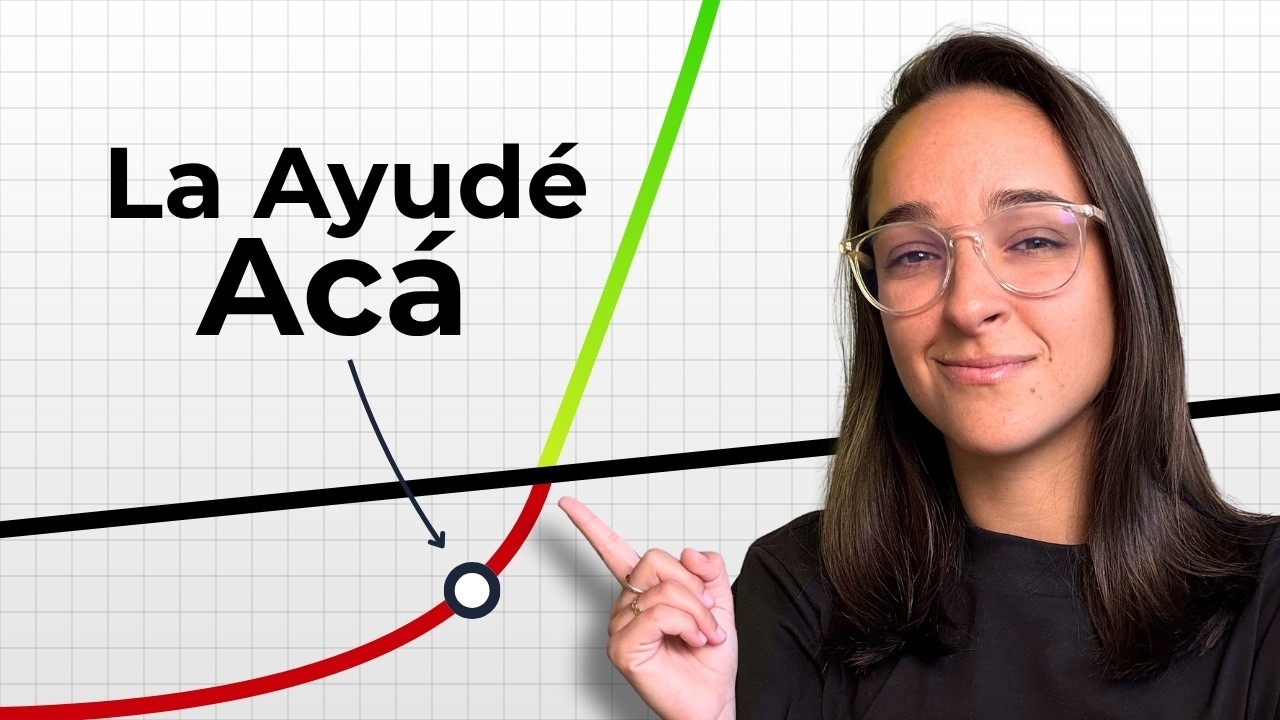
Added:The old agency retainer model is dying and the fastest growing founders are switching to productized offers. Now, I've spent a decade helping over 900 businesses make this transition. So, today I'm going to show you the five models that are working right now and how to pick one that fits you. Now, first, most service businesses get stuck because they don't really understand where productized services actually live as it relates to their traditional agency work. So looking at this graph on the bottom left you've got what many of you are most familiar with. You have freelance andor kind of ad hoc services. This is extremely low leverage. The scope is vague and you the founder are usually stuck doing everything which is common in the beginning of your business. But most people try to grow by moving to the top left of this matrix which is where we have full service and in many cases kind of allocart like menu options. Now this looks like growth but it's actually a trap where every client has a different request and you become the bottleneck for all of those requests.
Then there's the bottom right and this is where you find your courses and info businesses. All right. While these are extremely high leverage, they don't really offer a lot of personalization for clients. So, they're sexy because they're super, you know, scalable, but usually they're in more cases than not too generic for businesses that need real help that have more and need more complex results. Then at the top right, we have productized services.
Now, these are extremely high leverage.
They're fixed scope and they usually offer and focus on solving and giving you one clear outcome. Now here you aren't really selling your hours anymore like you are usually in the freelance model and the full service model. You're selling a specific destination or outcome. So every client buys that same outcome. But don't confuse that with the fact that you can't personalize this offer. Because just because every offer or every client is going to get the exact same offer, you still actually can offer high personalization through things like asynchronous support, Slack messages, specific critiques, and or even done for you elements of your delivery. Now, if you're like, Greg, how do I focus on solving one clear problem with one clear outcome? Well, I highly recommend you check out my free offer outcome builder. It's linked up in the description below. All right, so let's walk through the five models right here that all live in this productized service quadrant and see how the work actually is assembled in each model. All right, so let's break down the first model, which is what I call the guided implementation program. This model is actually built around clients implementing a proven system with your expert guidance. You're most likely used to these in the form of kind of a high-end group coaching program. Now, the frameworks and the templates, they're already built and ready for your clients. The clients are responsible for doing the actual work while you provide the structure, the direction, and in the accountability to make sure they finish implementing what they came to build.
Now, support usually happens in more of a group environment um on weekly calls and/or events, maybe even offering a private Slack channel for a specific feedback. And here's the best part.
Because you're helping many people apply the same system to their own business, you don't have to solve new problems each and every day. Now, as you can imagine, this model is super attractive, but it's rarely the starting point because you can't guide someone through a system until you've battle tested it yourself through real client work. So if you have battle tested it with real client work for you know last couple of years and most of the system is in your head you can do what most of our clients do which is actually launch a pilot program where they actually build out that system in real time with paying clients like Casey did when he sold out his first group of ad school. So if you haven't fully baked the system yet like gotten it out of your head onto paper then we likely won't start with this. So with that being said, I want to talk about the second model which is likely where you would go next, which is productized consulting. This is guided execution with expert feedback and support along the way. Here the scope and milestones are fixed upfront, but you are more handson than the previous model. So the client does the heavy lifting between specific checkpoints as it relates to your outcome. Then you step in at specific moments to review things, to polish things, and to like really shape that work. For example, my friend Angela Lauria, she ran a company called Author Incubator where she helped authors write best-selling books that got them clients. She actually guides them through the writing process. They do all of the writing of their actual book, but her team is there shaping um and helping them structure how they should do chapters and things like that.
But then when the first you know draft is done, they hand it over to her team and her team does the professional edits and they do the cover design, they do the book layout. So in this model, you aren't really starting from scratch for every client. You're just applying a proven pattern and then tailoring it through your expertise and your structure. Now, look, if you're interested in getting my help and actually rolling up my sleeves, and helping you with your productized offer with step-by-step training, weekly calls, offer reviews, and a community of founders that are all on this same path, that's exactly what we do in our productiz growth system program. So, you can learn more and apply in the description below. All right, so we've covered the first model, which is guided implementation. We covered the second, which is productized consulting. Now the third model is what we call the implementation sprint. Now this model is built for speed and execution using pre-built systems. So the scope here is still locked and the work happens in a fixed window usually 1 day to 3 days but we even had ours go up to 7 days. And instead of debating over strategy for weeks you build everything live with your existing templates and your existing standards. The real leverage here comes from repetition. Now, one of my original mentors, Brad, uh, from sixdivision.com, he used to do this really, really well. Clients would fly to his office for 2 days and his team would build their entire client journey on the spot. But they didn't invent anything during that sprint. They just installed their proven automation templates in their client's business.
So, fair warning here, this only works if your solution is fully standardized.
If you still need to like discover the problem or iterate on the fly, a sprint usually will break. Now let's talk about the fourth productized model which is the workshop. Now this is built around many people achieving the exact same outcome at the exact same time. So this works best when the problem is common and the path to fixing it is identical for everyone. Meaning every participant follows the same agenda and moves through the same steps. So there's no real custom pacing. Everyone leaves with a finished asset or some sort of final decision. Story brand really popular business hosted workshops is a perfect example of this. Every attendee uses the same workbook, follows the same process.
The instructors over the course of a couple days take them through the exact same, you know, calendar agenda of how they execute that event, right? And the value isn't personalization. It's usually clarity and completion of that task. In this model, any sort of like custom feeling thing comes from the questions that you answer in that room during that time. But the destination at the end of the workshop is the same for everybody. Now the final model is what we call productized continuity. Think of this as ongoing advisory support and optimization after the main project is done. So once a client hits that core goal using one of the previous four models, they often need help maintaining it or building upon it, taking things to the next level. So the scope here can still stay fixed and the work focuses on refining what already exists from those previous models versus just building tons of new stuff. Now support here can also be lightweight as well. So think monthly advisory calls or periodic reviews, group training, office hours and a community for questions.
Continuity is really great for kind of both sides, meaning the client and you.
The client keeps their momentum and you generate recurring revenue by providing that highlevel advisory judgment without having to do a ton of heavy delivery work. Now remember, all five of these models deliver a single outcome within a fixed scope. they just change how that outcome gets built. So, if you want help picking out the right one for your business and working closely with me to install all the systems to make this work seamlessly in your business, then check out the link in the description for more information. And if you want to see step by step my process for hitting 100K a month by productizing your services, then go check out this video
Up Next

Productizing Web Design Services: A Guide for Scaling Your Business
@JoshHallco
3.1K views•2021-08-16
Retention Habits of Top DTC Ecommerce Brands Revealed
@SendItPodcast
44K views•2026-03-03

Productized Services: A Blueprint for Scaling to $100K a Month
@gregoryjhickman
43.9K views•2025-07-17

The Planned Obsolescence of Light Bulbs and Tech
@veritasium
25.3M views•2021-03-26
Related Study Plans & Knowledge Roadmaps
Structured learning paths in Business