



![What are Pathogens with Full Information? – [Hindi] – Quick Support](https://i.ytimg.com/vi/BZ1wQOY3eLk/hqdefault.jpg)






![O QUE É HOMEOSTASE? [Metabolismo 08]](https://i.ytimg.com/vi_webp/9vRA13CZY88/maxresdefault.webp)










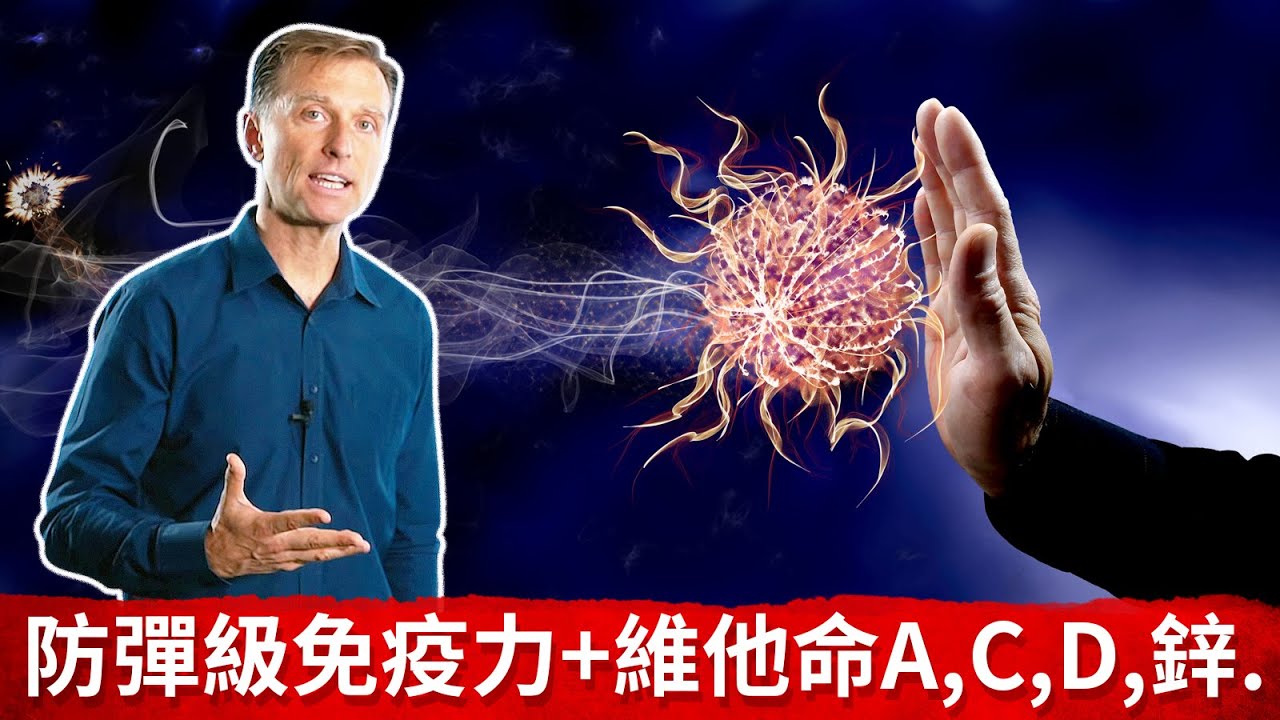
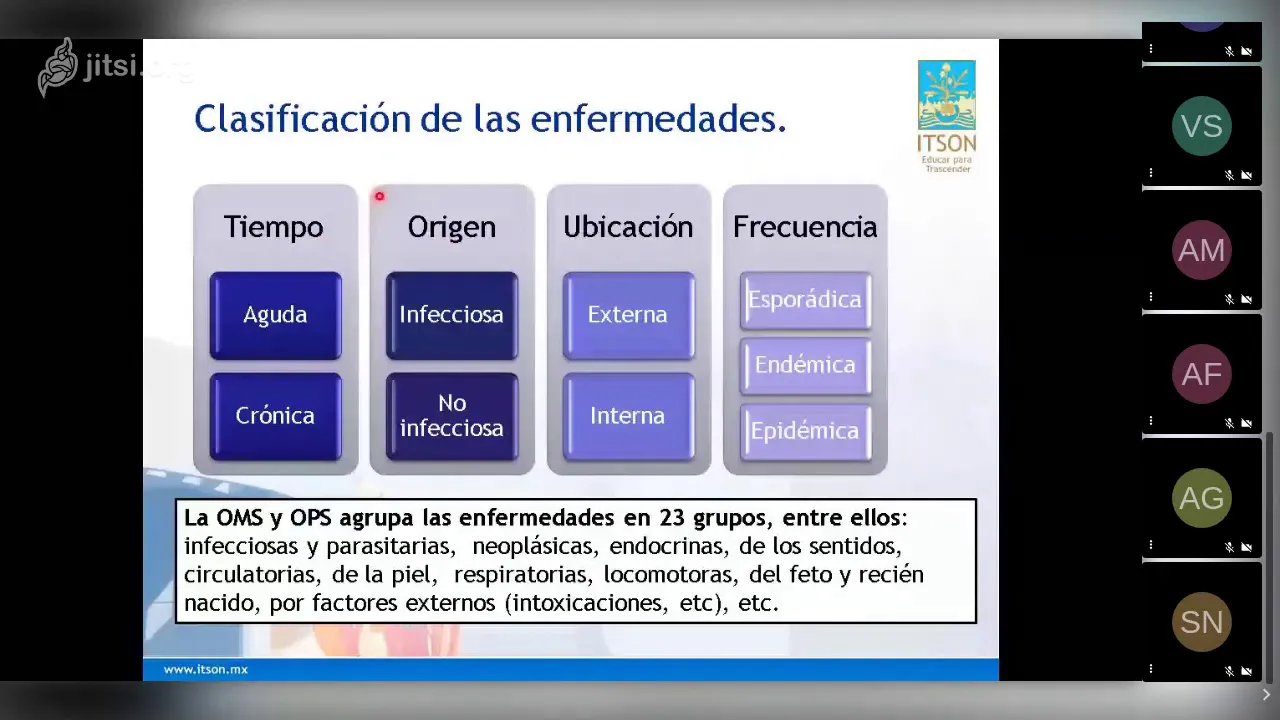





The human immune system consists of two complementary defense systems: the innate defense system, which provides immediate non-specific protection through physical barriers like skin and mucous membranes, antimicrobial proteins, phagocytes (including macrophages and natural killer cells), and the inflammatory response; and the adaptive defense system, which develops specific, long-lasting immunity through lymphocytes (B cells and T cells) that recognize antigens, produce antibodies, and remember past infections to mount faster, stronger responses upon re-exposure.
Innate vs Adaptive Immunity: Immune System Explained
Added:Basic Cell Biology: Understanding cell structures, cell membrane receptors, and how cells communicate via signaling molecules.
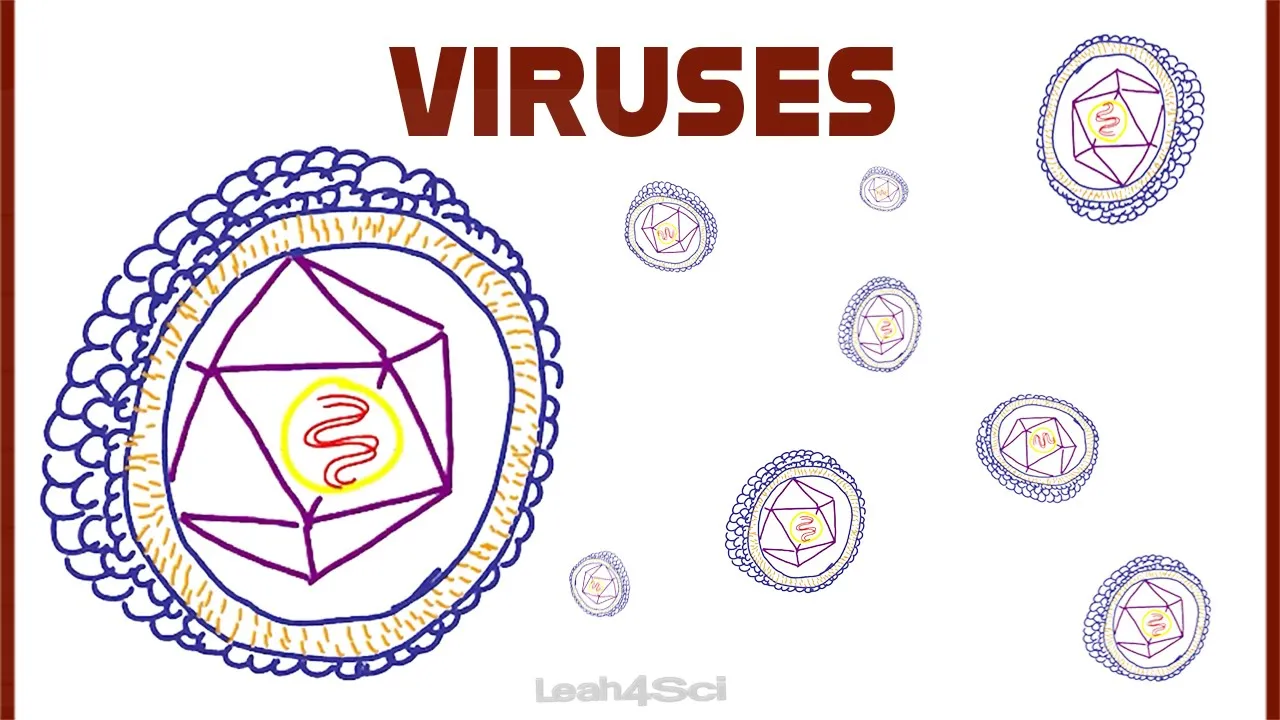
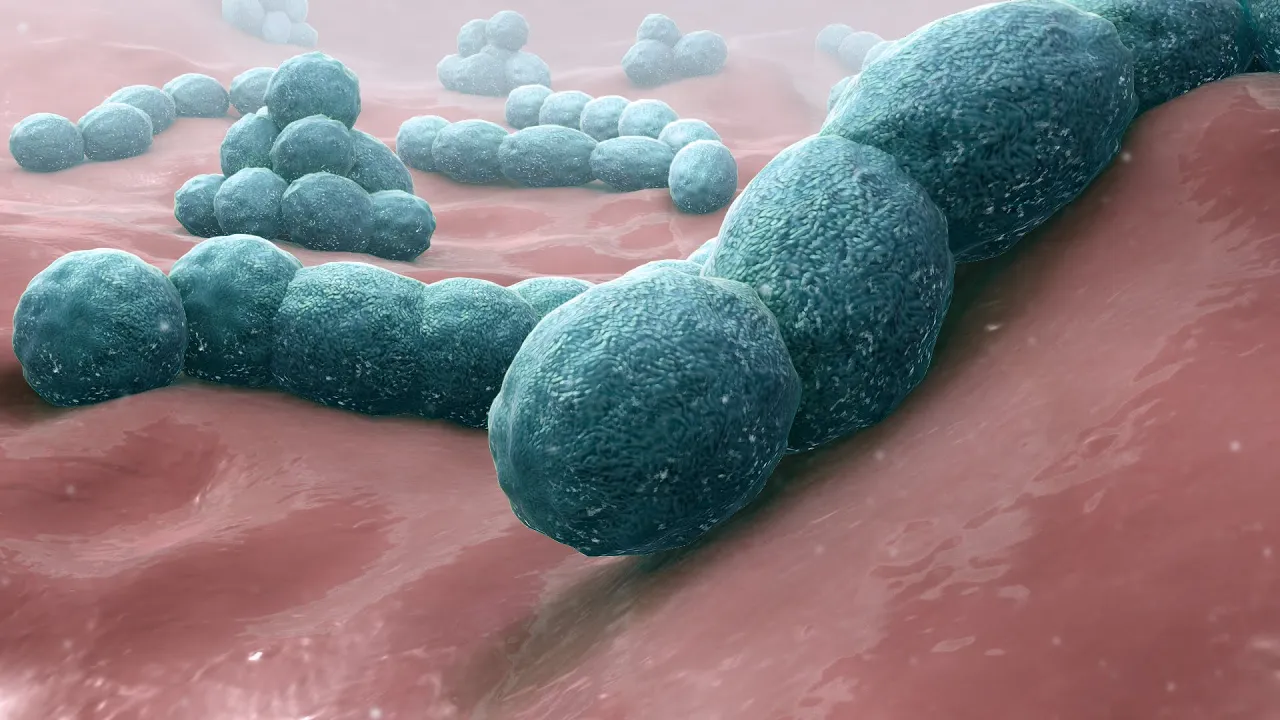
Introduction to Pathogens: Knowing the basic differences between viruses, bacteria, fungi, and parasites, and how they infect a host.
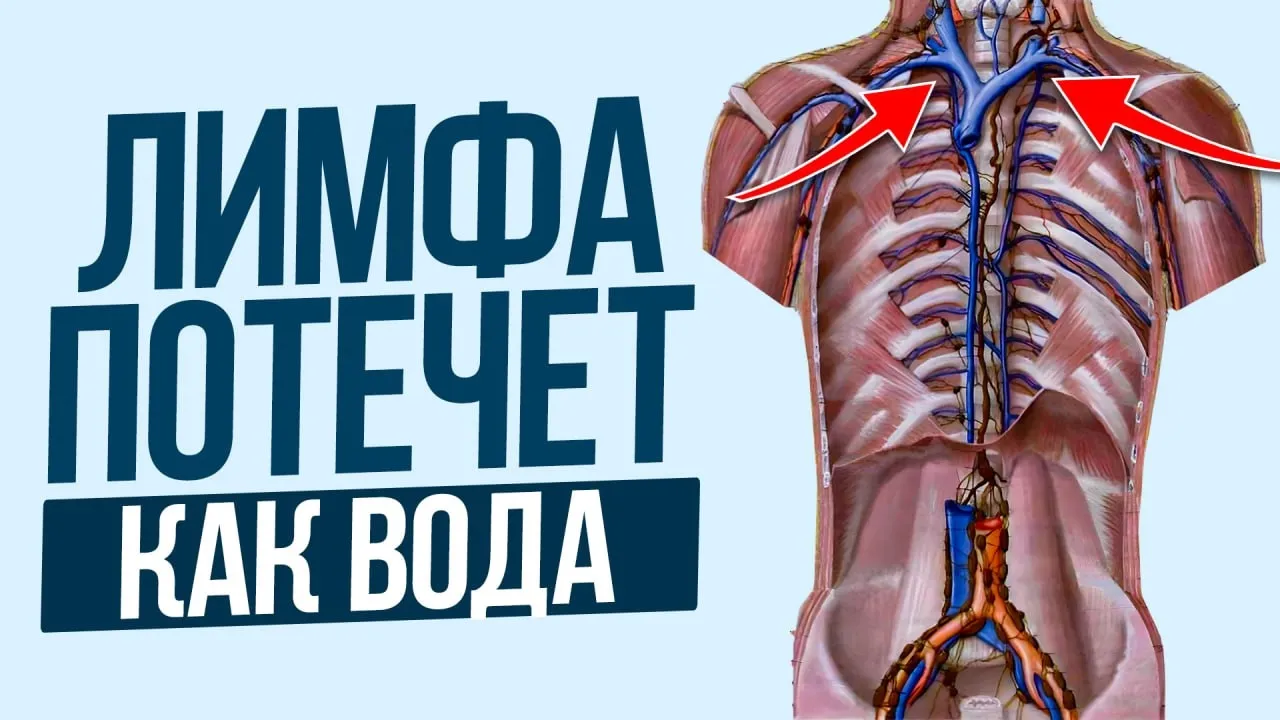
The Lymphatic and Circulatory Systems: Understanding how immune cells and fluids circulate through the blood and lymphatic vessels.
The Concept of Homeostasis: How the body actively maintains internal balance and recognizes 'self' versus 'non-self' elements.
Principles of Vaccination and Immunological Memory: How vaccines utilize the adaptive immune response to provide long-term protection.
Autoimmunity and Allergies: Investigating medical conditions that arise when the immune system overreacts or mistakenly attacks the body's own tissues.
Pathogen Evasion Mechanisms: Exploring how advanced pathogens, such as HIV or influenza, mutate and bypass innate and adaptive defenses.
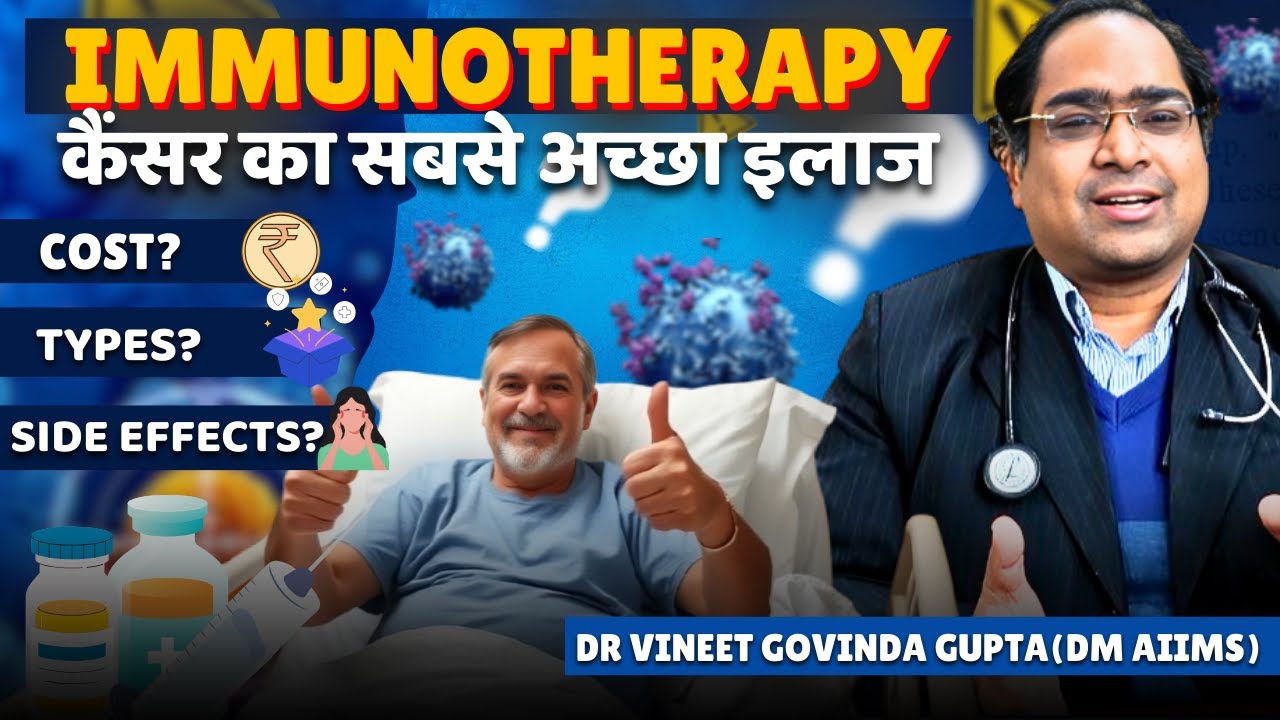
Immunotherapy and Clinical Applications: How modern medicine designs synthetic antibodies and CAR-T cell therapies to treat cancers and chronic diseases.
599.5K views12.5Klikes13:43Original Release: 2019-04-25
It’s Professor Dave, I wanna tell you about the immune system.
Every single day, in everything we do, we are coming into contact with countless pathogens.
These are bacteria and viruses that could potentially do great harm to us macroscopic beings by interfering with our cellular activity.
How do we withstand these microscopic threats?
Fortunately, every human possesses an immune system that is well-equipped to protect us, so let’s take a look at how it works.
The immune system can be split up into two parts.
There is the innate defense system, and the adaptive defense system.
The innate is the part that is always ready to go.
It begins with external membranes, like the skin and a variety of mucous membranes.
This separates what’s inside from what’s outside, but of course, there are lots of ways for pathogens to get past this barrier.
That’s why we have internal defenses like antimicrobial proteins, phagocytes, and other entities that are able to inhibit the spread of the invaders throughout the body.
Then there is the adaptive defense system.
This is much more sophisticated, as it involves a response that is specific to the type of invader, made possible by things called antibodies, which we will get to a little later.
These two systems communicate and work together to keep us healthy and safe every day.
Let’s start by taking a closer look at the innate defenses, starting with the surface barriers, the skin and mucosae.
These are very effective at blocking pathogens from entering the body.
Epithelial cells on the surface are highly keratinized, so as long as it is unbroken, it’s tough to get through.
That’s why we can easily get infections when we have cuts on the skin, because pathogens can suddenly get in that way.
Wherever we have natural openings and body cavities, these are lined with mucosae that have important features.
They tend to be acidic, which inhibits bacterial growth.
Many of them have lysozymes, which destroy bacteria.
If mucus lines a particular passageway, microorganisms tend to get stuck there.
We can even find defensins, which are antimicrobial peptides.
But of course, no matter how effective these are, some pathogens will get through.
That’s where the internal innate defenses come into play.
The hallmark of this system is the inflammatory response.
Before we go through that, let’s mention phagocytes, which can perform phagocytosis.
This is when a cell engulfs some pathogen or other debris, and it sits inside in a vesicle.
This vesicle will merge with a lysosome, which has acid hydrolase enzymes that can digest whatever is nearby, leaving it in tiny pieces.
These pieces then leave the cell by exocytosis, unable to do any harm.
The biggest and best phagocytes are macrophages, which are derived from white blood cells.
There are also natural killer cells which circulate in blood and lymph that can kill cancer cells and virus-infected cells early on, simply by detecting certain abnormalities in the cell, and inducing apoptosis in the cell, which is programmed cell death.
Phagocytes are also part of the inflammatory response.
This occurs when body tissues are injured in some way, by physical trauma, heat, or infection.
This begins with the release of inflammatory chemicals like histamine into the extracellular fluid.
In addition, macrophages as well as cells of certain boundary tissues have receptors that enable them to recognize pathogens, sometimes with great specificity, and this kind of event will trigger a release of cytokines, which are another type of inflammatory chemical.
What these chemicals do, is they cause local arterioles to dilate, and nearby capillaries to leak slightly, otherwise known as vasodilation and vascular permeability.
The excess of blood in the area causes the redness and swelling that we can visibly see when a part of the body is inflamed.
Although this generates pain because of the pressure on nearby nerve endings, it is a favorable strategy, because the rush of fluid sweeps any foreign material into lymphatic vessels, so that it can be broken down in the lymph nodes, and the fluid also delivers proteins that are important for clotting to aid in repair.
Once inflammation has initiated, phagocytes then rush the scene, first neutrophils, and then macrophages soon after.
This begins when phagocytes enter the bloodstream from the red bone marrow, so they can get to the injury.
Then in margination, they cling to capillary walls at the site of injury, recognizing molecular signals on inflamed cells.
In diapedesis, they squeeze out of the capillary.
Chemotaxis will then occur, where phagocytes migrate up the gradient of certain molecules that act as a homing device for the site of injury, ready to eat up any intruders.
So that covers the basics regarding the innate defenses.
So what about the adaptive defenses?
This is the part of the immune system that can learn about any foreign substance it comes into contact with, which we call antigens, and develop the ability to protect the body from that specific antigen any time in the future.
But how can your immune system have such an incredible memory?
And what does this even mean?
To understand this, we have to learn about antibodies.
These are large Y-shaped proteins that are produced by lymphocytes, and they circulate in the blood and lymph, looking for pathogens, which they are able to mark such that phagocytes can recognize them for destruction.
So what are these antigens?
The word antigen is derived from the phrase “antibody generating”, so the word refers to any foreign substance that will be recognized as being not of the self, and will thus provoke an adaptive immune response.
These can be proteins, polysaccharides, lipids, any large molecule that doesn’t belong, as well as many pathogens, as these will bear foreign surface proteins that can also be recognized.
The part of the foreign substance that interacts with the immune system is called the antigenic determinant.
An antibody or lymphocyte will bind in a way that resembles enzyme-substrate interactions, and different lymphocytes will recognize different determinants.
These include B lymphocytes or T lymphocytes, depending on what type of immunity they oversee, and there are also antigen-presenting cells.
Lymphocytes of either variety originate inside red bone marrow, from hematopoietic stem cells.
They then become immunocompetent, meaning they gain the ability to recognize a particular antigen, and once committed to a particular antigen, thousands of surface receptors are produced that are devoted to that recognition.
On B cells these receptors are actually membrane-bound antibodies.
These lymphocytes must recognize certain proteins, but also learn self-tolerance, meaning they must not attack the body itself.
Cells that fail to do this are forced to undergo apoptosis, and in fact only about two percent of T cells will make it, but the ones that do will rapidly divide to make many copies of itself, all with the same antigen recognition.
Now let’s talk about two types of adaptive immune response.
There is the humoral immune response, and the cellular immune response.
The humoral immune response occurs when a new B cell encounters its antigen, which causes endocytosis, followed by proliferation and differentiation into plasma cells.
These will then mass produce the antibody that recognized the antigen, and these will circulate in the blood and lymph, looking for that same thing again.
This is referred to as the primary immune response, and it takes a few days to make all those antibodies, which is one drawback to this defense strategy, since it protects against future invasions, but it can’t act so quickly upon the initial invasion.
However, if that antigen does come back, the secondary immune response begins, and this will be swift and effective, with plenty of antibodies to tag the antigen for destruction.
This kind of humoral immunity can be attained naturally, through infection, or artificially, with vaccines, which allow for the primary immune response to occur with an inactive form of a pathogen, so that if the real thing ever comes by, the immune system is already ready for it.
More on vaccines at another time.
In either case, we are describing active humoral immunity.
Passive humoral immunity is different because the body doesn’t go through the work of recognizing an antigen and generating antibodies, instead these antibodies can be introduced directly into the body, either through a mother’s milk, or through injection of gamma globulin.
Let’s zoom in on an antibody for a closer look.
As we said, these are large proteins, and they consist of four polypeptide chains connected by disulfide bridges.
The two halves of the Y shape are identical.
There are two heavy chains, and two light chains, and a hinge region where the kink occurs.
Each chain has a C region, which is always almost the same, and a V region, which changes shape depending on which antigen it will recognize, and this region is at the tip of the Y arms, which we call the antigen-binding site.
There are five classes of antibody, listed here, where Ig stands for immunoglobulin, another name for antibody, followed by M, A, D, G, or E. These have different roles and locations.
Some of these are monomers, some are dimers, some are even pentamers, depending on how many antibodies come together.
But in any case, antibodies tag their specific antigen when they find it, so that it can be destroyed later.
We will get more specific about this process when we look at particular infectious diseases.
For now let’s continue on and switch over to the cellular immune response.
Here we will look at T cells.
These operate a bit differently, as activated T cells have the ability to kill cells of the body that have been infected by viruses or bacteria, as well as cancer cells.
This cells are more diverse and complex than B cells, but they come in two major types, CD4, and CD8, which refer to glycoproteins that act as surface receptors, though they differ from antigen receptors, rather they interact with other cells.
CD4 cells activate B cells, T cells, and macrophages, while CD8 cells destroy foreign cells, or body cells with foreign agents.
T cells undergo activation and differentiation when T cell antigen receptors interact with antigen-presenting cells.
Then, co-stimulation must occur from other molecules on the surface of the antigen-presenting cell.
This leads to proliferation and differentiation.
The resulting T cells can be of a wide variety, and we will examine these types at a later time.
For now, we should simply understand the differences between innate defenses and adaptive defenses, as well as humoral immunity and cellular immunity.
With that covered, let’s move forward and finish up with a few more systems of the human body.
Up Next
42:26
Urban Evolution: How Wildlife Adapts to Cities | DW Documentary
@DWDocumentary
468.5K views•2022-08-19

50:12
Bacterial Communication: Quorum Sensing and Biofilm Formation Explained
@JHUAAP
12.6K views•2011-06-28

10:50
Protein Structure Explained: Primary to Quaternary | Biochemistry
@ProfessorDaveExplains
1.4M views•2016-08-27

7:08
Bacteriophages: Earth's Deadliest Killers and Future Antibiotics
@kurzgesagt
34.6M views•2018-05-13
Related Study Plans & Knowledge Roadmaps
Structured learning paths in Biology
biology
RNAi: Biogenesis, RISC & Gene Silencing
01Molecular Biology Foundations: DNA to Protein
02Introduction to RNA Interference (RNAi)
03Molecular Biogenesis of miRNA and siRNA
+ 2 more learning modules
10h5 modules
Explore Roadmap
biology
Mycorrhizae: Signaling, Biophysics & Ecology
01Foundations of Mycorrhizal Symbiosis
02Molecular Signaling and Root Colonization
03Biophysics and Bioenergetics of Nutrient Exchange
+ 1 more learning modules
11h4 modules
Explore Roadmap
biology
Circadian Clocks: TTFL, SCN & Periphery
01Foundations of Molecular Biology & Gene Expression
02Introduction to Chronobiology and Actograms
03The Core TTFL: Molecular Architecture of the Clock
+ 3 more learning modules
14h6 modules
Explore Roadmap
biology
Population Genetics: Math, Drift & Selection
01Genetic & Probability Foundations
02The Hardy-Weinberg Principle and Baseline Models
03Mathematical Modeling of Natural Selection
+ 3 more learning modules
18h6 modules
Explore Roadmap