














![[최병묵의 팩트] 이재명이 공유한 동영상 Jvnior의 정체](https://i.ytimg.com/vi_webp/Va1YWn7L74Y/maxresdefault.webp)



Media literacy is the ability to access, analyze, evaluate, create, and act using all forms of communication, involving the understanding that media messages are encoded by creators and decoded by audiences with different interpretations based on individual experiences, rather than being received identically as intended.
Media Literacy Explained: What It Is and Why It Matters
Added:Understanding the basic definition of 'media' and its various forms, including print, broadcast, and digital platforms.
Fundamental critical thinking skills, such as the ability to distinguish between objective facts and subjective opinions.
An awareness of basic communication models, specifically how a sender encodes a message and a receiver decodes it.
An introductory understanding of target audiences and how messages are tailored to specific groups of people.
Advanced techniques for identifying misinformation, disinformation, and malinformation in digital spaces.
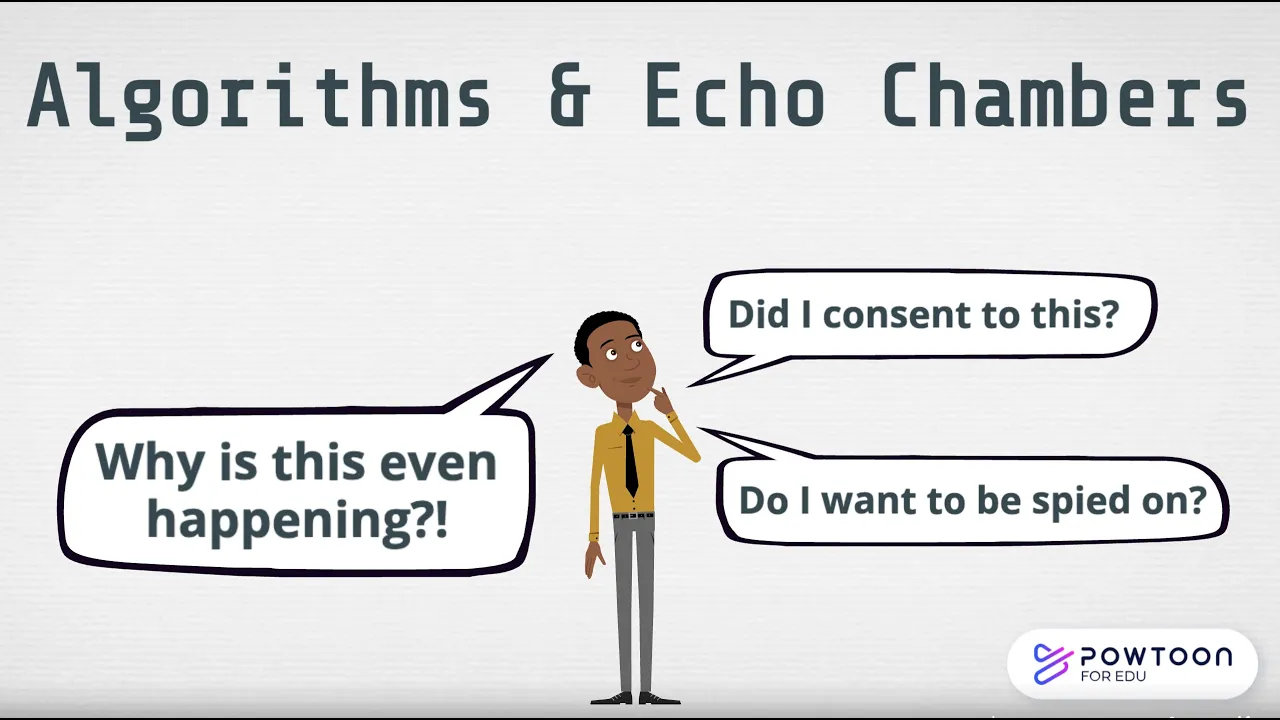
The study of algorithmic bias, filter bubbles, and echo chambers, and how they influence the media content we see.
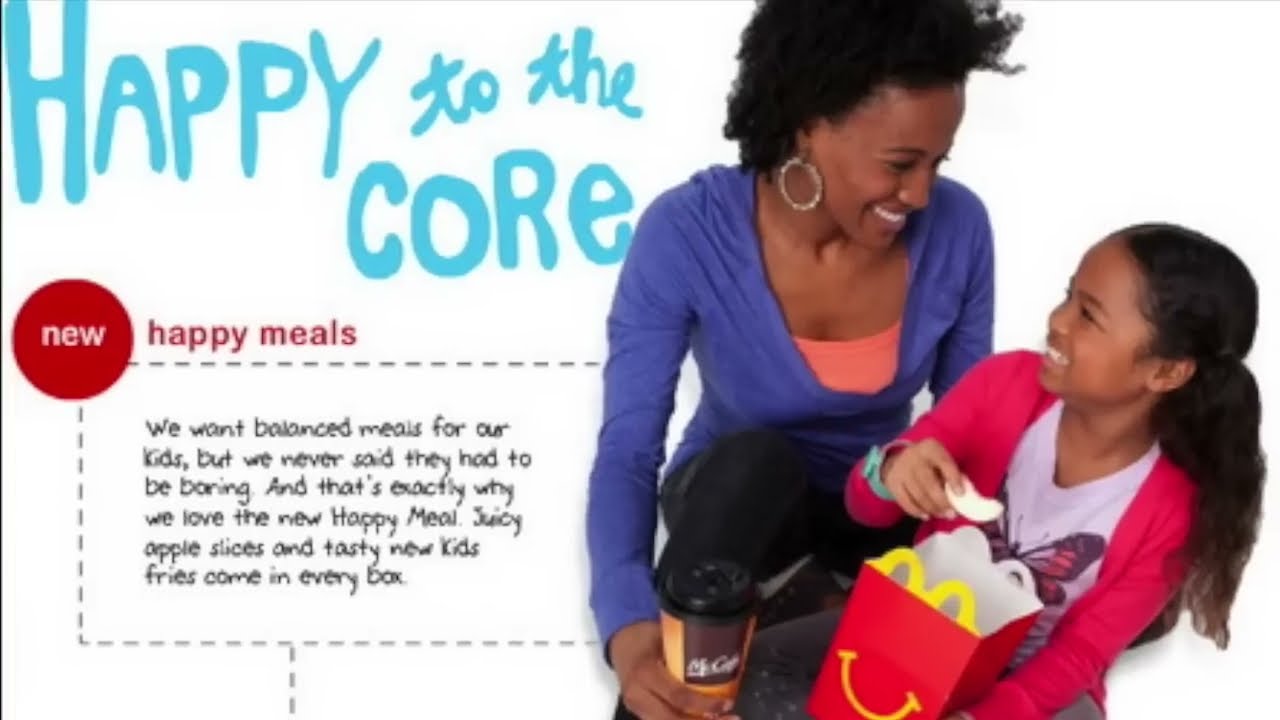
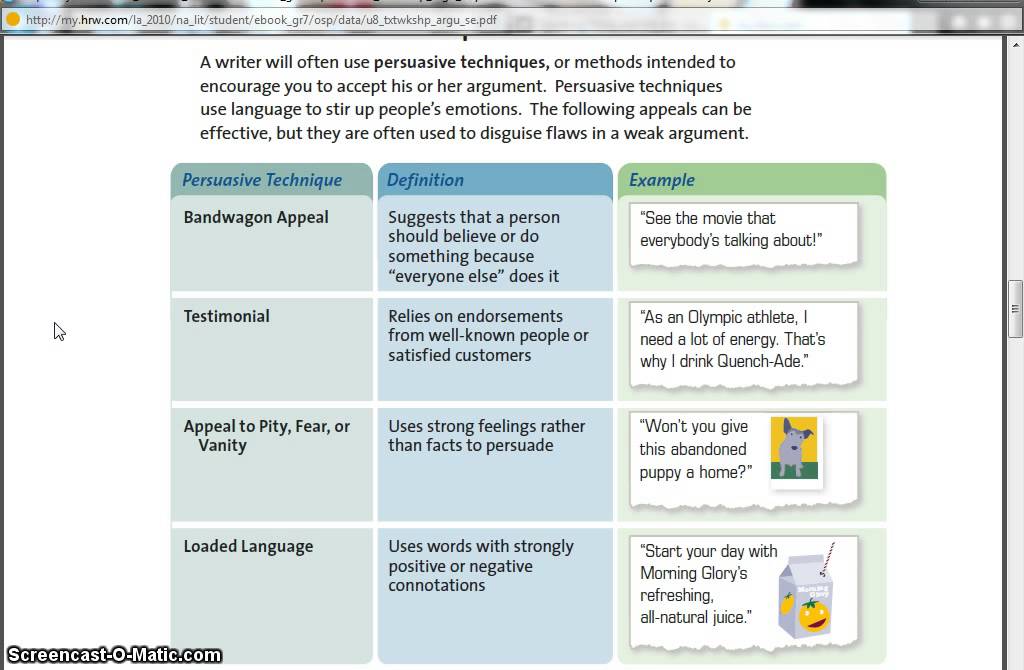
Deconstructing persuasive techniques and rhetorical strategies used in advertising, political campaigns, and public relations.
Learning and applying practical fact-checking methodologies, such as lateral reading and source verification.
Exploring the ethics of digital citizenship and responsible media creation as a content producer.
1.3M views22.9Klikes10:38Original Release: 2018-02-27
Hey there everybody, I’m Jay Smooth and this is Crash Course Media Literacy.
For the next few weeks we’re going to take a deep dive into media – how we consume it, how we create it, and how it impacts our everyday lives.
Before we get started, do me a favor and think: how many hours did you spend consuming media today?
Don’t worry, I’ll wait.
What’d you come up with? 2 hours? 3? 5?
If you’re the average U.S. adult, today you spent upwards of 10 hours watching TV, listening to the radio, surfing the web, scrolling through your phone, or checking out awesome educational video series on YouTube.
That’s over 40% of your day!
If you’re a teen or tween, you spent a little less time – maybe 6 to 9 hours.
Never before in history have humans spent so many waking hours consuming media.
Since it’s taking up more and more of our time each year, it’s important that we understand its influence on everything we do.
[Theme Music] Now when I say “media” I’m talking about a couple different things.
The literal definition of “media” is the plural of medium, or multiple mediums, so to speak.
And a medium is a substance or a method in which something is communicated.
It’s the vehicle for a message.
Books, films, paintings, songs, TV shows, poems, video games, magazines, podcasts, music videos, newspapers, web forums, coupons, email newsletters, Tweets, straight-to-DVD sequels, receipts, traffic signs, both good and bad street art, Snapchat stories, those word of the day calendars your aunt always buys you, protest signs, embarrassing but cute childhood photos you post on #throwbackthursday, breaking news push notifications that give you a mini heart attack, sex ed pamphlets about your changing body, and my Bluray copy of the second highest grossing film of all time, Titanic – those are all media.
When you think about it that way, it makes sense that we spend so much time consuming media.
Whether you’re at work or school or just hanging out, chances are you’re almost always interacting with some sort of artifact of communication.
As a culture we often stick a “the” in front of “media” to refer collectively to mass communication.
It’s an umbrella term we use to talk about the widely distributed newspapers, TV channels, websites, radio stations, movie studios, and more that create or distribute information – like CNN, The New York Times, NPR, Disney, or YouTube.
Whether you’re talking about media as in multiple mediums or “the media,” and during this course we’ll be talking about both, the ability to navigate the media is a powerful and crucial skill.
Media scholars refer to this skill as media literacy.
As a field of study, media literacy comprises and overlaps many different theories and subjects, from critical thinking and psychology to linguistics and ethics in technology.
In this series, we’ll be using the definition of media literacy that’s used by the National Association of Media Literacy Educators.
And it describes media literacy as “the ability to Access, Analyze, Evaluate, Create and Act using all forms of communication.” Now, with this definition in mind, think back to the media you spent your time with today.
What kind of content were you absorbing, and how did you get to it?
Were you making sense of its messages?
Were you aware that each message was created by someone with their own goals and opinions?
When you create media, like a blog post or an Instagram, what is your responsibility to those who view it?
Finally, what do you do with all that info you just received?
With media literacy skills, you’ll have the power to think through each of these important questions every time you pick up your phone or flip on the radio.
It’ll be like putting on a pair of glasses for the first time: so eye opening you’ll never want to take them off.
Which is great, because you won’t actually be able to take them off – it’ll be hard to look at media the same way.
So, actually I guess media literacy is more like laser eye surgery.
But way cheaper.
OK. Media Literacy Lesson #1: understanding the difference between media messages and media effects.
Media messages are the values and ideas that are promoted by the media, the things that get put into them.
Media effects are their influences and consequences on audiences.
But talking about media in terms of these inputs and outputs is way, way too simple.
Media doesn’t just broadcast one easy to understand message straight into our brains.
And readers and viewers don’t just agree with whatever they say and move on with their lives.
The creator’s experiences and environment affect everything they create.
Their messages are filled with tons of baggage.
And we consumers have our own baggage, too, which determines how we react to and interpret messages.
Media scholars, cultural critics, and plenty of other very smart academic types have long understood that we need to think about messages and effects in a far more nuanced way.
For instance, take British sociologist Stuart Hall’s theory of encoding and decoding, popularized in 1973.
Hall wrote that before a message is distributed, it is “encoded” by the creator during its production.
The message the creator wants to send is written in a code of sorts, using a host of pre-understood meanings, symbols, and definitions that they think or hope the recipient will understand.
But the recipient (that’s you) has their own mental dictionary full of meanings, symbols, and definitions.
When someone interprets a message, they “decode” it by applying their knowledge and experience to decipher its meaning.
When I say “encode” and “decode,” I don’t just mean a secret code you use to talk to your friends, or Morse code.
As Hall would say, all language is “coded.” Let’s go to the Thought Bubble to break this down: Say you’re texting your significant other about where to go for dinner.
You just heard about this fancy French restaurant that’s supposed to be super romantic and perfect for a date.
You’re doing a little encoding here.
So you say, Let’s do Maison de L’amour *kissy face emoji* You use the restaurant’s name instead of “fancy French restaurant” because it sounds more impressive and makes you look cool for knowing a little French.
You throw in a kissy face emoji to turn up the flirtatiousness.
But also notice, you say “do” instead of “go to” because, since you’re already talking about where to eat, the activity you’re doing at Maison de L’amour is implied.
Done. Send.
They respond, Ok *crying laughing emoji* Wait, what does that mean?!
Did you say something wrong? Do they not want to go?
Are they just so stoked for this restaurant that they’re...laughing maniacally?
Do they want to break up? WHAT DOES THIS MEAN?
Here, you’re trying to decode this mysterious message using what you know about the English language, emoji, and your significant other.
Maybe some social anxiety is working its way in, too.
Either way, you’re thinking that clearly your romantic gesture was poorly received.
But perhaps all they meant by the crying laughing emoji was they’d love to go, despite your super cheesy taste in restaurants.
They encoded their message, too, but something got lost in the decoding.
Thanks Thought Bubble.
Hall’s theory of encoding and decoding is a rejection of what’s known as textual determinism, or the idea that a message’s meaning is inevitably sent and received in its entirety, just as intended, every time.
Hall gave way more credit to the consumer than many theorists before him, who often thought of most communication as a one-way street.
The significance of this theory is that, as a media consumer, you’re not just a helpless sponge, absorbing all kinds of messages without a second thought.
You interpret messages in a unique way, which means you also have the ability to see what messages are being thrown at you – and decide whether you want to catch them, pass ‘em on, or drop them completely.
This also leaves plenty of room for miscommunication, and messages getting lost in translation.
Of course, scholars, educators, parents, and consumers have always debated to what degree media really affects its consumers.
Questions of whether media can truly harm or benefit us has led to media literacy education in schools, media regulations (like movie ratings and the labeling of advertisements), and tons of research into media effects.
Plus, these days, when two-thirds of U.S. adults get news from social media – and some of that can be “fake” news – we constantly have to ask: What information can I truly trust?
The answers to questions like these aren’t always obvious.
Luckily, media literacy gives you the tools you need to find the answers.
Whether you’re feeling skeptical of social media’s role in your political views, questioning the power of tech companies to control your newsfeeds, or just trying to get your message out into the world, learning how to navigate the media landscape is tough, but possible with the right skill set.
Now, let’s be honest with each other.
If you’re watching this video, you’re probably already pretty media savvy, or at least very interested in being so.
You clearly love learning and found us here on the interwebs, so you’ve got some great skills already.
Critics might even say we’re just preaching to the choir.
Well, guess what? If you’re in the choir, we want you singing!
This is our official request that you sing to everyone you know about media literacy.
OK, maybe not literally sing. That might get annoying.
But in all seriousness, media literacy education is only effective when we’re all on the same page.
And those who need the most help learning how to swim in the media deep end are also the least likely to seek out videos like this.
So we need you to pass along these skills to friends, family, high school acquaintances you only talk to on Facebook – anyone who won’t come across these lessons themselves.
We’re all in this together.
As Academy Award-winning actress Kate Winslet says in 1997 hit film, Titanic: You jump, I jump, Jack.
Here’s how we’re going to help.
During the first half of this course, we’re going to dive into the history of the field (spoiler alert: media literacy is not a new problem); learn how to find trusty sources of information; discover how media and your mind interact; and explore creating media and the responsibilities that come with it.
In the second half of the course we’ll use this theory to look at how media works in the world: we’ll discover how it’s regulated (the policies and the economics of it all); the dark side of the media, like propaganda and misinformation; the lure of advertising; how the big tech companies are changing the media landscape; plus we’ll take a look at where the field is headed.
Throughout the course, we’ll return to the core principles of media literacy – to build a framework with which to approach our everyday, media-filled lives.
I hope you’ll join me on this journey.
Until next time, I’m Jay Smooth for Crash Course.
We’ll see you next week!
Crash Course Media Literacy is filmed in the Dr. Cheryl C. Kinney Studio in Missoula, MT, It’s made with the help of all of these nice people and our animation team is Thought Cafe.
Crash Course is a Complexly production.
If you wanna keep imagining the world complexly with us, check out some of our other channels, like SciShow, Animal Wonders, and The Art Assignment.
If you'd like to keep Crash Course free for everyone, forever, you can support the series at Patreon, a crowdfunding platform that allows you to support the content you love.
Thank you to all of our patrons for making Crash Course possible with their continued support.
Up Next
14:58
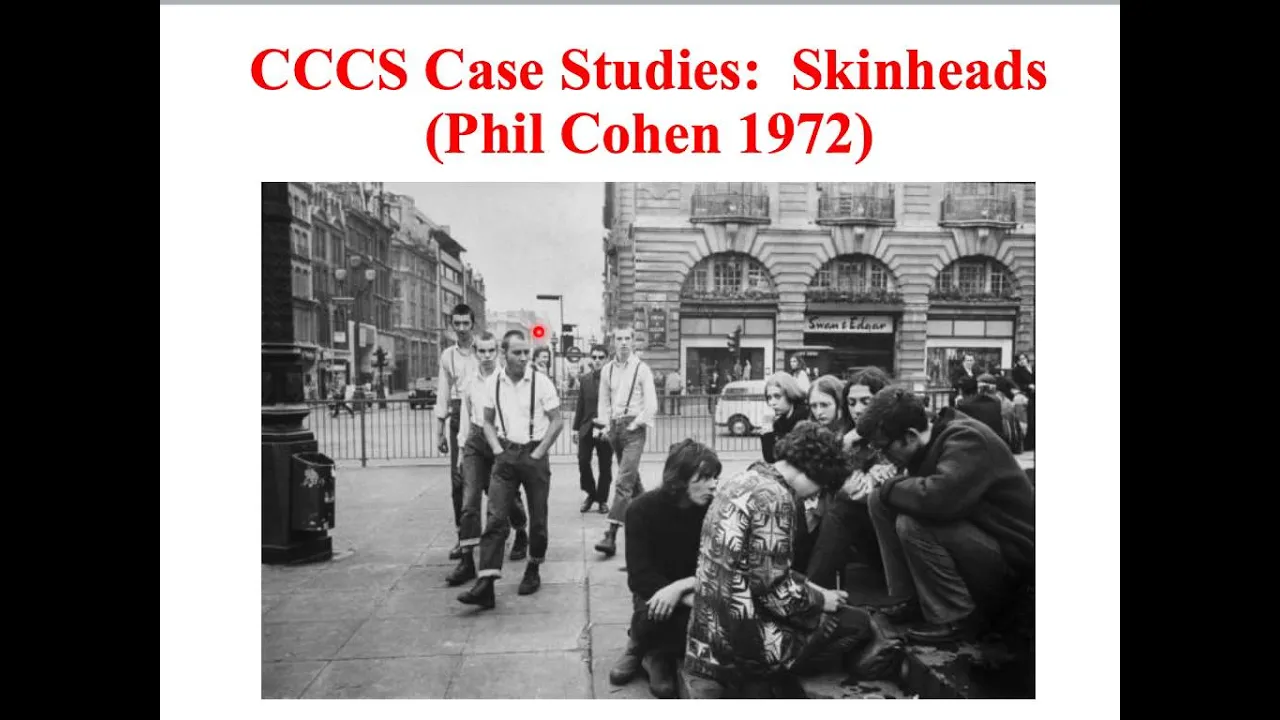
Marxist Perspectives on Youth Subcultures | A-Level Sociology (CCCS) | Eduqas
@stevebassett6500
2.2K views•2016-02-26
54:57
Contemporary Sociological Theory: Micro, Macro, Integrative
@NaSESYNC
45.7K views•2016-02-17

11:31
Food Access and Agricultural Revolutions: A Geography Lesson
@crashcourse
117.1K views•2022-02-15
9:41
What is Sociology? The Sociological Perspective Explained
@crashcourse
4.6M views•2017-03-13
Related Study Plans & Knowledge Roadmaps
Structured learning paths in Sociology
sociology
Celebrity Culture: From Hollywood to TikTok
01Foundations of Celebrity Sociology
02The Rise of Micro-Celebrity & Digital Platforms
03Parasocial Relationships & Algorithmic Intimacy
+ 2 more learning modules
12h5 modules
Explore Roadmap
sociology
Hostile Architecture: Space, Power & Control
01Introduction to the Sociology of Space
02Social Control and Surveillance in the City
03Hostile Architecture and Defensive Design
+ 2 more learning modules
12h5 modules
Explore Roadmap
sociology
Loneliness Epidemic: Third Places & Isolation
01Foundations of Social Capital and Community Cohesion
02The Death of Third Places and Urban Space Erosion
03The Privatization of Leisure and Atomization
+ 2 more learning modules
12h5 modules
Explore Roadmap
sociology
Sociology of Tourism: Gaze, Power & Heritage
01Foundations of the Sociology of Travel and Leisure
02John Urry and the 'Tourist Gaze'
03Staged Authenticity and Cultural Commodification
+ 2 more learning modules
14h5 modules
Explore Roadmap