




























Marxist sociologists, particularly those at Birmingham University's Centre for Contemporary Cultural Studies, argue that working-class youth subcultures represent symbolic resistance against capitalist values and the bleak futures facing working-class young people; these subcultures emerge because working-class youth experience most acutely the contradictions of capitalism, such as educational failure and dead-end employment, and use subcultural styles (clothing, music, appearance) as a form of cultural resistance, though this resistance is typically limited to symbolic rituals rather than substantive social change.
Marxist Perspectives on Youth Subcultures | A-Level Sociology (CCCS) | Eduqas
Added:Core tenets of Marxist theory, including class struggle, capitalism, and the relationship between the economic infrastructure and superstructure.
The Functionalist perspective on youth subcultures, which views youth culture as a functional transitional phase promoting social integration (e.g., Parsons and Eisenstadt).
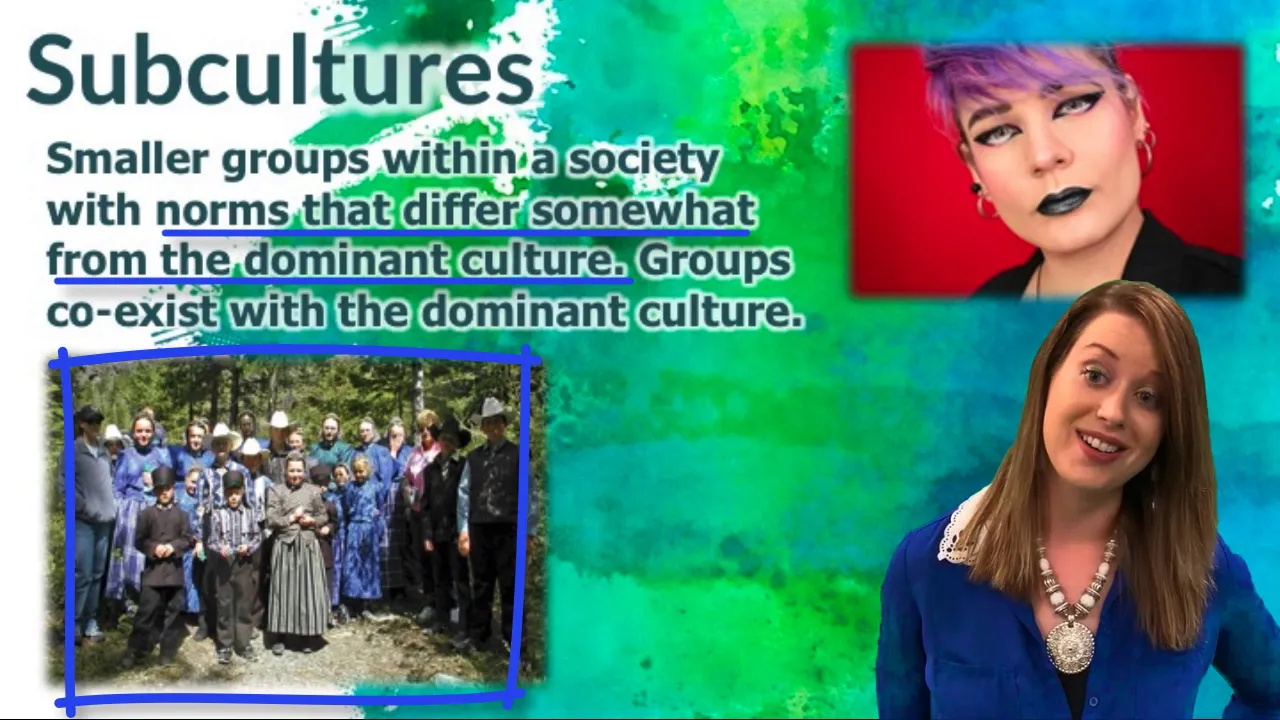
The basic sociological concept of 'subculture' and how it relates to dominant cultural norms and values.
A general awareness of post-WWII British social and economic history, which forms the backdrop for the emergence of working-class youth styles.
Feminist critiques of the CCCS (e.g., McRobbie and Garber), which argue that Marxist subcultural theory is male-dominated and overlooks the 'bedroom culture' of girls.
Postmodernist perspectives on youth, exploring how subcultures have evolved into fluid 'neo-tribes' or 'scenes' characterized by consumer choice rather than rigid social class resistance.
Interactionist perspectives on youth deviance, specifically Stanley Cohen's concept of 'moral panics' and 'folk devils' in relation to youth subcultures.
Contemporary analysis of digital and online youth subcultures to evaluate whether Marxist explanations of class resistance still apply in the internet age.
2.2K views0likes14:58Original Release: 2016-02-26
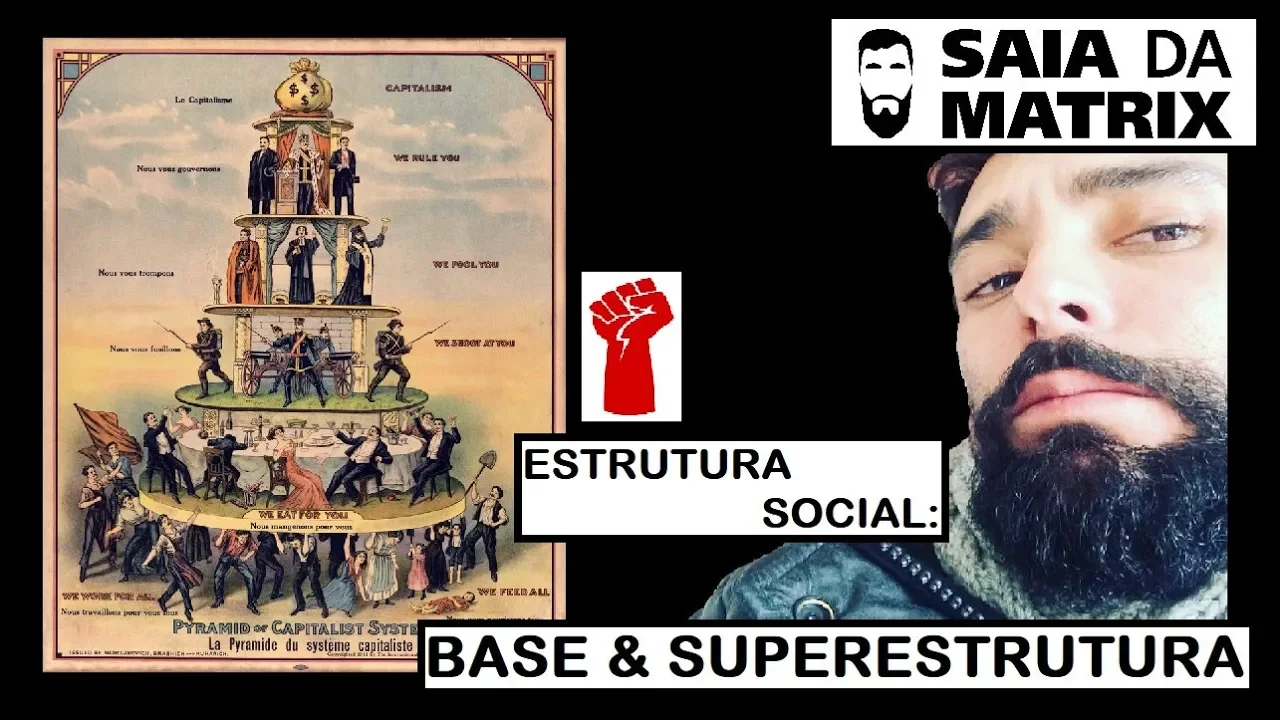
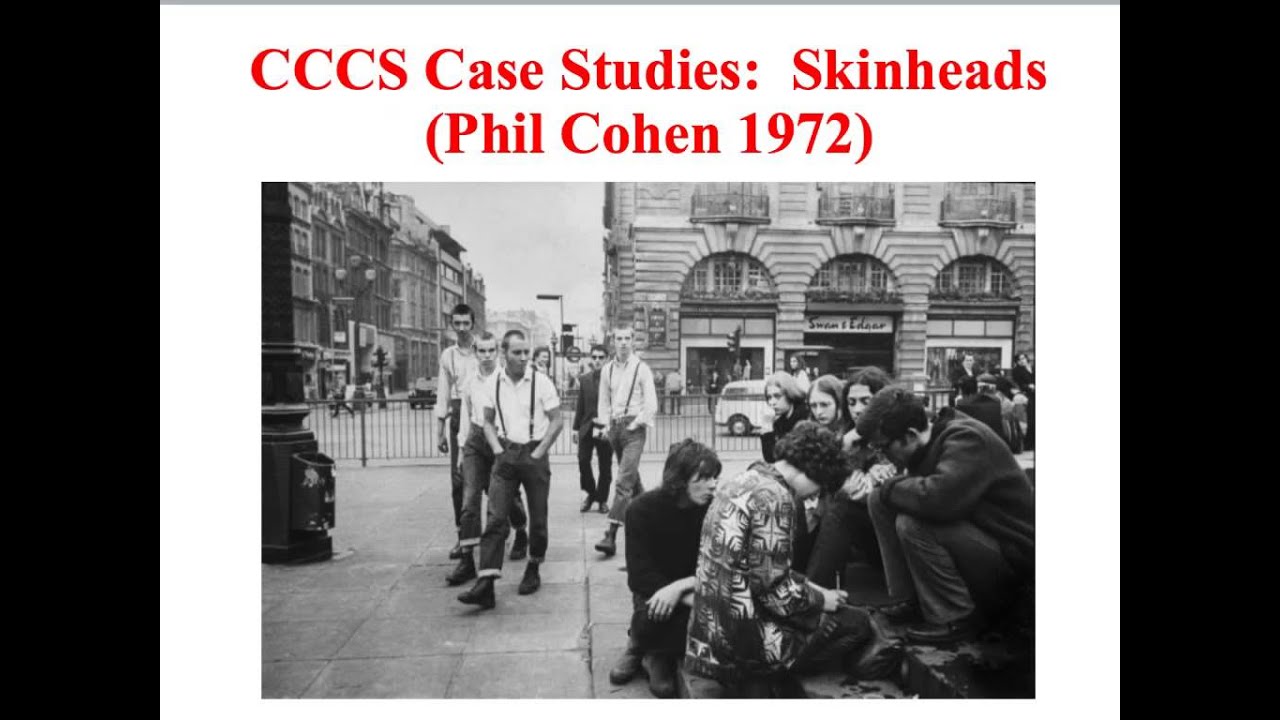
welcome to this c1 you've coaches screencasts and in this video we're going to consider some explanations of youth cultures that have been heavily influenced by the Marxist perspective and this continues the work that we're doing on early research on British youth subcultures in the last screencast we analyzed the functionalist approach to youth culture and as we saw at the end of that screencast the functionalist perspective on youth culture is a very general approach and what I mean by this is it isn't particularly interested in the specific forms that you've cultures take and this is because functionalist assume that all types of youth subcultures irrespective that their stylistic differences are similar there seem to be similar in the sense that they perform the same functions of preparing young people for the other world in other words socialization and also providing young people with the emotional support that they need to ease this transition however Marxist sociologists have argued that this function list approach over emphasizes the shared functions of youth cultures and in doing so they argue that functionalist SAR ignoring the clear and important distinctions that exist between youth subcultures and in particular from a Marxist perspective within a capitalist society social class is seen to be the most crucial division in society and therefore their work has attempted to show the importance of social class in the formation and behavior of youth subcultures so Marx's sociologists argued that it was no coincidence that most of the post-war youth subcultures within the UK seemed to attract predominantly working-class young people they argued that this was the case because it was working-class youth who experienced most acutely the problems and the contradictions of growing up in a capitalist society so for example it was working-class youth who were more likely to experience schooling as a waste of time often ending in educational failure and many of the working-class youth within the post-war period were destined to end up in dead-end low paid jobs that offered those young people very little in the way of intrinsic satisfaction and so Marxist sociologists argue it's precisely at the point to transition from school to work from childhood to adulthood but working-class young people experience most acutely their structural position at the bottom of the pile in the capitalist system now remember that according to the Marxist perspective within capitalism you've got constant conflict between the ruling classes the group of owners that Marx's call the bourgeoisie and the working class and according to the Marxist perspective the ruling class the bourgeoisie tried to do all that they can to control the values of the working class and this is known as ideological power or hegemony and this is achieved through control of cultural institutions such as the mass media as well as the values taught within the hidden curriculum when children go to school as you can see in the two images now Marxist argue that each young working class people are the hardest to control within society and this is because they lack responsibilities and because they're not yet tied down into the capitalist system so they don't have the responsibilities of jobs mortgages and families to worry about and in these circumstances with this autonomy rebellion and resistance are still a real possibility for young working-class people so as you can see from the title of this book resistance 3 rituals Marxist therefore argue that the youth subcultures that are created by working-class young people constitute a form of resistance in other words they constitute a form of protest or rebellion against capitalist values and the bleak future facing young people from working-class backgrounds in other words from this Marxist perspective youth subcultures are a symbolic way of resolving the problems faced by working-class youth and a way of expressing their anger and frustration now this Marxist analysis of working-class G of subcultures heavily influenced the early work on British youth subcultures are carried out by sociologists working at the Center for contemporary cultural studies at Birmingham University and this very distinctive approach became known as the critical Cultural Studies approach and throughout the 1970s this was the dominant approach within academia to the study of British youth subcultures and drawing upon Marxist sociology the critical Cultural Studies approach tended to see working-class youth subcultures as an attempt to resolve some of the problems faced by each generation of working-class youth and the types of problems faced by working-class youth were of course things like being offered a life of routine and low paid employment or perhaps no employment at all just like their parents before them so from this perspective it's working-class youth subcultures that act as a collective response to these shared problems they offer a way for working-class youth to express their anger their resistance their rebellion against a capital system we've at the bottom of the pile now according to the critical cultural studies approach each generation of working-class youth encounter the same problems but in different circumstances and that explains why the particular forms and styles of youth subcultures change over time so this approach to the study of working-class youth subcultures combined and Marxist analysis with an approach called semiotics and semiotics involves decoding which simply means interpreting that sub cultural styles so trying to decode for example the particular fashion dress hairstyle music in order to understand their underlying meaning in other words a semiotic approach to youth subcultures is about analyzing the hidden meanings behind the clothing hair music of working-class youth subcultures as we can see with this particular image of a skinhead okay let's very briefly look at three case studies that exemplify the work carried out by the Center for contemporary cultural studies on British youth subcultures now one of the earliest distinctive working-class youth subcultures to emerge in the post-war period were the Teddy Boys and hall and Jefferson adopting a critical Cultural Studies approach analyze the Teddy boys trademarks for example the Edwardian style jackets the suede shoes the bootlace ties and what Holden Jefferson argued was that the use of the jackets and shoes which were possessions which were typically associated with the upper classes showed that the Teddy boys had contempt for the other classes that they would deliberately copy in and subvert in the clothing style their supposes social superiors in order to show their disdain and perhaps a more recently example all that has parallels with this analysis of Teddy boy fashion would be the appropriation at the upper class Burberry label by sections of the working-class youth so from the perspective of critical cultural studies the appropriation of Burberry as a label that signifies working-class youth is an act of cultural resistance Phil Cohen conducted a similar semiotic analysis on the skinhead youth subculture and this was a subculture that emerged in East End of London in the 1960s the skinheads wore an exaggerated version of traditional working-class clothes so as we can see in this image the skinhead look comprised the cropped hair of braces of half mass jeans and Doc Marten boots and according to Cohen the semiotic meaning at this particular style was that it was meant to represent a caricature and reassertion of solid male working-class toughness and values so according to Cohen semiotic analysis the skinhead uniform of cropped hair bother boots and braces imitates respectable working-class work styles and from Cohen's perspective this was interpreted as a collective attempt to deal with the loss of the traditional working-class jobs and communities at the East End of London and the clothing and hairstyles adopted by these working-class use according to Cohen were designed to shock and to create a sense of symbolic power that compensated for the marginalization at the working class within the East End of London in other words the skinhead subculture was interpreted as an attempt to preserve a working-class identity and way of life which was felt to be under threat [ __ ] ditch carried semiotic analysis at the punk youth subculture that emerged in the UK in the mid 1970s and he suggested that a process of bricolage which entails the reuse of ordinary objects in a different way to create challenging you mean IANS was used in the punk movement so for example the safety pins that were worn by punks was interpreted by Hebda JH as a form of resistance to the mainstream commercialized catalysts pop culture and a key marker of identity for punks however Hebda sh notes that the punk subculture as a form of authentic resistance was short-lived and it was short-lived because of a process that he calls incorporation and this is where the popular culture industries so the record labels the mass media the fashion industry begin to commercialize aspects of a particular youth style so they turned them into commodities to be bought and sold as mainstream fashion so in the case of punk punk was transformed and tamed from a form of rebellion to simply another fashion and another music style and heav'd each argues that this process of incorporation represents the way in which capitalism neutralizes or makes safe dangerous youth subcultures now whilst the critical cultural studies approach wants to argue that working-class youth subcultures represent a former class resistance they also acknowledge that this resistance is usually purely symbolic in other words it does little to change the structural position of the young people involved and represents little more than a symbolic v-sign to the wider society and it's for this reason that Hall and Jefferson describe you subcultures as a resistance through rituals so for example even though the skinheads challenge the marginalize a of working-class people through creating a style that was based on an exaggerated version of traditional working men's clothes that particular subculture could obviously do nothing to bring back the working-class jobs that were being lost in their communities and for this reason Michael Break argues that working-class youth subcultures are magical and what he means by this is they're essentially an illusion so whilst they might appear to provide a way out for each new generation they are a trick that you've use to convince themselves that they are different and unique to their parents so the Solidarity provided by being a member of the subculture that sense of community may offset the sense of alienation and frustration felt by many young people and rebellion in the form of appearance or behavior may provide a chance to kick back at society but none of these things actually change anything substantial there's no sub cultural solution to working-class youth unemployment educational disadvantage dead-end jobs low pay and the loss of skills now despite its significant influence this Marxist critical Cultural Studies approach to youth subcultures has been heavily criticized and in class we have a look at the nature of these criticisms in detail
Up Next

37:47
Subculture and Style: Semiotics of Punk Resistance | Lecture
@erikclabaugh
235 views•2024-04-14

54:57
Contemporary Sociological Theory: Micro, Macro, Integrative
@NaSESYNC
45.7K views•2016-02-17

19:23
How to Analyze Conversations Scientifically | Elizabeth Stokoe | TEDx
@TEDx
1M views•2014-12-04

9:41
What is Sociology? The Sociological Perspective Explained
@crashcourse
4.6M views•2017-03-13
Related Study Plans & Knowledge Roadmaps
Structured learning paths in Sociology
sociology
Celebrity Culture: From Hollywood to TikTok
01Foundations of Celebrity Sociology
02The Rise of Micro-Celebrity & Digital Platforms
03Parasocial Relationships & Algorithmic Intimacy
+ 2 more learning modules
12h5 modules
Explore Roadmap
sociology
Hostile Architecture: Space, Power & Control
01Introduction to the Sociology of Space
02Social Control and Surveillance in the City
03Hostile Architecture and Defensive Design
+ 2 more learning modules
12h5 modules
Explore Roadmap
sociology
Loneliness Epidemic: Third Places & Isolation
01Foundations of Social Capital and Community Cohesion
02The Death of Third Places and Urban Space Erosion
03The Privatization of Leisure and Atomization
+ 2 more learning modules
12h5 modules
Explore Roadmap
sociology
Sociology of Tourism: Gaze, Power & Heritage
01Foundations of the Sociology of Travel and Leisure
02John Urry and the 'Tourist Gaze'
03Staged Authenticity and Cultural Commodification
+ 2 more learning modules
14h5 modules
Explore Roadmap