













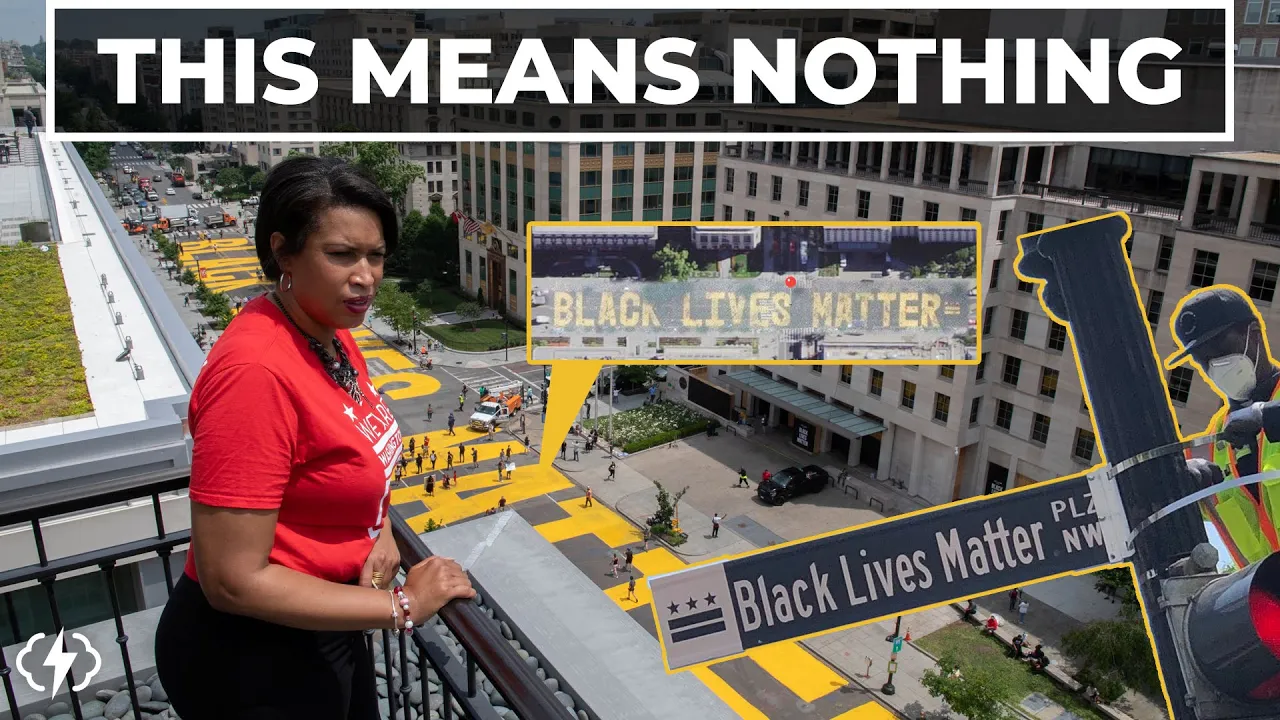



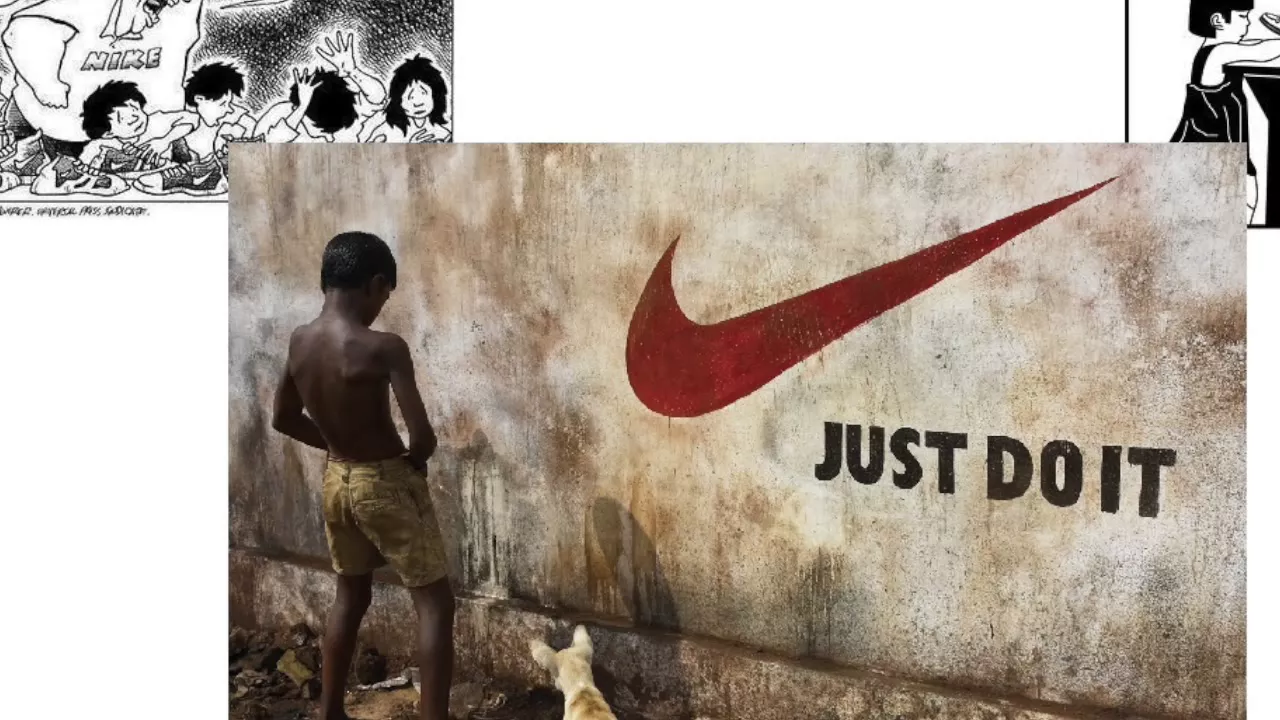

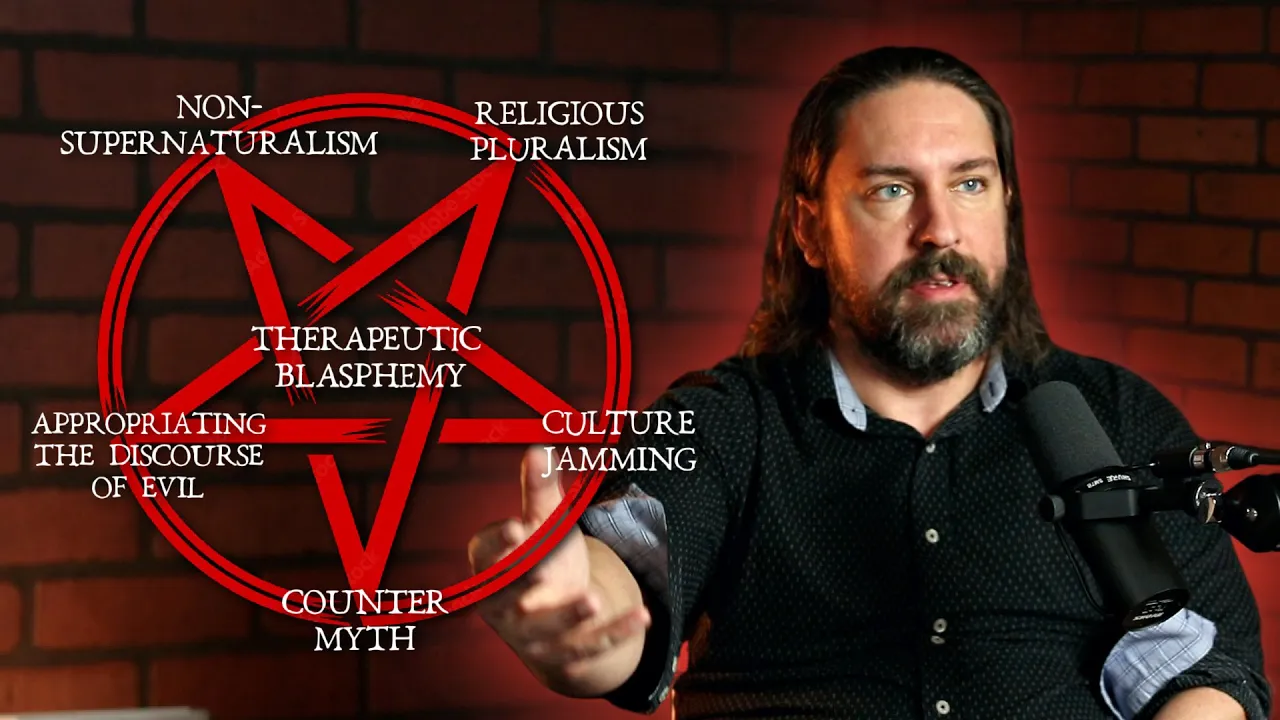





Subcultures function as 'noise' within dominant culture, expressing forbidden contents through symbolic challenges that breach social expectations and provoke media hysteria; however, these subcultural movements ultimately undergo 'recuperation' where their distinctive styles become commodified and co-opted by mainstream culture, transforming radical expressions of difference into marketable products that lose their subversive edge.
Subculture and Style: Semiotics of Punk Resistance | Lecture
Added:Introduction to Semiotics: Understanding the relationship between the signifier, the signified, and the construction of meaning (Ferdinand de Saussure and Roland Barthes).
Gramsci's Theory of Cultural Hegemony: How dominant social classes maintain power and consent through cultural institutions rather than physical force.
The Birmingham School of Cultural Studies (CCCS): The academic context of studying youth subcultures, working-class resistance, and everyday practices in post-war Britain.
The sociological concept of Ideology: How systemic beliefs and values are naturalized in society to maintain status quo power structures.
The Concept of Recuperation: Studying how radical subcultural styles are systematically co-opted, commodified, and neutralized by mainstream consumer capitalism.
Post-Subcultural Theory and Neo-Tribes: Exploring contemporary critiques of Hebdige, focusing on modern, fluid, and non-binary youth identities that reject rigid subcultural boundaries.
Modern Culture Jamming and Aesthetic Activism: Examining how contemporary social movements use semiotic subversion and media hacking to protest corporate and political power.
Digital Subcultures and Internet Aesthetics: Applying Hebdige's framework of style and resistance to online micro-cultures, social media algorithms, and digital identity curation.
235 views13likes37:47Original Release: 2024-04-14
greetings everyone and welcome to your last video lecture of the semester we've we've made it this week we're dealing with uh dick hebd and selections from his book uh subculture the meaning of style and and as the title page here suggests we're dealing with subcultures oftentimes called co-cultures now which are uh just cultures that exist within larger cultures and resistance so to get started you know I always like to tell you a little bit about the the author that we're reading and so this is Dick hebd here uh one of the coolest in my humble opinion people in in academics so he's an English media theorist and sociologist uh and now is Professor ameritus of Art and media studies at UC Santa Barbara and uh again he his work is commonly associated with subcultures and uh and the resistance against the mainstream of society and as you probably gathered from Reading uh this sele from subculture he's definitely has an interest in music particularly the punk movement of the 1970s in Britain along with Ree and Scot and some other interesting musical movements so in terms of what he's trying to do here you know I always try and let you know what what's happening in the article and so he's trying to to take a semiotic approach to understanding the punk movement as it occurred in Great Britain and he's specifically concerned with the process of subcultural meaning making so how me how meaning circulates How It's Made uh within the context of this one particular time and place right uh so the England of the the late 1970s early 1980s or Great Britain more generally uh was a place that uh had a conservative government Margaret Thatcher was in charge of the the government she was prime minister and in in many uh ways she was sort of the uh the British equivalent of Ronald Reagan in the United States so uh very conservative uh but at the same time the the the United Kingdom itself was experiencing a number of economic hardships you had U many of the industrial jobs leaving uh traditionally industrial towns and cities in England and U and the other UK countries and it created a kind of atmosphere of uh I don't know a lack of Hope let's say uh for many of the young people in at the time who who knew that they couldn't go and get the same kinds of good factory jobs that their parents got so there was there was definitely a kind of U feeling of discouragement a general malays that that sort of set about the country and and heage is interested in exploring punk as its kind of reaction to to these economic circumstances so he begins his his discussion uh with a talk about subcultures and again typically today we don't call them sub cultures uh typically they're called co-cultures this is part of the politically correct uh style of speech you know that's that's come about in the past 20 or 30 years and and but the the idea is the same and the idea is that there are smaller cultures that exist within larger cultures and and you know it used to be that we called these subcultures and so heage is trying to get at the heart of what what these things are right and so he tells us subcultures represent noise as opposed to sound interference in the orderly sequence which leads from real events and phenomena to the representation in the media so here he's using noise in the way that communication Scholars do and noise is anything uh in Communications noise is anything that interferes with the transmission of a message right so it can be uh things like static or uh you know outside sounds like if someone's jackhammering outside the classroom and you can't hear what I'm saying that those would both be examples of noise and so he says that subculture is function kind of like noise within within the larger culture and he goes on and he says subcultures express forbidden contents so when he says forbidden here he doesn't mean that they're they're actually forbidden by the government to speak about such things or anything like that rather it's things that people generally don't talk about in polite Society so things like consciousness of class consciousness of difference and and so he says that this is uh they do so right they express forbidden contents in Forbidden forms they transgress uh sorial codes behavioral codes they break laws Etc and he says they are profane articulations and they're often and significantly defined as quote unquote unnatural and so of course you you can kind of get this idea here from this picture of Sid Vicious uh famously the front man for the Sex Pistols in the United Kingdom during this period that eage is exploring and and so you know he says what they're doing is they're they're they're playing with ideas that typically it's not polite to talk about or or even to think about and they're playing with them in in interesting ways in part through the way that they dress the way that they behave uh the breaking of laws and so on and and so this is why he calls them profane articulations which I I think is just a wonderful uh phrasing right it's really cool uh and he says you know they come across as unnatural which of course they would right and part of the reason that I highlight this segment here is because you know gromi and others alus sir Marx you know have told us repeatedly that that the job of ideology is to make make the status quo seem natural and so for headage What's Happening Here is that these these Punk folks right are are are trying to to bring attention to ideology right and and and one of the ways they do it is through behavior that seems unnatural and of course it does because it flies in the face of of common sense right as as as gromi famously described it so he tells us subcultures breach our expectancies because they represent symbolic challenges to a symbolic order and as a result the emergence of a subculture is typically greeted by a wave of Hysteria in the Press so what happens is when you see one of these subcultures gaining traction the newspapers the newscasters TV news cable news and so on presents them uh in in kind of an hysterical way meaning that you know oh look at these people aren't they scary right uh so he goes on and he he elaborates on this notion of Hysteria and he says it takes two forms dread and Fascination like oh my God aren't these people scary and awful look at them and then outrage and amusement uh so people get really mad about these subcultures but there also people tell jokes about them right and so he says style in particular provokes a double response it's celebrated in the fashion page and ridiculed or reviled in those articles which Define subcultures as social problems so one of the major ways that hopefully you've seen by now that that heage thinks that subculture expresses itself is through what he calls sorial codes which is the fancy way of saying how people dress the clothes that they wear and and this of course is style and he says you know this style uh in particular which is the main form of expression for this kind of movement is celebrated sometimes right the the the trend setters and the fashion folks celebrate it uh but the you know the more conservative traditional media types uh point to it and say oh this is you know really really disgusting and awful and can you believe these people look like this kind of thing you know or would dress like this or or have their noses pierced or have tattoos or right I mean you sort of get the idea so he says what what first attracts the attention of the press or or what he calls stylistic Innovations so so people dressing in new ways uh that catch the attention of the general populace so you know you can sort of tell here right that there's you know this girl's Punk appearance is definitely catching the attention of this person over here and so the idea is that the Press is is is attracted at first by these stylistic Innovations and then afterwards subsequently deviant or antisocial acts things like vandalism swearing fighting or animal behavior are discovered quote unquote by police the Judiciary the press and these acts are used to explain the subculture original transgression of sarur codes so you you see someone with a three-foot mohawk and safety pin through their nose and you're like why do they dress like that and then later you see examples of vandalism swearing fighting uh you know this this always reminds me of the mosh pits that were popular when I was a kid right where people would uh Dance by slamming into each other and beating each other up and people would look at that and say oh that's just terrible that explains why they look so crazy right uh and and so he says either one of these things then can result in a kind of moral Panic uh where people look at oh my God this is terrible you know we look at the what the kids are doing today you know and so on and so forth and of course you know there was one of these when I was a kid again related to things like mosh pits and heavy metal movements you know I was alive during the satanic Panic of the 1980s when you know I I can remember a friend of mine uh whose parents wouldn't let him listen to kiss records because she honestly believed that kiss stood for nights in Satan's service and wouldn't let uh you know her son uh listen to satanic music not that it was satanic at all it was you know kissed as like four nice Jewish kids from New York uh but you know the point is is that people do get worked up into these kinds of moral panics and and they're based in large part on differences first off in appearance and secondly in in Behavior so he continues and this is where things get interesting and a little tricky he tells us as the subculture begins to strike its own eminently marketable pose as its vocabulary both Visual and verbal become more and more familiar so the referential context to which it can be most conveniently assigned is made increasingly apparent thus punks are brought back into line so what happens is as as the subculture catches on you know this is what he means by the eminently markable pose and so on and as its vocabulary becomes more more familiar what happens is that that people look at the people like the punks at subcultures like the punks and and they make a kind of a a cognitive decision to bring them back into line so the boys and lipstick just kids dressing up girls in rubber skirts or daughters just like yours right and he calls this recuperation so it's you know it's not it's kind of like co-oping but it's a little different and and so he tells us recuperation takes two forms the conversion of subcultural signs into mass-produced objects so we commodify the difference right and then the labeling and redefinition of deviant Behavior by dominant groups so by the police the media the Judiciary Etc so again as as these subcultural movements become more familiar more widespread more marketable people recuperate these movements and and they sort of by recuperating them they're made less dangerous in some way right it's just kids dressing up it's not you know boys and lipstick aren't scary anymore so once the moral Panic kind of subsides a little bit right we get into the recuperation phase and one way we we recuperate is through the commodity form and so think about this like the leather jackets that uh you know the leather motorcycle jackets that that are marketed by the high fashion houses now that in the 1950s were symbolic of being a 1center part of a motorcycle gang right what they did was they took the the the sartorial expression of this group which was a rebellious group of criminals and adopted it co-opted it and marketed it right and now no one thinks twice when they see someone leather motorcycle jacket right so that's the commodity form but then there's the ideological reform and this is the redefinition of deviant Behavior part of what you see up here so again here's your commodity form he says subcultural style Begins by issuing symbolic challenges here are the symbolic challenges right you have this young woman uh you know crazy makeup crazy hair studded dog collar sastic is on her shirt right but uh observes however by they end by establishing new sets of conventions they become co-opted mass-produced they become public property and are made comprehensible in the commodity form so what was once really dangerous and and really edgy becomes co-opted and warn by Miley Cyrus right by Hannah Montana and at this point of course it's no longer dangerous so what's happened here is a co-opting of subcultural style so this look that that was noise that was antithetical to the the mainstream dominant culture gets brought into the dominant culture becomes commodified is mass-produced and put out for sale and ultimately all of the kind of edginess of it and the dangerousness of it is discharged it goes away and so you know there's no better example of course than Hannah Montana with a mohawk and her butt hanging out of spiked leather shorts now with the ideological form he tells us the way in which subcultures are represented in the media makes them both more and less exotic than they actually are they're seem to contain both dangerous aliens and boisterous kids Wild Animals and Wayward pets and so again he he finds two ways in which people deal with this other capital O right the members of this subcultural group group and he says they could be trivialized naturalized or domesticated which is difference denied or they could be transformed into meaningless Exotica spectacle or clowns a kind of difference Beyond understanding so you know the trivialized naturalized and domesticated is you know when when your daughter comes home with the Mohawk and and so on in the 1970s in England you know you just say ah well you know she's just going going through a phase right that's the trivialization trivialization of it the transformation into meaninglessness that's that's a little bit more complicated but one example of that would be there was a you know I grew up in Philadelphia and there was a Street in Philadelphia known as South Street and this is where all the punks and uh you know deviants hung out uh and you know people used to go to South Street to go like like it was a tourist spot right to go people watching and the whole idea behind that is this idea that it's spectacle where you go and watch it like you go to the movies right and the people are so different at least seemingly in terms of the way that they look and present themselves and and this was a time when people had like the three-foot Mohawks and you know purple hair and you know not that people don't have purple hair now but I mean it was quite radical quite different and so it was kind of a tourist attraction and people visiting the city of Philadelphia would go you know hang out down on South Street and this was you know a difference Beyond understanding and so these are the two ways that HEB sees culture dealing with subcultures now this is the part that really interests me and and the part that hopefully will be interesting to you as well you know HEB dig is really focused in this in the excerpts I gave you on soral expression and sorial communication and this is communicating by the way you dress now of course when we think communication we think of people talking or Broad casting or mass media but you know we're all communicating all the time and we're we're like transmitters that can never be turned off to a certain extent and one of the ways that we communicate is through the choice of what we wear now this can be intentional but it doesn't have to be indeed as as heage observes signification doesn't have to be intentional every object can be viewed as a sign and he says each Ensemble has its place in an internal system of differences the conventional modes of sorial discourse which fit a corresponding set of socially prescribed roles and options and you can see that here in these examples right I I mean these are the preps these are the uh well this is the cast of Jersey sure right uh but you know they're clearly from different social classes different socioeconomic groups different religious affiliations and all likelihood different educational backgrounds and they they dress and style their their hair and so on in very different ways that Express a kind of uh social prescription right in other words like I'm part of this group oh well I'm part of this group and so as a result you dress in a certain way right this is the whole acid wash jeans uh you know trucker hat kind of uh you know early 2000s late 90s phenomena and this is like the uh Brooks Brothers J crew uh you know Ivy kind of uh phenomena right and and both both of these groups of people are clearly dressing in such a way so as to communicate this set of socially prescribed roles and so heage goes on and says choices about what we wear contain a whole range of messages which are transmitted through the finally grer distinctions of a number of interlocking sets class status self-image attractiveness Etc right so so what he's saying is that the choice of clothes is is really you know a very nuanced form of communication speaks to all these different issues that I just mentioned right the social class education level uh socioeconomic status uh religious affiliations uh attractiveness um I mean in theory your close even say something about your morality right and and and your your your moral status so you know heage is right to observe that clothing says much more about us than than what people typically recognize when they go to the store although at the same time I'll also submit to you that we do have certainly a kind of innate understanding about what clothes say about us otherwise people wouldn't spend you know well my son wants a pair of Jordan fors for example you know they're like 300 bucks man 400 bucks you know people wouldn't spend 3 $400 hours on a pair of sneakers unless they had a a very finely hone kind of innate understanding about the power of sartorial expression all right so heage says you know ask the question what makes subcultural style different and he says that subcultural style styles are obviously fabricated so it's a form of intentional communication he says they display their own codes or at least demonstrate the codes are meant to be used and abused so they're they're perfectly willing to look at the old sorial clothing dressing you know hair styling makeup codes and violate them and that's part of it uh he says subcultures reposition and recontextualize commodities by subverting their conventional uses and inventing new ones so what he's talking about here is taking things that already exist in society and using them in different ways the perfect example of course is the safety pin right which is used for piercing and as you know lip rings nose rings earrings Etc um and he says the communication of significant difference then is the point behind the style of all spectacular subcultures so what they're doing right is they're expressing difference you know this is this is HEB Dig's key point is that it's it's an expression of difference and of course one of the primary ways to express difference is to take something that's always been around and use it in a new way or an unexpected way like the like the safety pen right I'm sorry not the safety pen the the well yeah it is a safety pin I guess so another thing and we've talked a lot about Bri oage so far but here we see it again he says together object of meeting constitute a sign and within any one culture such signs are assembled repeatedly into characteristic forms of discourse however when a brick aure relocates the significant object in a different position within that discourse using the same overall repertoire of signs or when that object is placed within a different total Ensemble a new discourse is is made constituted a different message conveyed so what he's talking about is you know taking the safety pins taking uh the household items and using them as part of your uh dress as part of your uniform so to speak is a punk is a form of bricolage and what it does is it creates a new form of discourse a new form of expression a new conversation in essence and he says that ultimately what's going on is that the punks and other spectacular quote unquote subcultures are engaged in what he call Semitic gorilla Warfare they're taking existing signs and and and using them to new ends indeed they're engaged in what he calls an assault on the syntax of everyday life taking the familiar reconstituting it repurposing it and using it in a new form of expression and of course we see this and we we've talked about things like this this for example is a is a sculpture quote unquote it's actually a Ural uh but Marcel Duchamp uh famously entered this into an art show he was actually one of the judges of this show uh but he famously put this into an art show and the idea was that he was taking the urinal and reconstituting it and and and putting it out as a piece of art right which is a new form of of semiotic expression it's giving it a new semiotic meaning it's no longer something you pee in now it's a work of art right U we see the punks uh very commonly used uh Nazi symbols this wasn't because they were anti-semitic this wasn't because they they thought the Nazis were right it was because these things were still around from the second world war and because you know it was a symbol that everyone knew and they were repurposing it right to express a kind of n ISM ultimately right uh we saw the same sort of thing occur in the United States of America uh during the 1960s this is uh I believe this is Country Joe from Country Joe and the Fish uh at Woodstock and he's wearing a a US Army jacket now he's a hippie and he's singing for peace and he's at Woodstock and the whole hippie movement was about love and it was anti-war but by wearing the the Army jacket he's repurposing it in so sense in the same way that the punks repurpose the the fastica here you see uh you know one of the uh this isn't a punk I don't think this is one of the teddy boys if I recall correctly but wearing you know the Union Jack uh with the portrait of the queen on a leather motorcycle jacket studded with you know these metal studs uh this is of course uh uh I don't I shouldn't say of course I think this is Duchamp again uh and and repurposing the monol Lisa right by by painting a a mustache and goatee on it right so what what's happening in every one of these cases is that people are taking traditional cultural signs and and they're they're doing semiotic Warfare with them they're reconstituting them repurposing them and using them for a new form of expression so he says the punk fashion is actually kind of unfashionably dramatic ways to create a kind of U what do you calls confrontation dressing it's really in your face uh the faces of the punks are used as abstract portraits that represent studies and alienation this is what you see with the Dramatic Makeup and so on dyed hair fragments of school uniforms iconography of sexual fetishism like the dog collars and so on they dancing is kind of anti- dancing dances like the Pogo the pose and the robot uh they they discourage overt displays of heterosexual interest so it's you know when you went to one of these Punk concerts or or music halls there wasn't the kind of um you know hitting on each other in the that we see in the meat markets I guess used to see in the meat markets in in American bars and so on uh the music itself is is very basic uh you know the punk musicians tell you that they want to be amateurs there's a very raw kind of feeling to it all and and the punk press the the people that wrote the the the Zen and so on that surrounded this movement used workingclass language uh oftentimes left the proof reading marks in the actual uh Pages uh and and so as a result what you get overall is a sense of immediacy and ironic self-abasement so he says even though the punk style was all about chaos and and symbolizing chaos the style itself was ordered and together it made a meaningful whole a neology and so this is where hebd borrows from Paul Willis and he says Willis shows how contrary to myth which represents subcultures as law as forms the internal structure of any subculture is characterized by an extreme orderliness each part is organically related to other parts uh and and though the fit between them and is through sorry the fit between them that the subcultural member makes sense of the world so again we see this uh many times in subcultures one way of thinking about subcultures and typically how I think about them is is in terms of high school clicks which are small kinds of micro subcultures within the larger high school subculture and of course you know if you've been part of a high school click that there's a very clear kind of order you know someone's in charge someone's second in charge there's certain rules that you do you know uh on Thursdays we wear pink right or whatever it is from Clueless the movie there's there's you know they're very wellestablished rules in a very strict kind of order within the punk movement even though the whole thing symbolizes chaos and so this is kind of interesting right that there's a kind of rigid orderliness that undergirds these expressions of chaos which of course are are are designed in such a way to act as noise and and sort of uh Jam the the messages of the dominant culture uh all right so he he asked what does subcultural style signify to members of a subculture and he says the answer was the appropriated objects reassembled in in the subcultural ensembles were made to reflect Express and resonates aspects of group life they were objects in which the members could see their Central values held and reflected and so you know he finds a homological relationship between the Trashy cutup clothes and spiky hair the dances the drugs the spitting the vomiting right the the crazy writing in the fan zenes there's a connection that's built in here right he says the punks wore clothes which were the soral equivalent of swear words and they swore as they dressed with calculated effect lacing obscenities into record notes publicity releases interviews and love songs it was in it was in their repurposing it was through their bricolage the repurposing of these things through their confrontational dressing that there becomes a kind of group homology in other words it's it's that's what binds them together right they're bound together through confrontation through bricolage through repurposing through through an aesthetic of I don't even know how to say it I through through a kind of Base aesthetic right there becomes a group membership and and a group meaning and a group affiliation and so ultimately then this this leads him to think of style as what he calls signifying practice and now the idea of signifying practice goes back to hall steuart Hall you remember him uh and others in the British uh cultural studies tradition and uh so he says you know in defining signifying practice these are the meaning making behaviors in which people engage following particular Convention of rules of construction or interpretation so what you need to understand is that signifying practice is just what it sounds like when you engage in signifying practice you're engaging in behaviors practices that that that are that convey meaning right meaning making Behavior and so this leads heage to say signifying practices are meaningful cultural practices cultural parole they can be distinguished from discourses or discoursing that they're not only linguistic and verbal but they could be physical or gestural in culture people interact to produce meaning what they produce from ideas and meanings may be uh may be labeled signifying practices the term is coined to explain the main concern of a symbolic study of culture which is the different from the positive traditional anthropology so here is an example of signifying practice check embodied in athletes like Tommy Smith and John Carlos who turned American Sports culture on its head in the late 1960s there's Quest a good start and Carlos as usual has burst out of the blocks Tommy Smith running pretty well so far and in lane two bom is strong on the outside it's Roberts it's John Carlos right now car Smith and here comes Smith they won a gold and a bronze medal at the 68 Olympics and what they did next couldn't stand in Starker contrast to today's depoliticized sanitized and Hyper commercialized Sports World they didn't pull a Jordan at the 1968 Olympics and use their platform on the global stage to protect an endorsement deal no these guys had a point to make as they walked to the platform they took off their shoes and carried them to protest poverty in America they wore beads to protest lynching and John Carlos even unzipped his jacket a violation of Olympic protocol to represent as he told me his working Buddies black and white back home in New York City and in perhaps the most famous gesture in Olympic history they raised their fists during the national anthem to show solidarity with the Civil Rights Movement their symbolic gesture inspired Millions around the world but their punishment was Swift and severe good morning to the Olympic games are one week old today and yesterday the sixth day was the most dramatic so far it started with the news that the black power disciples Tommy Smith and John caros the Olympic 200 meters gold and bronze medalists had been suspended by the United States Olympic Committee and given 48 hours to leave Mexico I had said that if there were any demonstrations at the Olympic game by anyone the participants would be sent home Smith so so you see here these what happened with these athletes at the the Olympics in Mexico was that they engaged in signifying practice as as you noticed hopefully in the in the last slide you know heage tells us this can be gestural and of course you know holding up their their fists in you know u in honor of of the Civil Rights movement was clearly a gesture and it was you know a sign right it was a form of communication and and so as such can be understood as signifying practice now of course these are extreme examples uh you know but there are there are much uh less noticeable kinds of examples of signifying practice that happen all the time indeed this is what hebd is talking about when he talks about how clothing and the choices you make about the clothes you wear uh speak to your affiliation with different groups groups and and and socioeconomic status and education and so on right so every time you wake up in the morning and you put on the clothes you're wearing even if you're not consciously thinking about it you're engaged in a kind of form of signifying practice so he says that that punk in particular when it comes to signifying practice is hard to read and so he turns to another scholar Julia chrisa and her notion of radical signifying practices and these are signif practices or or gestures or behaviors that negate and disturb syntax that that disturb coherence and rationality and so he did suggest the signifying practices embodied in Punk were Radical in chisa's sense because they gestured towards nowhere and actively sought to me remain silent inscrutable right the people you know part of the idea behind Punk was that people shouldn't be able to figure it out easily and that it shouldn't make sense right indeed Punk refused to make sense and instead was really at base just simply an assertion of otherness with the capital O right so you know there was no kind of resolution of of contradictions right rather the the punk was an experience of contradiction itself right and this this was manifested in visual puns and so on he tells us the punk style footed together h homological H oh dear lord homologically precisely through its lack of fit so you know there's holes in the T-shirt um you know the the the uh repurposing things like uh Bin liners is you know trash bags as garments um you know there was this whole idea that there there was a refusal to go here around an ident identifiable set of central values instead he says it cohered elliptically through a change of conspicuous absences it was characterized by an unlocated a blankness now he goes on he says not all subcultures play with language to the same extent some are more straightforward than others but in the punk movement certainly the the the punk movements the thing that bound it together the thing the thing that created the punk homology if you will this this Binding Together people were was in some sense its own inability to reason with itself right that this kind of contradictoriness that that runs through it what he what he calls a lack of fit right the holes in the T-shirt spitting instead of Applause wearing trash bags Anarchy over order and so on and and and there and it's just general lack of willingness to to go here right and indeed in some sense it was this lack of of easy affiliation that created the togetherness and the affiliation within the subcultural group itself so it's I mean this is an interesting argument I think and and one of the most interesting that we've read all this semester and for the record you know heage uh as far as I know never completed his PhD uh this was his ma thesis and of course he went on to to teach and have a have a fantastic career at a fantastic school like UC Berkeley so it just shows you how sign ific this book was when it came out uh it it is in essence it made it made his career I mean it's the you know book that that sort of jumpstarted a a beautiful academic and very successful academic career uh and got him accepted by uh a notoriously kind of uh coish kind of group of people without the full uh you know PhD and so on so so this is a really influential work and and also I think really interesting and and you know honestly just a cool one right I mean there's something that's just really cool about uh hebd and and this particular particular movement all right well that's it I thank you for checking out my lecture and uh this was the last one so thank you for checking out all my lectures and uh thanks for a great semester
Up Next
12:15
The Accelerating Trend Cycle: Why Cultural Attention Spans Shrink
@LeviHildebrandYT
425.9K views•2024-05-29

54:57
Contemporary Sociological Theory: Micro, Macro, Integrative
@NaSESYNC
45.7K views•2016-02-17

19:23
How to Analyze Conversations Scientifically | Elizabeth Stokoe | TEDx
@TEDx
1M views•2014-12-04
9:41
What is Sociology? The Sociological Perspective Explained
@crashcourse
4.6M views•2017-03-13
Related Study Plans & Knowledge Roadmaps
Structured learning paths in Sociology
sociology
Celebrity Culture: From Hollywood to TikTok
01Foundations of Celebrity Sociology
02The Rise of Micro-Celebrity & Digital Platforms
03Parasocial Relationships & Algorithmic Intimacy
+ 2 more learning modules
12h5 modules
Explore Roadmap
sociology
Hostile Architecture: Space, Power & Control
01Introduction to the Sociology of Space
02Social Control and Surveillance in the City
03Hostile Architecture and Defensive Design
+ 2 more learning modules
12h5 modules
Explore Roadmap
sociology
Loneliness Epidemic: Third Places & Isolation
01Foundations of Social Capital and Community Cohesion
02The Death of Third Places and Urban Space Erosion
03The Privatization of Leisure and Atomization
+ 2 more learning modules
12h5 modules
Explore Roadmap
sociology
Sociology of Tourism: Gaze, Power & Heritage
01Foundations of the Sociology of Travel and Leisure
02John Urry and the 'Tourist Gaze'
03Staged Authenticity and Cultural Commodification
+ 2 more learning modules
14h5 modules
Explore Roadmap