














The speed of cultural trends has dramatically accelerated from traditional 20-year cycles to mere weeks due to internet algorithms and social media, transforming meaningful subcultures into superficial, rapidly-changing microtrends that drive overconsumption and create a cycle of trend-driven consumerism without lasting cultural significance.
The Accelerating Trend Cycle: Why Cultural Attention Spans Shrink
Added:The Traditional Fashion Cycle: Understanding the historical stages of a trend (introduction, peak, obsolescence) and the classic 20-year nostalgic loop.
The Attention Economy: The fundamental economic concept where human attention is treated as a scarce commodity and the primary driver of digital platform design.
Algorithmic Content Curation: Basic familiarity with how social media algorithms use engagement metrics to personalize feeds, predict user behavior, and drive virality.
Consumerism and Fast Fashion: The socio-economic drivers behind modern consumer demand, rapid product manufacturing, and the transition from traditional retail to high-speed supply chains.
The Environmental and Ethical Cost of Ultra-Fast Fashion: Analyzing the ecological impact of hyper-accelerated production cycles, textile waste, and labor exploitation.
Digital Counter-Movements (Slow Culture): Investigating the rise of 'slow fashion,' 'de-influencing,' digital minimalism, and active resistance to algorithmic consumption.
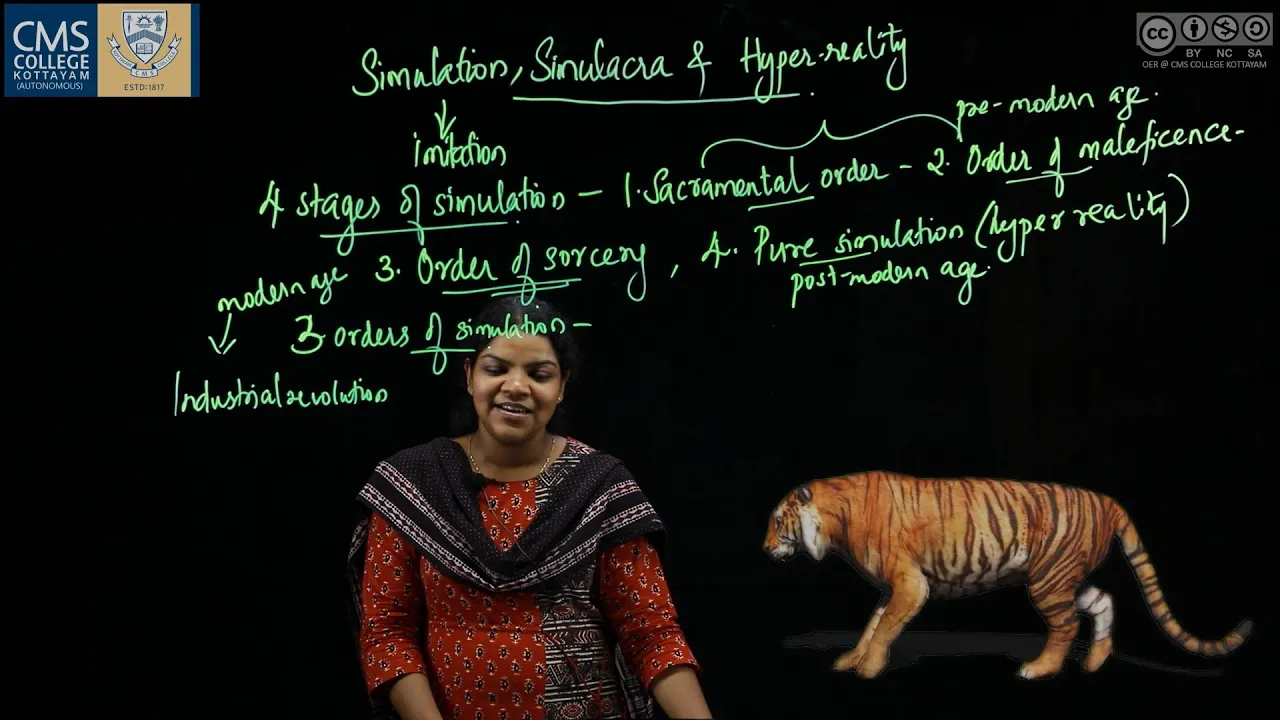
Hyperreality and Baudrillardian Theory: Exploring how micro-trends act as 'simulacra'—symbols and aesthetics that exist purely in digital spaces without connection to physical utility or history.
Neurological Impacts of Micro-Content: Examining how rapid-cycle media consumption and constant novelty exposure affect human attention spans, working memory, and dopamine pathways.
425.9K views18.2Klikes12:15Original Release: 2024-05-29
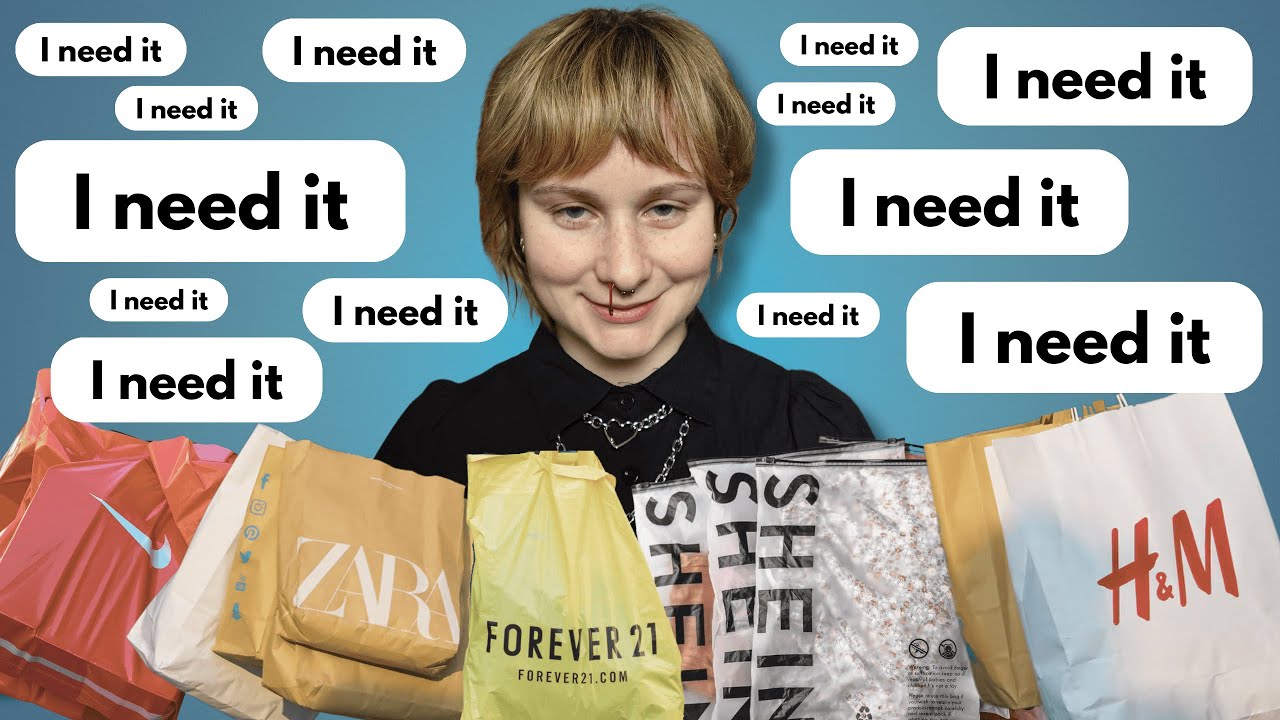
globally our Collective attention span has been shrinking by the minute and the cultural landscape has shifted to match it with trends like Stanley water bottles tote bags and those weird big red boots coming and going before people even knew what color to buy the speed of our Trends is at an all-time high but with all the rush where exactly is this [Music] going now if you are just a SM person who subscribes to this YouTube channel and knows a thing or two about the world that we live in today you might say that our current trends and consumption habits were created in the wake of social media and the internet and you are pretty much right but there is a lot more to this story than that Trends have actually been an integral part of the fashion and cultural Zeitgeist for decades but how we've interacted with them and Define them has changed a lot a trend according to the literal dictionary on my parents shelf is is a general direction and tendency of events and opinions Etc which makes it sound extremely boring and honestly might indicate how much Trends have changed since this old ass dictionary was in use which actually kind of seems to be the case for most of human history Trends evolved very slowly this is really obvious when you look at the fashion trends of a particular decade it's why the 50s were so distinctive from the 80s for example or to get a little bit more nerdy here why there's a difference between the Victorian or Regency periods in the 19th century our writer understands more so what that probably means than I do I'm just assuming it's a bunch of people with funny wigs on in the Fashion World there is a pretty typical Trend cycle and it has five stages introduction rise Peak Decline and then obsolescence this usually would happen over the period of 20 years or so and this trend cycle in fashion would typically reflect what is happening in the cultural political climate at the time for example the feminist movement of the 1960s and70s influenced fashion by promoting gender equality and challenging traditional gender roles this was really obvious in the way people dressed hoop skirts were out power suits were in women were rejecting restrictive clothing and embracing more comfortable and functional fashion choices because this shift in clothing reflected a broader cultural movement towards gender equality and women's empowerment but here's the thing that movement today would look completely different and might be completely missed by historians just trying to keep up with everything that's going on Trends today are about speed massive numbers and selling things most importantly and that's all made possible because of the internet this new world of nitr paste cultural Hot Potato is being labeled as micr Trends that's when something becomes popular in a particular sphere of influence and lasts between a few months or even just weeks now an example of this that we covered on this channel was about the Stanley Tumblr bottle so if you look at Google Trends you can see that the trend got a bit of a start in late November and was well on its way out of fashion by mid January now if you saw the video that we put out on this channel we got it in just at the end of January basically as the trend was already dying the true peak of that Insanity when people were losing their minds in stores and people were talking about it online only really lasted from the end of December to mid January a 2ow week explosion of hype around a very specific product that has since basically been completely forgotten about we talked about this a little bit more in detail specifically relating to the Stanley Tumblr on our patreon exclusive podcast so if you want to support what we're doing here on this channel and get some extra bonus content and early access to our videos go and check that out down below it makes a huge difference in how we are able to create content free for you but all right listen that's a story about a water bottle right not a fashion era but this is increasingly what we're seeing with everything Beauty fashion and even food is going in this direction Trends are being determined by everchanging algorithms and we're seeing an erosion of subcultures that used to Mark pop culture like hippies punks and even the emo kids of the 2000s these new trends aren't based on anything tangible or meaningful and so they're quick to change and they don't necessarily get the chance to grow into any kind of real cultural movement the combination of the speed of the internet and modern consumerism means that the traditional Trend cycle is on warp speed it's honestly even hard to give examples of what has been trending online lately because the birth and death of a trend last so fast and what we write about when we write this script might not even be relevant by the time we publish this video but here's a couple of examples do you remember when everybody in apparently the entire world was obsessed with a viral feta cheese and tomato pasta dish what about when everybody was making whipped coffee or sourdough bread now maybe you didn't actually recognize any of the examples that I just mentioned and that is actually not surprising this is what I find really interesting about how the internet has changed Trends see where Trends typically in the past were common across the broad spectrum of society microt Trends can specifically Target certain people what's trending in one corner of the internet not be what's trending in another corner of the internet of course and this has much bigger implications than you might think for example we are seeing the rise of hyp specific Aesthetics that take hold for literally weeks last year there was the frazzled English woman 2020 had Cottage core and what could be more hypers specific than Sandler core you know the trend where people were and/ are unironically dressing like Adam Sandler Terry knew a writer for Vox said Tik Tok plucks Niche digital Aesthetics out of obscurity and serves them up for an audience that might not have known or cared about them in the first place importantly here he points out that traditional subcultures have lost all meaning in an algorithm Driven Landscape what's left is trends that simplify everything into something viable instead of a kid dressing like a punk to reflect their desire to push against the system or Express a genuine part of their identity they'll look like a punk for for a couple of weeks because the look is having a moment on their side of the internet and what this looks like on the consumer side of things is say Doc Martins blow up on Tik Tok sales go bananas and they start selling different products to meet this new surface level demand that's popped out out of nowhere this is changing how Brands interact with the products that they make for their fans and of course we actually made a whole video about docs and their legendary status in a trend driven Fashion World if you want to see more about that but what does this mean okay like what what are we heading for if Legacy brands are pandering to passing Trends if people are collecting water bottles that are designed for a lifetime of use just because they saw it blow up on Tik Tok the truth is the meaning the context and the time needed to develop the aesthetic of a decade is being lost in a digital age modern consumers are being bombarded with a NeverEnding stream of inconsequential Trends to try and keep up with moments in a digital world that feel exciting and vibrant in the moment but evaporate weeks later to reveal themselves as what they are which is just marketing vessels for products that you simply don't need Anna Angelique a brand executive who writes about the sociology of business has said that culture has decentralized the center the mainstream has disappeared and I thought this was a really interesting way to put it nobody knows where they are on the Spectrum anymore that's why it's so hard to place what decade we're in when you look around at what's currently fashionable some people are dressing like it's the 2000s again others are like in the 70s and then you've got people dressed like they're living on a farm in the 1830s and everything in between it's everything everywhere all at once teenagers are trying on digital Aesthetics like clothing and accessories online and then buying fast fashion to represent these tastes swapping out ones that no longer fit their aspirational personality style or Vibe or whatever and we've actually created whole websites just to understand what the hell is going on and how we should be a part of it which is kind of in in some small ways cool right like we're no longer constrained to the look of a particular moment and we can more freely express ourselves the way that we want but sadly for most people it just means that we're shopping a lot more often to try and keep up and the dark side of the trend cycle being shortened is that it is unarguable ably happening at least in part because of fast fashion brands and websites like Amazon and Teemu you can't reinvent yourself every 2 weeks without the Lightning Fast production times and fulfillment technology of modern capitalism at the Crux of this issue lies are inherent desire to overc consume the act of constantly updating one's wardrobe to stay on Trend especially while the life cycles of these Trends are getting so short ultimately leads to a closet Laden with microt Trend items that are no longer on Trend which leads you to then feel like you have quote nothing to wear or a Stanley water bottle tumbler collection that you're never going to use so we're we're stuck we're spinning in this world of trend meaninglessness and we are just trying to figure out where it is going a new trend life cycle has been born one that is quickly slipping out of our grasp a term or a product pops off on Tik Tok fashion commentators and journalists and YouTube channels talk about it and then it becomes a buzzword of a moment and then invariably mentioning it in Earnest a couple of weeks later becomes cringy what does this say about all of us it's reflective of course of the real Information Age and the meaninglessness of the current state of the world how do you distract yourself from a dwindling economy an impending climate crisis and a political hellscape you could just drown yourself in information or you could go online and try out a new aesthetic for a couple of weeks but thankfully like all trends of the past we are seeing a wave of people rejecting or at least trying to reject this new cycle of Trends and it's kind of Awesome with in a world of crazy hype nonsense we have now actually invented de influencers this emerging group of social media users is urging people to evaluate whether they really do need those $350 giant red boots or the extra heavy weighted blanket that will apparently make your anxiety sleeps better and of course this whole de influencing thing might just be another Trend that will bite the dust in a couple of weeks but I really hope not because in a weird sort of way that's kind of what this channel is and so if you want to see more of our content make sure that you like our videos and subscribe to our channel so that we don't die in the endless Wasteland of online content but I also like to think that Millennials my generation are kind of getting tired of this perhaps I know for myself I'm seeing more and more trends that I just don't need to be a part of at all I don't know maybe it's the dad in me coming out or maybe I'm just cheap but there's not really many trends that I've fallen victim to in the last couple of years because I feel like I've gotten to know myself a bit better and I just know that I don't need a Bass Pro Shops hat to make myself feel like a real man so wherever you are at in this trend cycle I hope that you enjoyed today's video if you did remember to like it if you like our content remember to subscribe and if you do then we will see you every single week for another upload [Music]
Up Next
57:36
Social Media Fatigue: The Rise of the Offline Status Symbol
@jordanatheresa
392.6K views•2025-05-15

9:26
Georg Simmel's Metropolis & Mental Life Explained | Urban Sociology Lecture
@jaredbok3816
833 views•2023-07-01
19:23
How to Analyze Conversations Scientifically | Elizabeth Stokoe | TEDx
@TEDx
1M views•2014-12-04
9:41
What is Sociology? The Sociological Perspective Explained
@crashcourse
4.6M views•2017-03-13
Related Study Plans & Knowledge Roadmaps
Structured learning paths in Sociology
sociology
Disaster Sociology: Risk, Power & Recovery
01Foundations of Disaster Sociology
02Structural Vulnerability & Social Inequality
03Ulrich Beck and the 'Risk Society'
+ 2 more learning modules
15h5 modules
Explore Roadmap
sociology
Celebrity Culture: From Hollywood to TikTok
01Foundations of Celebrity Sociology
02The Rise of Micro-Celebrity & Digital Platforms
03Parasocial Relationships & Algorithmic Intimacy
+ 2 more learning modules
12h5 modules
Explore Roadmap
sociology
Hostile Architecture: Space, Power & Control
01Introduction to the Sociology of Space
02Social Control and Surveillance in the City
03Hostile Architecture and Defensive Design
+ 2 more learning modules
12h5 modules
Explore Roadmap
sociology
Loneliness Epidemic: Third Places & Isolation
01Foundations of Social Capital and Community Cohesion
02The Death of Third Places and Urban Space Erosion
03The Privatization of Leisure and Atomization
+ 2 more learning modules
12h5 modules
Explore Roadmap