





















An operations manual is a collection of written procedures, policies, and checklists that documents how a business operates from opening to closing, enabling smooth operations even when the owner is absent, reducing employee interruptions, minimizing errors and waste, and increasing overall business efficiency and market value.
Building an Operations Manual: A Systematic Guide for Business Owners
Added:Understanding basic business workflows and the core functional departments of an organization.
The conceptual distinction between high-level organizational policies, operational processes, and detailed procedures.
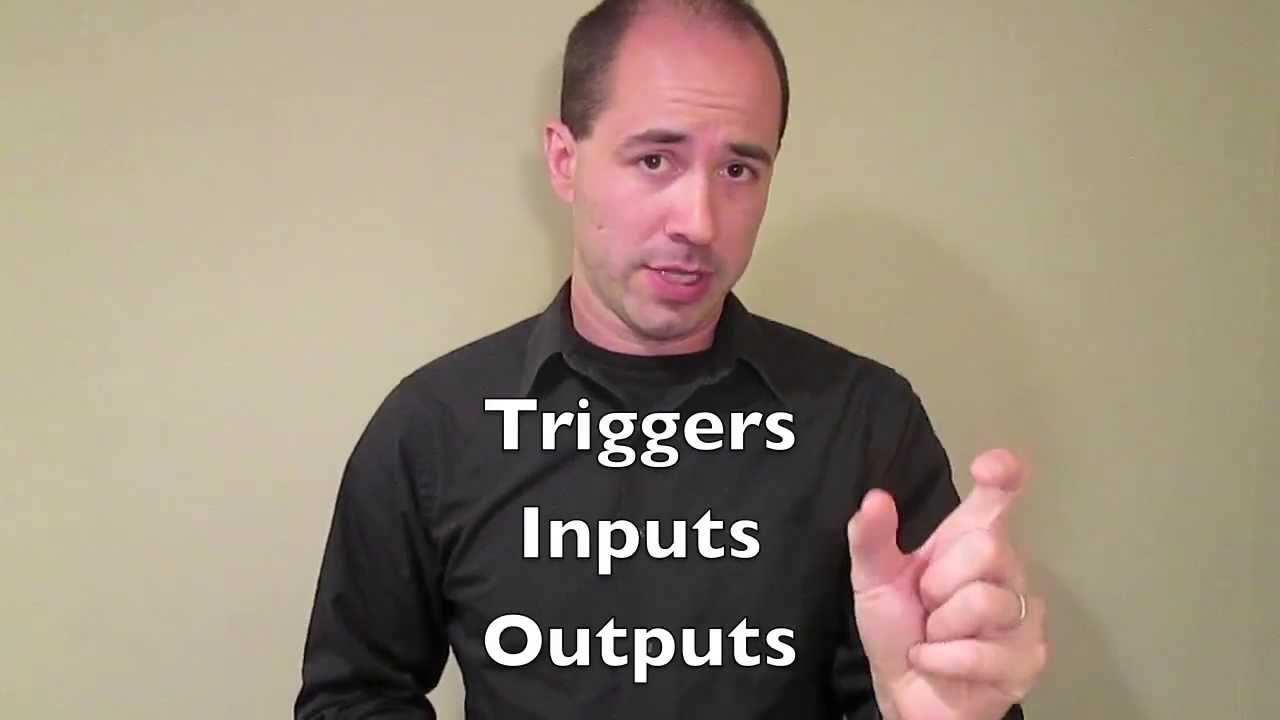
Fundamentals of business process mapping, including how to identify key inputs, steps, and outputs in a workflow.
The basic purpose of Standard Operating Procedures (SOPs) in maintaining quality control and operational consistency.
Implementing Change Management strategies to ensure successful employee training, adoption, and adherence to the new manual.
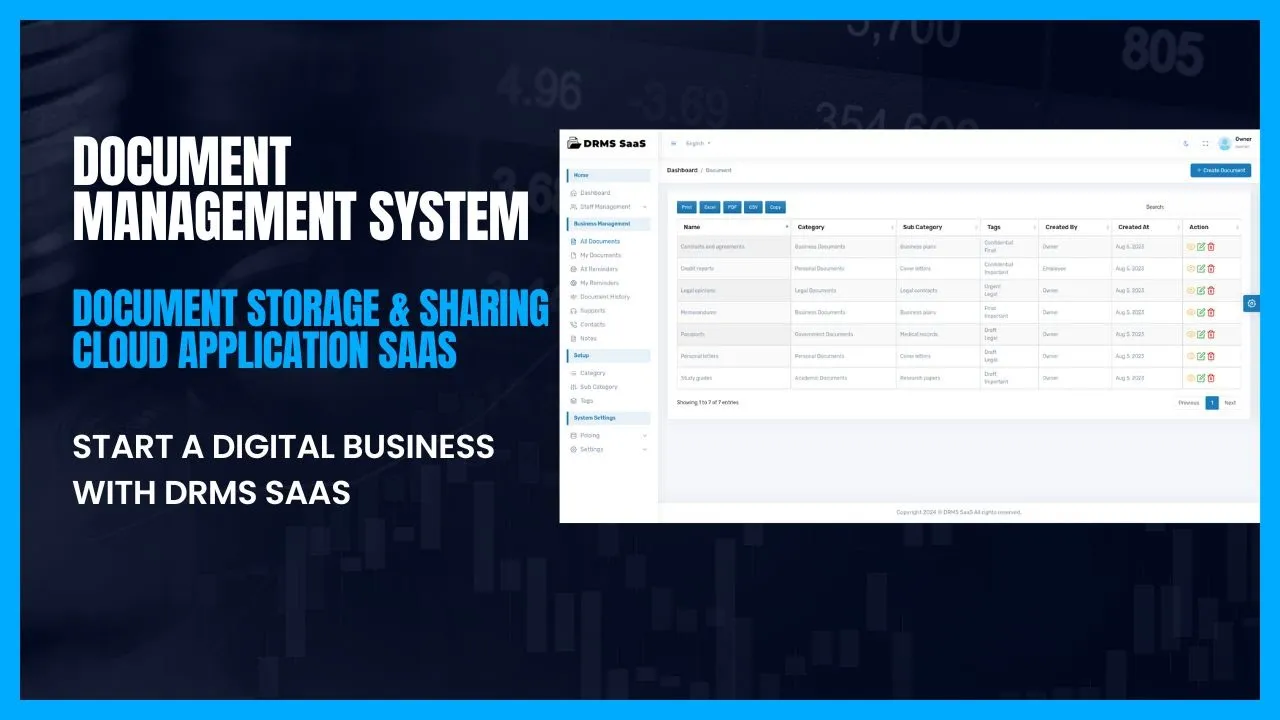
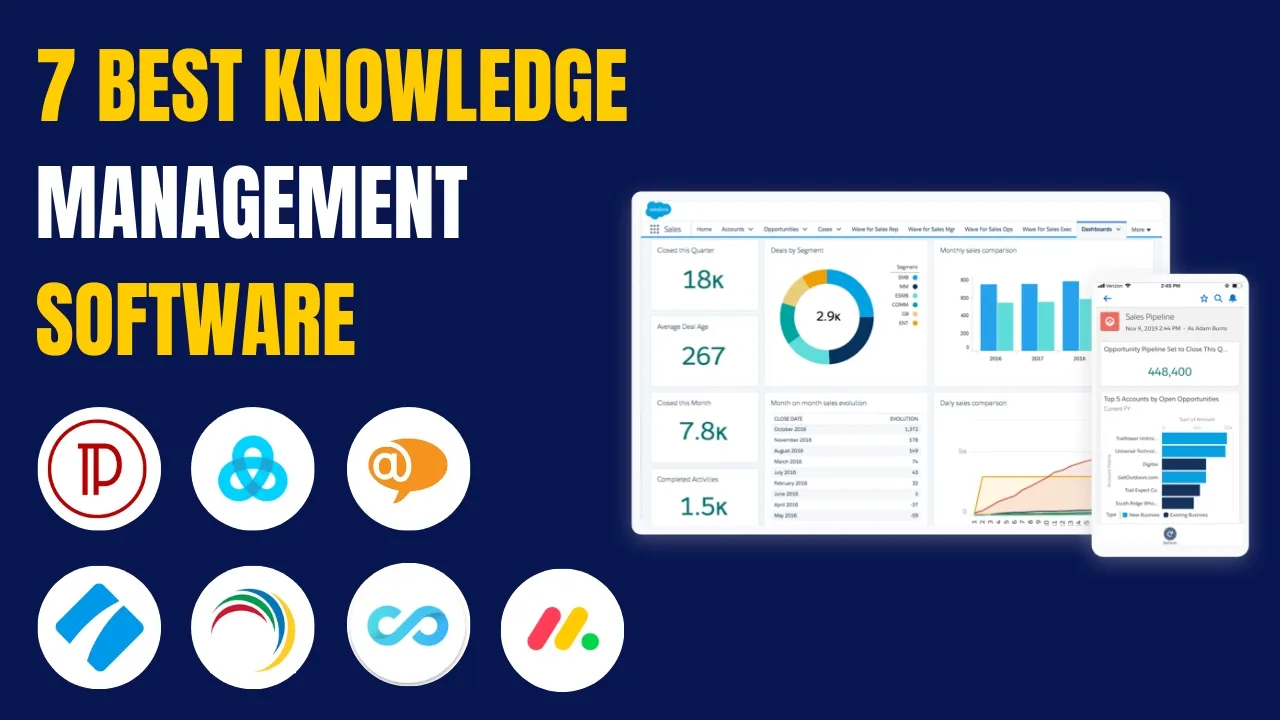
Exploring Digital Knowledge Management tools and SaaS platforms to host, update, and collaborate on dynamic operational documents.
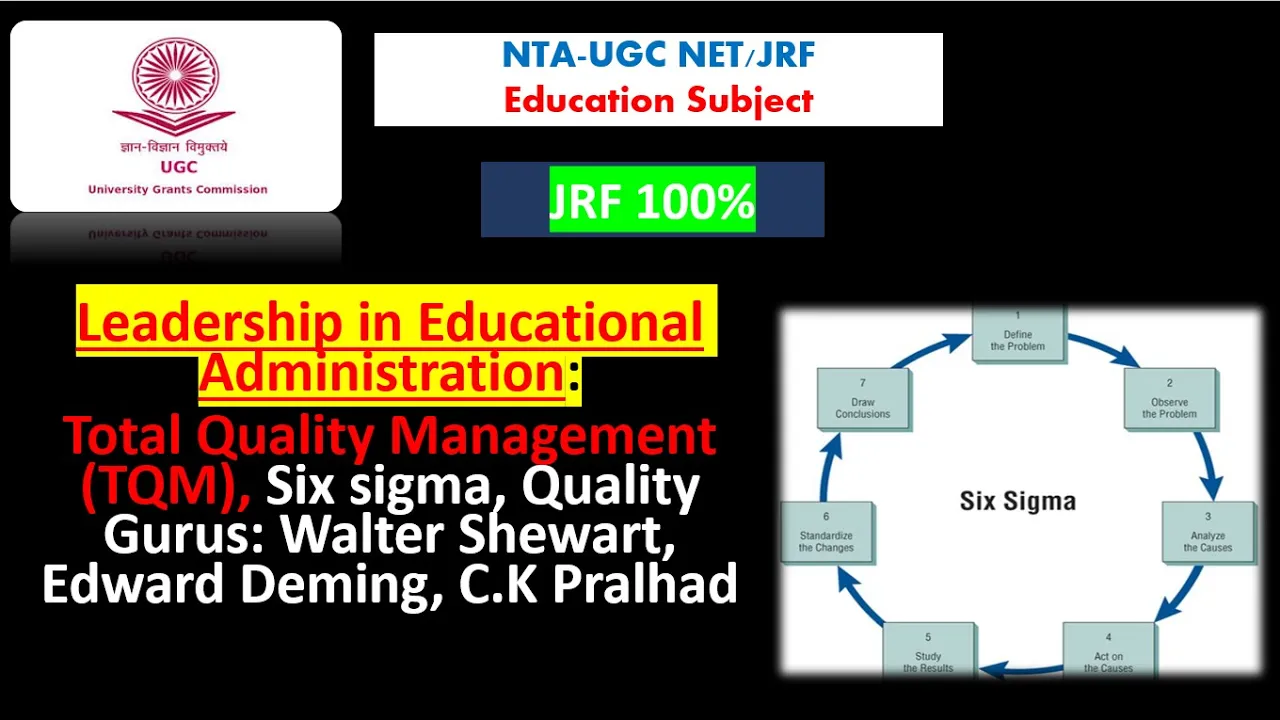
Applying Continuous Improvement methodologies (such as Lean, Six Sigma, or Kaizen) to regularly audit and optimize documented processes.
Utilizing the completed operations manual to facilitate business scaling, leadership delegation, or preparation for franchising and licensing.
56.2K views359likes3:32Original Release: 2010-02-26
hello I'm Philip buer welcome to my Philip Buster on building and operations manual the system for running your business do you know the number one reason most companies are so disorganized is due to the fact the owner has never taken the time to download write down how their business operates I'm talking about from the time they turned the key in the morning and open their door for business until they turned the key and locked the door in the afternoon you know there's a whole lot of stuff going on between those two TurnKey events in most companies most of that stuff the processes that run the business is just floating around in the owner's head therefore the owner is constantly interrupted from employees trying to get at that information and if the owner leaves the premise for any reason God forbid all you know what breaks out sound familiar that stuff the processes that run a business is what I call the system what is a system Webster defines a system as a group or an arrangement of Parts facts phenomena Etc that relates to or interacts with each other in such a way as to form a whole and orderly method a plan or procedure to further Define system or systems of operations could be a network of interacting written procedures policies checklists and other documents that describes in detail how a business operates this series of documents should be organized as a group a manual now this manual should be uh made accessible to every member of the organization to give a clear understanding and empowering each member to do their job without constant supervision now this list of documents is what is normally contained in an operations manual why do you need a system and operations manual the obvious is to organize the business but here's some other benefits I think you'll like avoid repeated interruptions from employees seeking information your business will run smoothly whether you're there or not reduce arrows and waste meaning more profit reduce stress market value of your company is substantially increased more peaceful work environment more time to grow your business promotes teamwork time and money saved by reducing clutter employees take pride in an organized work environment Less customer and emplo turnover on and on it goes but do I really need to say more if you don't see the benefits of systemizing your business after watching this video and reviewing some of the materials on this website well then I hope you'll read my book system Busters how to stop them in your business there's also a document on this site under educational materials which goes into detail on building an operations manual well it's your move the decision that change the way you've been doing things is yours if you want to organize your business it starts with you it starts at the Top If you as the owner are looking to the employees to help you make the decision then maybe you're not ready because only you know how much pain you can take but when you are ready we would like to help you with that thanks for stopping by oh did I mention great systems work
Up Next
61:29
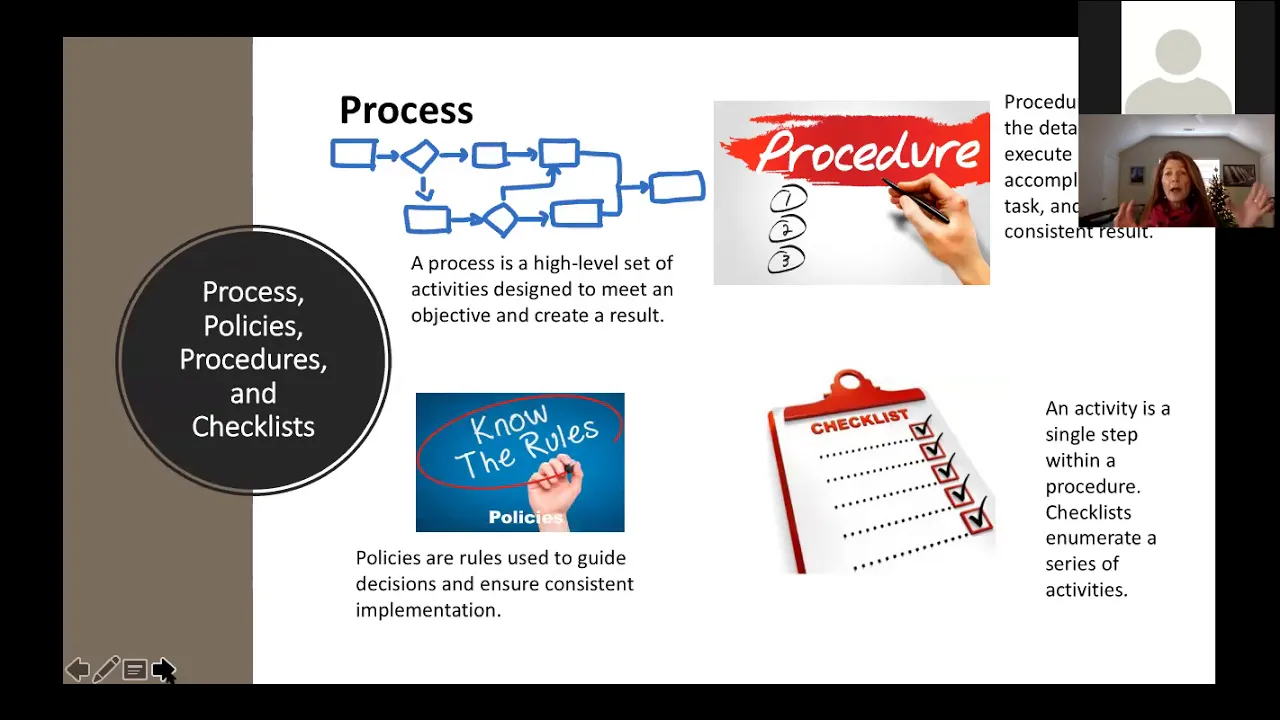
Creating Effective Operations Manuals: From Strategy to Execution
@InteriseOrganization
10.5K views•2018-12-06

46:36
Retention Habits of Top DTC Ecommerce Brands Revealed
@SendItPodcast
44K views•2026-03-03

15:23
Decoy Effect: How Pricing Psychology Influences Consumer Spending
@bobinvestsUS
90K views•2026-01-05

17:30
The Planned Obsolescence of Light Bulbs and Tech
@veritasium
25.3M views•2021-03-26
Related Study Plans & Knowledge Roadmaps
Structured learning paths in Business
business
Pop-Up Retail: Strategy, Design & Execution
01Introduction to Pop-Up Retail & Strategic Goal Setting
02Budgeting, Site Selection, and Legal Essentials
03Experiential Retail Design & Visual Merchandising
+ 2 more learning modules
15h5 modules
Explore Roadmap
business
Reg CF: Startup Funding, Marketing & Launch
01Introduction to Equity Crowdfunding & Reg CF
02Platform Selection & Legal Preparation
03Crafting High-Converting Campaign Assets
+ 2 more learning modules
14h5 modules
Explore Roadmap
business
Productized Services: Scaling Solo Freelance
01Foundations of Productized Services
02Packaging and Scope Definition
03Pricing and Subscription Models
+ 2 more learning modules
15h5 modules
Explore Roadmap
business
Gov Procurement: Find, Bid & Win Contracts
01Introduction to Government Procurement & Business Setup
02Small Business Certifications & Set-Asides
03Finding and Analyzing Contract Opportunities
+ 2 more learning modules
14h5 modules
Explore Roadmap