




















This research by Anna Góral from Adam Mickiewicz University in Poznań examines how British press coverage of three sodomy scandals (1835, 1895, 1954) reveals a trajectory of changing homophobic discourse, using Critical Metaphor Analysis to show how conceptual metaphors evolved from religious condemnation to medical pathologization, reflecting broader societal shifts in understanding homosexuality over 120 years.
Constructing Homosexuality in British Press, 1835–1954 | Discourse Analysis
Added:Understanding of Critical Discourse Analysis (CDA) and Critical Metaphor Analysis (CMA) as linguistic methodologies used to uncover power dynamics in text.
The concept of Social Constructionism, particularly how social categories like sexuality and gender are constructed through language and culture over time.
A basic timeline of British legal history regarding homosexuality, specifically the significance of the 1885 Labouchere Amendment and the era leading up to the 1957 Wolfenden Report.
Familiarity with Media Framing Theory, which explains how media outlets select and emphasize certain aspects of reality to promote a particular interpretation or moral evaluation.
Exploring Michel Foucault's 'The History of Sexuality' (Volume 1) to understand the medicalization, categorization, and institutionalization of sexual identities in the West.
Analyzing post-1954 British media discourses, focusing on the media representation of the Sexual Offences Act 1967 (decriminalization) and the controversial Section 28 in 1988.
Applying Critical Metaphor Analysis to contemporary media coverage of transgender and gender-nonconforming individuals to map current linguistic battles and moral panics.
Investigating how British colonial laws exported specific legal and media constructions of homosexuality to colonized territories, and the lasting discursive legacy in those regions today.
538 views8likes7:16Original Release: 2023-11-24
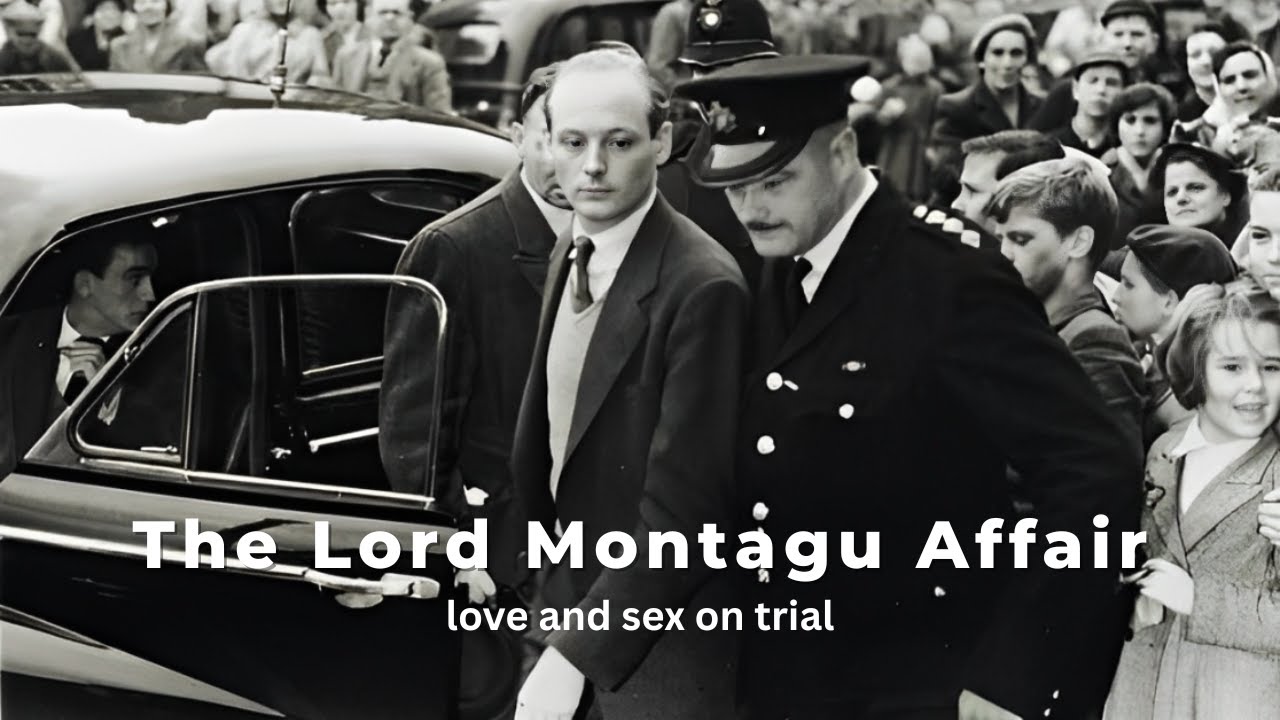
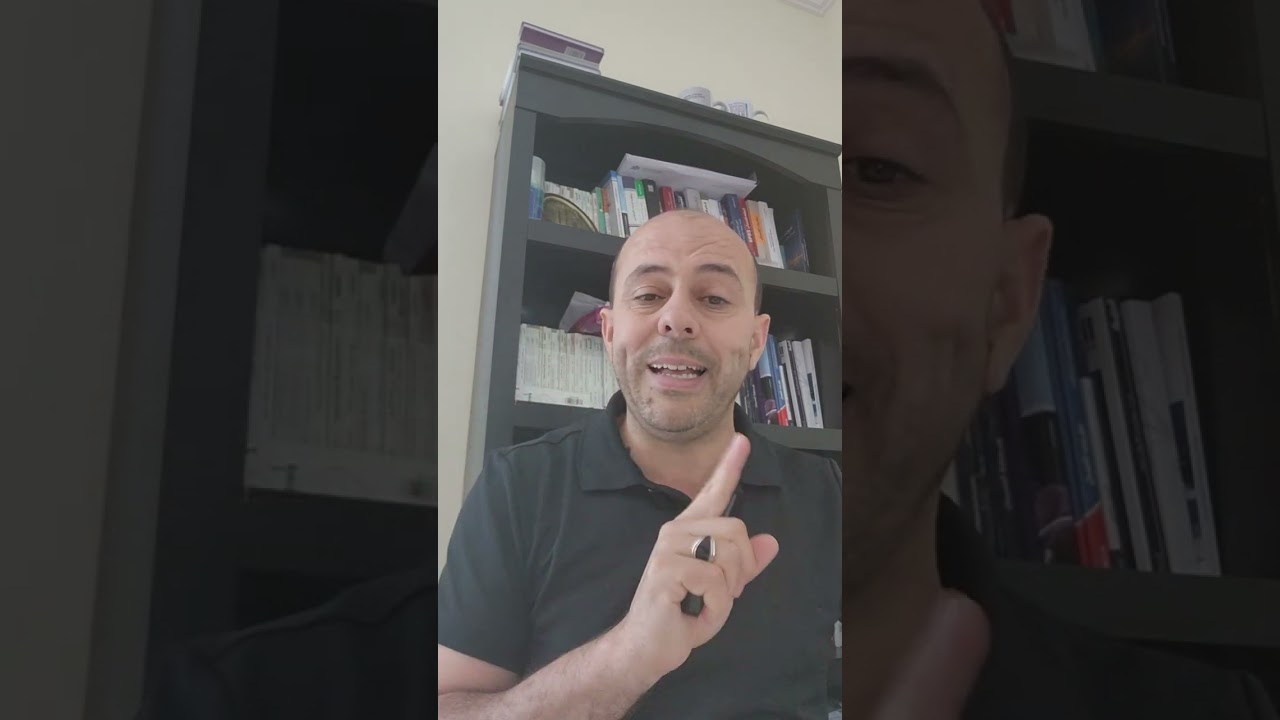
so today I'd like to say a few words about the research I'm conducting and explain what is hidden under the title homophobic discourse in the Press coverage of three Infamous Sly trials between 1835 and 1954 and the trigger warning as a title suggests the video does mention severe cases of homophobia and homophobic Behavior so let's start with research aims and objectives the study I will be talking about is a qualitative study in the field of historical Linguistics and it aims to offer an insight into the trajectory of changes in the homophobic narrative in the United Kingdom in other words I wish to see how if at all people's understanding of homosexuality change over the years and to that end I will analyze conceptual metaphors in the Press coverage of three significant scandals that took place in 1835 1895 and 1954 and although the focus of This research is historical I think it's important to acknowledge that homophobia remains a pressing issue in our current discourse so not only does research and such narratives amplify the voices of those discuss and the countless of others whose stories remain Untold but were very much alike it also allows us to discern historical patterns empowering us to rectify and acceptable behaviors in our contemporary Society allow me to introduce you briefly to the scandals in question the first Scandal took place in 1835 the very end of the Georgian era when James Pratt and John Smith were accused of participating in a sexual intercourse in a rented room they were accused by the owners of the in who allegedly saw them through a keyhole they were the last two in England to be sentenced to death under section 15 of the offenses against the person act and present investigations confirm with near certainty that the accusations were likely forc and as cited anatomical descriptions of intimacy would have been impossible to witness a second Scandal concerns a renowned artist Oscar wild whose homosexuality was an Open Secret existing in the Victorian morality realm and its transfer to the Social and public discourse broke a conspiracy of Silence surrounding such immoral topics wild was married and he had two sons but in 1891 he began an affair with Lord Alfred Douglas his father was absolutely outraged but the relationship and sought to expose wild so in the London Club he left a card that read for Oscar wild posing sodomite and although France urged while to flee to France he decided to sue for the formation unfortunately the trials were poorly for Oscar wild and after 3 days his lawyer withdrew the LA suit authorities however saw this as a sign of guilt and arrested him and he was sentenced to two years of heart labor which was the hardest possible sentence under Section 11 of the criminal law Amendment act the last Scandal concerns Peter wet he was one of the first men in the United Kingdom to publicly declare his homosexuality he was charged along with four other people after spending a vacation together at the beach house for conspiracy to inside certain male persons to commit serious offenses with male persons he was sentenced to 18 months were absolutely outraged many members of the public who had begun to regard The Witch Hunt atmosphere of the 1950s with distaste and the outcry contributed to the government's decision to set up a committee to tackle the issue of homosexuality which eventually paved the way for the partial decriminalization of homosexuality a decade later and these three pivotal homophobic scandals occurred across the three distinct eras in history of the United Kingdom at intervals of nearly 60 years and they offer valuable insight into the evolving public narratives surrounding homosexuality I mentioned at the beginning that to see the progress in the homophobic Nar i' study conceptual metaphors so what are they and why did I decide to focus on them conceptual metaphors are said to be functional they aim to streamline the understanding of abstract Concepts like for example emotions or life and death and to do so people understand them through the prism of less abstract Concepts like for example food or human body but is the base for for example ideas of food conceptual metaphor but can be expressed using a linguistic metaphor that's Food For Thought or there are too many facts here for me tojust them all in 2004 chter black proposed critical metaphor analysis a meaningful enrichment concerned with integrating critical discourse analysis with conceptual metaphor Theory Corpus Linguistics pragmatics and cognitive Linguistics it argued that analyzing conceptual metaphors Within in their context can help to explore implicit speaker intentions power relations and ideologies which applies to the study of homophobia as a social issue so a little bit about the initial findings preliminary investigation of press coverage of the first Scandal points out to a significant correlation between the conceptualization of homosexuality and religion which resulted in expressions like up sincere repent sins were forgiven for in this country Mercy could not be expected to persons like them the initial examination of the press coverage of wildc suggests a transition in this pattern it came to be understood as a destructive force affecting both the individual involved and the whole society are seen in homosexuality is poison homosexuality is the keay and homosexuality is down con seual M Falls finally the Press Narrative of the white blood Scandal appears to coincide with a trend going from demonization towards medical pathologization of homosexuality which started in the late 19th century and continued well into the 1970s so words like abnormal cure disease or renvert point out to this change in the narrative although the research is yet to be finalized the foregoing data suggest a clear part of in mainly negative conceptualizations of homosexuality between 1835 and 1954 portraying homosexuals are the wrongdoers and the rest of the Society of their victims with is both differences and similarities in the way of conceptualizing it
Up Next

47:19
Safeguarding Endangered Languages: Ethics, History & Action
@GreshamCollege
194.1K views•2011-08-31

38:41
Astrobiology Through an Anthropological Lens: Field Insights
@georgiatechastrobiology
128 views•2021-04-14

4:45
Proxemics Explained: The Study of Personal Space
@Vox
536K views•2016-07-05

10:38
Psychology of Internet Trolling and Pranks Explained
@AzzyLand
10.7M views•2017-12-20
Related Study Plans & Knowledge Roadmaps
Structured learning paths in Anthropology
anthropology
Space Anthropology: Analogs, Culture & Habitats
01Foundations of Space Anthropology & Cosmic Imaginaries
02Extreme Isolation & Micro-Societies in Orbit
03Space Analog Habitats & Earth-Based Simulations
+ 2 more learning modules
15h5 modules
Explore Roadmap
anthropology
Legal Anthropology: Customary Law & Pluralism
01Foundations of Legal Anthropology and Social Justice
02Legal Pluralism: Coexisting Legal Systems
03Customary Law and Indigenous Dispute Resolution
+ 2 more learning modules
15h5 modules
Explore Roadmap
anthropology
Global Tourism: Gaze, Authenticity & Heritage
01Introduction to the Sociology of Tourism
02The 'Tourist Gaze' (John Urry)
03Staged Authenticity in Tourism
+ 3 more learning modules
14h6 modules
Explore Roadmap
anthropology
Modern Kinship (ART, Adoption & Chosen Family)
01Foundations of Kinship and Family
02Assisted Reproductive Technologies (ART) & Relatedness
03Transnational Adoption and Global Kinship
+ 2 more learning modules
12h5 modules
Explore Roadmap