










![[GIẢI PHẪU] Gian não - Đại não - Não thất 3 - Não thất bên](https://i.ytimg.com/vi/ijdAUniOmeA/maxresdefault.jpg)
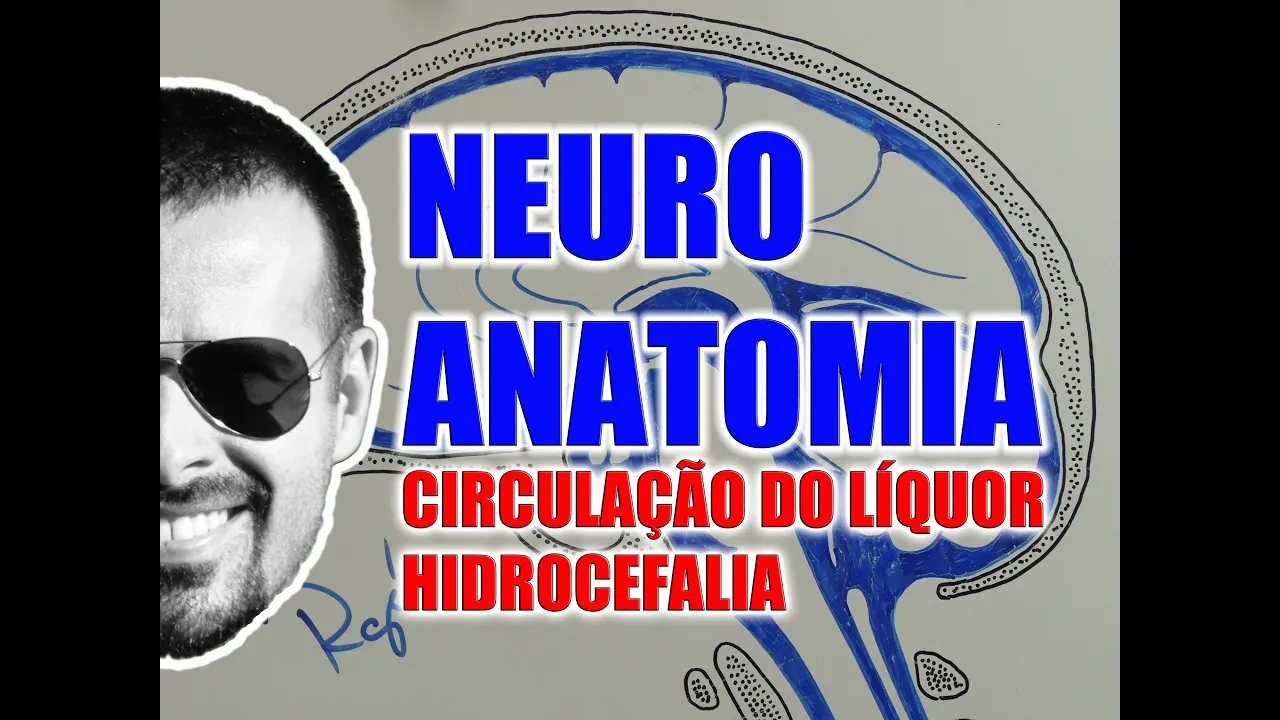

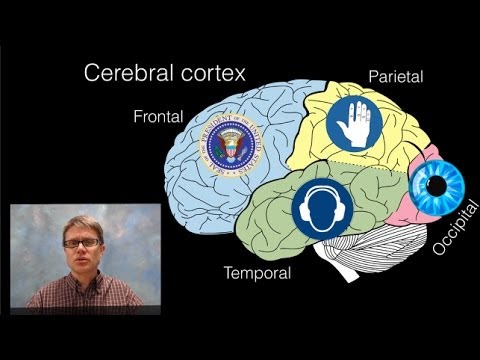








The human brain is a complex organ weighing approximately 1.3-1.4 kg, divided into major regions including the cerebrum (responsible for higher cognitive functions, divided into four lobes: frontal for executive functions, parietal for sensory processing, temporal for auditory and memory functions, and occipital for vision), cerebellum (coordinates motor movements, balance, and posture), brainstem (controls vital functions like breathing and heart rate), thalamus (relay center for sensory and motor signals), hypothalamus (regulates hunger, thirst, body temperature, and hormone release), limbic system (emotions and memories), pituitary gland (master gland of endocrine system), basal ganglia (movement regulation), corpus callosum (connects brain hemispheres), and ventricles (produce and circulate cerebrospinal fluid for brain protection).
3D Brain Anatomy: Parts, Functions, and Structure Explained
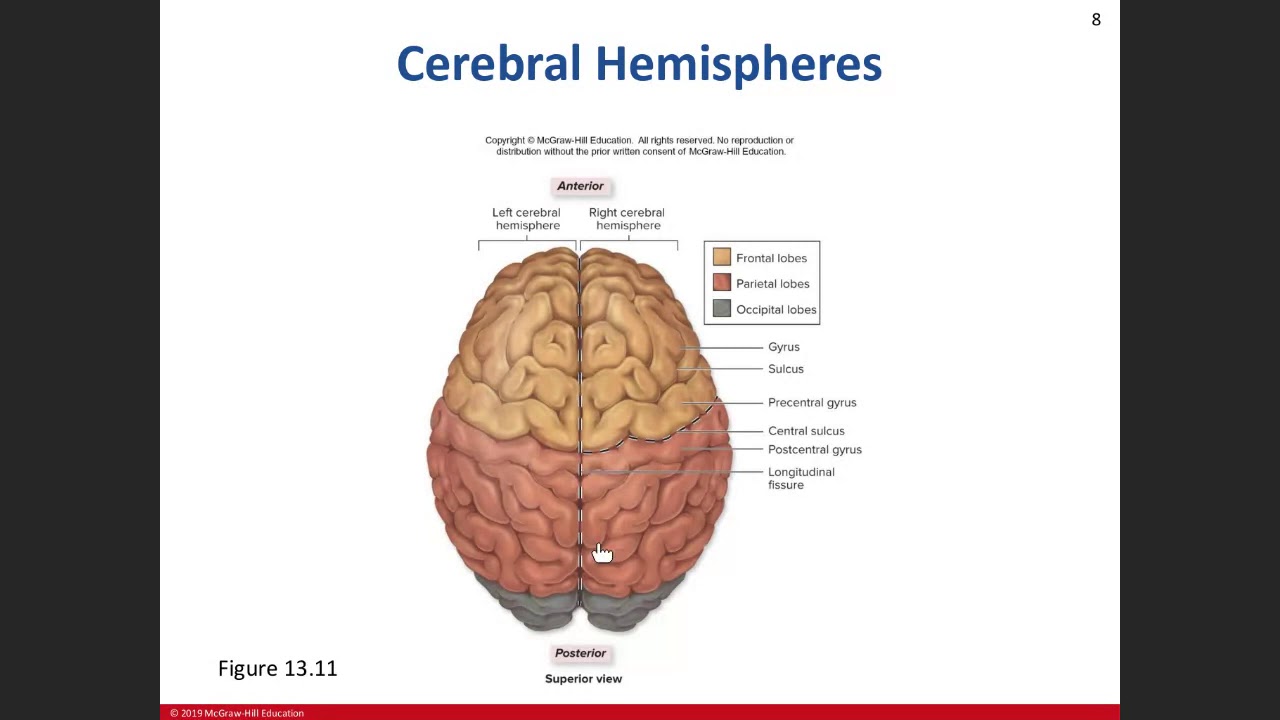
Added:an average adult human brain is about the size of a medium cauliflower measuring roughly 15 cm or 6 in in length it typically weighs approximately 1.3 to 1.4 kg it is surrounded and protected by cerebral spinal fluid which cushions the brain and helps to remove waste here is a brief overview of all parts of the brain we will discuss every part in more detail later in the video cerebrum responsible for higher cognitive functions cerebellum coordinates motor movements balance and posture brain stem controls heart rate breathing digestion and sleeping Thalamus acts as a relay Center directing sensory and motor signals to the appropriate parts of the cerebral cortex hypothalamus regulates hunger thirst body temperature and the release of hormones lyic system contains structures like the amydala and hippocampus and is responsible for emotions memories and certain aspects of behavior pituitary gland releases hormones that regulate several physiological processes including growth and Metabolism basil ganglia is a group of nuclei that play key roles in movement regulation habit formation and certain aspects of cognition and emotion Corpus colossum facilitates communication between the left and right sides of the brain ventricles produce and circulate cerebros spinal fluid to cushion the brain and remove waste now we will discuss all these parts in a bit more detail to understand what are these and how they work cerebrum the cerebrum is the largest part of the human brain accounting for approximately 85% of its weight it is responsible for most higher order cognitive functions and can be described in further detail as follows one hemispheres the cerebrum is divided into two symmetrical halves known as the left and right hemispheres these two halves are separated by a deep Groove called the longitudinal fissure but are connected by a thick band of nerve fibers known as the Corpus kosum left hemisphere is typically associated with logical thinking analytical processing and language in most right-handed individuals the left hemisphere is dominant for language right osphere is more involved with creativity spatial ability artistic and musical skills it also plays a role in interpreting visual information and processing emotions loes of the cerebrum the cerebral cortex the outer layer of the cerebrum is divided into four main loes frontal lobe parietal lobe temporal lobe occipital lobe frontal lobe located at the front of the brain it's responsible for executive functions such as reasoning decision- making planning and problem solving it also oversees voluntary movement speech production and aspects of personality and behavior parietal lobe position behind the frontal lobe and above the temporal lobe it processes sensory information from the body such as touch taste and spatial positioning the somata sensory cortex which Maps tactial information from the body is located in this lobe temporal lobe found on the sides of the brain near the years it's associated with processing auditory information understanding language and the formation of long-term memories it also has roles in recognizing faces and processing emotional responses occipital lobe located at the back of the brain it's primarily responsible for vision this includes processing visual information from the eyes interpreting colors and recog recognizing shapes and movement gyri and sulai the surface of the cerebrum is highly convoluted consisting of ridges gyri and grooves sulai these convolutions increase the surface area of the cerebrum allowing more neurons to fit in and enhancing cognitive abilities cerebral cortex this is the outermost layer of the cerebrum and is composed of gray matter it is densely packed with nerve cells and is responsible for higher cognitive functions including thinking perceiving producing and understanding language the thickness and structure of the cerebral cortex can vary across individuals and has been associated with various cognitive abilities and personality traits white matter located beneath the cerebral cortex white matter is made up of myelinated or insulated axons which are nerve fibers that connect different parts of the brain to each other the myin gives this region its WI appearance and helps accelerate the transmission of signals between neurons basal ganglia though often considered separately the basal ganglia are a group of nuclei deep within the cerebrum they play a crucial role in movement regulation habit formation and certain aspects of cognition and emotion lyic system also nested within the cerebrum this system comprises the amydala hippocampus and other structures vital for emotion behavior and long-term memory the cerebrum with its intricate structures and networks is Central to human consciousness enabling us to think learn create and experience emotions it remains a focal point in Neuroscience research as we strive to unravel the mysteries of human cognition and behavior cerebellum the cerebellum often referred to as the little brain due to its appearance and size relative to the cerebrum is an essential structure located underneath the occipital loes of the cerebrum at the back of the brain here's a detailed breakdown of cerebellum structure and functions the cerebellum is divided into two hemispheres similar to the cerebrum and has a finely convoluted surface which helps maximize its surface area these convolutions are made up of folds known as Folia in the middle a narrow wormlike structure called the vermis connects the two hemispheres the cerebellum plays a key role in fine-tuning motor activities while the cerebrum might initiate a movement the cerebellum makes adjustments to ensure the movement is smooth and precise it helps maintain balance and proper posture particularly when the body is in motion the cerebellum is essential for tasks that require practice and repetition such as riding a bicycle or playing a musical instrument more recent research has revealed the cerebellum's involvement in certain cognitive and emotional functions this includes processes like attention language and regulating fear and pleasure responses layers the cerebellar cortex which is the outer layer of the cerebellum is made up of three distinct layers molecular layer the outermost layer containing few neurons but many extensions from other cells pingi layer contains pingi cells large neurons that send inhibitory projections to the Deep cere nuclei granular layer the innermost layer made up of tiny granular cells that send excitatory projections up to the molecular layer deep cerebellar nuclei embedded within the cerebellum are clusters of gray matter known as the Deep cerebellar nuclei these serve as the primary output cans of the cerebellum communicating its processed information to other brain regions peduncle the cerebellum communicates with other parts of the brain brain via three paired structures known as pedals Superior cerebellar peduncle connects the cerebellum to the mid brain en Thalamus primarily carrying output from the cerebellum to other brain regions middle cerebellar peduncle connects the cerebellum to The Ponds and is the primary input route to the cerebellum inferior cerebella peduncle connects the cerebellum to the medulla oblongata facilitating both input and output between the cere cellum and other brain regions despite cerebellum's smaller size compared to the cerebrum the cerebellum contains more neurons and plays a crucial role in a variety of tasks ensuring they are executed with precision and Grace brain stem the brain stem is located at the base of the brain it serves as the bridge connecting the cerebrum and cerebellum to the spinal cord the brain stem is critical for basic life functions such as breathing heart rate and and blood pressure it's involved in reflexes including those that regulate balance and hearing it plays a role in regulating the sleep wake cycle the brain stem serves as a conduit with ascending tracks transmitting sensory information to the brain and descending tracks sending motor information to the body cranial nerves 3- 12 originate from the brain stem controlling functions such as facial expressions swallowing and sensation in the face here's a detailed look at brain stem components the brain stem can be divided into three main structures each with specific features and functions midbrain or mesen seylon the most Superior portion of the brain stem the midbrain is located beneath the thalamus and above the ponds prominent structures include the cerebral peduncle which contain motor and sensory tracts and the corpor quadrigemina composed of the superior and inferior calculi the superior calculi are involved in visual reflexes while the inferior calculi are associated with auditory processing the midbrain houses the red nucleus involved in motor coordination and the substantia which plays a role in reward and movement the midbrain contains nuclei for cranial nerves three and four pawns positioned between the medula and the midbrain the ponds appears as a bulging region on the anterior part of the brain stem it primarily acts as a relay station transmitting information between the cerebrum cerebellum and spinal cord the pwns also plays a role in regulating the sleep wake cycle and houses nuclei for cranial nerves 5 through 8 medulla oblongata located closest to the spinal cord the medulla oblongata is the most inferior part of the brain stem it regulates several vital and involuntary functions such as heartbeat blood pressure and and respiration any significant damage to this region can be life-threatening it also contains the pyramids which are two elongated ridges on its anterior surface where motor fibers cross over or decussate this decussation is why each hemosphere of the brain controls the opposite side of the body the medulla also houses nuclei for cranial nerves 8- 12 reticular formation spanning the length of the brain stem the reticular formation is a network of interconnected neurons it's vital for Consciousness sleep regulation and overall alertness damage to this area can result in coma the reticular formation also filters sensory input to decide what information is relay to the cerebral cortex Thalamus the thalamus is located in the center of the brain just above the brain stem and is nestled between the cerebral cortex and the midbrain each hemisphere of the brain contains a Thalamus it is composed of two symmetrical egg-shaped masses of gray matter and these are surrounded by a thin layer of white matter called the external metary lamina it performs various functions relay station one of the primary roles of the thalamus is to relay sensory information from peripheral receptors and the spinal cord to the appropriate regions of the cerebral cortex it processes and transmits inputs from all the senses except smell to Associated cortical areas motor functions the thalamus also receives information from the cerebellum and basal ganglia and relays it to the motor areas of the cerebral cortex aiding in the coordination and modulation of movement sleep and wakefulness it's involved in regulating states of sleep and wakefulness the thalamus plays a role in controlling the Sleep spindle activity during the Sleep Cycle Consciousness the thalamus contri contributes to Consciousness and alertness particularly through its connections with the cerebral cortex and the reticular formation in the brain stem pain perception the thalamus is also involved in processing pain signals and can modulate the perception of pain hypothalamus the hypothalamus is a small but crucial region of the brain that plays an integral role in connecting the nervous system to the endocrine system via the pituitary gland the hypothalamus is located below the thalamus approximately above the pituitary gland and forms the lower walls and floor of the third ventricle in the brain it's about the size of an almond and consists of various nuclei and nerve fibers the hypothalamus is connected to many parts of the central nervous system including the cerebral cortex Thalamus basal ganglia and limbic system the pituitary gland is attached to the hypothalamus by the infundibulum or pituitary stock through this connection the hypothalamus can regulate a wide variety of bodily functions by influencing hormone release from the pituitary hypothalamus perform various functions for example endocrine system regulation autonomic nervous system regulation temperature regulation hunger and thirst regulation sleep wake cycles and circadian rhythms emotion and behavior and memory liic system the lyic system is a collection of structures in the brain involved in various functions including emotion Behavior motivation long-term memory and Al faction lyic system is a group of interconnected structures here are some of the primary components amydala a small omond shaped set of neurons located deep within the brain's medial temporal lobe it's key in processing emotions especially those related to fear and pleasure hippocampus located in the medial temporal lobe the hippocampus plays a critical role in forming new memories and connecting emotions and senses such as smell and sound to Memories Thalamus while primarily a relay station for sensory and motor signals to the cerebral cortex the thalamus does have connections with the lyic system and is involved in some of its functions especially in relaying sensory information hypothalamus situated beneath the thalamus the hypothalamus regulates vital functions like hunger thirst body temperature and sleep it also helps in controlling mood and emotions and is integrally linked to the endocrine system singulate gyrus an arc-shaped region that plays a role in regulating aggressive behavior and linking behavioral outcomes to motivation parahippocampal gyrus surrounding the hippocampus this region plays a role in memory and coding and retrieval basil ganglia while often associated with movement the basil ganglia have connections to the lyic system and play a role in certain emotional and cognitive functions old factory bulbs these are involved in the sense of smell which can evoke strong emotional responses and memories pituitary gland the pituitary gland often termed theaster gland is a small psize structure that plays a crucial role in the human endocrine system the pituitary gland is situated at the base of the brain right below the hypothalamus and is housed within a bony structure called the cellura of the sphenoid bone it is attached to the hypothalamus by a thin stock known as the infundibulum or pituitary stock the gland is divided into two primary sections the anterior pituitary or adino hypothesis and the posterior pituitary or neuro hypothesis an terior pituitary adino hypothesis this lobe synthesizes and releases several hormones regulated by releasing and inhibiting hormones sent from the hypothalamus via a portal blood system hormones produced and released by the anterior pituitary include growth hormone thyroid stimulating hormone adrenocorticotropic hormone follicle stimulating hormone ludion hormone prolactin endorphins and en keyins posterior pituitary neuro hypothesis unlike the anterior pituitary which produces hormones the posterior pituitary stores and releases hormones produced by the hypothalamus hormones released by the posterior pituitary include oxytocin and vasopressin basil ganglia the basal ganglia are a group of nuclei located deep within the cerebral hemisphere speres that play crucial roles in a range of functions including the control of voluntary motor movements procedural learning habit formation and emotion among others the basil ganglia are composed of several interconnected nuclei which includes striatum Globus paladis subthalamic nucleus and substan the basal ganglia have several Pathways that process and relay information Direct direct pathway indirect pathway hyperdirect pathway proper balance between these Pathways is crucial for smooth motor Control Function basil ganglia performs several functions which include motor control the basal ganglia in coordination with the cerebral cortex Thalamus and brain stem help smooth out and coordinate movements they're involved in the initiation and termination of movements ensuring movements are fluid and purposeful procedural learning they play a role in The Learning of routines or sequences especially motor sequences emotions and behavior the basal ganglia are connected to the lyic system and have been implicated in the control of emotional behaviors and responses cognitive functions they contribute to certain aspects of cognitive processing decision-making and task switching Corpus colossum the Corpus colossum is the largest bundle of nerve fibers in the brain that connects the left and right hemispheres allowing them to communicate and coordinate with one another anatomy and structure the Corpus kosum Lies Beneath the cerebral cortex arching around the lateral ventricles it is composed of over 200 million axonal projections facilitating the transfer of information integration of motor sensory and cognitive performances between the cerebral hemisphere the Corpus colossum can be segmented into different regions based on its anterior to posterior orientation Rostrum genu body or trunk and splenium functions Corpus kosum performs several functions which include interhemispheric communication its primary role is to integrate motor sensory and cognitive information between the two hemispheres for inance sensory information received in one hemisphere can be shared with the opposite hemisphere to produce coordinated motor outputs facilitate learning it's believed to play a role in the sharing of learning and memory processes between hemispheres redundancy and Recovery in cases of cerebral damage like a stroke to one hemisphere the Corpus kosum May facilitate compensation by transferring functions to undamaged areas in the opposite hemisphere ventricles the ventricles of the brain are a connected system of cavities filled with cerebros spinal fluid CSF these cavities not only serve as a reservoir for CSF but also play a role in its circulation and in cushioning the brain anatomy and structure the ventricular system comprises four main ventricles lateral ventricles first and second ventricles these are the largest of the ventricles and are found within each hemisphere of the C IAL cortex having a curved horseshoe like shape each lateral ventricle consists of a central body and three protruding horns the anterior or frontal posterior or occipital and inferior or temporal horns third ventricle this is a narrow funnel-shaped cavity located in the midline between the left and right Thalamus it's connected to each lateral ventricle by the interventricular fan or fmen of Monroe fourth ventricle located between the ponds and the cerebellum it communicates with the third ventricle above through the cerebral Aqueduct or Aqueduct of sylvus function cerebros spinal fluid or CSF production the ventricles are aligned by endal cells and within the ventricles specialized structures called choroid plexuses produce CSF brain protection CSF acts as a cushion providing a protective layer for the brain against trauma the fluid also helps maintain intracranial pressure which is crucial for normal brain function nutrient and waste transport CSF facilitates the exchange of nutrients and waste products between the brain and the blood this was the basic overview of human brain its components and functions which brain and its components perform we will go in more detail in some other video that's it for today hope you like this video for more videos on human body and organ system please subscribe to this channel see you in the next video
Up Next

SPM Biology MRSM 2022 Paper 2 Solved Walkthrough | Wailing Biology
@YapWaiLing
13.5K views•2023-02-25
Bacterial Communication: Quorum Sensing and Biofilm Formation Explained
@JHUAAP
12.6K views•2011-06-28

Enteric Nervous System Explained: The Gut's Brain | Neurobiology Lecture
@alumniu6029
438 views•2018-09-12
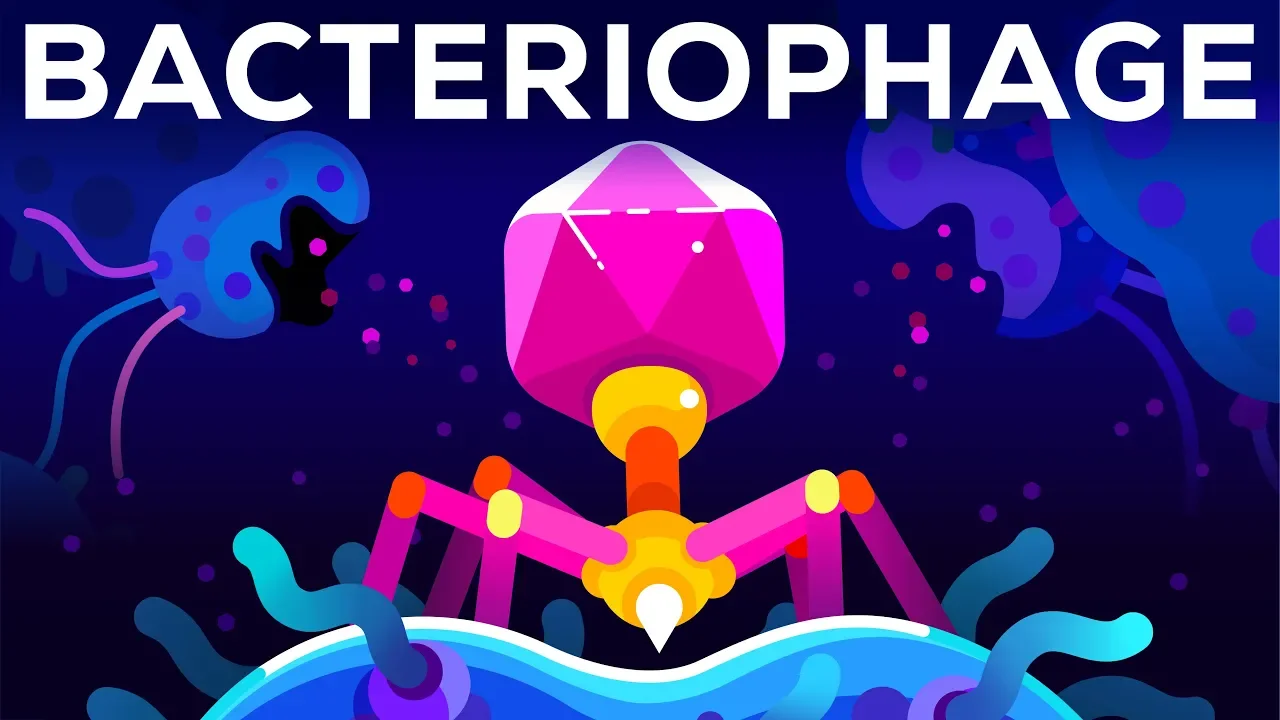
Bacteriophages: Earth's Deadliest Killers and Future Antibiotics
@kurzgesagt
34.6M views•2018-05-13
Related Study Plans & Knowledge Roadmaps
Structured learning paths in Biology