
![Bookszpan [#35] Cielesny ból](https://i.ytimg.com/vi/7pgOK-pXdj0/maxresdefault.jpg)







![Chapter 1 Discussion [Second Wave Feminism] of Practising Feminist Criticism by Maggie Humm](https://i.ytimg.com/vi/AseDfVAo_pw/sddefault.jpg)







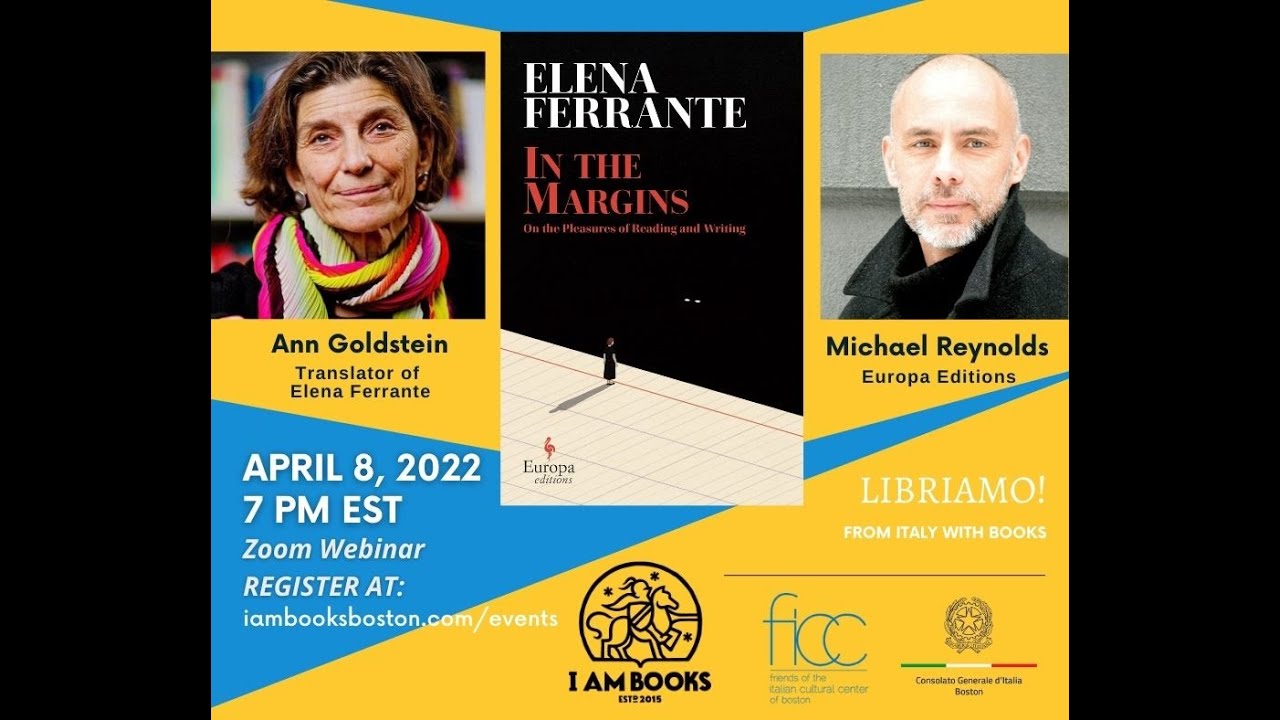

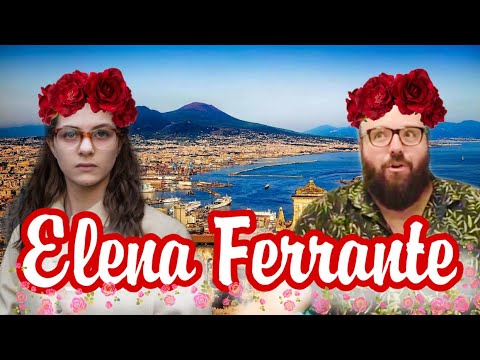

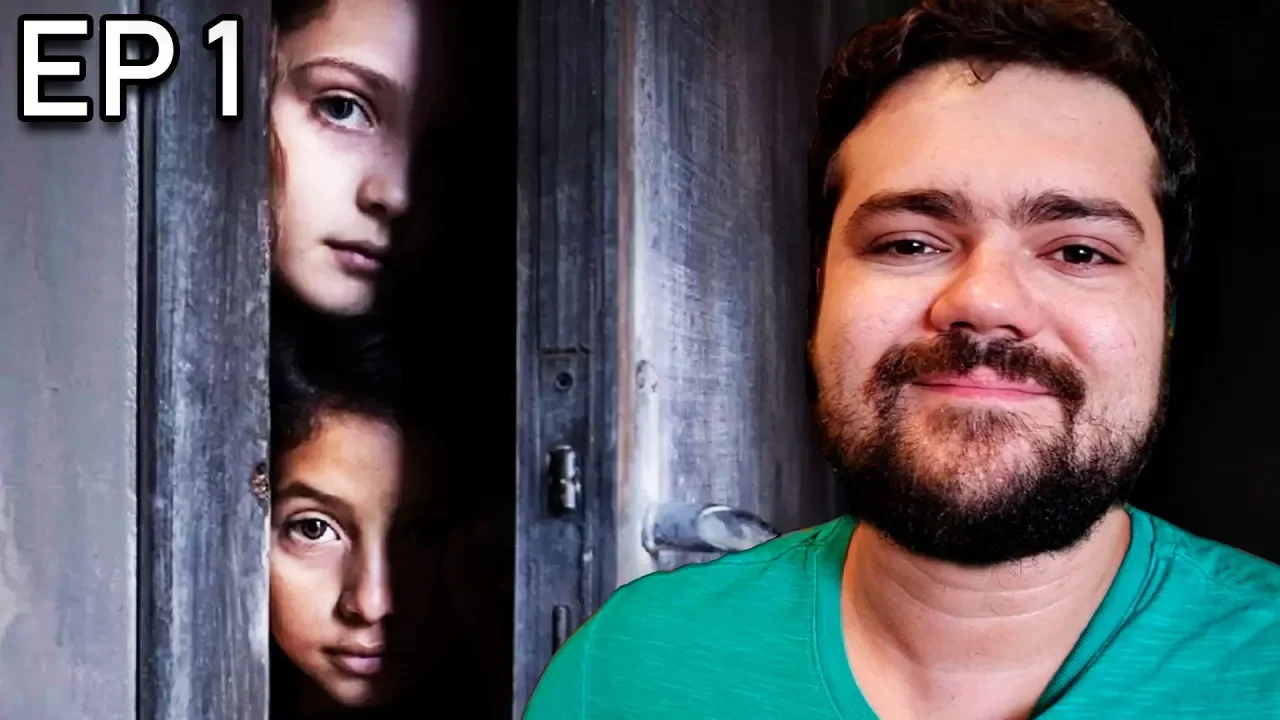

Elena Ferrante's Neapolitan Novels (2012-2015), translated by Ann Goldstein, are a four-volume series that follows the lifelong friendship between two women, Elena and Lila, growing up in post-war Naples, Italy; through their complex, imbalanced relationship marked by obsession, rivalry, and mutual dependence, Ferrante explores themes of gender inequality, class struggle, and the constraints placed on women's autonomy, using the frame narrative of an elderly Elena writing about her missing friend to examine how social and political transformations in Italy from the 1950s to the 2000s shape individual lives and relationships.
The Neapolitan Novels by Elena Ferrante: A Critical Analysis
Added:Familiarity with the plot, major characters, and narrative arc of Elena Ferrante's four Neapolitan Novels (beginning with 'My Brilliant Friend').
Basic historical context of post-World War II Italy, including the economic reconstruction, the rise of political tensions (communism and fascism), and class dynamics in southern Italy.
Introductory concepts in feminist literary criticism, particularly regarding the representation of female friendships, patriarchy, and domestic sphere dynamics.
An understanding of literary autofiction and the significance of the author's anonymity and pseudonymity in contemporary literature.
Comparative analysis of Ferrante's work with other prominent 20th-century Italian writers, such as Elsa Morante, Natalia Ginzburg, or Grazia Deledda.
In-depth study of the sociolinguistic tension between standard Italian and the Neapolitan dialect as markers of class, education, and identity in the novels.
Examination of the global publishing phenomenon 'Ferrante Fever' and its impact on the translation, reception, and marketing of Italian literature abroad.
Critical evaluation of the visual adaptation of the series (such as the HBO show 'My Brilliant Friend') and how it translates the internal monologue and socio-political themes of the text to the screen.
21.8K views731likes23:33Original Release: 2022-06-09
these books are kind of metafictional mellow drama but they're also feminist manifestos they're literary and cultural criticisms and they're also just an engrossing gaze into the shifting political and cultural landscape of post-war italy [Music] hey everyone welcome to travel through stories my name is sean and today i want to talk about elena ferrante's neapolitan novels translated from the italian by ann goldstein these were published throughout the 2010s and were a blockbuster hit among the reading public and literary critics alike and i would argue that they're some of the most important books of that decade not only do they include brilliant psychological portraits of various women and their relationships and also a social exegesis of post-world war ii italy but more fundamentally they pose and attempt to answer some really important questions like why fiction why the novel why tell stories in this medium and how does fiction hold the truth of history to start answering these we unfortunately i think need to consider the authorship of elena ferrante we know almost nothing about her other than the fact that elena ferrante is a pseudonym and i say this is unfortunate that we have to start here because i think that way too much ink has been spilled by scholars trying to find the real elena ferrante it seems like every academic thinks that if they can be the one to prove that they know who elena ferrante really is then they'll finally secure a tenure-track position or something like that but it seems to me that her anonymity is central to the neapolitan novels in many ways elena ferrante is the anti-kanaz gar khan asgar an author that i adore and whose work is often put in conversation with elena ferrante as these two series were coming out at around the same time and they both seem to be operating in that realm of auto fiction that americans especially and some brits love to throw at translated books as if this is like a new and emerging genre and hasn't been around for decades if not centuries but this desire to know elena ferrante in the same way that we know carl over canalsgaar reveals i think a desire to find the real authority behind these books it's a desire to confirm to corroborate to justify to authenticate and while at a glance this seems noble i think ferrante is at least one step ahead of us as this yearning for celebrity and verification confirms a problem that modern readers have with fiction especially fiction by women see i think the neapolitan novels are primarily about authority and the linguistic and philosophical cognate authorship in the worlds of art and fiction as well as in history and historiography these two words might as well be the exact same word so i'll try to avoid major spoilers throughout this video but i will be talking about this series as a whole as i read this series this 1693-page uh series as a single book i read them back to back to back to back and while i don't think you necessarily need to read them like that i think it's worth thinking about the neapolitan novels as a single novel as a single work the neapolitan novels as the series title suggests take place mainly in naples in the second half of the 20th century and it's written as a frame novel the prologue of the first book opens with elena in her late 60s writing about her friend lilia who has gone missing not neither elena nor lilia's son has heard from her for weeks and so with that in mind elena out of some anger and i think some spite decides we'll see who wins this time i said to myself i turn on the computer and began to write all the details of our story everything that still remained in my memory and then she proceeds to write about her entire life and so this series is very much a bilden's roman as we follow elena from when she was a child to when she's writing this book in her late 60s so there is this meta-fictional element to this series and of course our narrator in the book shares a name with our pseudonymous author but for the most part these books are good old-fashioned melodrama what the series is really about is the relationship the friendship between elena and lilia they meet in grade school and much of the first book is about their time in grade school and their adolescence together and their beginnings of this friendship and this isn't a particularly normal friendship or at least not normal in the way that we might think of it perhaps it is actually normal because it's a very imbalanced relationship see elena is obsessed with lilia lilia is mysterious and imposing and proud and fearless that is she's all of these things that a young girl in this time and place shouldn't be and this enthralls elena all she wants to do is study lilia like nick carraway's obsession with gatsby the primary focus of the neapolitan novels is elena's undying obsession with lilia and this is simply one of the most well wrought friendships that i've ever read as their relationship is tumultuous and extremely frustrating at times but through their friendship ferrante is able to explore so many different issues like gender relations class struggles and how all of these external factors really shape this friendship the two protagonists lilia and elena are a kind of binary they're kind of alter egos or different sides of the same coin so as we read we need to be hyper aware i think of the fact that we only get one perspective in this series that of elena's and from elena's perspective it seems like she can't live couldn't fathom living without lilia but it's unclear if the opposite is also true lilia from elena's perspective is more free thinking she's more independent etc and it's sort of unclear if this has to do with just elena's imposter syndrome or something like that as ferrante really just plays with this one-sided perspective of this relationship and lilia always remains just in the shadows and even in the moments that we follow lilia quite closely when she separates from elena we have to i think constantly be thinking about the reliability of the narration as we never actually get lilia's point of view but whatever the case elena is certainly dependent upon lilia and in fact we see this in the opening scenes after the prologue of the first real chapter of this book my friendship with lilia began the day we decided to go up the dark stairs that led step after step flight after flight to the door of don aquile's apartment see a few weeks ago elena and lilia were playing dolls until lilia decided for apparently no reason to take elena's doll and throw it down into a nearby cellar in the neighborhood and they're too scared to go retrieve it weeks later they go and search for it and it's not there so they suspect that don aquile has taken it so lilia gathers the courage and convinces elena to go and climb up the stairs to don aquile's apartment and ask him for it back and let me actually just read the description of donna keeley as i think the major themes and conflicts of this series are really beautifully laid out in this opening scene don aquile was the ogre of fairy tales i was absolutely forbidden to go near him speak to him look at him spy on him i was to act as if neither he nor his family existed regarding him there was in my house but not only mine a fear and a hatred whose origin i didn't i didn't know the way my father talked about him i imagined a huge man covered with purple boils violent in spite of the dawn which to me suggested a calm authority he was a being created out of some unidentifiable material iron glass nettles but alive alive the hot breath streaming from his nose and mouth i thought that if i merely saw him from a distance he would drive something sharp and burning into my eyes so if i was mad enough to approach the door of his house he would kill me and so the two girls go up to his apartment knock on his door ask him for the doll back and he says that he doesn't have them but he does give them some money so they can buy a new doll don aquila is really the embodiment of the neighborhood's authority he's the patriarchal authority that is used to controlling society he's the boogie man he's the ogre of fairy tales as elena calls him and everyone in the neighborhood is terrified of him mainly due to his criminality and corruption and the gangs that he runs everyone seems to owe him a bit of money and slight spoiler though it does happen quite early on even after don aquile dies he continues to haunt the neighborhood in many ways his ghost his visage and everything he represents is the primary antagonist of this series so this resilience and revolt by lilia and elena really set the tone for the rest of the series as these two innocent young girls stand up to and disobey in some ways the long-standing authority figure in the neighborhood i want to talk a little bit about the setting of this series as these books are intensely realist and thus the setting is incredibly important most of the series takes place in naples or rather on the outskirts of naples and in this in this neighborhood which is simply referred to as the neighborhood and it's pretty clear right at the start that the neighborhood is very different than the sort of booming cultural center of naples the neighborhood is pretty run down and economically well it's not booming it's a place dominated by class struggle by patriarchy by regressive gender norms and it's rife with things like corruption criminality and well things like child labor and it's not unusual in this place for young children especially girls to only go to school for a few years before having to leave school to work as school is pretty expensive and that's even if they get a chance to go to school at all the only way for young women to really escape this neighborhood is by either excelling at school which takes a lot of money to be able to do or by marrying up in social rank but ferrante really excels at crap creating this brilliant setting this brilliant stage of this neighborhood and imbuing it with gritty realism that seemed to come from both disdain and to love it's a wonderfully well realized setting and the neighborhood is filled with a bunch of different families who are all intertwined with each other i should note that this these these books have a massive character list there's a character list at the beginning of each of the novels that i think are like four or five pages long and all of these characters are intertwined with each other as we're getting all these different relationships and while all these characters are interesting on a personal level what is often the most important part of their personality is their relations that is this is a setting in which the family is the dominant social institution and thus young girls are often used as marriage pawns to create links and relationships between families this is also an honor-based society where one family member can bring honor or shame to their entire family by one good or bad act and these two things honor and shame are incredibly important concepts throughout this entire series but the neighborhood is just so important because while this novel is very interested in the psychology of characters especially the psychology of of women characters it seems to me to be much more of a social novel than anything else and in any social novel the historical context in which the story takes place is paramount and this book is no different the series moves from the early 1950s through the beginning parts of the 21st century and these 50-odd years are a time of massive cultural and economic upheaval post-world war ii italy moved from a crumbling economically devastated politically fractured a nation considered barely a state by some contemporary writers to have this massive social and economic revolution they're recovering from fascism and at every step threatening to fall back into fascism fascism is a looming threat throughout all of these novels the filmmaker and writer pierre paolo pasolini famously called the 1970s specifically no less than an anthropological revolution in italy this is a period where across italy and across the west second and later third wave feminism ruptured traditional norms where a burgeoning middle class became a dominant political class the world in which this series opens is wildly different than the world in which it closes and this isn't to say of course that progress was the dominant trend throughout this period in fact even in the third and fourth book when lilia and elena are much older they're still dealing with rampant misogyny in places like the publishing industry but this is all to say that the neapolitan novels take place in this rapidly changing world and with almost every new decade elena and lilia as they grow up must continually learn how to re-learn how to live in this world naples is the microcosmic stage of this almost global trend and elena and lilia are just the microcosmic actors exploring all of this one thing that remains pretty constant though but is especially prominent in the world in which elena and lilia grew up is this is a world that is dominated by violence i feel no nostalgia for our childhood it was full of violence every sort of thing happened at home and outside every day but i don't recall having ever thought that the life we had there was particularly bad life was like that that's all we grew up with the duty to make it difficult for others before they made it difficult for us of course i would have liked the nice manners that the teacher and the priest preached but i felt that those ways were not suited to our neighborhood even if you were a girl the women fought among themselves more than the men they pulled each other's hair they hurt each other to cause pain was a disease this environment of the neighborhood shapes and guides lilia and elena and so while these novels are often talked about as auto fiction i think they really showcase the idea that no individual is really an individual they are made up of all the people with whom they grew up those they feared those they'd admired those they wanted to be like those they didn't want to be like that is the series is in some ways polyphonic as elena is constantly attaching herself to other people and distancing herself from others as she constantly is looking for people to imitate and other people to well do the opposite of imitate she's constantly listening and reacting to contrary opinions she's constantly being told what to do and what not to do all the while she's trying to pave her own path while these books do expand past the neighborhood especially as the books go on which in my opinion by the way do get better and better as you as they go on as lilia and elena grow up they begin wrestling i think with more difficult ideas and begin exploring different positions in society especially those of a wife and of a mother as well as as an author but even with this elena never loses sight of her primary obsession lilia even when their paths in life diverge for years and years lilia is always on elena's mind occasionally in good ways as their friends and occasionally in really toxic and harmful ways as they become enemies and become estranged and then become friends and etc cetera this cycle goes on and on elena in the later novels as an adult becomes an author and she becomes a critic and begins writing all these different kinds of books and she has great success but always in the back of her mind she's constantly still thinking about how lilia if she ever decided to become an author and write a book how she would be the better author and there's this deep fear bordering on resentment at times that one day lilia will decide to begin writing books and publishing them and as soon as that happens everyone's going to realize that lilia is actually the genius and elena is just an imposter that she lilia is the trailblazer and elena is merely a follower towards the end of book three there is this brilliant passage where elena ruminates on this as long alongside her desire to continue to grow and continue to become something new become it was a verb that had always obsessed me but i realized that for the first time only in that situation i wanted to become even though i had never known what and i had become that was certain but without an object without a real passion without a determined ambition i had wanted to become something here was the point only because i was afraid that lilia would become someone and i would stay behind my becoming was a becoming in her wake i had to start again to become but for myself as an adult outside of her as i've said these novels do expand outward quite rapidly to explore the cultural political social economic changes that are happening around italy but especially in naples and in the third and fourth book especially there's a lot on feminism and politics as elena becomes a social critic in a lot of ways and she's publishing all of these articles and engaging with these ideas that are going around europe at the time and these moments are really filled with just incredible incredibly learned and incredibly nuanced ideas about what it means to be a woman a mother a wife etc and this depiction of motherhood i think is especially gorgeous as elena is struggling to retain her individuality in the face of her motherhood she has a deep fear of becoming like her mother who in elena's view was just that only a mother at the heart of this series is the struggles associated with the feminine experience which is of course inextricably linked to the machiavellian toxic max masculinity which so often shapes that experience these gender struggles really create cycles of trauma that hurt both women and men and in fact outside of elena and lilia one of the most interesting characters for me is lilia's brother reno who seems to at so many different times want to break out of this cycle and break out of these destructive gender norms but he really struggles to do that and he does some terrible things no character in this in these novels are wholly good or wholly evil as even the outright criminals had these traumatic childhoods elena and leela are the victims of all sorts of violence domestic sexual etc this violence begat almost exclusively by toxic masculinities even when some of this violence is distributed by women permeate its way into the parochial educational system into their childhood homes almost every single home in the neighborhood comes with an abusive father and an abusive mother and into the publishing industry which elena becomes a part of this cycle of trauma inflicted by this abusive patriarchal social system manifests itself in so many ways in every single character that walks through these pages and this makes every single relationship in this series some form of toxic but man does it put these amazingly crafted uh characters into some dramatic situations these books are devastatingly sad but not in the kind of like torture porn way of hanayangahara is a little life or something like that but in the way that life in a small and poor humanity community can be i'll just leave it at that the writing style throughout this series is clear and intimate and naturalistic and lyrical without being overly stylish it's definitely more stylistic than ordinary kind of upmarket contemporary literature but it's not overwrought it fits the tone of the story perfectly i think the neapolitan novels are just a joy to read they're so addictive but don't let this make you think that these books aren't like high literature these books are relatively easy to read but they're filled with complicated and nuanced characters themes and ideas these books are a kind of meta-fictional mellow drama but they're also feminist manifestos they're literary and cultural criticisms and they're also just an engrossing gaze into the shifting political and cultural landscape of post-war italy that is to say that these books are incredibly readable as the plots revel in the kind of petty feuds and drama that most people whether they like to admit it or not are often enchanted by but ferrante or elena or both use this melodramatic mode to reclaim authority over this life over this world she takes control of the neighborhood and stages it at her own will she's become the muse of the neighborhood upsetting patriarchal gender norms that threaten to suffocate her as a child in book two the story of a new name eleanor writes words with them you can do and undo as you please so i ask of you two things one read these books they're worth your time and two stop searching for the real elena ferrante i found her she's right here
Up Next

5:38
Oranges Are Not the Only Fruit by Jeanette Winterson | Literary Analysis & Review
@danecobain
586 views•2019-10-19

13:43
Formalism in Literary Criticism: An Academic Lecture Overview
@mattalberhasky9952
39.1K views•2015-08-05

6:08
Point of View in Fiction: First Person vs. Third Person
@magicalthriftyteacher
153.8K views•2014-03-31

15:25
1984: Orwell's Dystopian World and the Mechanisms of Totalitarianism
@AlternateHistoryHub
7M views•2017-03-04
Related Study Plans & Knowledge Roadmaps
Structured learning paths in Literature
literature
Graphic Memoirs: Visual Art, Trauma & History
01Foundations of Sequential Art and Visual Language
02Autographics and Processing Historical Trauma
03Visualizing Personal Trauma, Grief, and Graphic Medicine
+ 2 more learning modules
14h5 modules
Explore Roadmap
literature
Campus Novels: Evolution, Themes & Critique
01Introduction to the Campus Novel Genre
02Mid-Century Satire and the Post-War Academy
03Dark Academia and the Critique of Privilege
+ 2 more learning modules
14h5 modules
Explore Roadmap
literature
Theater of the Absurd: Philosophy & Plays
01Postwar Existentialism & Historical Roots
02Dismantling Narrative: Esslin & Absurdist Conventions
03Samuel Beckett and Tragicomic Existentialism
+ 2 more learning modules
12h5 modules
Explore Roadmap
literature
Revenge Tragedy: Justice, Madness & State
01Foundations of Early Modern English Theatre
02Anatomy of Revenge: Structural Conventions
03Psychological Complexity: Madness and Melancholy
+ 2 more learning modules
15h5 modules
Explore Roadmap