

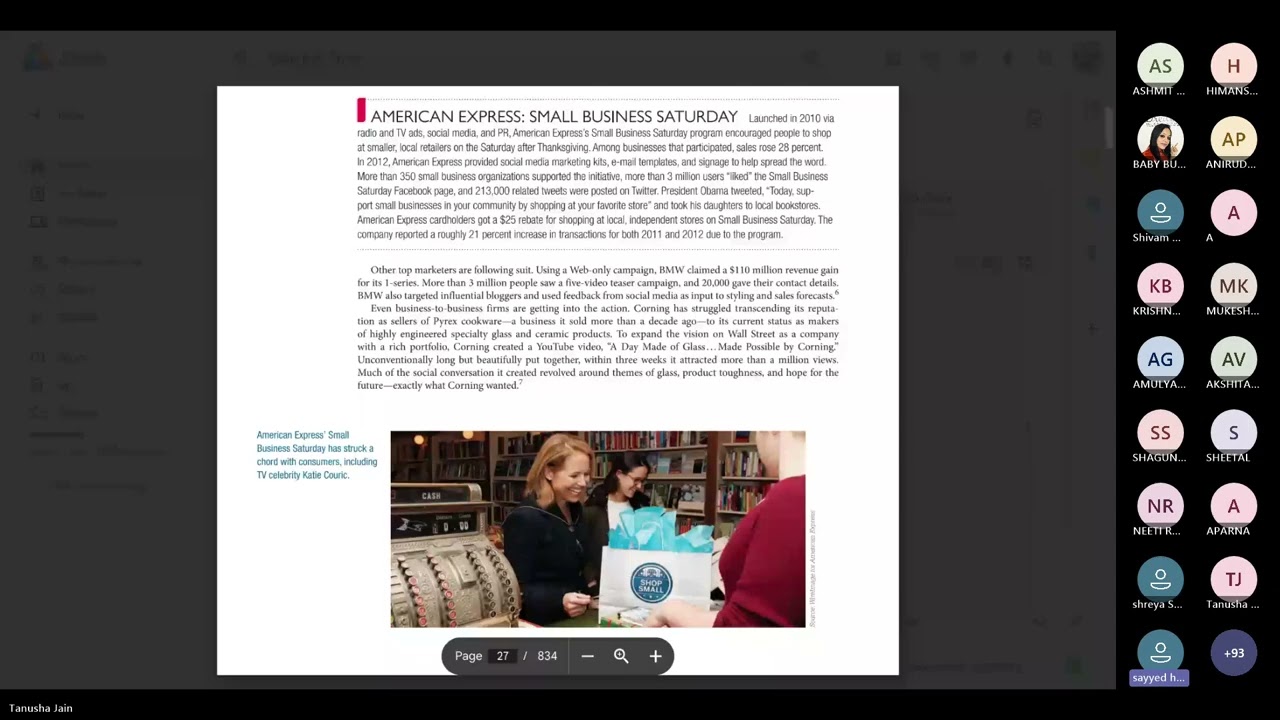






![🔵[AULA 01] INTRODUÇÃO AO MARKETING DIGITAL - Conceitos essenciais para iniciantes](https://i.ytimg.com/vi/mNoQeh6vKUg/maxresdefault.jpg)


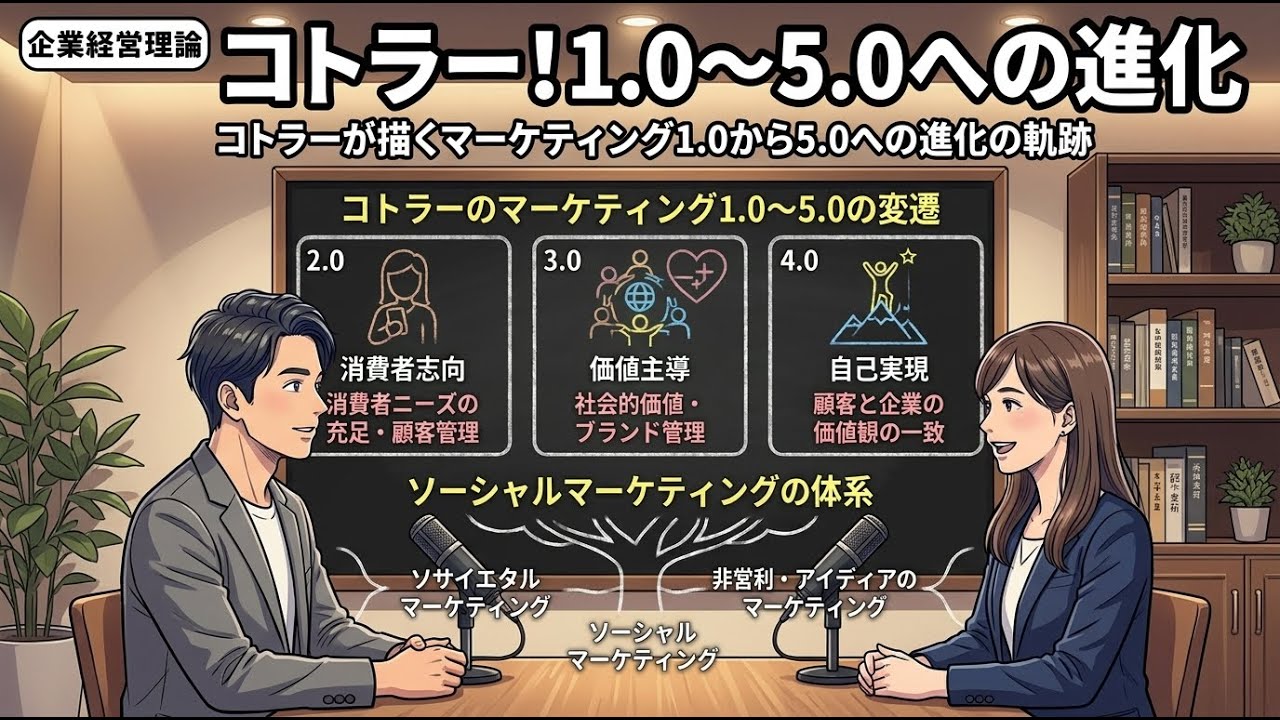


![[Sách Nói] Tiếp Thị 5.0: Công Nghệ Vị Nhân Sinh - Chương 1 | Philip Kotler](https://i.ytimg.com/vi/dhpzVeL7FdM/maxresdefault.jpg)
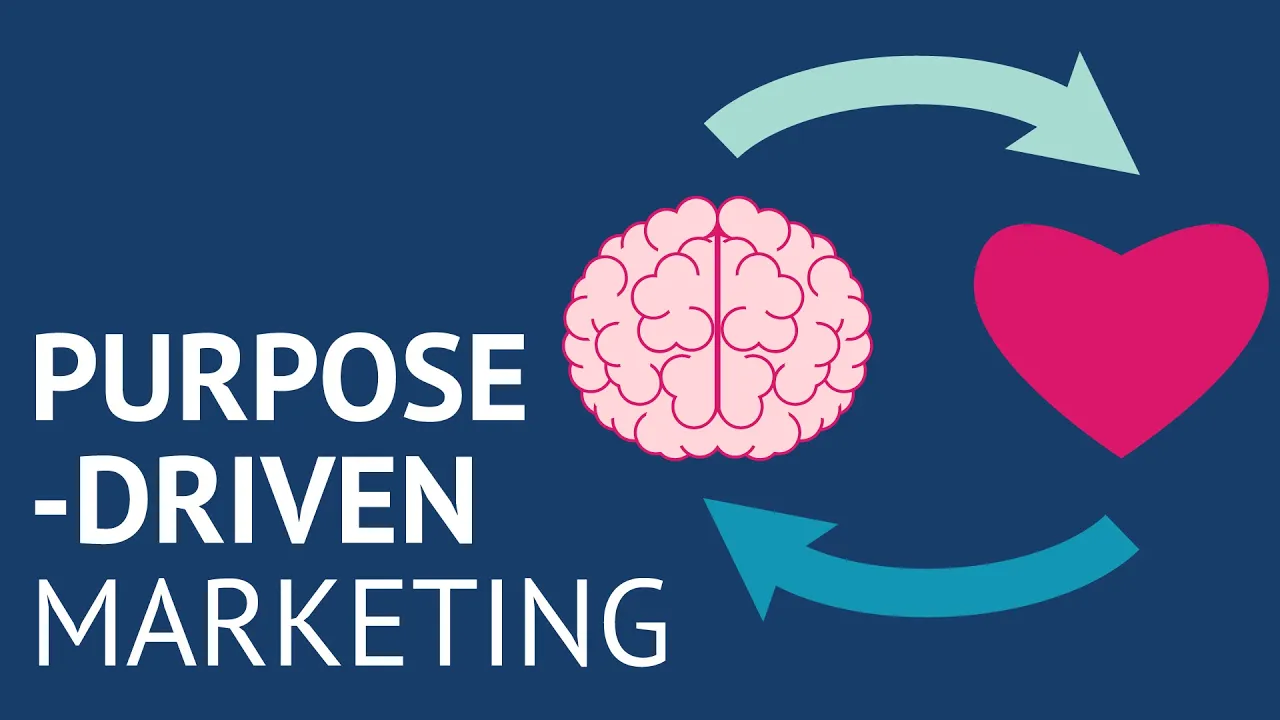


![[SOVAC2019] Beyond 코즈마케팅: 브랜드로 사회적 가치 창출하기](https://i.ytimg.com/vi/OT44xISxjZY/maxresdefault.jpg)




Marketing has evolved through three stages: Marketing 1.0 focused on product superiority and functional benefits, Marketing 2.0 emphasized customer relationships and emotional engagement, and Marketing 3.0 centers on societal responsibility and human values. In the digital era, consumers are empowered with information access, requiring businesses to balance traditional marketing with digital strategies, while maintaining authenticity and social responsibility.
Philip Kotler on Marketing Evolution: From 1.0 to 3.0
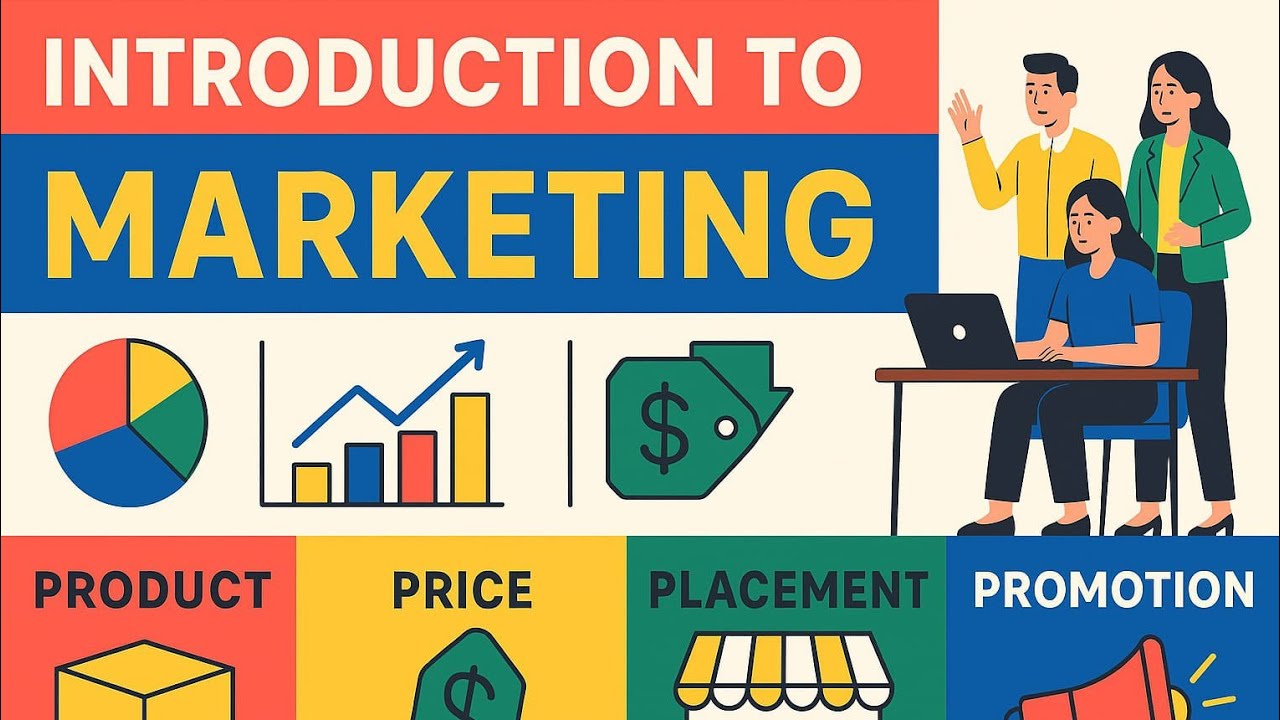
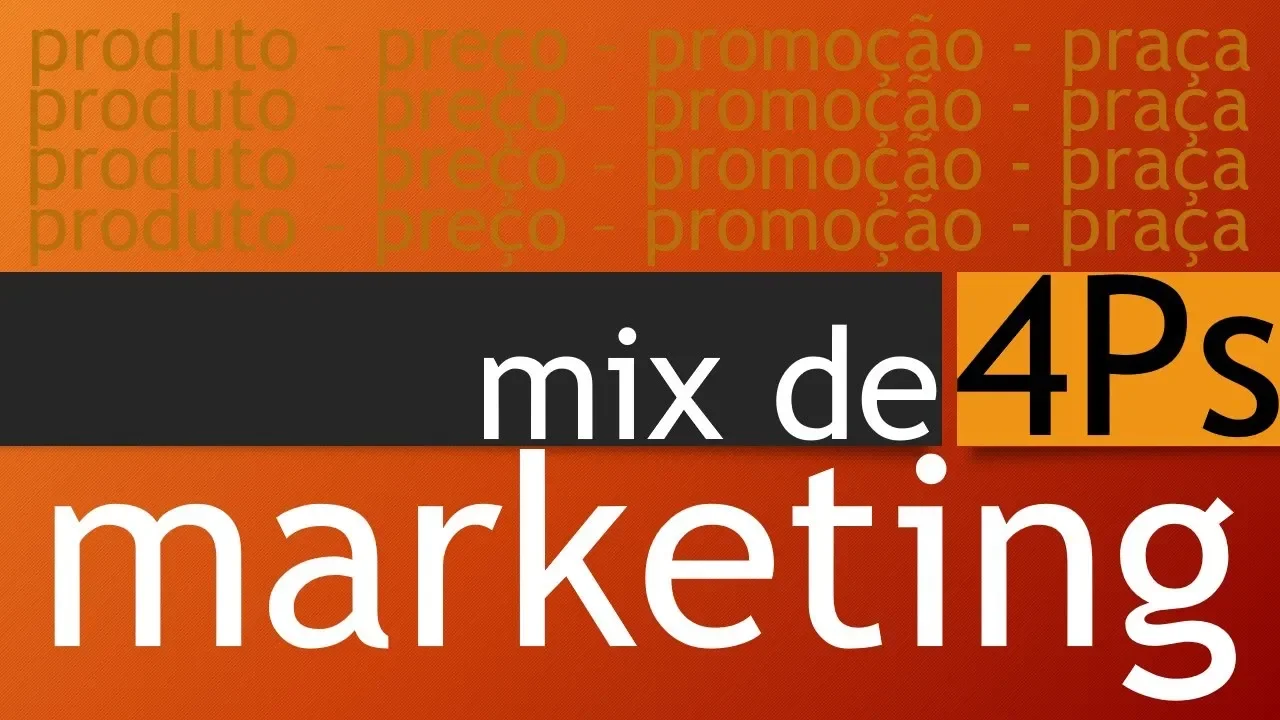
Added:The Core Principles of Marketing (The 4 Ps): A fundamental understanding of Product, Price, Place, and Promotion as the traditional foundation of marketing strategy.
Market Segmentation, Targeting, and Positioning (STP): Knowledge of how businesses identify specific consumer groups and position their brands to meet their needs.
The Concept of Customer-Centricity: Understanding the shift from focusing solely on product features to prioritizing customer satisfaction and long-term relationships.
Introduction to Digital Marketing Channels: Basic familiarity with how online search, social media, and electronic commerce platforms operate.
Marketing 4.0 and 5.0: Exploring the transition to digital productivity (4.0) and the integration of advanced technologies like AI, IoT, and big data to address human-centric needs (5.0).
Purpose-Driven and Value-Based Marketing: How to design brand strategies that align with corporate social responsibility (CSR), sustainability, and ethical consumerism.
Emerging Market Dynamics in Asia: Analyzing localized consumer behaviors, digital super-apps, and unique marketing strategies in high-growth Asian economies.
Omnichannel Marketing Implementation: Learning how to design seamless, integrated consumer experiences across both physical and digital touchpoints.
25.3K views400likes52:03Original Release: 2016-04-23
[Music] ins [Music] an Philip marketing management marke 3 Philip Cotler PhD University the American Marketing associations for marke excellence the European Association of marketing consultants and sales trainers members of the American Marketing associations conference award Philip Johnson and Graduate School of Management Northwestern University eom marke 3.0 from products to customers to the human spirit.
3.0 sofan nanung CNN Indonesia Professor Philip Cotler Professor Cotler it's good to talk to you again and welcome to Indonesia of course you're absolutely no stranger to this country yes even on a poster stand here and that's a pleasure and of course you know when it comes to marketing you are the marketing Guru everybody's always so excited when Philip Cotler is in town because they said you know I remember reading his book as part of my course when I was a university student so let's just go back to the very basic um question of why is marketing important yes you know uh we have a system that creates so many goods and services but someone has to buy them and maybe many people uh would like to buy a lot of things but they either don't have enough money or certain things are not that interesting so the role of marketing is to create the demand that will equal the supply of of the system capitalism is a wonderful system for supplying everything however if people don't have enough money or couldn't borrow some money the system would fail and by the way most people don't make an income to even afford a car without a loan or buy a home without a mortgage so it's very important to do good marketing marketing is to get people to do two things to be interested in certain products to acquire and to be ready to accept the credit the loan to carry out their purchase MH now marketing itself has been around for over a century isn't that right about a century but sales have been around forever forever so the evolution of marketing itself how has it evolved since it first started I mean you know you've heard of marketing 1.0 and marketing 2.0 and I'm marketing 3.0 what is what is the sort of the the trade marks that makes marketing what it is yeah well you know when marketing started was just really helping a company make a a superior offer and a company like proon gamble would say uh our detergent cleans better than another detergent there was no emotional aspect there was more a functional aspect so that was stage one 1.0 was to just prove that you have a better working product more on the product more in the product and then stage two was more on the customer and the customer's enthusiasm and also um the the emotional side trying to produce what we call a high touch with the customer it's not only a high-tech approach the product functions but that the customer gets involved in appreciating what it does and that's stage two stage three is that we want uh also to think that the product and the people who make it care about more than just making a product they want the society to be a better Society they want compassion to be expressed by the company as well as the ability to make a good product M so what stage are we in now well we're um many companies are still in stage one they just say just focusing on the product we're going to win if we just make the best product uh they're ignoring the role of emotions and attachments and histories of uh being uh using at different products so I would say the Smart Companies are at least in stage two they want to appeal to the heart and the mind not just relationship with the relationship and engagement you know relationship is a kind of cold word you might say oh there's a relationship there engagement and involvement is more and that's the language we're using about how to create fans uh people are enthusiastic about what us and now take a company like apple they've done a marvelous job they've create a cult basically a following that says wait I'll be right there for the next product that you make so that would be the um the aspiration of any company to have a set of people who think they're who are in love with the company now you're not supposed to be in love with a company you're supposed to be uh in love with your family and and Friends uh some companies uh have been studied we even asked in a book um recently um could you name a company that you love and people didn't have any trouble saying that they mentioned a company that they would miss like someone would say I would miss Coca-Cola if it would collapse why is that is it just the good ads that Coca-Cola always had I mean I still remember you know I Like to Teach the World to see I this is something that even if you don't drink the stuff you emal relationship even on Facebook now Coca-Cola is so has so many followers because they have set it up in a way that you you as a Coke user learned so much about the world and about the company uh on Facebook so you can be attached to a company and its brand if you get excited about it so would you say that Coca-Cola is a 3.0 marketing or it's still 2.0 you know it actually is and I'll show you the aspect they depend on water I mean to sell any beverage uh they're very concerned about the quality of water and the availability of enough water so they do are doing they even have evidence that they have reduced the amount of water that is needed to make Coke and U and other ways they want to show that they're producing things in a resource U careful way you know no waste recycling and so on and so forth even the bottles and so on they want to take care [Music] of now you mentioned about branding I mean where does branding get into it and how how different is uh branding and marketing or is one part of the other yeah you know that question has come up recently by some people who wrote a book on branding and saying branding is marketing in fact branding is the bigger idea than marketing they are absolutely wrong about that marketing is the envelope and branding is a tool within marketing and I'll put it this way branding could only start with a product that you have but marketing decides What markets to be in what products to make for the markets what price to charge how to distribute how to clean up and all that has to be done branding is the operation of giving a personality to a product and that is a a great skill but it's part of marketing do you see that businesses are now more concerned about their branding or is it something that perhaps it's a different skill that the no I think most of them do you know how many books have been written on branding now 300 books many of them overlap with what they say cuz there are some fundamentals to good branding uh some of them have a differentiation a kind of acute approach to how you create a lively brand uh but um most companies are brand conscious now uh some are do a great job of branding but there are um there should maybe be in a company a chief branding officer but in a sense that's the job also of the chief marketing officer okay now now that you're talking about job and then suddenly Steve Job and apple comes to mind I mean a lot of the time actually the brand the apple is also linked to the the CEO the found the owner or the founder how how important is that because you know some some of these businesses now and that the products are very much linked with the Visionary behind it like the Alibaba with Jack Mah for example and Mark with Facebook yes and I would add add the role that was played by by that is played by Richard Branson with all 200 100 different businesses that are all virgin type of businesses and I would say Walt Disney was so much a the creator of the Disneyland and so on it helps a lot uh does that mean that someone who's a Company CEO who has no personality uh can't add something well the fact is he or she should not be adding because they don't have any special personality but when there is the problem really is when everything becomes so attached to Steve Jobs the question is one of succession and then a man comes along called Tim Cook and initially the questions are can he be Steve Jobs but he's too smart to try to be uh Steve Jobs but he's done a marvelous job of been of taking over business and putting his own imprint on it okay so where does marketing come into it then for example Steve Job I mean he he's the Mark he's a face he's the brand he's also the the CEO of the market you know the marketing uh phase so to speak now when you have like somebody like Tim Cook I mean where he's now the brand he's now the he's now the face he his face his people in the company make sure that he presents like remember Steve Job that once a year with the sweater and the look uh where where you had to pay P scalpers rates to get into hearing Steve Jobs the same thing's happening with Tim Cook everyone's waiting for what he's going to tell you next year about the new W Apple watch and so on and so forth but should should businesses to be successful have that kind of Superstar the Richard Branson the in order for them to succeed in order for people to have this relationship uh with the brand well let's say a company is needing a new leader because the other one is not there anymore uh in the search for a new leader I wouldn't make personality the first step I would really want uh super comp competence and maybe some creativity to being in that mind of that person but um by the way if that person who would be so good running the company but who has maybe a very negative uh impact I would hide him I wouldn't make much of him but maybe still leave him to be the CEO behind the scenes um so there's a risk with making a product associated with a personality and that comes up so often when we have these uh um stars that we hire to um Michael Jackson will sell pepsicola and so on so and then we find out Michael Jackson um he doesn't really like pepsicola uh and backfires and and U or some someone who's been advertised a lot uh embarrasses uh so be careful about that kind you want you have somebody like for example L Armstrong who was endorsing a product and suddenly he had this Scandal you know attached to him and and everybody just wants to distance themselves so isn't it better to really build the brand itself without making it depend on a personality who may come and go but how effective uh are celebrity branding using celebrities because I notice almost all the big Brands they attach themselves whether it's to sport star to film stars or well you know there's a science of choosing the right celebrity uh the celebrity has to be respected for having knowledge about the product and using the product and believing in it and then has to have a high score for likability that that person is one people have followed anyways because they're just interested in that personality now once they're no longer interested that's it you know you sort of lose uh interest in the product now what is um the big the main difference now that Marketing in the digital era like we are at the moment versus the pre-digital era what are the main differences yeah well first of all the consumers are now power all powerful we say they have been empowered because in the past a consumer could only know about an automobile by seeing the ad coming from that company and seeing other ads from competitors uh but basically the consumer wouldn't be looking up uh the reports of the quality of the company they wouldn't the consumer wouldn't have a lot of friends to talk to what is your experience with a Volkswagen or with something else uh today the consumer is so enabled to be intelligent in making choices they could go into a store and they're preparing to buy a certain cell phone and then they hear the price and they say wait maybe I can get a better price they pull out their phone they check that there's another seller who can charge a lower price so we got to be much more uh good and honest with our consumers because they can track us down and know what they ought to know about oh they can tweet something like this product is really disappointing they can say bad things too or but not we hope that no one tries to hurt a company by putting out wrong lies about the company that some of that is happening too but we we do want um this phone most companies in marketing say that the future is mobile marketing centered on the the smartphone okay so what is the best strategy in this digital era and do you see businesses adopting uh this new strategy or are they still sort of figuring out what is the best way to deal with this um most of them don't have leaders who have been uh from the digital generation because they're older people most of the CEOs and CMOS are doing their best to get on top of understanding this partly I have seen companies that would hire a young person who knows uh digital to sit down with the CEO for one hour a week to bring him or her up to dat about the digital world but basically what I would do and a lot of companies are doing this in a company where everyone is the old marketing for communication I would say take 10% of your budget hire some young people and say here play with this go on Facebook get a metric where we'll know whether we're selling more because of what you did on Facebook and if it's good news we'll give you another 10% so the uh eventual budget will be split between digital spending and traditional 6 30 minute uh 30- second commercials I think we'll get to a point where it's 50/50 5050 you know what it is at Pro and gamble it's 35% of their budget is now digital budget okay but traditional way of doing things is that still effective yes oh if if it went to 100% digital I would worry about that because what the 302 commercials do is they give you a big warm feeling about a brand and some of that digital some of that 302 is used and and makes appearances and everything else should do digitally so it should we call it blending traditional with uh the digital okay so don't abandon traditional yet but you also need to adopt to the digital users you mentioned of VW and it just there's a there's a scandal going on with the VW and I mean vw's always had had a very good brand what would you advise them in order to revive their brand because at the moment you we would feel better about them to say somehow they got into a mindset that they didn't know about in some cases but some Engineers got them to do that and if in fact they did know about it all the time they better leave the firm those who should have been responsible or confess to having done it and saying they're sorry in in any way they could repair any damage they would do it in to ignore it to to say well that's something and we're sorry is not enough I think they're going to need a whole remarketing plan how how would VW gain that public trust again the way they did before after this scand they could have appoint a series of uh Engineers who are experts and say we want you to examine every one of our products not just once but as we continue to develop Fine Cars for people to tell the world whether you think we are giving them all that they deserve or not and therefore we want to be constantly checked by people that we care now about being very very careful now once a brand a good brand is damaged how long does it usually take for them to bounce back and there be a dip in sales for a while um and it it depends on the marketing ideas that they come up with for example what if Volkswagen had was about to issue a new car that was very exciting I would expect I would get that new car out sooner rather than later there would be an argument some would say wait on the new car because it may be damaged by the feeling people have others will say get it out now because it can generate a new image of the company's success mhm what sort of 30-second ad would you make for VW say they don't have a new car or they don't have any new product I would make it a confessional I would level we don't know how this happened why it happened we are absolutely ashamed we are ashamed of what happened and we would be resent any other competitor who did it we did it and we hope no other competitor does it [Music] anyway um let's talk a little bit about your book this is think new Asian rethinking marketing towards the Asian economic Community as we know 2016 we will have the Asian economic Community where in the Asian region we would have the free flow of goods Services Labor uh trade people money everything what would be the implication to businesses in the region uh when it comes to 2016 and the Asian economic Community what should they do in order to face this changing Global uh Regional situation every every country um hopes to sell a lot of its goods to its own people but very often the population size of that country is not going to support the the level of of living of good life that they want just making things for their own people so basically International marketing has to be a skill uh and then it leads to this question yes we there's other countries but which countries would be interested in our product have we even thought of making products that they would like and should we make products for the world and that's not the right answer the right answer is let's make products that are missing from certain certain countries that we could help receive better products and in fact the our neighbors are the best countries to do that in as a matter of fact my God we have 10 or more countries around here the aan community and uh we understand them very well they're neighbors and U in fact we hope that they sell us some of their products because it gives them the means to buy some of ours in fact that's the best situation when there's complimentarity now you know if every of the 10 Nations made a a car they would kill each other but if the proton is made by Malaysia and another product is made by another Community member for example um South Korea South Korea decided to be best at making television sets and smartphones fine and they will sell a lot of them to the those will sell outside out BS in but they will also sell inside so when I was in Malaysia they took me to their Exhibition Center where they have a beautiful floor with 700 of the products made in Malaysia and sent to the world and they invite people interested from abroad who want to buy Malaysian products to walk around and they'll see almost everything that Malaysia's able to sell to the other aan countries or the world so each country should have a exhibition site where they can bring other countries to see what they've been making okay so but um Asian itself consists of you know the 10 different countries similar in in terms of values we are all Southeast Asians but on the other hand we know that for example Singapore and you mentioned Malaysia and perhaps uh Thailand very different economically to for example Myanmar and Laos and Cambodia and even uh with with us in Indonesia now how to collaborate on those uh differences because we also competing with each other MH selling the same products and yet we need to also collaborate in order to face the global or the international market what's the best way of doing that yeah it's a it's almost as uh an agreement to sort things out so not too many people are making the same thing for the rest yes like for example us IND theia Malaysia we basically making the same thing selling the same things like palm oil and palm oil and so on you know it reminds me of the work done uh in villages in let's say in um a country where they say each Village makes a different product and and it's a product for the country but it's a product for other countries as well so I think we should use the concept of a product portfolio each com country should have a portfolio and they may understand that if they're selling candy and many countries can make candy uh there's a an aspect to The Branding of their candy that will probably appeal not to every of one of the 10 countries in the region but those with a sweeter tooth so I can almost see a lot of negotiation between Pairs of countries saying we both make candy but uh it's nice yours isn't isn't as sweet as ours and we'd get along better because in your country are people who want sweet and not so sweet so I guess even within a community there may be bilateral country to Country understandings that we don't want to make the same exact thing now with palm oil palm oil is palm oil a lot of countries will be making it but maybe at different prices with different textures and qualities okay and the other thing is the this idea of community in ter terms of marketing is there a difference in the strategy for an Asian Regional minded strategy as opposed to you know the globalization think Global act local like kind of Mantra well I always think that the winners are those who uh emphasize the local uh because you may be local everywhere but by being local everywhere you're giving a different mix to each local area even when I write my marketing management book I know that marketing is at a different stage in each country and I will invite an Italian Professor to change and make the book relevant to the stage of marketing therein so I'm always acting Loco I think the best marketing is local so but you but you know you get scale economies by making a standardized version but if you over standardized you may not sell it very well okay so so how should one rethink the new marketing for new asan well that aan that's different to you know normal marketing well in general they must recognize that the countries here in the aan region are Dynamic countries they're aspirational countries they're each trying to improve the lives of the people there and um and change rather than stability and conservativism is really what's happening so I I would say that um the I I like to think tribally um when I when I not only locally but tribally and let me tell you what I mean by that if you want to sell something to Malaysia you should recognize that there's the Muslim Community there's the community um that is a the Chinese community and the Indian Community now apparently you you can't necess even the Malaysian company tells me they can't make something that appeals to all three communities so what they do is choose the community and it may be the a Muslim Community and and they succeed very well but you notice that even within an aian country you've got a tribal level of thinking yes and you have different types of consumers I mean even in Indonesia you have you know your farmers and your fishermen and your then you have your workers but then on the other hand like in you have your Executives as well and then you have your very rich people that you need to serve so how to make sure that you actually address the right target audience yeah well isn't that the beginning of marketing the first step is always who do I want to serve whose needs do I want to satisfy with what solutions to what they want and once you do that we call that who is the valued customer how do you define the valued customer that you're now trying to reach the second thing is what is your value proposition what can I offer to that customer that is a better value than anything else and the third is how do I set up the value Network that can create the product and deliver it to that valued customer so that is sometimes called the three vs of marketing a valued customer valued proposition and valued Network that allows you to put together for any single customer or tribe of customers uh a good [Music] offer can you give us a couple of U best business practices of um companies that succeed in this new sort of aan environment or companies that are actually doing things right that they get The Branding right and they get the product right and they get their target or their profit or whatever give us few examples of well you know I'm looking around and and I am very impressed with what the uh South Korean compan companies have done here's what Samson does Samson decides that basically it's going to be the leader in television and the leader in smartphones so to maintain such leadership they have this idea let's appoint a uh some scientists to look at our TV set now and make it obsolete they just introduced it it's working fine everyone loves it no you got to make it better so they have a team trying to obsolete their own product they're doing it with the smartphone that's why Samsung is always putting out another feature on a smartphone so that's uh a high level of creativity okay well that's South Korea is not part of asan let's talk about how about Indonesia but that could be IND yeah any Indonesian brands that you see a potential that once we are opening up to the Asian economic community that they still can be a big player regionally as yes right we could go to uh uh the fact is that I just uh take a as an example Malaysia because I just returned um take the proton car now proton uh is a car that they um are bought by a lot of the Malaysian people uh but it's an example of the kind of thinking that will begin to happen namely they made the car but they protected the car and when you have protection your your drive isn't that strong to improve it and now with the TPP the trade uh the transpacific yeah that's coming up proton is reorganizing to make sure that they are they can produce a high priced car a Smart car and not just make a standard car and make a new product line because they're going to have to live without protection and they have to have non- Malaysians buying the car and non- Malaysians oh they want you know the Natural Market for the protein car is all of the aian community that's their best Market although I'm not sure if Indonesians would buy a Malaysian car that's well I know but they would if the car is fascinating so protection is the worst enemy of creativity okay so which means is businesses have to change their ways because the region is changing competive fact competitive factors changing no more protection no more subsidies no more you know big fish in a small pond everybody has to basically move to a bigger ocean now how should businesses approach that kind of change change in consumer demands they're much more concerned now with what is your you know is your clothes are your clothing sourced sustainably for example are the food you know organic and so on and so forth how should they approach changes you're absolutely right more consumers who are now enabled with the phone and so on to uh uh demand more of any company uh not only that's a nice product but how is it made and is it good for us or bad for us and all that you're right so here's the thing uh I think companies um there's a system where we would say you've got to you're going to if you want to succeed you got to be customer driven you've got to get close to some target market that you've well defined whose needs you know and what we say where you have customer Insight but that's not enough because customers keep changing as you said so you need not only to be high on customer Insight but eye on C customer foresight what does that mean namely customers are going to move towards something else you got to not just stay where they are you must have insight and foresight but not only for customers your competitors have an insight into how they behave have a foresight as to what their next plans are and then uh have another thing that's a quality called peripheral vision because most of us just go right after that customer but see what's happening outside so you'll see new opportunities that way so there's a lot of talk about the the guidelines to running a company from a marketing point of view okay so there has to be greater Insight therefore greater knowledge about the customers so what should business do maybe have a a much uh a bigger research department or more funding to you know resources to actually focus on finding out what it is that they need to do and who it is that they're serving and what is that the consumers it um the tool that marketers use for a lot of that understanding is been called marketing research in marketing research tools are getting better and better um right now our Research into consumers is more of a researching their culture and not just uh their need for uh clothes or something there's a a big cultural aspect so we're asking anthropologists to help us understand customers every customer is embodied in a culture secondly uh we are now seeing how their brains work we're into what is called neuros scanning uh or Neuroscience so we might be able now to test a certain 30- second commercial with the consumer and watch how the brain waves either don't respond which means it's a very flat commercial or it's it's very exciting so I want companies to invest not only in the old-fashioned marketing research which is surveys and yes or no but in the New Media new means of analyzing customers and how to mine this what's called now Big Data because with the internet with the social media with Twitter and all these uh platforms uh that are basically you know attached to an an identity somewhere how to mind those zillions and of information and make that work for you well sometimes it comes down to forming an equation which is a uh to predict there's a thing we call Predictive Analytics will a c that customer given our offer what would the pro his or her probability of purchase be and if I have this equation I put in the the customer's age income and a few other things and the prediction is there's only a 10% chance that that customer would be interested I won't even bother with that Customer because but I will identify those custom customers who have a high probability of purchase given the offer but is mining Big Data an important tool these days for market and and one way you're mining the data is to try to get the equation that will give you it's almost sometimes an algorithm which will yield up those customers who are worth gold to you I mean they ready to buy in other words the history of marketing is how to identify the leads the best people ready to buy what you're making and we have now the tools through big data to identify them faster okay just a final question um Philip because you also written a book called confronting capitalism and the world has changed so much since you know the 100 years ago when marketing first started and we now have a increasing you know gap between the very rich and the rest of uh everybody you know the 1% versus the 99% for example and how you know that reality yeah can be uh I mean what can marketing what can businesses do in order to confront that reality and perhaps help in actually reducing that Gap as opposed to creating a world where it's so highly polarized between those who have a lot of money and the rest who just don't have enough um that's why I got very involved as an economist because that's my training in whether capitalism is committing suicide I think it can commit suicide by leaving so much money in the hands of so few people that the factories will have to close down because people won't have the money to buy what the factories can make so it's even the responsibility of the wealthy people to want more people to have better pay a better minimum wage uh and to close the loopholes and I'm not against equalizing no one feels that a society is ever going to become so equal that everyone earns the same thing as Winston Churchill once said if that happens it would be just the expansion of misery everywhere there are good billionaires not all of them are bad like Bill Gates for example B Gates and waren Buffett and the 134 others who have signed the giving pledge that in 10 years they're going to give away half of their money to good causes so there I'm not this is not against billionaires but this is against people who are overpaid for example in the United States we're passing something now that is resented by a number of people the ratio of what the CEO was paid in relation to the median earnings of a worker in that company that used to be 20 to 40 times and that's reasonable for someone to earn to be richer 20 times whatever so they're worth 20 workers now it's three 300 times 300 300 is the norm so uh the CEO takes it's paid by the stockholders without any second thoughts 300 times sometimes it's like $2 million a year it's like coming out from a different planet altogether I mean there's a conspiracy it's like it's rigged and the normal working people in the union say what what's happening so right now the United States under the security Exchange Commission has said from every company we want to get what is the CEO paid as a ratio to the average worker in that company well you know what that's going to do it's going to mean that a lot of the employees are going to be why is he paid so much a lot of the stockholders will say why are we paying him that much uh and it will lead some companies to say uh some CEOs will say I'm only paid a 100 times and he's 300 times maybe I want more than it wasat new Envy it's going to a backfire possibly but the thing is capitalism must find ways to raise the people to a living wage that's all we're asking and in the United States where people were earning a minimum of seven of $15,000 a year that's not a living wage okay so with all this the condition of the world the economy as it is now with the threats of climate change very quickly what's your definition of a good or greatan oh a great company is one that offers uh great superior quality uh accessible uh responsive adaptable uh a learning organization uh one that has built such trust in their reputation and so on that we can all buy with confidence and actually feel like a partner with that company okay well I think every company should Thrive to be that okay thank you very much it's such a pleasure to talk to you again and it's always great to listen to your Insight thank you very much thank you [Music] founder Philip C Center for asan marketing coitre marketing 1.0 marketing 2.0 marke [Music] mar. information one to many communication that is 1.0.0 is always right yeah customer is always [Music] right we have to treat the customer as a friend and treating customer as a friend taking care to beon [Music] Rel [Music] econom Community econom comman economic Community people to people government to governments to bus after Free People to People free flow of good free flow of services free flow of capital free flow of people people human to human the spirit of 3.0 to human practi understanding the human spirit of the new Indonesia the new indonesia.
anire apps technology but I have to use my technology and anxiety and soci IND human to Human [Music] byebye [Music] [Music] [Music]
Up Next

61:11
Real Estate Exam Vocabulary Terms 51-100 | Key Concepts Explained
@RealEstateLicenseWizard
314.6K views•2020-09-08
46:36
Retention Habits of Top DTC Ecommerce Brands Revealed
@SendItPodcast
44K views•2026-03-03

15:23
Decoy Effect: How Pricing Psychology Influences Consumer Spending
@bobinvestsUS
90K views•2026-01-05

17:30
The Planned Obsolescence of Light Bulbs and Tech
@veritasium
25.3M views•2021-03-26
Related Study Plans & Knowledge Roadmaps
Structured learning paths in Business
business
Pop-Up Retail: Strategy, Design & Execution
01Introduction to Pop-Up Retail & Strategic Goal Setting
02Budgeting, Site Selection, and Legal Essentials
03Experiential Retail Design & Visual Merchandising
+ 2 more learning modules
15h5 modules
Explore Roadmap
business
Reg CF: Startup Funding, Marketing & Launch
01Introduction to Equity Crowdfunding & Reg CF
02Platform Selection & Legal Preparation
03Crafting High-Converting Campaign Assets
+ 2 more learning modules
14h5 modules
Explore Roadmap
business
Productized Services: Scaling Solo Freelance
01Foundations of Productized Services
02Packaging and Scope Definition
03Pricing and Subscription Models
+ 2 more learning modules
15h5 modules
Explore Roadmap
business
Gov Procurement: Find, Bid & Win Contracts
01Introduction to Government Procurement & Business Setup
02Small Business Certifications & Set-Asides
03Finding and Analyzing Contract Opportunities
+ 2 more learning modules
14h5 modules
Explore Roadmap