
























In police interviews, subjects often use roundabout answers, causation statements, overemphasis, and vivid language to construct narratives that present them favorably, which can reveal guilty knowledge or self-serving motivations even when they appear innocent.
Statement Analysis of Nichol Kessinger's Police Interview
Added:Introduction to Forensic Linguistics: Understanding how word choice, syntax, and grammar are analyzed to uncover underlying psychological states and truthfulness.
Fundamentals of Statement Analysis: Familiarity with core concepts such as pronoun usage (e.g., 'I' vs. 'we'), verb tenses, and the significance of omitted information.
Basic Context of the Watts Family Case: A foundational understanding of the 2018 Watts family murders and Nichol Kessinger's relationship to the key players, which provides vital context for her interview.
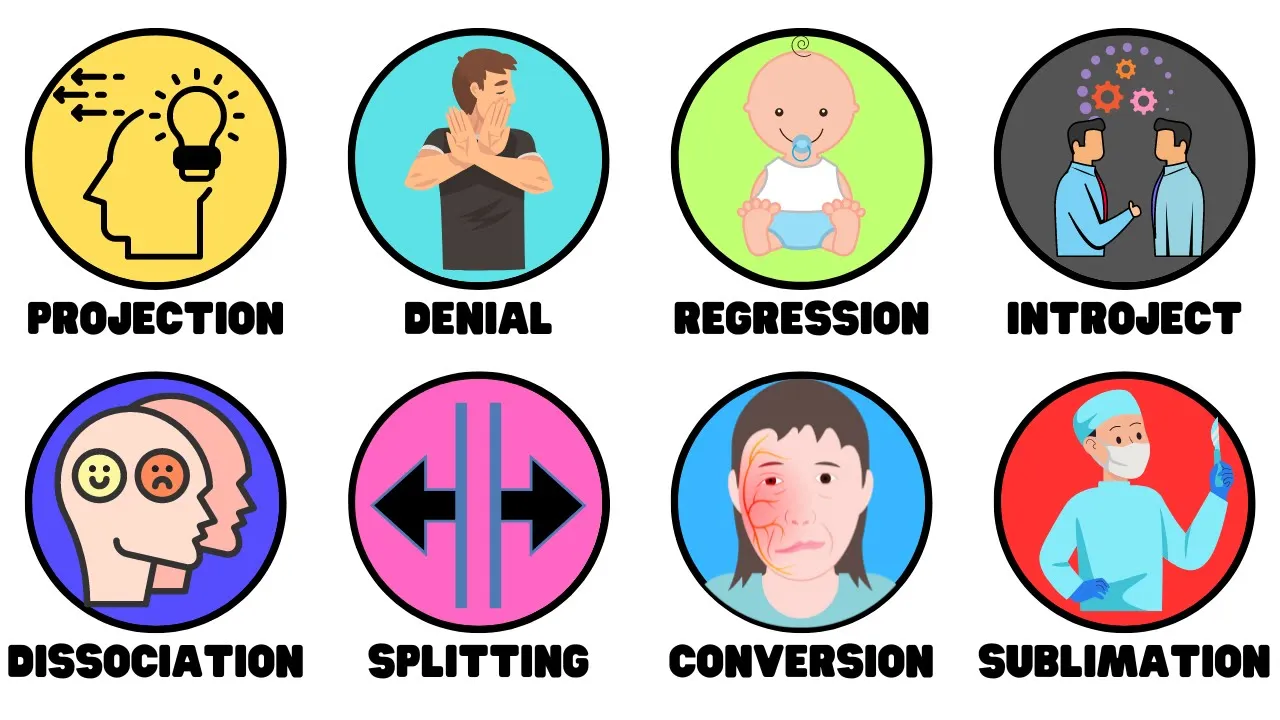
Psychological Defense Mechanisms: Concepts of minimization, rationalization, and ego-defense, particularly how individuals use language to distance themselves from blame or trauma.
Scientific Content Analysis (SCAN): Deepening study into standardized linguistic analysis methodologies used by law enforcement to detect deception.
Integrating Verbal and Non-Verbal Cues: Studying how linguistic patterns align with micro-expressions, body language, and vocalics during high-stakes interrogations.
The Admissibility of Forensic Linguistics in Court: Exploring the legal standards (such as Daubert or Frye) regarding how linguistic analysis is treated as expert testimony in trials.
Investigative Interviewing Techniques: Studying frameworks like the PEACE model or the Reid Technique to understand how interviewers elicit the linguistic samples used in statement analysis.
53.7K views2.7Klikes17:34Original Release: 2020-10-20
in police interviews you look at how the subject's answers match the detective's questions does the subject answer directly or is the subject trying to counter objections for self-serving reasons we look for unprovoked statements language that's unnecessary but obviously important to the subject let's hear what nicole says but before we do if you like this type of content please hit the like button and subscribe is there any particular messages that i would help me so i don't have to look at because whatever's on your phone i don't know how long we're going to get back to but let's say there is a particular date or time or message that stands out to you that would be relative to specifically to the investigation into this case that might assist me in understanding why something like this could have occurred the detective asks about particular messages that stand out to nicole this is a specific and simple yes no question that's why a simple answer is now expected but listen to what nicole says i'm still in shock that this whole thing happened like i i like that's why i gave him the benefit of the doubt for the first day because i was just like no way like i didn't even think about that i mean murder was not on the top of my mind when somebody doesn't come home for an evening especially if they've just like had some sort of like heated conversation it's like okay you guys are separating i have a heated conversation you leave for a night like i didn't even think this guy killed his wife i mean that like murders on something on the top of my mind when i call one of my friends for three or four hours and she doesn't answer the phone like that doesn't even process to me as like a real thing that is a possibility at that point her answer is called roundabout roundabout answers are indirect and you often hear them when politicians avoid answering which is all the time answers have a self-serving purpose designed to present the subject in the best light possible in nicole's case she states how shocked she allegedly is and then she counters the first possible objection with her first causation that's why i gave him the benefit of the doubt for the first day we call it causation when the subject provides a reason for what they did or did not do and causation becomes important when the subject like nicole hasn't been asked to provide a reason causation suggests careful thought and self-awareness the second possible objection she counters is like i didn't even think about that i mean murder was not on the top of my mind thus disassociating herself from suspicion without having been accused she also overemphasizes her disbelief about what happened notice a way of phrasing it that doesn't even process to me is like a real thing that is a possibility at that point over emphasis as we will see is a pattern in nicole's language one final important point to this passage notice how far we've gone from the detective's specific and simple question and so that's why i gave it a day and then the second day i was talking to him he was just like a hot mess i could tell and then with like the way he was talking to me and then that's kind of when i cut him off and i stopped talking to him we now get nicole's second causation and so that's why i gave it a day a statement that implicitly denies association with chris she's using language that creates distance to him even before she allegedly stopped talking to him we don't get a feeling that the two were ever as close as they evidently were so if you wanna know two days i would probably honestly just start it like sunday and work your way forward i mean all the rest of that stuff it's just like the small talk of like hey this this this you know i mean and your relationship building through them yeah i mean like and if you go like a maybe like a week further back like there's times like i was trying to help him find an apartment like just for him not for me but for him and his kids um to get set up and like there's times where i'm like well where's your wife moving to like how close is she gonna be to you you should be within like 30 minutes of your kids so they're close and like you want to be close to their school and close to your gym and like watch your price range like i was helping him get all of this stuff set up we hear another unprovoked distancing and ultimately self-serving statement help him find an apartment like just for him not for me but for him nicole's answer consists of a narrative that focuses on her her thoughts and her alleged good intentions what we don't get is a specific answer this tells us that nicole's thoughts are further ahead than she lets on think about it this way if a completely innocent woman with no form of guilty knowledge we're being asked about text messages we wouldn't expect her to go on and on about how innocent and responsible she was so underneath nicole's often playful tone of voice there's a deliberate level to what she's saying and it was like in a very decent manner i don't know if all of that is in text some of it's probably on the phone like at this point i've talked to him so much that i don't even know which parts are like verbalize and which parts are texted at this point but we can figure it out okay why would anyone bring out the word decent unless there was something indecent about this situation as a whole it's like telling your spouse i went over to our neighbor's house and nothing indecent happened or for a child to say to its parents i didn't do anything wrong the minute they come home it increases suspicion in this case it's either because nicole knows that she's been indecent too or because she knows this situation is indecent in the eyes of the general public so nicole's again countering objections and she reveals the presence of something indecent with her words i don't know if all of that is in text nicole's roundabout answer is finally brought to an end two things are revealed to us here number one nicole's preceding statements were in fact a very long preface that was meant to portray her as a victim of chris's deceit number two she's indicating that all of her statements are in fact not all in text because if they were why would she say all this beforehand the evidence would speak for itself it's very likely that nicole's indirectly letting the detectives know that they'll find certain indecent text messages problematic content that might reveal that she was not and is not as innocent as she claims to have been we should pay attention to her tone of voice because it has intensified a lot and she sounds a lot more engaged now than earlier when she sounded tired i'm so hungry you should have told me i would have got you some food i got food in my car it's not staying down it's just coming she hadn't been like i got sick prior to this whole whole thing happening so obviously the text messages and what the detectives are going to find in them create some level of stress for she reveals it without explicitly stating it so much so that the detective laughs overbearingly lies and which parts are texted at this point the collective pronoun we but we can figure it out should also be considered she doesn't say but you can figure it out leaving it up to the detectives on a surface level nicole says she's willing to corroborate but on a deeper level her statement reveals that she wants to be part of the detective's work most probably to protect herself because why would there even be something to figure out don't the text messages speak for themselves implicitly she's letting the detectives know that some of the text messages won't be simple and innocent looking in the following the detective asked nicole about chris's family trip to north carolina so he goes there how do you said it was like the last week of july i think so i think it was like one of the last days of july i'm almost positive i think it was a weekday okay um yeah i flew out there and i thought i had like convinced him to like try to make peace with her and i was like if you guys work on this like i'm out because what's the point like i'm not trying to be with somebody that's in another relationship which i know that sounds silly given the whole relationship that we had in the first place but i really was under the impression that they were separating i mean it was like reiterated to me so many times that that's what i thought it was and it made sense to me too because like he could pretty much call me whenever he wanted like i was the one that would tell him like hey when your kids are awake you need to spend time with your kids like do that nicole continues her narrative as the reasonable and responsible part in her relationship with chris and as someone who likes shanann was deceived by him but she's also overplaying this part it's interesting that she tells the detective that she knows it sounds silly considering the relationship she and chris had in the first place this reveals to us that she might not consider herself to have been as rational as she portrays herself in the narratives that she's constructed so far and she's countering a possible objection to a statement by associating with normality with what the general public would say the act of countering objections is an act of mimicking what someone else would say and suggests a deliberate level in nicole's thinking a prominent self-awareness even though she sounds very intuitive at first glance it's a clever move but it can also be revealing implicitly it reveals that you do know which actions were right and which actions were wrong nicole is using vivid language to make a point in this case direct quotes this kind of language has the ability to draw the hera into the narrative and underline the supposed truthfulness of it however we can't fact-check nicole's face-to-face conversations with chris so vivid language even though it might sound convincing is not necessarily accurate in many situations it's applied because the subject is nervous and wants to over emphasize certain points out of self-interest north carolina yeah go back to normal so north carolina um so he still made very frequent communication with me when he was out there and at one point he told me that they sat down and they talked about it and he told her that he wanted to either fix things or like to try to fix things and if she didn't want to fix them then they needed to like move forward with the separation and like actually file for a divorce at this point was was the impression that i got from this and was what he told me and so um nicole's playing the part of the innocent victim right down to a grammatical level so he still made very frequent communication with me chris is the subject here nicole doesn't include herself by saying we communicated we noticed a way of phrasing it was was the impression that i got from this and just what he told me and so she's playing the part of a spectator as if she only had and only has the information that chris told her you need to start looking for a new place to live and i'm like where do you want to live and i was really trying to help him out i'm like do you want to get a house do you want three bedrooms so you have one and each of your girls have one i'm like do you want to you know like do an apartment like what do you want you know where do you want to live because he's in frederick but that whole area over there is just like a bunch of small towns and you can kind of just pick and choose everything's kind of i was really trying to help him out nicole says the adverb really indicates that a person compares one thought to another we almost never get to hear the other thought but sometimes we can figure it out by looking at the immediate context nicole emphasizes really so her brain has made this the key word in her utterance and it is considering her preceding statements really is used to counter any objection that might be to the nature of her relationship with chris it's convincing language she's portraying chris as almost incapable of doing his own thinking so that she implicitly comes across as the adult and as a helper you know and so um he told me why i like brighton and i was like okay and then he told me he wanted a two bedroom apartment and he said he wanted one room for him and the other room for his two girls and i thought it was kind of cute like i remember telling him i was like yeah me and my sister had bunk beds like at my dad's house and i was like when we were little girls and we were me and my sister the same age apart as him and his i mean that's his two daughters you know so i told him i was like they're gonna love it it was like they might be like stuck in in one room together i was like but they'll become like best buddies and it was really exciting like i liked helping him and i just wanted him to like i don't know this is what he told me he wanted so i was like well i will help you do the research but another thing that i really took care of was to be like where is she moving to i was never like you know what screw your wife try to get full custody none of that as stated in the previous video about this interview the link is in the description box below nicole's behavior is very forthcoming but right here her behavior makes a sound insensitive we know how things ended for the two daughters so it's unexpected that she laughs while talking about how cute the room situation was furthermore nicole seems to remember exact words whenever they reiterate her alleged role as the helper you often observe this pattern in police interviews the subject shows clear and sometimes polished a fake memory about the conversations that present them in a positive way she is also limiting or restricting her role by saying and i just wanted him to like before she interrupts herself indicating that she didn't have ulterior motives but again she's over emphasizing this role and overemphasis typically indicate guilty knowledge whatever it may be in this case it could be her knowledge of the immoral nature of the relationship all that she was more involved in chris's decision-making than she lets on guilty knowledge can also result in what i call forced outrage this is where the subject mimics the outrage of the general public by sounding offended we hear this in nicole's final statement i was never like you know what screw your wife try to get full custody none of that bullsh indirectly she's showing us that she knows what the general public thinks about her actions and that she thinks the public is wrong about the nature of her motivations she's literally hammering this part where is she moving to did you ever give him like books or articles or anything to read about saving your marriage did you ever provide anything to him like that about saving his marriage yeah like how to recover a marriage or how to save your marriage you know there's there's all sorts of publications and books out there no but i did tell him and i don't know if i did this through text or phone that will be something you guys will i'm sure figure out um one tactic that is very common in police interviews is for the subject to get the detective to repeat a question even though the question is clear this is done to gain time time to figure out how to answer in the most self-protective way i will argue that this is the case here because there's nothing unclear or ambiguous about the question as we've seen in almost all of nicole's statements she then spends most time explaining how she tried to help the situation rather than destroy it even though or maybe exactly because the critics have said it's the other way around but i would tell i told him a few times like i think that you should take the time to read some articles about um what separation does to kids you know i told them i said when my parents separated we were literally like three and five we were almost the exact same age as these little girls and i told them i said you know i was so young when it happened that it didn't really have like a big negative effect on me because it was so small that i didn't really process it too well i was like but i do have cousins that their parents got divorced when they were like 10 11 and i think that it hit him a little harder you know and he's like oh they'll be fine you know and i told him okay so we got an additional 10 minutes of this interview covered i'll see you in the next video you
Up Next
3:11
Linguistic Relativity Theory: Sapir-Whorf Hypothesis Explained
@social-science-explainer
525 views•2025-05-13
36:52
Constraint Interaction in Optimality Theory: Epenthesis & Deletion
@Vidyamitra
180 views•2018-08-20

8:59
Forensic Linguistics: How Language Solves Crimes | PBS
@pbsstoried
1M views•2024-01-25

21:32
Accent Expert Explains U.S. Regional Dialects | Part 1
@WIRED
9.3M views•2021-01-21
Related Study Plans & Knowledge Roadmaps
Structured learning paths in Linguistics
linguistics
Optimality Theory: Tableaux & Constraints
01Phonological Basics: Sounds, Syllables & Rules
02Foundations of Optimality Theory: GEN, CON, and EVAL
03The Constraint Inventory: Markedness vs. Faithfulness
+ 2 more learning modules
15h5 modules
Explore Roadmap
linguistics
Morphosyntactic Alignment: S, A & P Systems
01Foundations of Syntax: Transitivity and Arguments
02The Linguistic Variables: Mapping S, A, and P
03Nominative-Accusative Alignment
+ 3 more learning modules
12h6 modules
Explore Roadmap
linguistics
Analyzing Sign Language: Phonology & Syntax
01Foundations of Sign Language Linguistics
02Phonology: The Five Parameters of a Sign
03Morphology: Word Formation and Classifiers
+ 2 more learning modules
14h5 modules
Explore Roadmap
linguistics
Pragmatics: Speech Acts, Grice & Politeness
01Introduction to Pragmatics: Meaning in Context
02Grice’s Cooperative Principle & Implicature
03Speech Act Theory
+ 2 more learning modules
14h5 modules
Explore Roadmap